
Summary of Constitutio Antoniniana (212 AD)
Unravel the mystery of Roman citizenship in a historic decree.
How Do You Learn Best?
Learn by Reading
Immerse yourself in the 10-minute visual lesson for a comprehensive understanding of the topic.
Learn by Reviewing
Jump directly to the key facts, timeline, and vocabulary lists to build a solid foundation of details.
Learn by Doing
Challenge yourself! Jump straight into the interactive games to learn by trial, error, and discovery.
Constitutio Antoniniana in 10 Minutes
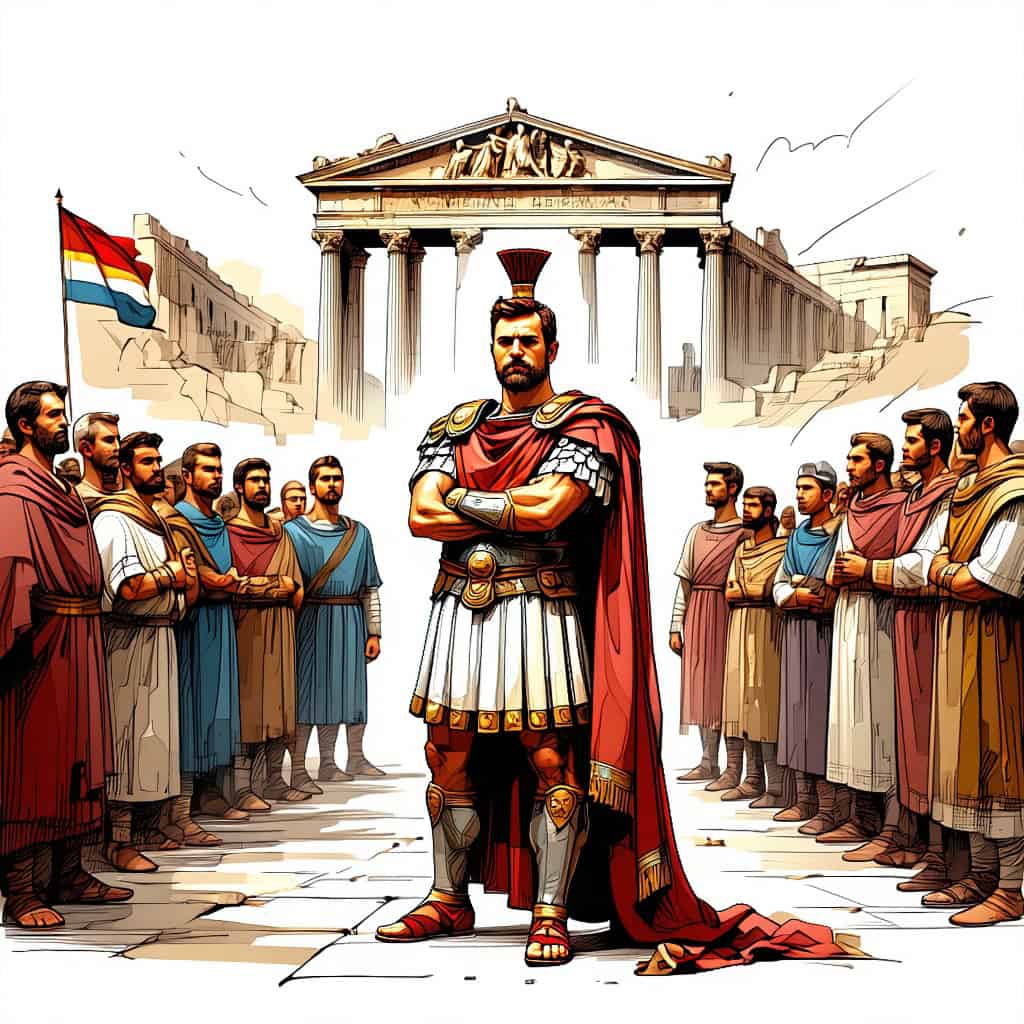
Introduction
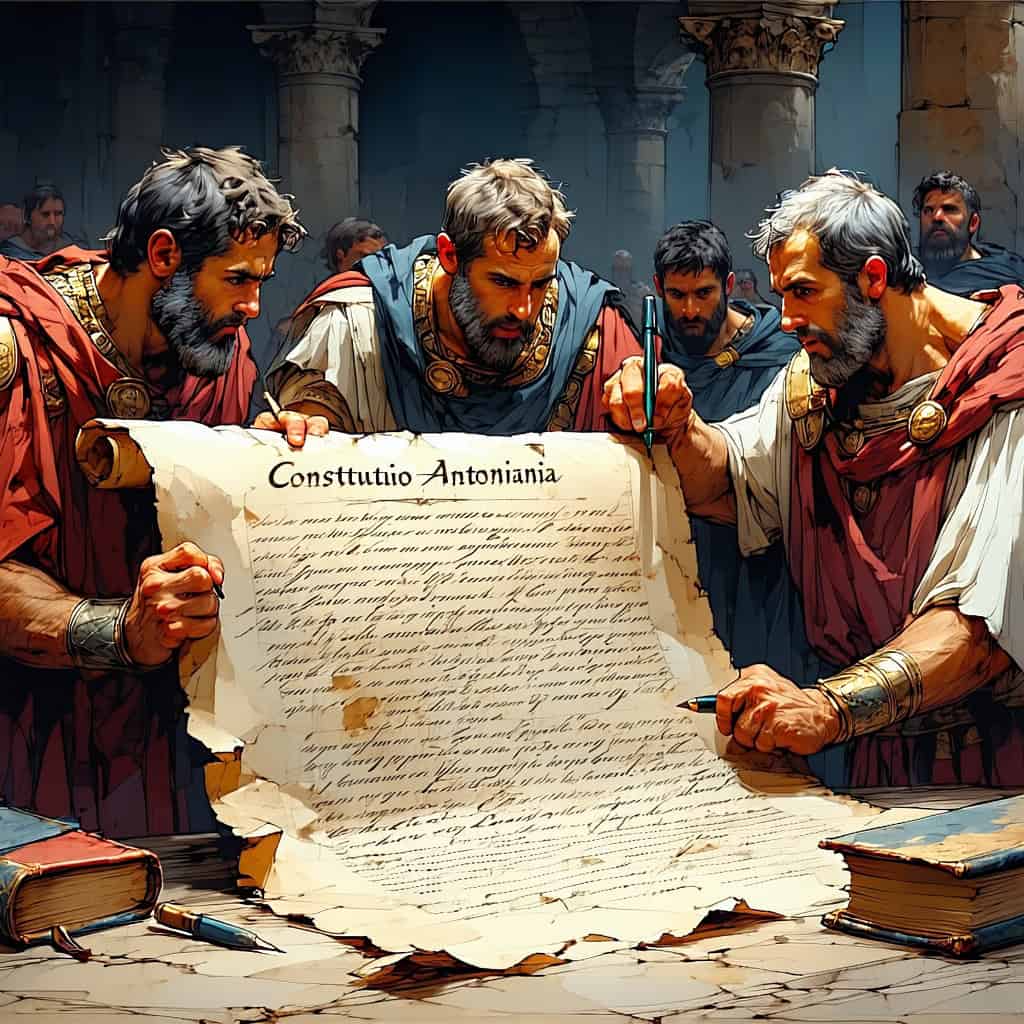
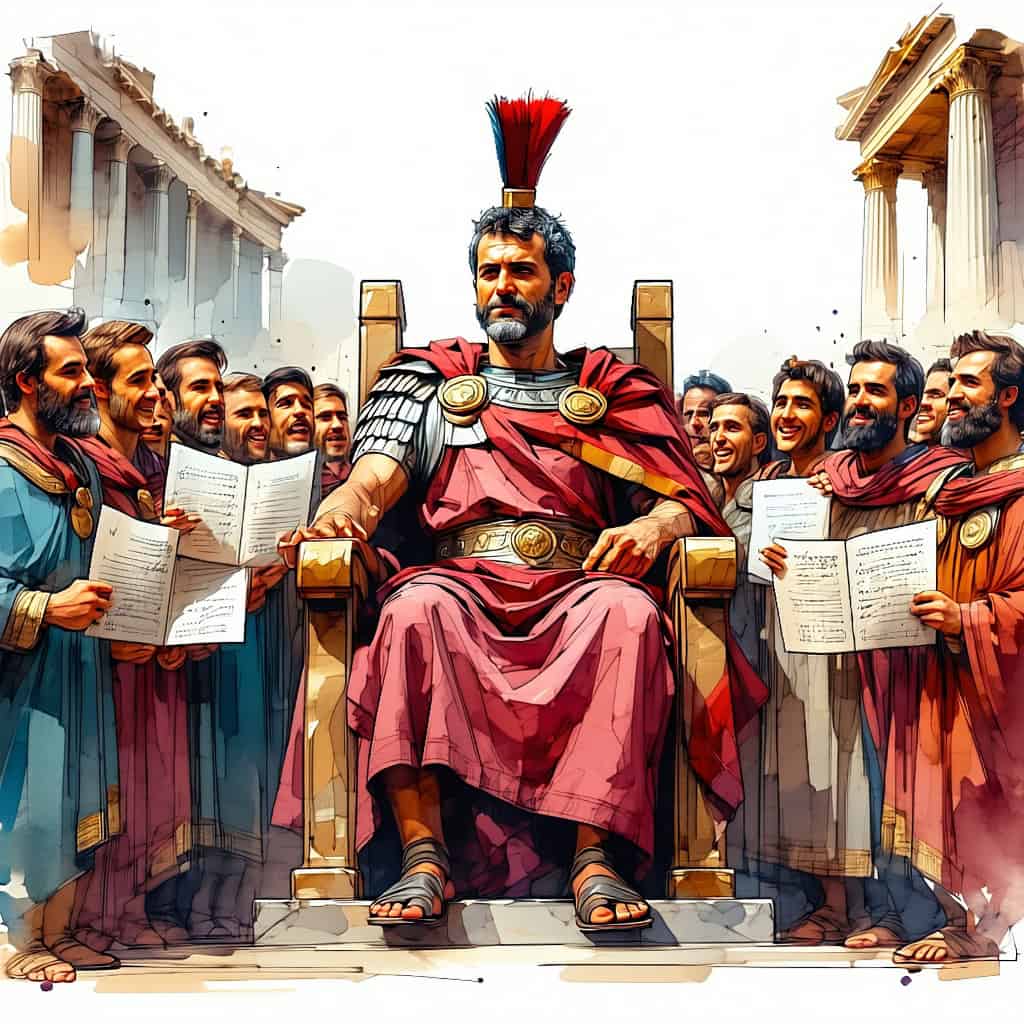
Emperor Caracalla
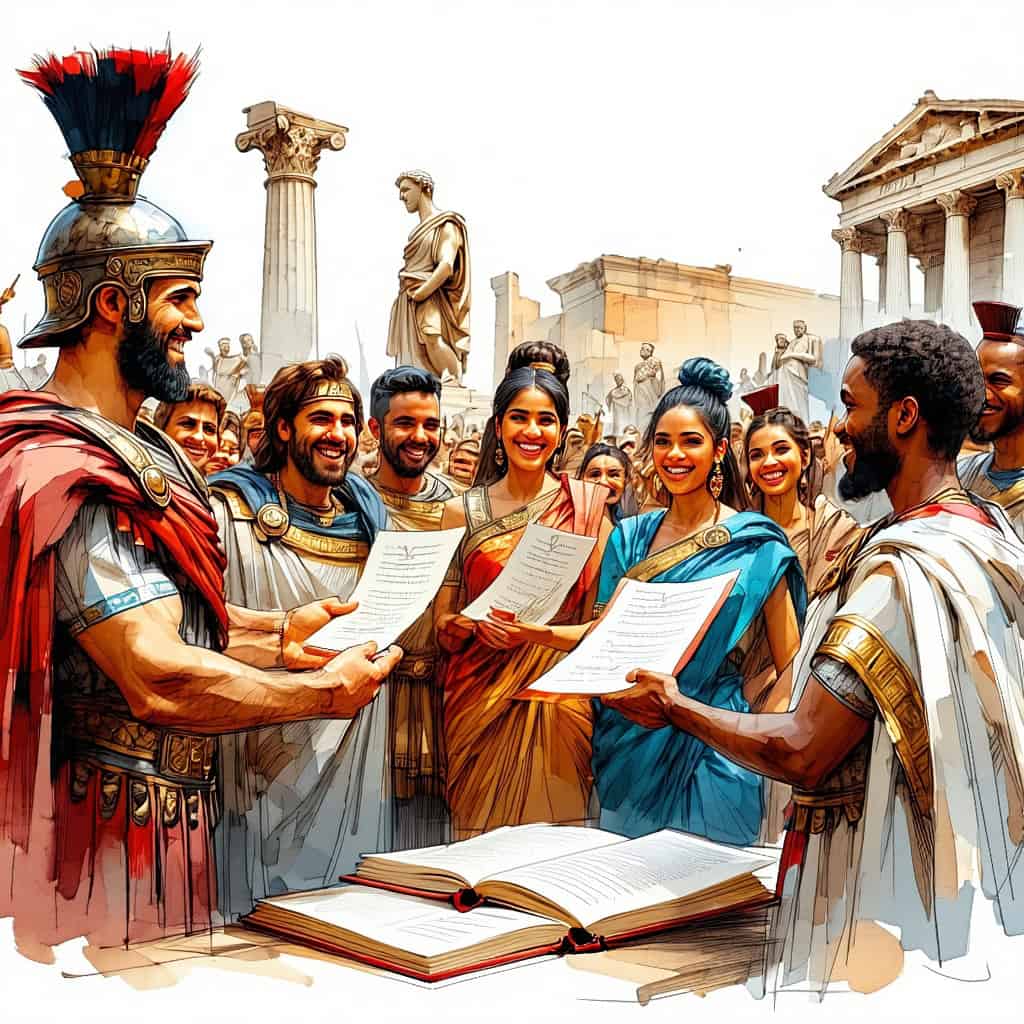
Roman Citizens
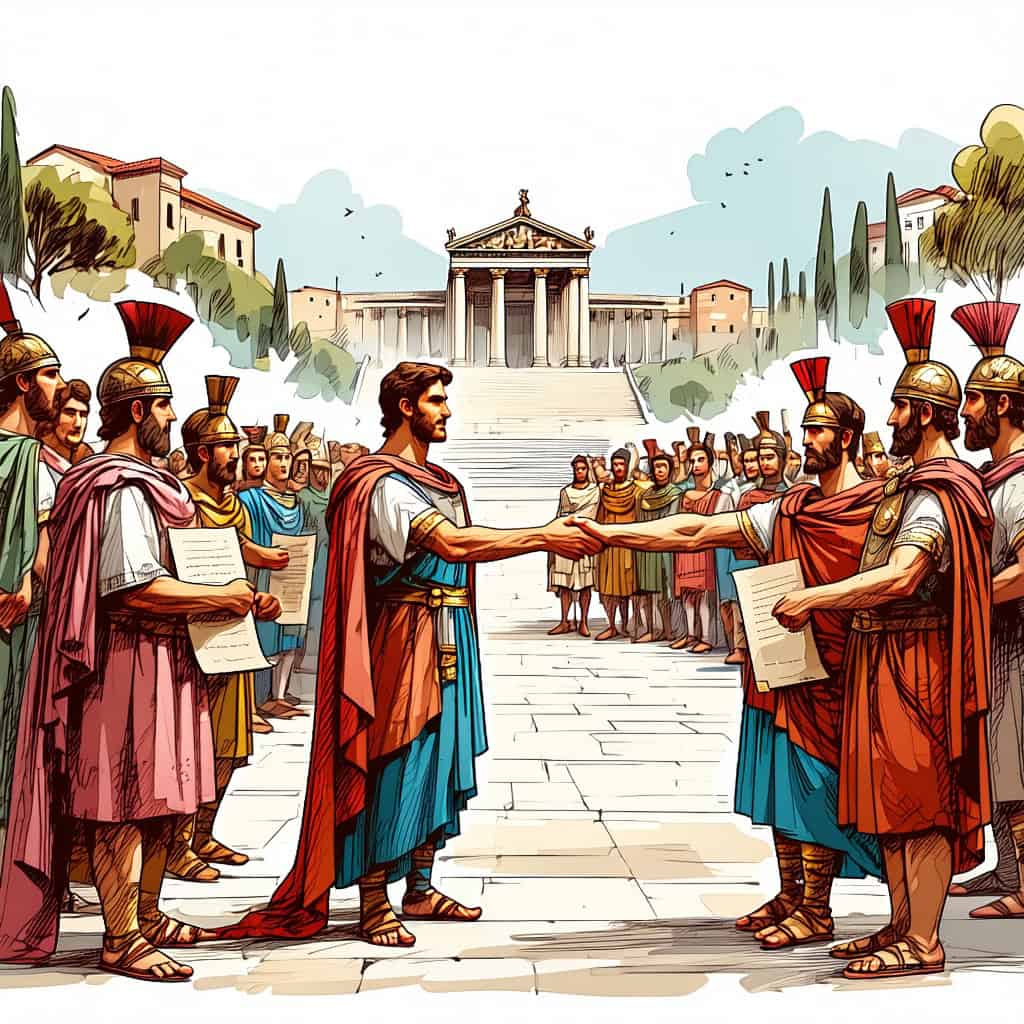
Provincials

Legal Scholars

The Origins of the Constitutio Antoniniana

The Impact on Roman Society

The Motivations of Emperor Caracalla
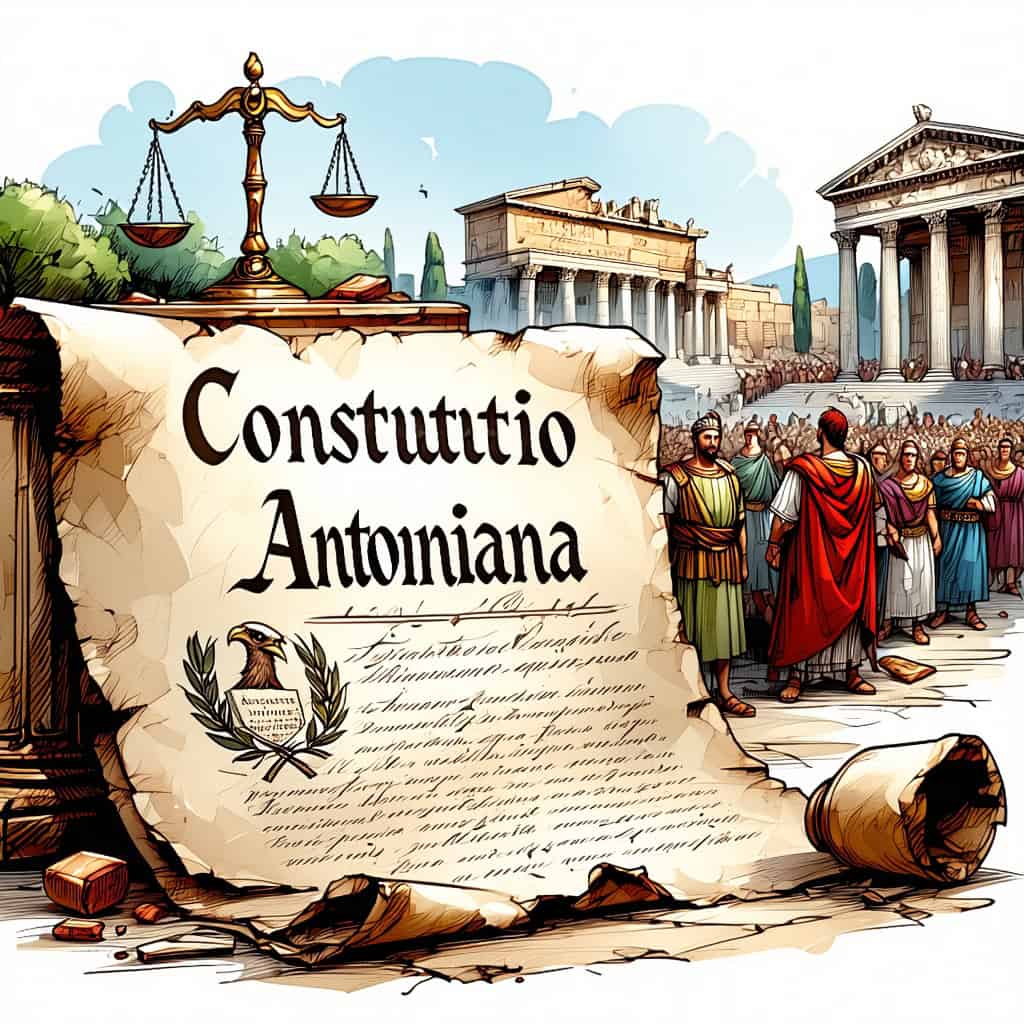
The Legal Ramifications of the Edict

The Reception of the Edict
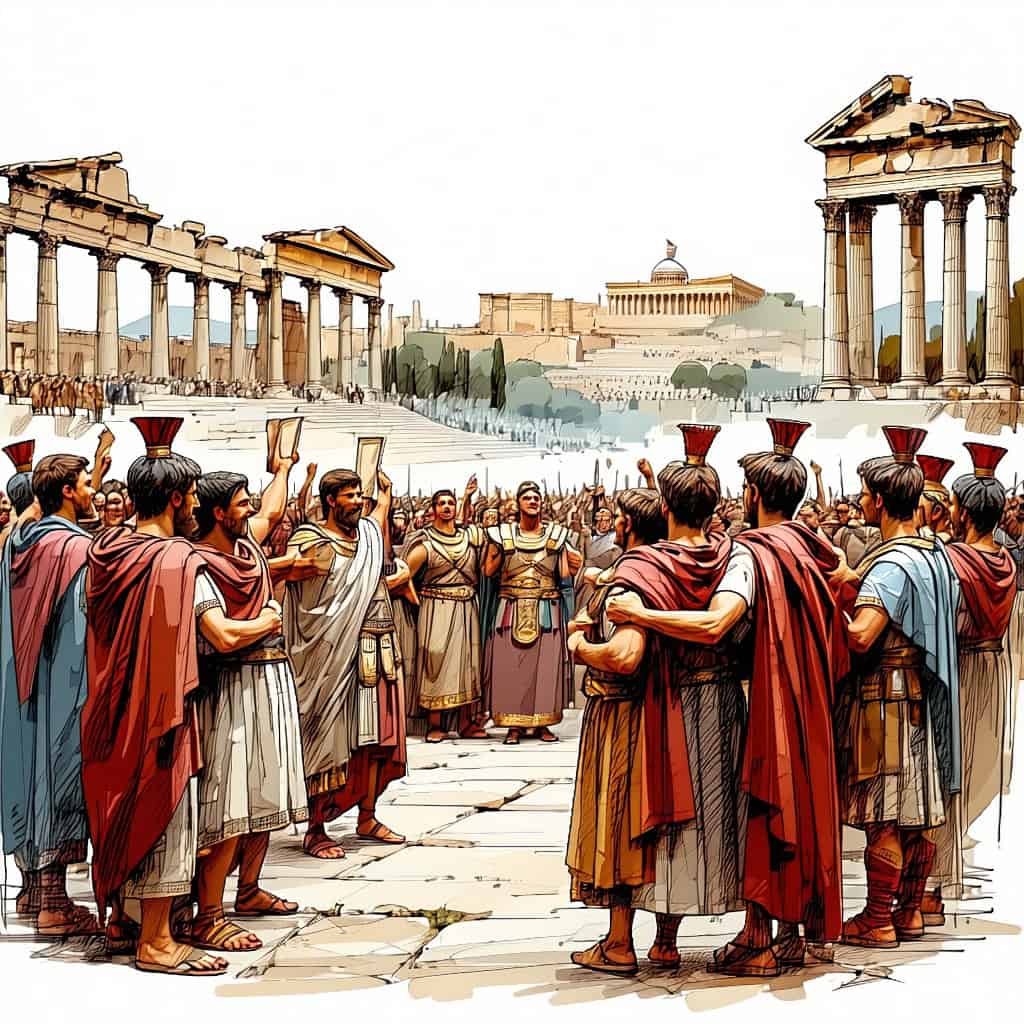
The Legacy of the Constitutio Antoniniana
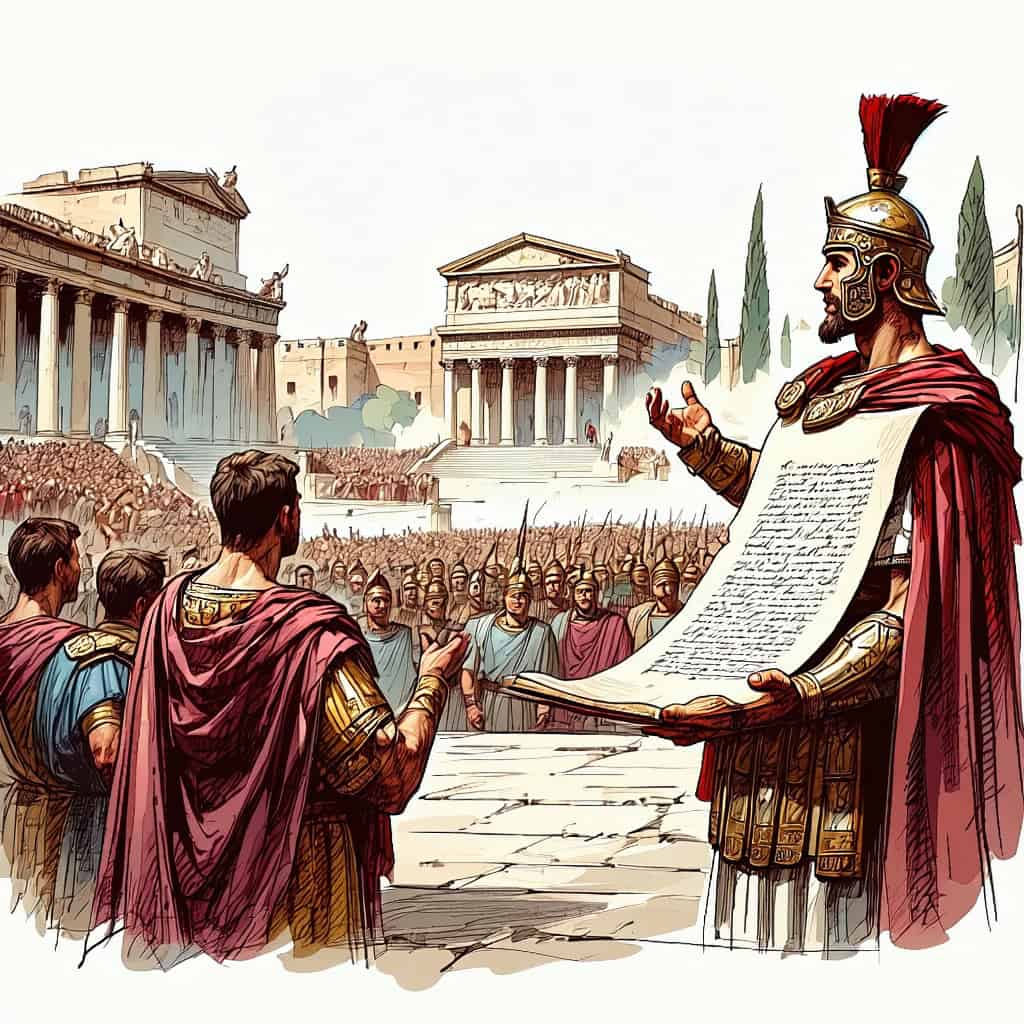
The Enforcement of the Edict

The Decline of the Roman Empire

The Significance of the Edict in Historical Context

Lesson Details & Resources
In a Nutshell
- What: Granting of Roman citizenship to all free men in the Roman Empire.
- When: 212 AD
- Who: Emperor Caracalla
- Outcome: Significantly expanded the rights and benefits of Roman citizenship, leading to greater social cohesion and loyalty to the Empire.
Famous Figures in the Constitutio Antoniniana
-
Caracalla
Caracalla: Also known as Marcus Aurelius Severus Antoninus Augustus, Caracalla was a Roman emperor who issued the Constitutio Antoniniana in 212 AD. The edict granted Roman citizenship to all free men in the empire, aiming to solidify the loyalty of the subjects.
-
Geta
Geta: Geta, also known as Publius Septimius Geta, was a Roman emperor who co-ruled with his brother Caracalla. He was assassinated shortly after the issuance of the Constitutio Antoniniana.
-
Septimius Severus
Septimius Severus: Septimius Severus was a Roman emperor who reigned from 193 to 211 AD. He was the father of Caracalla and Geta, and it was during his reign that the Constitutio Antoniniana was introduced.
-
Alexander Severus
Alexander Severus: Alexander Severus, full name Marcus Aurelius Severus Alexander Augustus, was a Roman emperor who succeeded his cousin Elagabalus. He continued the policy of granting citizenship to free inhabitants of the empire.
-
Diadumenianus
Diadumenianus: Diadumenianus, also known as Marcus Opellius Antoninus Diadumenianus, was the son of Macrinus, who briefly served as Roman emperor in 217 AD. Diadumenianus was appointed Caesar by his father and was killed shortly after his overthrow.
Timeline of Constitutio Antoniniana
Constitutio Antoniniana is issued by Emperor Caracalla, granting Roman citizenship to all free inhabitants of the Roman Empire.
The Constitutio Antoniniana is also known as the Edict of Caracalla or the Antonine Constitution.
The edict was issued during the reign of Emperor Caracalla, also known as Marcus Aurelius Antoninus.
The Constitutio Antoniniana was a major social and political reform that aimed to increase the loyalty of the diverse population of the Roman Empire.
The granting of Roman citizenship to all free inhabitants was a significant departure from the previous policy of granting citizenship only to select individuals or groups.
The Constitutio Antoniniana was issued in response to the need for more soldiers and taxpayers in the Roman Empire.
The edict was met with mixed reactions, with some praising it as a progressive reform and others criticizing it as a political move by Emperor Caracalla.
The Constitutio Antoniniana had a lasting impact on the social and political structure of the Roman Empire, leading to the gradual decline of the distinction between Roman citizens and non-citizens.
The edict was one of the key reforms implemented by Emperor Caracalla during his reign, which was marked by his aggressive and authoritarian rule.
The Constitutio Antoniniana was one of the most significant legal and social changes in Roman history, with far-reaching implications for the Empire and its subjects.
Vocabulary List
- Constitutio Antoniniana
- The decree issued by Roman Emperor Caracalla in 212 AD granting Roman citizenship to all free inhabitants of the Roman Empire.
- Roman Emperor
- The title given to the ruler of the Roman Empire, such as Caracalla who issued the Constitutio Antoniniana.
- Citizenship
- The status of being a citizen with rights and privileges, which was granted to all free inhabitants of the Roman Empire by the Constitutio Antoniniana.
- Roman Empire
- The vast empire that was ruled by emperors like Caracalla and where the Constitutio Antoniniana was implemented.
- Decree
- An official order or decision issued by a ruler, such as the Constitutio Antoniniana.
- Inhabitants
- The people who live in a particular place, such as the free inhabitants of the Roman Empire who were granted citizenship by the Constitutio Antoniniana.
Key Facts
This is the information used in the fact matching game
- Constitutio Antoniniana was a decree issued by Roman Emperor Caracalla in 212 AD.
- It granted Roman citizenship to all freeborn inhabitants of the Roman Empire.
- The decree was primarily enacted to increase the number of people liable to pay taxes throughout the empire.
- It was also a strategic move to solidify the loyalty of the newly expanded army under Caracalla's rule.
- The Constitutio Antoniniana is sometimes referred to as the Edict of Caracalla.
- Prior to the decree, Roman citizenship was a privilege reserved for certain classes of people.
- There were two main classes of Roman citizens: the freeborn and the freedmen.
- The freeborn citizens were those who were born free and had Roman ancestry.
- The freedmen were former slaves who had been granted their freedom.
- With the Constitutio Antoniniana, all freeborn inhabitants of the empire became Roman citizens.
- The decree did not grant citizenship to slaves, but it significantly expanded the number of Roman citizens.
- The Constitutio Antoniniana was a significant step towards universalizing Roman citizenship.
- The decree marked a shift from a mainly city-based Roman citizenship to a broader imperial citizenship.
- It contributed to the integration and assimilation of diverse populations within the Roman Empire.
- The Constitutio Antoniniana had significant legal and social implications in the Roman Empire.
- It granted Roman citizens certain legal rights and protections.
- The decree helped to further centralize power in the hands of the emperor.
- Although the Constitutio Antoniniana was a milestone, Roman citizenship still retained some distinctions based on social status.
- The decree marked a significant moment in the Roman Empire's history and had long-lasting effects on the development of citizenship in subsequent societies.
- The Constitutio Antoniniana was repealed in the 3rd century AD, but its impact on the concept of citizenship endured.
Analysis & Significance
Immediate Consequences
The Constitutio Antoniniana, issued by Emperor Caracalla in 212 AD, granted Roman citizenship to all free inhabitants of the Empire. This move aimed to increase tax revenue and military recruitment, but it also led to a rapid influx of new citizens, causing administrative challenges and social tensions in the short term.
Long-Term Impact
The long-term impact of the Constitutio Antoniniana was profound. By extending citizenship to all free individuals, regardless of their origin, the edict laid the groundwork for a more inclusive and diverse Roman society. It marked a significant shift in Roman identity and citizenship, setting the stage for the transformation of the Empire in the centuries to come.
Cultural Significance Today
Today, the legacy of the Constitutio Antoniniana can still be seen in the concept of citizenship and the idea of inclusivity in modern societies. It serves as a reminder of the power of policy decisions to shape social structures and identities. The edict continues to influence discussions on citizenship, immigration, and belonging, highlighting the enduring impact of ancient Roman history on contemporary issues.
Constitutio Antoniniana Games


Take Your Learning Offline
Want a convenient, print-ready study guide for this lesson? Become a Memory Wizards Pro member to unlock the downloadable " Memory Scrolls" for this topic and our entire library!
- ✓ Complete Vocabulary Lists
- ✓ Key Facts & Timelines
- ✓ Beautifully Formatted for Print & Mobile