
How Do You Learn Best?
Learn by Listening
Start with the 3-minute audio summary to get the key facts and narrative highlights quickly.
Learn by Reading
Immerse yourself in the 10-minute visual lesson for a comprehensive understanding of the topic.
Learn by Reviewing
Jump directly to the key facts, timeline, and vocabulary lists to build a solid foundation of details.
Learn by Doing
Challenge yourself! Jump straight into the interactive games to learn by trial, error, and discovery.
Audio Library
As one of our featured lessons, this topic includes premium audio guides.
Unlock the Wizard's Cram Session
This powerful audio study guide is a Pro-exclusive feature. Upgrade to Memory Wizards Pro to access this and all of our premium learning tools.
Upgrade to ProLife on the Mississippi in 10 Minutes
Introduction



Mark Twain

Captain Isaiah Sellers

Horace Bixby

Jim Blaine

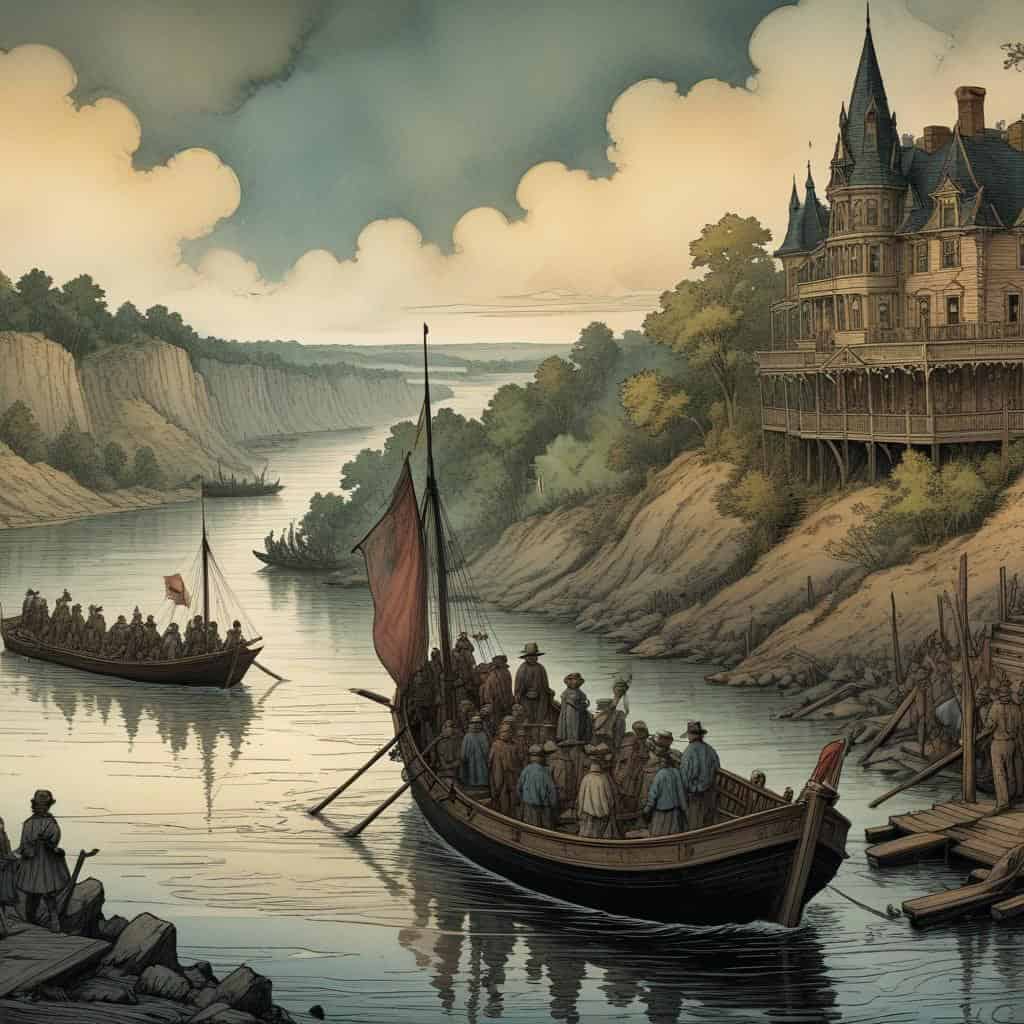
1. Introduction to the Mississippi River

2. Becoming a Steamboat Pilot
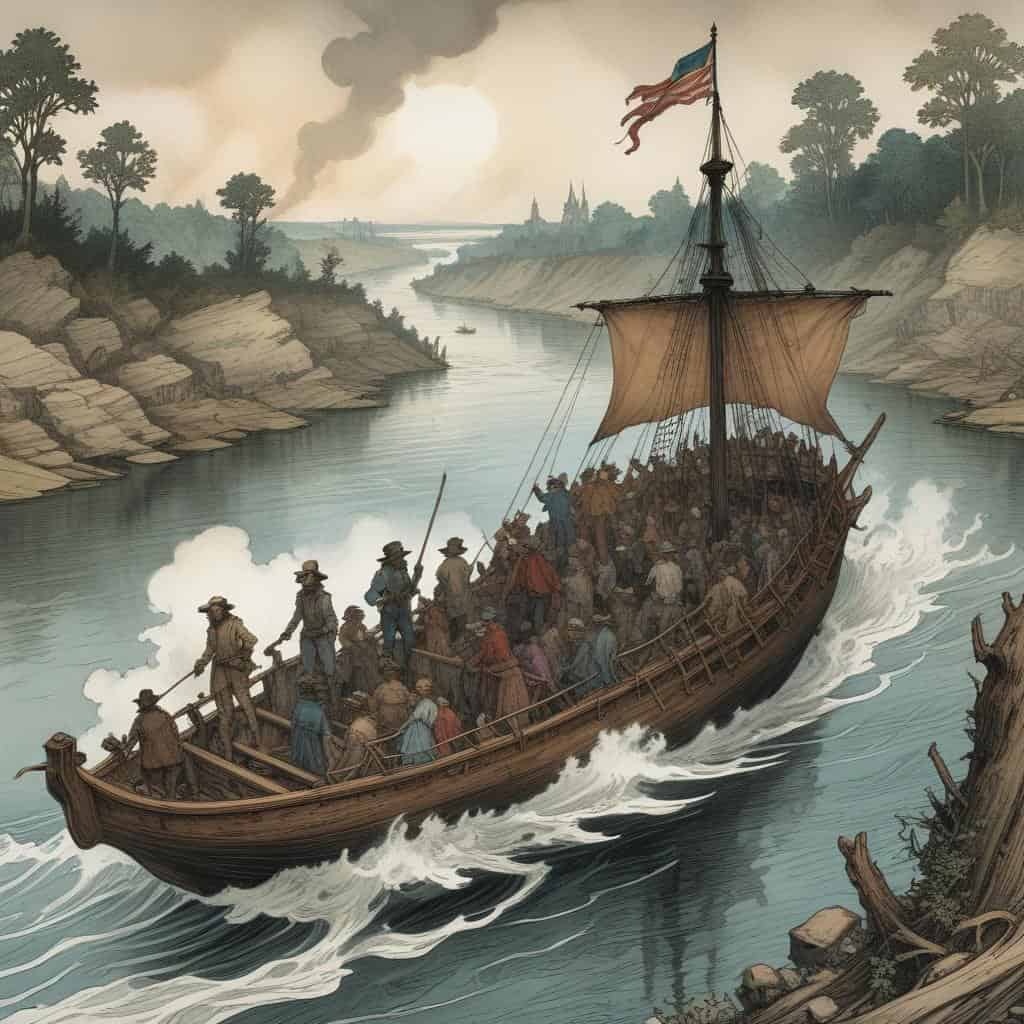
3. Adventures on the River

4. Civil War and Reconstruction
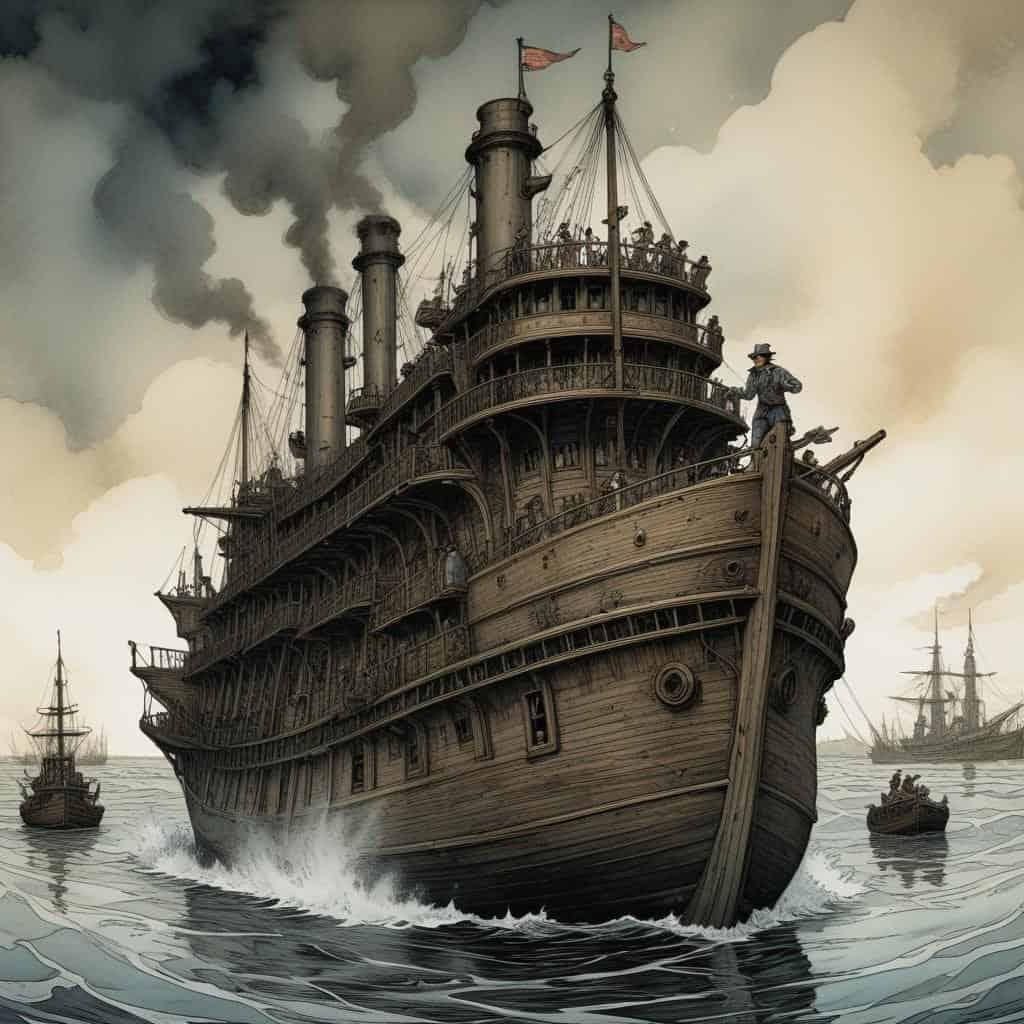
5. Changing Times

6. Return to the River

7. Reflections on Memory

8. Themes of Identity and Change

9. Legacy of the Mississippi River

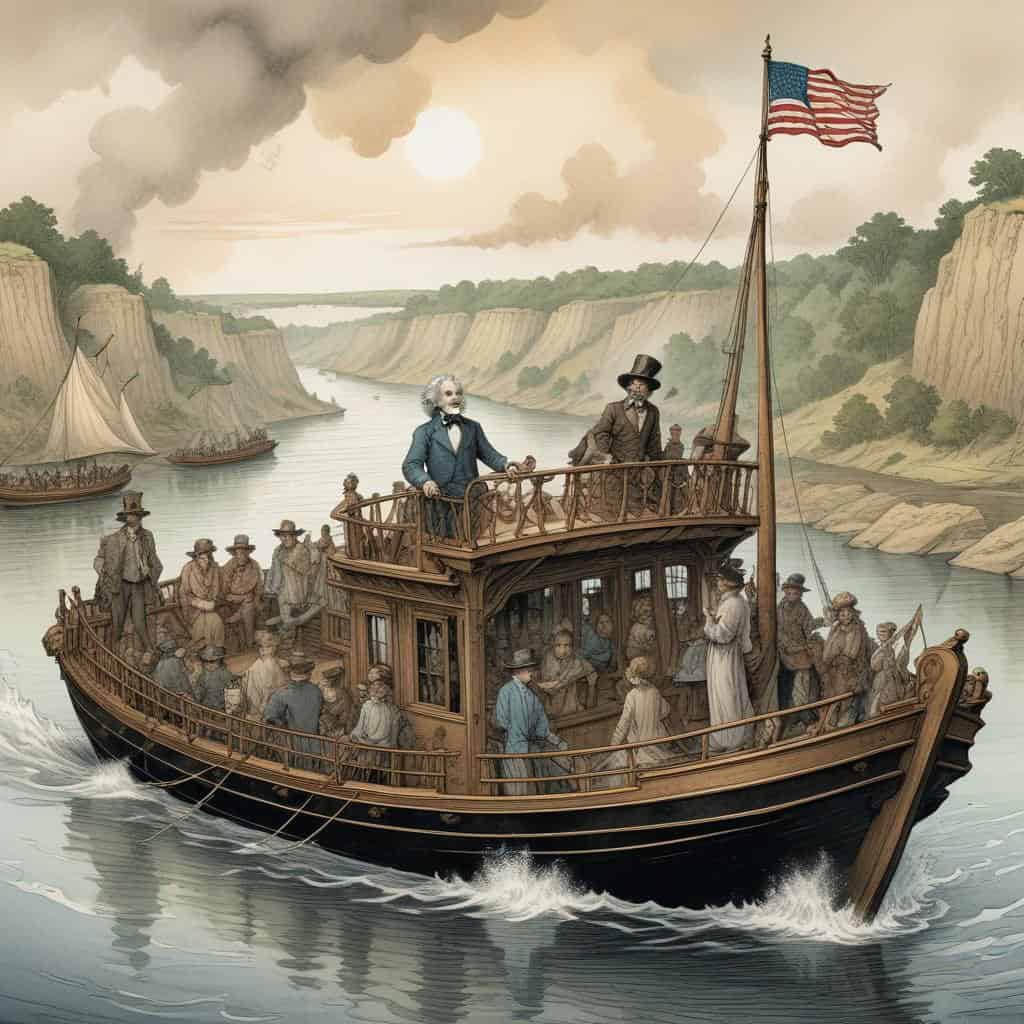
10. Conclusion
Lesson Details & Resources
In a Nutshell
- What: Literary work 'Life on the Mississippi' by Mark Twain
- When: Written in the 19th century
- Who: Main characters include Samuel Clemens (Mark Twain), Horace Bixby, and George Ealer
- Theme: The core theme of the work is the exploration of the Mississippi River and the impact it has on the lives of the characters
List of Characters in Life on the Mississippi
-
Mark Twain
Mark Twain is the pen name of Samuel Clemens, the author of Life on the Mississippi.
-
Samuel Clemens
Horace Bixby is a pilot on the Mississippi River who teaches Twain how to navigate the river.
-
Horace Bixby
George Ealer is a steamboat captain who Twain works for as a cub pilot.
-
George Ealer
Mr. Brown is a wealthy man who owns a steamboat and takes Twain on a journey down the Mississippi.
Timeline of Life on the Mississippi
1. Samuel Clemens, later known as Mark Twain, grows up in the town of Hannibal, Missouri, along the Mississippi River.
2. Clemens becomes a steamboat pilot on the Mississippi River.
3. Clemens experiences the beauty and danger of life on the river, learning about navigation, steamboat technology, and the culture of the region.
4. Clemens witnesses the Civil War and its impact on the Mississippi River and its communities.
5. After the war, Clemens returns to the river as a writer, penning articles and stories about his experiences.
6. Clemens publishes 'Life on the Mississippi' in 1883, a memoir recounting his time as a steamboat pilot and reflecting on the changes he has seen on the river.
7. The book becomes a classic of American literature, providing a vivid portrait of the Mississippi River and its role in shaping American history and culture.
Vocabulary List
- Pilot
- The protagonist of the story is a young boy who dreams of becoming a steamboat pilot on the Mississippi River.
- Steamboat
- The main mode of transportation on the Mississippi River during the time period of the novel was the steamboat.
- Riverboat
- The protagonist spends much of his time working on various riverboats that travel up and down the Mississippi River.
- Southern charm
- The novel captures the essence of the southern charm and hospitality that was prevalent in the towns along the Mississippi River.
- Paddlewheel
- The steamboats on the Mississippi River were known for their iconic paddlewheel that churned the water as they traveled.
- River navigation
- The protagonist must learn the intricacies of river navigation in order to safely pilot the steamboat.
- River town
- The novel is set in various river towns along the Mississippi River, showcasing the unique culture and lifestyle of the region.
- River commerce
- The Mississippi River was a vital artery for river commerce, transporting goods and people up and down its waters.
- River culture
- The protagonist becomes immersed in the rich river culture of the Mississippi, learning about the customs and traditions of the people who live along its banks.
- Southern hospitality
- The people the protagonist meets along the Mississippi River exhibit the warmth and generosity of southern hospitality.
Key Facts
This is the information used in the fact matching game
- Mark Twain's real name was Samuel Langhorne Clemens.
- Life on the Mississippi was published in 1883.
- The book is a memoir of Twain's time as a steamboat pilot on the Mississippi River.
- Twain's experiences as a pilot heavily influenced the writing of the book.
- The book explores themes of nostalgia, progress, and the changing landscape of America.
- Twain's writing style in the book is humorous and satirical.
- Life on the Mississippi is considered one of Twain's greatest works.
- The book is a mix of travel narrative, history, and social commentary.
- Twain's descriptions of the Mississippi River are vivid and detailed.
- Life on the Mississippi has been adapted into various forms, including a TV movie.
- The book captures the essence of the American South in the 19th century.
- Twain's observations on race and class are a prominent feature of the book.
- Life on the Mississippi has been praised for its vivid portrayal of the river and its surroundings.
- The book has been studied for its insights into American history and culture.
- Twain's wit and humor shine through in his anecdotes and stories in the book.
- Life on the Mississippi reflects Twain's love for the river and the people who lived and worked on it.
- The book has been praised for its authenticity and attention to detail.
- Twain's experiences on the Mississippi River shaped his views on American society and culture.
- Life on the Mississippi remains a classic work of American literature.
- The book continues to be studied and celebrated for its insights into American life in the 19th century.
Analysis & Significance
Impact on Literature
Mark Twain’s ‘Life on the Mississippi’ is a seminal work in American literature, showcasing his signature storytelling style and sharp wit. The book’s vivid descriptions of the Mississippi River and its impact on American society set a new standard for travel writing and regional literature.
Enduring Themes
The themes of adventure, nostalgia, and the passage of time in ‘Life on the Mississippi’ still resonate with modern audiences. Twain’s reflections on the changing landscape of America and the loss of innocence are timeless, making the book a classic in the literary canon.
Cultural Significance Today
‘Life on the Mississippi’ continues to be celebrated for its cultural significance and influence on American literature. The book has been adapted into various forms, including films and stage productions, keeping Twain’s legacy alive and introducing new generations to his timeless storytelling.
Life on the Mississippi Games


Take Your Learning Offline
Want a convenient, print-ready study guide for this lesson? Become a Memory Wizards Pro member to unlock the downloadable " Memory Scrolls" for this topic and our entire library!
- ✓ Complete Vocabulary Lists
- ✓ Key Facts & Timelines
- ✓ Beautifully Formatted for Print & Mobile