
How Do You Learn Best?
Learn by Reading
Immerse yourself in the 10-minute visual lesson for a comprehensive understanding of the topic.
Learn by Reviewing
Jump directly to the key facts, timeline, and vocabulary lists to build a solid foundation of details.
Learn by Doing
Challenge yourself! Jump straight into the interactive games to learn by trial, error, and discovery.
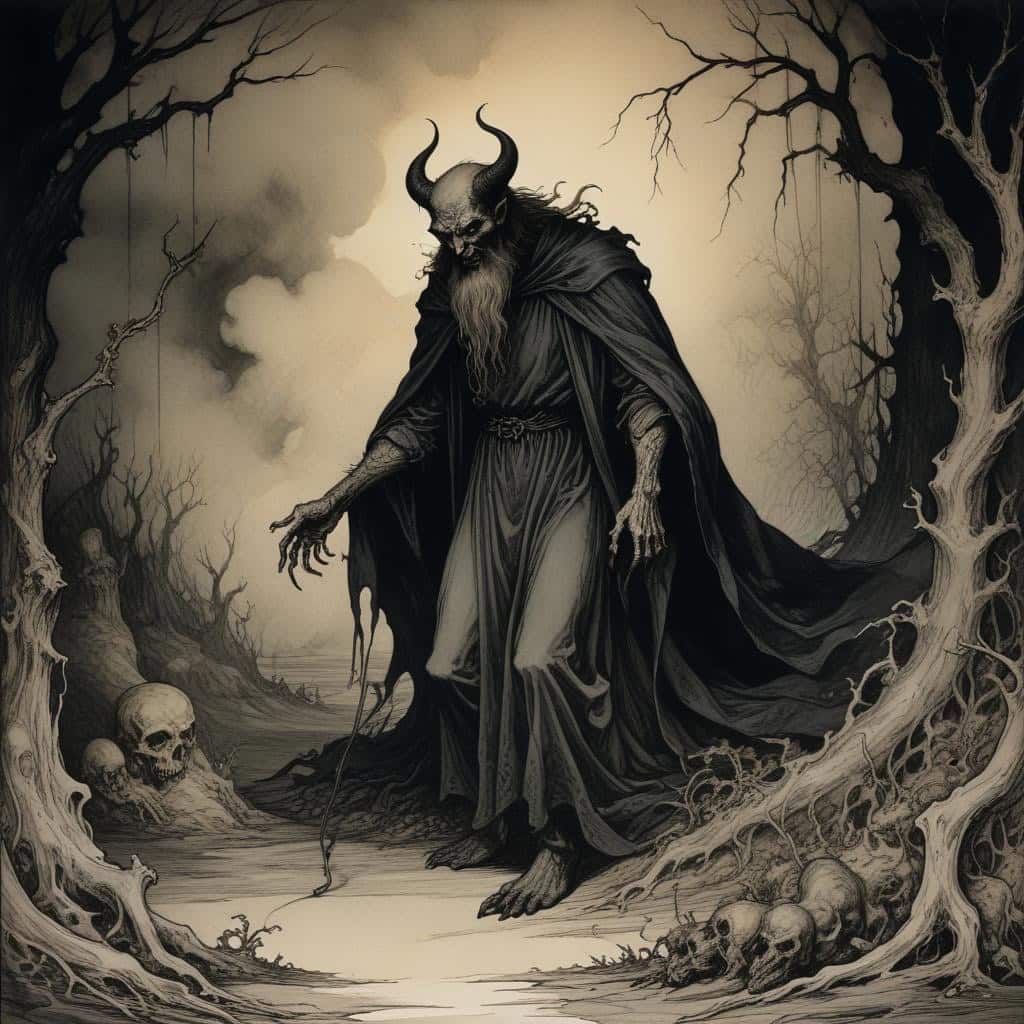
The Devil by Leo Tolstoy in 10 Minutes
Introduction

Ivan Ilyich

The Devil

Praskovya Fyodorovna

Gerasim
1. The Devils Arrival
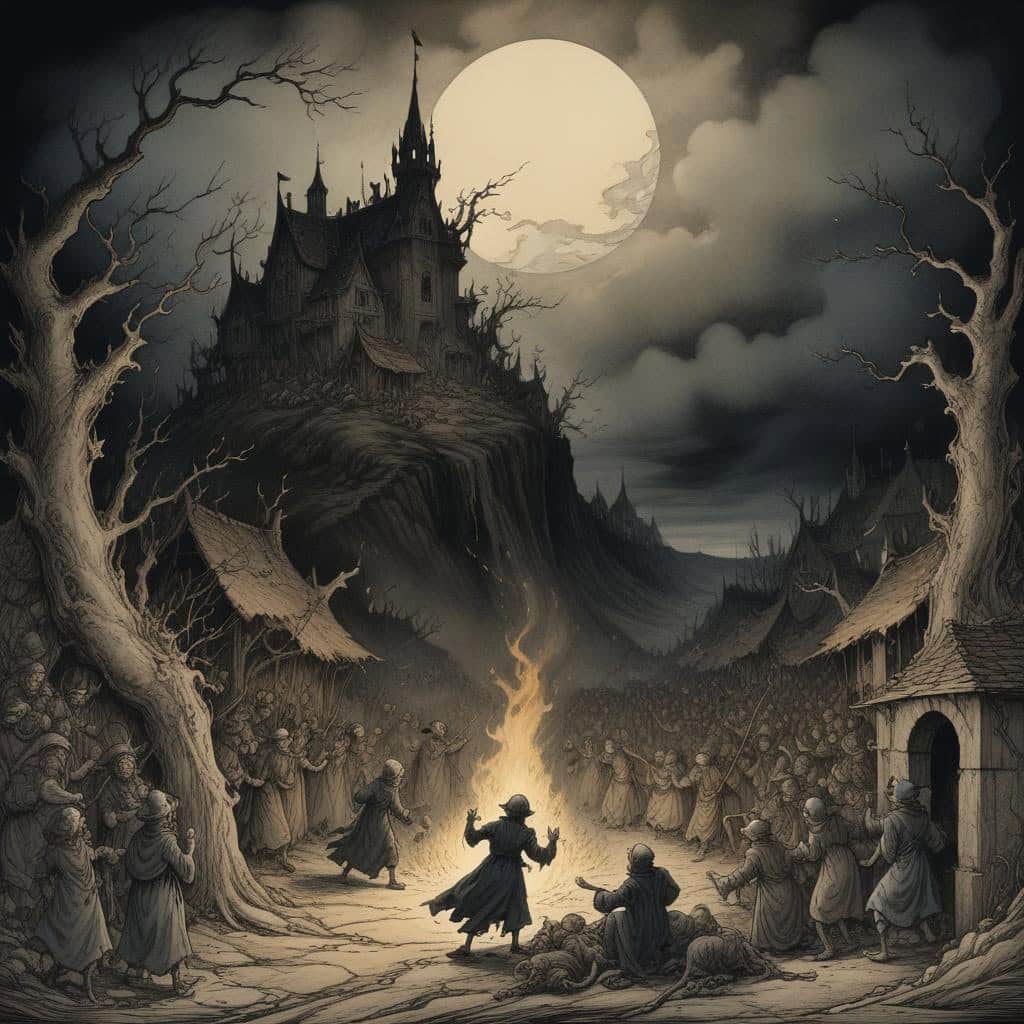
2. The Villagers Reactions
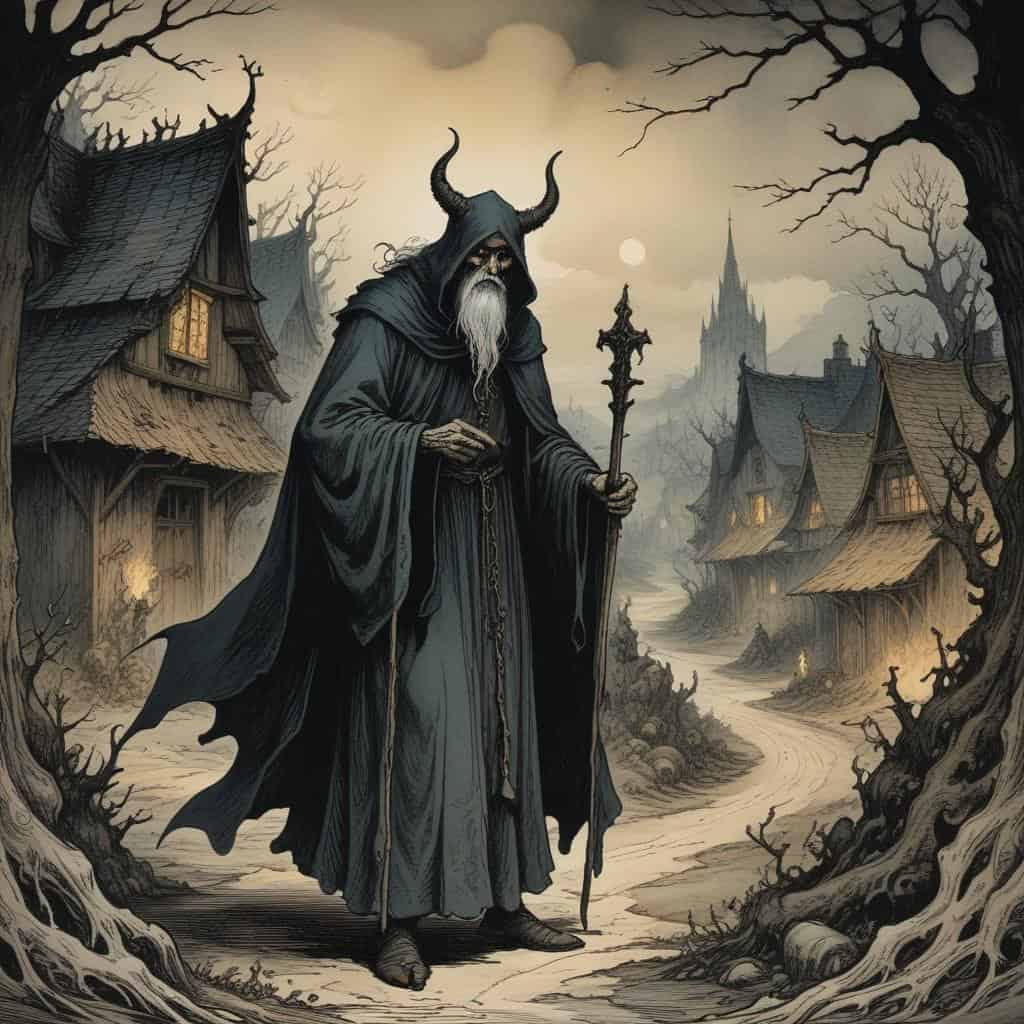
3. The Wise Elders Warning
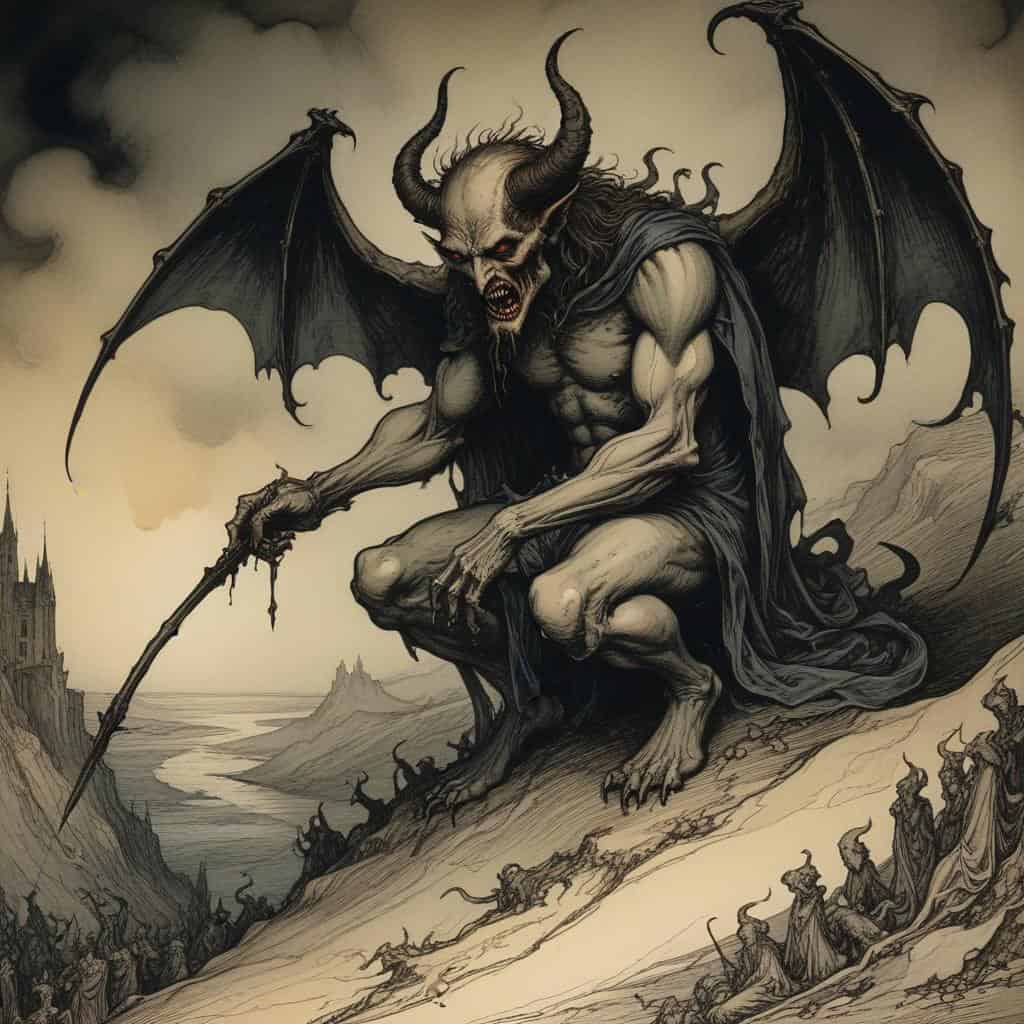
4. The Devils Temptation
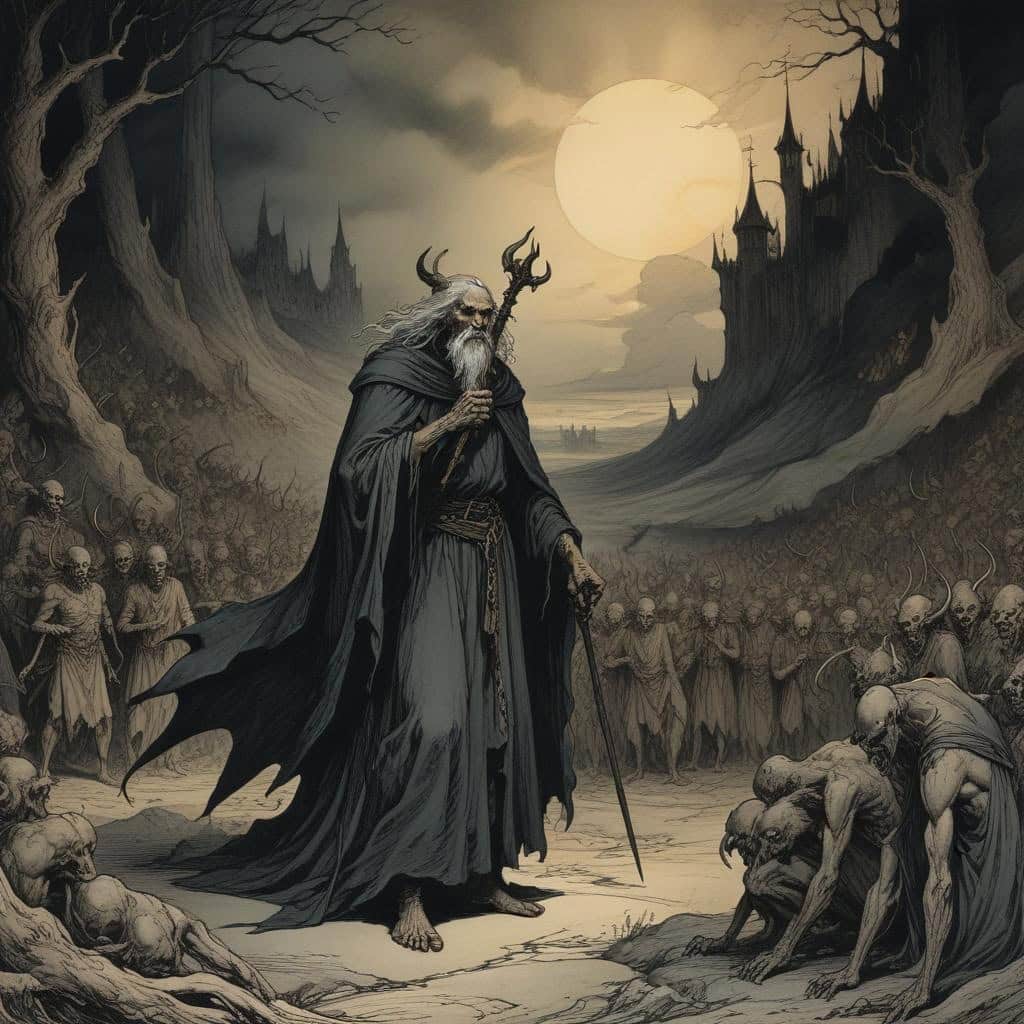
5. The Elders Resistance

6. The Villagers Downfall
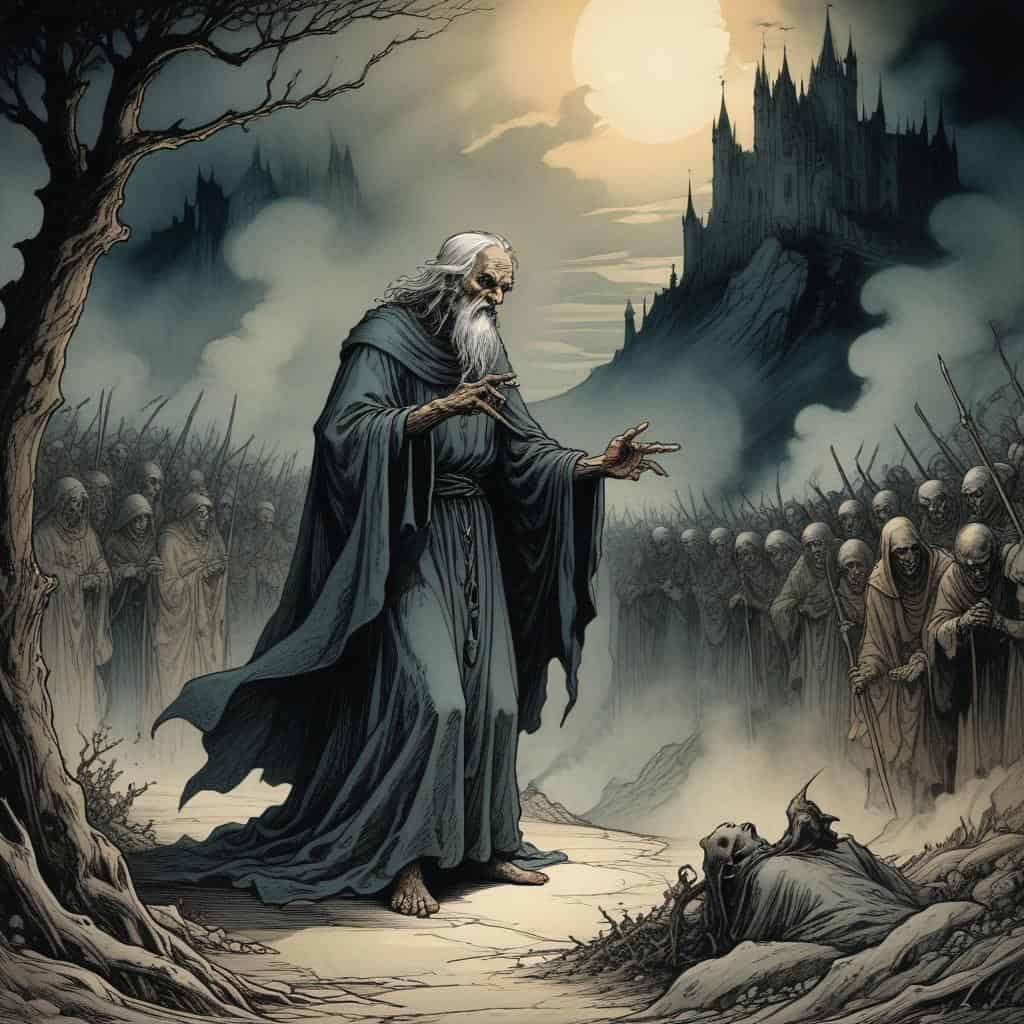
7. The Elders Sacrifice
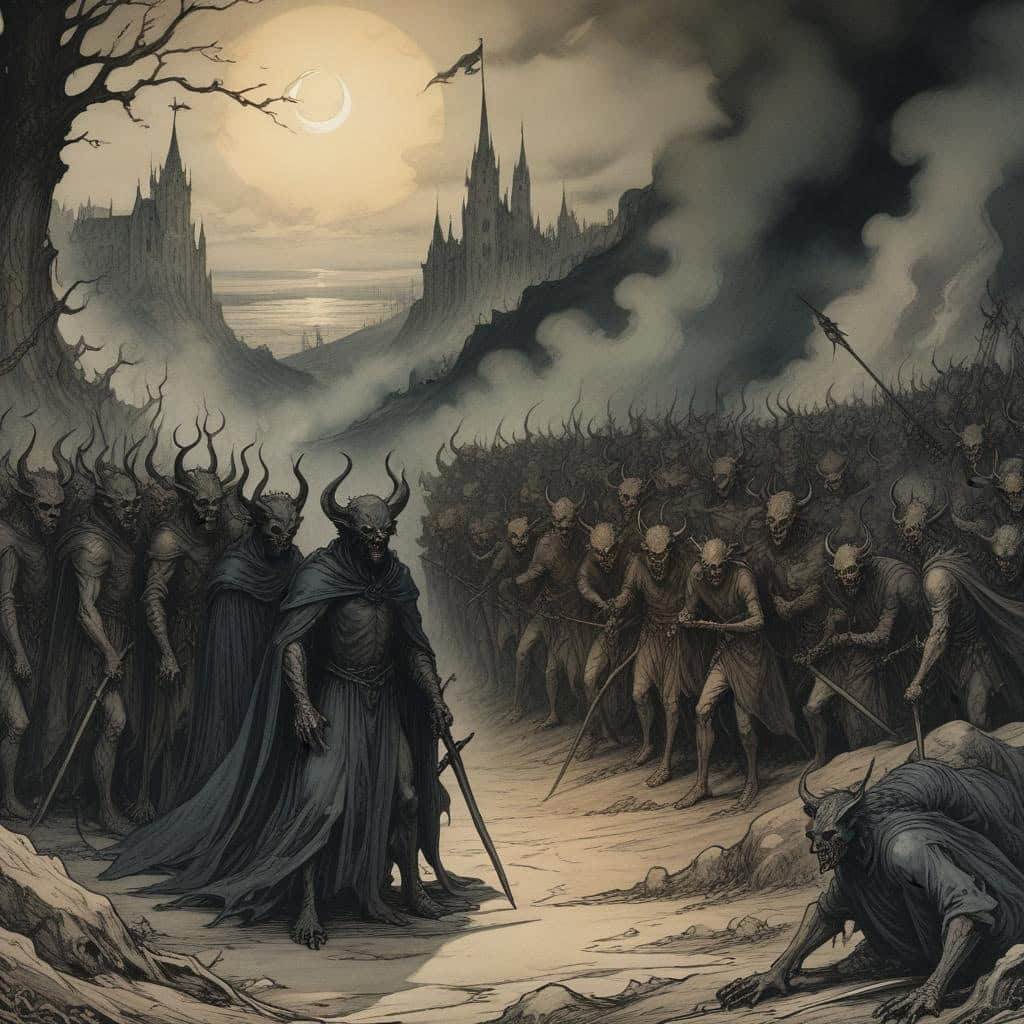
8. The Devils Defeat
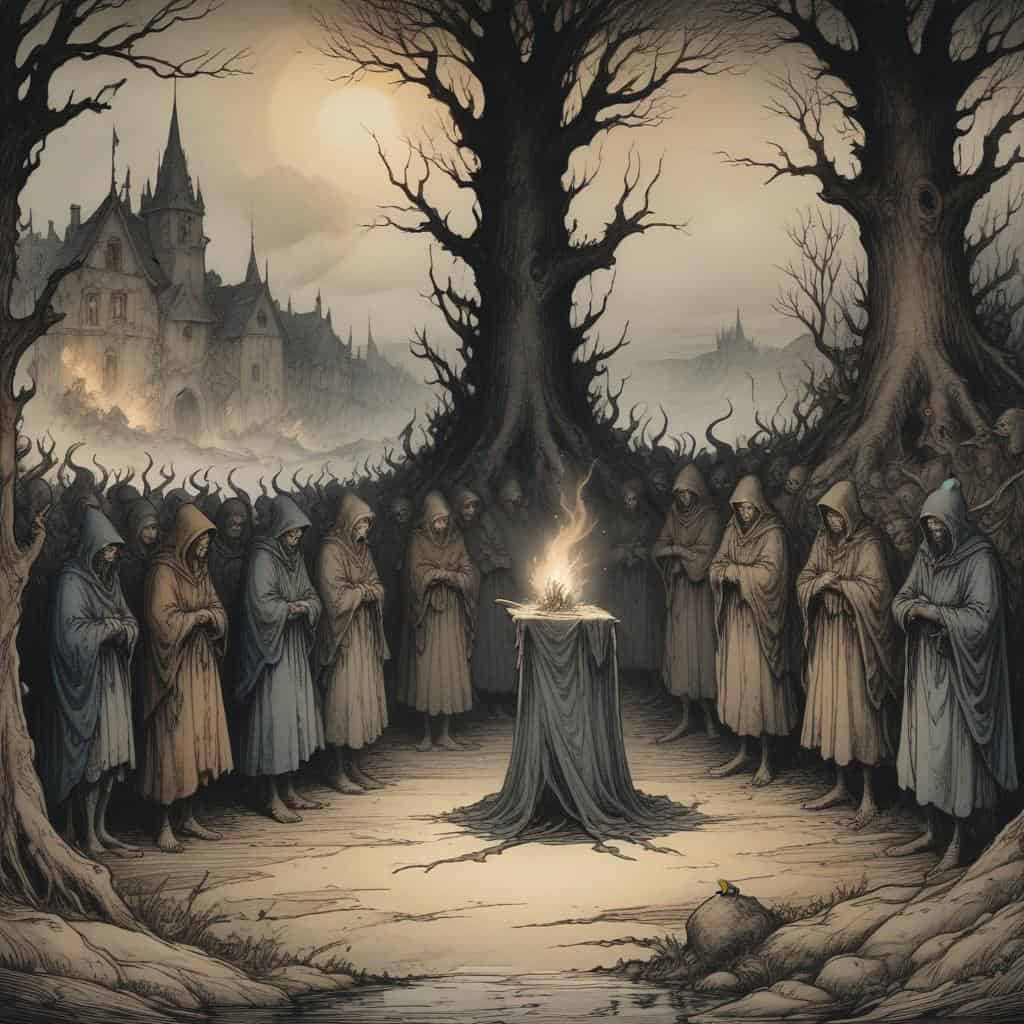
9. The Lesson Learned
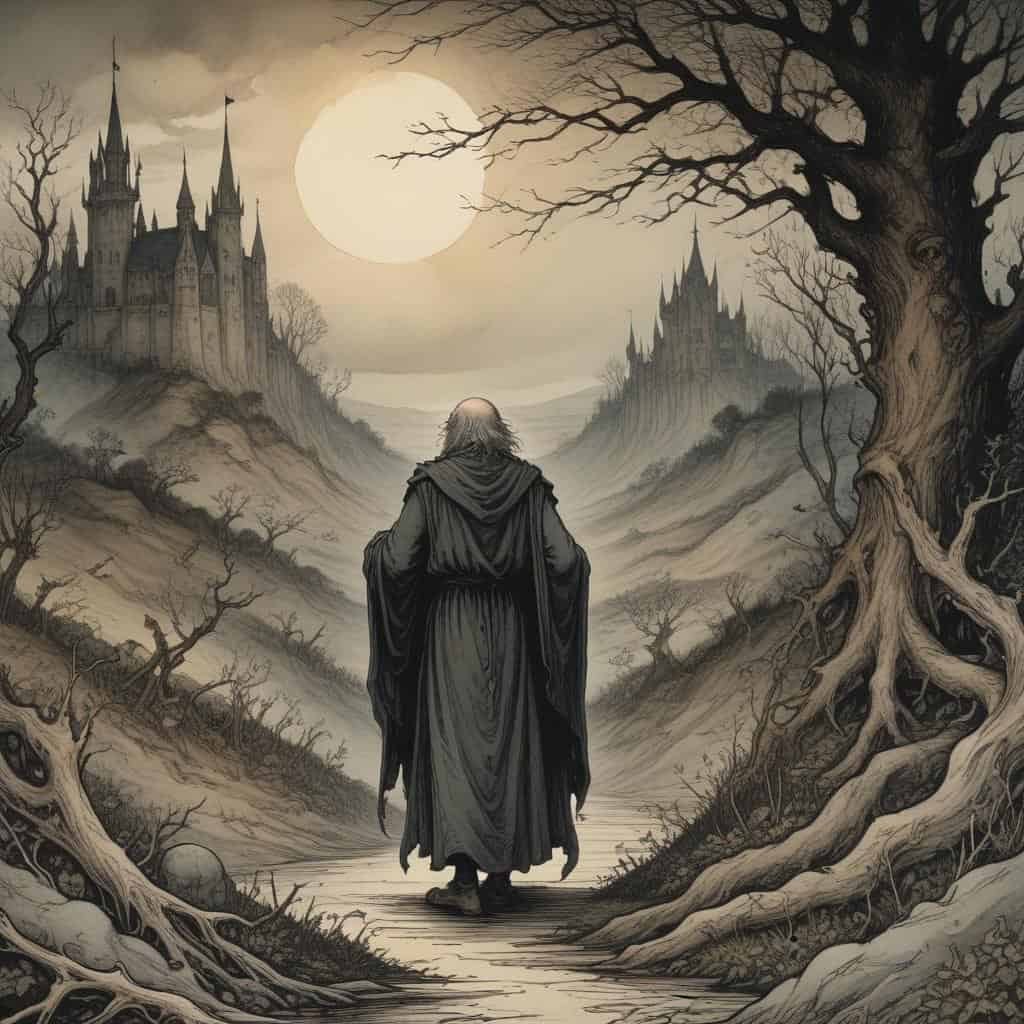
10. The Legacy of the Wise Elder
Lesson Details & Resources
In a Nutshell
- What: The Devil by Leo Tolstoy
- When: Written in the 1880s
- Who: Ivan Ilyich Pralinsky
- Theme: Morality and the struggle between good and evil
List of Characters in The Devil by Leo Tolstoy
-
Nikita
Nikita is a peasant who makes a deal with the Devil to gain wealth and power.
-
The Devil
The Devil is a cunning and manipulative figure who tempts Nikita into making a pact with him.
-
The Priest
The Priest is a moral authority who warns Nikita of the dangers of dealing with the Devil.
-
The Rich Man
The Rich Man is a character who represents material wealth and success.
Timeline of The Devil by Leo Tolstoy
The Devil appears in a small village and begins causing mischief among the villagers.
The Devil starts tempting people with their desires and leading them astray from their morals.
A young peasant named Stepan meets the Devil and is persuaded to join him in his mischievous deeds.
Stepan becomes increasingly corrupted by the Devil's influence and starts committing heinous acts.
A holy man named Father Sergy arrives in the village and begins preaching against the Devil's temptations.
Stepan is drawn to Father Sergy's message and starts to repent for his sins.
The Devil becomes furious at Stepan's change of heart and tries to lead him back into temptation.
Stepan resists the Devil's temptations and ultimately defeats him with the power of his newfound faith.
The Devil is banished from the village and Stepan becomes a changed man, dedicated to living a virtuous life.
Father Sergy continues to spread his message of righteousness, guiding the villagers away from the Devil's influence.
Vocabulary List
- Devil
- The Devil is a central character in Leo Tolstoy's short story.
- Satan
- The Devil is often compared to Satan in religious texts.
- Temptation
- The Devil tempts the protagonist with worldly pleasures.
- Sin
- The Devil represents the concept of sin and evil in the story.
- Faustian bargain
- The protagonist makes a Faustian bargain with the Devil for power and riches.
- Hell
- The Devil is often associated with Hell in religious beliefs.
- Mephistopheles
- The Devil is sometimes portrayed as Mephistopheles, a demon in German folklore.
- Demonic
- The Devil's actions are often described as demonic in nature.
- Corruption
- The Devil symbolizes corruption and moral decay in the story.
- Deception
- The Devil uses deception to lead the protagonist astray.
Key Facts
This is the information used in the fact matching game
- The Devil is a short story written by Leo Tolstoy in 1889.
- The story explores themes of morality, temptation, and the nature of evil.
- The Devil is one of Tolstoy's lesser-known works, but is considered a significant piece in his oeuvre.
- The story follows the character of a rich landowner who is visited by the devil.
- The devil tempts the landowner with visions of wealth and power.
- Tolstoy uses the character of the devil to explore the destructive influence of greed and materialism.
- The Devil is considered a work of Christian fiction, reflecting Tolstoy's own spiritual beliefs.
- The story is set in rural Russia, reflecting Tolstoy's interest in the lives of ordinary people.
- The Devil is often compared to other works of Russian literature that explore themes of temptation and redemption.
- Tolstoy's writing style in The Devil is characterized by its simplicity and moral clarity.
- The Devil has been adapted into various forms, including plays and operas.
- Tolstoy's exploration of the devil as a character reflects his interest in the nature of good and evil.
- The Devil is considered a cautionary tale about the dangers of succumbing to temptation.
- The story has been praised for its psychological depth and moral insight.
- The Devil is often studied in the context of Tolstoy's larger body of work and his philosophical beliefs.
- Tolstoy's portrayal of the devil in the story is complex, blending elements of temptation and deceit.
- The Devil has been translated into multiple languages and continues to be read and studied by scholars and readers alike.
- Tolstoy's depiction of the devil as a seductive and manipulative figure has been a subject of much critical analysis.
- The Devil is considered a work of fiction with strong moral and philosophical undertones.
- Tolstoy's exploration of the devil as a character reflects his interest in the complexities of human nature and the struggle between good and evil.
Analysis & Significance
Impact on Literature
‘The Devil’ by Leo Tolstoy has had a significant impact on literature by exploring complex moral dilemmas and the nature of evil. Tolstoy’s nuanced portrayal of the devil challenges traditional depictions and invites readers to question their own beliefs and values. The work’s philosophical depth and psychological insight have inspired generations of writers to delve into the darker aspects of human nature.
Enduring Themes
The timeless themes of temptation, sin, and redemption in ‘The Devil’ continue to resonate with modern audiences. Tolstoy’s exploration of moral choices and the consequences of one’s actions remains relevant in today’s society, prompting readers to reflect on their own ethical decisions and the nature of good and evil.
Cultural Significance Today
‘The Devil’ has left a lasting legacy in literature and has been adapted in various forms, including plays, films, and TV series. Its themes of morality and spirituality continue to spark discussions and interpretations in contemporary culture. The work’s enduring popularity and relevance demonstrate its cultural significance and ongoing influence on artistic portrayals of the human condition.
The Devil by Leo Tolstoy Games


Take Your Learning Offline
Want a convenient, print-ready study guide for this lesson? Become a Memory Wizards Pro member to unlock the downloadable " Memory Scrolls" for this topic and our entire library!
- ✓ Complete Vocabulary Lists
- ✓ Key Facts & Timelines
- ✓ Beautifully Formatted for Print & Mobile