
How Do You Learn Best?
Learn by Reading
Immerse yourself in the 10-minute visual lesson for a comprehensive understanding of the topic.
Learn by Reviewing
Jump directly to the key facts, timeline, and vocabulary lists to build a solid foundation of details.
Learn by Doing
Challenge yourself! Jump straight into the interactive games to learn by trial, error, and discovery.
The Cossacks by Leo Tolstoy in 10 Minutes
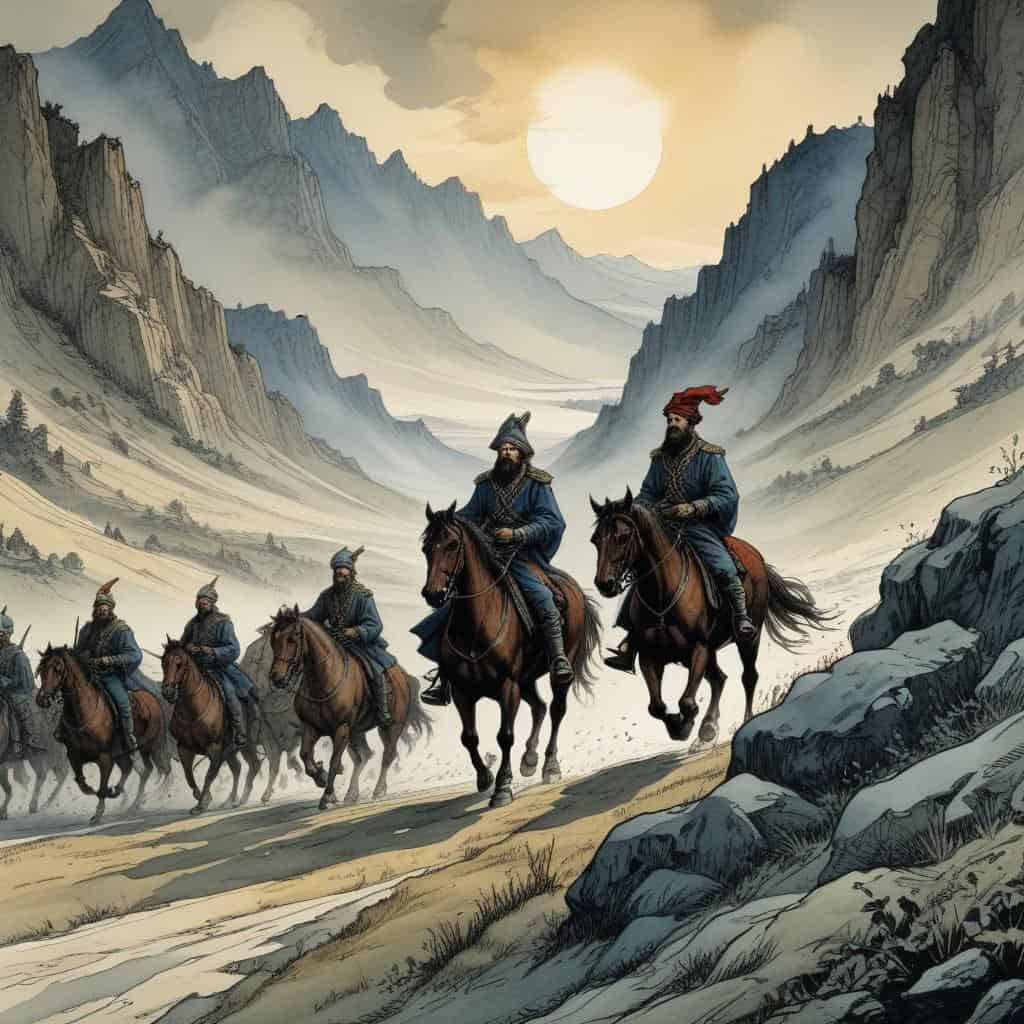
Introduction
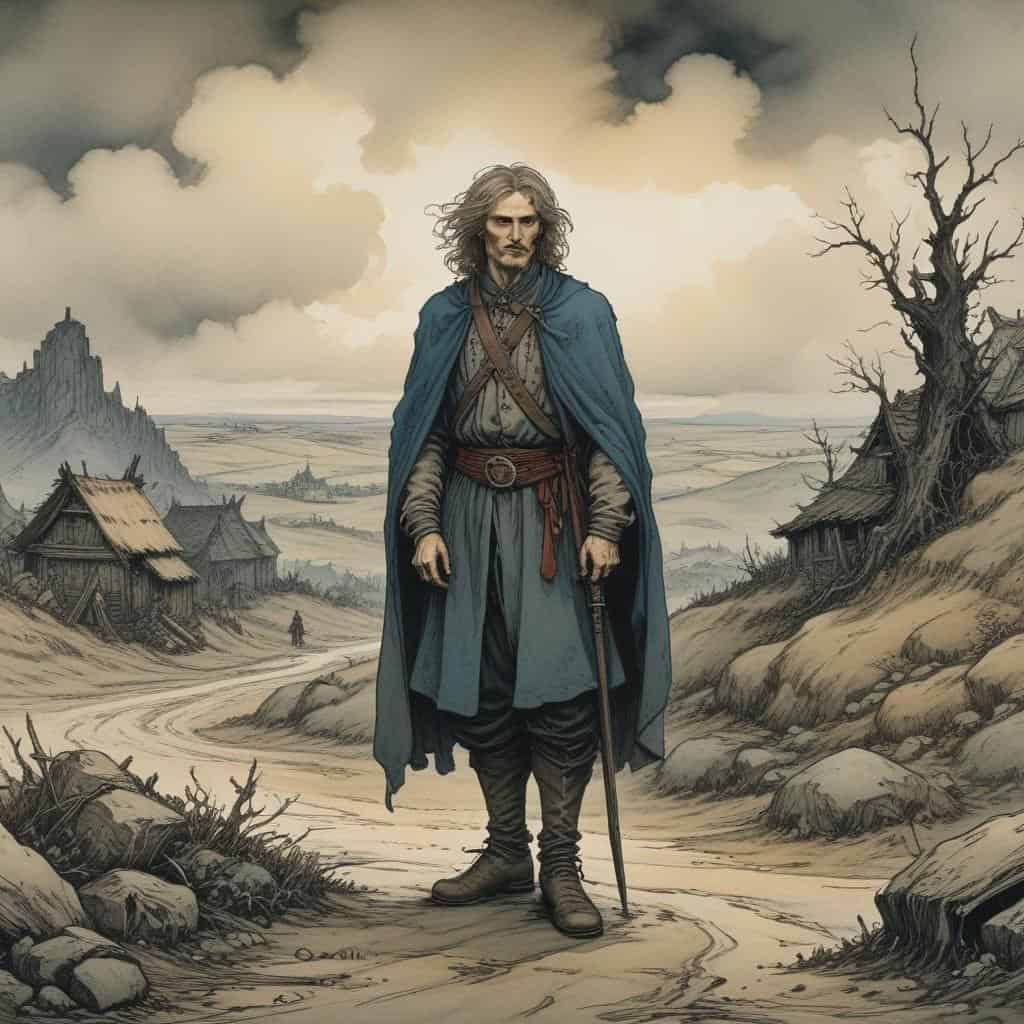
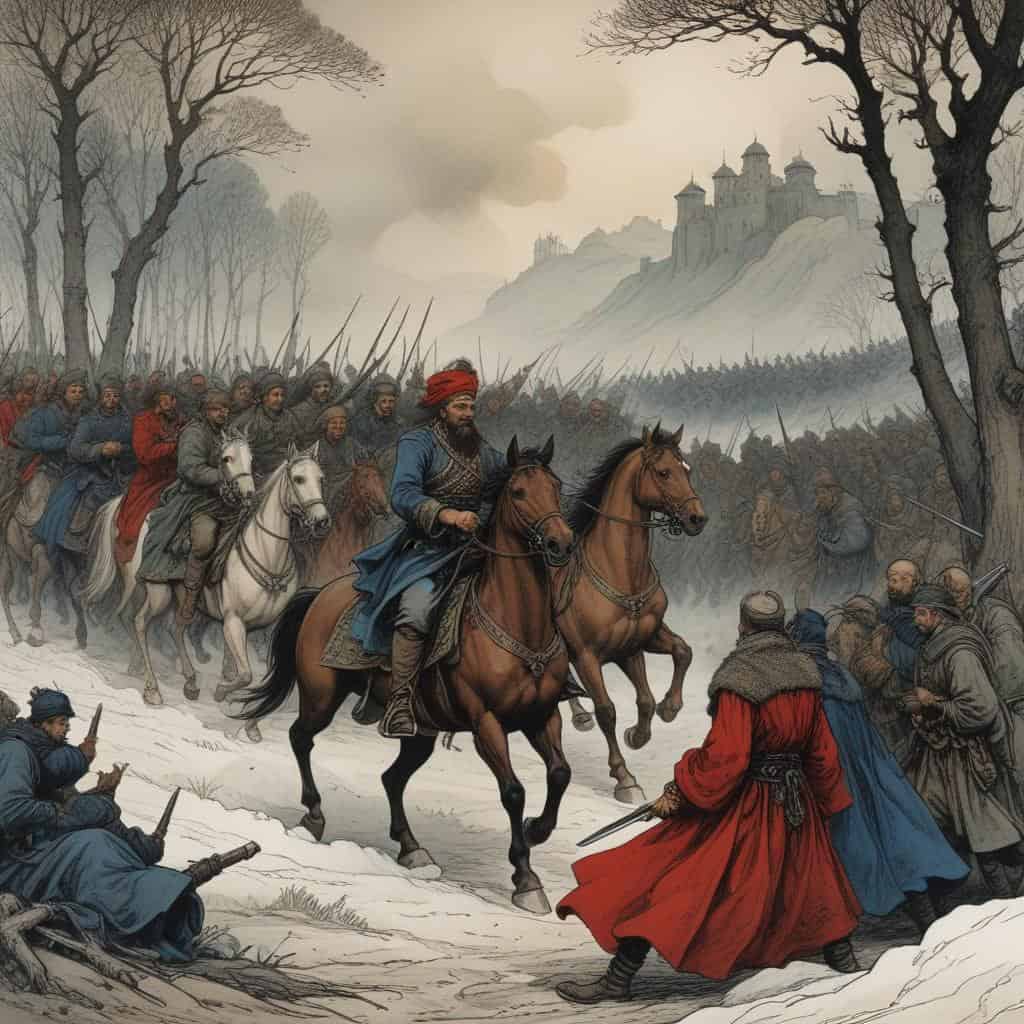

Olenin

Maryanka

Luka

Belugov

Eroshka
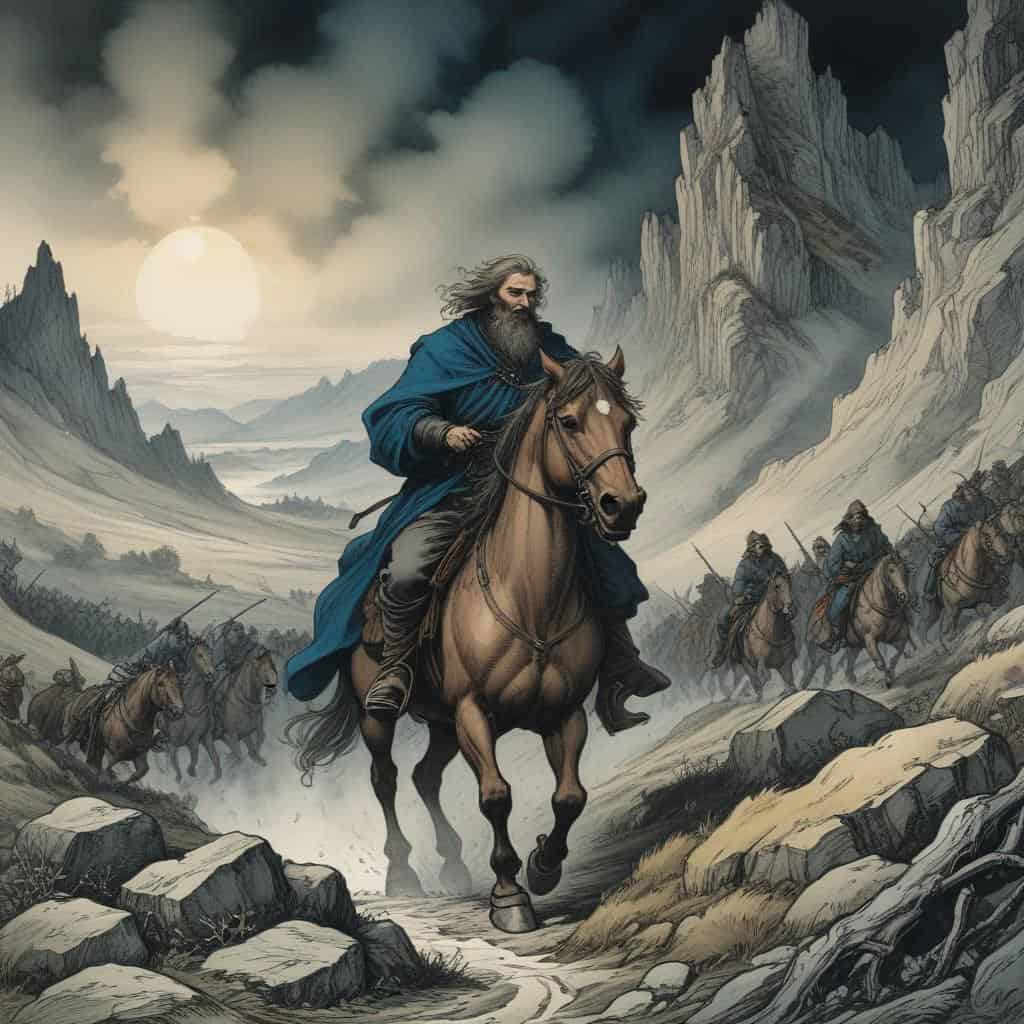
The Cossacks by Leo Tolstoy
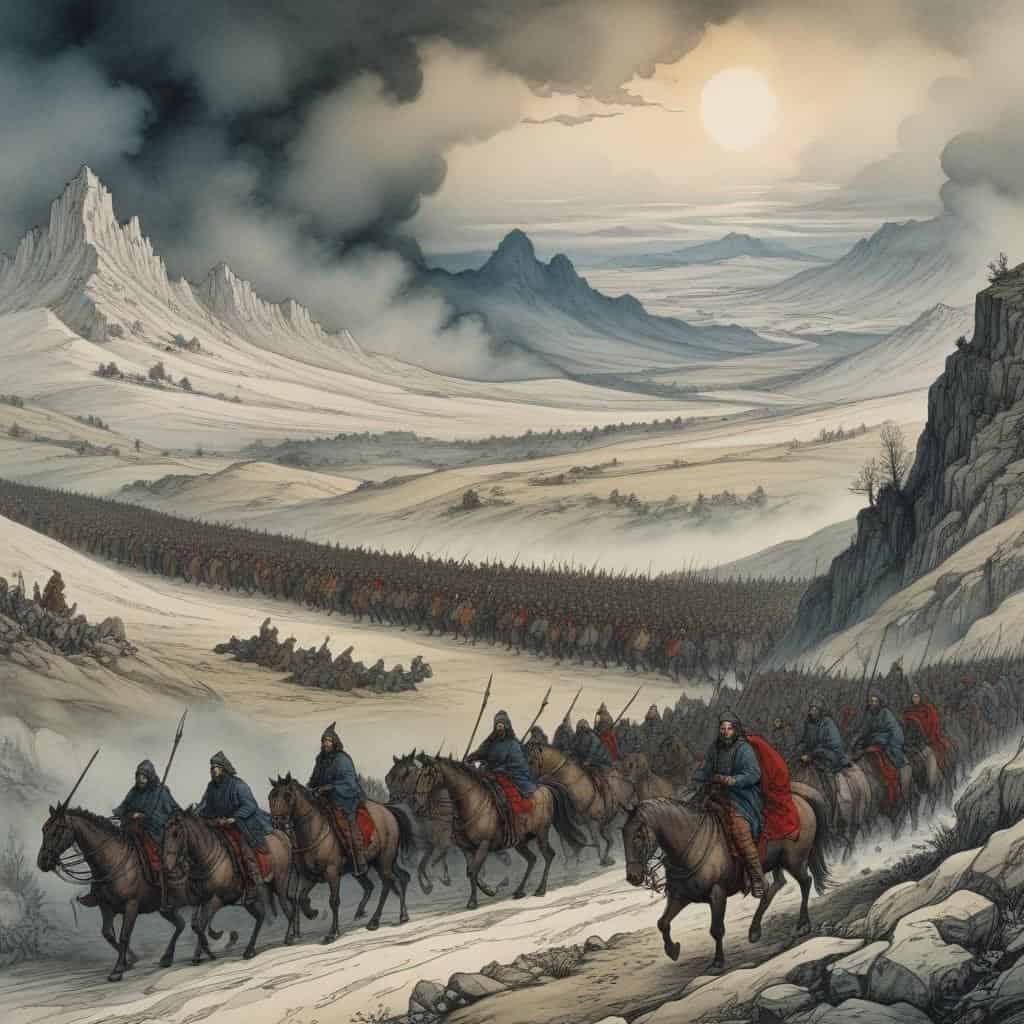
Olenins Arrival in the Caucasus
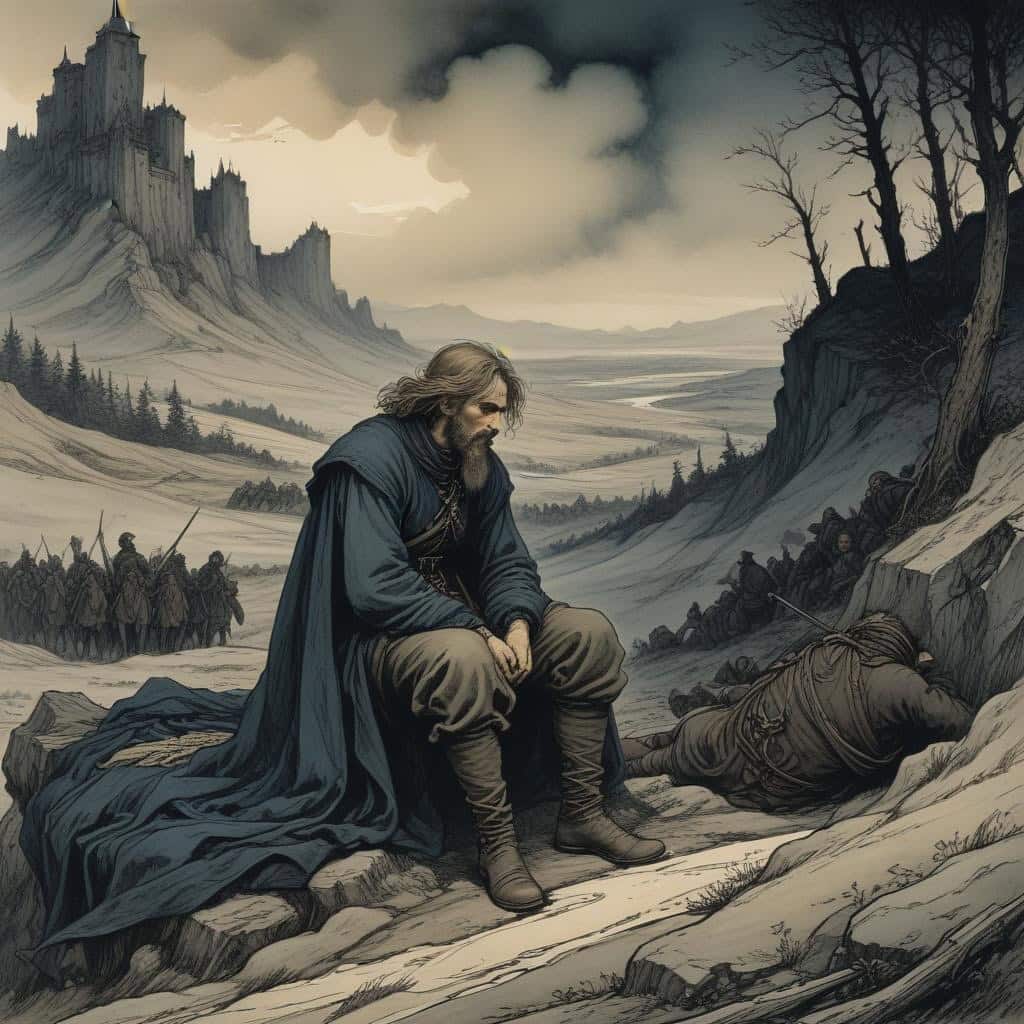
Olenins Isolation
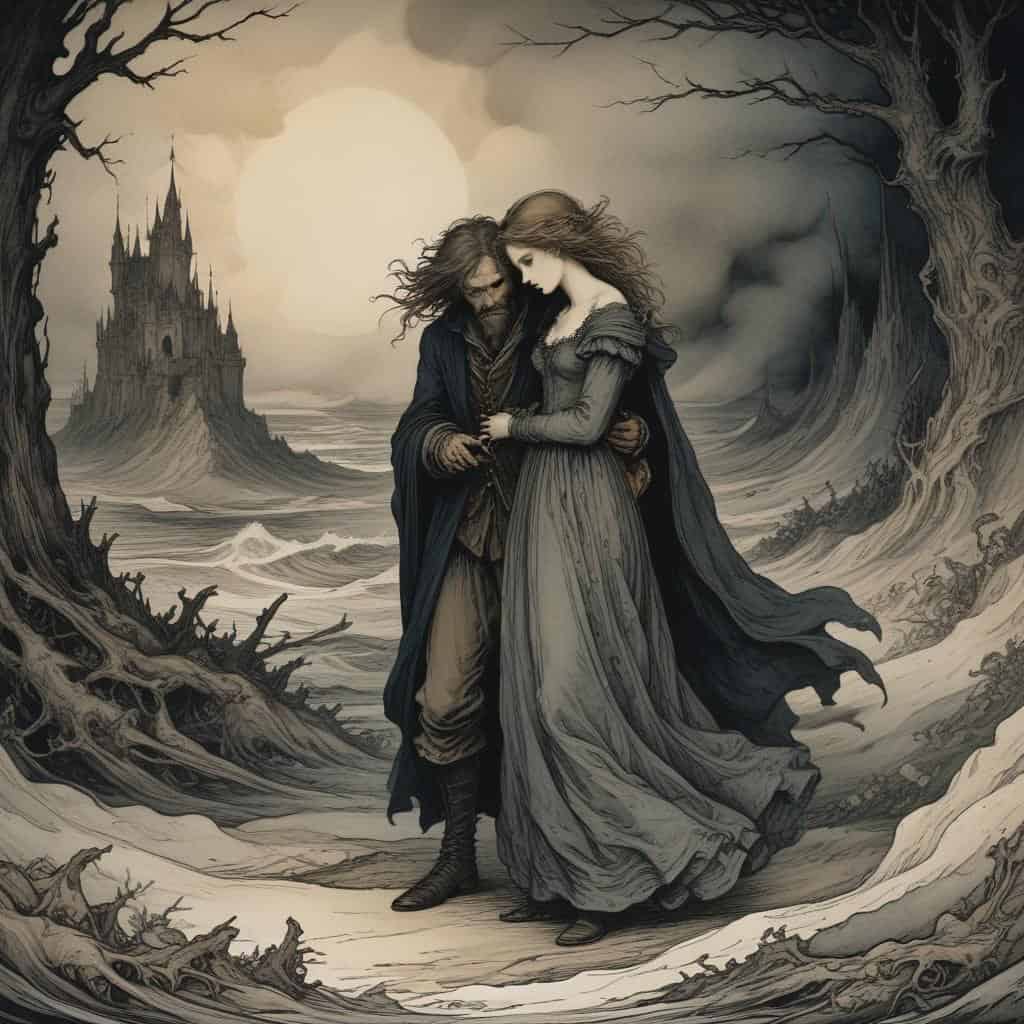
Olenins Confusion
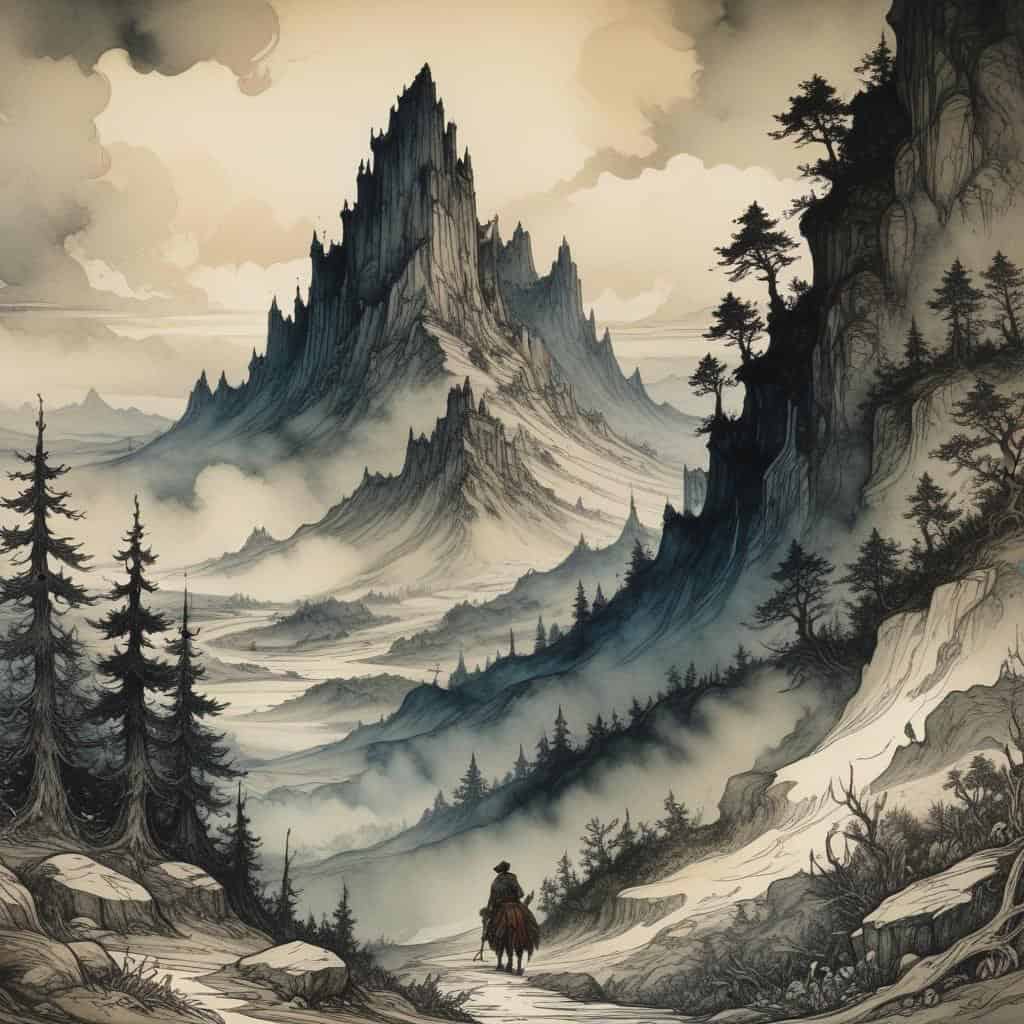
Olenins Transformation
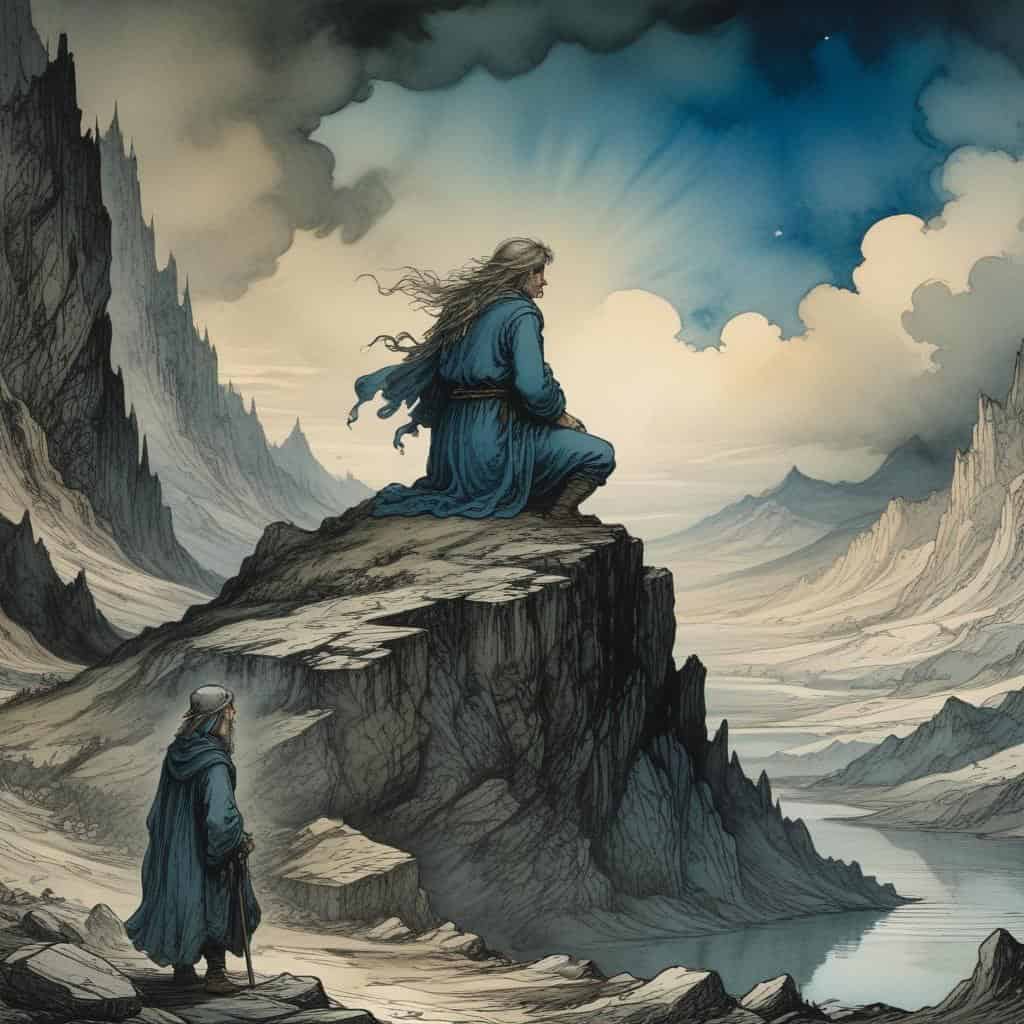
Olenins Realization
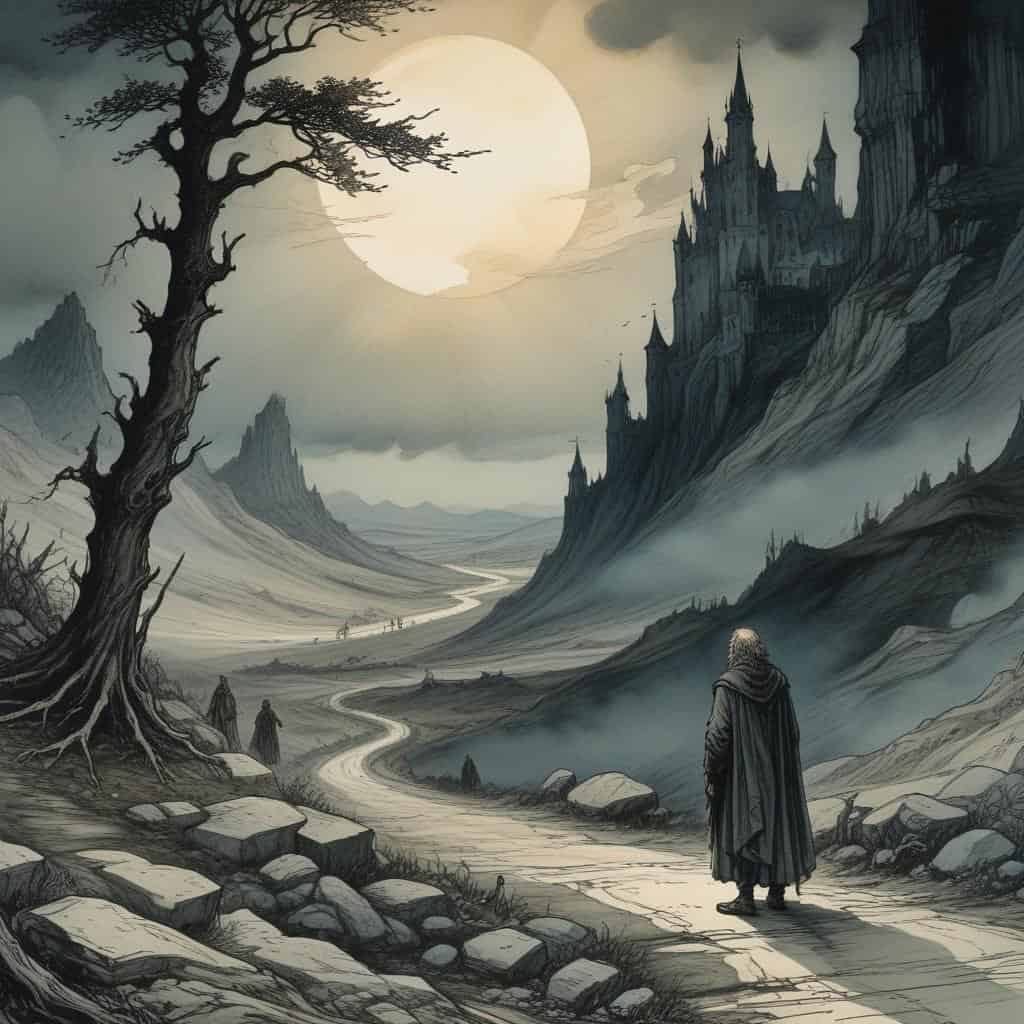
Olenins Decision
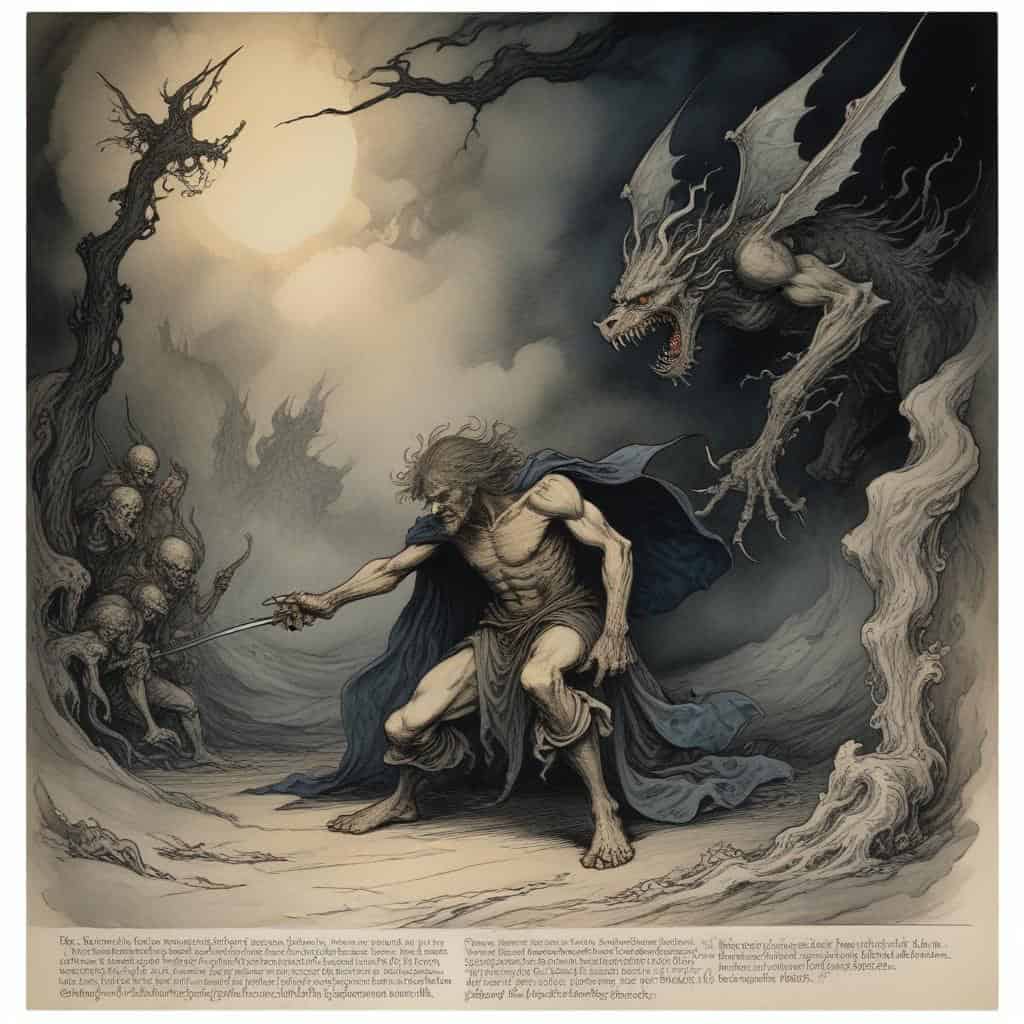
The Conclusion
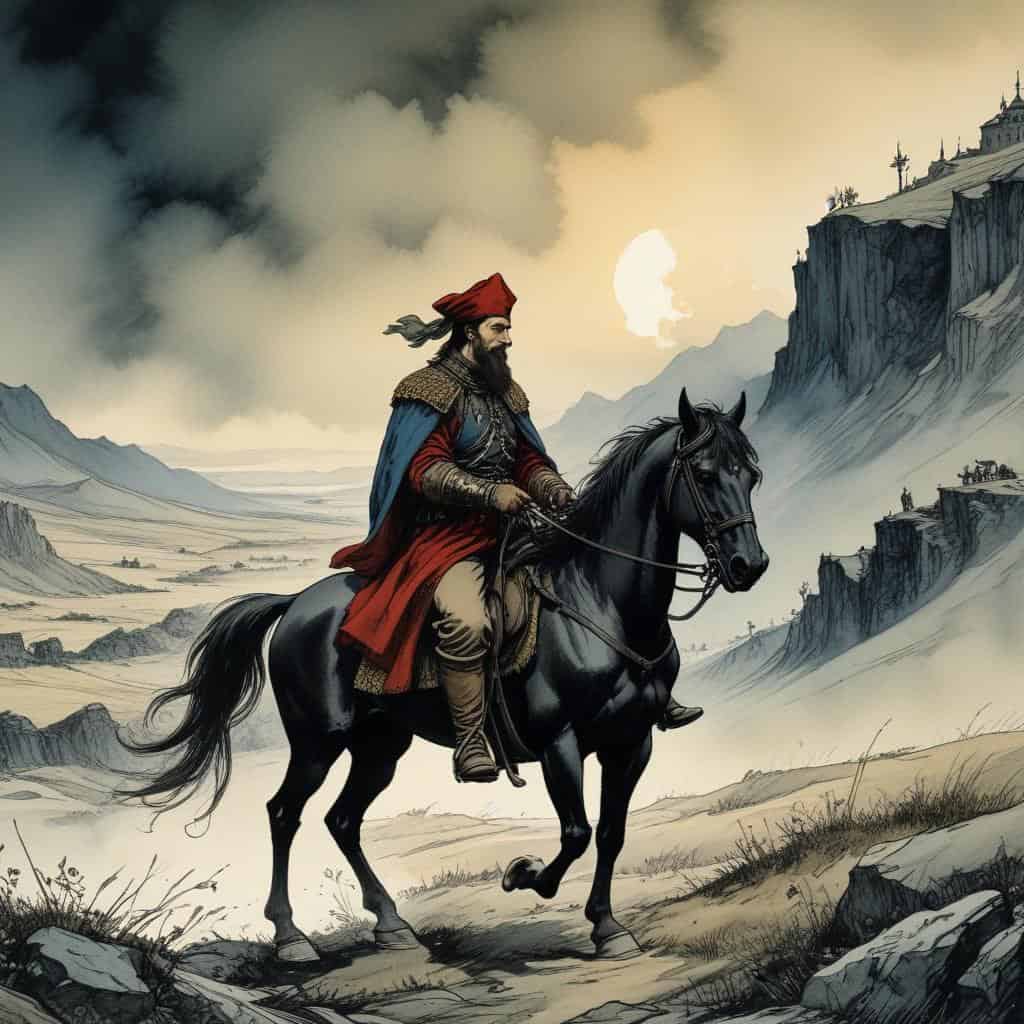
Lesson Details & Resources
In a Nutshell
- What: The Cossacks by Leo Tolstoy
- When: Written in the 19th century
- Who: Main characters: Olenin, Lukashka, Maryanka
- Theme: Exploration of the clash between civilization and nature
List of Characters in The Cossacks by Leo Tolstoy
-
Olenin
Olenin is a young Russian nobleman who joins the Cossack community
-
Maryanka
Maryanka is a beautiful Cossack girl who catches Olenin's eye
-
Lukashka
Lukashka is a brave and skilled Cossack warrior
-
Eroshka
Eroshka is Lukashka's loyal friend and comrade
-
Daddy Eroshka
Daddy Eroshka is a wise and respected elder in the Cossack community
-
Dolohov
Dolohov is a rival of Lukashka and Olenin
-
Panteley
Panteley is Lukashka's father and a respected Cossack leader
-
Uncle Yeroshka
Uncle Yeroshka is a Cossack elder who helps Olenin adjust to Cossack life
-
Demiurge
Demiurge is a mysterious and powerful force in the story
-
Vanyusha
Vanyusha is Olenin's servant and friend
Timeline of The Cossacks by Leo Tolstoy
The Cossacks, a novel by Leo Tolstoy, is published in 1863.
The story follows the protagonist, Olenin, a young Russian nobleman who decides to join a Cossack village in the Caucasus.
Olenin falls in love with a Cossack girl named Maryanka and becomes conflicted between his desires for her and his desire to return to his old life.
Olenin struggles to fit in with the Cossacks and feels out of place in their community.
As Olenin becomes more integrated into the Cossack village, he experiences a shift in his values and begins to question his previous way of life.
Olenin ultimately decides to leave the Cossacks and return to his old life, realizing that he cannot fully embrace their way of life.
The novel explores themes of identity, cultural differences, and the clash between traditional and modern values.
The Cossacks is considered one of Tolstoy's lesser-known works but is still praised for its vivid portrayal of Cossack life and its exploration of complex themes.
Vocabulary List
- Cossacks
- The story follows a group of Cossacks living in the Caucasus region.
- Kuban
- The Cossacks settled in the Kuban region, where they lived a semi-nomadic lifestyle.
- Plastun
- The Plastun was a type of Cossack soldier known for their bravery and skill in battle.
- Terek River
- The Cossacks frequently crossed the Terek River in their raids against neighboring tribes.
- Steppe
- The Cossacks were expert horsemen who roamed the vast steppe lands of Russia.
- Horseman
- The Cossack warriors were known for their prowess as horsemen and skilled riders.
- Duma
- The Cossack elders gathered in the Duma to discuss important matters and make decisions for the community.
- Ataman
- The Ataman was the leader of the Cossack community, respected for his wisdom and military leadership.
- Saber
- The Cossack warriors wielded sharp sabers in battle, using them with deadly precision.
- Papakha
- The Cossacks wore traditional papakha hats made of sheepskin to protect themselves from the cold weather.
- Caucasus
- The Cossacks lived in the rugged mountains of the Caucasus region, facing constant threats from enemy tribes.
- Shashka
- The Cossack soldiers carried curved shashka swords, which were highly effective in close combat.
- Stavropol
- The Cossacks had a strong presence in Stavropol, where they defended the region from external threats.
- Zaporozhian
- The Cossacks of the Zaporozhian Host were known for their fierce independence and resistance to outside authority.
- Sich
- The Sich was a fortified Cossack settlement where warriors trained and prepared for battle.
- Pechenegs
- The Cossacks clashed with the Pechenegs, a nomadic Turkic tribe that posed a threat to their territory.
- Don River
- The Cossacks of the Don region relied on the fertile lands along the Don River for farming and sustenance.
- Khan
- The Cossacks often fought against the Khan's armies in defense of their homeland.
- Cavalry
- The Cossack cavalry was renowned for its speed and agility in battle.
- Streltsy
- The Streltsy were elite Russian soldiers who sometimes clashed with the Cossacks over territorial disputes.
- Kazak
- The term 'Cossack' is derived from the Turkic word 'Kazak', meaning free warrior or adventurer.
- Tatar
- The Cossacks had a long-standing rivalry with the Tatar tribes, who frequently raided their settlements.
- Kosovorotka
- The Cossacks wore traditional kosovorotka shirts, which were loose-fitting and comfortable for riding.
- Zaporizhian
- The Zaporizhian Cossacks played a key role in the defense of Ukraine against foreign invaders.
- Orthodox
- The Cossacks were mostly Orthodox Christians who attended church services regularly.
- Pogrom
- The Cossacks were sometimes accused of participating in pogroms against Jewish communities in Russia.
- Kuren
- The Cossacks lived in kurens, or traditional communal dwellings, where they shared meals and stories.
- Kazakh
- The Kazakh people share a similar cultural heritage with the Cossacks, including a tradition of horsemanship.
- Czar
- The Cossacks pledged loyalty to the Czar of Russia, serving as his loyal warriors and defenders of the realm.
Key Facts
This is the information used in the fact matching game
- The Cossacks is a short novel written by Leo Tolstoy in 1862.
- The novel is set in the Caucasus Mountains.
- Tolstoy drew on his own experiences as a young man in the Russian military for the novel.
- The protagonist of the novel is a young Russian named Olenin.
- Olenin joins a Cossack village in the Caucasus and falls in love with a local girl named Maryanka.
- The novel explores themes of love, war, and the clash of cultures.
- Tolstoy's portrayal of the Cossack way of life is seen as sympathetic and romanticized.
- The novel was well-received by critics and readers alike.
- Tolstoy's use of vivid descriptions and psychological insight in the novel is praised by many.
- The Cossacks is considered one of Tolstoy's lesser-known works.
- The novel has been adapted into a Russian film and a Soviet opera.
- The Cossacks is often compared to Tolstoy's more famous works like War and Peace and Anna Karenina.
- The novel explores the themes of freedom, nature, and the search for meaning in life.
- Tolstoy's writing style in The Cossacks is characterized by its simplicity and clarity.
- The novel reflects Tolstoy's own spiritual and philosophical beliefs.
- The Cossacks is considered a precursor to Tolstoy's major works on moral philosophy.
- The novel explores the tension between individual desires and social expectations.
- The Cossacks has been translated into multiple languages and remains popular among readers worldwide.
- Tolstoy considered The Cossacks to be one of his favorite works.
Analysis & Significance
Impact on Literature
‘The Cossacks’ by Leo Tolstoy is a seminal work that showcases the author’s early mastery of storytelling and character development. This novella is often considered a precursor to Tolstoy’s later masterpieces, such as ‘War and Peace’ and ‘Anna Karenina’. Its exploration of themes like love, honor, and the clash of cultures has had a lasting impact on the development of Russian literature.
Enduring Themes
The timeless themes in ‘The Cossacks’ still resonate with modern audiences today. From the complexities of human relationships to the struggles of finding one’s identity, Tolstoy’s exploration of these universal themes continues to captivate readers across generations. The novella’s depiction of the beauty and brutality of nature also remains a poignant and relevant aspect of the story.
Cultural Significance Today
‘The Cossacks’ has left a lasting legacy in both literature and popular culture. It has been adapted into various forms, including stage productions, films, and TV series. The novella’s influence can still be seen in contemporary works that draw inspiration from Tolstoy’s vivid portrayal of Russian society and his timeless exploration of human nature.
The Cossacks by Leo Tolstoy Games


Take Your Learning Offline
Want a convenient, print-ready study guide for this lesson? Become a Memory Wizards Pro member to unlock the downloadable " Memory Scrolls" for this topic and our entire library!
- ✓ Complete Vocabulary Lists
- ✓ Key Facts & Timelines
- ✓ Beautifully Formatted for Print & Mobile