
How Do You Learn Best?
Learn by Reading
Immerse yourself in the 10-minute visual lesson for a comprehensive understanding of the topic.
Learn by Reviewing
Jump directly to the key facts, timeline, and vocabulary lists to build a solid foundation of details.
Learn by Doing
Challenge yourself! Jump straight into the interactive games to learn by trial, error, and discovery.
Resurrection by Leo Tolstoy in 10 Minutes
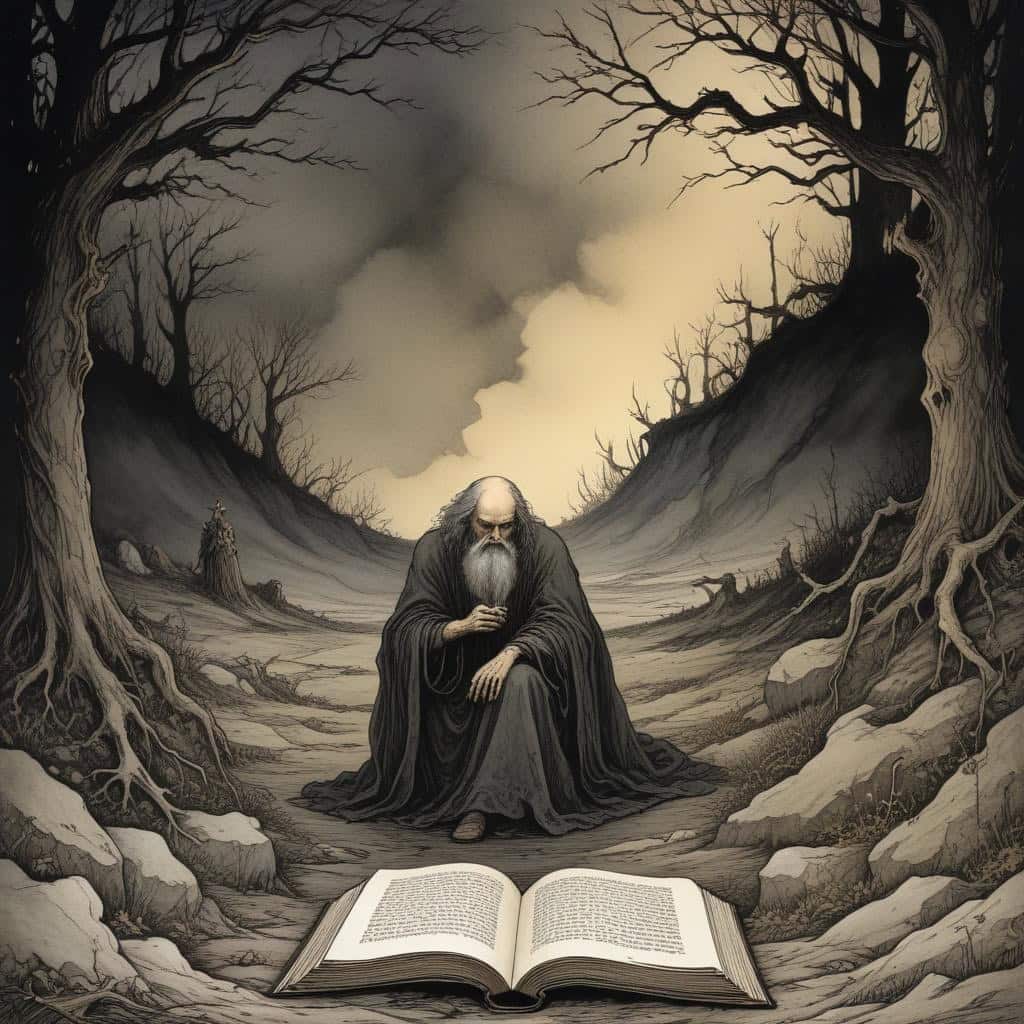
Introduction
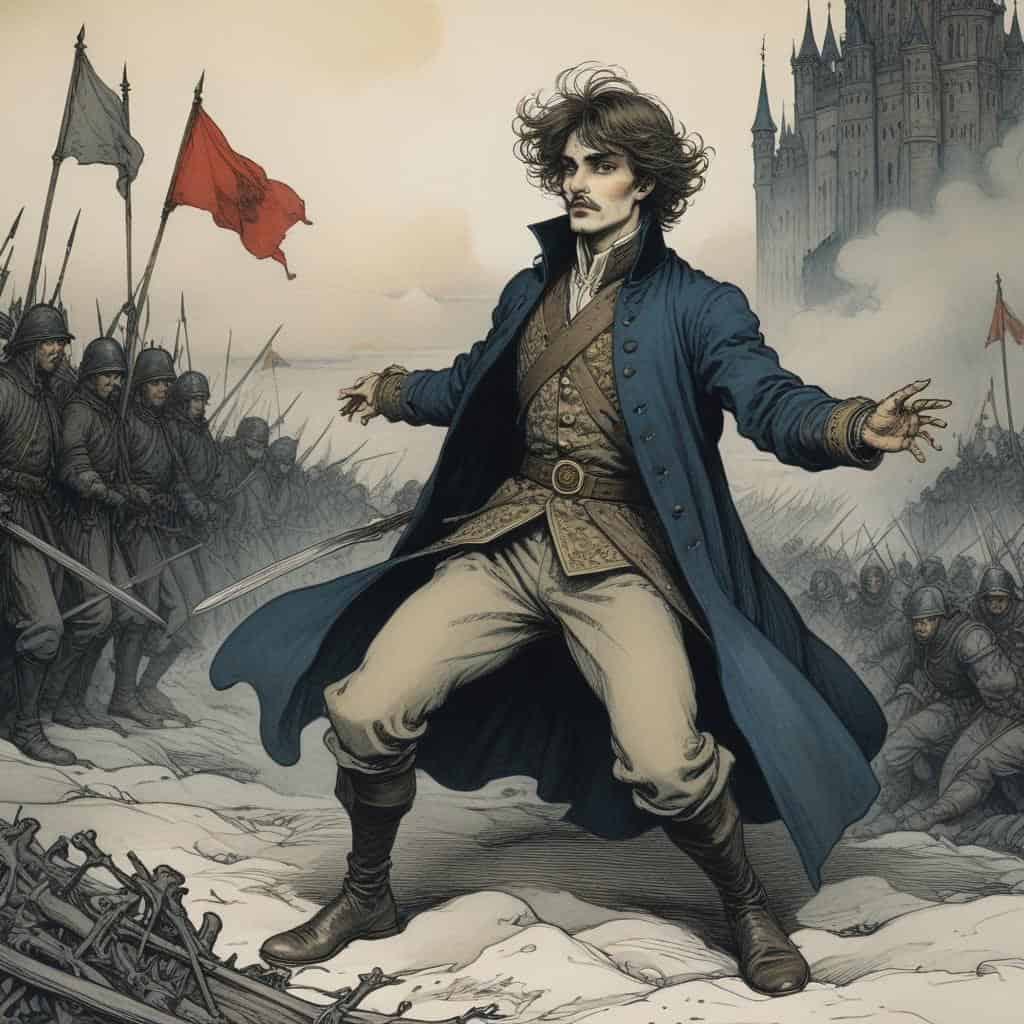
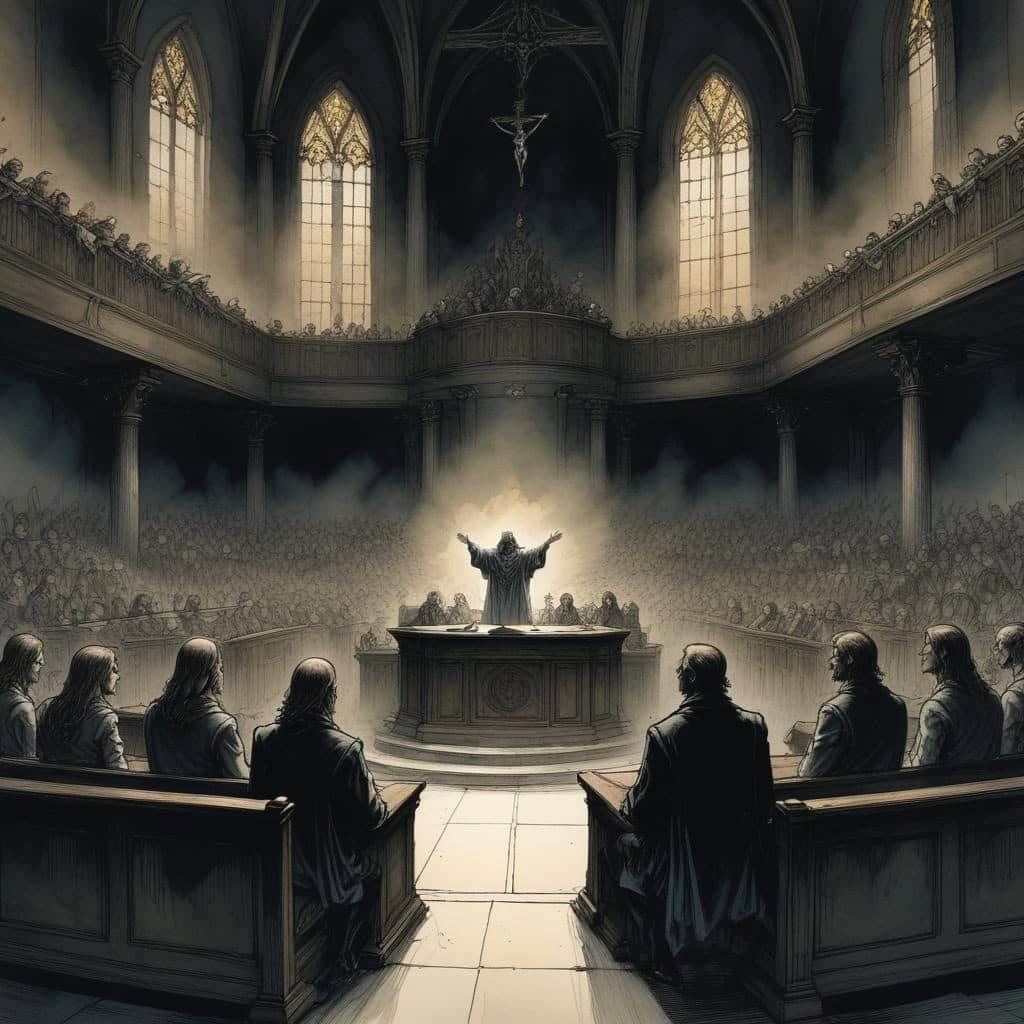

Nekhlyudov

Katusha Maslova

Vera Doukhova
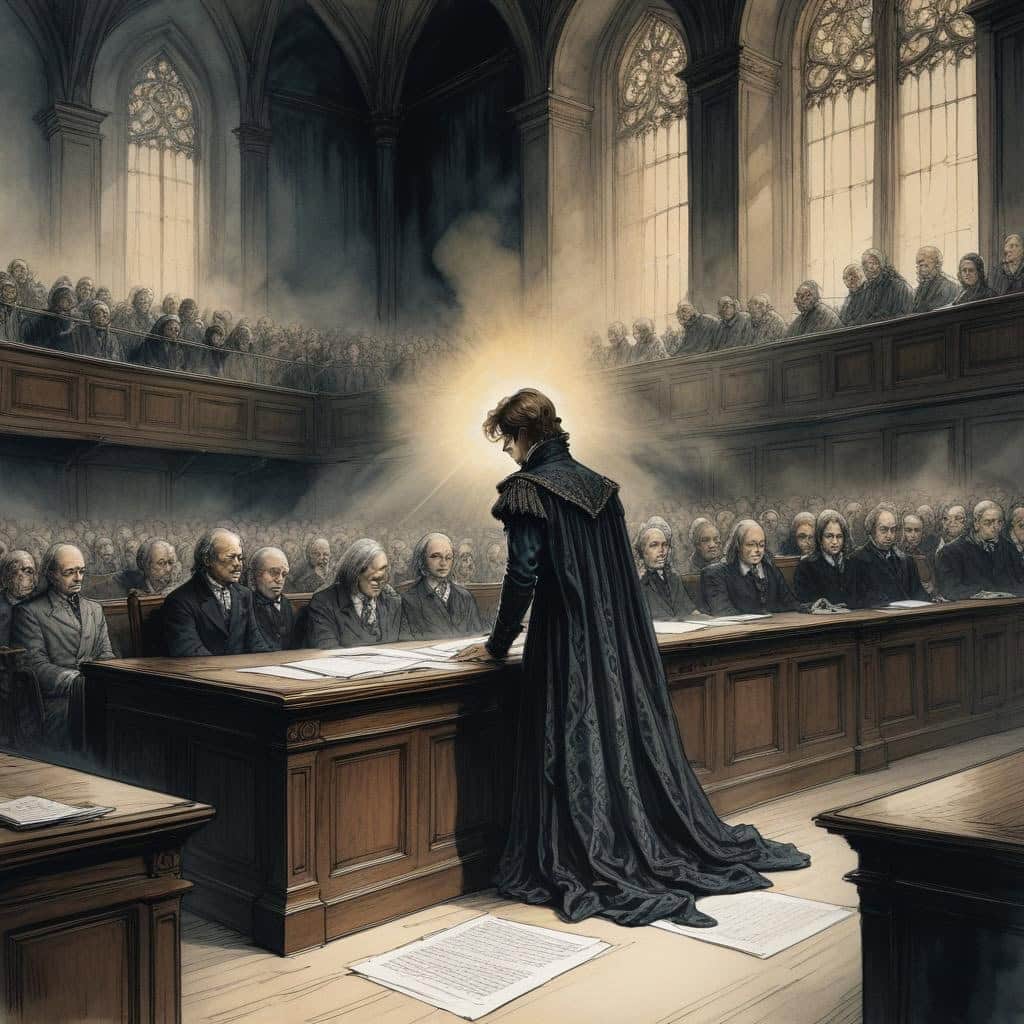
1. The Protagonists Awakening

2. Katerina Maslovas Trial
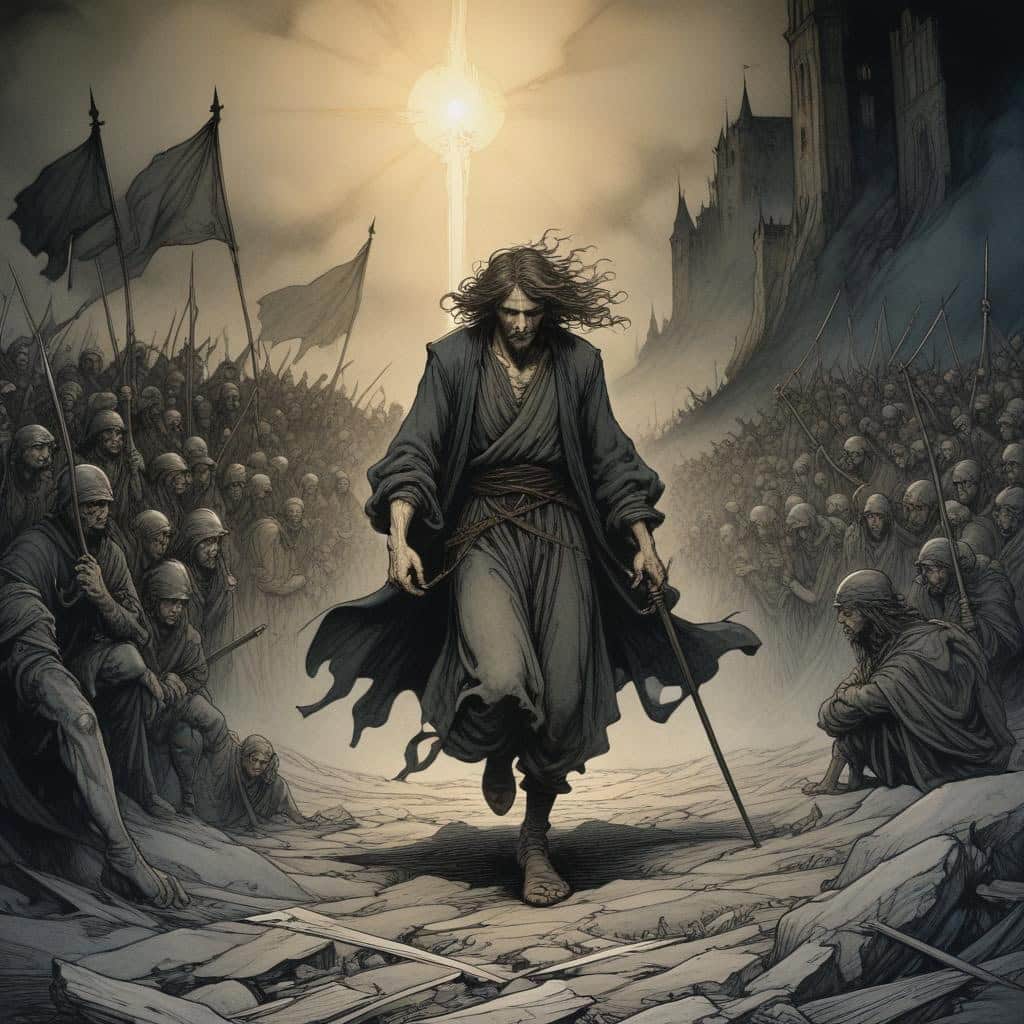
3. Nekhlyudovs Quest for Redemption

4. Katerinas Despair and Hope

5. The Injustice of the Legal System

6. Nekhlyudovs Personal Transformation

7. The Search for Meaning and Purpose
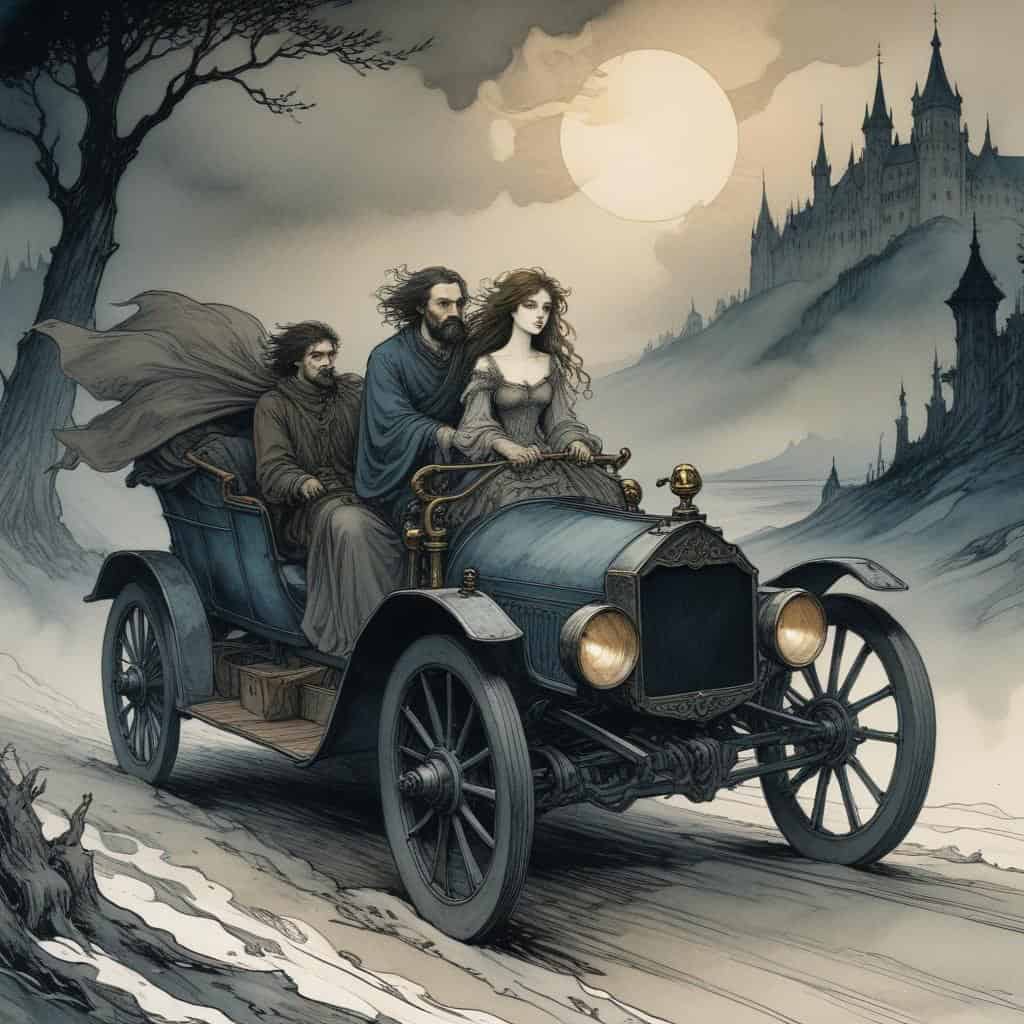
8. The Power of Love and Compassion
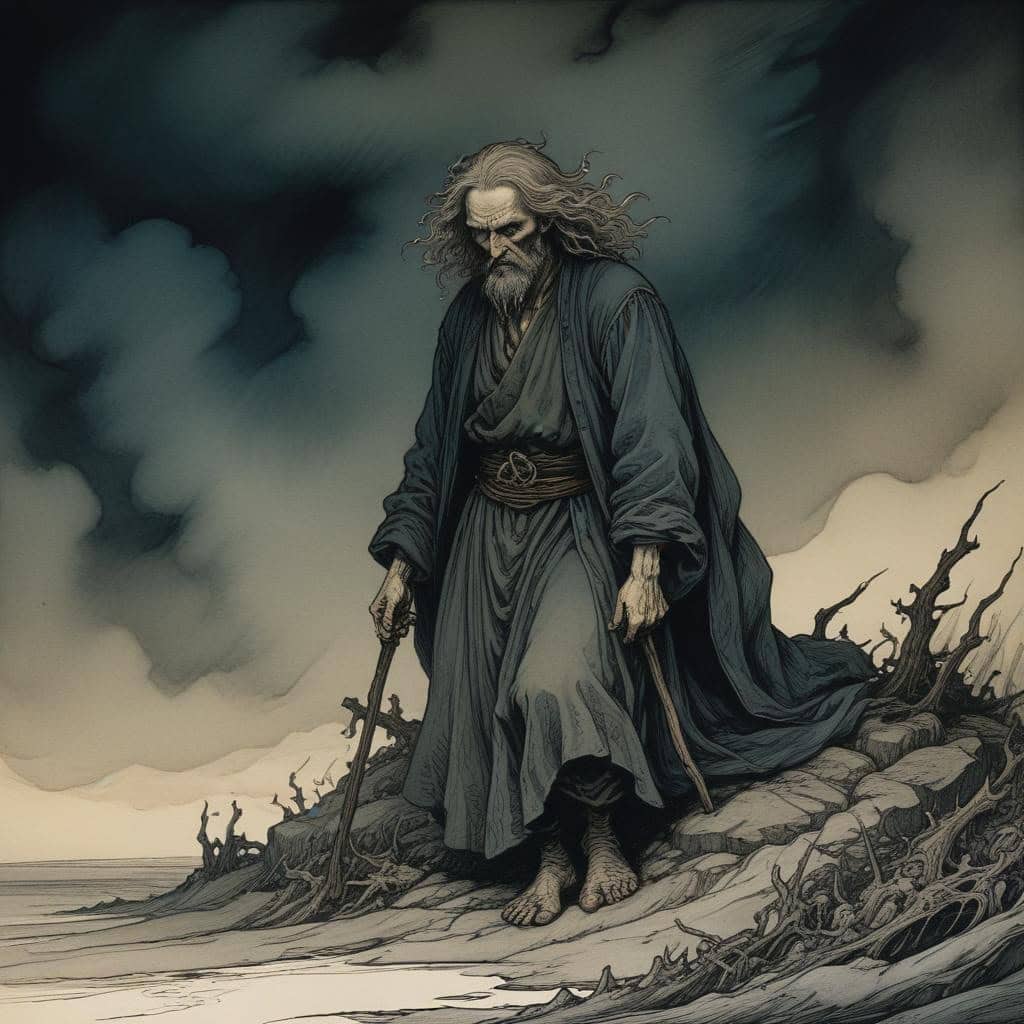
9. The Consequences of Actions

10. A Journey of Self-Discovery
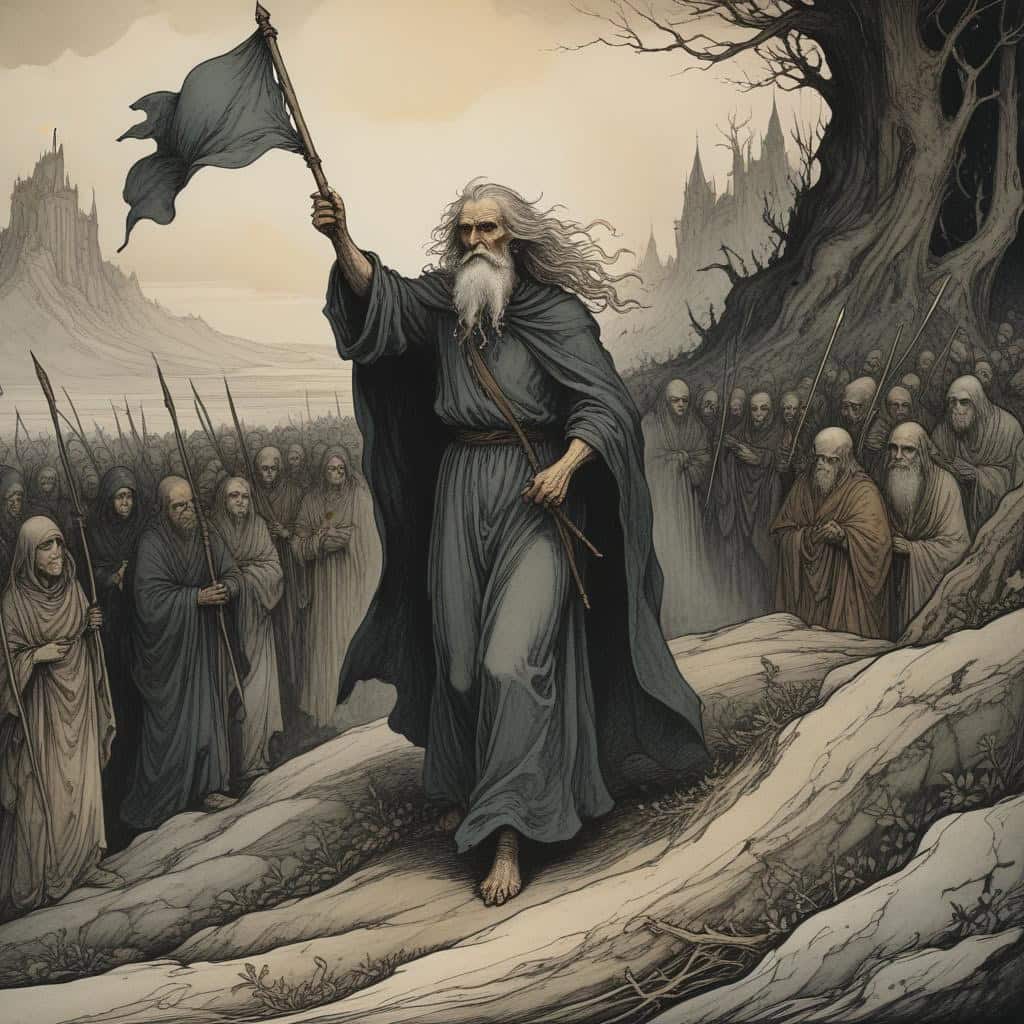
Lesson Details & Resources
In a Nutshell
- What: ‘Resurrection’ by Leo Tolstoy
- When: Written in the late 19th century
- Who: Nekhlyudov, Katusha, Prince Dmitri Ivanovich Nekhlyudov
- Theme: Redemption and moral awakening
List of Characters in Resurrection by Leo Tolstoy
-
Prince Dmitri Nekhlyudov
Prince Dmitri Nekhlyudov is the protagonist of the story, a wealthy nobleman who is summoned for jury duty and recognizes a woman he once seduced and abandoned, Katerina Maslova.
-
Katerina Maslova
Katerina Maslova is a young woman who was seduced by Prince Nekhlyudov and ends up being convicted of murder, leading to her imprisonment and eventual redemption.
-
Sofia Ivanovna
Sofia Ivanovna is a kind-hearted woman who befriends Maslova in prison and supports her through her legal struggles.
-
Simonson
Simonson is Nekhlyudov's lawyer who helps him navigate the legal system and advocates for Maslova's innocence.
-
Prison governor
The prison governor is a corrupt official who oversees the prison where Maslova is held, contributing to the injustices she faces.
-
Matron
The matron is a harsh and cruel figure in the prison who mistreats the inmates, including Maslova.
Timeline of Resurrection by Leo Tolstoy
Prince Dmitri Nekhlyudov attends a trial and recognizes the defendant, a young maid named Maslova, as a woman he seduced and abandoned years ago.
Nekhlyudov is filled with guilt and decides to follow Maslova to Siberia, where she has been sentenced to hard labor.
Nekhlyudov visits Maslova in prison and offers to help her with her appeal.
Maslova is eventually granted a retrial, during which Nekhlyudov learns more about her troubled past and the injustices she has faced.
Nekhlyudov becomes increasingly involved in Maslova's case, determined to right the wrongs that have been done to her.
Maslova's retrial ends in a guilty verdict, but Nekhlyudov continues to fight for her release.
Nekhlyudov's efforts pay off, and Maslova is eventually released from prison.
Maslova and Nekhlyudov develop a deep bond and decide to start a new life together, dedicated to helping others and seeking redemption for their past mistakes.
Vocabulary List
- Resurrection
- The central theme of the novel is the concept of resurrection, both spiritual and physical.
- Faith
- The character of Nekhlyudov struggles with his faith and beliefs throughout the story.
- Redemption
- The idea of redemption plays a significant role in the novel as characters seek forgiveness and atonement for their past actions.
- Justice
- The quest for justice is a driving force behind many of the characters' actions.
- Forgiveness
- The theme of forgiveness is explored as characters grapple with their own guilt and the forgiveness of others.
- Morality
- The novel delves into questions of morality and ethics, challenging readers to consider the consequences of their actions.
- Rebirth
- The idea of rebirth is a recurring motif in the novel, reflecting the characters' journeys towards personal growth and transformation.
- Suffering
- The characters in the novel experience various forms of suffering, leading them to question the meaning of life and their place in the world.
Key Facts
This is the information used in the fact matching game
- Resurrection was written by Leo Tolstoy in 1899.
- The novel was inspired by Tolstoy's own spiritual awakening.
- Resurrection addresses themes of social justice and redemption.
- The protagonist of Resurrection is a nobleman named Prince Dmitri Ivanovich Nekhlyudov.
- Nekhlyudov undergoes a moral transformation throughout the novel.
- Resurrection is considered one of Tolstoy's later works.
- The novel explores the consequences of Nekhlyudov's past actions.
- Tolstoy's philosophical beliefs are evident in Resurrection.
- The novel criticizes the Russian judicial system.
- Resurrection is often compared to Tolstoy's earlier work, Crime and Punishment.
- The novel was banned in Russia upon its release.
- Resurrection was translated into multiple languages.
- The novel's title refers to spiritual rebirth and redemption.
- Tolstoy's wife, Sophia Tolstaya, influenced the writing of Resurrection.
- Resurrection is considered one of Tolstoy's most personal works.
- The novel explores the divide between the rich and the poor in Russian society.
- Resurrection has been adapted into film and stage productions.
- Tolstoy's writing style in Resurrection is characterized by moralistic undertones.
- The novel ends on a hopeful note, emphasizing the possibility of redemption.
- Resurrection has been praised for its social commentary and ethical themes.
Analysis & Significance
Impact on Literature
Leo Tolstoy’s ‘Resurrection’ is a seminal work in the realm of Russian literature, showcasing his masterful storytelling abilities and keen insight into human nature. The novel’s exploration of morality, redemption, and the complexities of social class continues to inspire contemporary writers and readers alike, setting a high standard for character-driven narratives.
Enduring Themes
‘Resurrection’ delves into timeless themes such as love, forgiveness, and the search for meaning in a seemingly indifferent world. Tolstoy’s profound reflections on the human condition resonate with modern audiences, prompting introspection and dialogue about ethical dilemmas, personal growth, and the power of empathy in a society plagued by injustice and inequality.
Cultural Significance Today
Despite being over a century old, ‘Resurrection’ remains a relevant and thought-provoking work that continues to be studied in literature courses worldwide. Its impact on popular culture can be seen in various adaptations, including film and stage productions, highlighting its enduring legacy as a classic of Russian literature that transcends time and cultural boundaries.
Resurrection by Leo Tolstoy Games


Take Your Learning Offline
Want a convenient, print-ready study guide for this lesson? Become a Memory Wizards Pro member to unlock the downloadable " Memory Scrolls" for this topic and our entire library!
- ✓ Complete Vocabulary Lists
- ✓ Key Facts & Timelines
- ✓ Beautifully Formatted for Print & Mobile