
How Do You Learn Best?
Learn by Reading
Immerse yourself in the 10-minute visual lesson for a comprehensive understanding of the topic.
Learn by Reviewing
Jump directly to the key facts, timeline, and vocabulary lists to build a solid foundation of details.
Learn by Doing
Challenge yourself! Jump straight into the interactive games to learn by trial, error, and discovery.
The Kreutzer Sonata by Leo Tolstoy in 10 Minutes
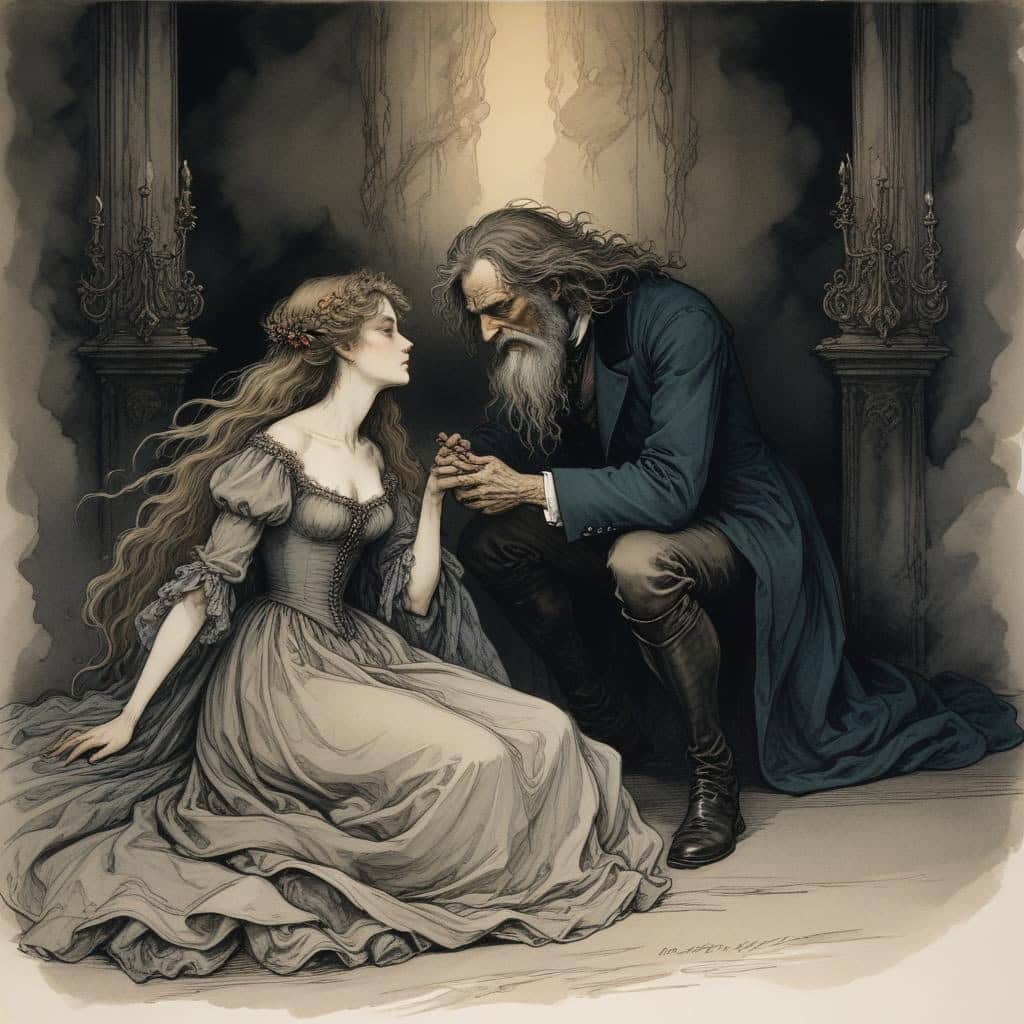
Introduction
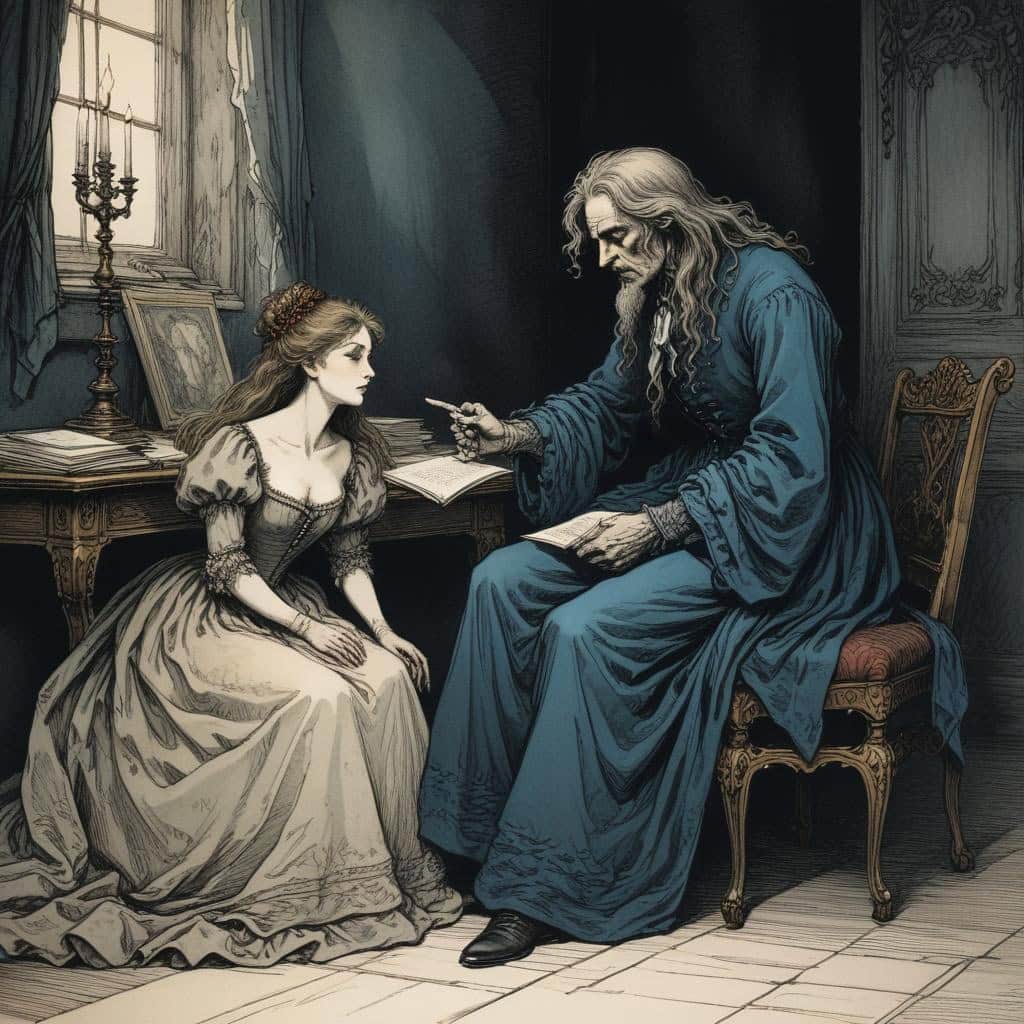

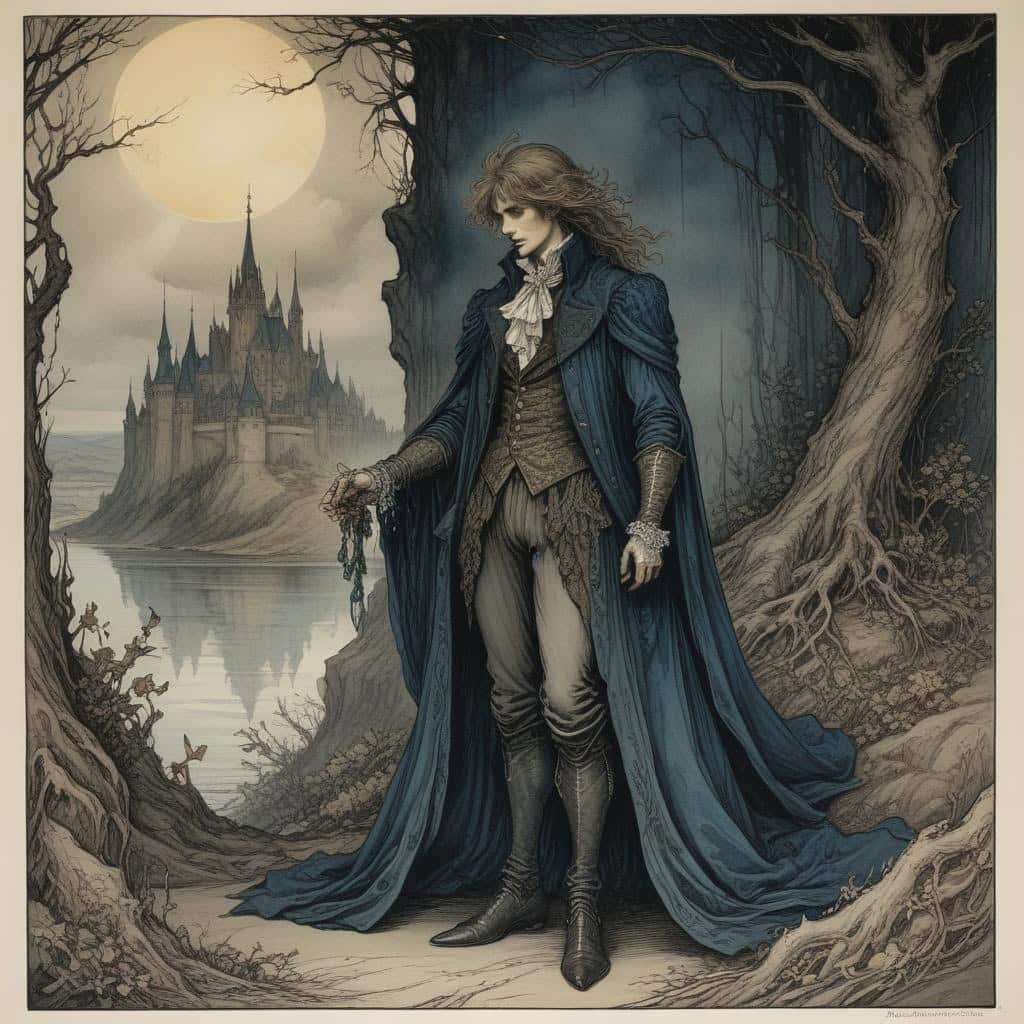
Trigorin
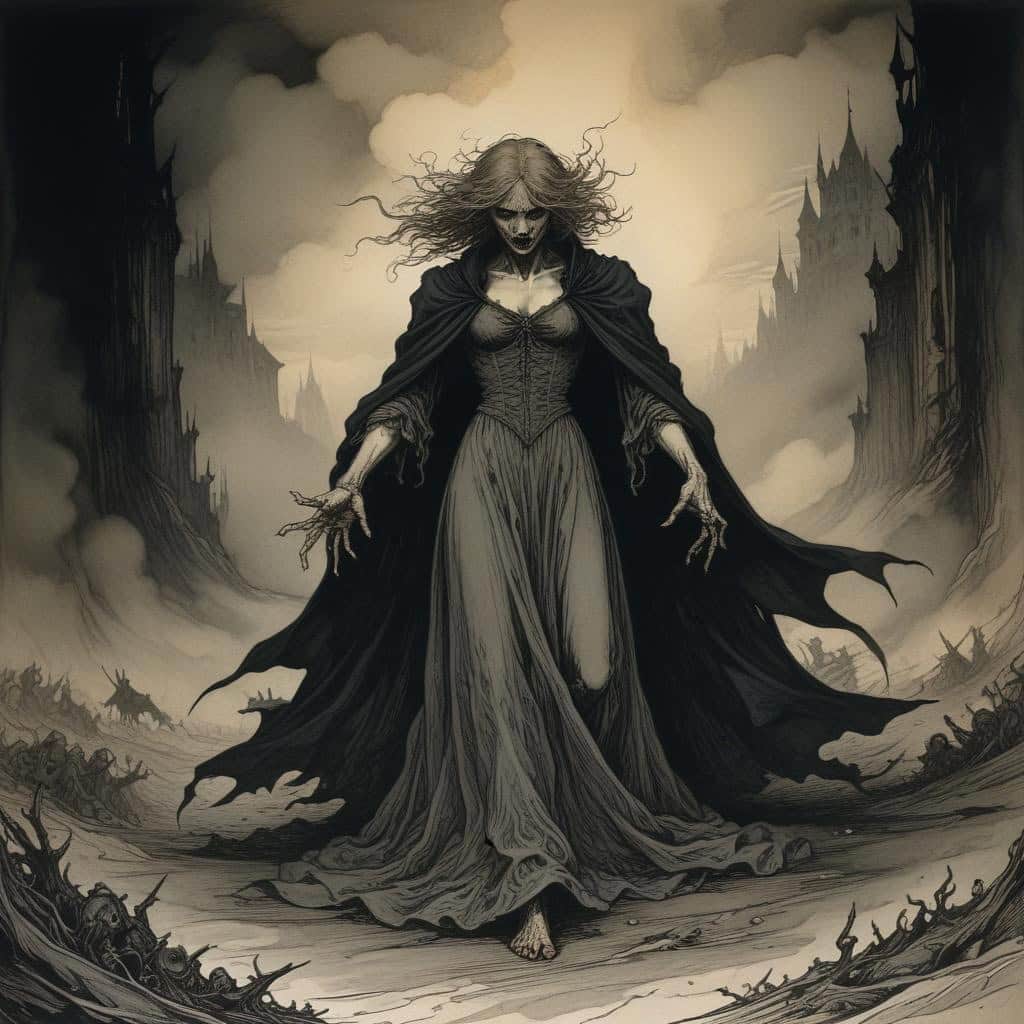
Pozdnyshev

Nikolai Lvovich
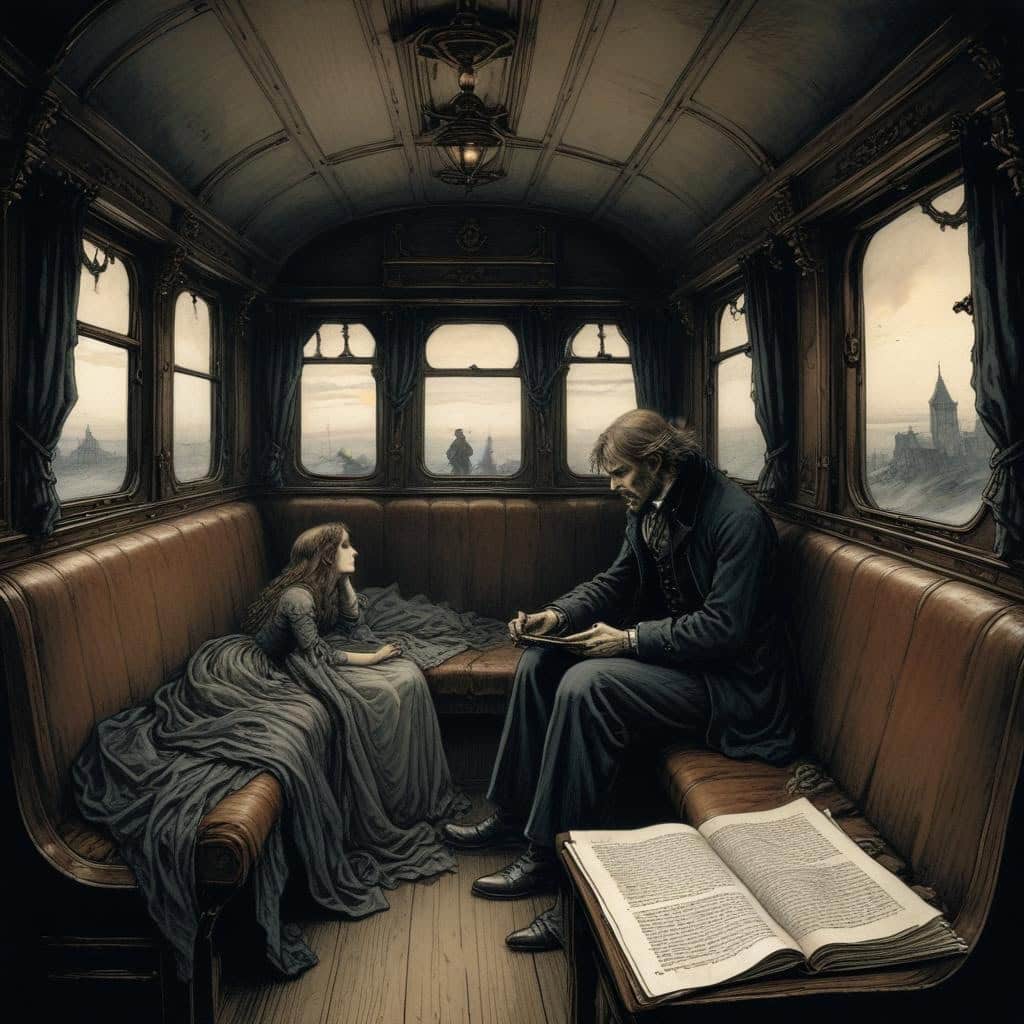
The Encounter on a Train
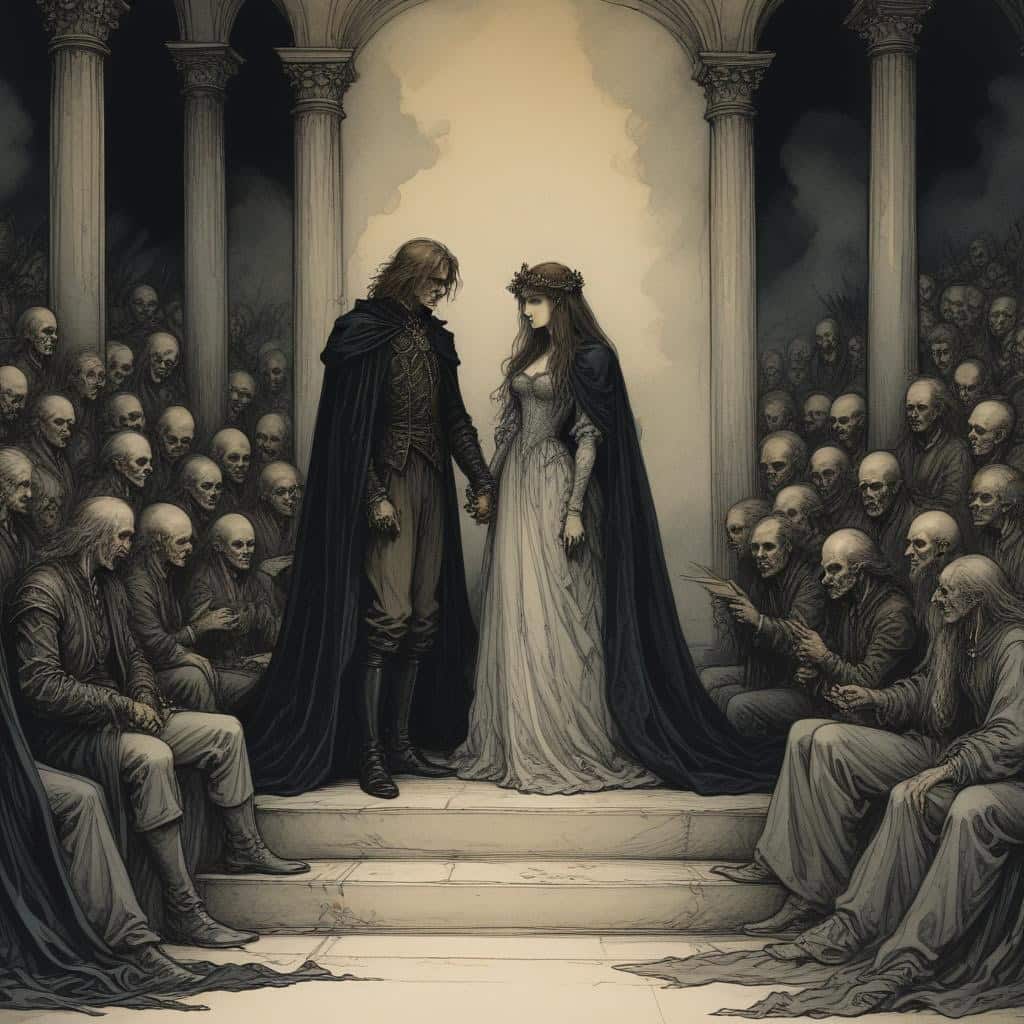
Pozdnyshevs Marriage
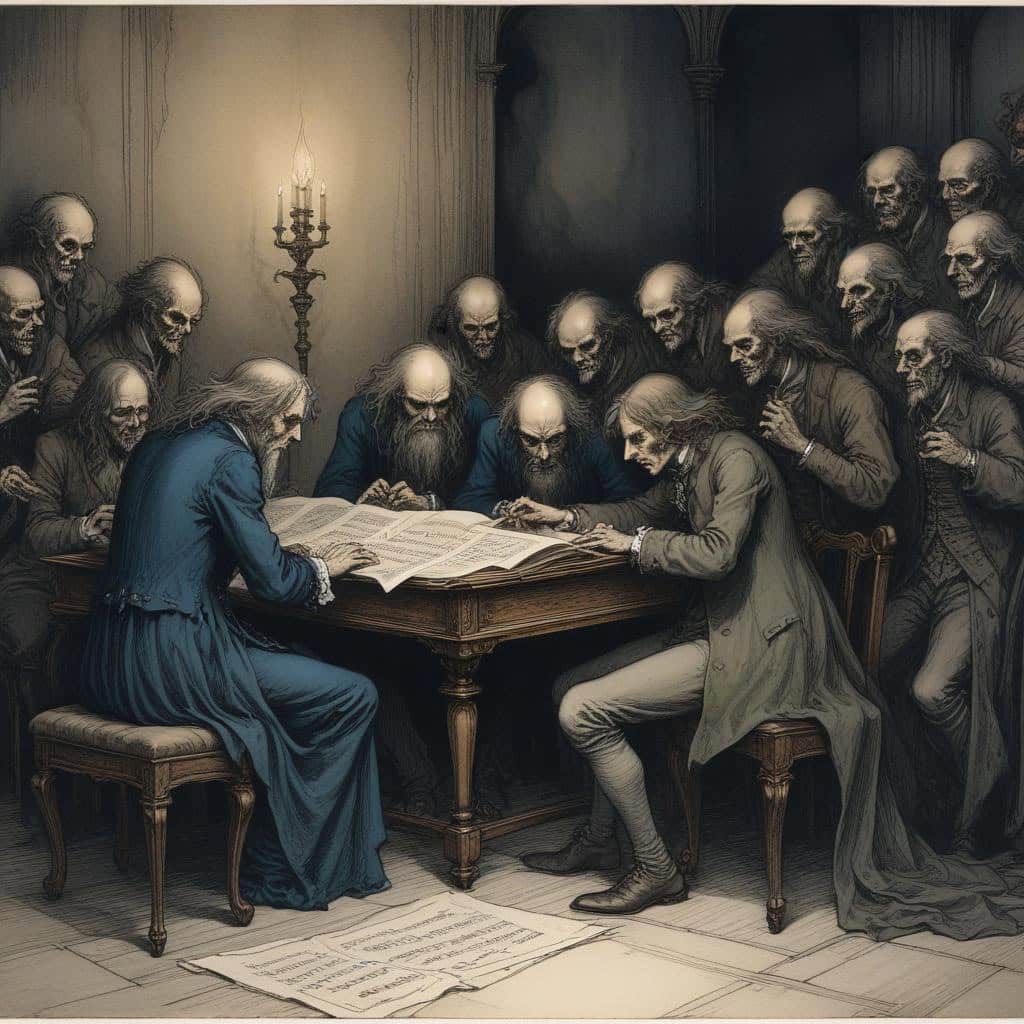
The Kreutzer Sonata
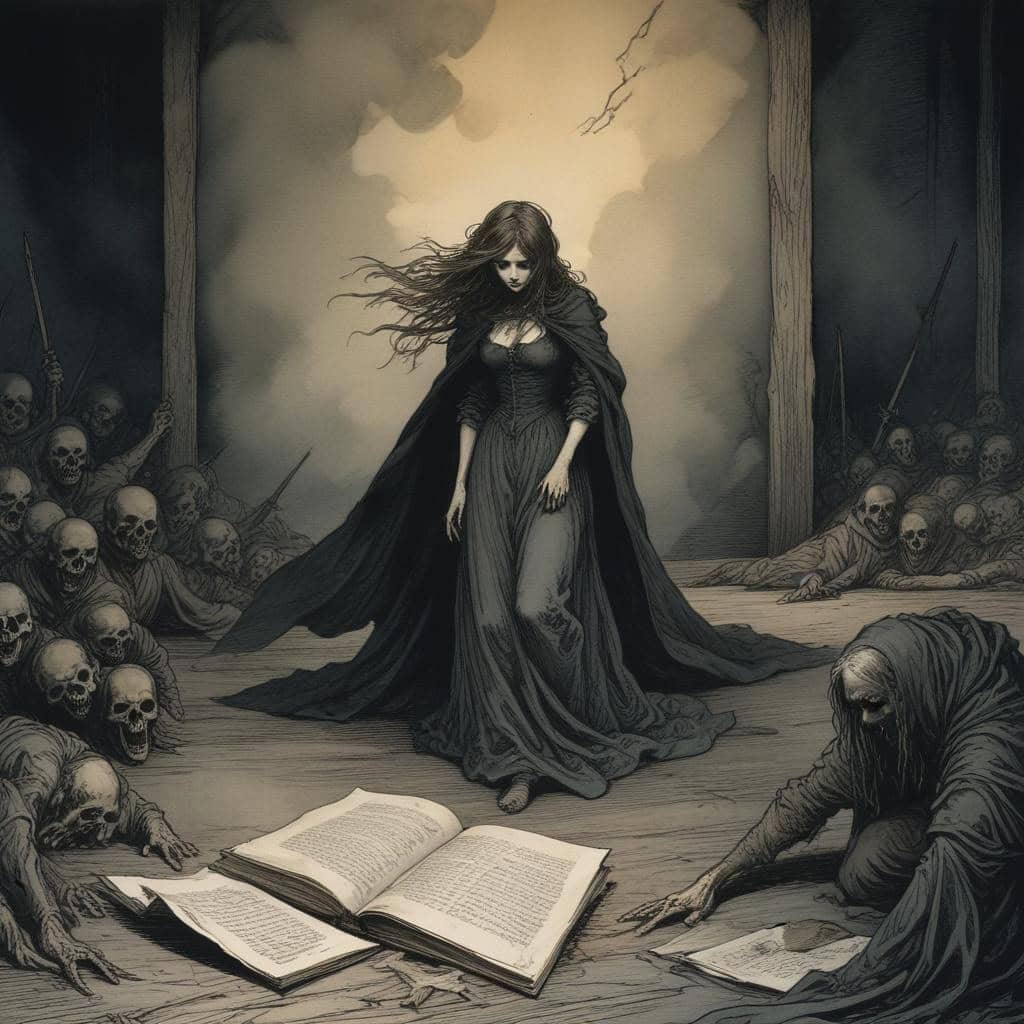
The Murder
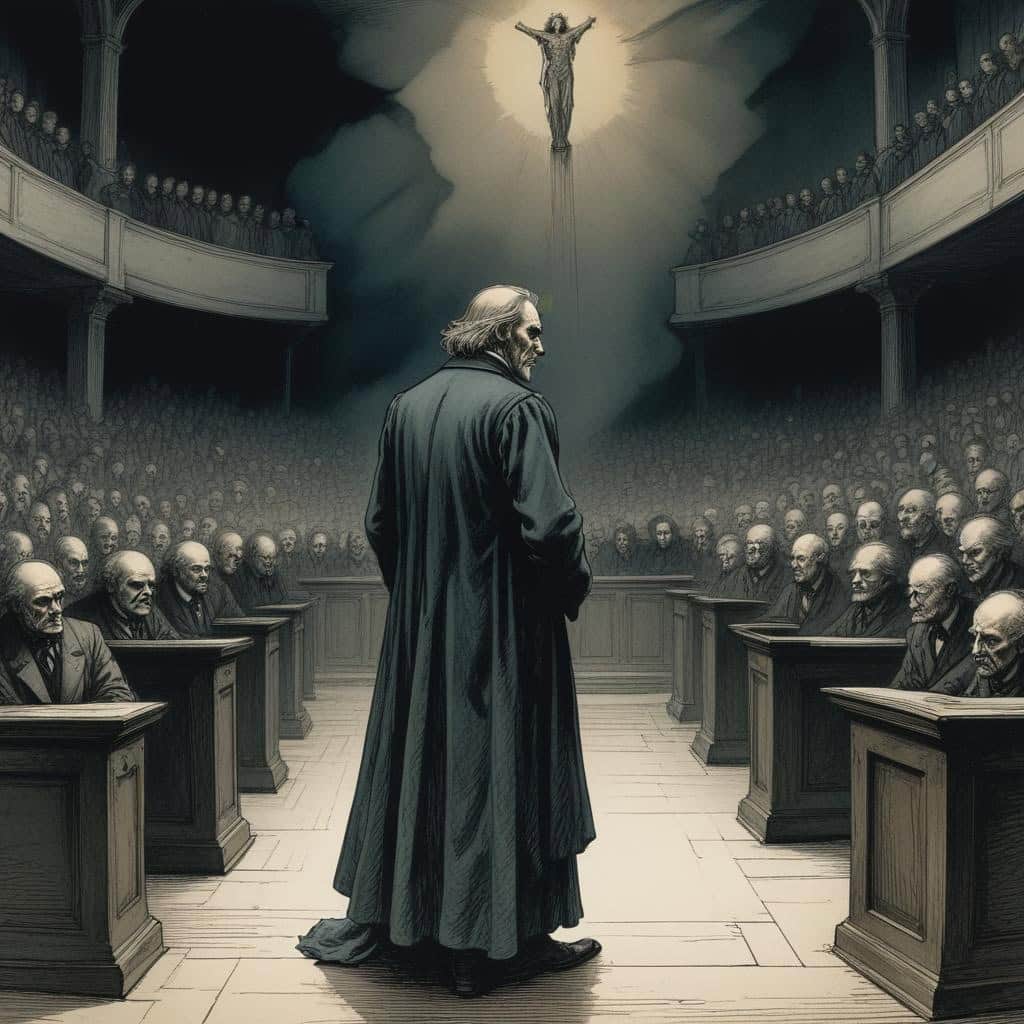
The Trial
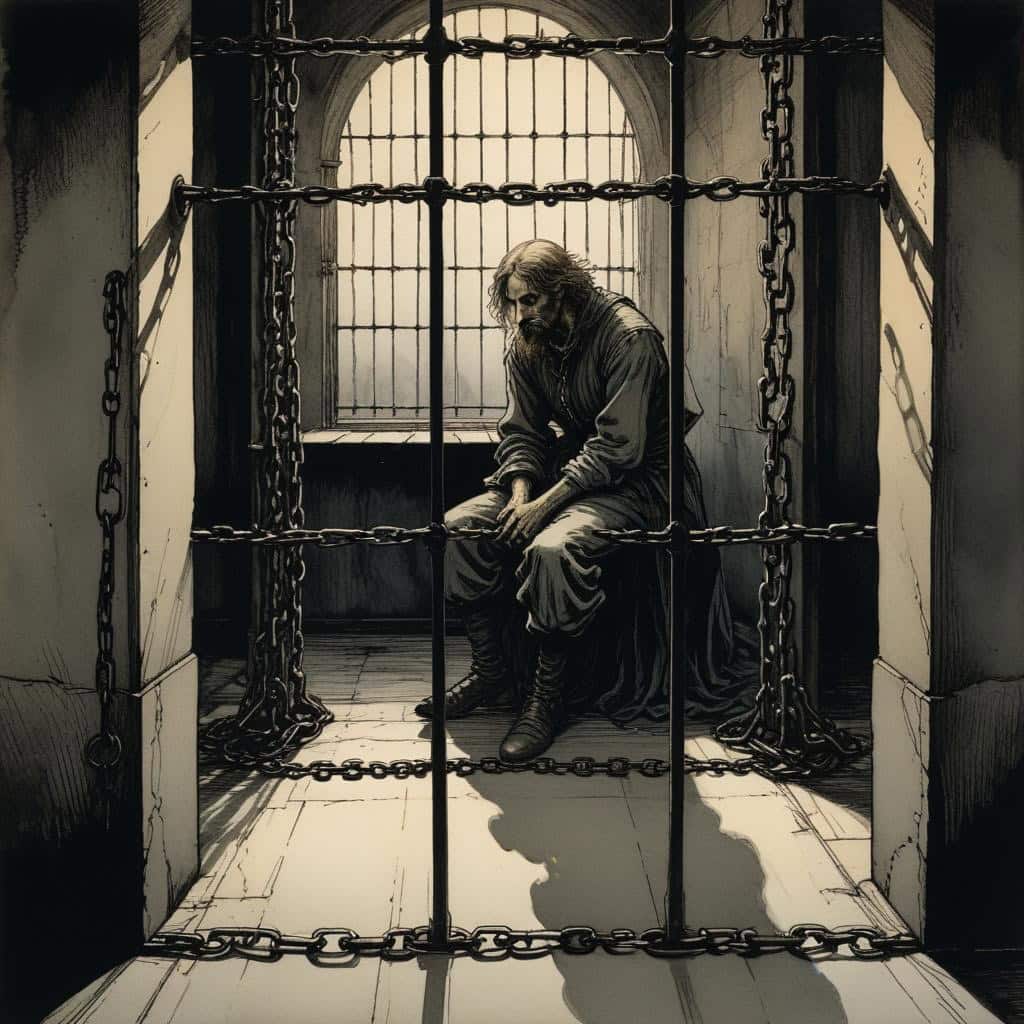
Reflections on Marriage

Escaping to the Country
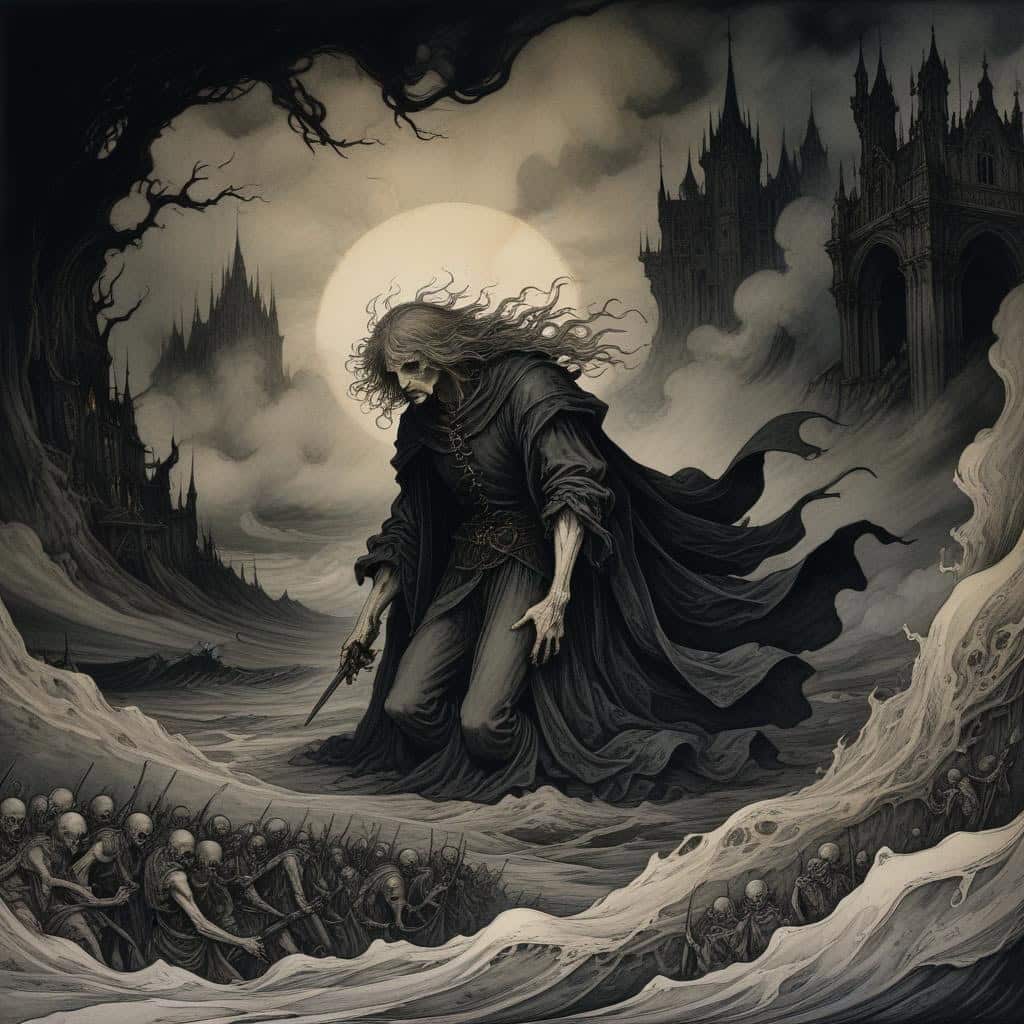
The Folly of Lust
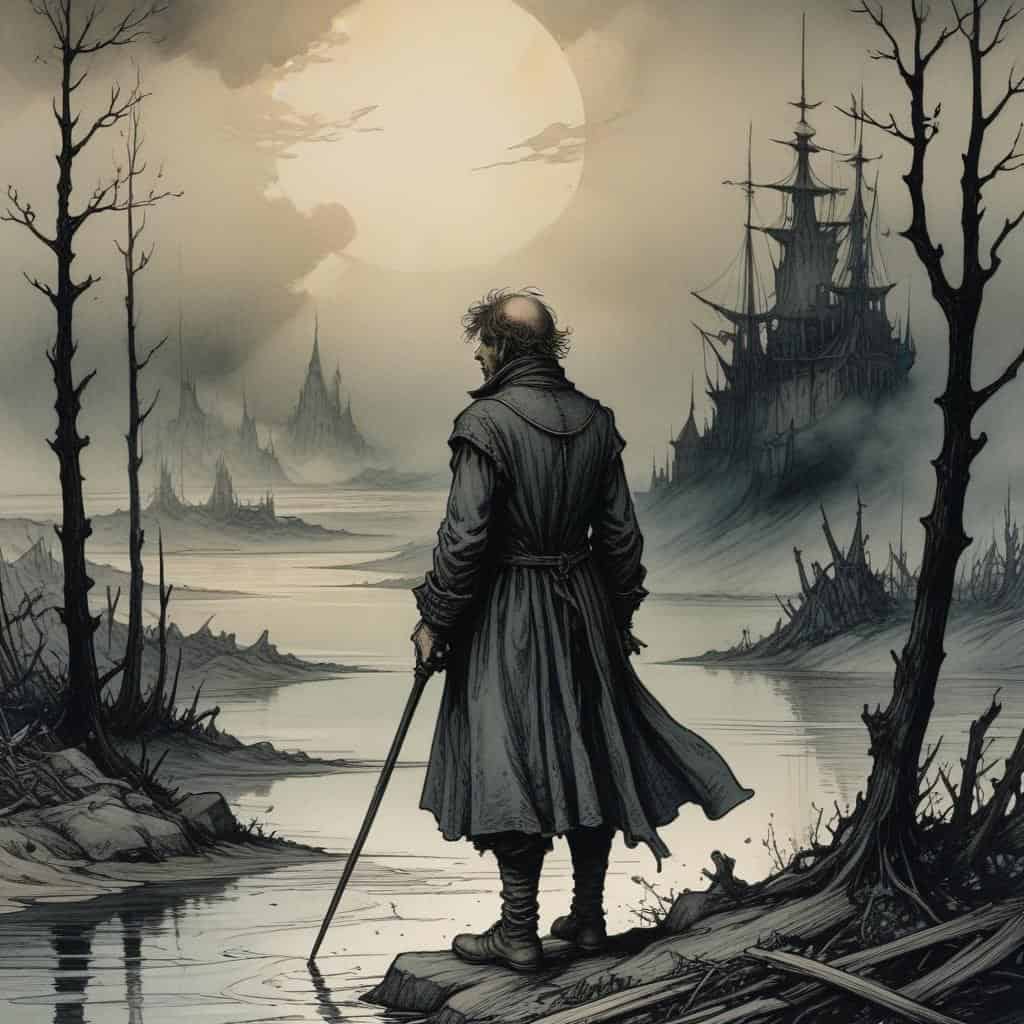
Seeking Redemption
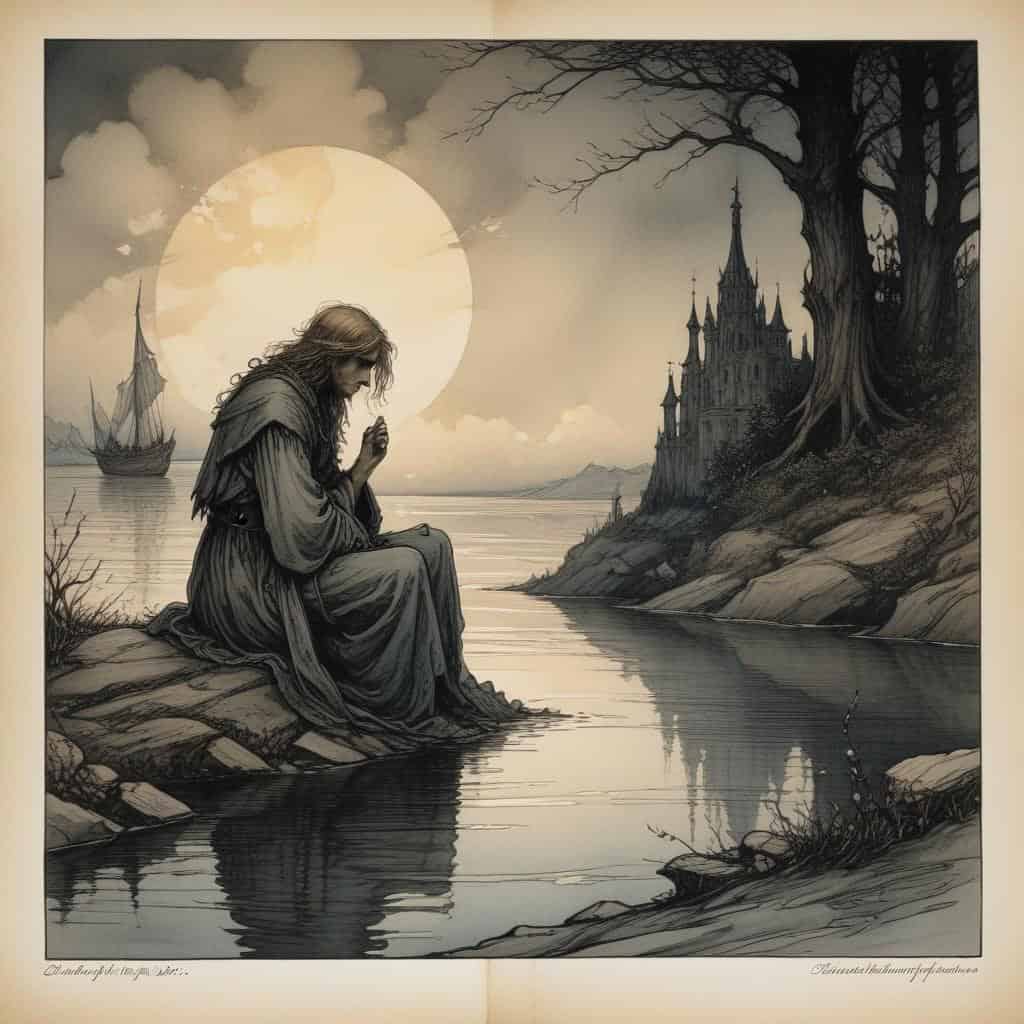
Final Reflections

Lesson Details & Resources
In a Nutshell
- What: The Kreutzer Sonata by Leo Tolstoy
- When: Written in the late 19th century
- Who: Pozdnyshev, his wife, and Trukhachevsky
- Theme: The destructive power of jealousy and possessiveness in relationships
List of Characters in The Kreutzer Sonata by Leo Tolstoy
-
Pozdnyshev
Pozdnyshev is the main character who tells the story of his jealousy and obsession with his wife's supposed affair.
-
Trukhachevsky
Trukhachevsky is a friend of Pozdnyshev who shares his views on marriage and relationships.
-
The narrator
The narrator is an unnamed character who listens to Pozdnyshev's story and reflects on its implications.
Timeline of The Kreutzer Sonata by Leo Tolstoy
Travelling on a train, Pozdnyshev tells his story to a fellow passenger about his failed marriage and his belief that marriage is a prison.
Pozdnyshev recalls how he met and fell in love with his wife, and how their love turned to resentment and hatred over time.
Pozdnyshev becomes consumed with jealousy over his wife's supposed infidelity, leading to a violent confrontation between them.
Pozdnyshev reflects on the role of music, particularly Beethoven's Kreutzer Sonata, in his wife's supposed betrayal and his descent into madness.
Pozdnyshev ultimately kills his wife in a fit of rage, believing he is justified in doing so due to her perceived betrayal.
Pozdnyshev is put on trial for the murder of his wife, where he tries to justify his actions by explaining his beliefs about marriage and love.
Pozdnyshev is ultimately found guilty of murder and sentenced to exile, where he continues to grapple with his feelings of guilt and remorse.
Vocabulary List
- Jealousy
- The main character's jealousy towards his wife consumes him throughout the novel.
- Passion
- The intense passion between the main character and his wife drives the plot forward.
- Betrayal
- The sense of betrayal felt by the main character fuels his violent actions.
- Desire
- The characters' desires for each other lead to destructive consequences.
- Rage
- The main character's rage towards his wife's perceived infidelity results in a tragic outcome.
Key Facts
This is the information used in the fact matching game
- The Kreutzer Sonata was published in 1889.
- The novella was inspired by Tolstoy's belief in celibacy and his own troubled marriage.
- The Kreutzer Sonata was initially banned in Russia for its controversial themes.
- The novella explores themes of love, jealousy, and morality.
- The Kreutzer Sonata is named after Beethoven's Sonata No. 9, which plays a significant role in the story.
- The novella is narrated by a man who becomes increasingly jealous of his wife's interactions with a violinist.
- Tolstoy himself was a talented musician and had a deep appreciation for music.
- The Kreutzer Sonata is considered one of Tolstoy's most controversial works.
- The novella sparked debates about marriage, sexuality, and the role of women in society.
- Tolstoy's own marriage influenced the themes of The Kreutzer Sonata, as he struggled with his own marital issues.
- The novella was initially serialized in a Russian literary magazine before being published as a standalone work.
- The Kreutzer Sonata has been adapted into various forms, including stage plays, films, and operas.
- The novella's controversial themes led to it being censored in various countries upon its release.
- Tolstoy's views on marriage and sexuality evolved throughout his life, influencing his writing in The Kreutzer Sonata.
- The novella is considered a psychological study of jealousy and possessiveness.
- The Kreutzer Sonata has been praised for its complex characters and emotional depth.
- The novella's controversial reception led Tolstoy to write a preface defending his work and its themes.
- The Kreutzer Sonata is considered one of Tolstoy's later works, written during a period of spiritual reflection.
- The novella's exploration of love and desire continues to resonate with readers today.
- Tolstoy's own struggles with his marriage and beliefs about celibacy are reflected in the themes of The Kreutzer Sonata.
Analysis & Significance
Impact on Literature
‘The Kreutzer Sonata’ by Leo Tolstoy is a seminal work that has had a lasting impact on literature, particularly in the realm of Russian literature. Its exploration of jealousy, love, and morality challenged societal norms and paved the way for more introspective and psychological character studies in fiction.
Enduring Themes
The timeless themes of love, jealousy, and the destructive power of obsession in ‘The Kreutzer Sonata’ continue to resonate with modern audiences. Tolstoy’s exploration of the complexities of human relationships and the consequences of unchecked emotions remains relevant in today’s society.
Cultural Significance Today
‘The Kreutzer Sonata’ continues to be a significant work in literary discussions and has inspired adaptations in various art forms, including plays, operas, and films. Its controversial themes and thought-provoking narrative have cemented its place in the literary canon and continue to spark conversations about love, desire, and morality in contemporary culture.
The Kreutzer Sonata by Leo Tolstoy Games


Take Your Learning Offline
Want a convenient, print-ready study guide for this lesson? Become a Memory Wizards Pro member to unlock the downloadable " Memory Scrolls" for this topic and our entire library!
- ✓ Complete Vocabulary Lists
- ✓ Key Facts & Timelines
- ✓ Beautifully Formatted for Print & Mobile