
How Do You Learn Best?
Learn by Reading
Immerse yourself in the 10-minute visual lesson for a comprehensive understanding of the topic.
Learn by Reviewing
Jump directly to the key facts, timeline, and vocabulary lists to build a solid foundation of details.
Learn by Doing
Challenge yourself! Jump straight into the interactive games to learn by trial, error, and discovery.
Anna Karenina by Leo Tolstoy in 10 Minutes
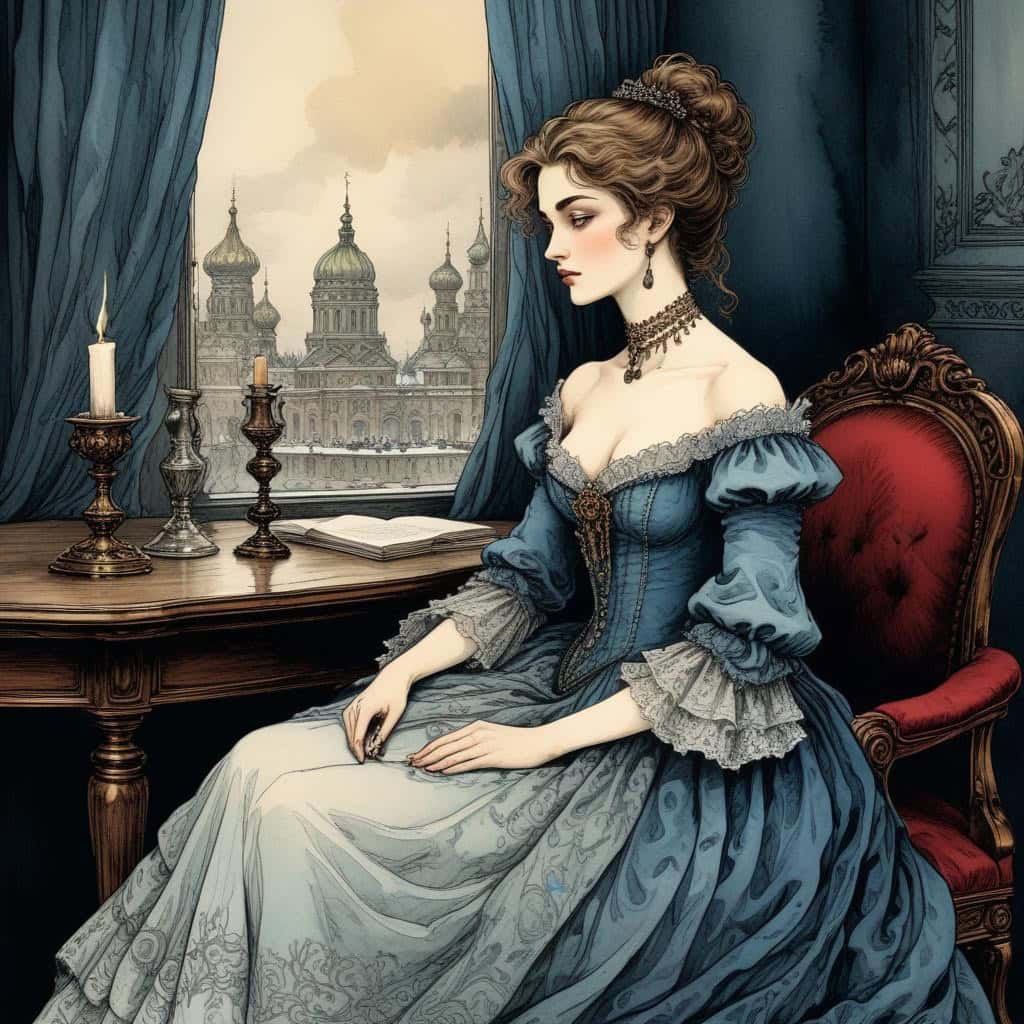
Introduction
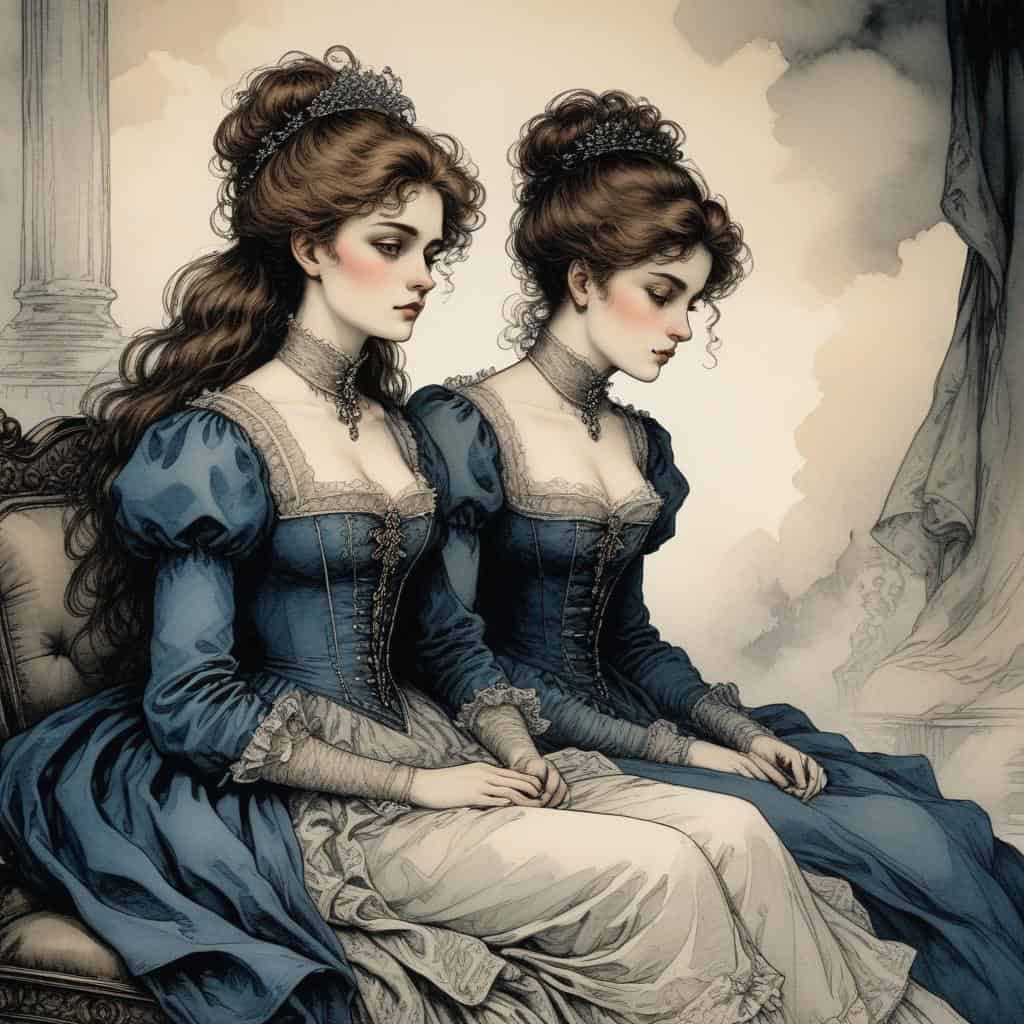
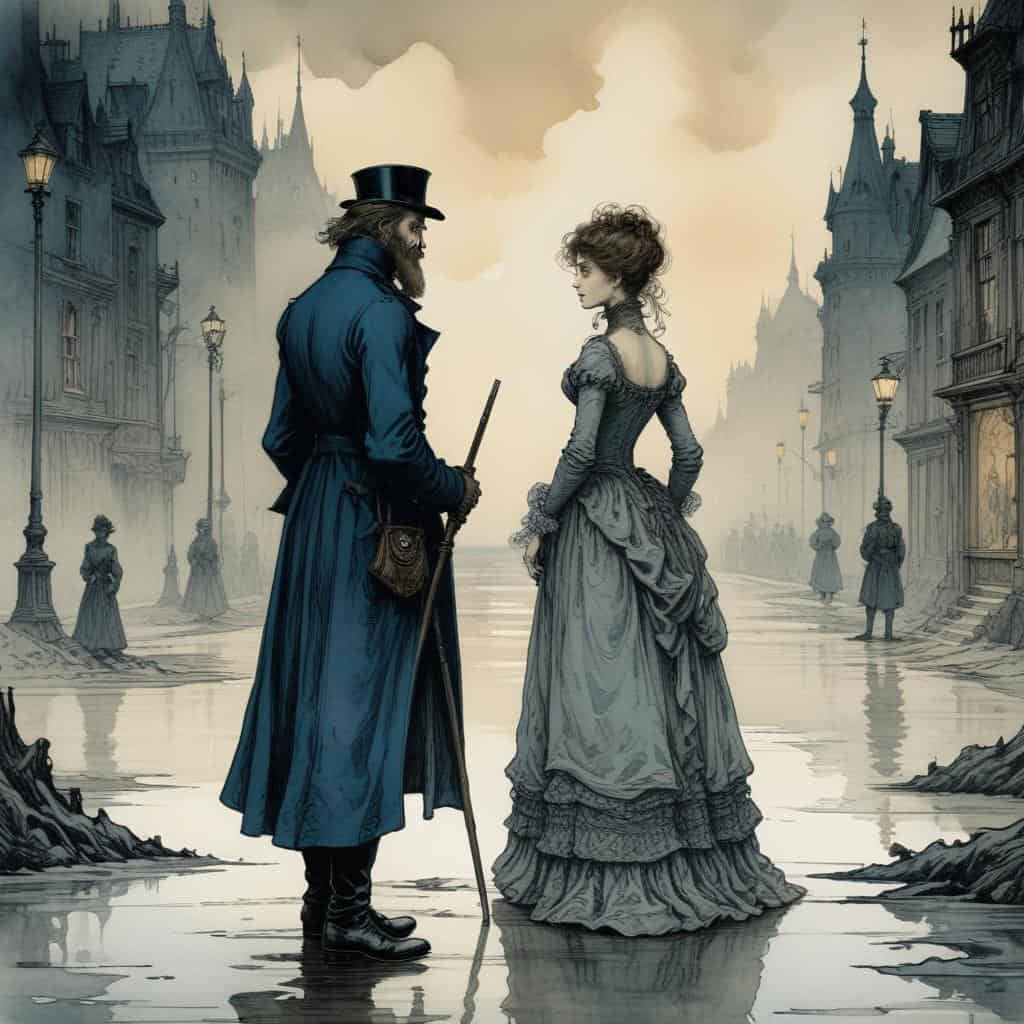
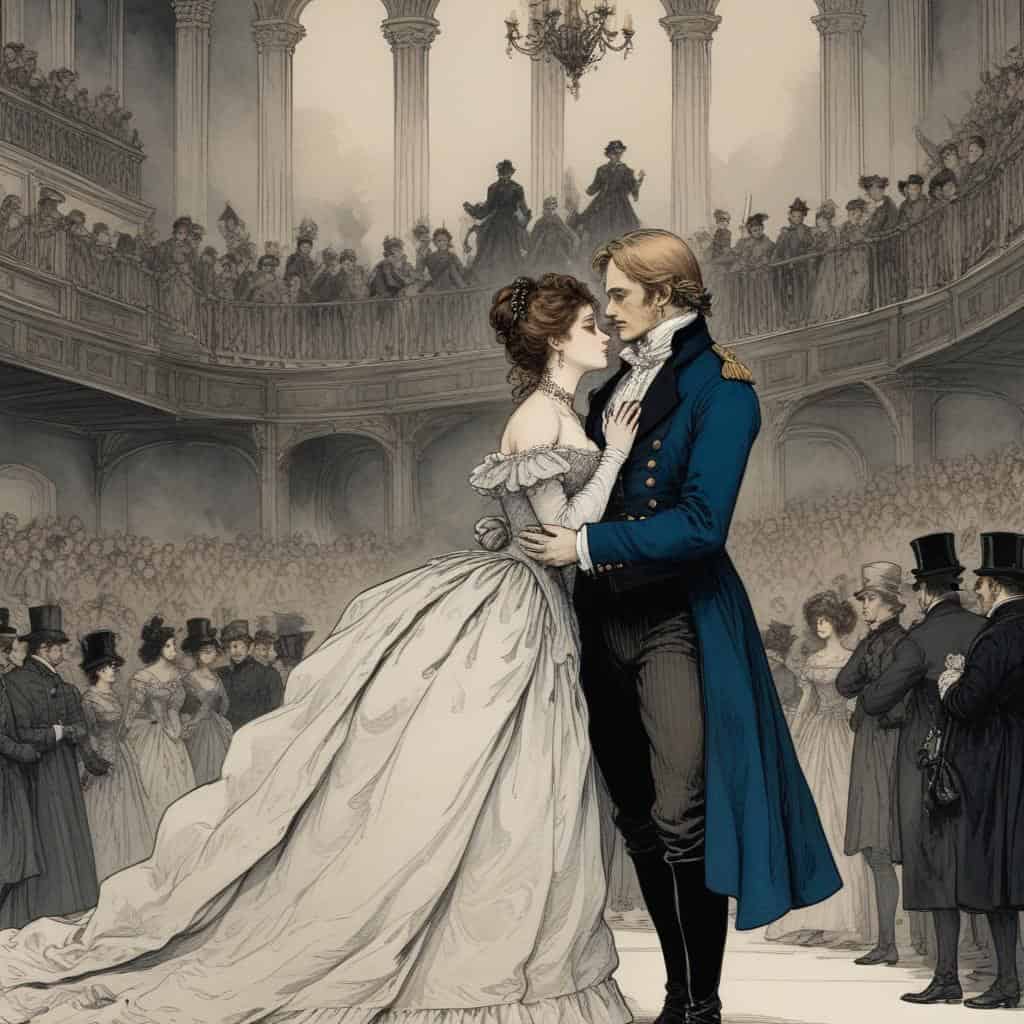
Anna Karenina

Alexei Alexandrovich Karenin
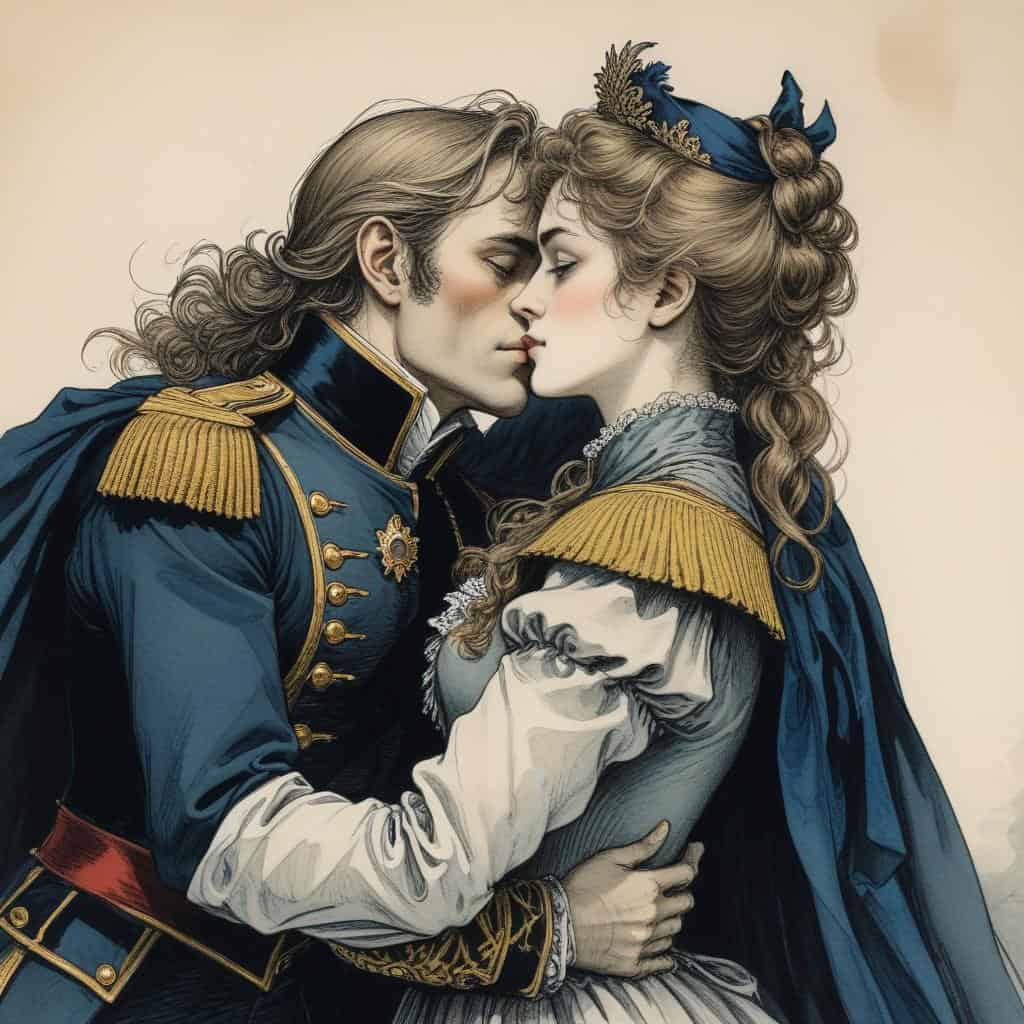
Count Alexei Vronsky

Konstantin Dmitrievich Levin

Princess Ekaterina Kitty Shcherbatskaya
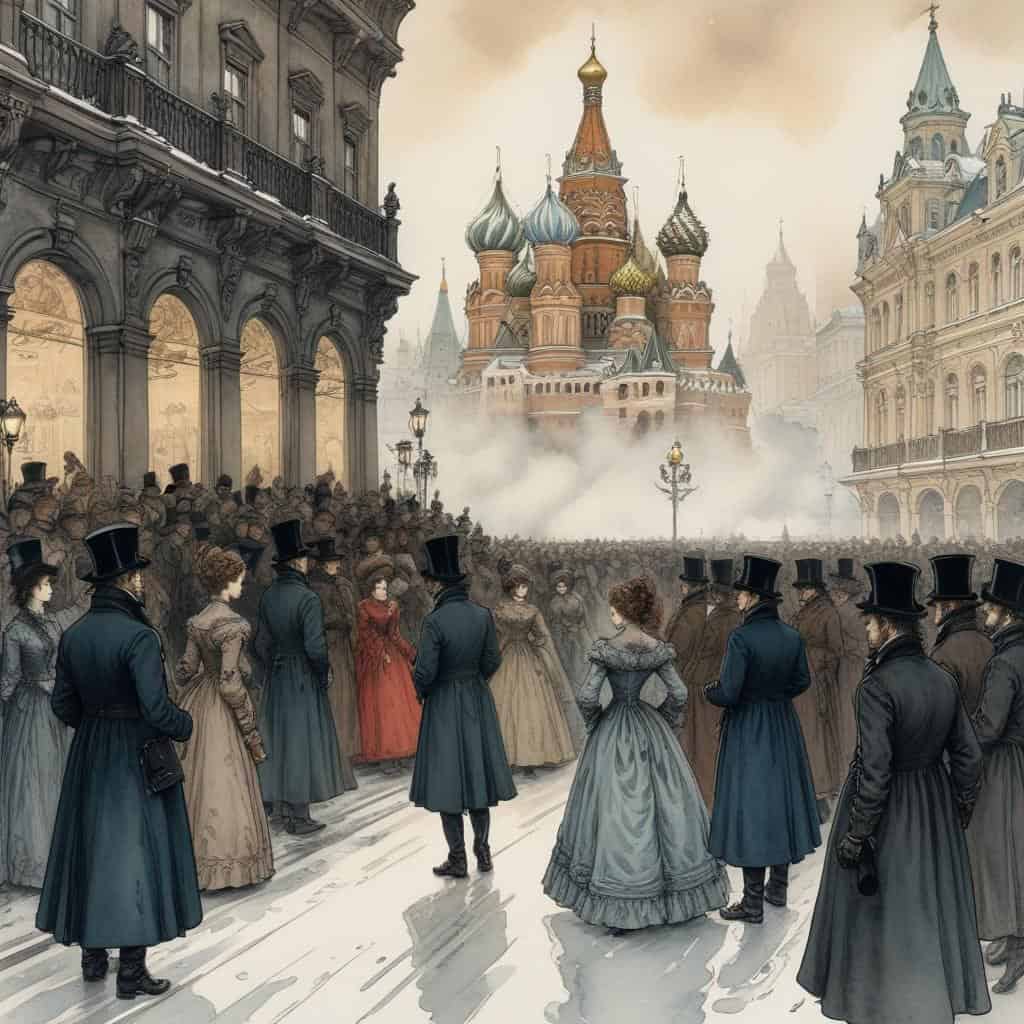
1. Annas Arrival in Moscow
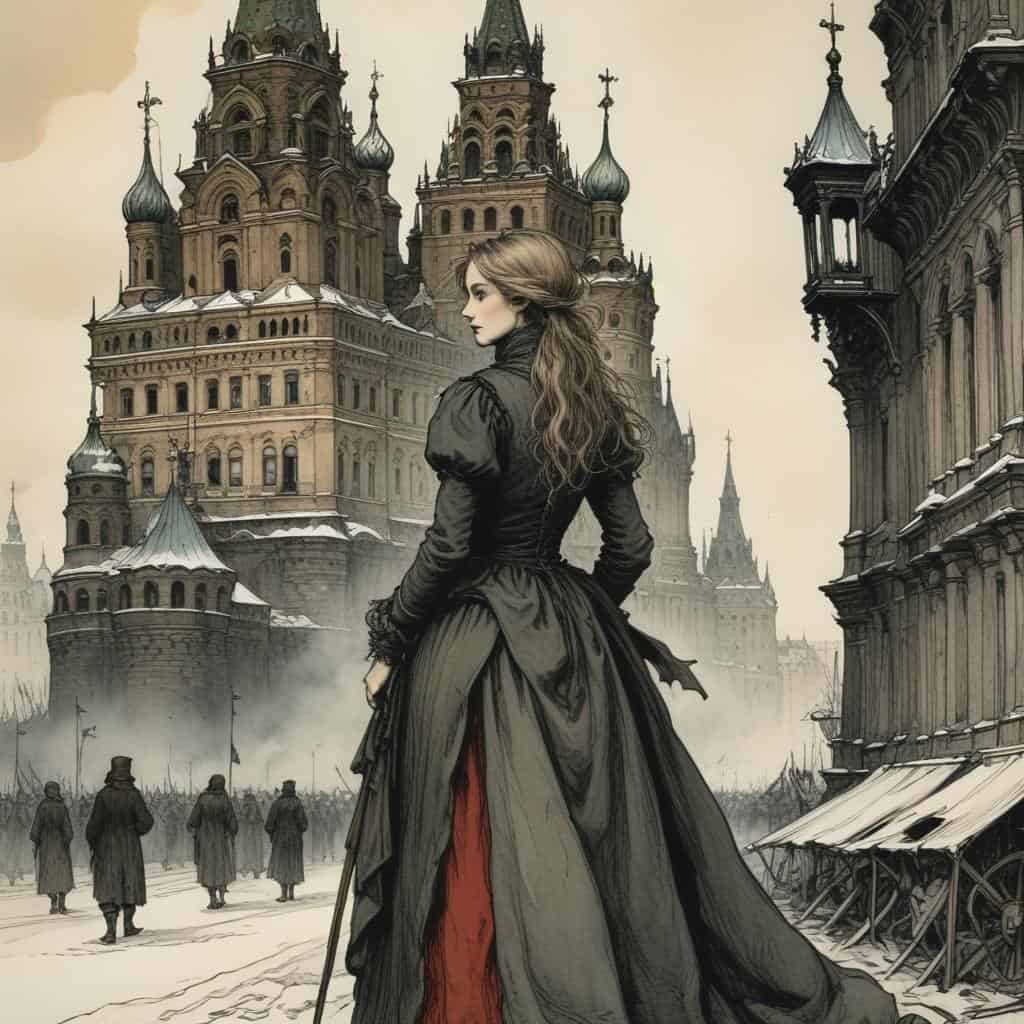
2. Annas Decision to Stay in Moscow
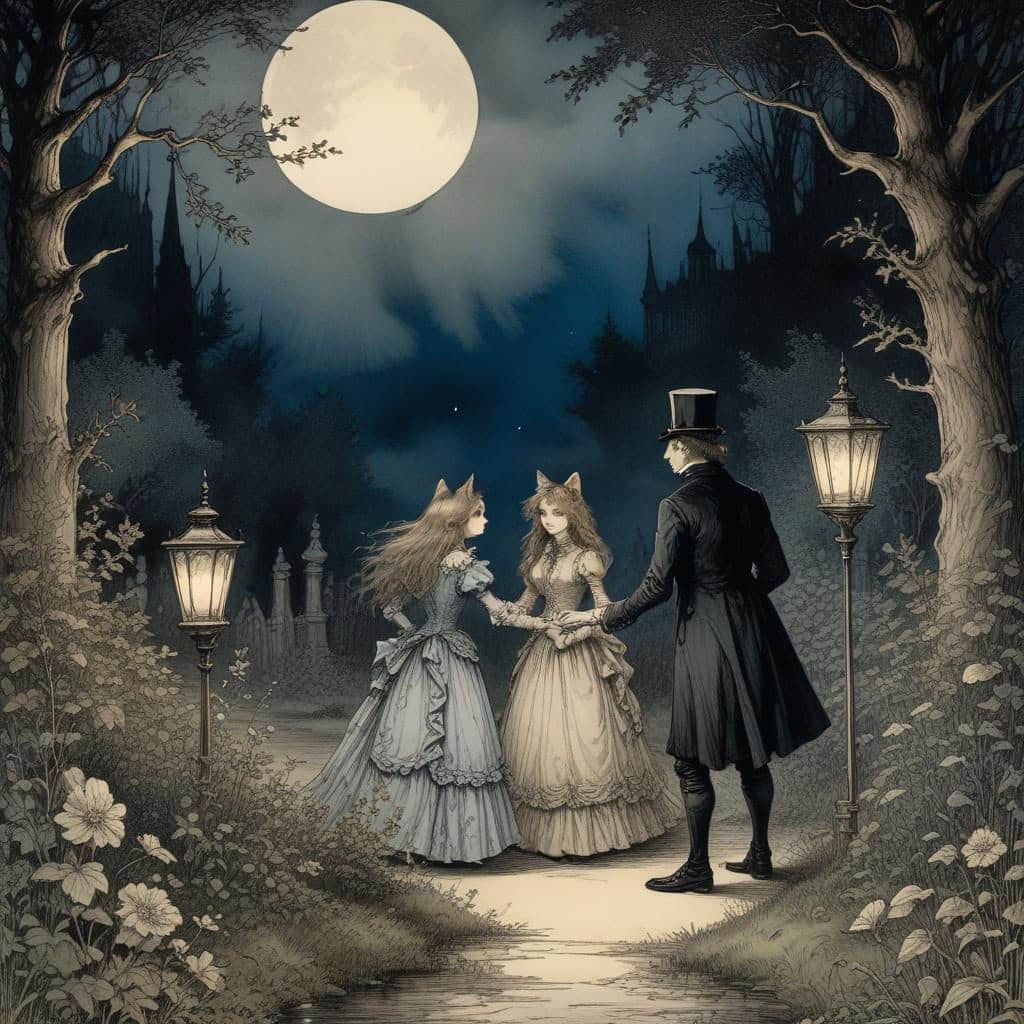
3. Kittys Rejection and Vronskys Pursuit of Anna
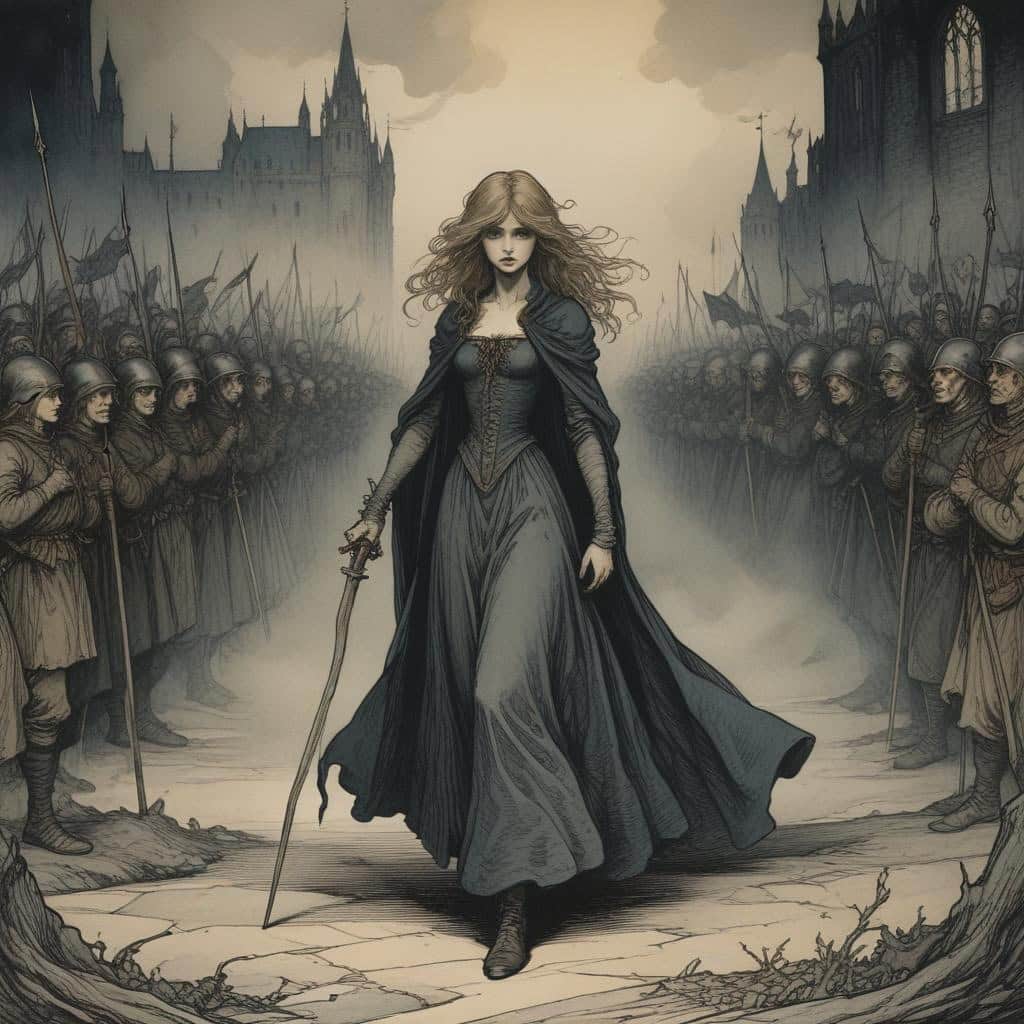
4. Annas Conflicts with Society
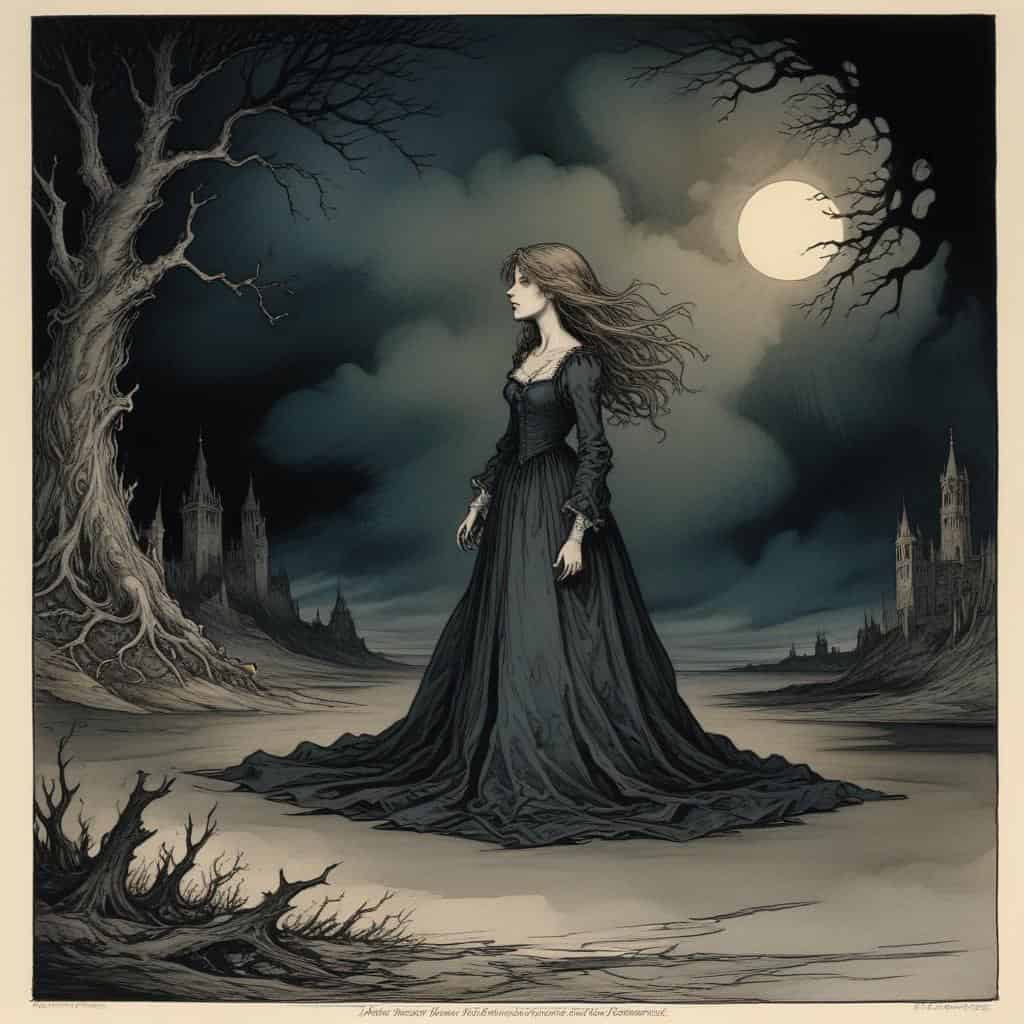
5. Annas Struggle with Guilt and Jealousy
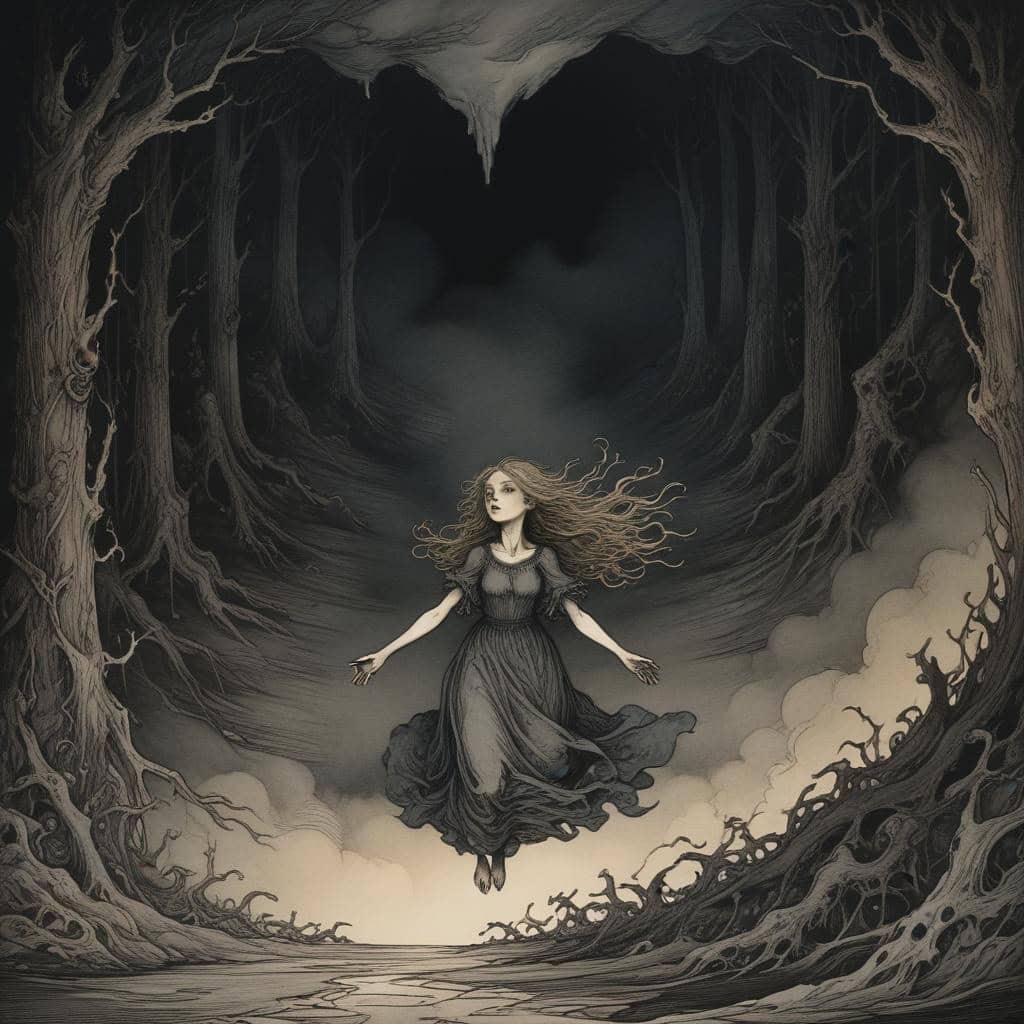
6. Annas Descent into Madness
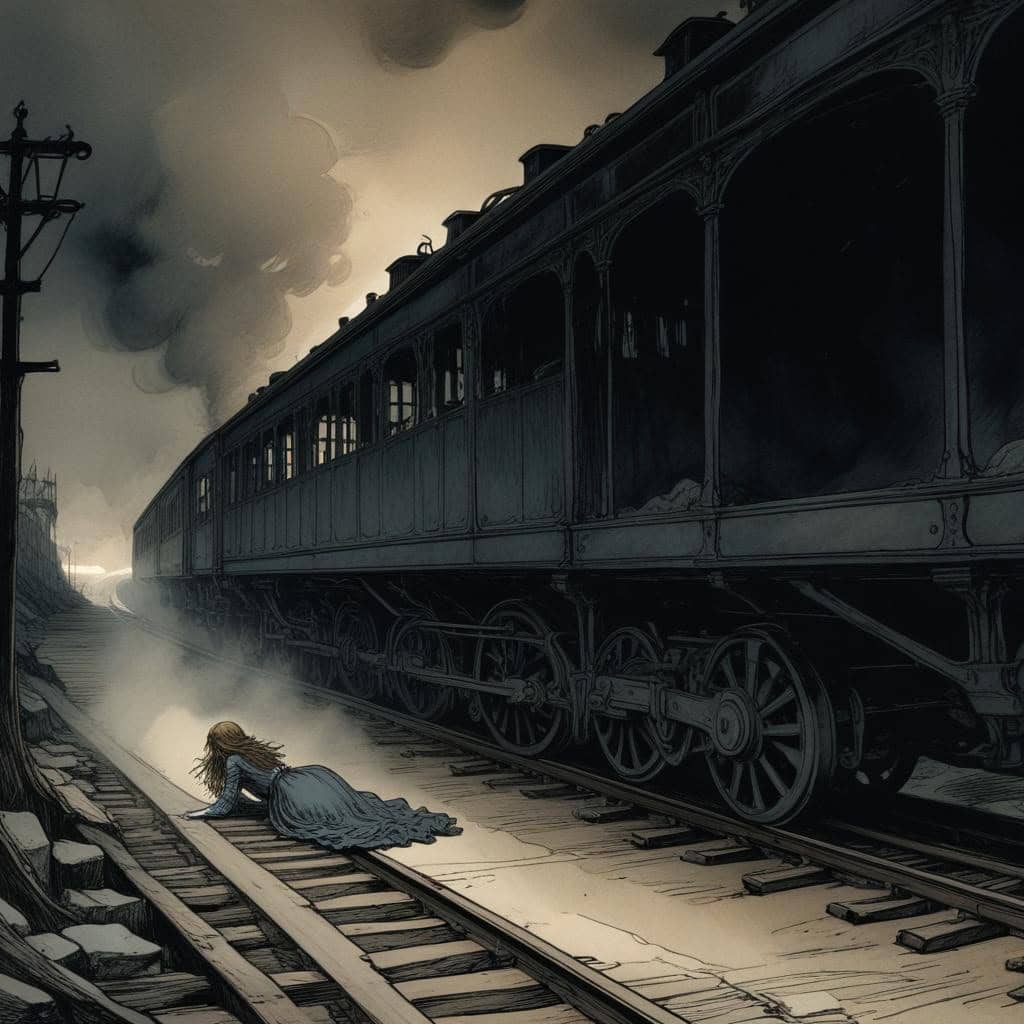
7. Annas Tragic End
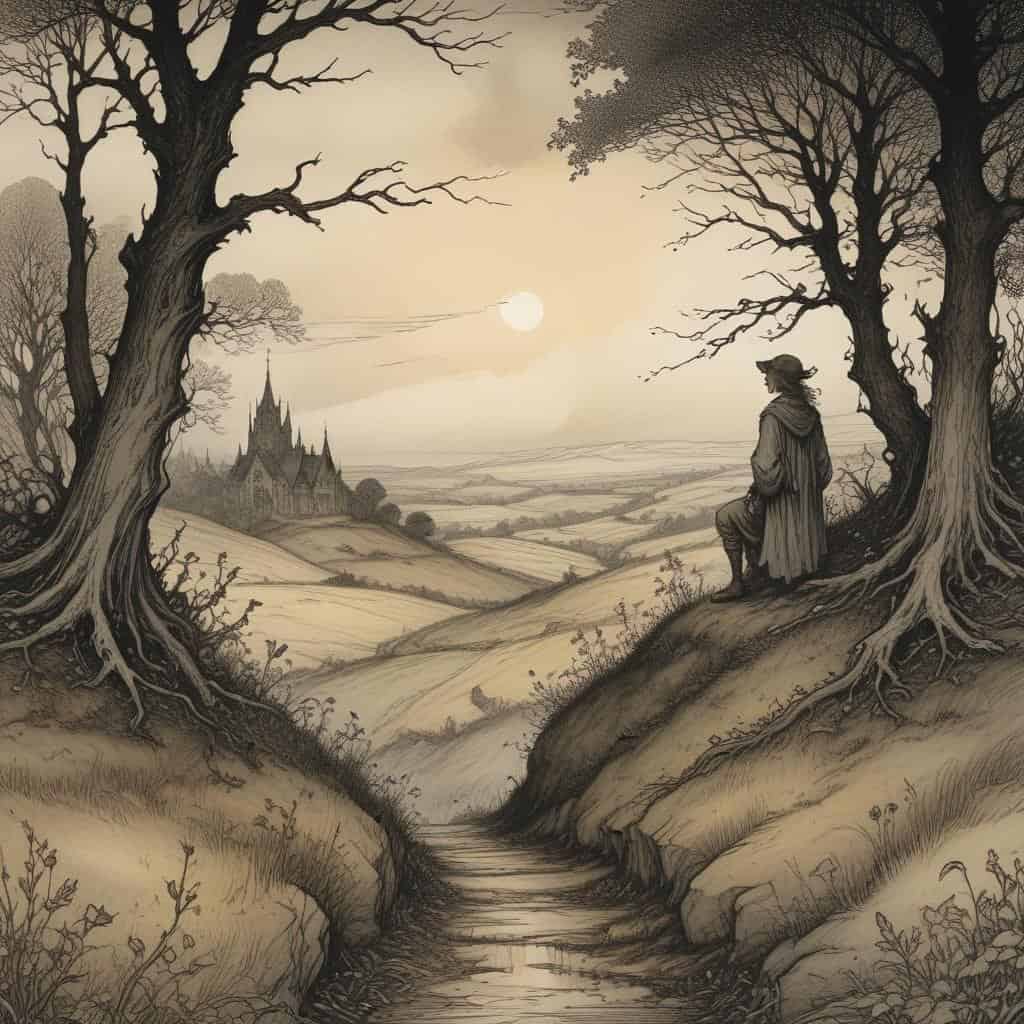
8. Levins Search for Meaning
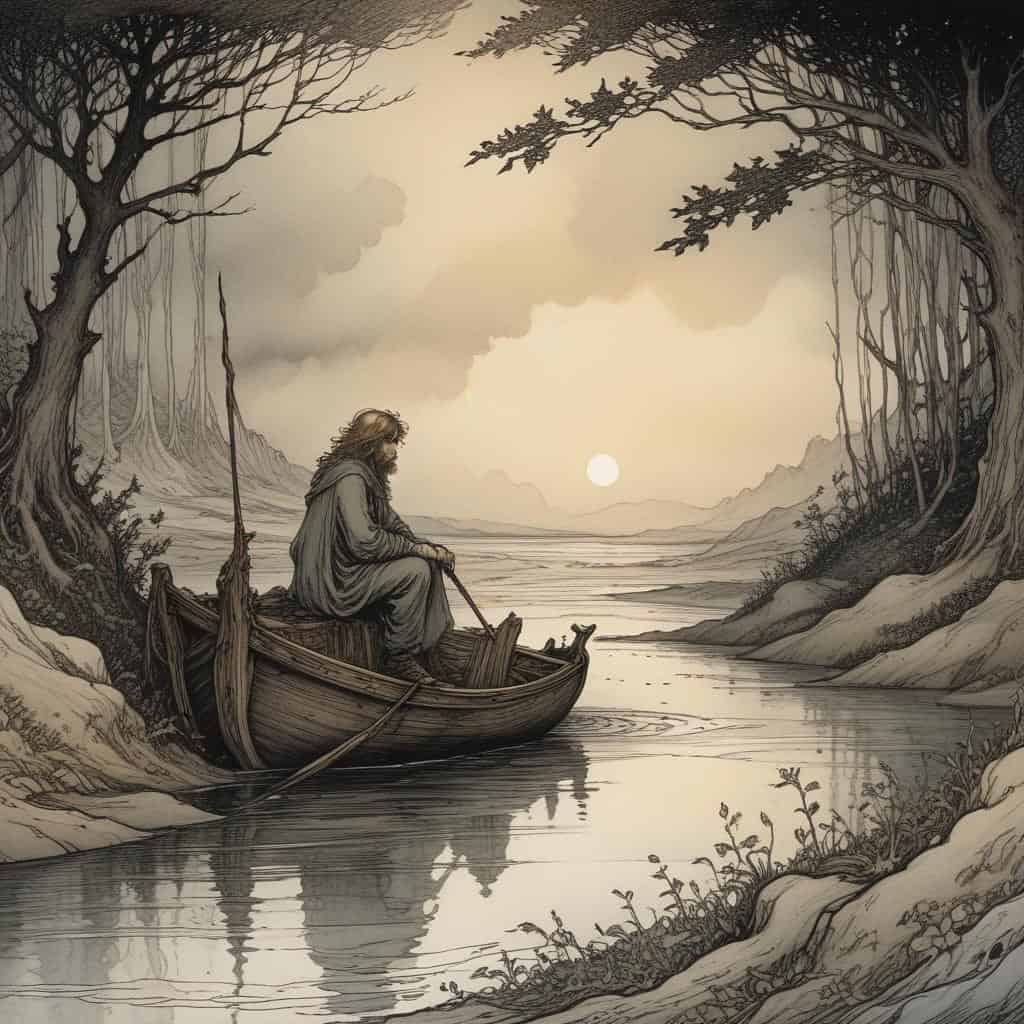
9. Levins Journey to Self-Discovery
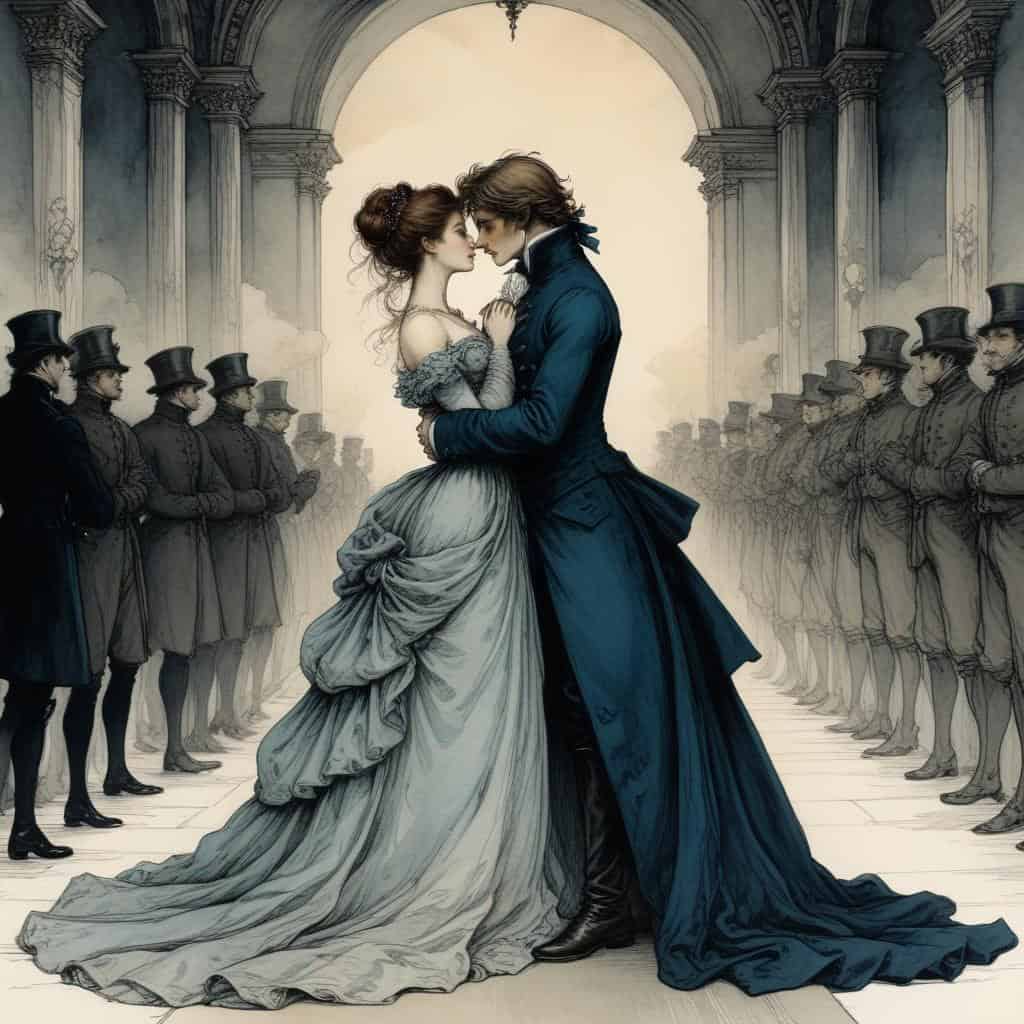
10. The Themes of Love, Society, and Morality
Lesson Details & Resources
In a Nutshell
- What: ‘Anna Karenina’ by Leo Tolstoy
- When: Written in the 19th century
- Who: Anna Karenina, Count Alexei Vronsky, Konstantin Dmitrievich Levin
- Theme: The consequences of societal expectations and the pursuit of personal happiness
List of Characters in Anna Karenina by Leo Tolstoy
-
Anna Karenina
Anna Karenina is a beautiful and passionate woman who becomes involved in a scandalous affair with Count Vronsky.
-
Alexei Karenin
Alexei Karenin is Anna's husband, a cold and methodical government official.
-
Count Alexei Vronsky
Count Vronsky is a dashing and charismatic military officer who falls in love with Anna.
-
Konstantin Dmitrievich Levin
Konstantin Levin is a landowner and friend of the Oblonsky family, who struggles with his own personal and philosophical questions.
-
Princess Ekaterina 'Kitty' Alexandrovna Shcherbatskaya
Kitty Shcherbatskaya is a young and innocent woman who is courted by both Levin and Vronsky.
-
Stepan Arkadyevitch Oblonsky
Stepan Oblonsky is Anna's brother and a charming but irresponsible man who is unfaithful to his wife Darya.
-
Darya Alexandrovna Oblonskaya
Darya Oblonskaya is Stepan's long-suffering wife who eventually forgives him for his infidelities.
Timeline of Anna Karenina by Leo Tolstoy
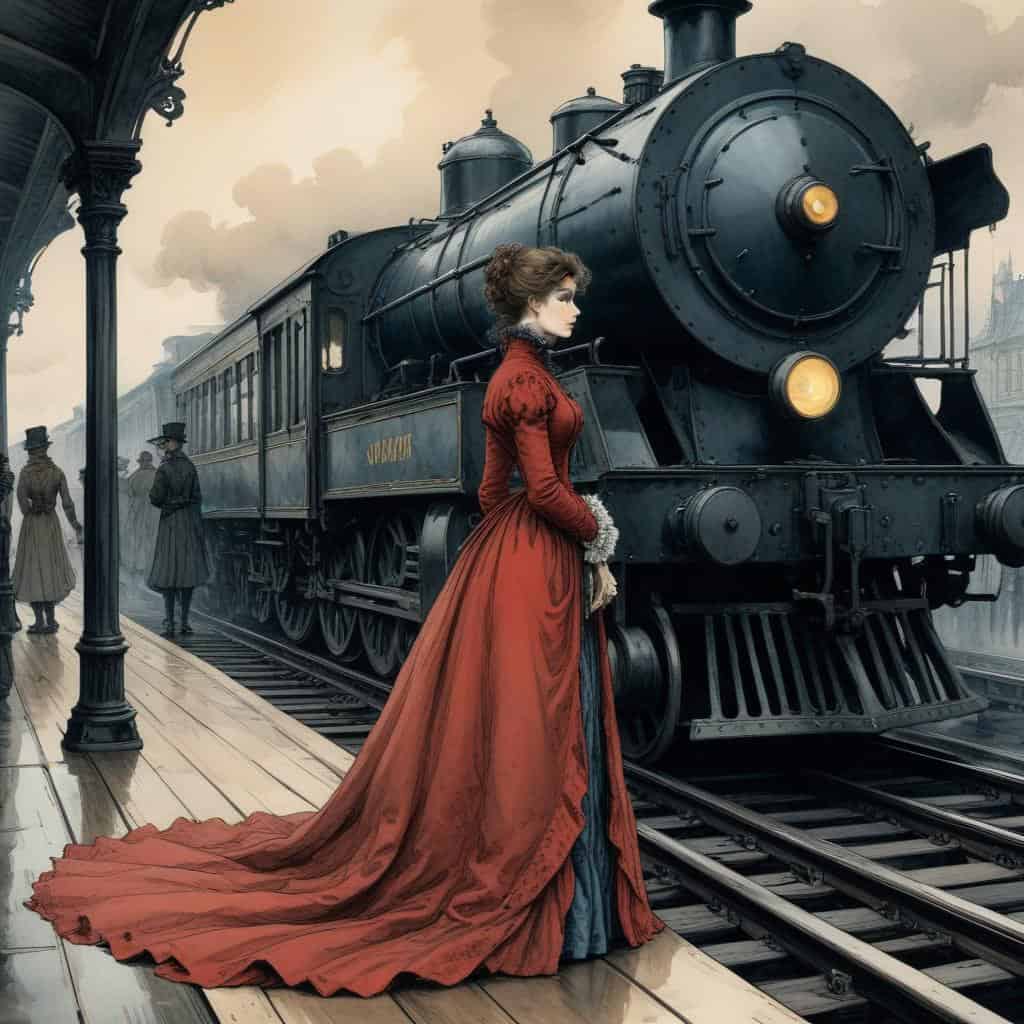
Anna Karenina meets Count Vronsky at a train station and they are immediately attracted to each other.
Anna begins an affair with Vronsky, causing a scandal in Russian high society.
Anna's husband, Alexei Karenin, finds out about the affair and gives her an ultimatum.
Anna chooses to leave her husband and son to be with Vronsky, causing further scandal.
Anna and Vronsky move to Italy to start a new life together, but their relationship begins to deteriorate.
Anna becomes increasingly isolated and depressed, while Vronsky grows tired of her mood swings.
Anna returns to Russia, hoping to reconcile with her son, but finds herself ostracized by society.
Anna's mental health continues to decline, leading to a tragic end.
Vronsky is devastated by Anna's death and decides to join the army, seeking redemption.
The novel ends with Vronsky reflecting on his past actions and the consequences of his choices.
Vocabulary List
- Anna Karenina
- The main character of the novel, a beautiful and intelligent woman who is trapped in a loveless marriage.
- Count Vronsky
- A handsome and charming young officer who falls in love with Anna and becomes her lover.
- Kitty Shcherbatsky
- A young woman who initially falls in love with Vronsky but later marries Levin.
- Levin
- A landowner and friend of Anna's brother, who struggles with his beliefs and finds happiness in his marriage to Kitty.
- Society
- The high society of 19th century Russia, which plays a significant role in the characters' lives and decisions.
- Love
- A central theme in the novel, explored through the various relationships and affairs of the characters.
- Adultery
- A taboo subject in the novel, as Anna's affair with Vronsky leads to social ostracism and personal turmoil.
- Tolstoy
- The author of Anna Karenina, a Russian novelist known for his realistic portrayals of society and human nature.
- Trains
- A recurring motif in the novel, symbolizing the forward movement of time and the characters' changing fortunes.
- Tragedy
- The inevitable outcome of Anna and Vronsky's affair, as their love leads to heartbreak and destruction.
- Hypocrisy
- A theme explored through the characters' outward appearances and inner motivations, particularly in relation to societal expectations.
Key Facts
This is the information used in the fact matching game
- Anna Karenina was published in serial installments from 1873 to 1877.
- The novel is set in the high society of Imperial Russia.
- Anna Karenina is considered one of the greatest novels ever written.
- The novel explores themes of love, infidelity, and societal norms.
- Anna Karenina is often cited as a masterpiece of realist fiction.
- The novel's title character, Anna Karenina, is a young and beautiful woman married to a high-ranking government official.
- Anna embarks on an affair with a dashing military officer named Count Vronsky.
- The novel also follows the story of a farmer named Konstantin Levin, who struggles with his own personal and philosophical issues.
- Anna Karenina is divided into eight parts, each with multiple chapters.
- The novel's opening line is often quoted: 'All happy families are alike; each unhappy family is unhappy in its own way.'
- Anna Karenina has been adapted into numerous films, TV shows, and stage productions.
- Leo Tolstoy drew inspiration for Anna Karenina from his own life experiences and observations of society.
- The novel addresses issues of class, gender, and morality in 19th-century Russia.
- Anna Karenina is often studied in literature courses for its complex characters and social commentary.
- The novel has been translated into numerous languages and remains popular worldwide.
- Anna Karenina's tragic fate has become iconic in literature and popular culture.
- Leo Tolstoy's writing style in Anna Karenina is known for its detailed descriptions and psychological depth.
- The character of Anna Karenina has been portrayed by numerous actresses on screen, including Greta Garbo and Keira Knightley.
- Anna Karenina's story is a cautionary tale about the consequences of passion and societal expectations.
- Leo Tolstoy's exploration of love, betrayal, and forgiveness in Anna Karenina continues to resonate with readers today.
Analysis & Significance
Impact on Literature
Anna Karenina is a foundational work in the development of the psychological novel, influencing generations of writers with its deep exploration of human emotions and motivations. Tolstoy’s innovative narrative techniques, such as shifting perspectives and interior monologues, have been emulated by countless authors seeking to delve into the complexities of the human psyche.
Enduring Themes
The novel’s exploration of love, betrayal, society, and morality continues to resonate with modern audiences, as these timeless themes are still relevant in today’s world. The characters’ internal struggles and external conflicts mirror the universal experiences of heartbreak, passion, and societal expectations that many individuals face in their own lives.
Cultural Significance Today
Anna Karenina’s legacy extends beyond the realm of literature, with numerous adaptations in film, theater, and television keeping the story alive in popular culture. The tragic tale of Anna’s doomed love affair and the societal pressures that ultimately lead to her downfall have inspired countless artists and audiences, cementing the novel’s place in the cultural canon.
Anna Karenina by Leo Tolstoy Games


Take Your Learning Offline
Want a convenient, print-ready study guide for this lesson? Become a Memory Wizards Pro member to unlock the downloadable " Memory Scrolls" for this topic and our entire library!
- ✓ Complete Vocabulary Lists
- ✓ Key Facts & Timelines
- ✓ Beautifully Formatted for Print & Mobile