
Summary of the Fall of the Western Empire
Unravel the mysteries behind the collapse of an ancient empire.
How Do You Learn Best?
Learn by Reading
Immerse yourself in the 10-minute visual lesson for a comprehensive understanding of the topic.
Learn by Reviewing
Jump directly to the key facts, timeline, and vocabulary lists to build a solid foundation of details.
Learn by Doing
Challenge yourself! Jump straight into the interactive games to learn by trial, error, and discovery.
the Fall of the Western Empire in 10 Minutes
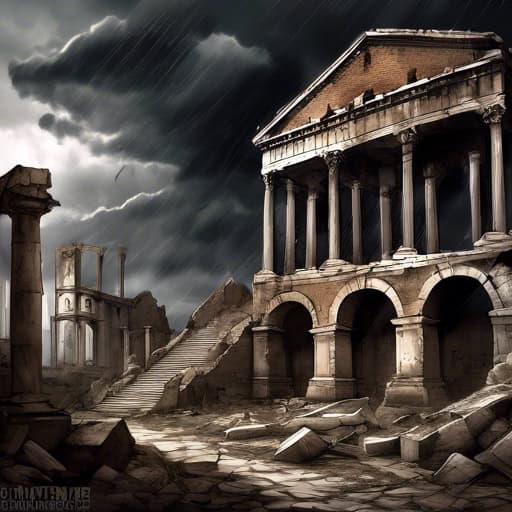
Introduction
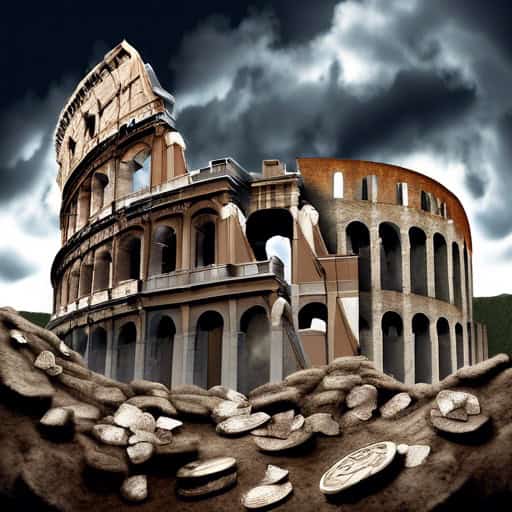

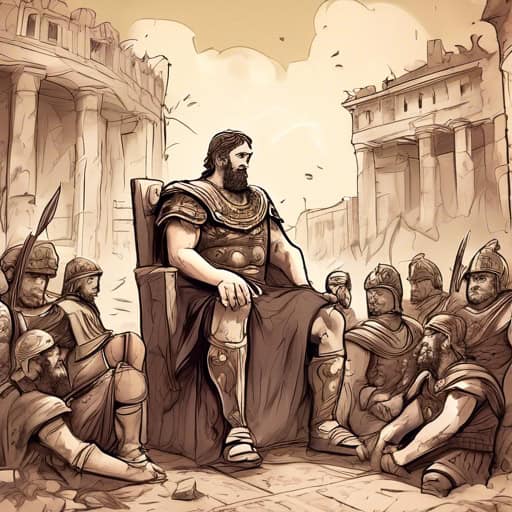
Emperor Romulus Augustulus
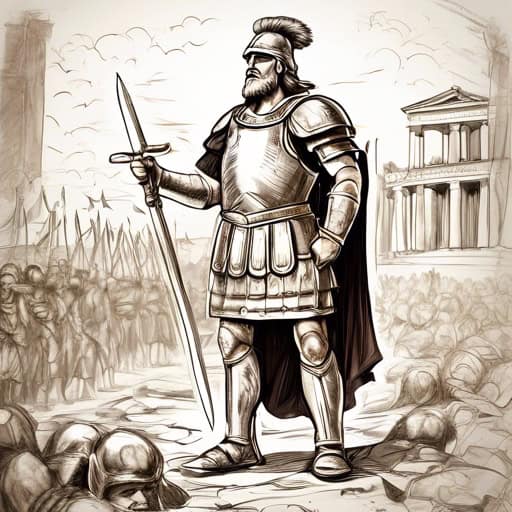
Odoacer
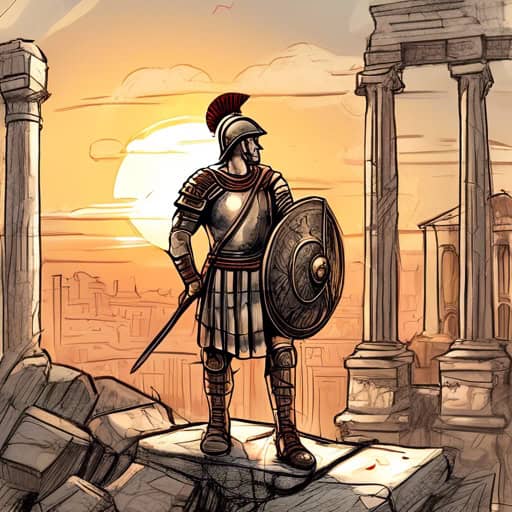
Flavius Orestes
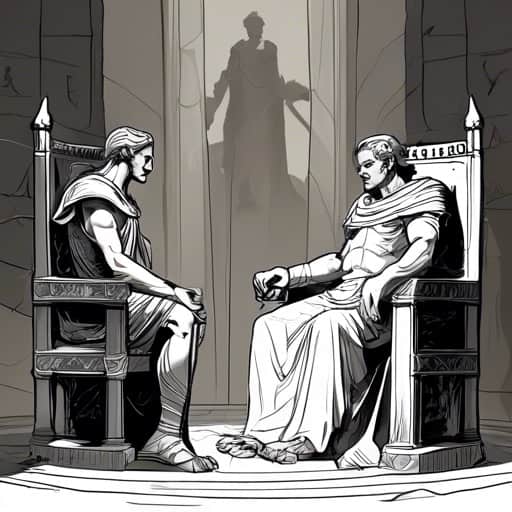
Emperor Julius Nepos
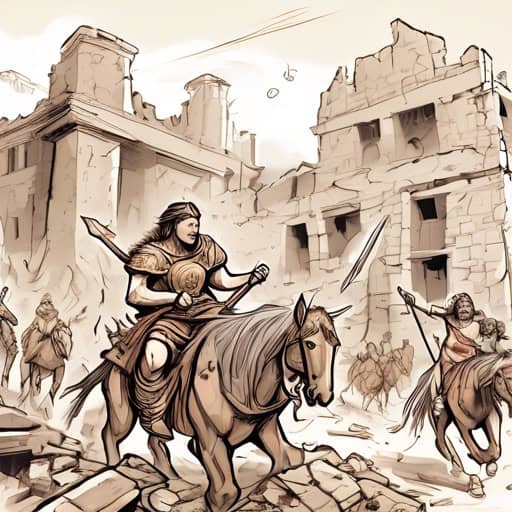
Barbarian Tribes

The Rise of the Roman Empire

Barbarian Invasions

Economic Decline

Weakening of Central Authority

Social Unrest

Division of the Empire

Final Emperor

Legacy of the Roman Empire
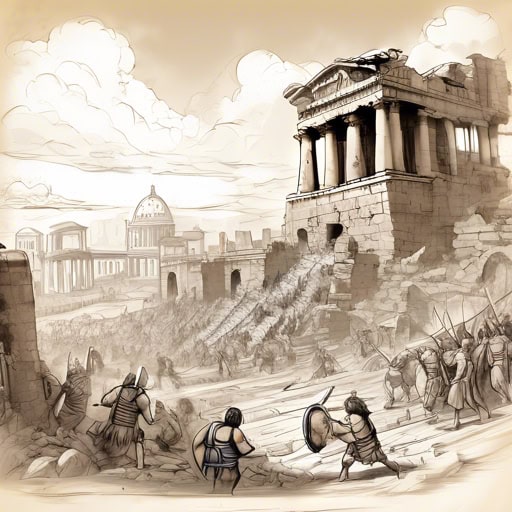
Lesson Details & Resources
In a Nutshell
- What: The fall of the Western Roman Empire
- When: 476 AD
- Who: Various barbarian tribes, including the Visigoths, Vandals, and Ostrogoths
- Outcome: The end of the Western Roman Empire and the beginning of the Middle Ages in Europe
Famous Figures in the the Fall of the Western Empire
-
Emperor Romulus Augustus
The last Roman emperor, he ruled for just ten months before being deposed by Odoacer.
-
Odoacer
A Germanic chieftain who deposed the last Roman emperor, marking the end of the Western Roman Empire.
-
Flavius Orestes
A Roman official and father of Romulus Augustus, who served as a puppet emperor before being overthrown.
-
Alaric
A Visigothic king who famously sacked Rome in 410 AD, contributing to the decline of the Western Roman Empire.
-
Attila the Hun
A fearsome leader of the Huns who posed a significant threat to the Western Roman Empire during his reign.
-
Theodoric the Great
A Germanic king who established the Ostrogothic Kingdom in Italy after the fall of the Western Roman Empire.
-
Galla Placidia
The sister of the Western Roman Emperor Honorius, she played a prominent role in the imperial court.
-
Stilicho
A Vandal general who served as the guardian and commander-in-chief of the Western Roman Emperor Honorius.
-
Honorius
A Western Roman Emperor who ruled during a turbulent period marked by invasions and internal conflicts.
-
Ricimer
A powerful military commander and kingmaker in the Western Roman Empire, who influenced the selection of several emperors.
Timeline of the Fall of the Western Empire
Battle of the Catalaunian Plains
Sack of Rome by the Vandals
Romulus Augustulus deposed as Western Roman Emperor
Odoacer becomes King of Italy
End of the Western Roman Empire
Odoacer killed by Theodoric the Great
Theodoric the Great becomes King of Italy
Theodoric the Great conquers the Visigothic Kingdom
Death of Theodoric the Great
Justinian I reconquers Italy for the Eastern Roman Empire
Belisarius captures Rome for the Eastern Roman Empire
Ostrogothic Kingdom falls to the Eastern Roman Empire
Byzantine Empire loses control of Italy
Lombards establish the Kingdom of the Lombards in Italy
Lombards conquer Ravenna, the last Byzantine stronghold in Italy
End of the Roman presence in Italy
Vocabulary List
- Barbarian
- A member of a community or tribe not belonging to one of the great civilizations
- Invasion
- An act of invading or entering as an enemy, especially by an army
- Decline
- A gradual and continuous loss of strength, numbers, quality, or value
- Corruption
- Dishonest or fraudulent conduct by those in power
- Economic
- Relating to the production, consumption, and transfer of wealth
- Political
- Relating to the government or the public affairs of a country
- Military
- Relating to or characteristic of soldiers, arms, or war
- Inflation
- A general increase in prices and fall in the purchasing value of money
- Plague
- A contagious bacterial disease causing fever and delirium, typically with the formation of buboes
- Unrest
- A state of dissatisfaction, disturbance, and agitation
- Cultural
- Relating to the ideas, customs, and social behavior of a society
- Migration
- The movement of people from one place to another, often in search of better living conditions
- Ravaged
- Severely damaged or devastated
- Empire
- An extensive group of states or countries under a single supreme authority
- Civilization
- The stage of human social development and organization that is considered most advanced
- Weakened
- Made less strong or powerful
- Influence
- The capacity to have an effect on the character, development, or behavior of someone or something
- Division
- The action of separating something into parts or the process of being separated
- Unstable
- Liable to change or collapse suddenly, often due to lack of support or strength
- Decentralization
- The transfer of authority from central to local government units.
Key Facts
This is the information used in the fact matching game
- The fall of the Western Roman Empire in 476 AD was a significant event in world history
- The Western Roman Empire was one of the two main divisions of the Roman Empire
- The fall of the Western Roman Empire marked the end of ancient Rome
- The empire was overrun by Germanic tribes, including the Visigoths, Vandals, and Ostrogoths
- The last Western Roman Emperor, Romulus Augustus, was deposed by the Germanic chieftain Odoacer
- The fall of the empire led to a period known as the Dark Ages in Western Europe
- The Roman Empire had faced several challenges before its fall, including internal conflicts and invasions from various tribes
- The empire had already been divided into East and West since 395 AD
- The Eastern Roman Empire, known as the Byzantine Empire, continued to exist for several more centuries
- The fall of the Western Roman Empire resulted in the fragmentation of Western Europe into numerous small kingdoms
- The fall of Rome had a profound impact on the political, social, and cultural landscape of Europe
- The loss of a centralized authority led to increased feudalism and local power structures
- The fall of the empire also had economic repercussions, including the decline of trade and the loss of infrastructure
- The political vacuum left by Rome's fall allowed the rise of new powers, such as the Franks, Lombards, and Anglo-Saxons
- The fall of the Western Roman Empire is often attributed to a combination of internal decay and external pressures
- The empire had been in decline for centuries, with corruption, economic instability, and military weaknesses
- The empire had faced previous sackings, such as the Visigothic sack of Rome in 410 AD
- The Huns, led by Attila, also posed a significant threat to the Western Roman Empire
- The empire's inability to effectively deal with internal and external challenges contributed to its ultimate collapse
- The fall of the Western Roman Empire marked the end of ancient Rome's dominance in Europe.
Analysis & Significance
Immediate Consequences
The fall of the Western Roman Empire in 476 AD led to widespread chaos and instability in the region. With the collapse of centralized governance, barbarian tribes invaded and pillaged cities, causing a breakdown of law and order.
Long-Term Impact
The fall of the Western Roman Empire had lasting effects on European history. It marked the end of a powerful empire and the beginning of the Middle Ages. The loss of infrastructure, trade networks, and education institutions led to a decline in cultural and technological advancements.
Cultural Significance Today
The fall of the Western Roman Empire continues to shape our understanding of power dynamics and governance. It serves as a cautionary tale of the consequences of political corruption, economic instability, and military overextension. The legacy of this event reminds us of the importance of maintaining strong institutions and societal resilience in the face of challenges.
the Fall of the Western Empire Games


Take Your Learning Offline
Want a convenient, print-ready study guide for this lesson? Become a Memory Wizards Pro member to unlock the downloadable " Memory Scrolls" for this topic and our entire library!
- ✓ Complete Vocabulary Lists
- ✓ Key Facts & Timelines
- ✓ Beautifully Formatted for Print & Mobile