
Summary of Edict of Milan (313 AD)
Unlock the ancient decree that changed the course of history forever.
How Do You Learn Best?
Learn by Reading
Immerse yourself in the 10-minute visual lesson for a comprehensive understanding of the topic.
Learn by Reviewing
Jump directly to the key facts, timeline, and vocabulary lists to build a solid foundation of details.
Learn by Doing
Challenge yourself! Jump straight into the interactive games to learn by trial, error, and discovery.
Edict of Milan in 10 Minutes
Introduction
Constantine the Great
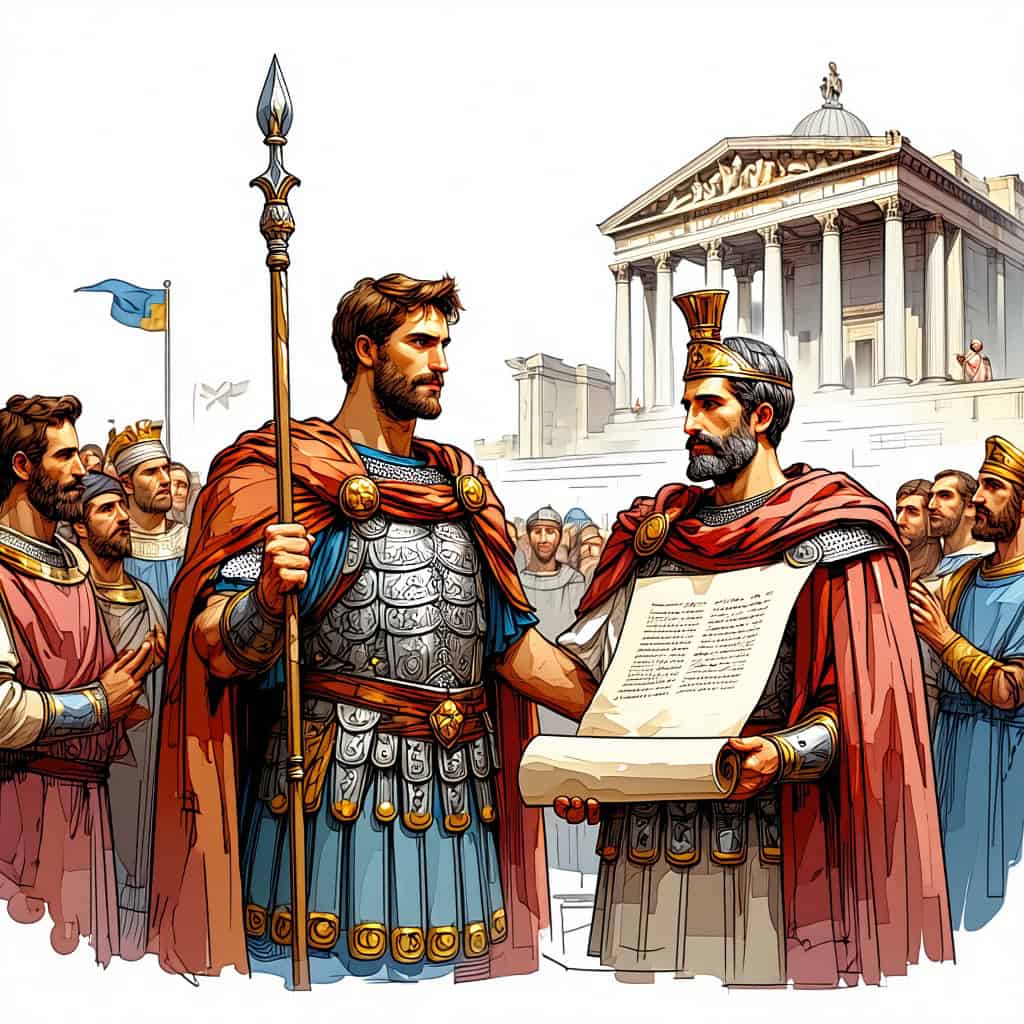
Lucinius
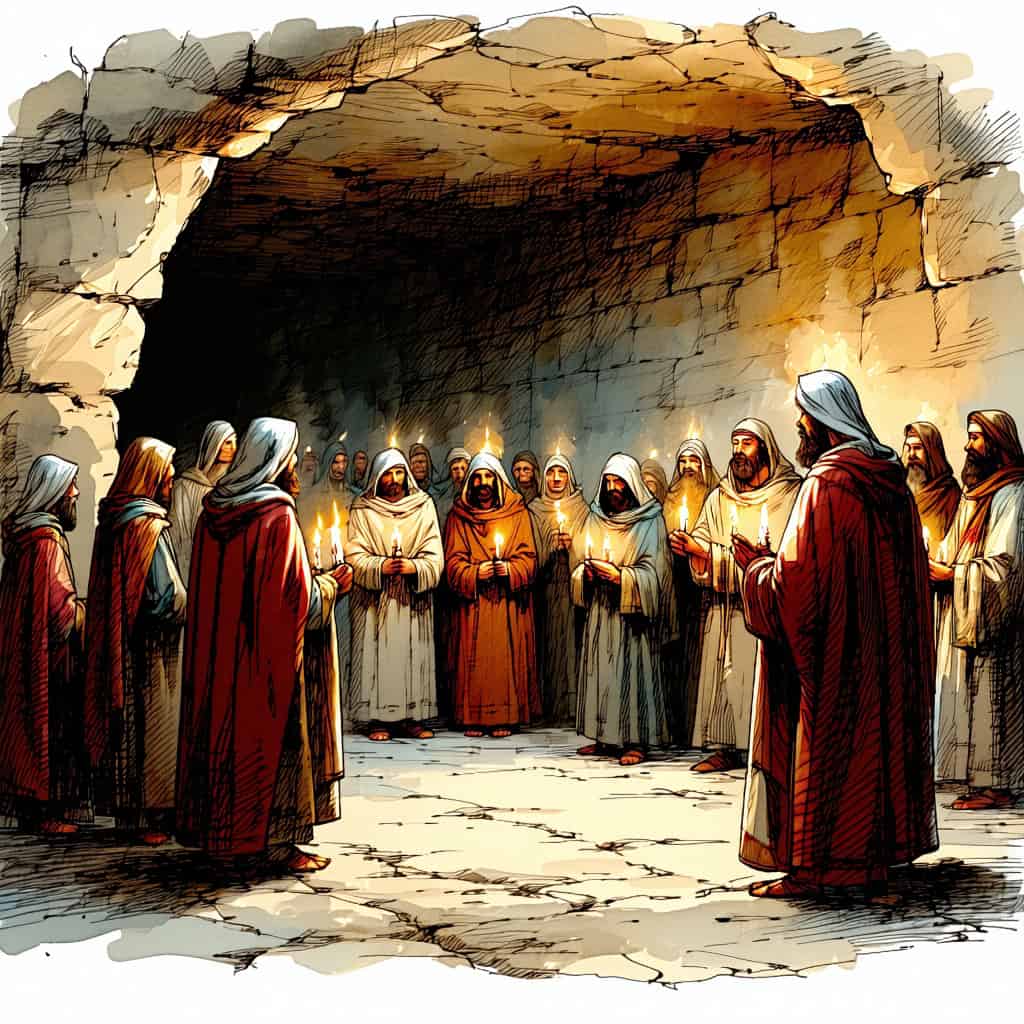
Christians in the Roman Empire

Constantine Becomes Emperor

Persecution of Christians

Edict of Milan Issued

Religious Freedom
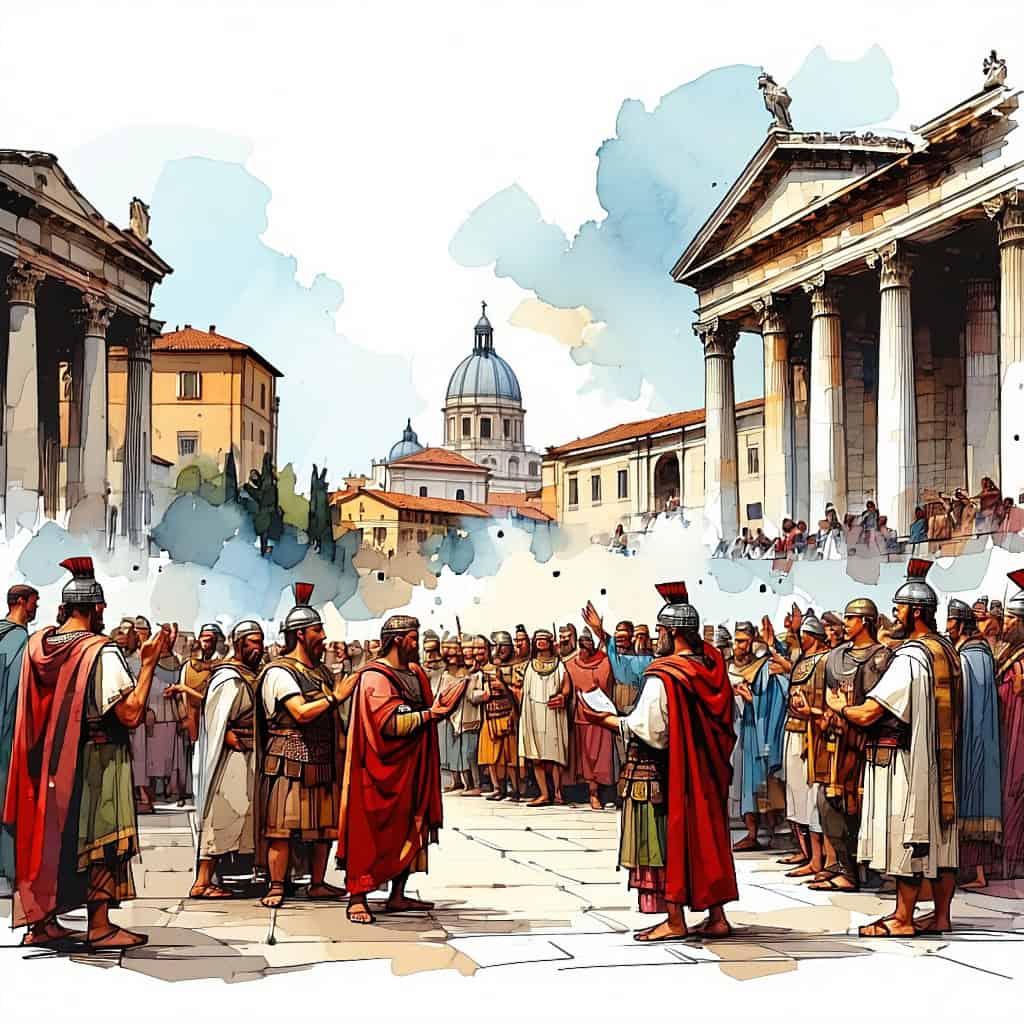
Impact on Society
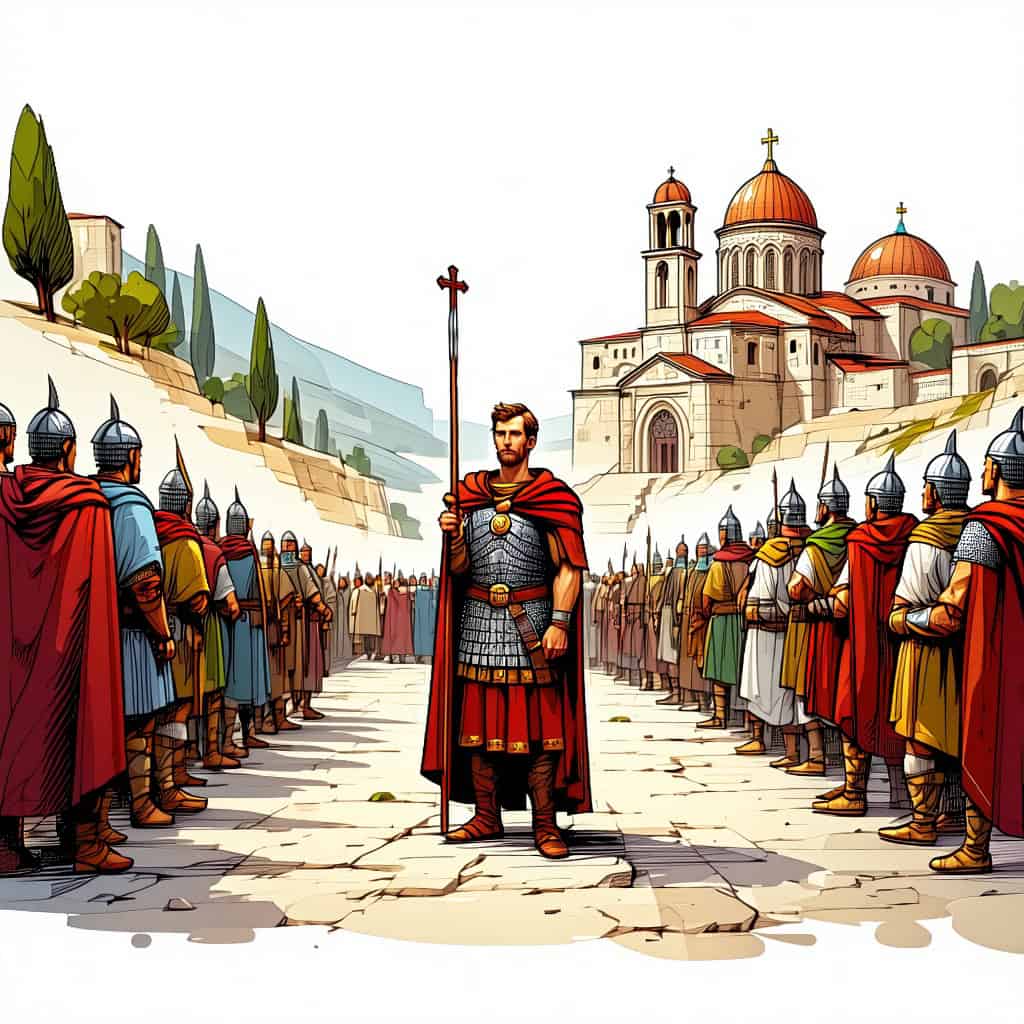
Christianity as State Religion

Legacy of the Edict

Historical Significance

Continued Influence
Lesson Details & Resources
In a Nutshell
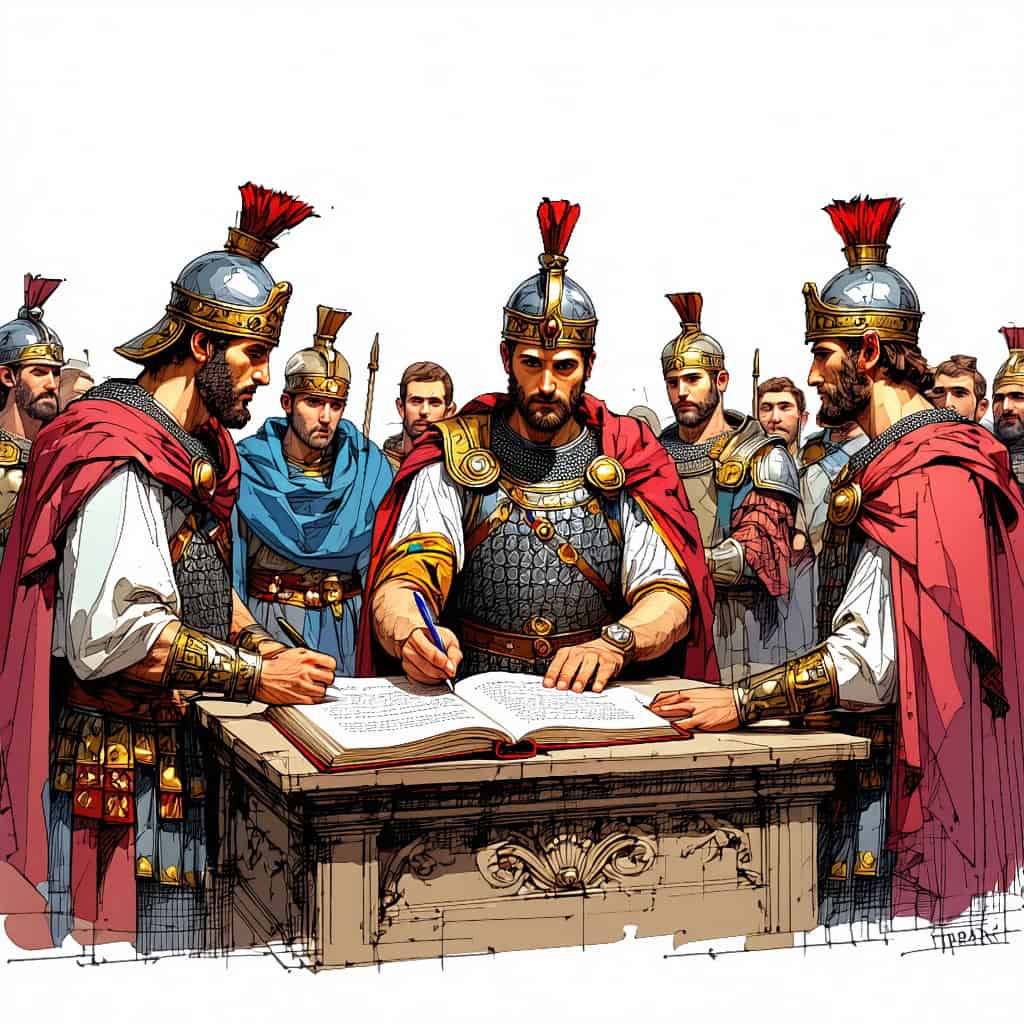
- What: The legalization of Christianity in the Roman Empire through an edict issued by Emperor Constantine and co-emperor Licinius.
- When: 313 AD
- Who: Emperor Constantine, co-emperor Licinius
- Outcome: Ended the persecution of Christians, allowed religious freedom, and paved the way for Christianity to become the dominant religion in the Roman Empire.
Famous Figures in the Edict of Milan
-
Constantine the Great
Constantine the Great: Roman Emperor who issued the Edict of Milan, granting religious tolerance and ending the persecution of Christians.
-
Licinius
Licinius: Roman Emperor who co-issued the Edict of Milan alongside Constantine, ensuring religious freedom for all citizens.
-
Maxentius
Maxentius: Roman Emperor and rival of Constantine, defeated by him in the Battle of the Milvian Bridge, leading to the issuance of the Edict of Milan.
-
Maximian
Maximian: Roman Emperor and co-ruler with Diocletian, abdicated shortly before the Edict of Milan was issued.
-
Galerius
Galerius: Roman Emperor who initially persecuted Christians but later issued the Edict of Serdica, granting some religious tolerance.
-
Diocletian
Diocletian: Roman Emperor known for his severe persecution of Christians before stepping down from power and allowing the Edict of Milan to be issued.
-
Pope Sylvester I
Pope Sylvester I: Pope during the time of the Edict of Milan, played a significant role in the establishment of Christianity as a legalized religion.
-
Lactantius
Lactantius: Christian author and advisor to Constantine, wrote extensively on religious matters during the time of the Edict of Milan.
-
Eusebius of Caesarea
Eusebius of Caesarea: Early Christian historian who documented the events surrounding the Edict of Milan and the rise of Christianity in his works.
-
Hosius of Cordoba
Hosius of Cordoba: Bishop who played a crucial role in the Council of Nicaea and the drafting of the Nicene Creed, which was influenced by the Edict of Milan.
Timeline of Edict of Milan
Emperor Constantine issues the Edict of Milan
Edict of Milan grants religious tolerance to Christians
Edict of Milan ends the persecution of Christians by the Roman Empire
Constantine and Licinius jointly issue the Edict of Milan
Edict of Milan proclaims religious freedom for all religions in the Roman Empire
Christianity becomes a legalized religion in the Roman Empire
Edict of Milan encourages the return of confiscated Christian property
Constantine and Licinius meet in Milan to discuss the Edict
Edict of Milan allows Christians to practice their faith openly
Constantine issues the Edict of Milan to restore unity in the Roman Empire
Edict of Milan promotes religious tolerance as a means to stabilize the empire
Constantine and Licinius agree to treat Christians benevolently in the Edict
Edict of Milan marks a turning point in the history of Christianity
Constantine and Licinius issue the Edict to gain support from Christians
Edict of Milan recognizes Christianity as a legitimate religion
Constantine and Licinius declare religious freedom in the Edict of Milan
Edict of Milan allows Christians to worship openly and without fear
Constantine and Licinius issue the Edict to promote religious harmony
Edict of Milan establishes a policy of religious neutrality by the Roman Empire
Constantine and Licinius hope the Edict will stabilize the empire and prevent unrest
Vocabulary List
- Edict of Milan
- The Edict of Milan was issued in 313 AD by Emperor Constantine and co-emperor Licinius, granting religious tolerance to Christians in the Roman Empire.
- Constantine
- Emperor Constantine was the Roman emperor who issued the Edict of Milan, marking a turning point in the history of Christianity.
- Licinius
- Licinius was the co-emperor of Constantine who also signed the Edict of Milan, allowing Christians to practice their faith freely.
- Religious tolerance
- The Edict of Milan established religious tolerance for Christians, ending persecution and allowing them to worship without fear of persecution.
- Christianity
- The Edict of Milan played a crucial role in the legalization and eventual establishment of Christianity as the official religion of the Roman Empire.
- Persecution
- Before the Edict of Milan, Christians faced persecution and discrimination in the Roman Empire, often being imprisoned or executed for their beliefs.
Key Facts
This is the information used in the fact matching game
- The Edict of Milan was a decree issued by Roman Emperors Constantine the Great and Licinius in 313 AD.
- The Edict of Milan granted religious freedom to Christians in the Roman Empire.
- It is considered a landmark in the history of Christianity, as it ended the persecution of Christians in the Roman Empire.
- The Edict of Milan allowed Christians to practice their faith openly and build churches.
- It provided restitution for confiscated Christian properties and ordered the return of confiscated goods.
- The Edict of Milan was a result of the Milan Conference between Constantine and Licinius.
- The decree established religious tolerance, not just for Christians but also for other religions.
- The Edict of Milan contributed to the rise of Christianity as an accepted religion within the Roman Empire.
- The Edict of Milan was a political move by Constantine to gain support and unify the empire.
- It allowed Christians to hold official positions in the Roman government and military.
- The Edict of Milan marked the end of the Diocletianic Persecution, one of the most severe persecutions of Christians.
- Christianity became a legal religion within the Roman Empire after the Edict of Milan.
- The Edict of Milan enabled Christians to openly evangelize and convert people to their faith.
- It granted Christians the right to assemble and worship freely.
- The Edict of Milan established a precedent for religious tolerance in the Roman Empire.
- Constantine and Licinius hoped that the Edict of Milan would help stabilize the empire and prevent further unrest.
- The Edict of Milan paved the way for the later adoption of Christianity as the official religion of the Roman Empire.
- It allowed bishops and clergy to reclaim their confiscated properties and return to their positions.
- The Edict of Milan played a significant role in the spread and establishment of Christianity in Europe.
- The decree marked a shift in Roman religious policy and signaled the decline of traditional Roman polytheism.
Analysis & Significance
Immediate Consequences
The Edict of Milan, issued by Emperors Constantine and Licinius in 313 AD, granted religious tolerance to Christians in the Roman Empire, effectively ending the persecution they had faced. This led to a period of peace and stability for Christians, allowing them to openly practice their faith without fear of persecution.
Long-Term Impact
The Edict of Milan marked a significant turning point in the history of Christianity, as it paved the way for the eventual establishment of Christianity as the official religion of the Roman Empire. This had far-reaching consequences for the development of Western civilization, shaping art, architecture, and moral values for centuries to come.
Cultural Significance Today
The legacy of the Edict of Milan can still be felt today in the religious freedoms and tolerance that are enshrined in many modern societies. It serves as a reminder of the importance of religious freedom and the need for tolerance and acceptance of different faiths. The Edict of Milan continues to influence discussions on religious freedom and human rights in the contemporary world.
Edict of Milan Games


Take Your Learning Offline
Want a convenient, print-ready study guide for this lesson? Become a Memory Wizards Pro member to unlock the downloadable " Memory Scrolls" for this topic and our entire library!
- ✓ Complete Vocabulary Lists
- ✓ Key Facts & Timelines
- ✓ Beautifully Formatted for Print & Mobile