
Summary of Battle of the River Utus (447 AD)
Uncover the secrets of an ancient battle that shaped history.
How Do You Learn Best?
Learn by Reading
Immerse yourself in the 10-minute visual lesson for a comprehensive understanding of the topic.
Learn by Reviewing
Jump directly to the key facts, timeline, and vocabulary lists to build a solid foundation of details.
Learn by Doing
Challenge yourself! Jump straight into the interactive games to learn by trial, error, and discovery.
Battle of the River Utus in 10 Minutes
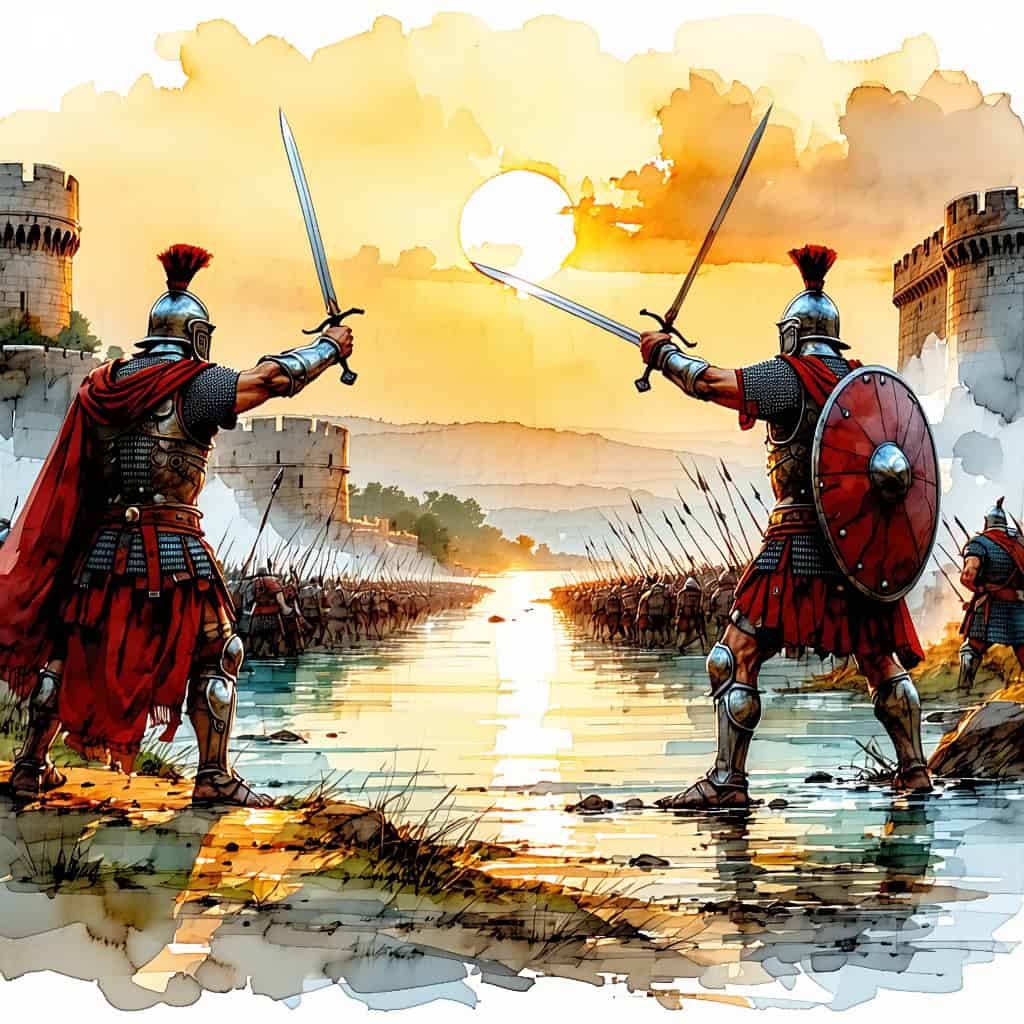
Introduction
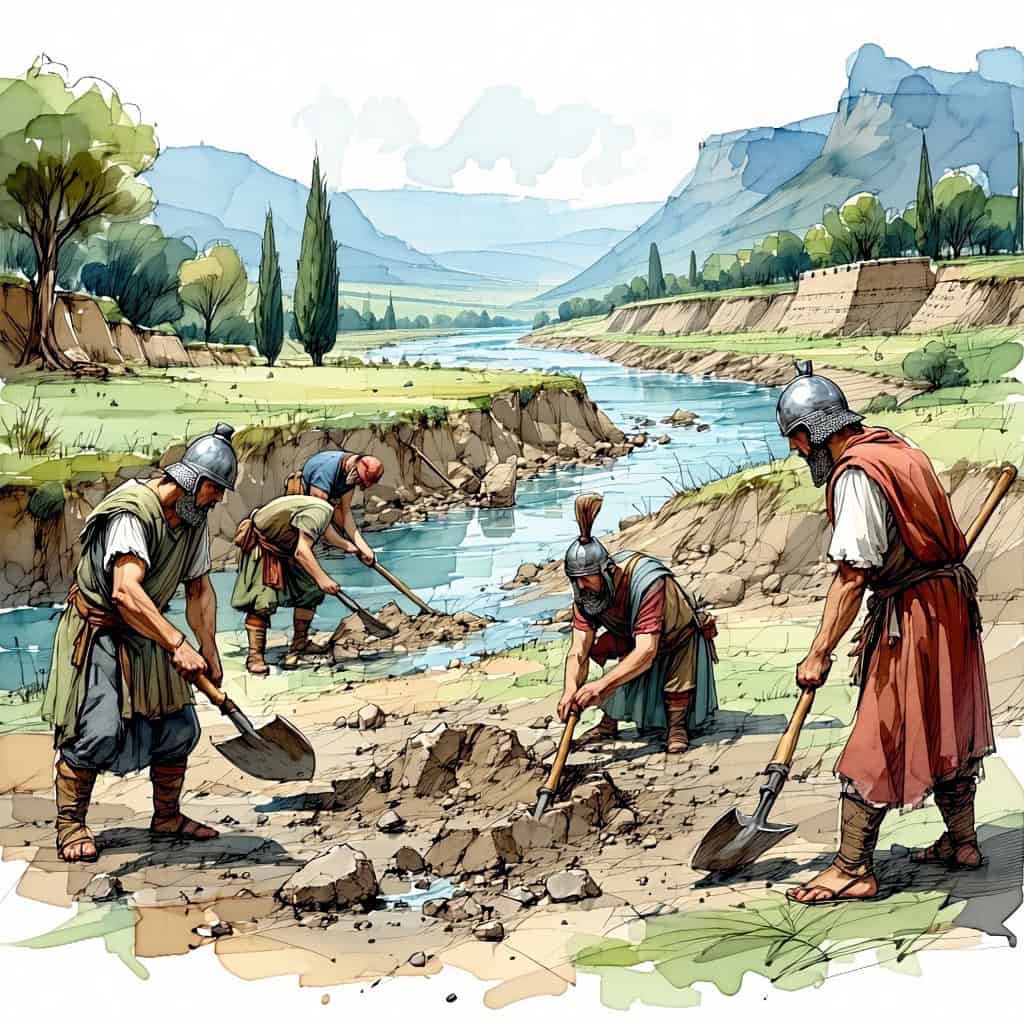
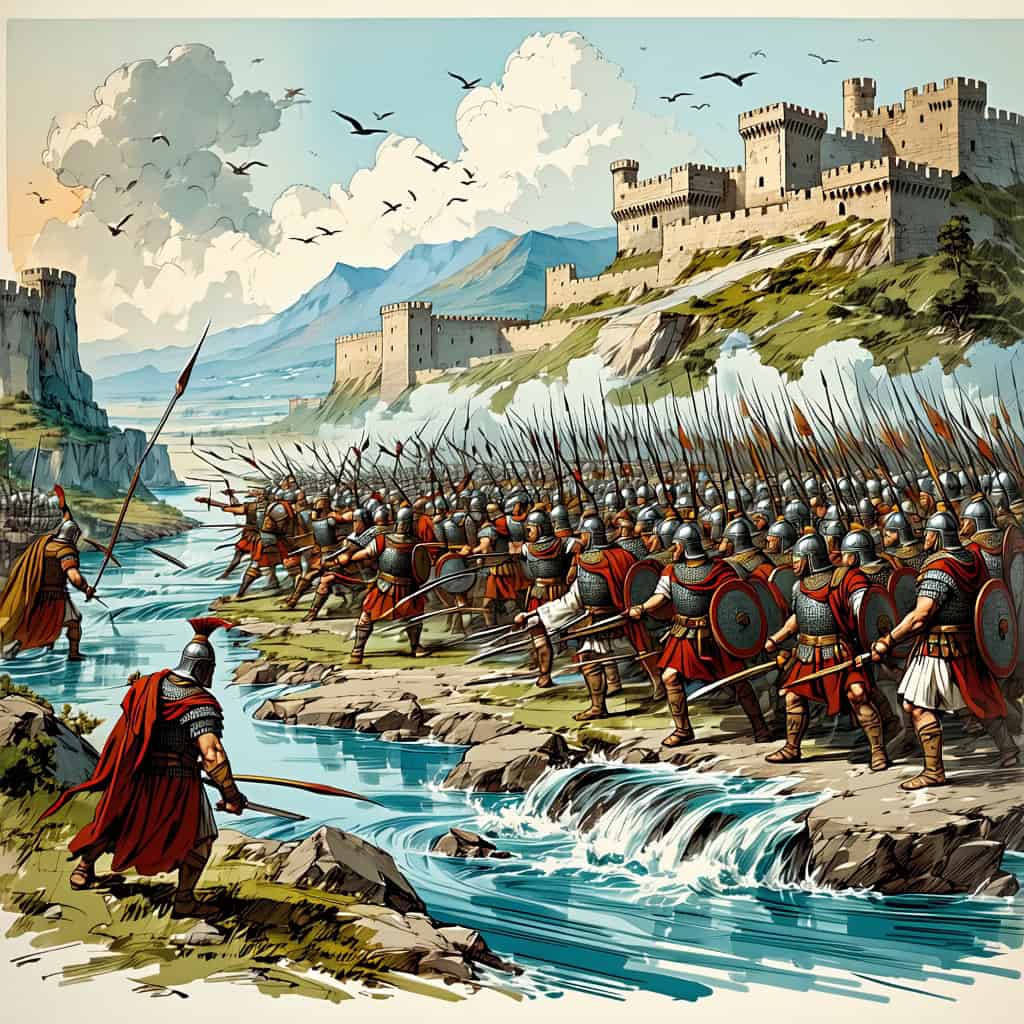
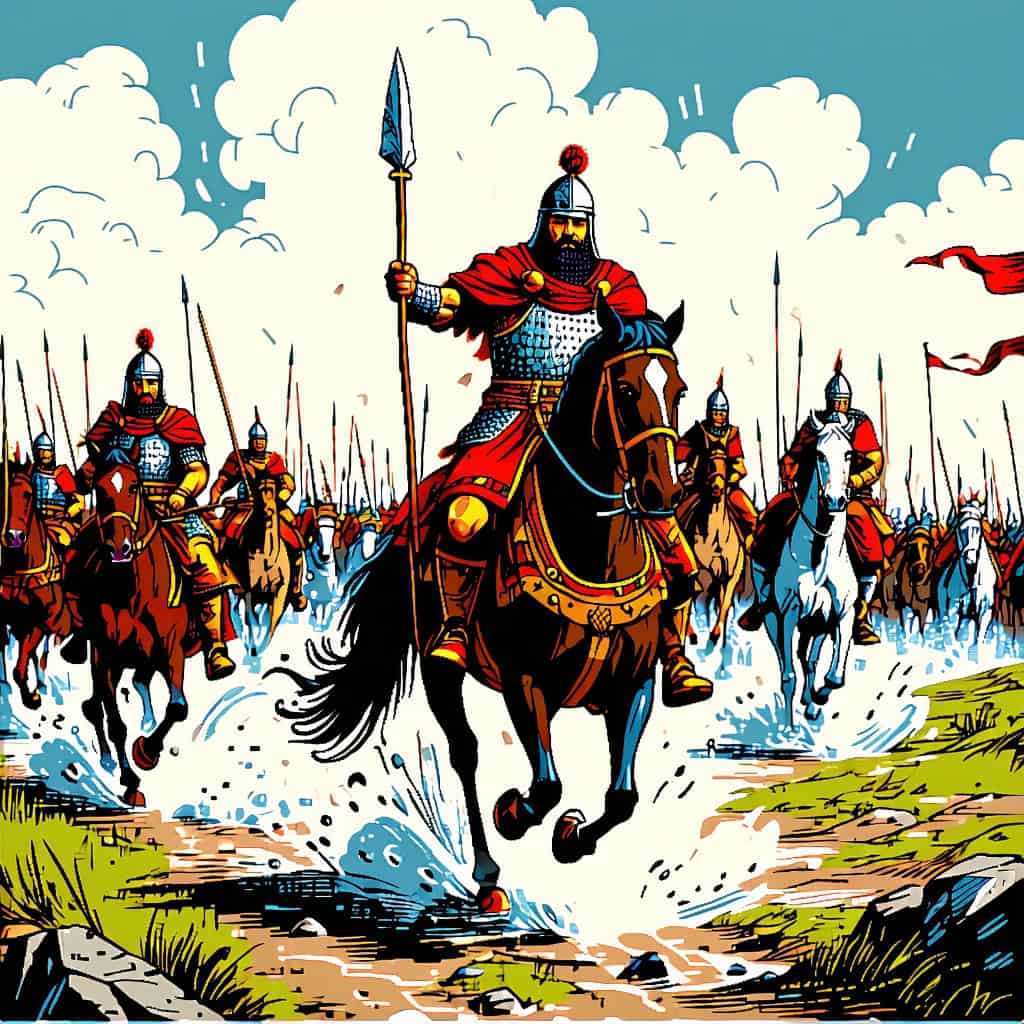
Attila the Hun
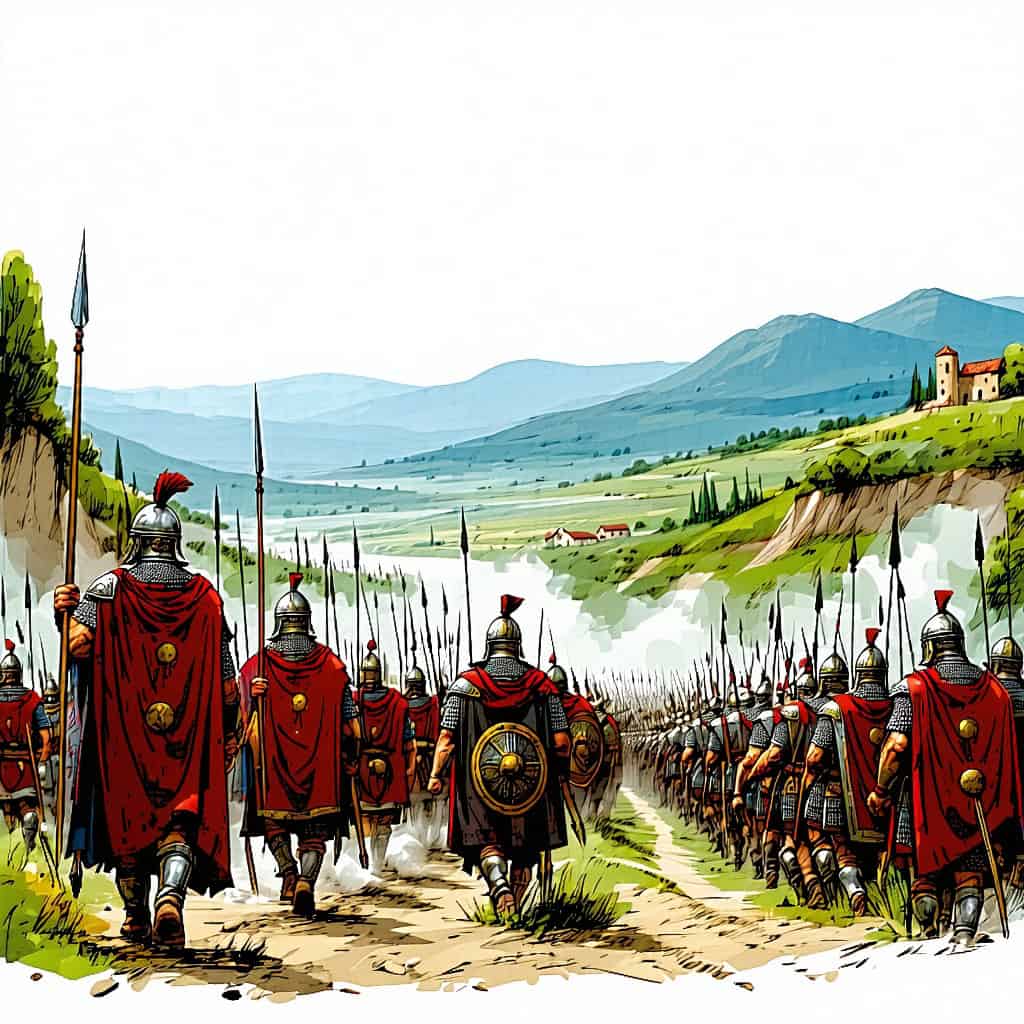
Flavius Ardabur Aspar
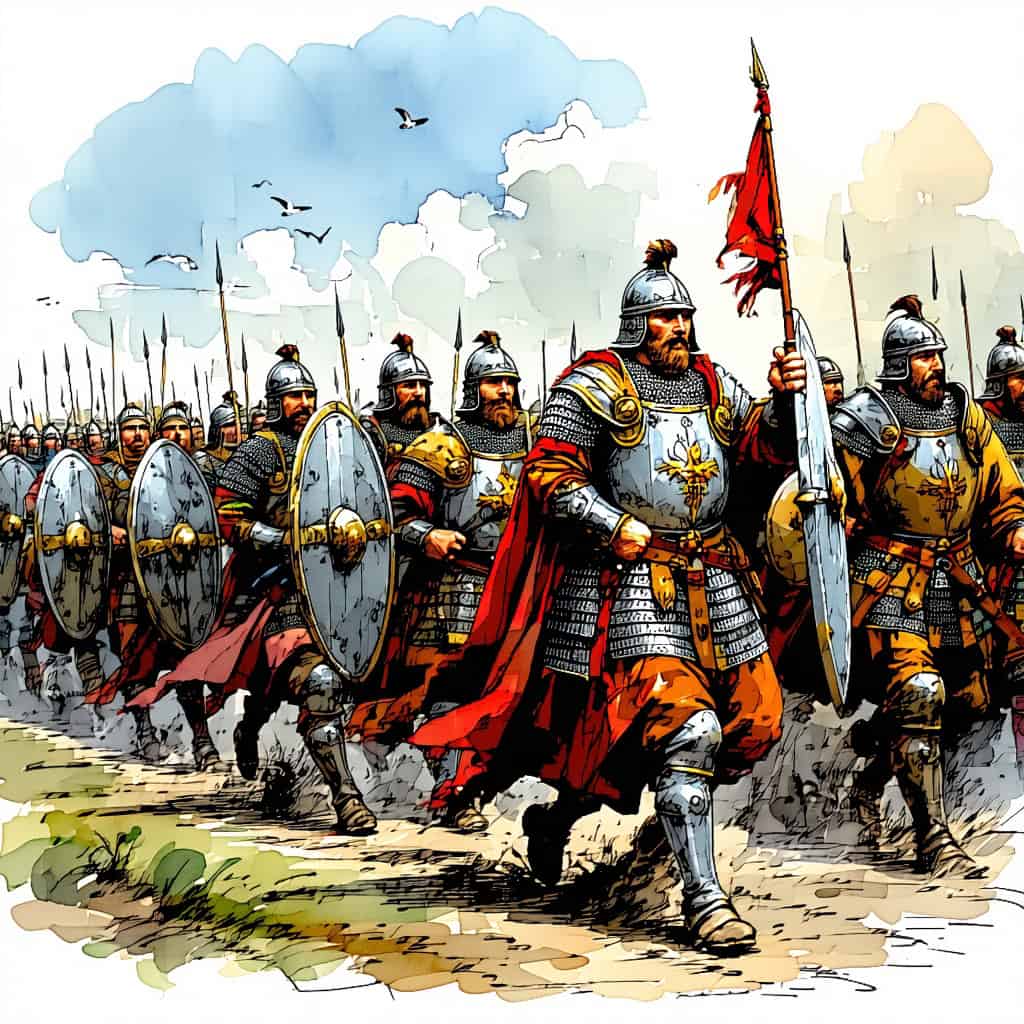
Theodoric I
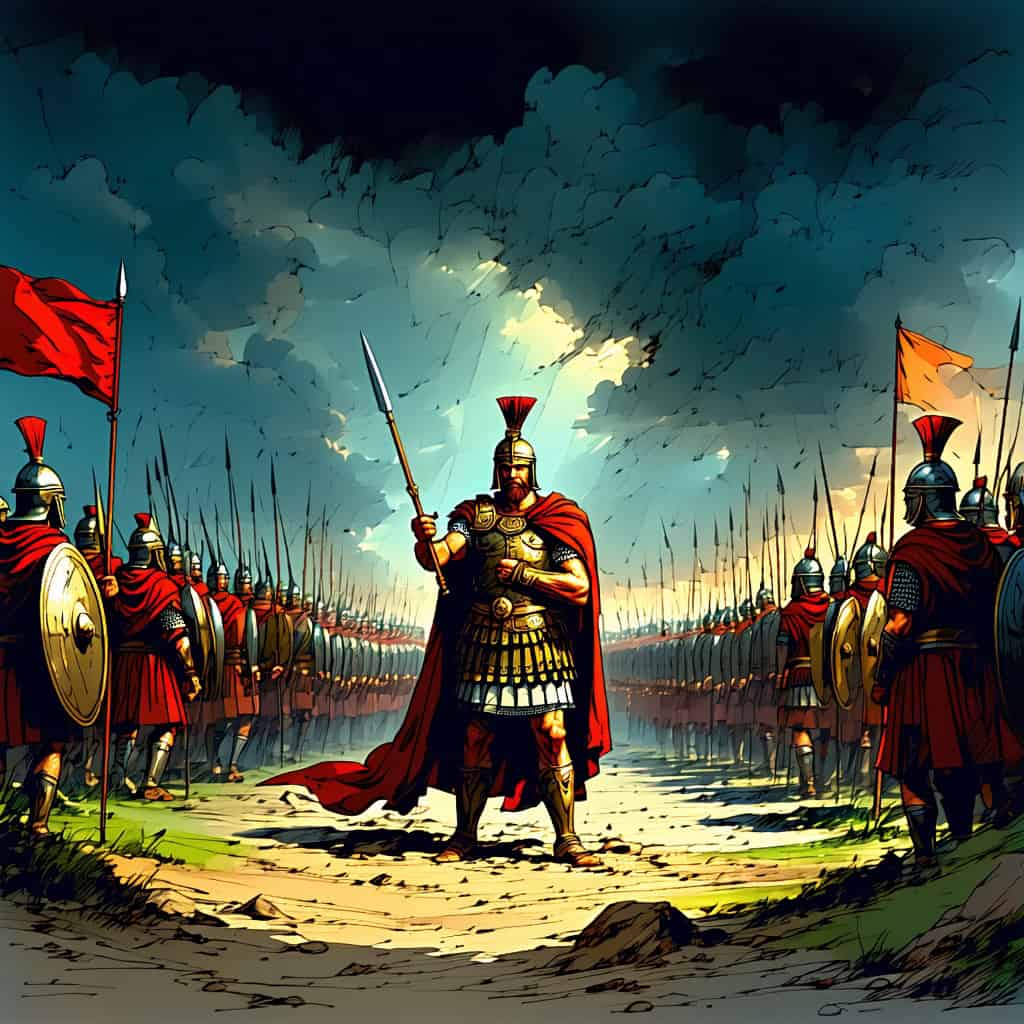
Valentinian III
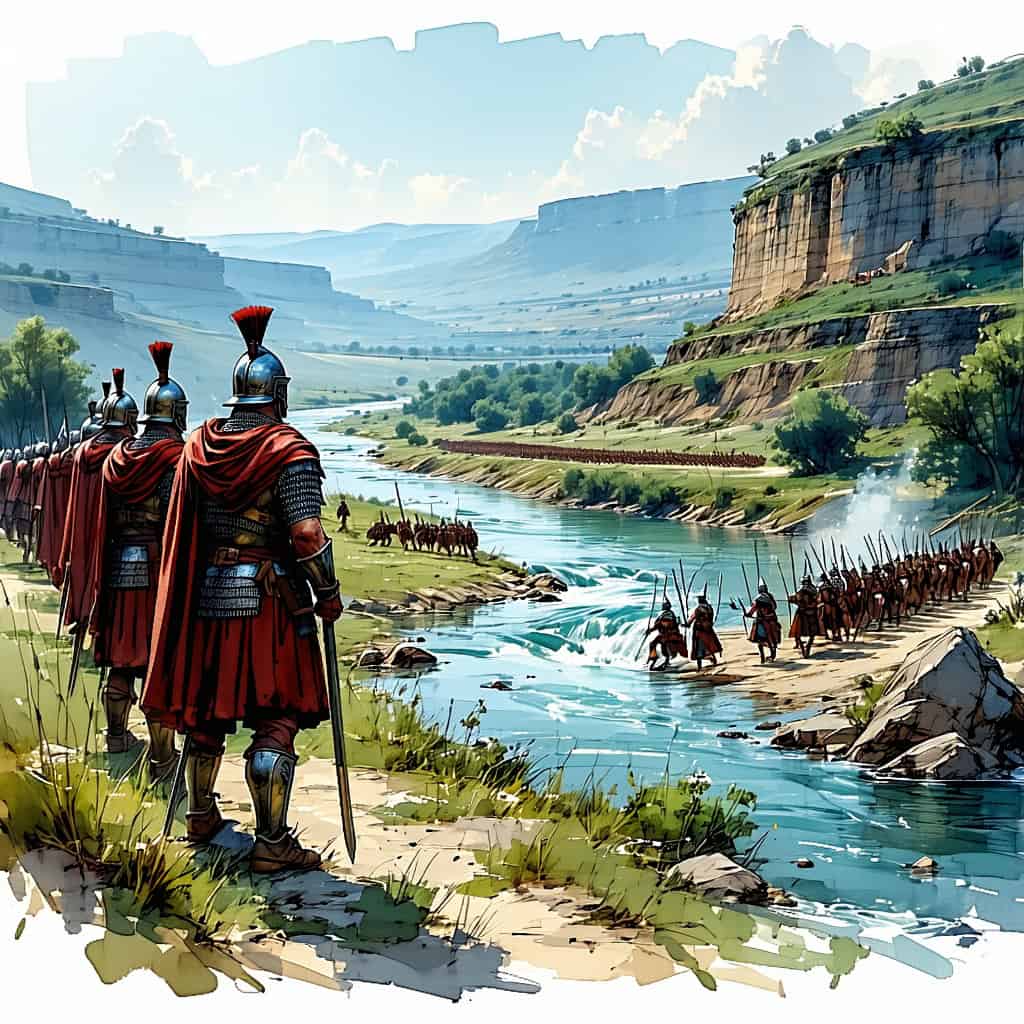
The Setting

The Eastern Roman Empire

The Huns

The Lead-Up to Battle

The Battle Begins

The Turning Point

The Roman Retreat
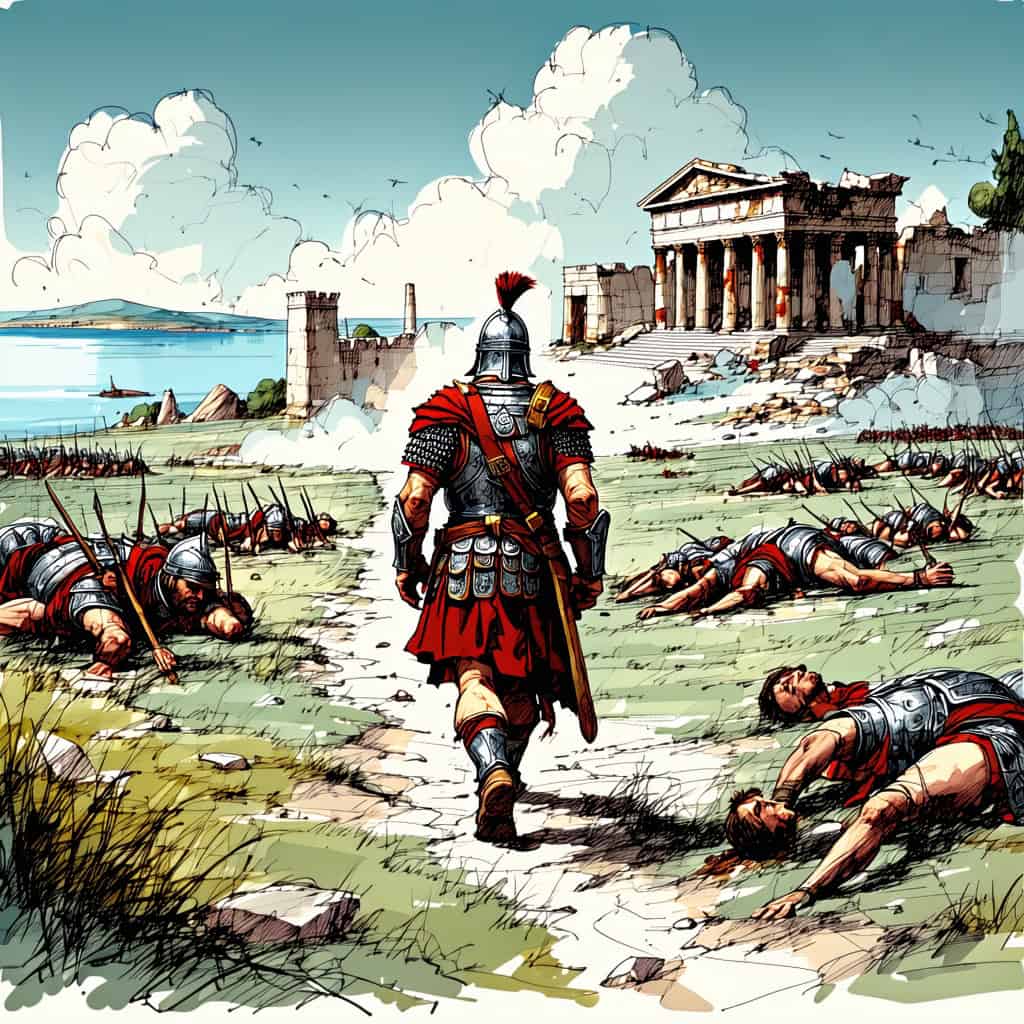
The Aftermath

The Legacy

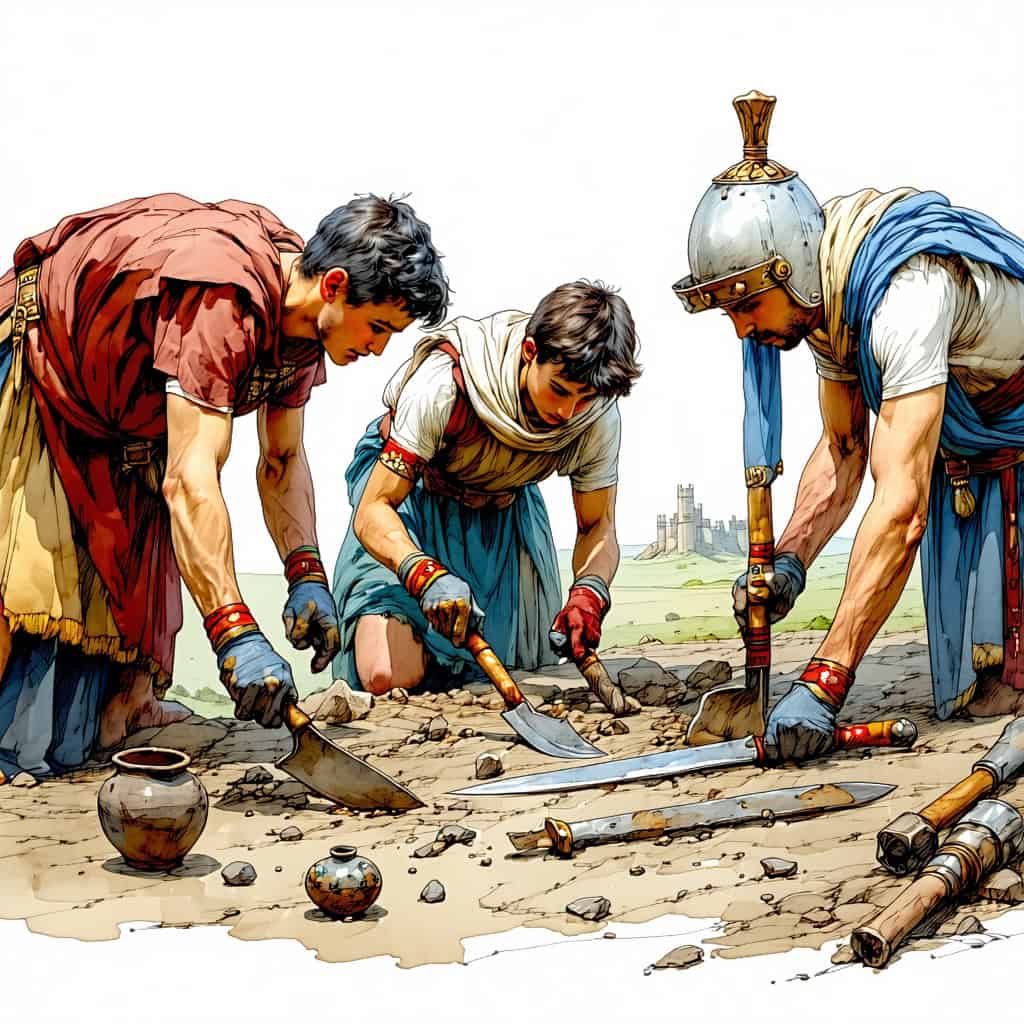
Uncovering the Secrets
Lesson Details & Resources
In a Nutshell
- What: A significant battle during the Roman Empire’s war against the Huns.
- When: 447 AD
- Who: Roman General Flavius Aetius, Attila the Hun
- Outcome: Romans successfully defended against Attila’s invasion, halting the advance of the Huns into the Western Roman Empire.
Famous Figures in the Battle of the River Utus
-
Attila the Hun
Attila the Hun was the ruler of the Hunnic Empire and led the Hunnic forces during the Battle of the River Utus.
-
Flavius Aetius
Flavius Aetius was a Roman general who commanded the Western Roman Empire's forces at the Battle of the River Utus.
-
Theodosius II
Theodosius II was the Eastern Roman Emperor during the Battle of the River Utus.
-
Arnegisclus
Arnegisclus was a Roman general who fought against Attila the Hun and played a significant role in the Battle of the River Utus.
-
Valentinian III
Valentinian III was the Western Roman Emperor during the Battle of the River Utus.
-
Gaiseric
Gaiseric was the king of the Vandals and took part in the Battle of the River Utus.
Timeline of Battle of the River Utus
Vandal king Gaiseric captures Carthage
Gaiseric establishes the Vandal Kingdom in North Africa
Eastern Roman Emperor Theodosius II attempts to negotiate a peace treaty with the Vandals
Vandals raid Sicily, Sardinia, and Corsica
Vandals continue raiding Roman territories in the Western Mediterranean
Eastern Roman general Aspar launches a failed expedition against the Vandals
Battle of the River Utus takes place between the Roman and Vandal forces
Roman general Flavius Aetius leads the Roman army against the Vandals
Vandals, led by King Gaiseric, achieve a decisive victory over the Romans
Roman general Aetius retreats with heavy losses
Vandals consolidate their control over North Africa
Vandal navy gains supremacy in the Western Mediterranean
Vandals sack Rome
Eastern Roman Emperor Leo I negotiates a treaty with the Vandals
Vandals continue raiding Roman territories and disrupting trade in the Mediterranean
Western Roman Empire falls
Byzantine Emperor Justinian I launches the Vandalic War to reconquer North Africa
Byzantine general Belisarius defeats the Vandals and recaptures Carthage
Vandal Kingdom is abolished, and North Africa becomes part of the Byzantine Empire
Vandalic War concludes with Byzantine victory
Vocabulary List
- Battle
- The Battle of the River Utus was a military conflict.
- River Utus
- The battle took place near the River Utus in 447 AD.
- Military
- The battle was a significant military event.
- Conflict
- The battle was a conflict between the forces of the Eastern Roman Empire and the Huns.
- Eastern Roman Empire
- The Eastern Roman Empire was one of the participants in the battle.
- Huns
- The Huns were the opposing force in the battle.
- Significant
- The Battle of the River Utus had a significant impact on the Eastern Roman Empire.
- Impact
- The battle had a lasting impact on the region and its history.
- History
- The Battle of the River Utus is an important event in the history of the Eastern Roman Empire.
Key Facts
This is the information used in the fact matching game
- The Battle of the River Utus took place in 447 AD.
- It was a major conflict between the Eastern Roman Empire and the Huns.
- The Eastern Roman Empire was led by the Byzantine general Flavius Ardabur Aspar.
- The Huns were commanded by their leader Attila the Hun.
- The battle took place near the Utus River in present-day Bulgaria.
- Attila the Hun aimed to invade the Eastern Roman Empire and expand his territory.
- The Roman forces outnumbered the Huns in the battle.
- The Romans positioned themselves on high ground to gain an advantage.
- The battle lasted for several days and involved fierce fighting.
- Both sides suffered heavy casualties during the battle.
- Despite their initial advantage, the Roman forces were eventually defeated.
- Attila the Hun's military tactics and leadership played a crucial role in the victory.
- The defeat of the Eastern Roman Empire weakened their position in the region.
- The battle marked a turning point in the conflict between the Huns and the Eastern Roman Empire.
- After the battle, Attila the Hun continued his invasions and raids into the Eastern Roman Empire.
- The defeat at the Battle of the River Utus contributed to the fall of the Western Roman Empire.
- The battle highlighted the military prowess of the Huns and their leader Attila.
- The Utus River became a significant historical landmark due to this battle.
- The Battle of the River Utus is often considered one of Attila the Hun's major victories.
- The battle demonstrated the vulnerability of the Eastern Roman Empire to external invasions.
Analysis & Significance
Immediate Consequences
The Battle of the River Utus in 447 AD resulted in significant casualties for both the Eastern Roman Empire and the Huns. The defeat of the Roman forces led to a temporary halt in their campaigns against the Huns, as they were forced to regroup and reconsider their strategy.
Long-Term Impact
The long-term impact of the Battle of the River Utus was profound, as it marked the beginning of a period of decline for the Eastern Roman Empire. The loss of territory and resources weakened the empire, making it more vulnerable to future invasions and internal strife.
Cultural Significance Today
Today, the Battle of the River Utus is a reminder of the complex political and military dynamics of the ancient world. It serves as a cautionary tale about the consequences of overextending military campaigns and the importance of strategic planning in times of conflict.
Battle of the River Utus Games


Take Your Learning Offline
Want a convenient, print-ready study guide for this lesson? Become a Memory Wizards Pro member to unlock the downloadable " Memory Scrolls" for this topic and our entire library!
- ✓ Complete Vocabulary Lists
- ✓ Key Facts & Timelines
- ✓ Beautifully Formatted for Print & Mobile