
Summary of Battle of the Milvian Bridge (312 AD)
Unveiling the mystery behind Constantine's victory at Milvian Bridge.
How Do You Learn Best?
Learn by Reading
Immerse yourself in the 10-minute visual lesson for a comprehensive understanding of the topic.
Learn by Reviewing
Jump directly to the key facts, timeline, and vocabulary lists to build a solid foundation of details.
Learn by Doing
Challenge yourself! Jump straight into the interactive games to learn by trial, error, and discovery.
Battle of the Milvian Bridge in 10 Minutes
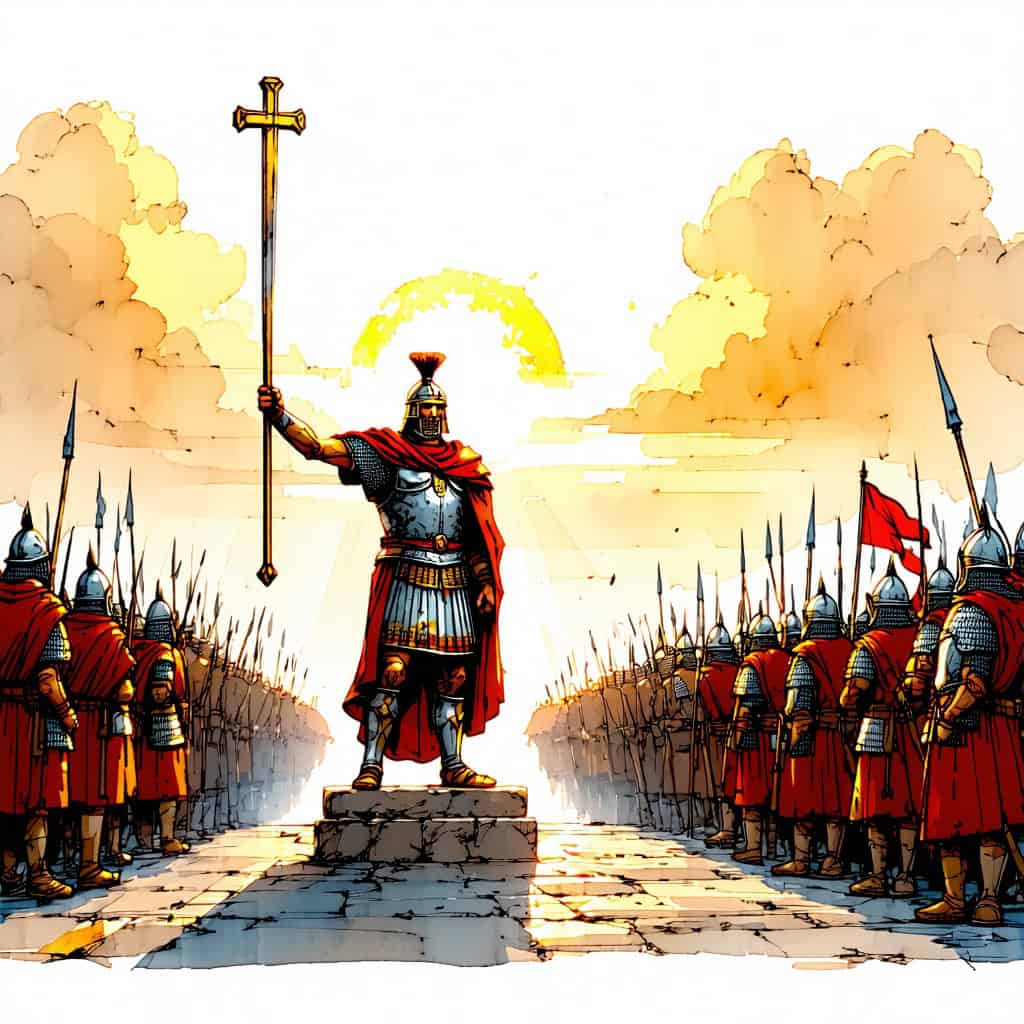
Introduction
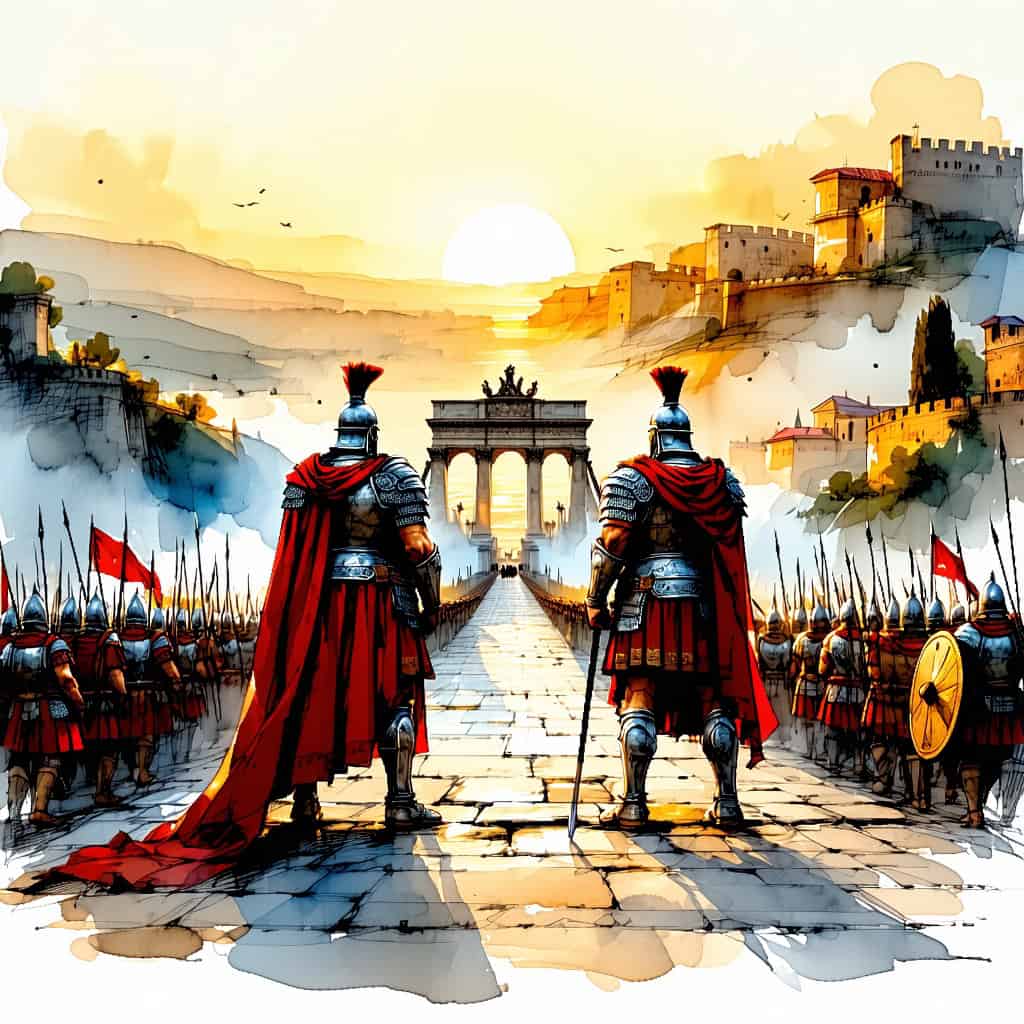

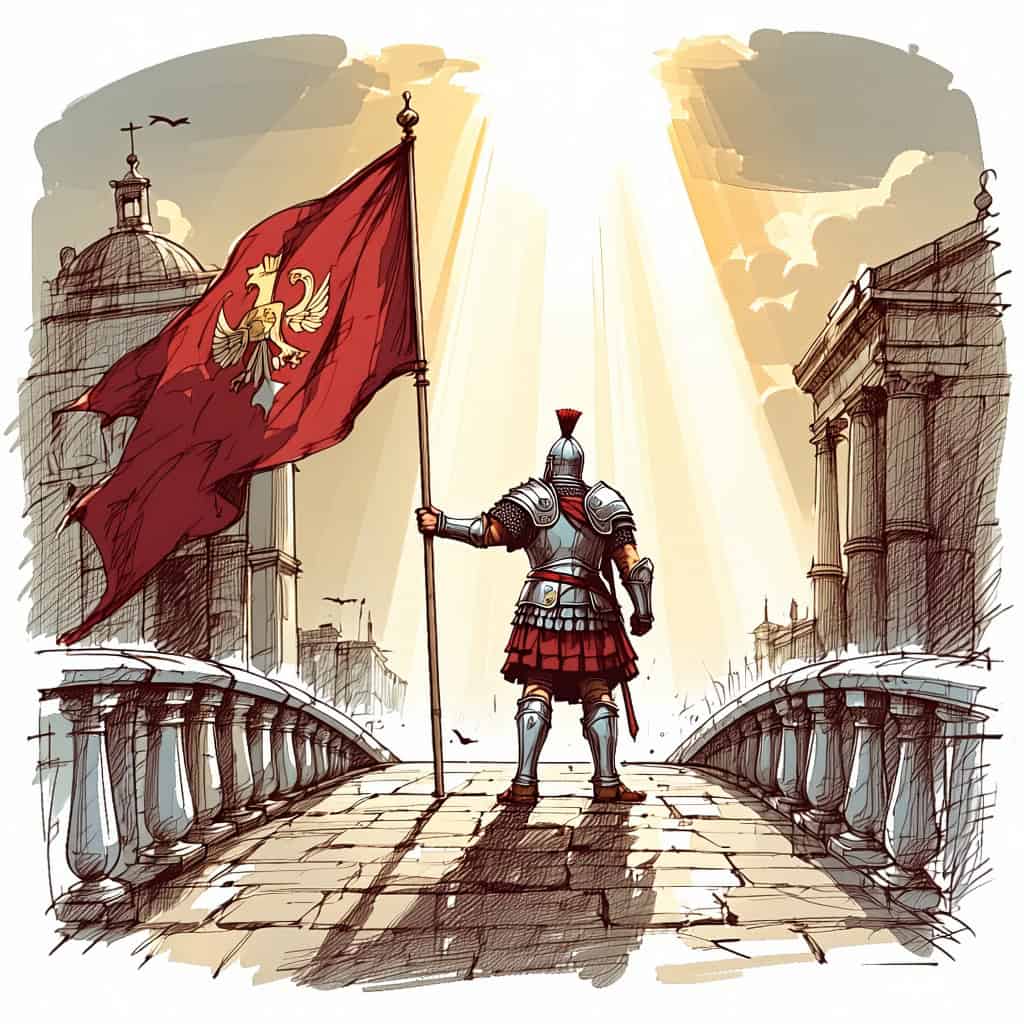
Constantine the Great
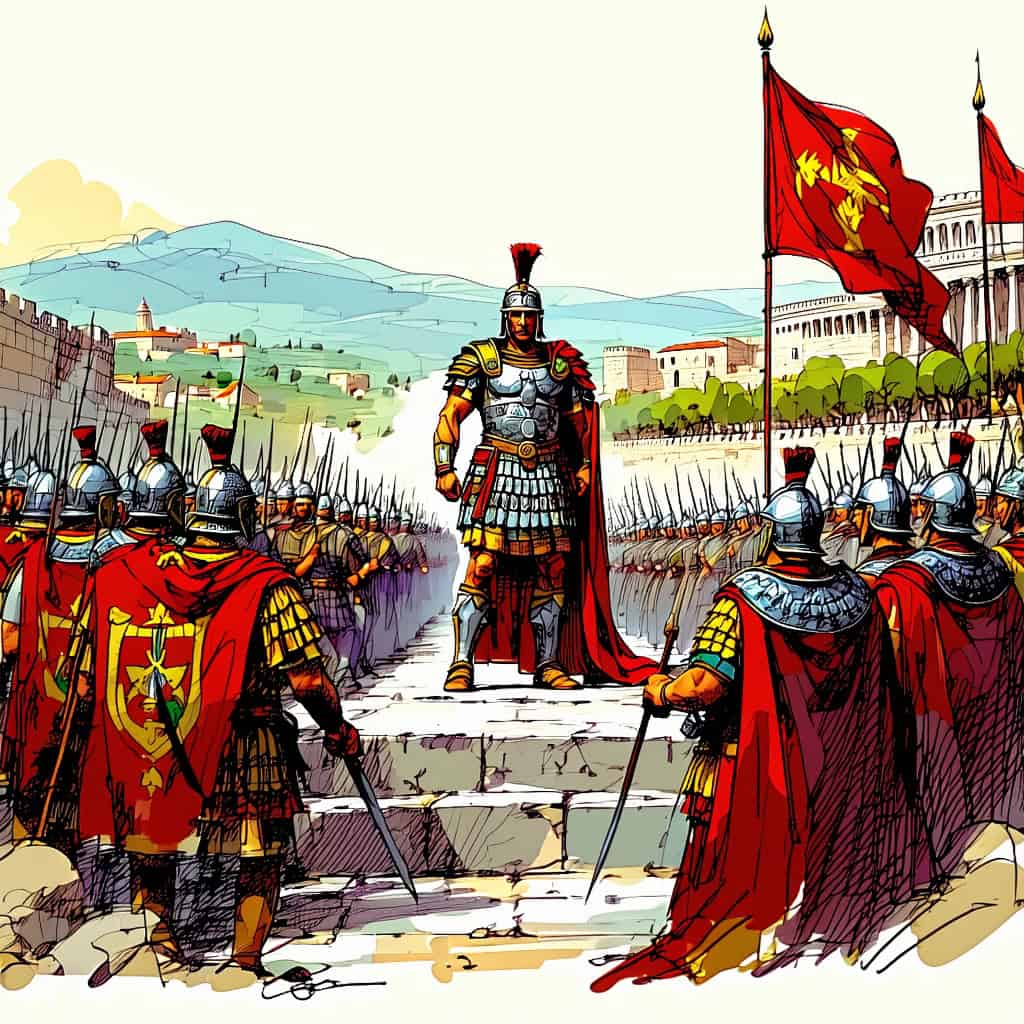
Maxentius
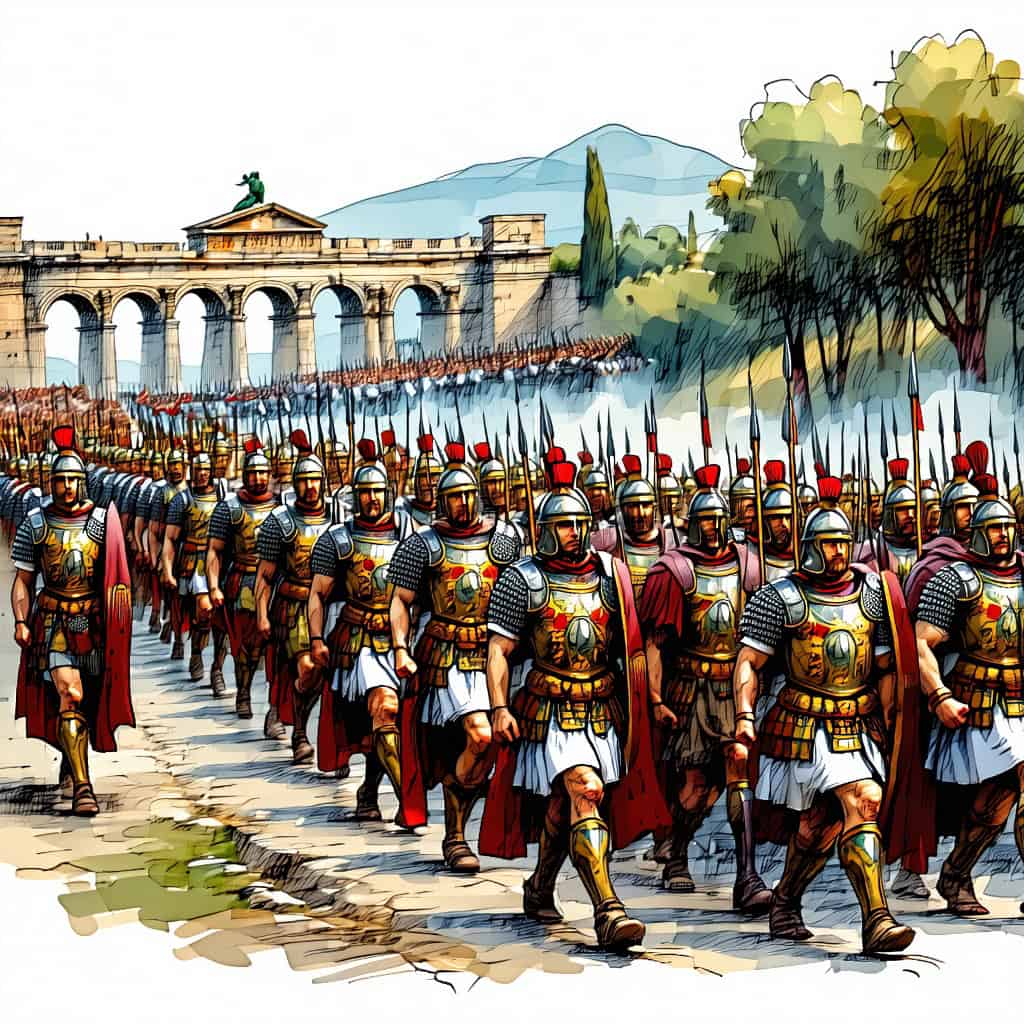
Constantines army
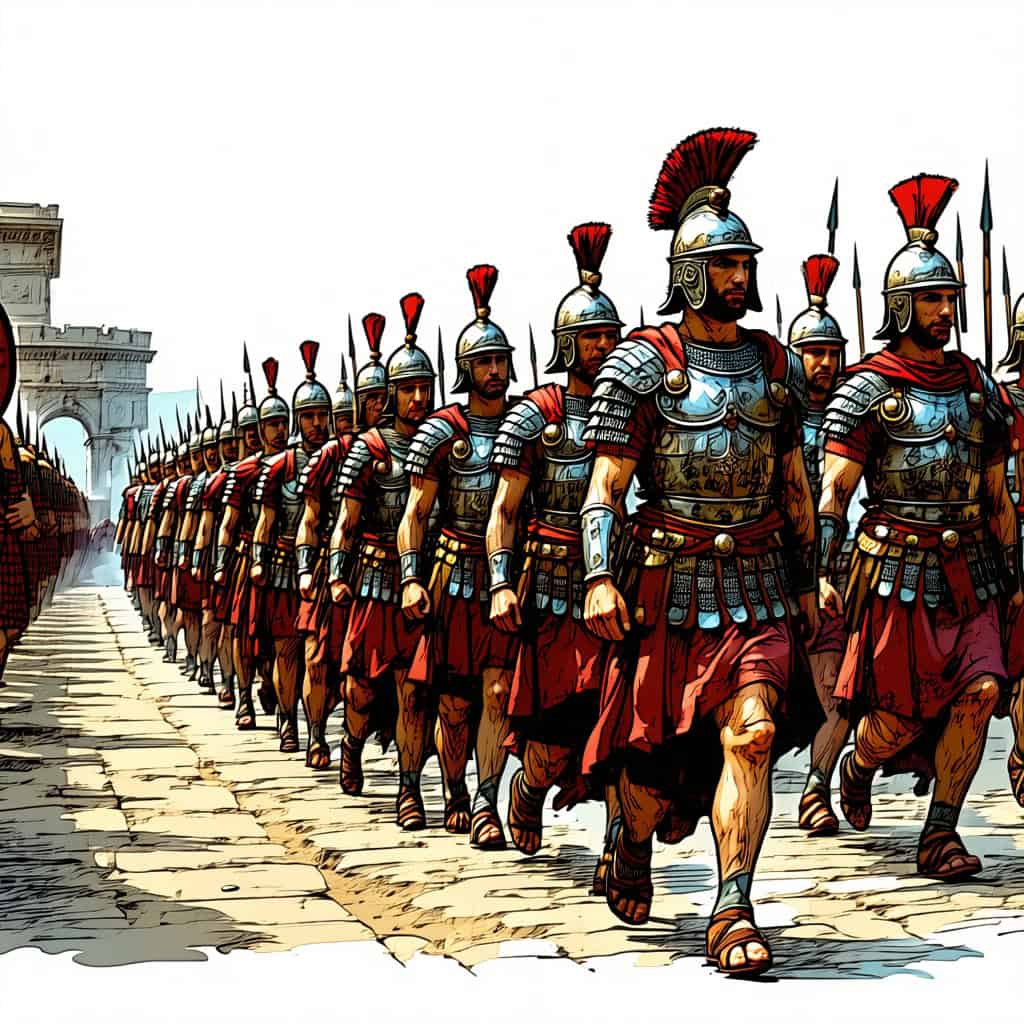
Maxentius army

Maxentius Challenges Constantine

Constantines Vision

Constantines Strategy

The Battle Begins

Maxentius Downfall

Impact of the Battle

Christianitys Rise

Legacy of Constantine

Historical Significance

Lesson Details & Resources
In a Nutshell
- What: A pivotal battle that took place in 312 AD during the Roman civil wars.
- When: 312 AD
- Who: Constantine the Great and Maxentius
- Outcome: Decisive victory for Constantine, leading to his rise as the sole ruler of the Roman Empire.
Famous Figures in the Battle of the Milvian Bridge
-
Constantine the Great
Constantine the Great: Roman Emperor who achieved victory in the Battle of the Milvian Bridge, leading to his rise as the sole ruler of the Roman Empire.
-
Maxentius
Maxentius: Roman Emperor who was defeated by Constantine in the Battle of the Milvian Bridge, leading to his death and the end of his reign.
-
Lucius Domitius Alexander
Lucius Domitius Alexander: Roman general who fought alongside Maxentius in the Battle of the Milvian Bridge.
-
Maximinus Daia
Maximinus Daia: Roman Emperor who ruled the Eastern part of the Roman Empire and was an ally of Maxentius in the Battle of the Milvian Bridge.
-
Licinius
Licinius: Roman Emperor who initially supported Maximian and Maxentius but later became a rival of Constantine after the Battle of the Milvian Bridge.
-
Maximian
Maximian: Roman Emperor and father of Maxentius, who played a role in the events leading up to the Battle of the Milvian Bridge.
Timeline of Battle of the Milvian Bridge
Emperor Constantine I and Emperor Maxentius meet in battle at the Milvian Bridge
Constantine's forces, aided by a vision of a cross in the sky, emerge victorious
Maxentius, attempting to flee, falls into the Tiber River and drowns
Constantine becomes the sole ruler of the Western Roman Empire
Constantine issues the Edict of Milan, granting religious tolerance to Christians
Constantine begins the construction of the Basilica of Maxentius on the Via Sacra
Constantine confiscates the property of the Vestal Virgins and transfers it to Christian churches
Constantine establishes a Christian chapel at the Lateran Palace in Rome
Constantine issues a new coinage system, known as the Constantinian Reform
Constantine issues the Edict of Thessalonica, making Christianity the official religion of the Roman Empire
Constantine transfers the capital of the Roman Empire from Rome to Byzantium, renaming it Constantinople
Constantine holds the Council of Nicaea, aiming to resolve theological disputes within Christianity
Constantine begins the construction of the Church of the Holy Sepulchre in Jerusalem
Constantine introduces the chi-rho symbol as a military standard
Constantine orders the destruction of pagan temples and the confiscation of their wealth
Constantine dies in Nicomedia, leaving the empire to his three sons
Constantine's legacy leads to the rise of Christianity as a dominant religion in Europe
Constantine is declared a saint by the Eastern Orthodox Church
Constantine's body is transferred to Constantinople and placed in the Church of the Holy Apostles
Constantine's reign marks the beginning of the Byzantine Empire
Vocabulary List
- Constantine
- Constantine was the Roman emperor at the time of the Battle of the Milvian Bridge.
- Maxentius
- Maxentius was the rival Roman emperor who fought against Constantine in the Battle of the Milvian Bridge.
- Milvian Bridge
- The Battle of the Milvian Bridge took place near the Milvian Bridge, which was a key crossing point over the Tiber River in Rome.
- Christianity
- The Battle of the Milvian Bridge is significant in the history of Christianity as it is associated with Constantine's vision of a Christian symbol, the Chi-Rho, and his subsequent conversion to Christianity.
- Chi-Rho
- The Chi-Rho is a Christian symbol formed by the first two Greek letters of the word Christ. Constantine saw a vision of the Chi-Rho before the Battle of the Milvian Bridge, which he interpreted as a divine sign of victory.
- Vision
- Constantine had a vision of the Chi-Rho symbol before the Battle of the Milvian Bridge, which influenced his decision to adopt Christianity as his preferred religion.
- Tiber River
- The Battle of the Milvian Bridge took place near the Tiber River in Rome, as the Milvian Bridge was a crucial crossing point over the river.
- Emperor
- Both Constantine and Maxentius were rival emperors competing for control of the Roman Empire during the Battle of the Milvian Bridge.
- Rome
- The Battle of the Milvian Bridge occurred near Rome, the capital city of the Roman Empire.
- Victory
- Constantine emerged victorious in the Battle of the Milvian Bridge, leading to his consolidation of power and subsequent rise as the sole Roman emperor.
Key Facts
This is the information used in the fact matching game
- The Battle of the Milvian Bridge took place on October 28, 312 AD.
- The battle was fought between the forces of Roman Emperors Constantine I and Maxentius.
- Maxentius was the ruler of the Western Roman Empire at the time of the battle.
- Constantine I emerged victorious in the Battle of the Milvian Bridge.
- The battle marked a turning point in the rise of Constantine I to power.
- Before the battle, Constantine I saw a vision of a cross in the sky with the words 'In hoc signo vinces' (In this sign, you will conquer).
- Constantine I ordered his troops to paint the Chi-Rho symbol on their shields, representing the first two letters of the Greek word for Christ.
- The Battle of the Milvian Bridge was fought near Rome, Italy.
- Maxentius' forces were stationed on the opposite side of the Tiber River from Constantine I's forces.
- The Milvian Bridge was a critical point of passage over the Tiber River during the battle.
- Maxentius' army was largely composed of Italian troops.
- Constantine I's army consisted of a mix of Roman and allied troops.
- The battle began with a clash between the cavalry forces of both sides.
- Constantine I's cavalry gained an early advantage in the battle.
- Maxentius' forces suffered heavy losses and began to retreat as the battle progressed.
- Maxentius drowned in the Tiber River while trying to escape the battlefield.
- The victory at the Battle of the Milvian Bridge solidified Constantine I's control over the Western Roman Empire.
- Constantine I went on to become the sole ruler of the entire Roman Empire.
- The Battle of the Milvian Bridge had significant implications for the future of Christianity in the Roman Empire.
- Constantine I later issued the Edict of Milan in 313 AD, granting religious toleration to Christians.
Analysis & Significance
Immediate Consequences
The Battle of the Milvian Bridge in 312 AD resulted in the victory of Constantine I over Maxentius, solidifying Constantine’s hold on the Western Roman Empire. This decisive battle led to the end of the Tetrarchy and the eventual reunification of the Roman Empire under Constantine.
Long-Term Impact
The Battle of the Milvian Bridge is considered a pivotal moment in history as it marked the beginning of Constantine’s conversion to Christianity and his subsequent promotion of the religion throughout the empire. This event laid the foundation for the Christianization of the Roman Empire and the eventual establishment of Christianity as the dominant religion in Europe.
Cultural Significance Today
The Battle of the Milvian Bridge continues to be remembered for its impact on the course of Western civilization. The victory of Constantine and his adoption of Christianity have left a lasting legacy, shaping the religious landscape of Europe and influencing the development of Western culture. The battle remains a symbol of the power of faith and the intersection of religion and politics in history.
Battle of the Milvian Bridge Games


Take Your Learning Offline
Want a convenient, print-ready study guide for this lesson? Become a Memory Wizards Pro member to unlock the downloadable " Memory Scrolls" for this topic and our entire library!
- ✓ Complete Vocabulary Lists
- ✓ Key Facts & Timelines
- ✓ Beautifully Formatted for Print & Mobile