
How Do You Learn Best?
Learn by Reading
Immerse yourself in the 10-minute visual lesson for a comprehensive understanding of the topic.
Learn by Reviewing
Jump directly to the key facts, timeline, and vocabulary lists to build a solid foundation of details.
Learn by Doing
Challenge yourself! Jump straight into the interactive games to learn by trial, error, and discovery.
The Grapes of Wrath in 10 Minutes
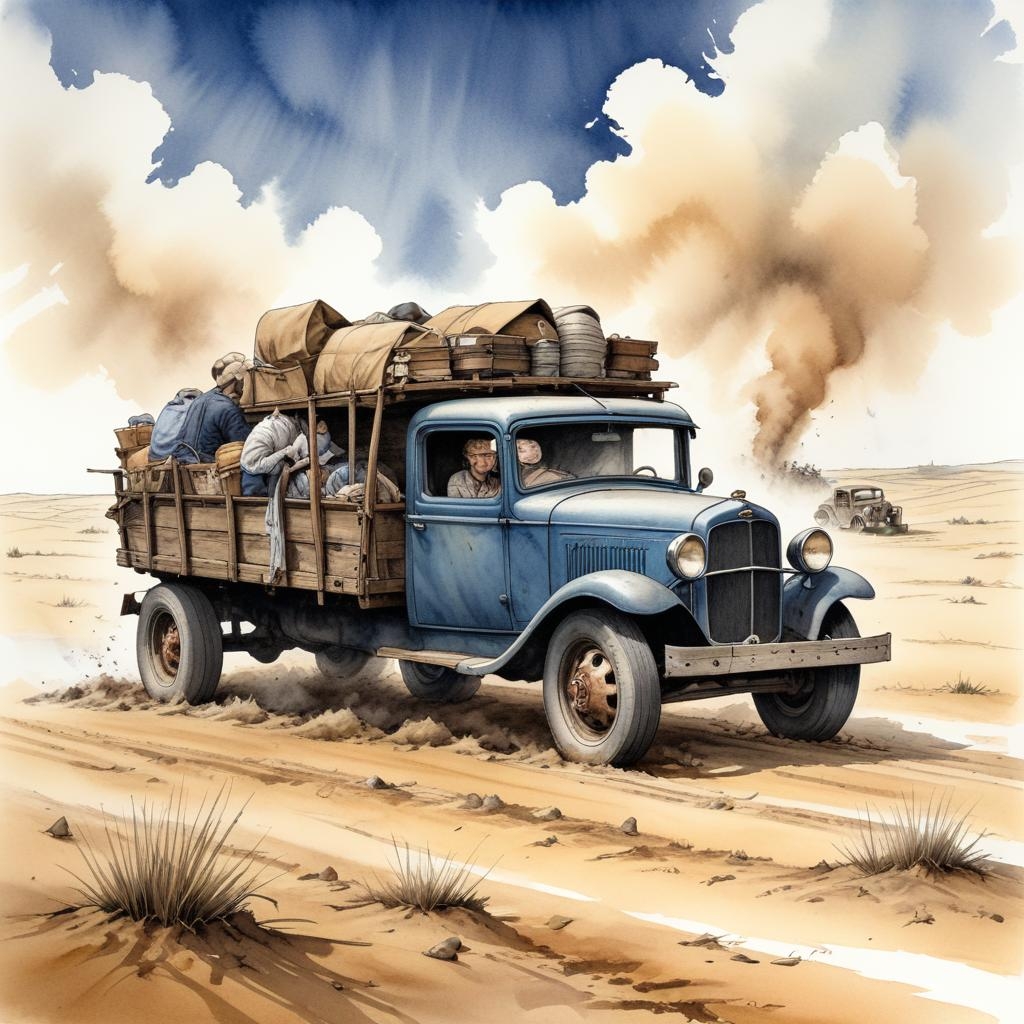
Introduction
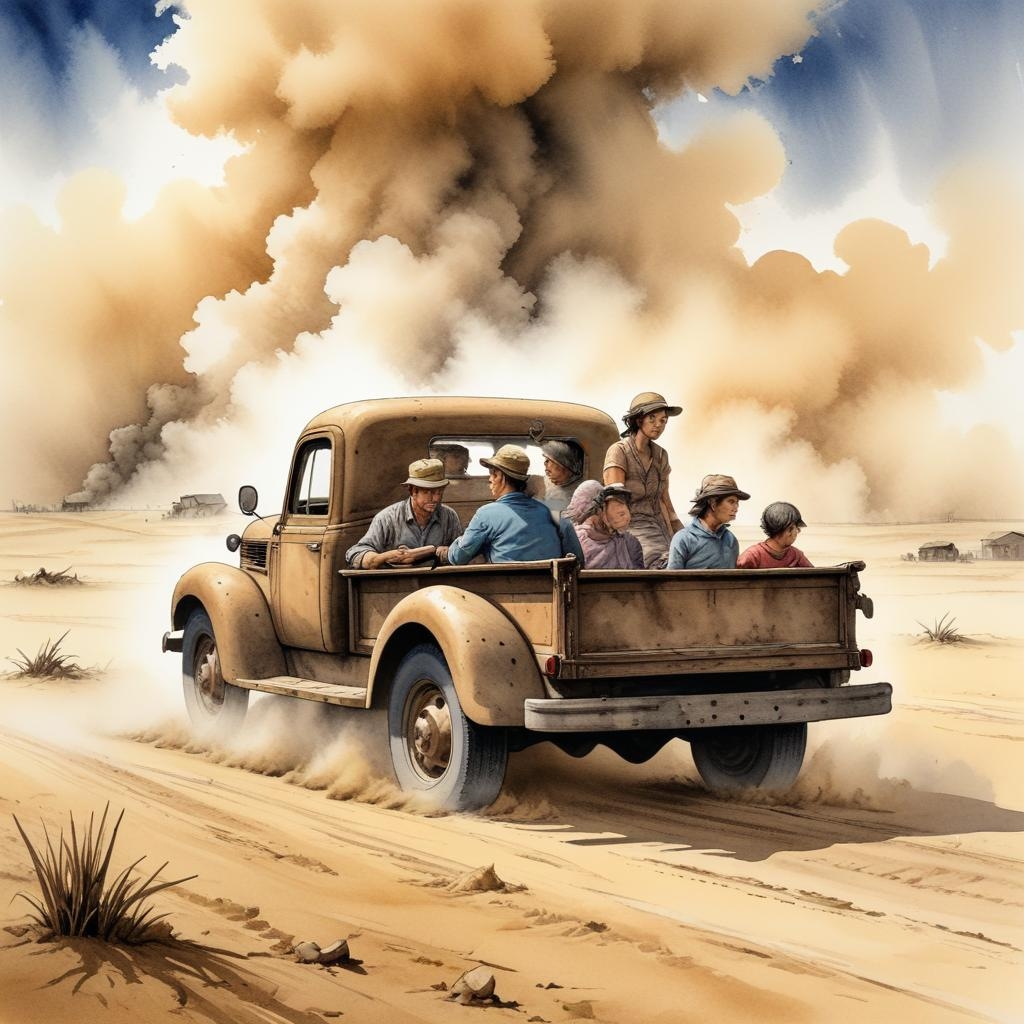
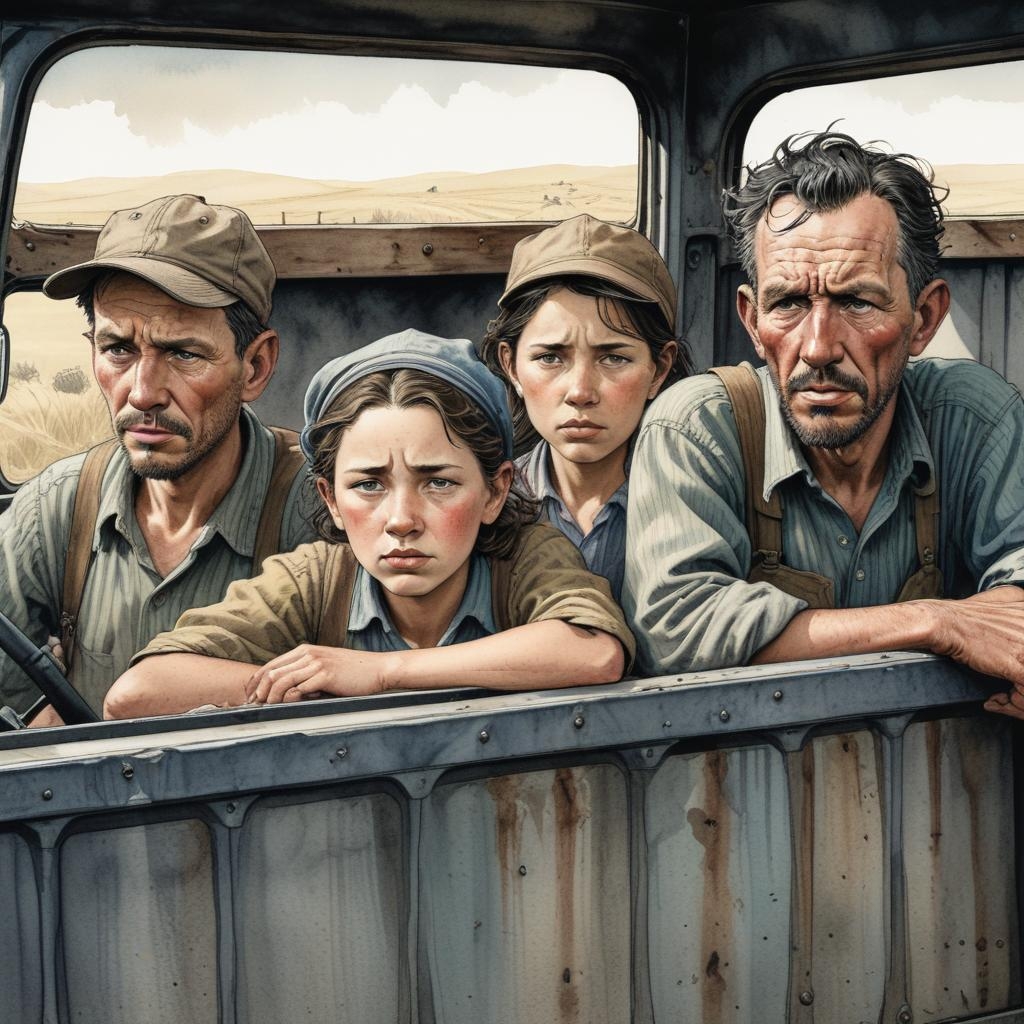
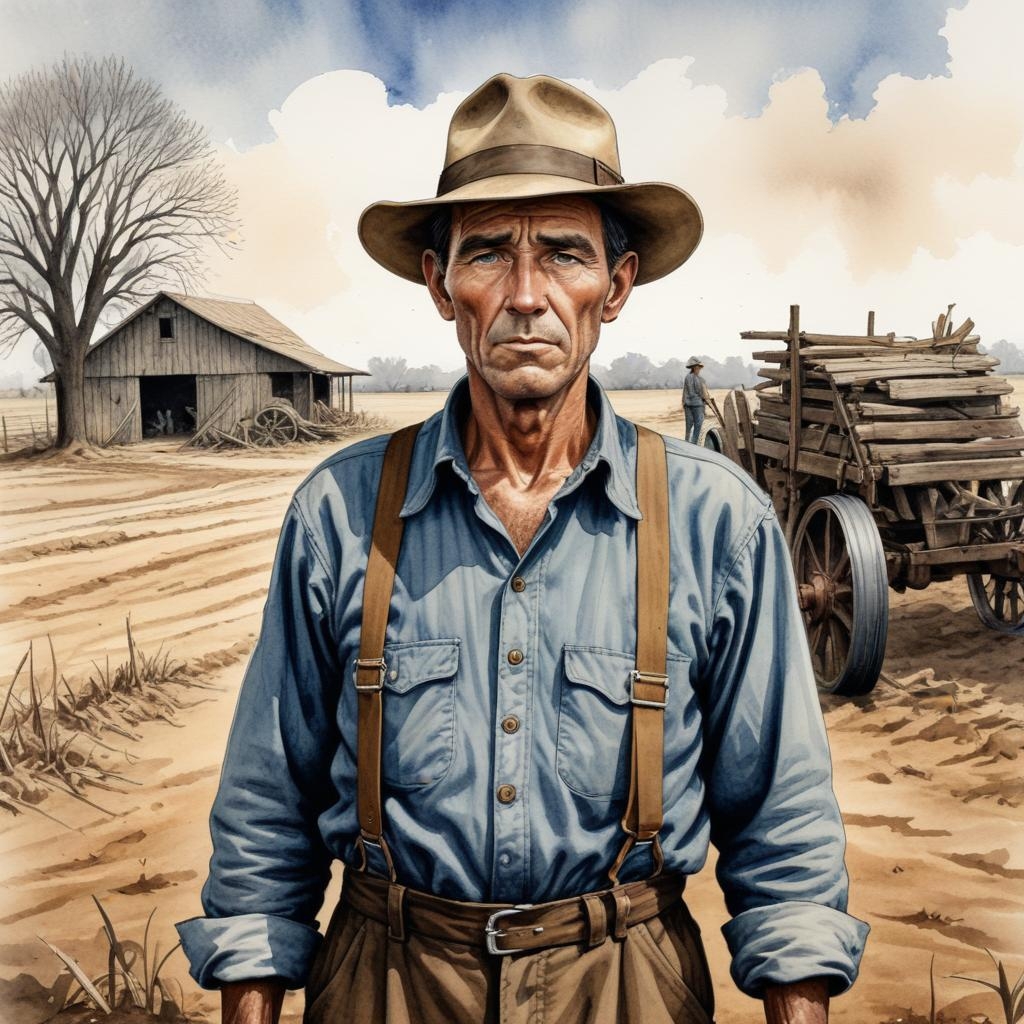
Tom Joad

Ma Joad

Jim Casy

Rose of Sharon

Pa Joad
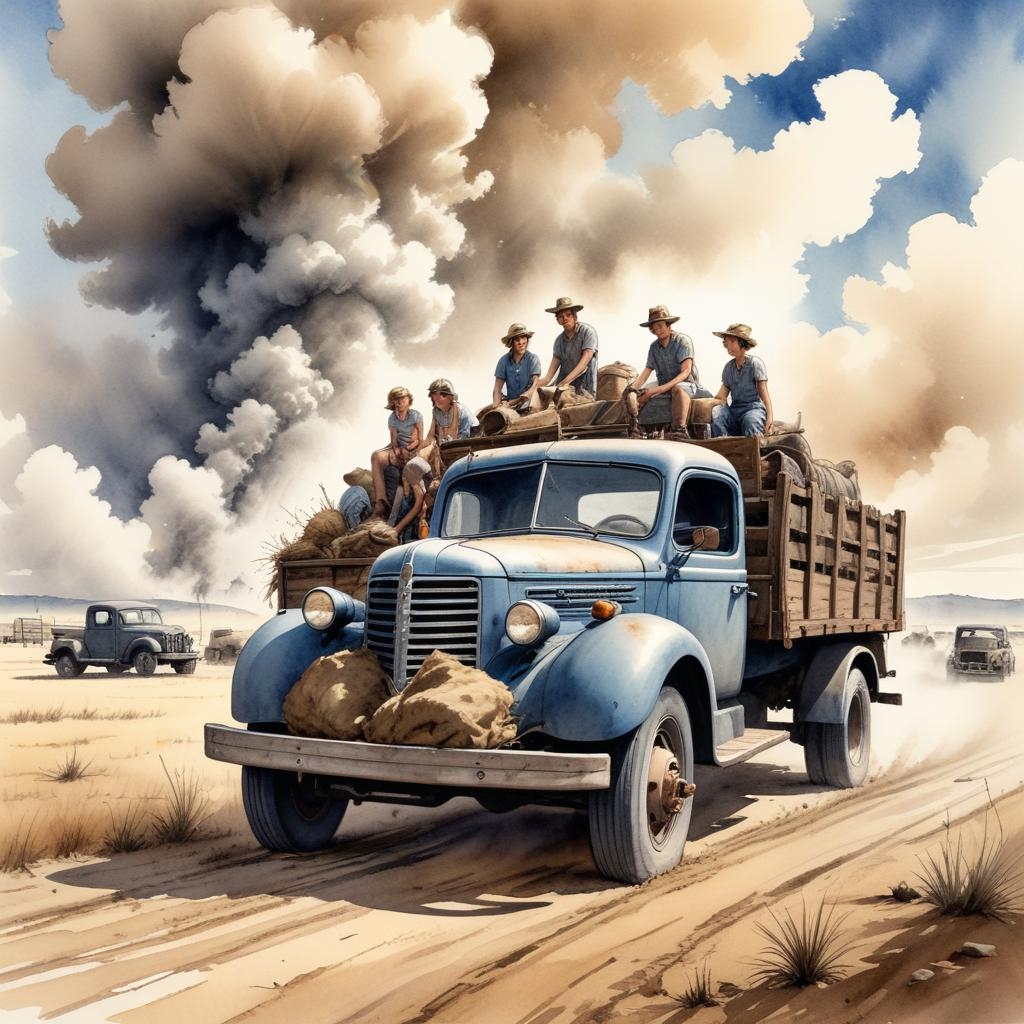
The Journey Begins
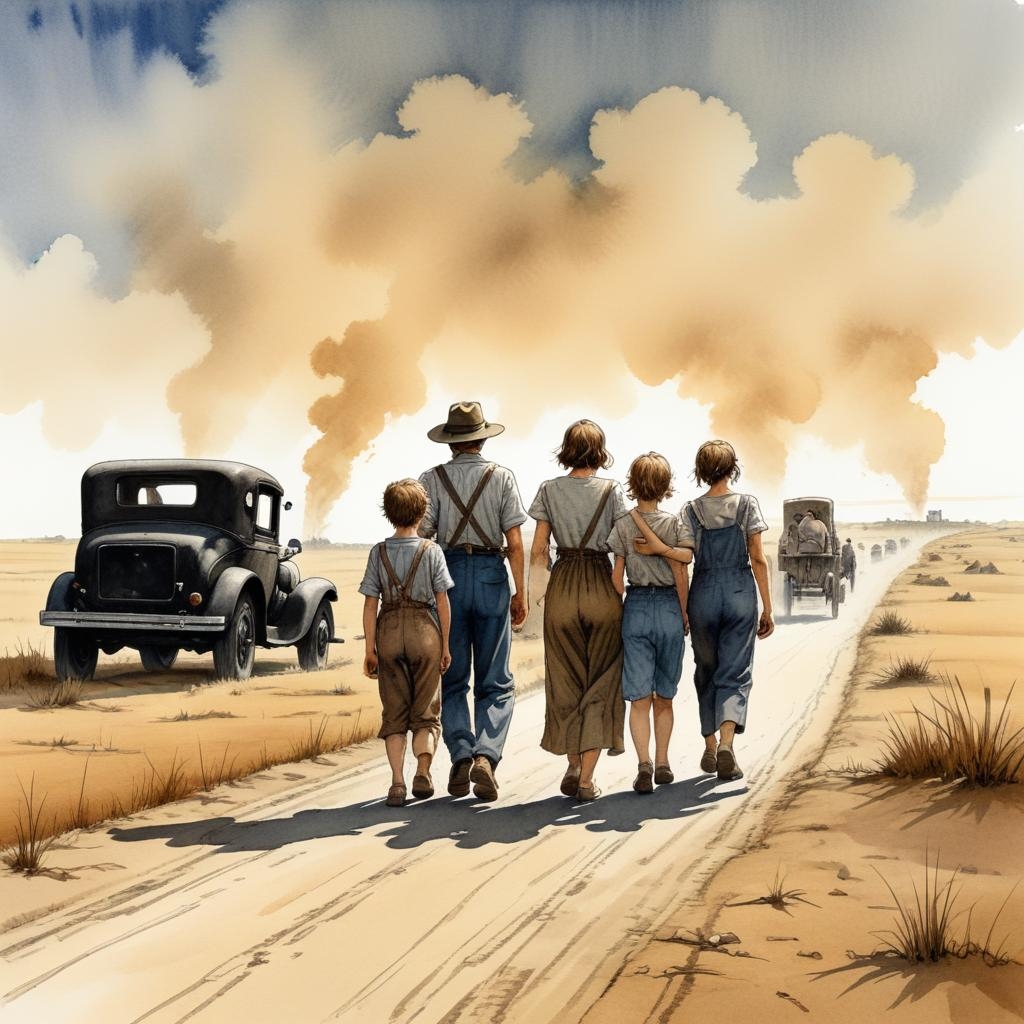
The Long Road Ahead
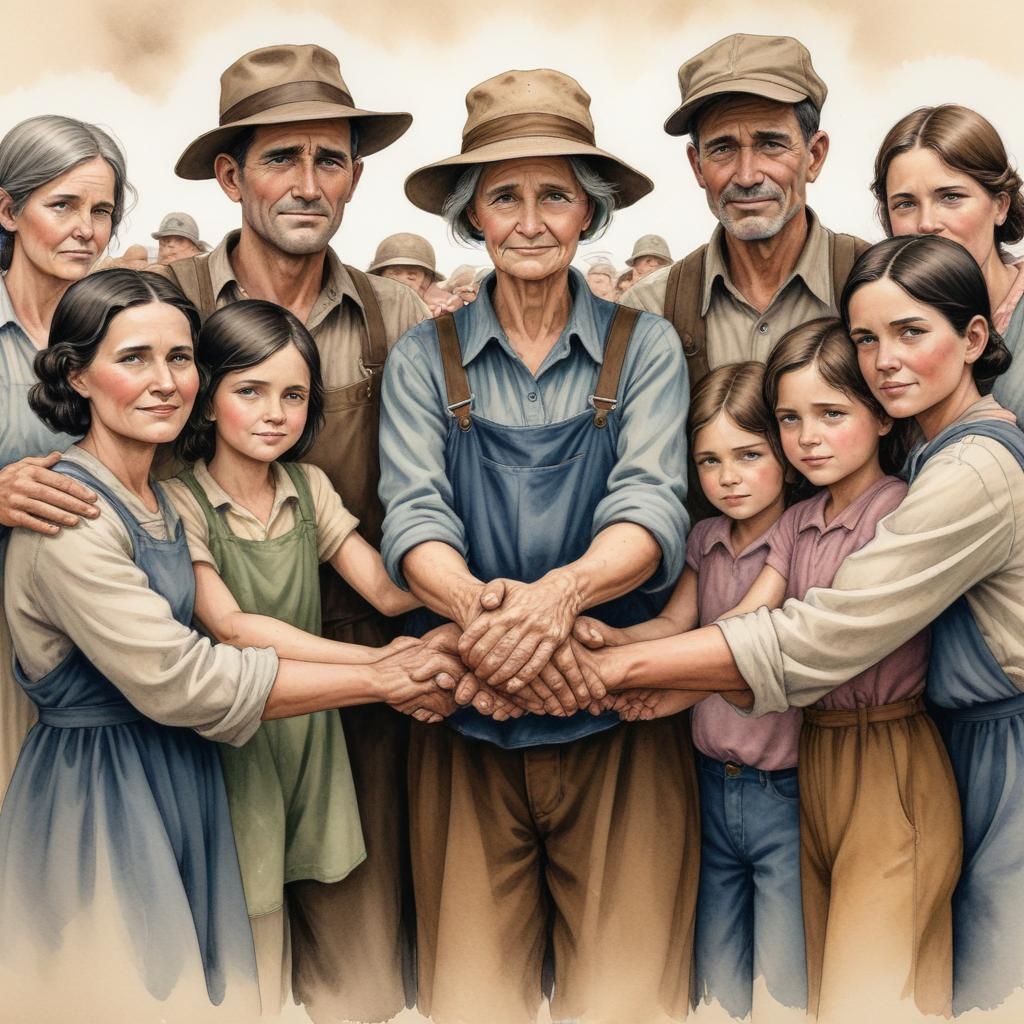
Unity and Strength

The Promise of California
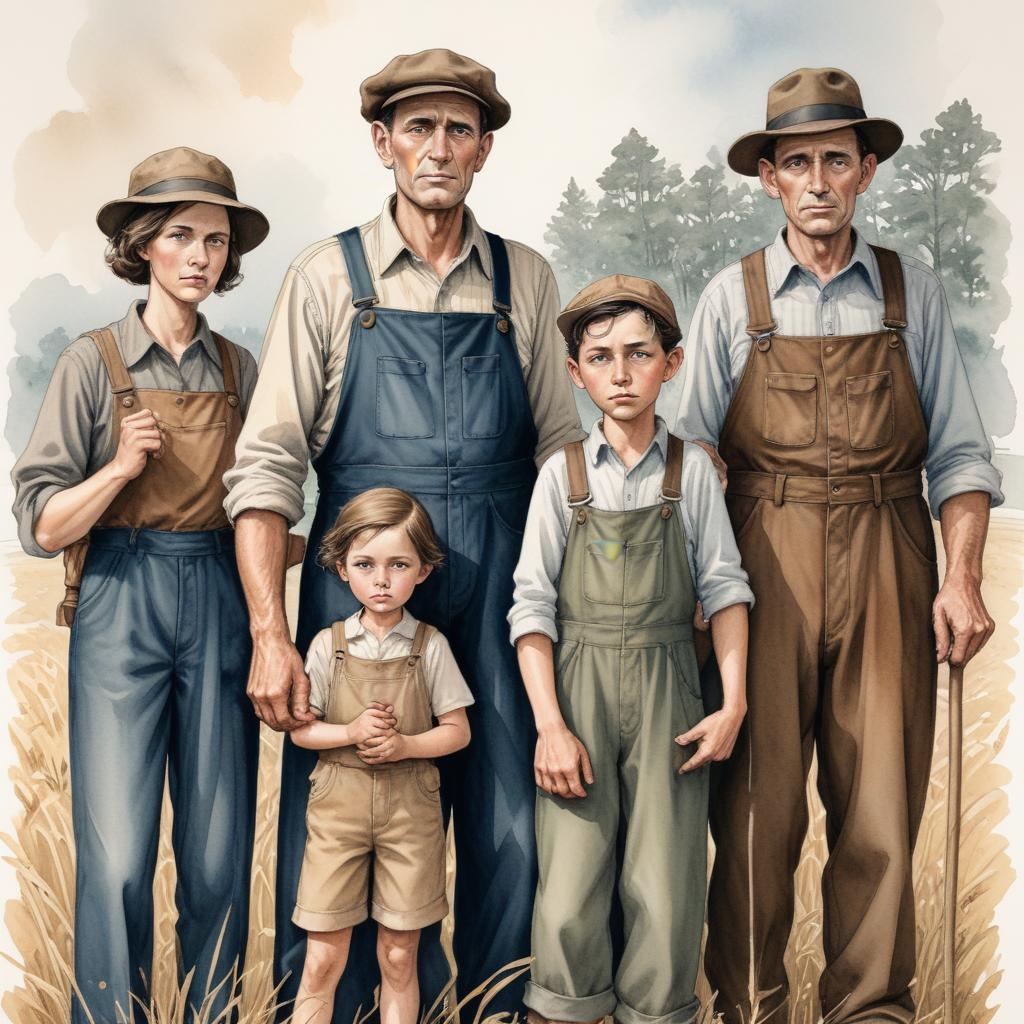
Struggles and Sacrifices
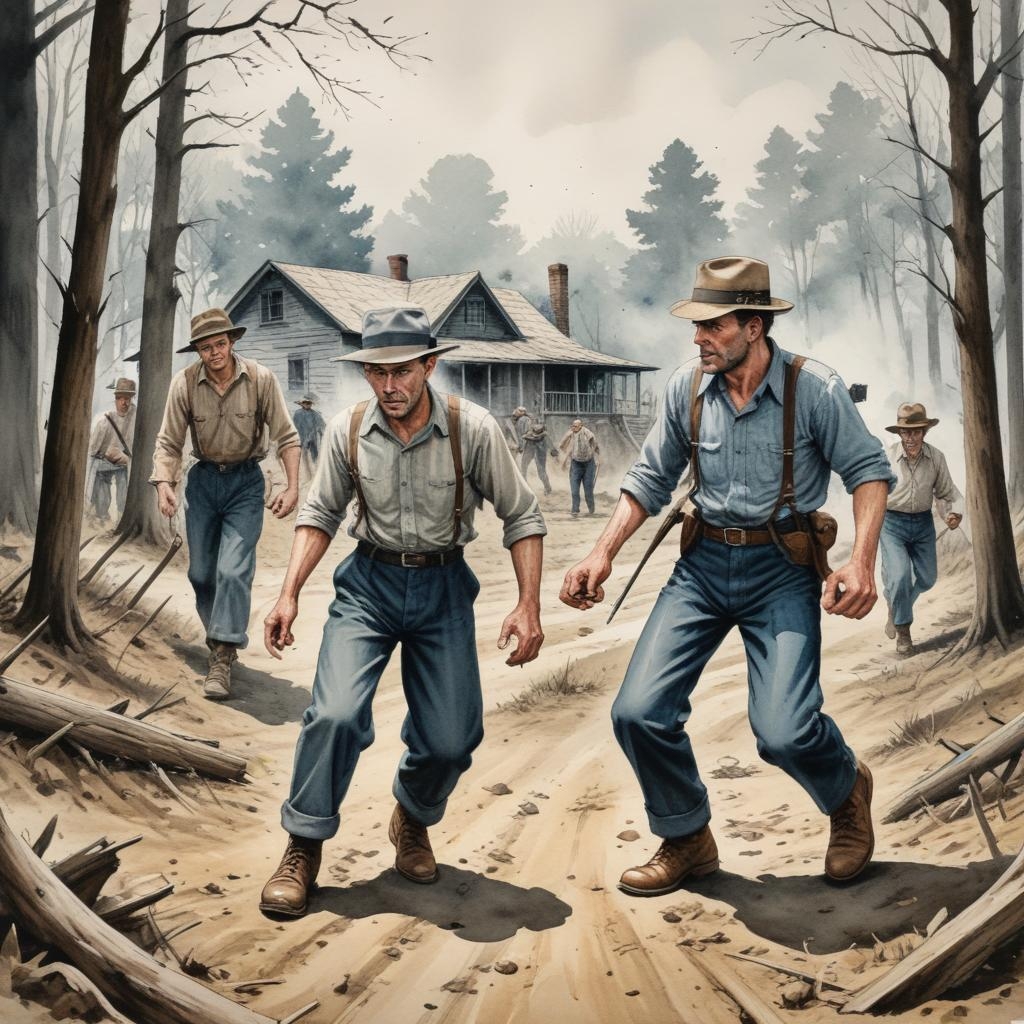
Conflict and Injustice

A Message of Hope
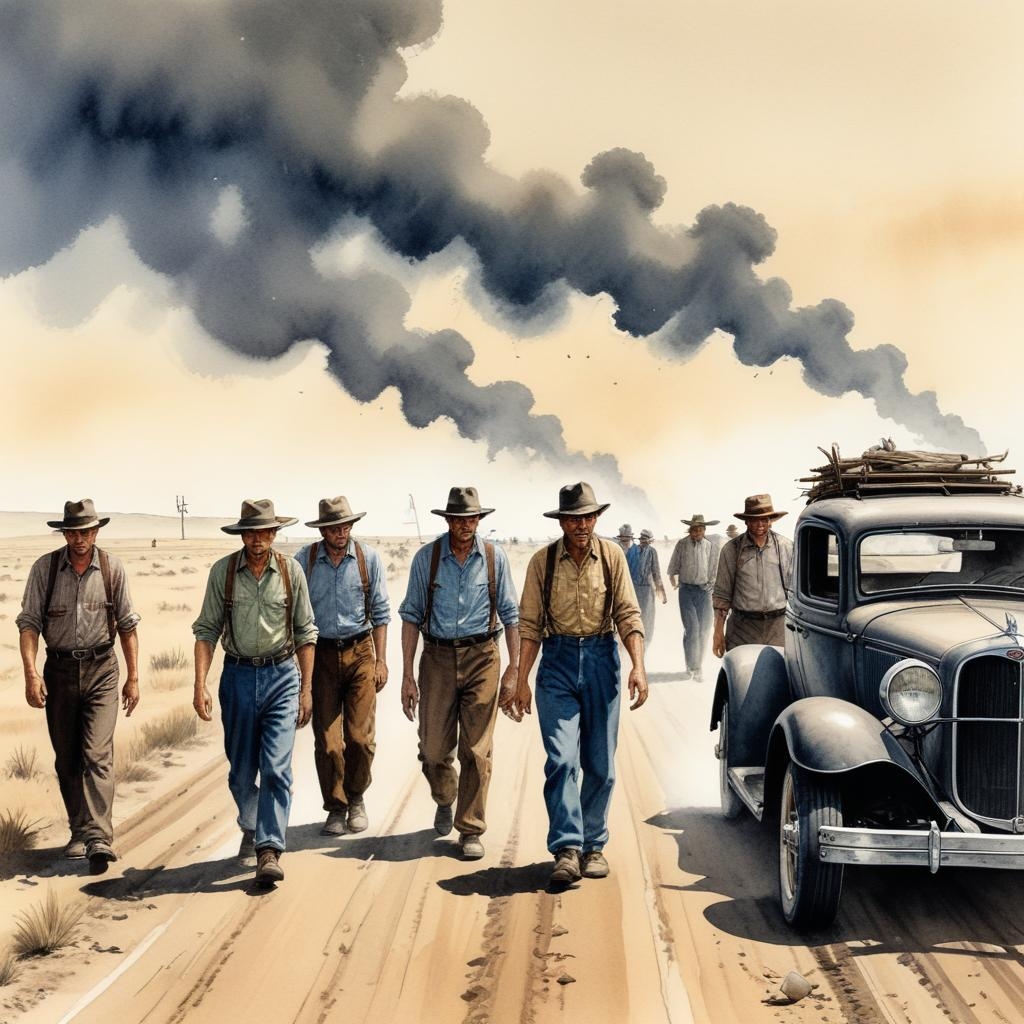
The Legacy of The Grapes of Wrath

Lesson Details & Resources
In a Nutshell
- What: The Grapes of Wrath by John Steinbeck
- When: Written in the era of the Great Depression (1939)
- Who: Main characters include Tom Joad, Ma Joad, and Jim Casy
- Theme: The core theme is the struggle for survival and dignity in the face of poverty and injustice
List of Characters in The Grapes of Wrath
-
Tom Joad
Tom Joad is the protagonist of the novel, a former inmate who becomes a leader for the migrant workers.
-
Ma Joad
Ma Joad is the matriarch of the Joad family and the emotional center of the novel.
-
Pa Joad
Pa Joad is the patriarch of the Joad family, struggling to keep his family together in the face of adversity.
-
Jim Casy
Jim Casy is a former preacher who becomes a philosopher and leader for the migrant workers.
-
Rose of Sharon
Rose of Sharon is the pregnant daughter of the Joad family, who experiences a tragic loss.
-
Uncle John
Uncle John is Ma Joad's brother, haunted by guilt over his wife's death.
-
Al Joad
Al Joad is Tom's younger brother, who dreams of a better life in California.
Timeline of The Grapes of Wrath
The Joad family is forced to leave their Oklahoma farm due to the Dust Bowl and economic hardships.
The Joads set out on a journey to California in search of work and a better life.
The Joads face numerous challenges and obstacles along the way, including breakdowns, hunger, and theft.
The Joads arrive at a government camp called Weedpatch, where they find some temporary relief and join a community of migrant workers.
The Joads continue their journey towards California, facing discrimination and exploitation from landowners and employers.
Tom Joad becomes involved in labor organizing and protests against unfair treatment of workers.
The Joads eventually find work at a cotton farm, but their wages are meager and the living conditions are harsh.
Rose of Sharon, Tom's pregnant sister, gives birth to a stillborn baby.
The floods destroy the Joads' makeshift camp, forcing them to seek shelter in a barn.
Ma Joad convinces the family to leave the barn and find a new place to start over.
The Joads find an abandoned boxcar and turn it into a temporary home.
Tom, hiding from the law, leaves the family to avoid further trouble.
The Joads find work picking peaches in a labor camp, where they witness the mistreatment and exploitation of migrant workers.
Ma Joad makes a decision to help a starving man by offering him her breast milk.
The Joads, along with other workers, go on strike to demand fair wages and better working conditions.
The strike is violently broken up by authorities, and Tom accidentally kills a strikebreaker while defending his friend, Casy.
Tom decides to go into hiding and bids farewell to his family.
The remaining Joads, now reduced to just Ma, Pa, Rose of Sharon, and Al, find refuge in a barn with other impoverished families.
Rose of Sharon, devastated by the loss of her baby, offers her breast milk to a dying man as a last act of compassion.
The Joads, with nowhere else to go, leave the barn and head towards higher ground, determined to survive and find a new beginning.
Vocabulary List
Key Facts
This is the information used in the fact matching game
- The Grapes of Wrath by John Steinbeck:
- - The novel was published in 1939.
- - It follows the Joad family as they migrate from Oklahoma to California during the Dust Bowl.
- - The Joads are tenant farmers who are displaced by industrial farming practices and the Great Depression.
- - The novel highlights the hardships and injustices faced by migrant workers during this time.
- - The title is taken from a line in the song "The Battle Hymn of the Republic."
- - The novel won the Pulitzer Prize for Fiction in 1940.
- - It was banned and burned in several locations due to its controversial depiction of social issues.
- - The novel was made into a film in 1940, directed by John Ford and starring Henry Fonda as Tom Joad.
- - Steinbeck was inspired to write the novel after seeing the plight of migrant workers during a visit to California.
- - The book is considered a classic of American literature and is often taught in schools.
- - Steinbeck conducted extensive research and interviews with migrant workers before writing the novel.
- - The story is filled with biblical allusions and themes of social justice.
- - The novel explores themes of family, community, and the resilience of the human spirit.
- - It was a bestseller upon its release and has since sold millions of copies worldwide.
- - The Grapes of Wrath has been translated into numerous languages.
- - Steinbeck received mixed reactions from critics and readers, with some praising his portrayal of the working class and others criticizing his political views.
- - The book was adapted into a stage play in 1988.
- - The novel is often regarded as one of the greatest American novels of the 20th century.
- - Steinbeck won the Nobel Prize in Literature in 1962, partly for his contributions to American literature through The Grapes of Wrath.
- - The book continues to be relevant today, addressing issues of poverty, inequality, and the human impact on the environment.
Analysis & Significance
Impact on Literature
‘The Grapes of Wrath’ by John Steinbeck has had a profound impact on literature, particularly in the way it sheds light on the struggles of the working class during the Great Depression. Its raw and unflinching portrayal of poverty and injustice set a new standard for social realism in fiction, influencing generations of writers to tackle similar themes in their work.
Enduring Themes
The timeless themes in ‘The Grapes of Wrath’ continue to resonate with modern audiences, such as the resilience of the human spirit in the face of adversity, the importance of family and community, and the harsh realities of economic inequality. These universal themes ensure that the novel remains relevant and thought-provoking decades after its initial publication.
Cultural Significance Today
‘The Grapes of Wrath’ remains culturally significant today for its powerful portrayal of the American experience during a tumultuous period in history. The novel has been adapted into a critically acclaimed film and stage play, further cementing its legacy as a classic work of American literature that continues to spark discussions about social justice and the human condition.
The Grapes of Wrath Games


Take Your Learning Offline
Want a convenient, print-ready study guide for this lesson? Become a Memory Wizards Pro member to unlock the downloadable " Memory Scrolls" for this topic and our entire library!
- ✓ Complete Vocabulary Lists
- ✓ Key Facts & Timelines
- ✓ Beautifully Formatted for Print & Mobile