
How Do You Learn Best?
Learn by Reading
Immerse yourself in the 10-minute visual lesson for a comprehensive understanding of the topic.
Learn by Reviewing
Jump directly to the key facts, timeline, and vocabulary lists to build a solid foundation of details.
Learn by Doing
Challenge yourself! Jump straight into the interactive games to learn by trial, error, and discovery.
Northanger Abbey in 10 Minutes
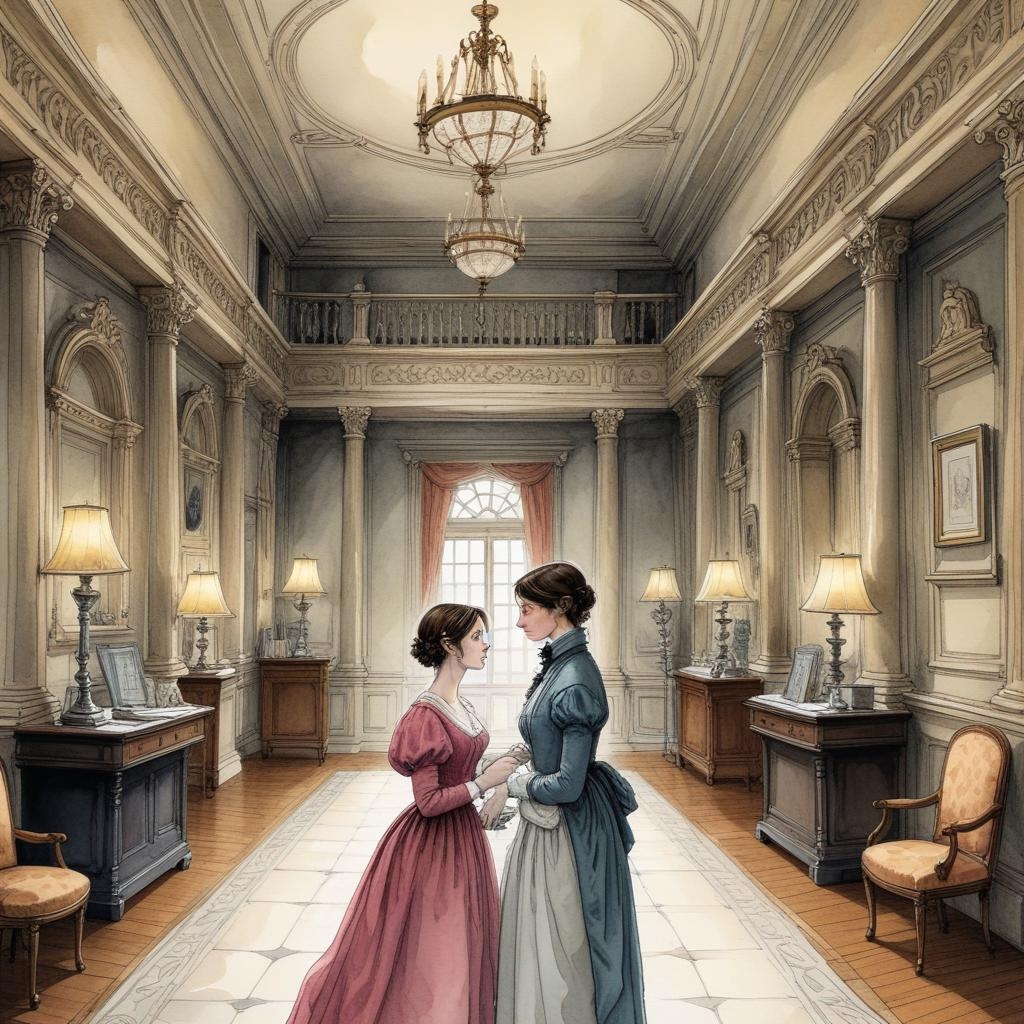
Introduction
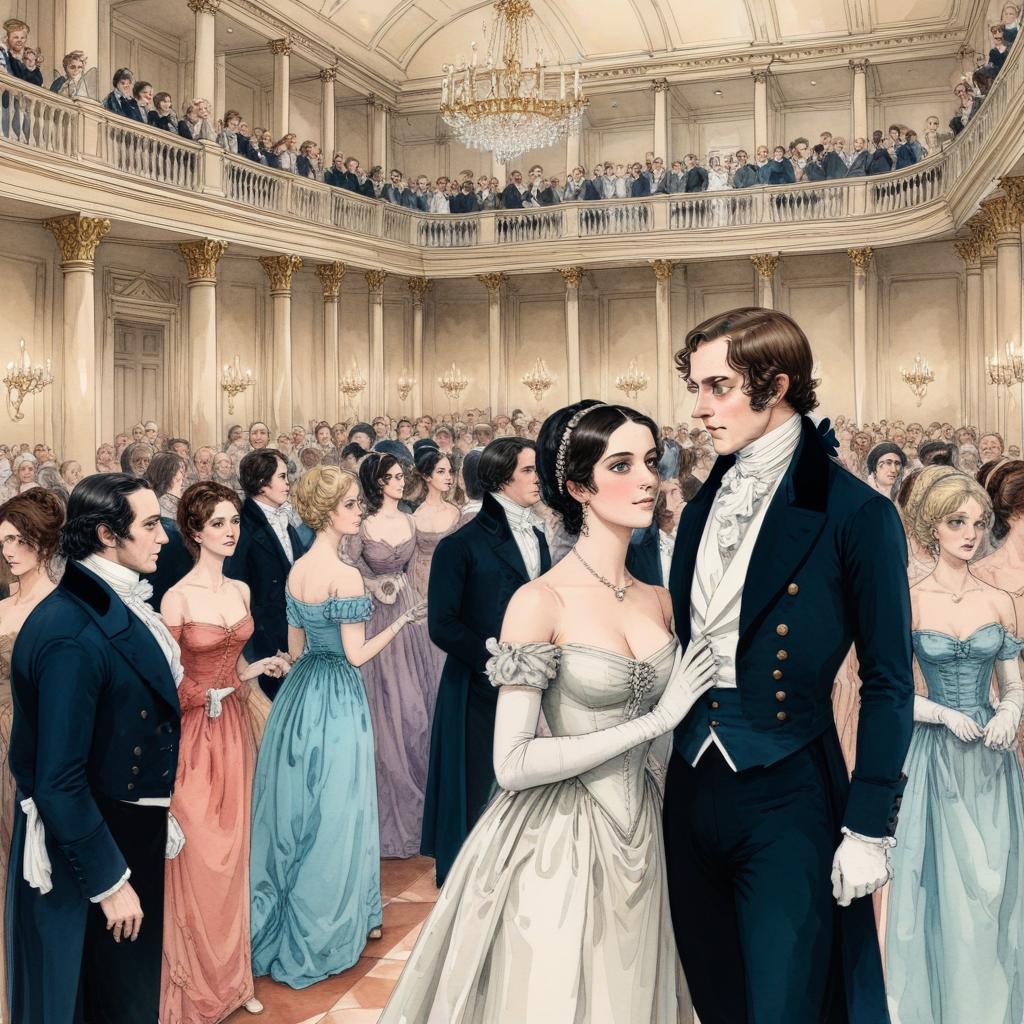
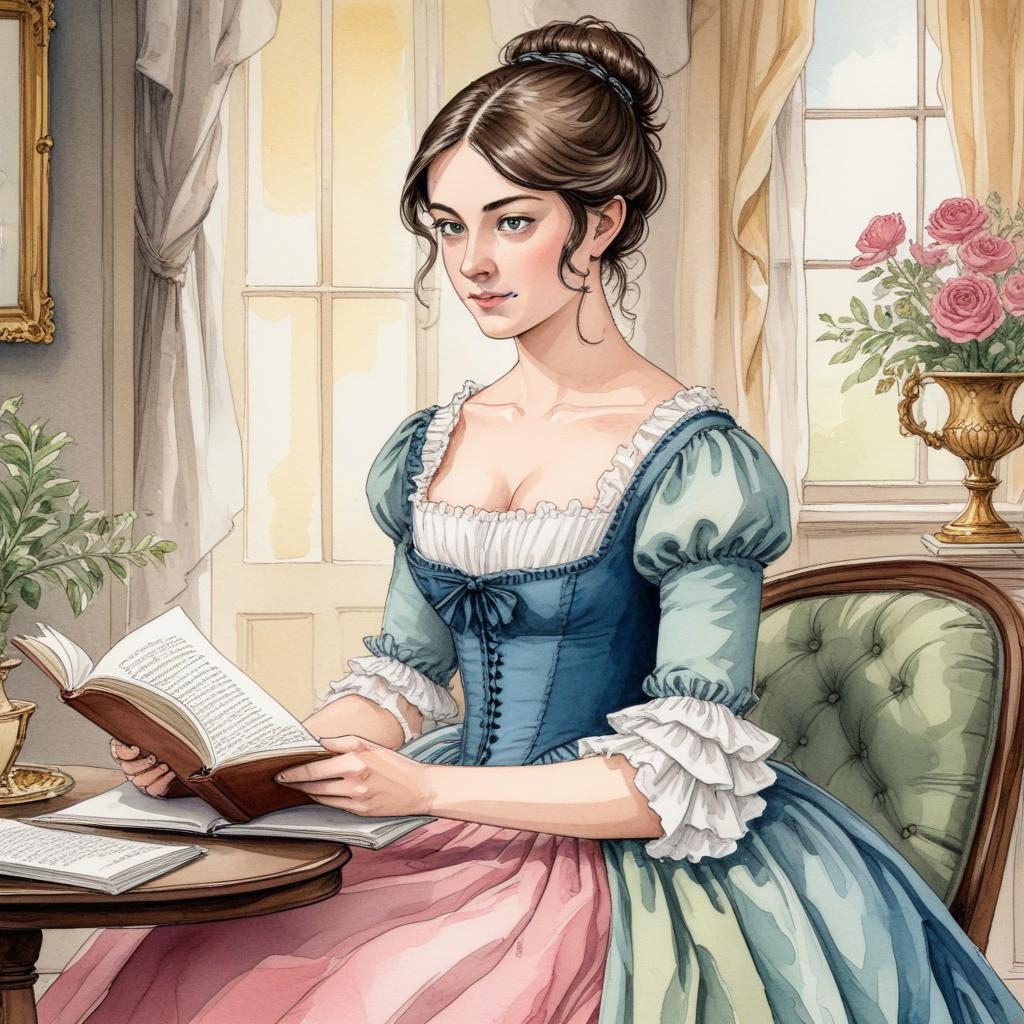

Catherine Morland
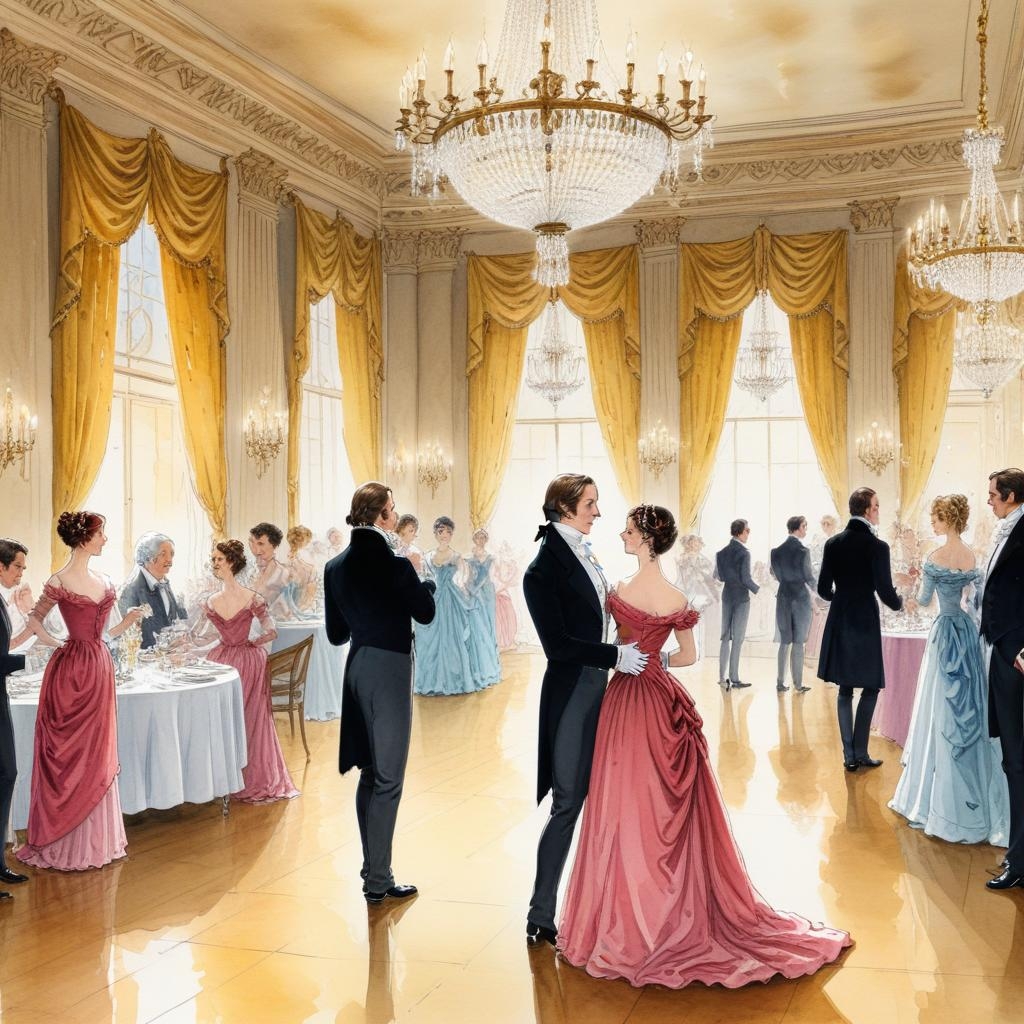
Henry Tilney

General Tilney

Isabella Thorpe

John Thorpe

The Invitation to Northanger Abbey
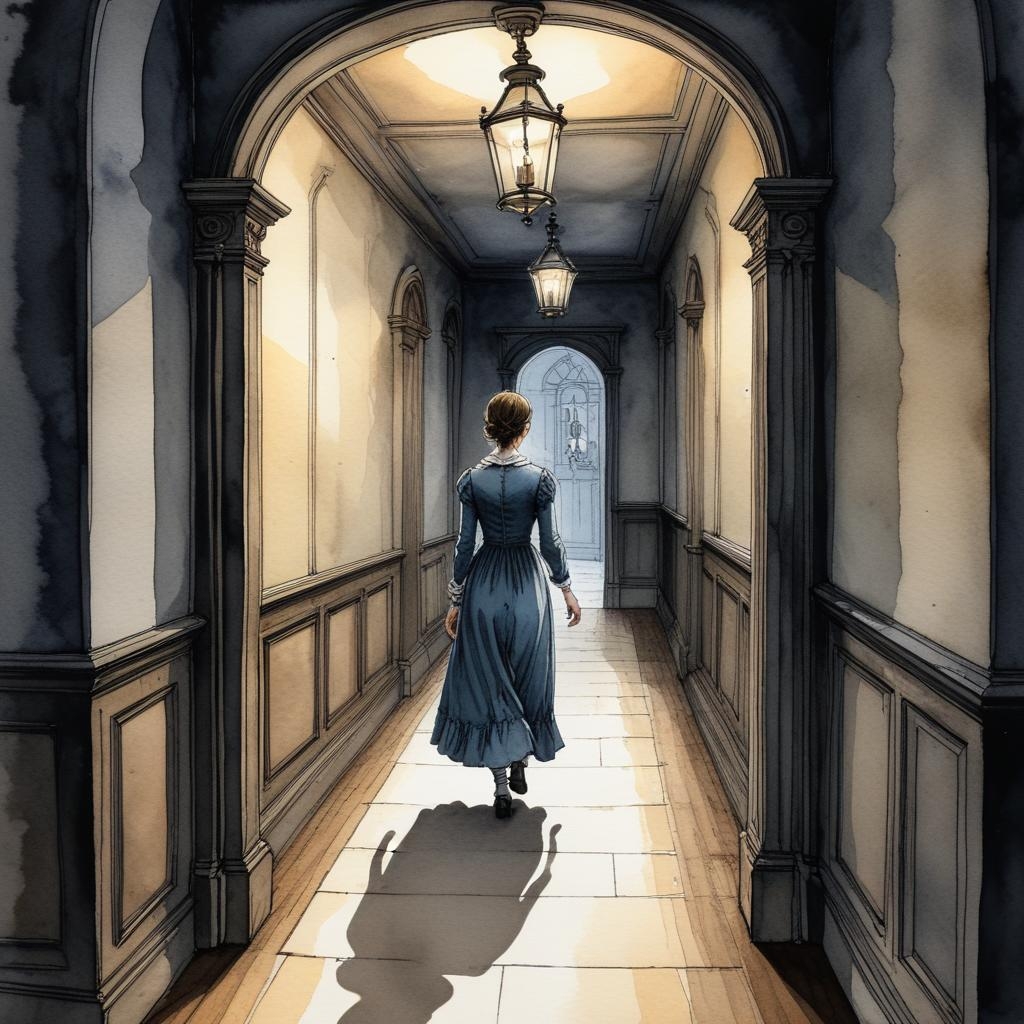
The Mysterious Abbey

The Friendship with Isabella

The Romance with Henry Tilney

The Misunderstanding with General Tilney
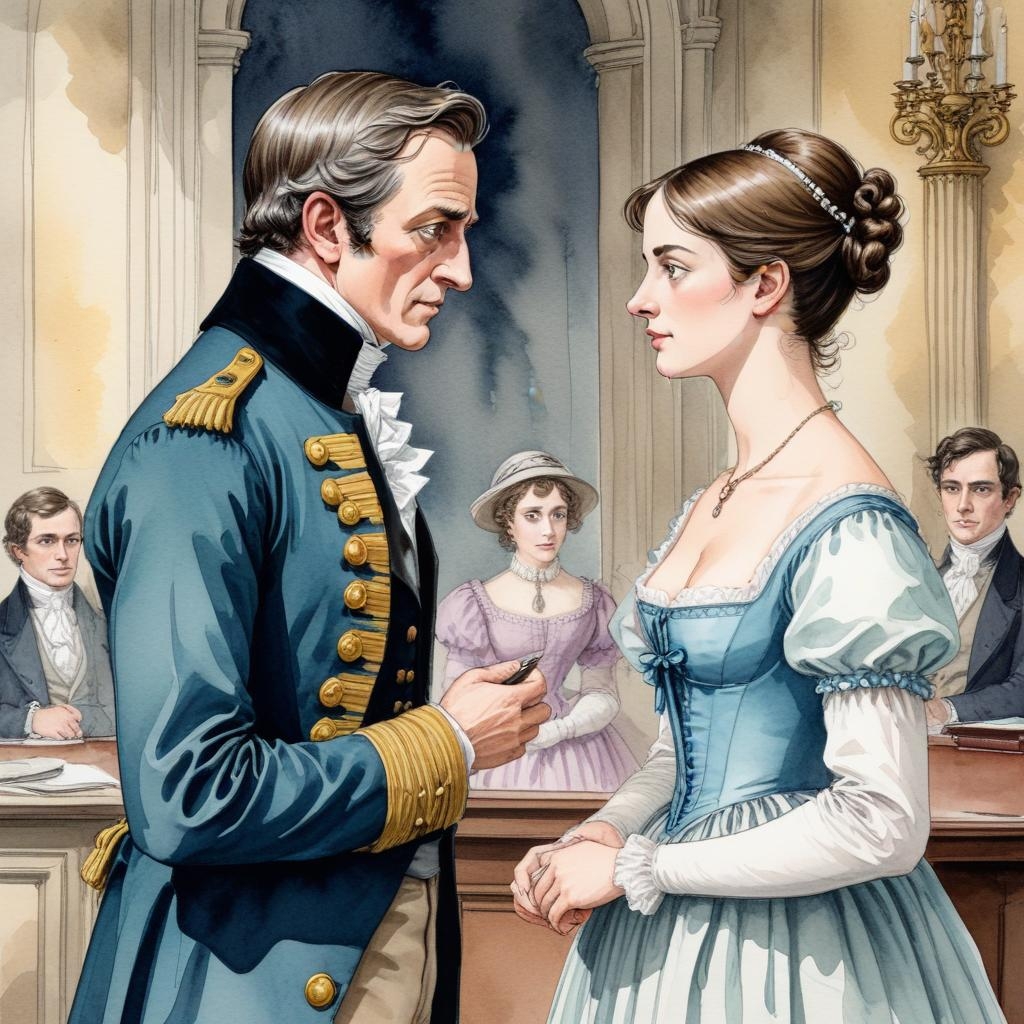
The Truth about General Tilney

The Reconciliation with Henry

The Return to Northanger Abbey

The Happy Ending

The Moral of the Story
Lesson Details & Resources
In a Nutshell
- What: ‘Northanger Abbey’ by Jane Austen
- When: Written in the early 19th century
- Who: Catherine Morland, Henry Tilney, General Tilney
- Theme: Satire of Gothic novels and social conventions
List of Characters in Northanger Abbey
-
Catherine Morland
Catherine Morland is a young, naive girl who loves reading Gothic novels.
-
Henry Tilney
Henry Tilney is a charming and witty young man who catches Catherine's eye.
-
General Tilney
General Tilney is Henry's father, a strict and imposing figure.
-
Isabella Thorpe
Isabella Thorpe is Catherine's friend who proves to be deceitful and manipulative.
-
John Thorpe
John Thorpe is a brash and obnoxious suitor who pursues Catherine.
-
Eleanor Tilney
Eleanor Tilney is Henry's sister, a kind and gentle woman who befriends Catherine.
Timeline of Northanger Abbey
Catherine Morland is invited to visit Bath with the Allens.
Catherine attends various social events in Bath.
Catherine meets Henry Tilney at a ball and they become friends.
Catherine is invited to visit Northanger Abbey with the Tilneys.
Catherine arrives at Northanger Abbey and is fascinated by its gothic atmosphere.
Catherine discovers a mysterious chest in her room at Northanger Abbey.
Catherine's imagination runs wild as she suspects dark secrets in the house.
Catherine's suspicions are proven wrong when she learns the truth about the chest.
Catherine returns to Bath and reunites with Henry Tilney.
Catherine receives a marriage proposal from Henry Tilney, which she happily accepts.
Catherine and Henry become engaged.
Catherine's brother, James, proposes to Isabella Thorpe, who accepts.
Catherine learns about Isabella's deceitful behavior and breaks off their friendship.
Catherine and Henry get married and live happily ever after.
Vocabulary List
- Catherine
- The protagonist of the novel who is young, naive, and imaginative
- Abbey
- A large and usually old building that was used for a religious purpose
- Northanger
- The name of the abbey in the novel where Catherine visits
- Prejudice
- A preconceived opinion or feeling formed without knowledge, thought, or reason
- Society
- A group of individuals who share a common culture and interact with one another
- Romance
- A genre of literature that focuses on love and relationships
- Gothic
- A style of writing that combines elements of horror, death, and romance
- Fiction
- Imaginative or invented stories, characters, or events
- Satire
- A literary technique that uses humor, irony, or exaggeration to criticize or ridicule individuals or society
- Irony
- A contrast between what is expected to happen and what actually happens
- Naivety
- Lack of experience, wisdom, or judgment
- Imagination
- The ability to create mental images or concepts that are not present
- Friendship
- A close and trusting relationship between two or more individuals
- Manners
- Social behavior that is considered polite or acceptable in a particular culture or society
- Independence
- The quality of being self-reliant and not needing assistance or support from others
- Suspense
- A feeling of uncertainty or excitement about what is going to happen next in a story
- Gossip
- Rumors or information about the personal or private lives of other people
- Judgment
- The ability to make considered decisions or come to sensible conclusions
- Betrayal
- The act of being disloyal or breaking someone's trust
- Morality
- Principles or standards of right and wrong behavior.
Key Facts
This is the information used in the fact matching game
- - Northanger Abbey is a novel written by Jane Austen.
- - The story is set in the late 18th century.
- - The protagonist is Catherine Morland, a young and imaginative girl.
- - Catherine is invited to stay at Northanger Abbey, the family home of her friends.
- - The Abbey holds many secrets and mysteries.
- - Catherine is influenced by Gothic novels and lets her imagination run wild.
- - She believes the Abbey is haunted and uncovers hidden secrets.
- - Catherine falls in love with Henry Tilney, the son of the Abbey's owner.
- - The novel explores themes of love, friendship, and social class.
- - Northanger Abbey was the first novel Austen completed, but it was published posthumously.
- - The novel satirizes Gothic literature and the romantic ideals of the time.
- - Austen uses irony and wit to critique societal norms and expectations.
- - Catherine's brother James is engaged to Isabella Thorpe, a deceitful and manipulative character.
- - Catherine's naivety and innocence are evident throughout the story.
- - The novel highlights the importance of distinguishing fiction from reality.
- - Northanger Abbey was not as commercially successful as Austen's other works during her lifetime.
- - The story is both a coming-of-age tale and a romance.
- - The Abbey itself becomes a symbol of mystery and intrigue.
- - Austen's writing style in Northanger Abbey is characterized by its wit and social commentary.
- - The novel was published in 1817, a year after Austen's death.
Analysis & Significance
Impact on Literature
‘Northanger Abbey’ is a pioneering work in the genre of the Bildungsroman, or coming-of-age novel, as it follows the growth and development of its protagonist, Catherine Morland. Austen’s satire of gothic novels and commentary on the role of women in society also had a lasting impact on the development of the novel as a form of social critique.
Enduring Themes
The themes of self-discovery, social class, and the importance of distinguishing between fantasy and reality are still relevant today. Catherine’s journey to navigate societal expectations and find her own voice resonates with modern audiences who are also trying to carve out their identities in a complex world.
Cultural Significance Today
‘Northanger Abbey’ continues to be adapted into various forms, from stage productions to film and television adaptations. Its exploration of societal norms and the power of imagination remains a touchstone for contemporary discussions on gender, class, and the limitations placed on individuals by society.
Northanger Abbey Games


Take Your Learning Offline
Want a convenient, print-ready study guide for this lesson? Become a Memory Wizards Pro member to unlock the downloadable " Memory Scrolls" for this topic and our entire library!
- ✓ Complete Vocabulary Lists
- ✓ Key Facts & Timelines
- ✓ Beautifully Formatted for Print & Mobile