
How Do You Learn Best?
Learn by Reading
Immerse yourself in the 10-minute visual lesson for a comprehensive understanding of the topic.
Learn by Reviewing
Jump directly to the key facts, timeline, and vocabulary lists to build a solid foundation of details.
Learn by Doing
Challenge yourself! Jump straight into the interactive games to learn by trial, error, and discovery.
Stephen Hero by James Joyce in 10 Minutes
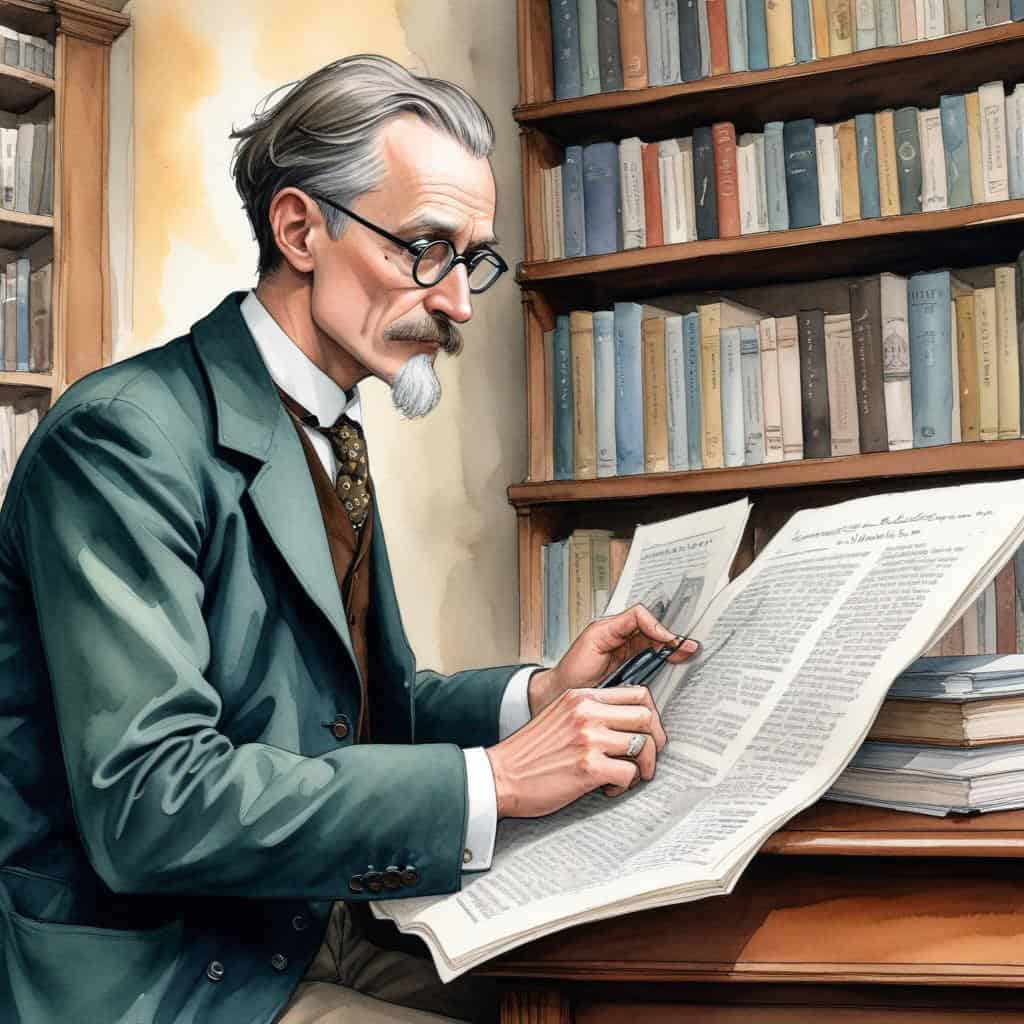
Introduction
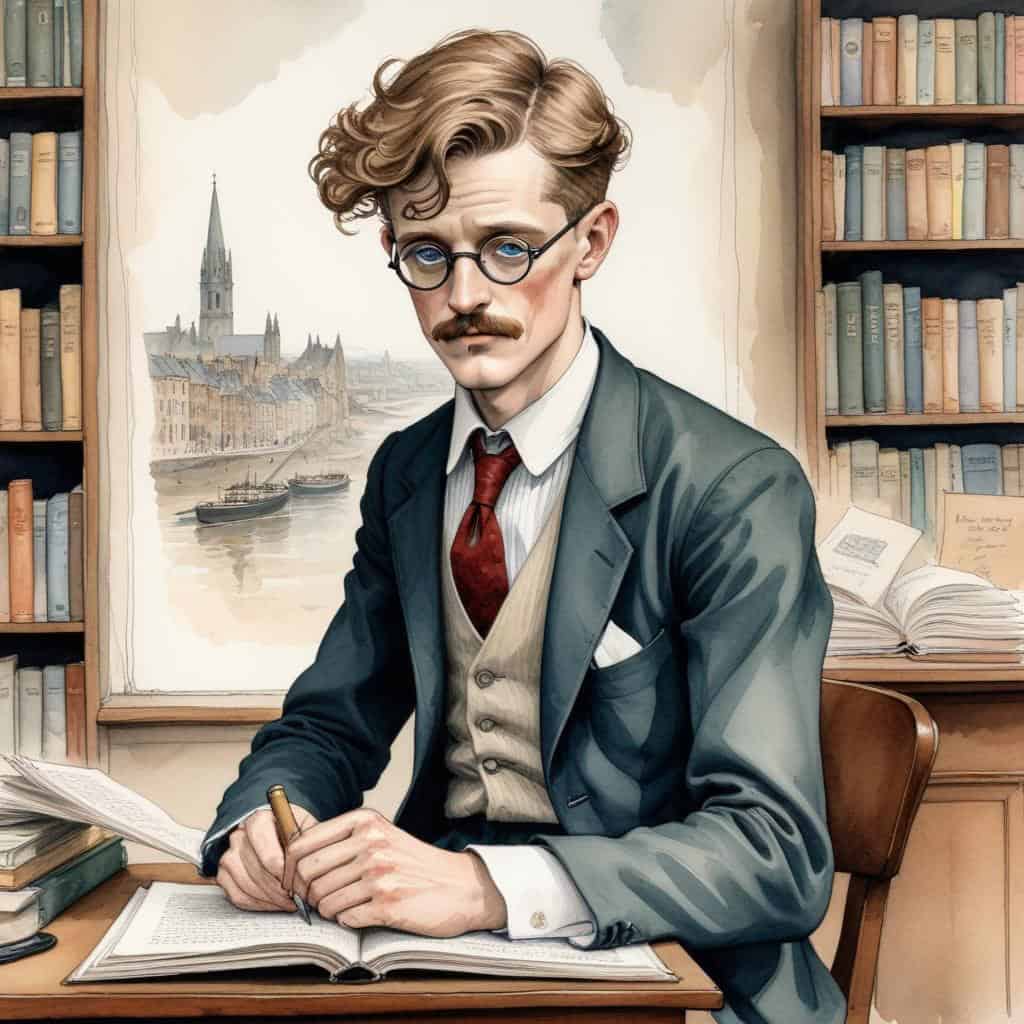
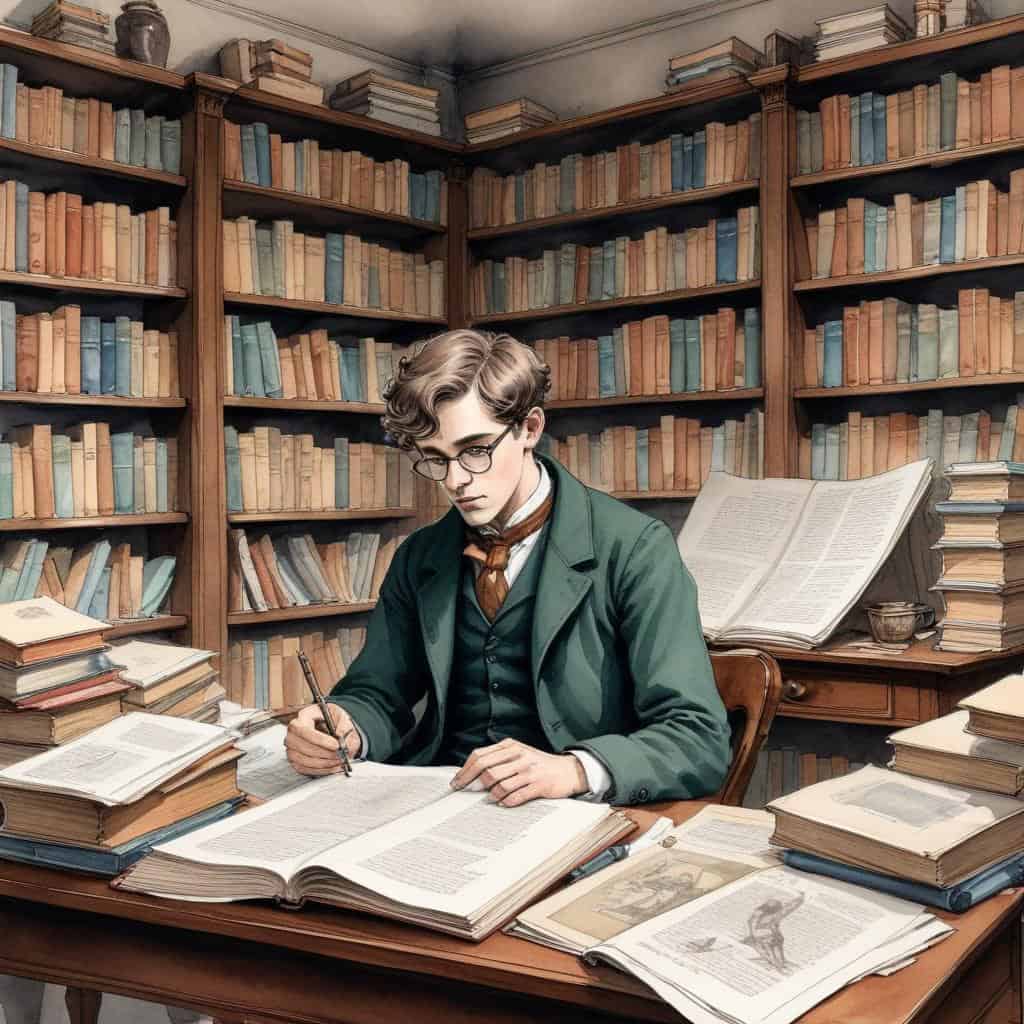

Stephen Dedalus
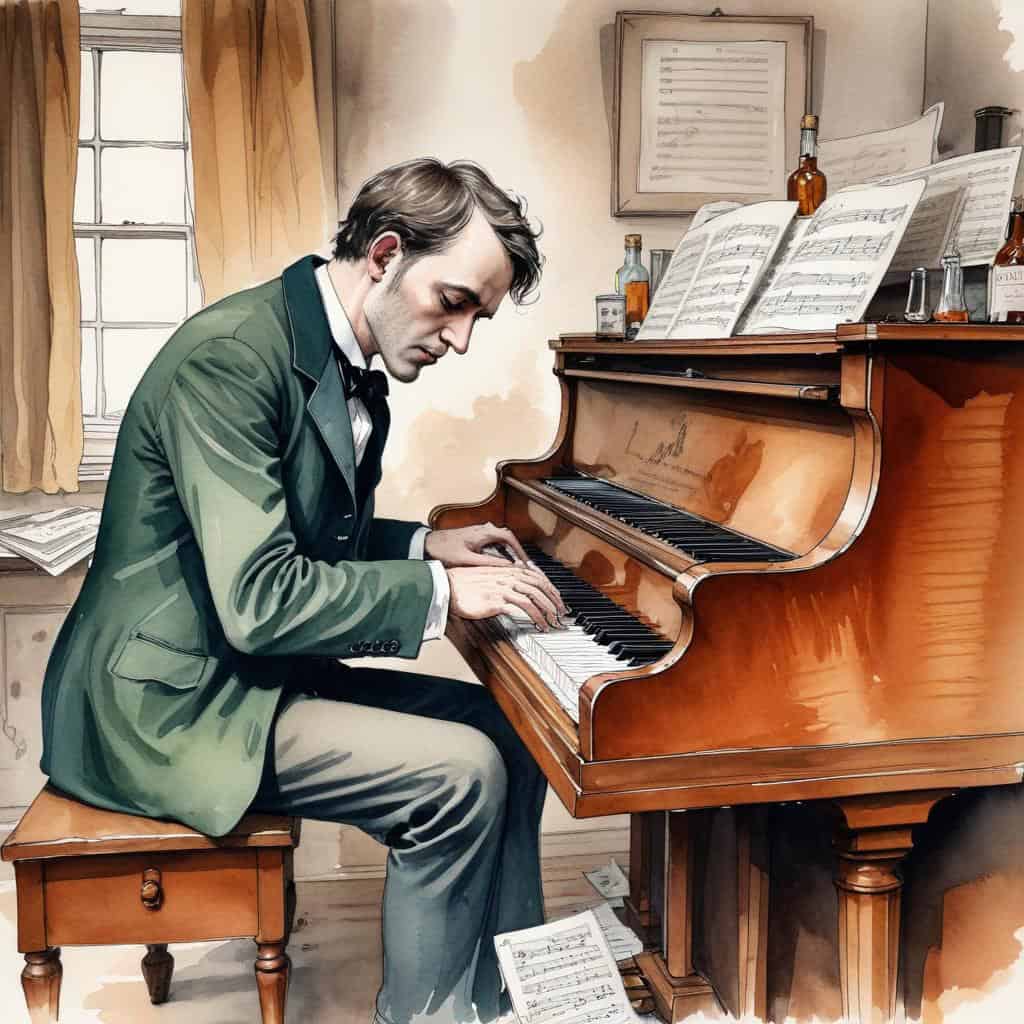
Simon Dedalus

Emma Clery

Dante Riordan
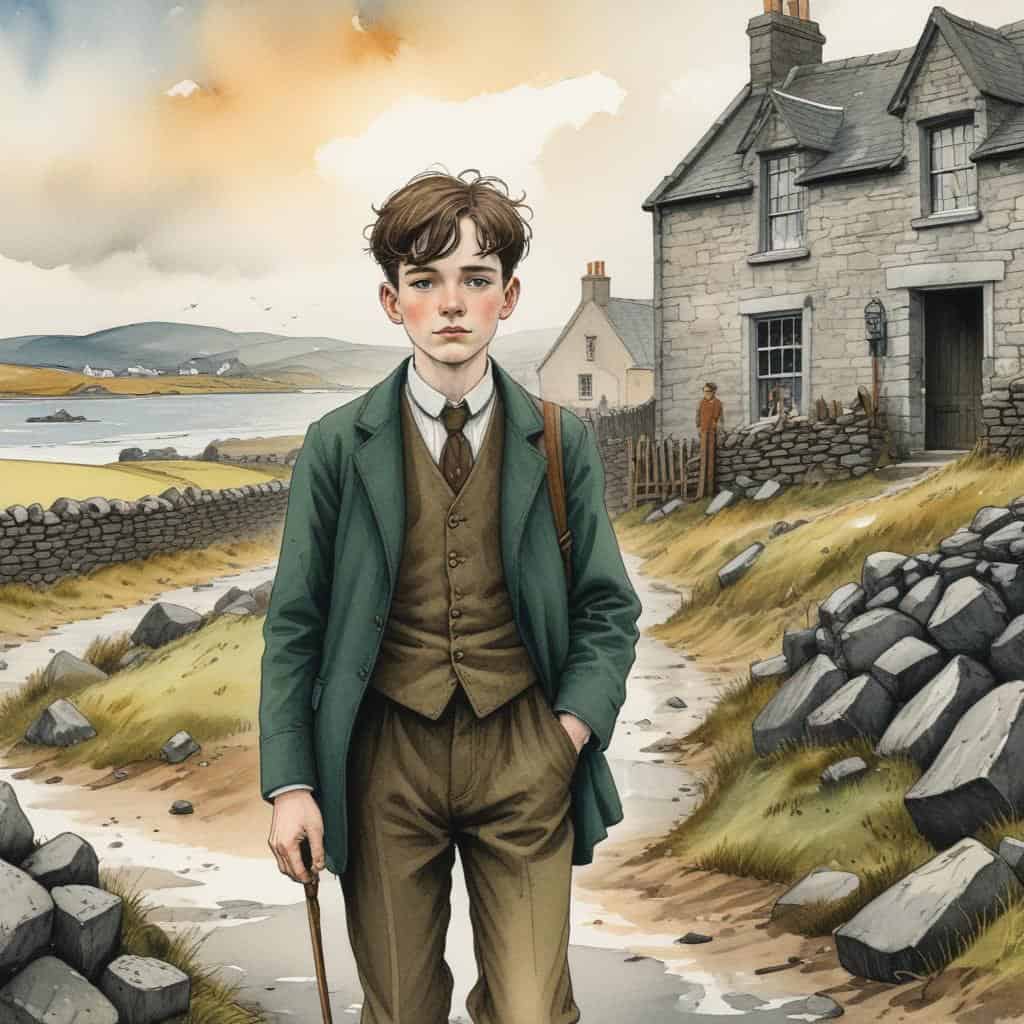
1. The Beginning of Stephens Journey

2. Stephens Ambitions and Dreams

3. Stephens Relationships and Conflicts
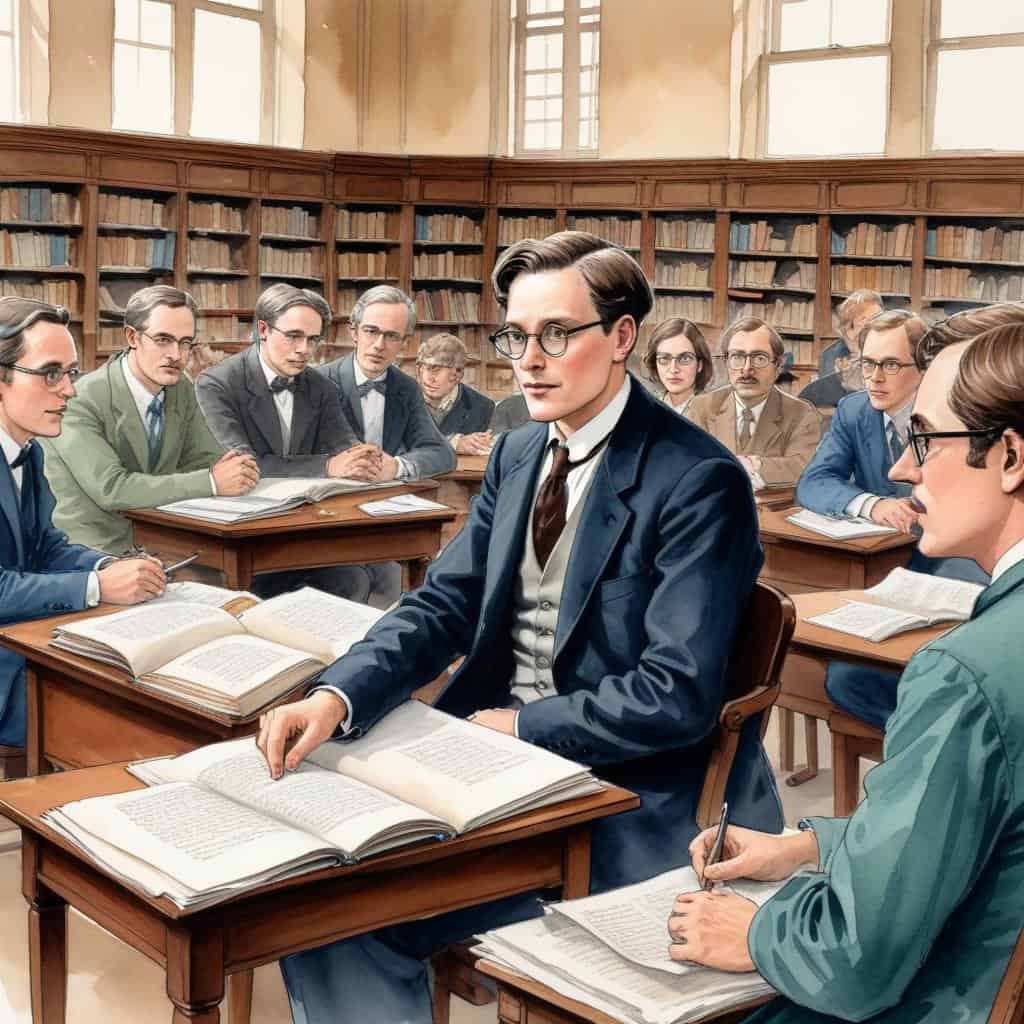
4. Stephens Education and Growth

5. Stephens Artistic Pursuits and Challenges
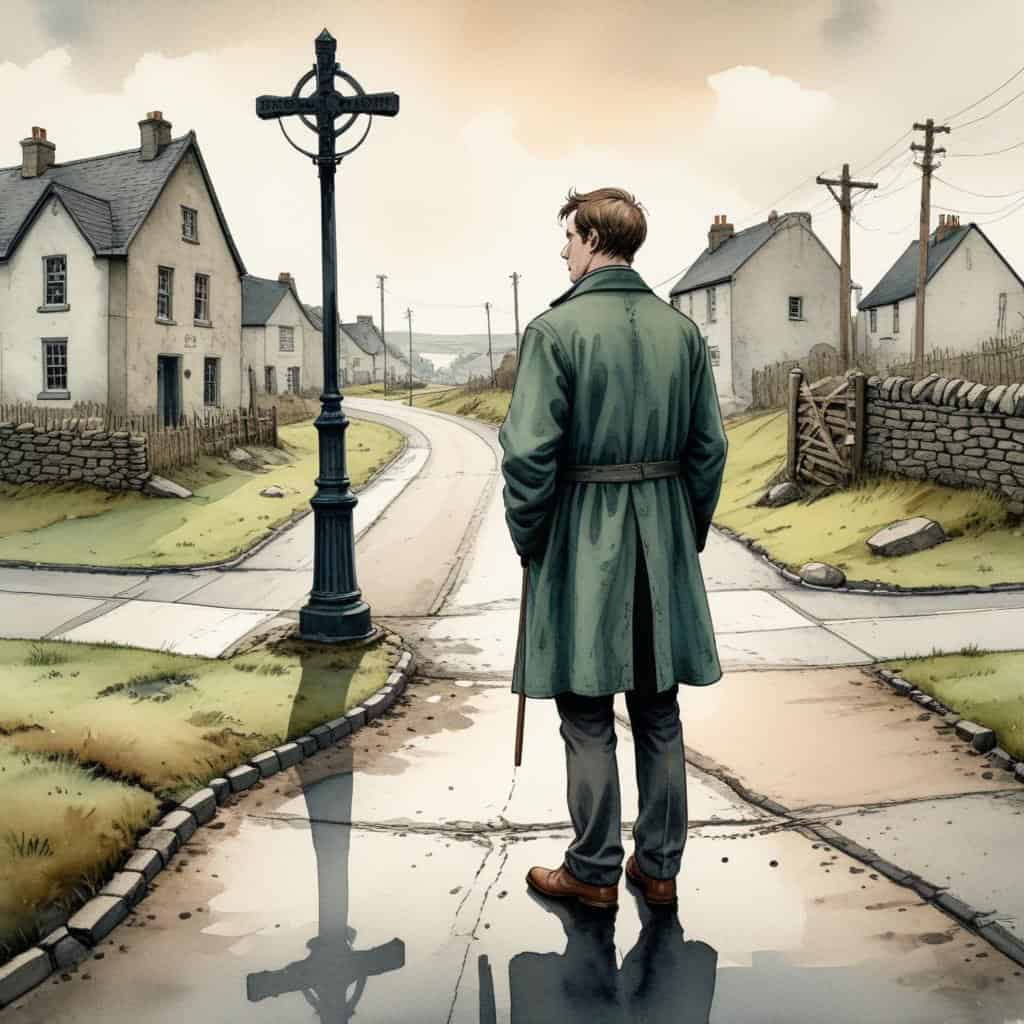
6. Stephens Quest for Identity and Self-Discovery

7. Stephens Struggles and Triumphs
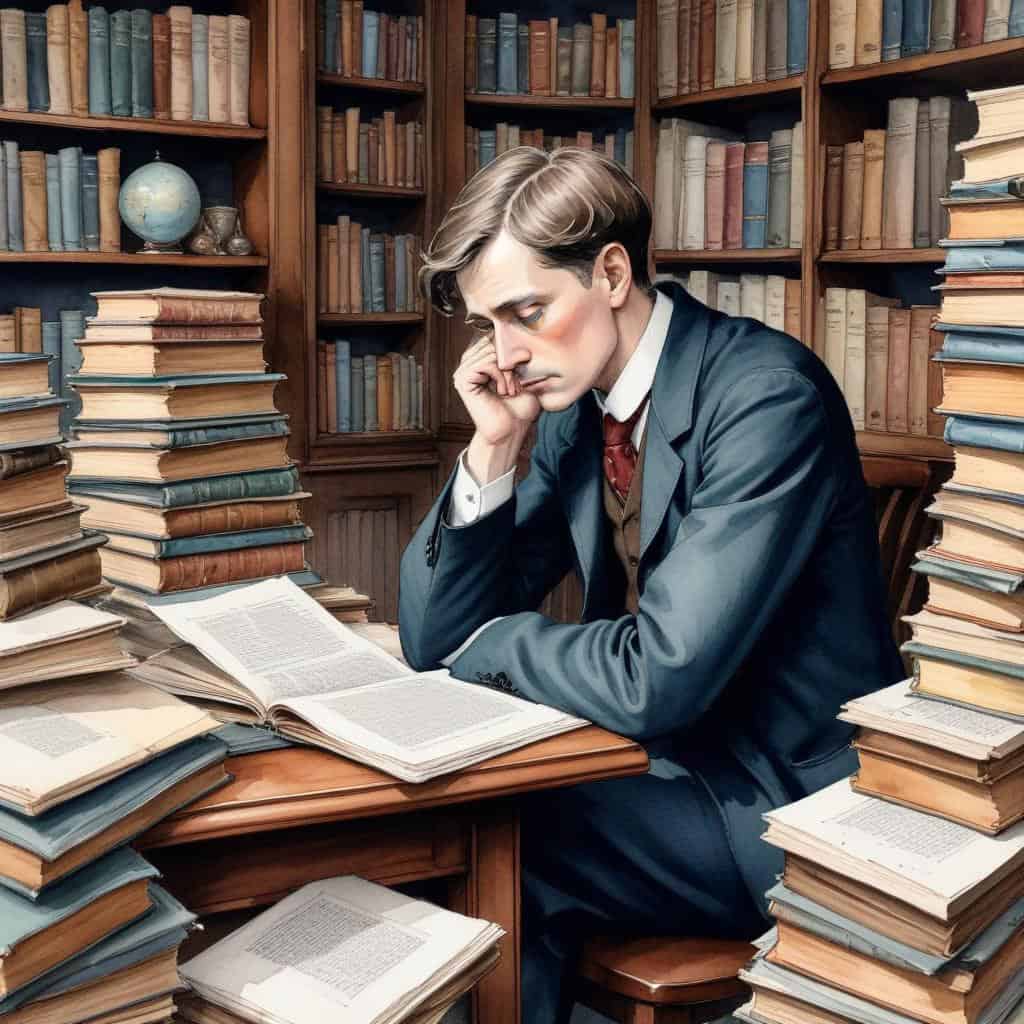
8. Stephens Philosophical Reflections and Insights
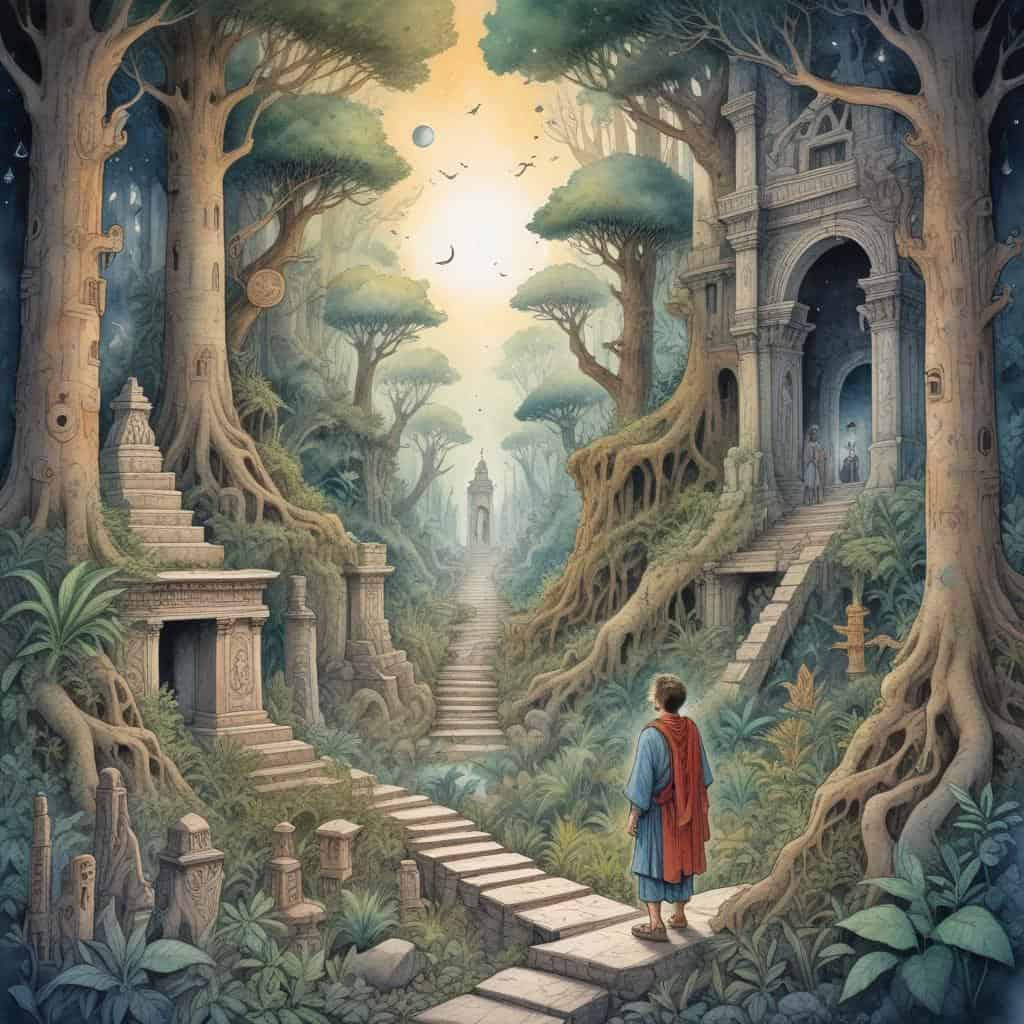
9. Stephens Search for Meaning and Purpose
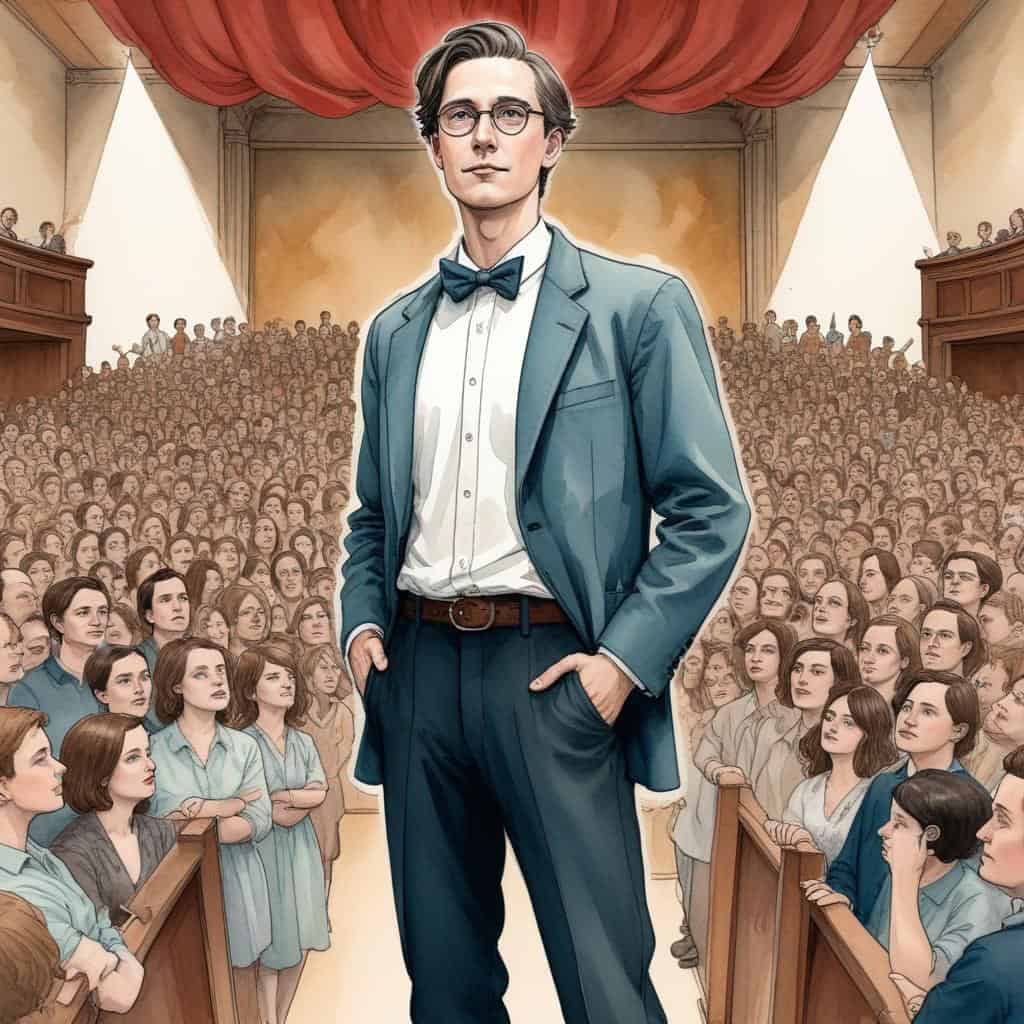
10. Stephens Transformation and Legacy
Lesson Details & Resources
In a Nutshell
- What: 'Stephen Hero' by James Joyce
- When: Written in the early 20th century
- Who: Stephen Dedalus
- Theme: Coming of age and artistic development
List of Characters in Stephen Hero by James Joyce
-
Stephen Dedalus
Stephen Dedalus is the protagonist of the story, a young aspiring artist and intellectual.
-
Father Arnall
Father Arnall is a priest who influences Stephen's thoughts on religion and morality.
-
Emma Clery
Emma Clery is a young woman who catches Stephen's eye and becomes a source of inspiration.
-
Dante
Dante is a literary figure who Stephen idolizes and uses as a model for his own writing.
-
Cranly
Cranly is Stephen's close friend and confidant, providing him with support and advice throughout the story.
Timeline of Stephen Hero by James Joyce
Stephen Dedalus starts attending University College Dublin.
Stephen becomes involved in the literary and cultural scene in Dublin.
Stephen begins writing poetry and prose.
Stephen's relationships with his family and friends become strained.
Stephen experiences a crisis of faith and struggles with his Catholic upbringing.
Stephen decides to leave Ireland and pursue his artistic ambitions in Europe.
Stephen travels to Paris and immerses himself in the bohemian lifestyle of the city.
Stephen struggles to find his artistic voice and identity.
Stephen meets influential figures in the literary and artistic world.
Stephen's experiences in Europe shape his beliefs and artistic vision.
Stephen returns to Ireland with a renewed sense of purpose and determination.
Vocabulary List
- Epiphany
- Stephen Hero is an early work by James Joyce that explores the concept of epiphany in its protagonist's development.
- Aesthetic
- The novel delves into Stephen's aesthetic sensibilities and his struggle to find his artistic voice.
- Paralysis
- The theme of paralysis is prevalent throughout Stephen Hero, reflecting the protagonist's feelings of being stuck and unable to progress.
- Bildungsroman
- Stephen Hero is often classified as a bildungsroman, or a novel that focuses on the protagonist's coming-of-age and personal growth.
- Stream of consciousness
- Joyce's use of stream of consciousness narrative technique is evident in Stephen Hero, providing insight into the protagonist's inner thoughts and emotions.
- Alienation
- Stephen experiences feelings of alienation from society and his family, a theme that is central to the novel.
- Catholicism
- The influence of Catholicism on Stephen's upbringing and worldview is a significant aspect of the novel.
- Intellectualism
- Stephen's intellectual pursuits and interest in philosophy and literature play a key role in shaping his character.
- Artistic expression
- The novel explores the challenges and rewards of artistic expression, as Stephen grapples with his desire to create meaningful work.
- Modernism
- Stephen Hero is considered a precursor to Joyce's later modernist works, showcasing his experimentation with narrative form and structure.
Key Facts
This is the information used in the fact matching game
- Stephen Hero was an early draft of what would later become A Portrait of the Artist as a Young Man.
- James Joyce began writing Stephen Hero in 1904 and continued working on it until 1907.
- The manuscript of Stephen Hero was rejected by several publishers before Joyce eventually abandoned it.
- Stephen Hero was first published posthumously in 1944, after Joyce's death.
- The novel follows the early life and development of its protagonist, Stephen Dedalus.
- Stephen Hero is largely autobiographical, drawing on Joyce's own experiences and struggles as a young artist.
- The novel explores themes of religion, nationalism, and artistic ambition.
- Stephen Hero was heavily revised and reworked by Joyce before being published as A Portrait of the Artist as a Young Man.
- The character of Stephen Dedalus would later reappear in Joyce's novel Ulysses.
- Stephen Hero is considered an important precursor to Joyce's later works, showcasing his developing style and themes.
- The novel is written in a more conventional narrative style than Joyce's later experimental works.
- Stephen Hero was originally intended to be a longer novel, but Joyce condensed it significantly for publication.
- The character of Stephen Dedalus is based in part on Joyce himself, as well as other figures from his life.
- Stephen Hero explores the challenges of artistic creation and self-discovery, themes that would recur in Joyce's later works.
- The novel was initially rejected by publishers due to its experimental style and controversial themes.
- Stephen Hero was not well received by critics upon its posthumous publication, with many finding it disjointed and uneven.
- Despite its mixed reception, Stephen Hero is now considered an important work in Joyce's oeuvre, shedding light on his creative process and early influences.
- The novel provides valuable insights into Joyce's development as a writer and thinker, foreshadowing the themes and techniques that would characterize his later masterpieces.
- Stephen Hero offers a fascinating glimpse into the mind of one of the 20th century's most innovative and influential literary figures.
- The novel's complex narrative and dense prose make it a challenging but rewarding read for fans of Joyce's work.
Analysis & Significance
Impact on Literature
Stephen Hero by James Joyce is a seminal work that laid the groundwork for his later masterpiece, A Portrait of the Artist as a Young Man. It showcases Joyce’s experimentation with narrative style and his exploration of the inner workings of the human mind. This work influenced the modernist movement in literature and continues to inspire writers to push the boundaries of storytelling.
Enduring Themes
Themes of identity, self-discovery, and artistic expression are central to Stephen Hero. The protagonist’s struggle to find his place in the world and define his own identity resonates with modern audiences who grapple with similar existential questions. Joyce’s exploration of the tension between societal expectations and individual desires remains relevant today.
Cultural Significance Today
Stephen Hero may not be as widely read as Joyce’s later works, but its legacy is evident in the continued fascination with the author and his groundbreaking literary techniques. Elements of this early work can be seen in adaptations and interpretations of Joyce’s oeuvre, demonstrating the enduring impact of his writing on contemporary culture.
Stephen Hero by James Joyce Games


Take Your Learning Offline
Want a convenient, print-ready study guide for this lesson? Become a Memory Wizards Pro member to unlock the downloadable " Memory Scrolls" for this topic and our entire library!
- ✓ Complete Vocabulary Lists
- ✓ Key Facts & Timelines
- ✓ Beautifully Formatted for Print & Mobile