
How Do You Learn Best?
Learn by Reading
Immerse yourself in the 10-minute visual lesson for a comprehensive understanding of the topic.
Learn by Reviewing
Jump directly to the key facts, timeline, and vocabulary lists to build a solid foundation of details.
Learn by Doing
Challenge yourself! Jump straight into the interactive games to learn by trial, error, and discovery.
Finnegans Wake by James Joyce in 10 Minutes
Introduction
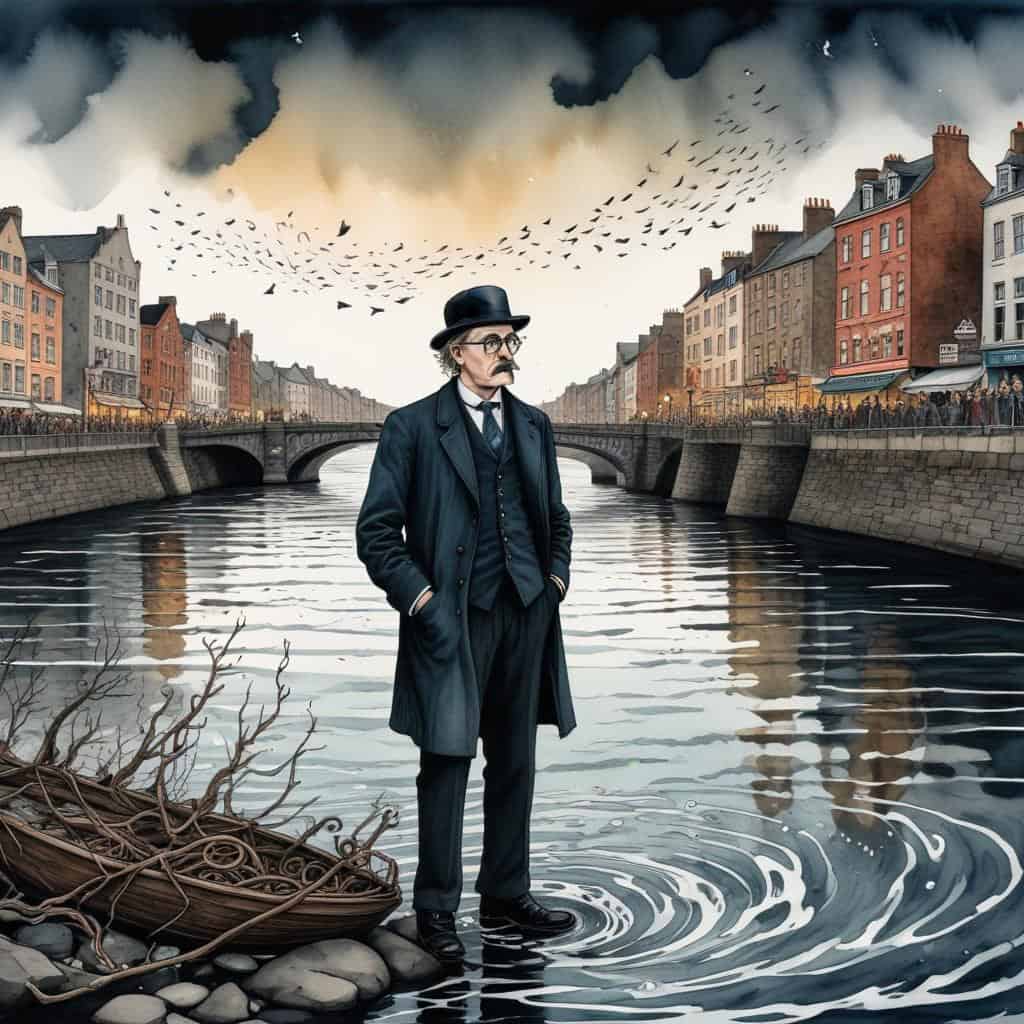
Earwicker

Anna Livia Plurabelle
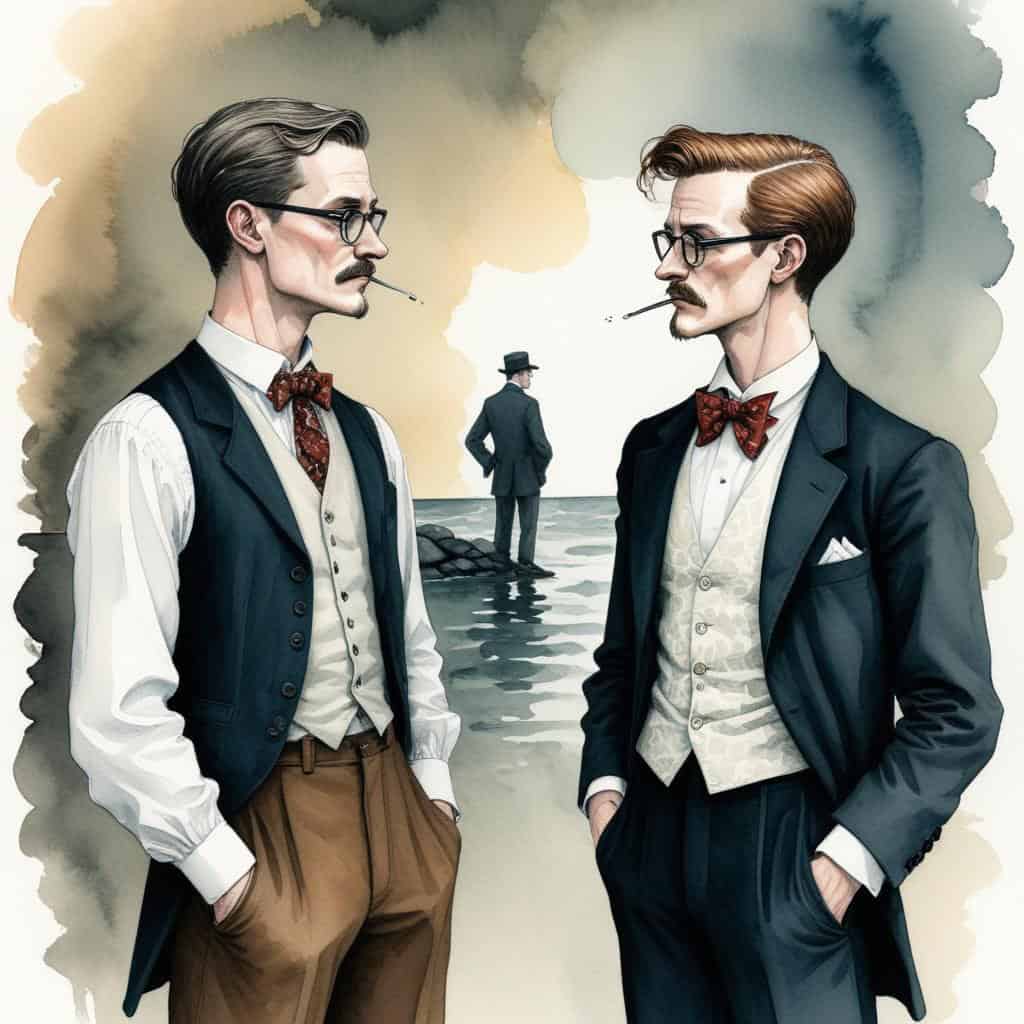
Shem and Shaun

Issy

The Four Old Men
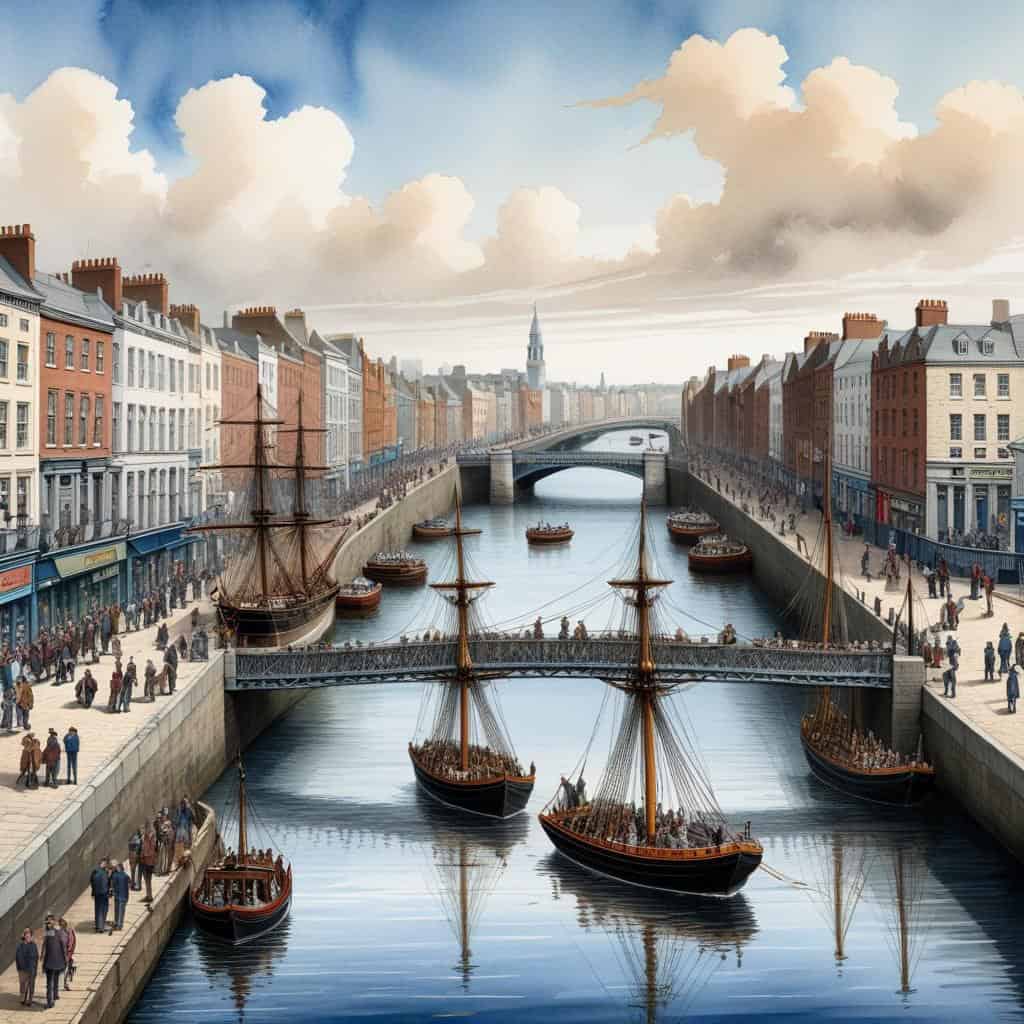
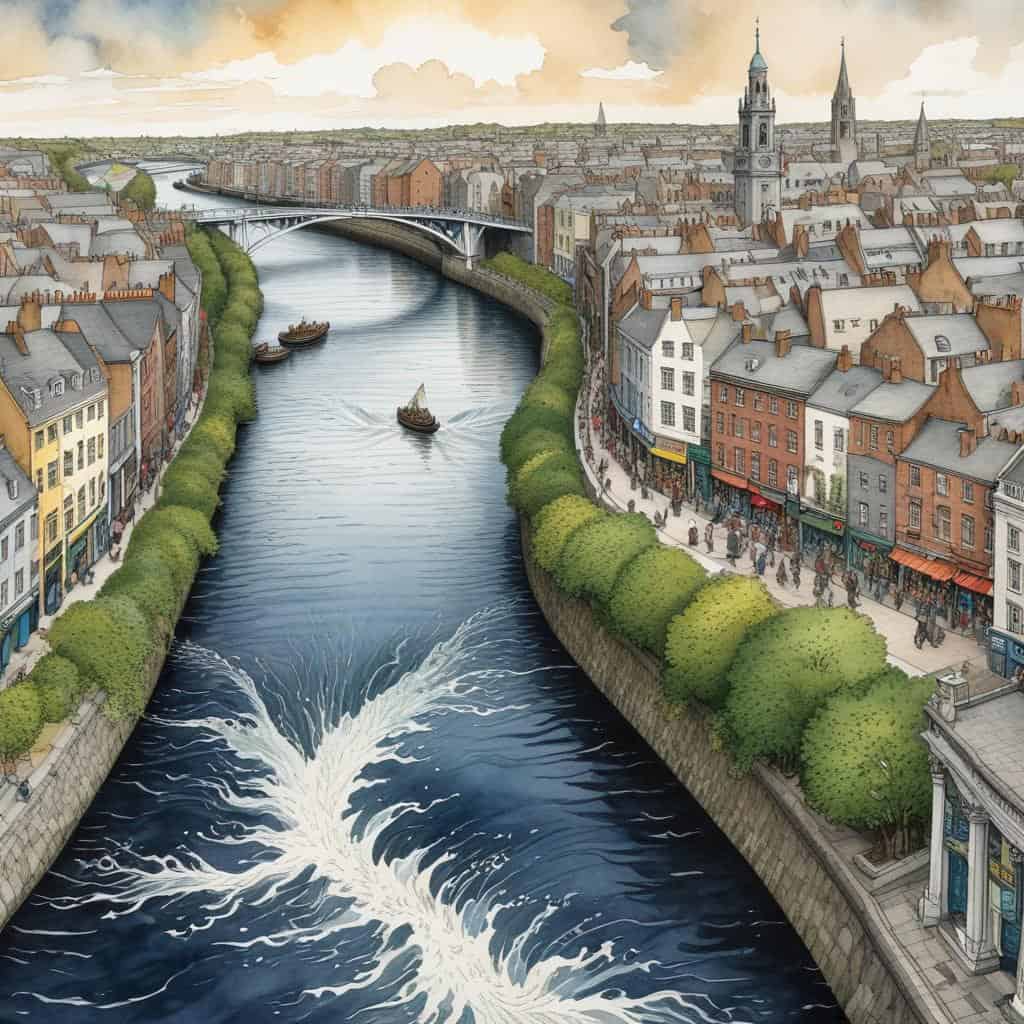
The River Liffey
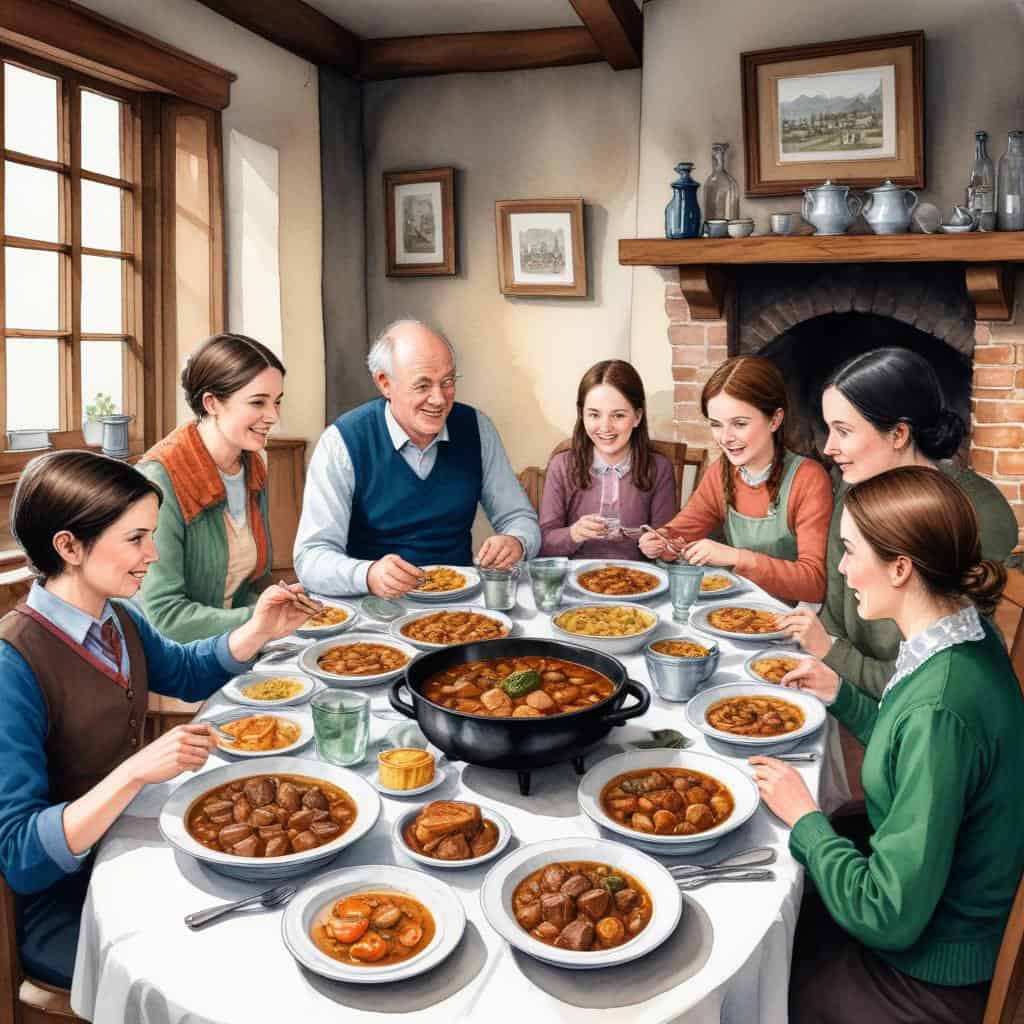
The Earwicker Family
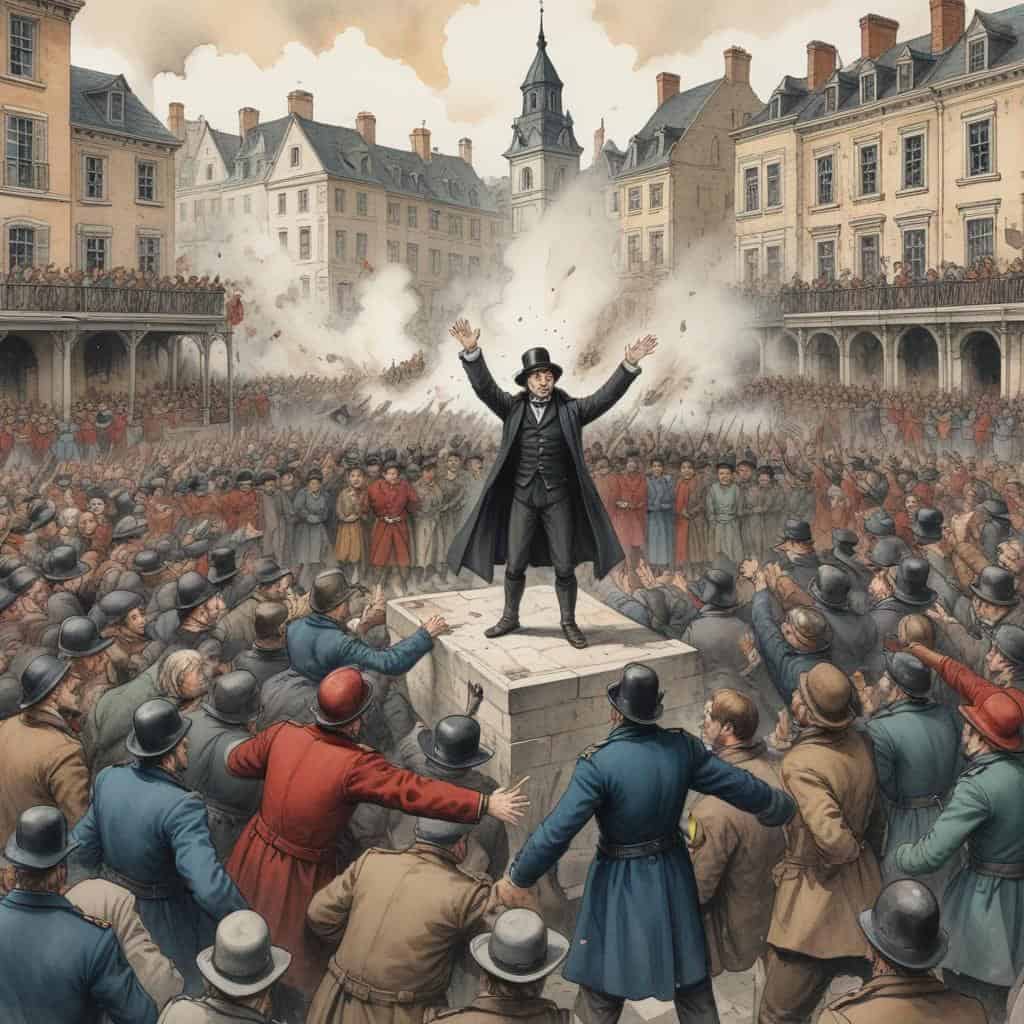
The Fall of HCE
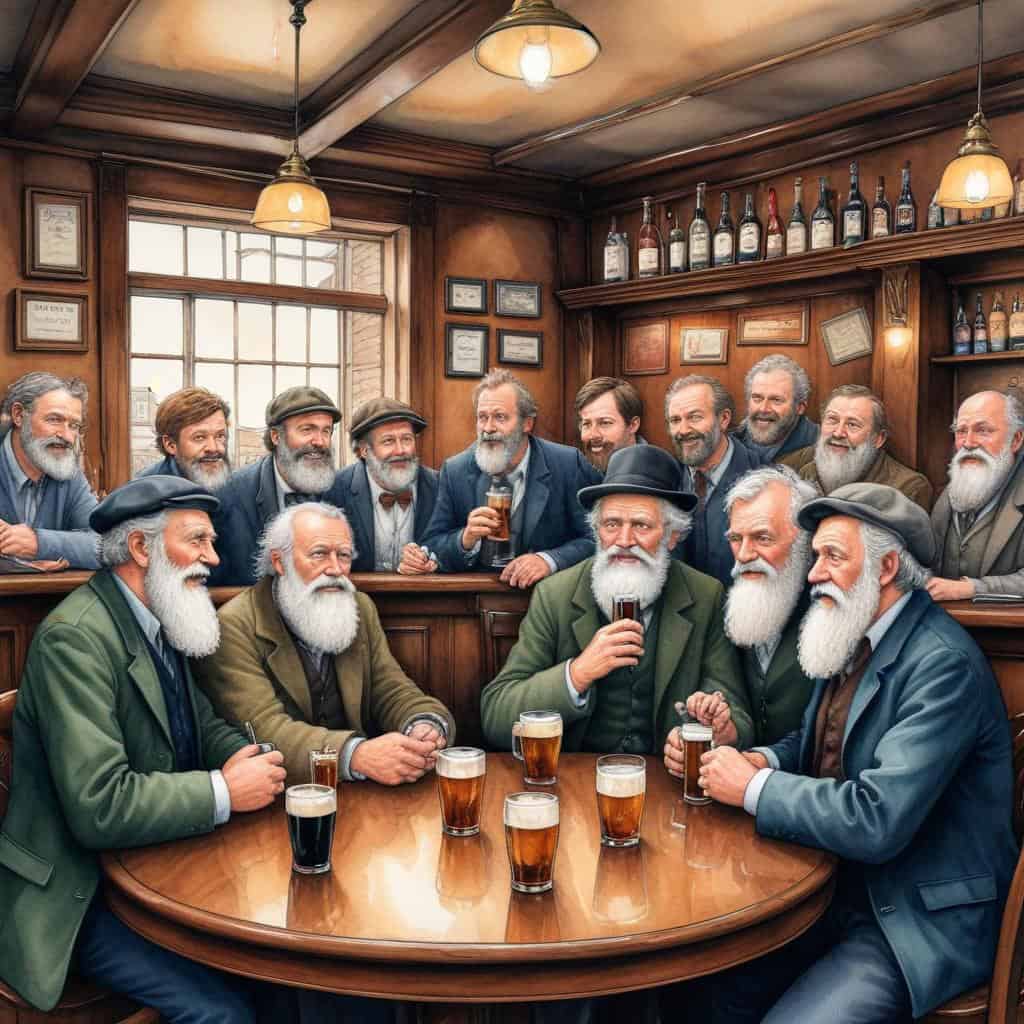
The Dubliners
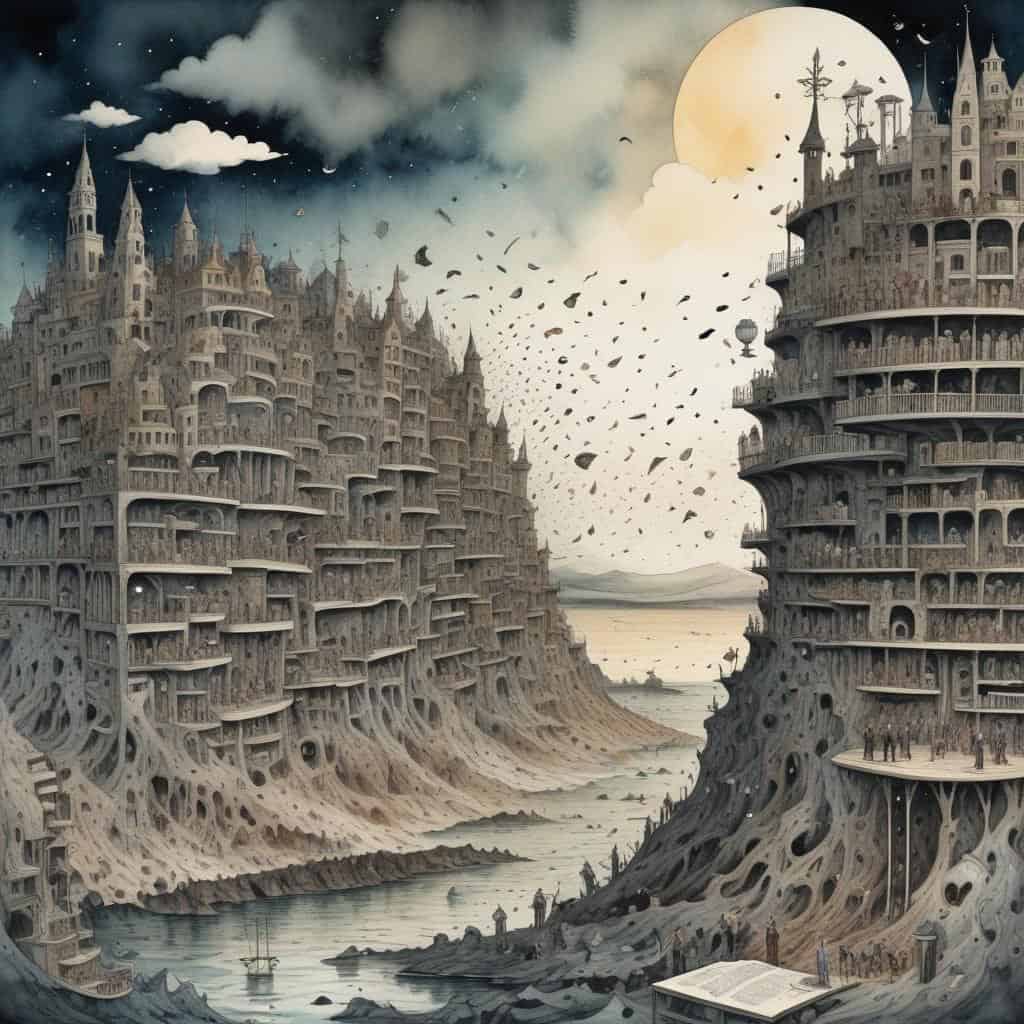
The Unconscious Mind
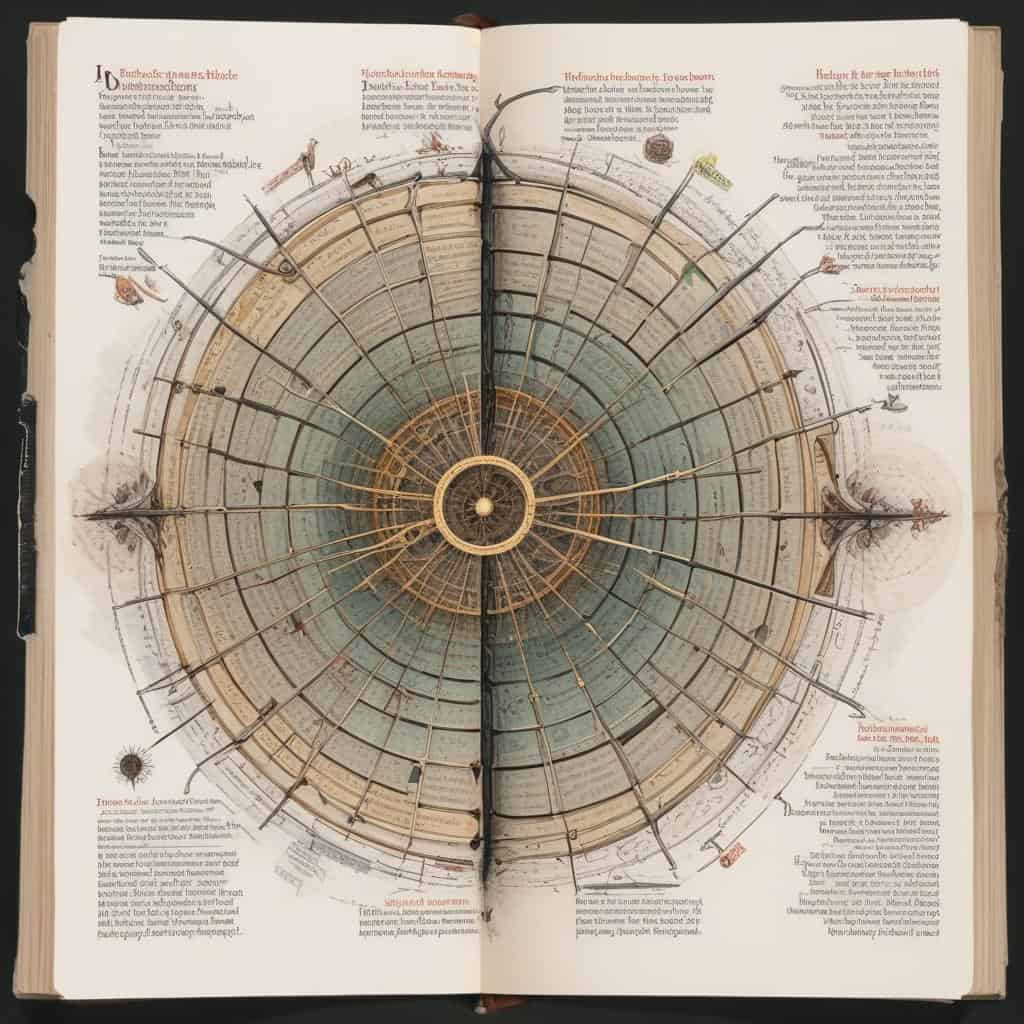
The Language of the Wake
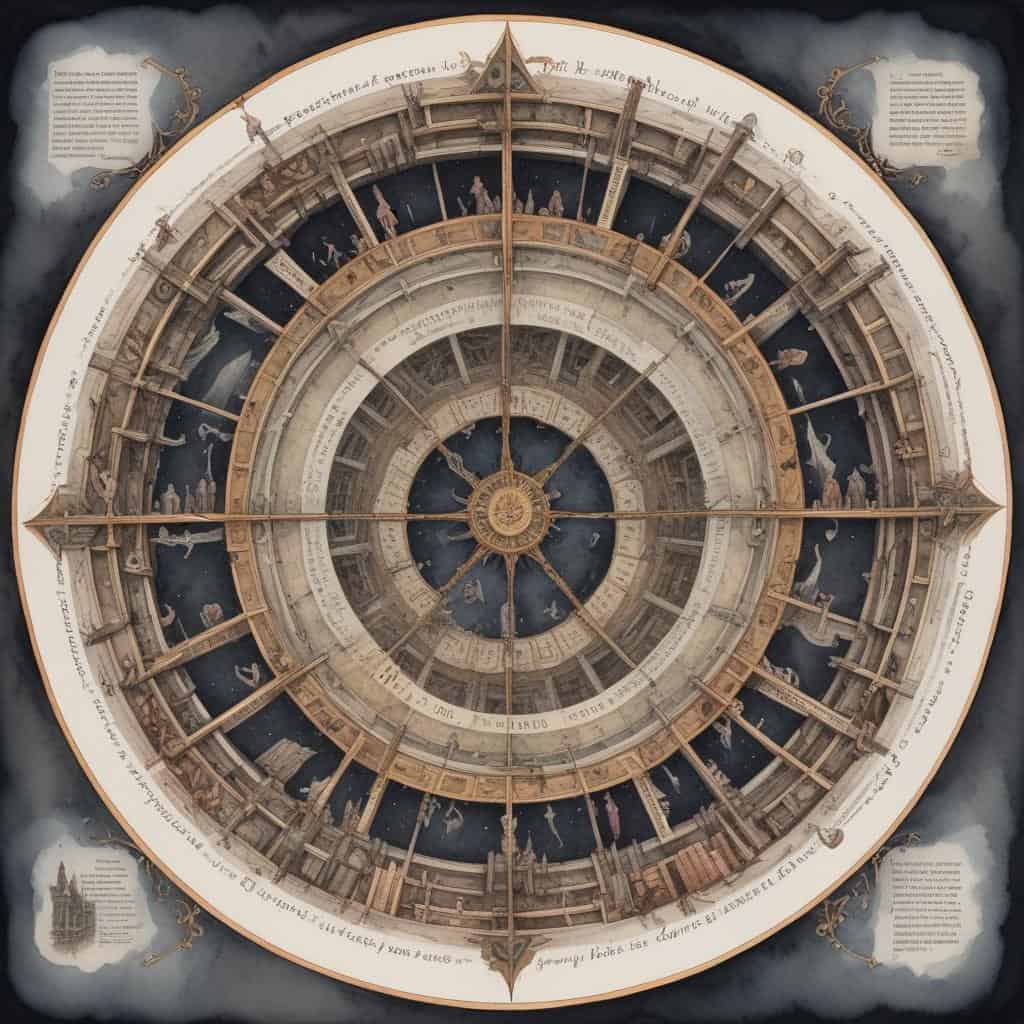
The Circular Structure
The Wakean Book
The Transformation of HCE
The Legacy of Finnegans Wake
Lesson Details & Resources
In a Nutshell
- What: 'Finnegans Wake' by James Joyce
- When: Modernist era
- Who: The main characters are Humphrey Chimpden Earwicker, Anna Livia Plurabelle, and Shem the Penman
- Theme: The core theme of the work is the cyclical nature of history and the interconnectedness of all things
List of Characters in Finnegans Wake by James Joyce
-
HCE
HCE, also known as Humphrey Chimpden Earwicker, is a central character in the novel and represents the everyman figure.
-
ALP
ALP, or Anna Livia Plurabelle, is HCE's wife and mother figure in the novel.
-
Shem
Shem and Shaun are HCE and ALP's twin sons who also play significant roles in the story.
-
Shaun
Issy, or Isabel, is the daughter of HCE and ALP and represents innocence and purity.
Timeline of Finnegans Wake by James Joyce
1. The story begins with the character HCE (Humphrey Chimpden Earwicker) falling asleep in his pub, the Mabbot Street hostel.
2. The character ALP (Anna Livia Plurabelle) is introduced, representing the River Liffey in Dublin.
3. The narrative delves into the dreams and subconscious thoughts of HCE and ALP.
4. Various characters and voices emerge throughout the story, including Shem, Shaun, and Issy.
5. The narrative weaves in historical events, myths, and literary references.
6. The characters and their relationships are explored through complex wordplay and linguistic experimentation.
7. The story unfolds in a non-linear and fragmented manner, challenging the reader's perception of time and reality.
8. Themes of guilt, forgiveness, and redemption are central to the narrative.
9. The story culminates in a cyclical and circular structure, mirroring the eternal cycle of life and death.
10. The final chapter echoes the opening lines of the book, suggesting a continuous loop of existence.
11. The reader is left to interpret the story's meaning and significance, engaging with the text on multiple levels.
12. Finnegans Wake is celebrated for its innovative and experimental approach to storytelling, pushing the boundaries of language and narrative.
Vocabulary List
- Riverrun
- Riverrun, past Eve and Adam's, from swerve of shore to bend of bay, brings us by a commodius vicus of recirculation back to Howth Castle and Environs.
- Thunderwords
- Thunderwords, they are.
- Bababadalgharaghtakamminarronnkonnbronntonnerronntuonnthunntrovarrhounawnskawntoohoohoordenenthurnuk!
- Bababadalgharaghtakamminarronnkonnbronntonnerronntuonnthunntrovarrhounawnskawntoohoohoordenenthurnuk!
- Quark
- Three quarks for Muster Mark!
- H.C.E.
- H.C.E., Here Comes Everybody.
- Anna Livia Plurabelle
- Anna Livia Plurabelle, the river personified.
- Shaun
- Shaun the Post.
- Shem
- Shem the Penman.
- Issy
- Issy the Dung.
- Mamalujo
- Mamalujo, the hill of Howth.
- Mookse
- The Mookse and the Gripes.
- Mand
- Mand and God and Mon.
Key Facts
This is the information used in the fact matching game
- Finnegans Wake was published in 1939.
- The book is written in a unique stream-of-consciousness style.
- Finnegans Wake is considered one of the most difficult works of fiction in the English language.
- The title of the book is a reference to the Irish ballad 'Finnegan's Wake'.
- Joyce reportedly said that he wanted the book to keep scholars busy for 300 years.
- The book is known for its complex wordplay and use of multiple languages.
- Finnegans Wake is set in Dublin, Ireland.
- The book is divided into four parts, each with its own distinct style.
- Finnegans Wake has been translated into multiple languages.
- The narrative of the book is nonlinear and often difficult to follow.
- Finnegans Wake contains numerous references to Irish history and mythology.
- The book has been the subject of many academic studies and interpretations.
- Joyce began working on Finnegans Wake in 1922, shortly after the publication of Ulysses.
- The book features a wide range of characters, both historical and fictional.
- Finnegans Wake has been praised for its musicality and use of rhythm.
- The last word of the book is 'the'.
- Finnegans Wake has been compared to a dream or a hallucination.
- The book's title is sometimes abbreviated as 'FW'.
- Finnegans Wake has been adapted for the stage and the radio.
- The book's opening line is 'riverrun, past Eve and Adam's, from swerve of shore to bend of bay, brings us by a commodius vicus of recirculation back to Howth Castle and Environs'.
Analysis & Significance
Impact on Literature
‘Finnegans Wake’ by James Joyce has had a profound impact on literature, pushing the boundaries of traditional storytelling and challenging readers with its experimental narrative style. Its complex language and intricate wordplay have influenced countless writers to explore new ways of conveying meaning and creating immersive, multilayered worlds within their works.
Enduring Themes
Despite its challenging nature, ‘Finnegans Wake’ continues to resonate with modern audiences due to its exploration of universal themes such as identity, family dynamics, and the cyclical nature of history. Joyce’s examination of the human experience through the lens of dreams and mythology offers readers a unique perspective on the complexities of existence.
Cultural Significance Today
The legacy of ‘Finnegans Wake’ can be seen in its influence on various art forms, from music to visual art, with artists drawing inspiration from Joyce’s innovative approach to language and storytelling. The novel has been adapted into plays, films, and even multimedia performances, further cementing its status as a cultural touchstone that continues to captivate and inspire audiences around the world.
Finnegans Wake by James Joyce Games


Take Your Learning Offline
Want a convenient, print-ready study guide for this lesson? Become a Memory Wizards Pro member to unlock the downloadable " Memory Scrolls" for this topic and our entire library!
- ✓ Complete Vocabulary Lists
- ✓ Key Facts & Timelines
- ✓ Beautifully Formatted for Print & Mobile