
How Do You Learn Best?
Learn by Reading
Immerse yourself in the 10-minute visual lesson for a comprehensive understanding of the topic.
Learn by Reviewing
Jump directly to the key facts, timeline, and vocabulary lists to build a solid foundation of details.
Learn by Doing
Challenge yourself! Jump straight into the interactive games to learn by trial, error, and discovery.
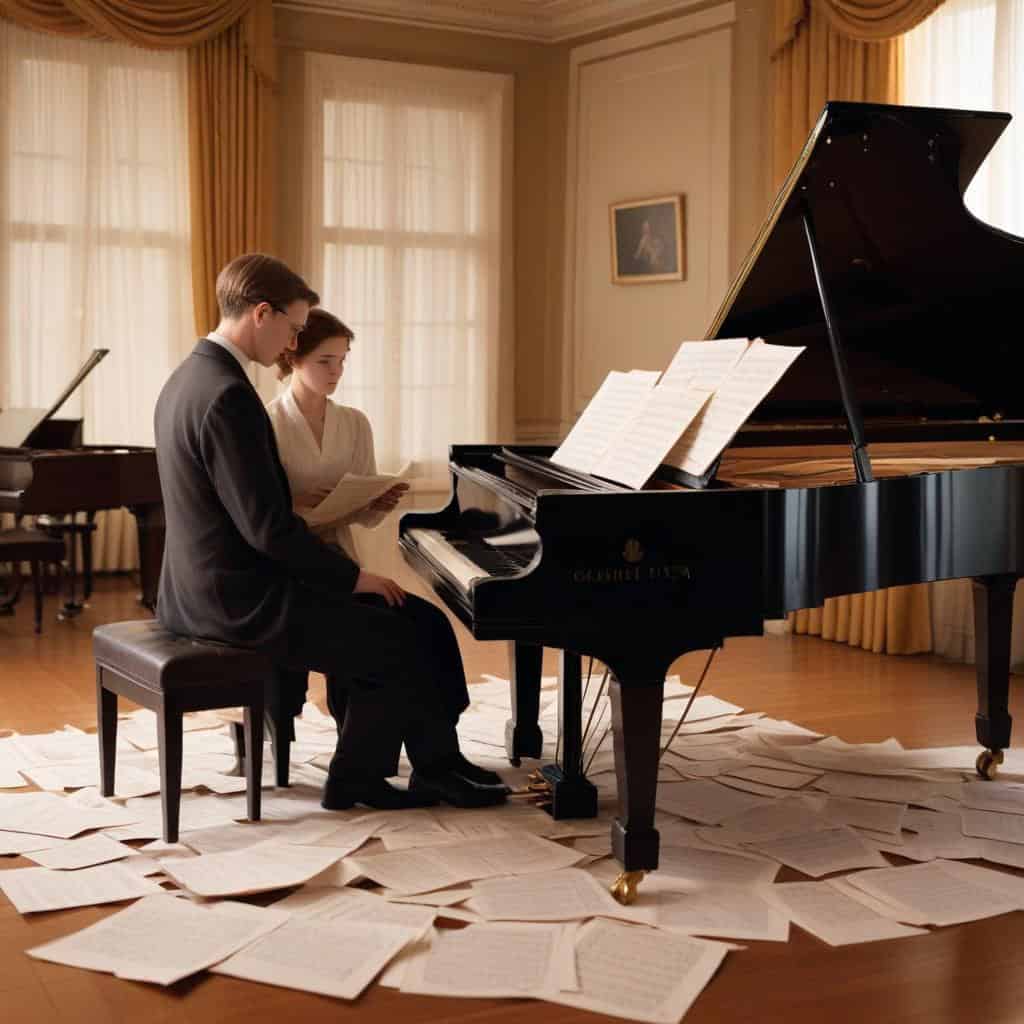
Chamber Music by James Joyce in 10 Minutes
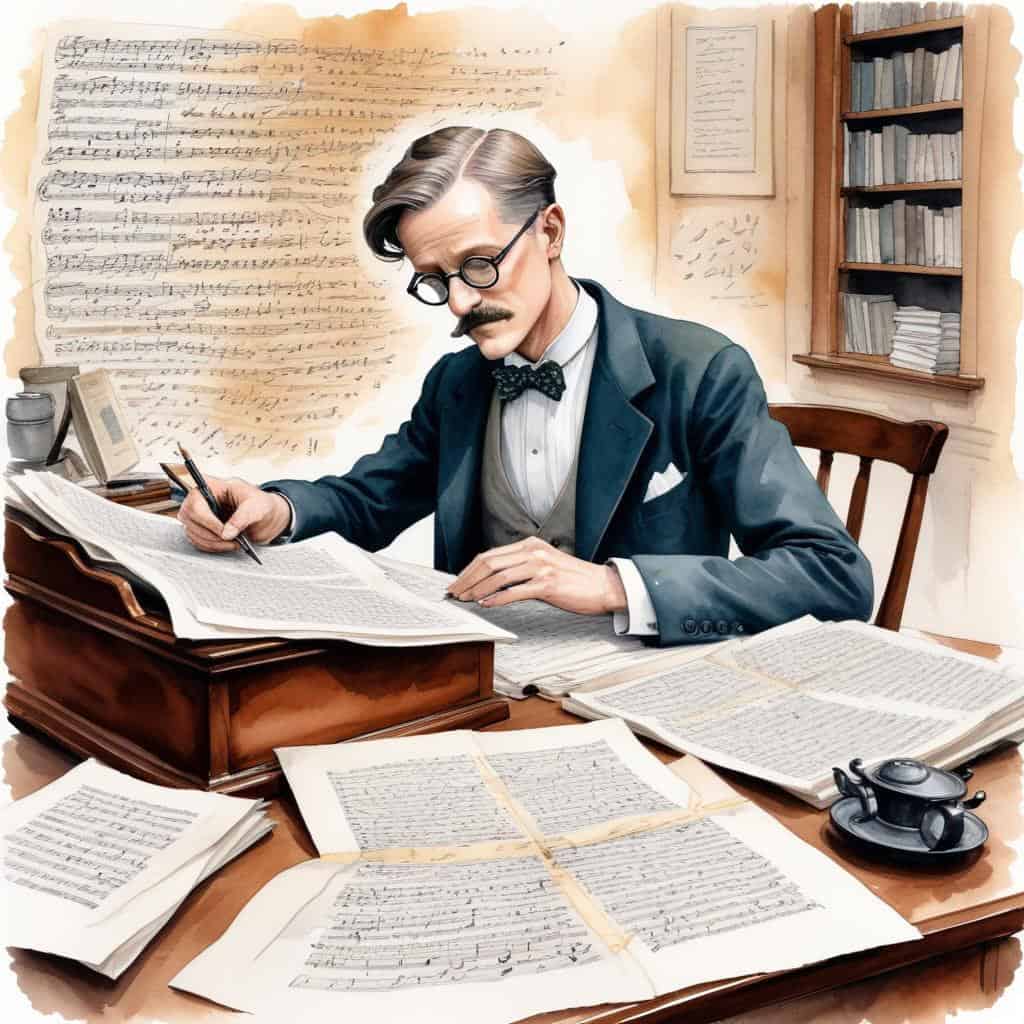
Introduction

Stephen Dedalus

Emma Clery

Mr. Duffy
1. The Narrator Reflects on Chamber Music
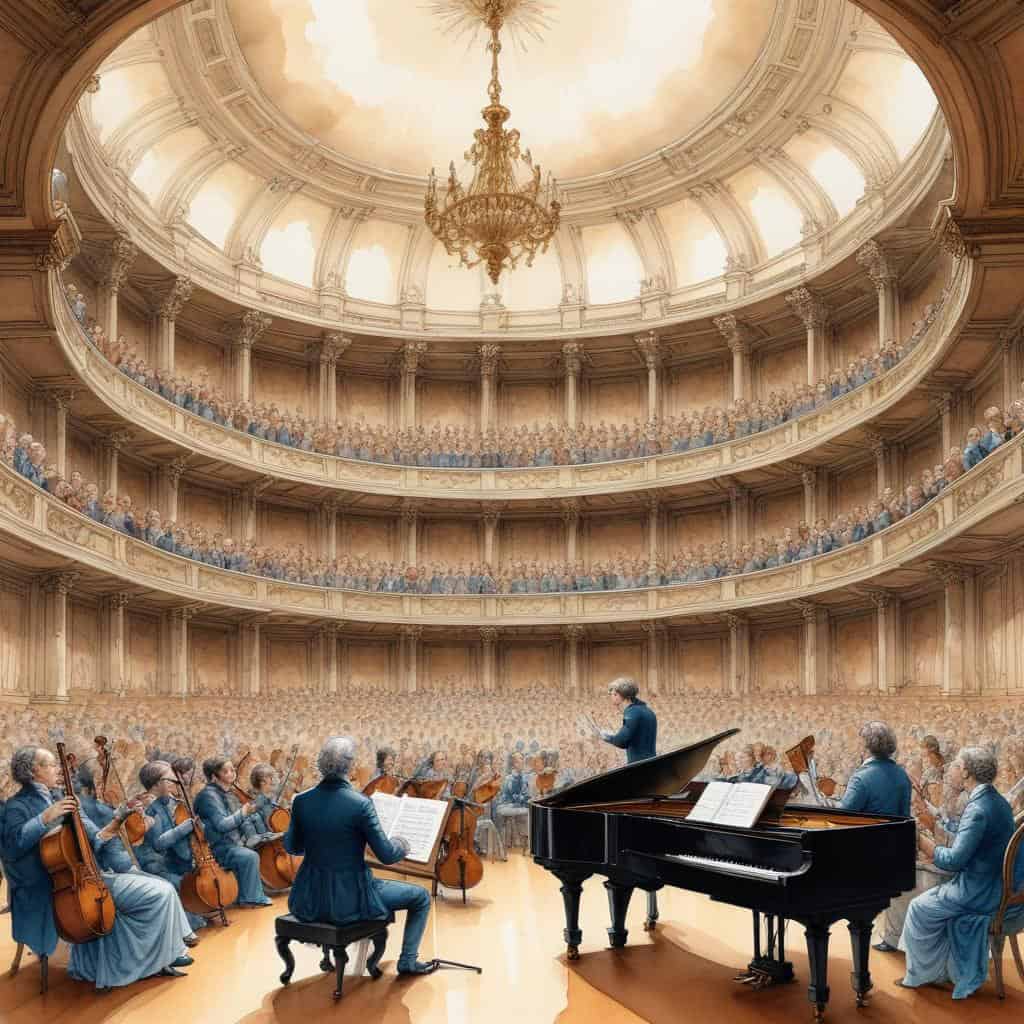
2. The Narrator Attends a Concert
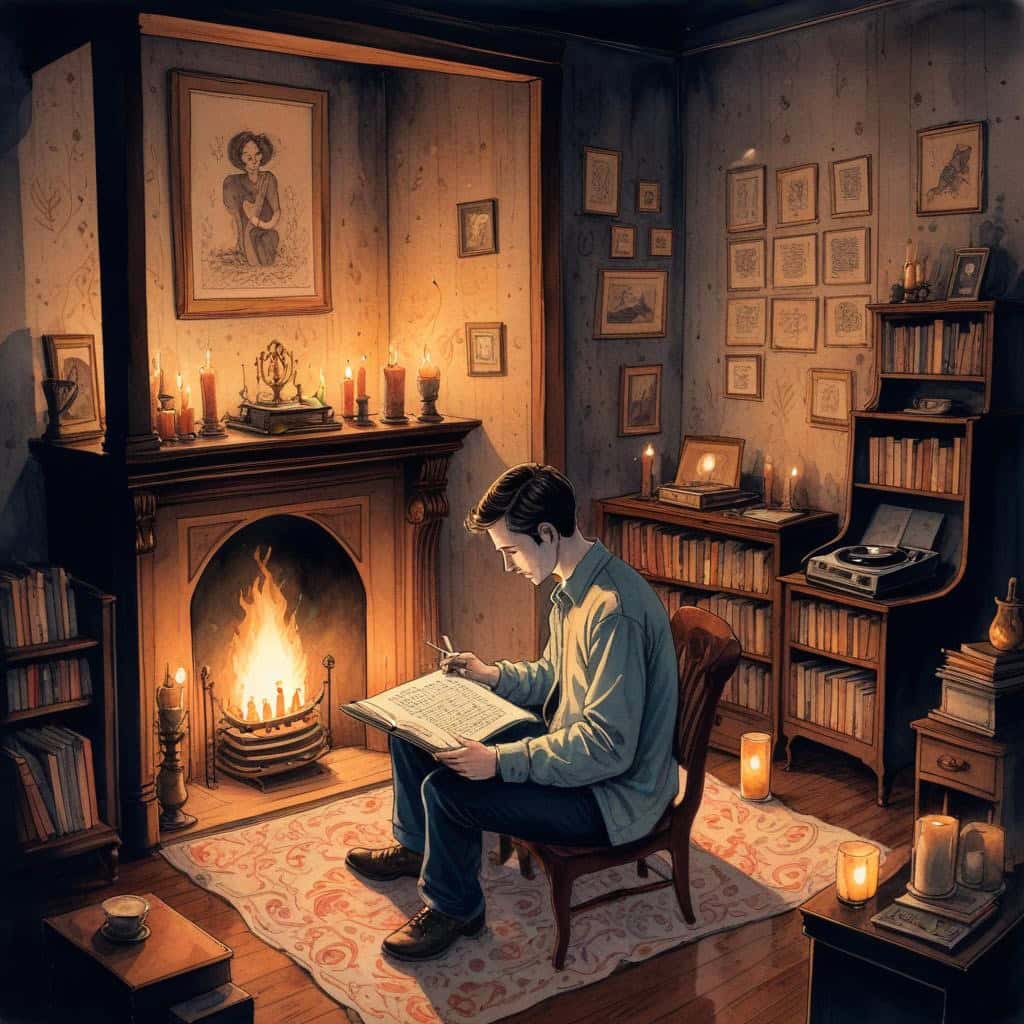
3. The Narrator Reflects on a Past Relationship
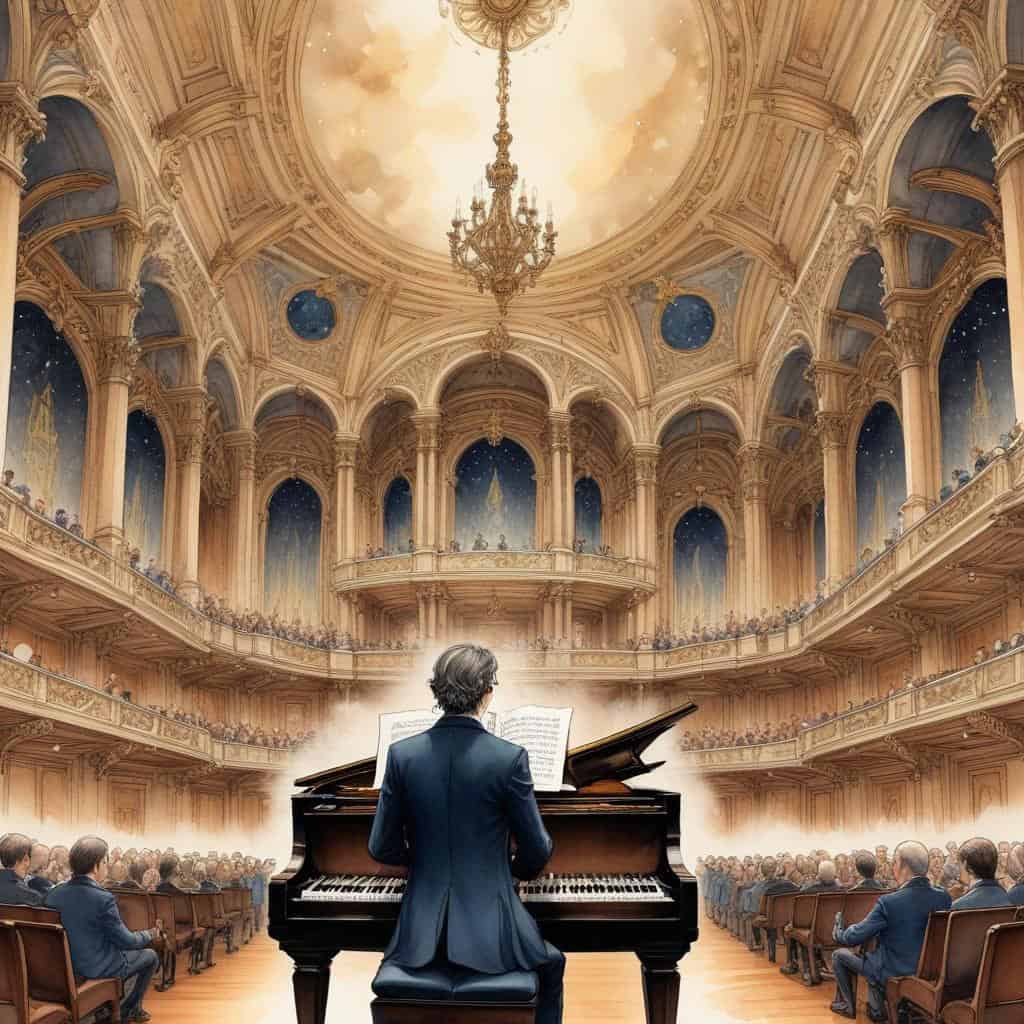
4. The Narrator is Transported by the Music
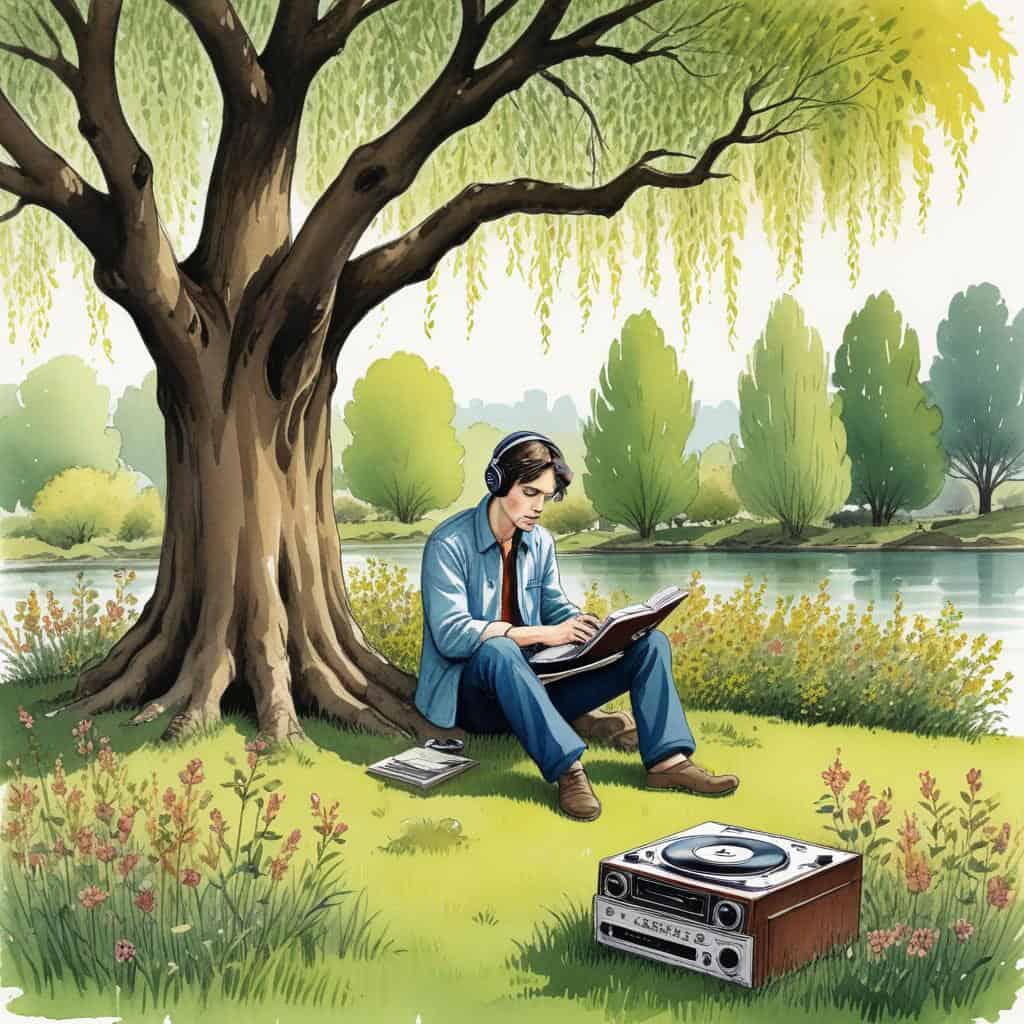
5. The Narrator Contemplates the Meaning of Life
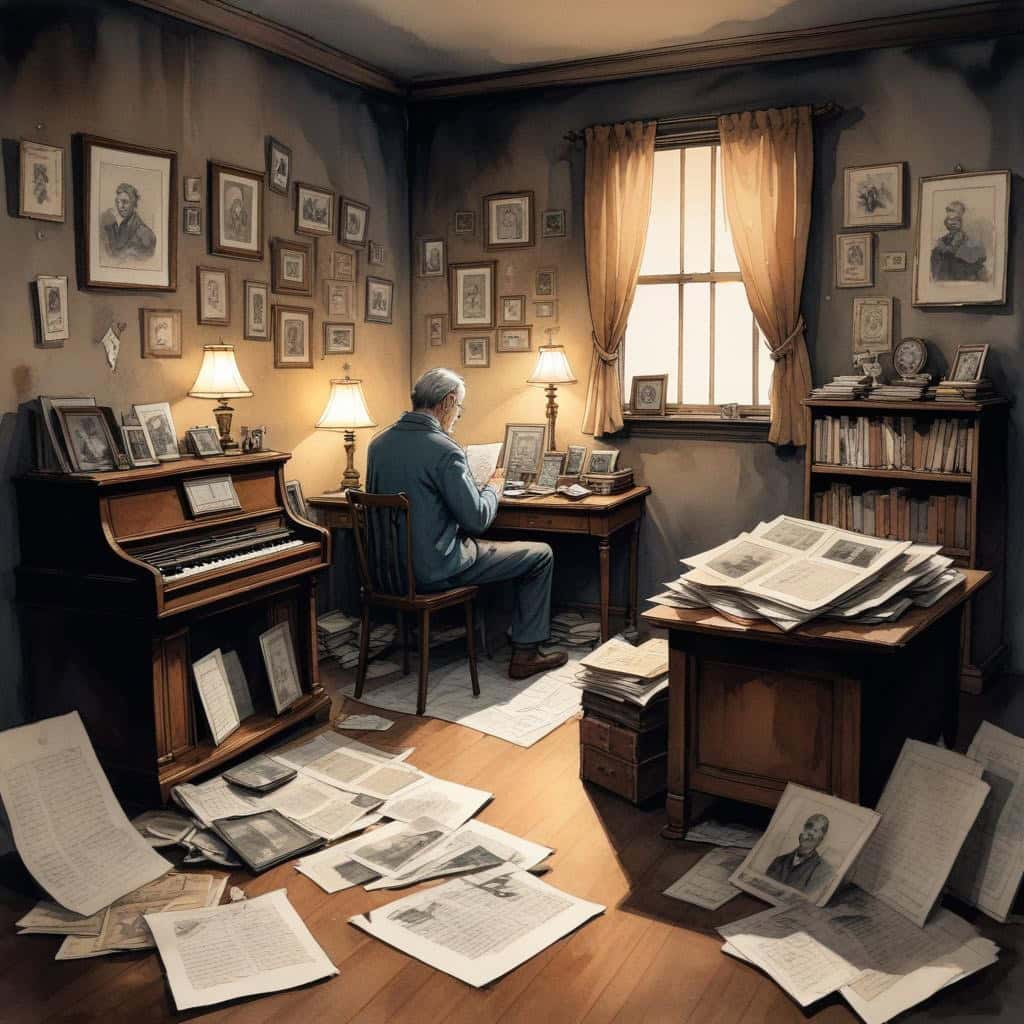
6. The Narrator Feels a Sense of Longing

7. The Narrator Reflects on the Illusion of Happiness
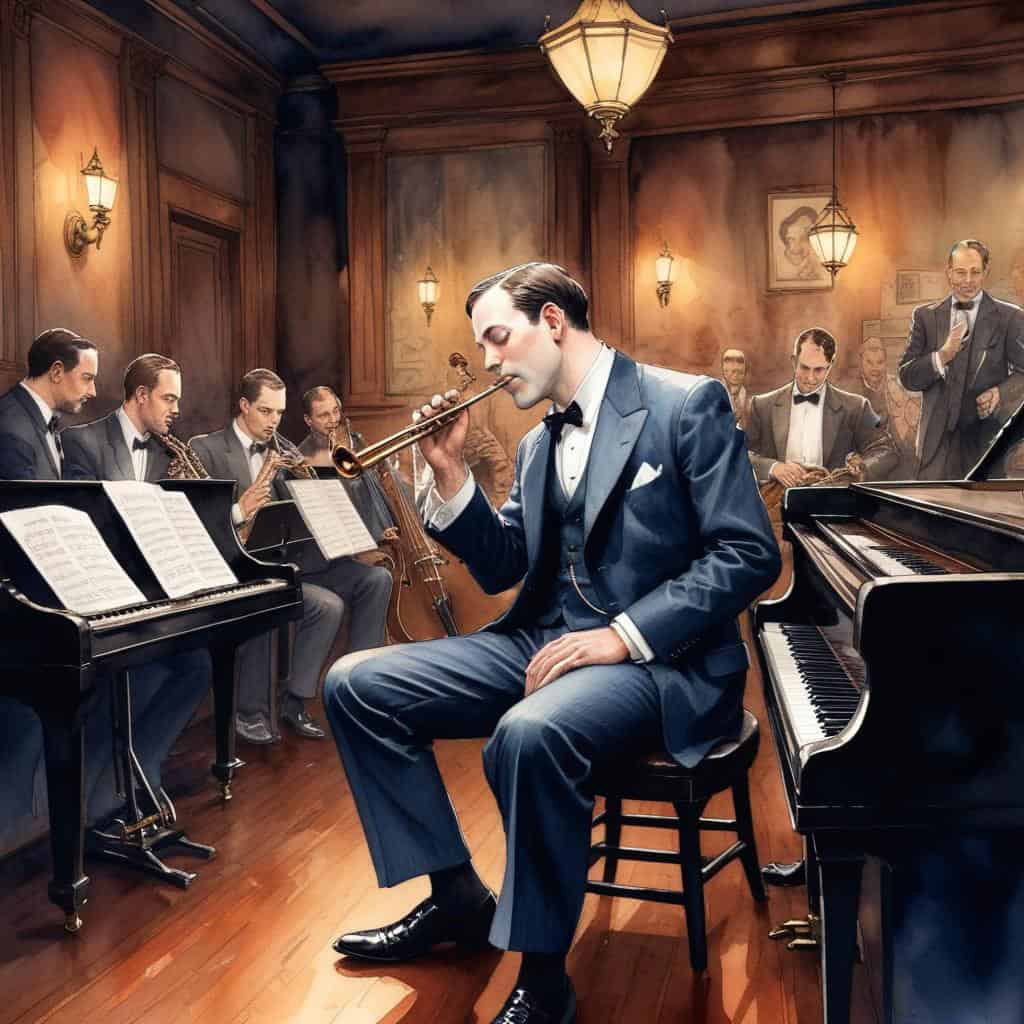
8. The Narrator Finds Solace in the Music
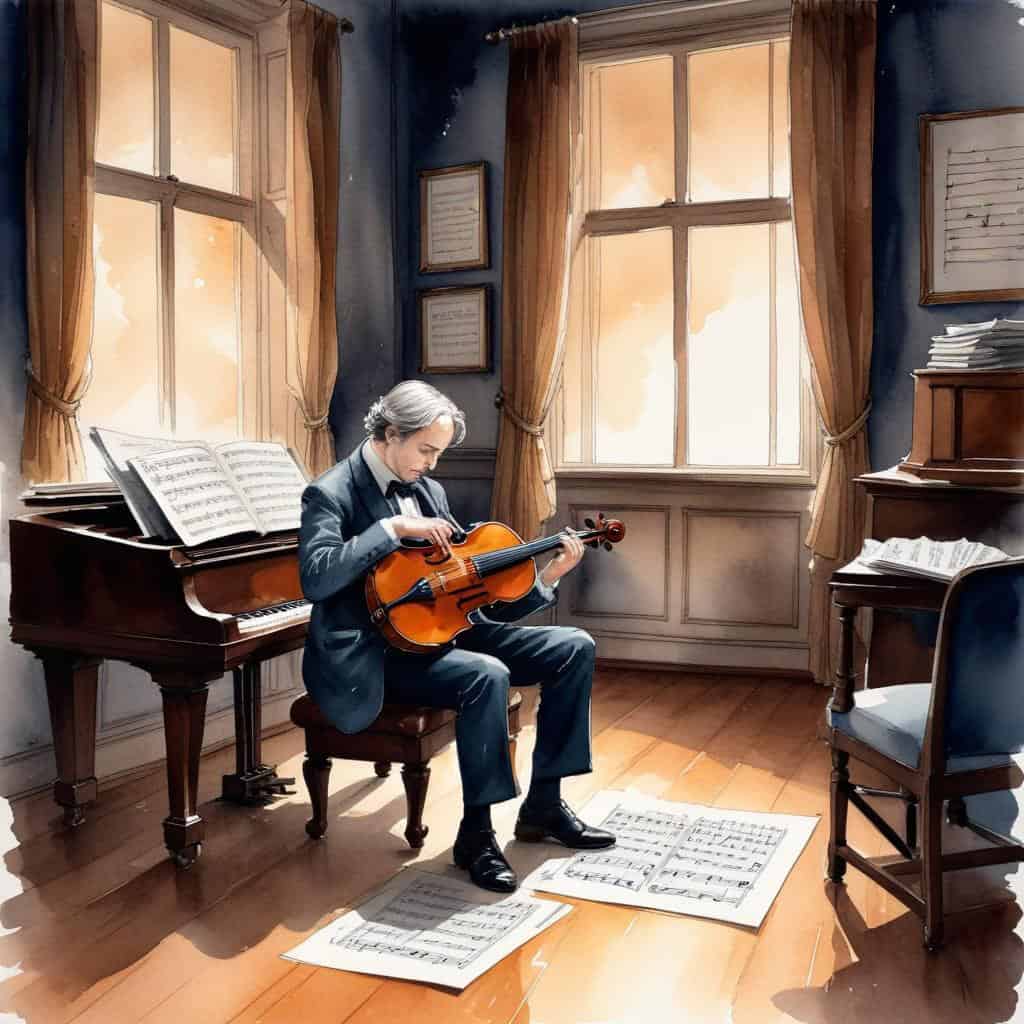
9. The Narrator Contemplates the Power of Art
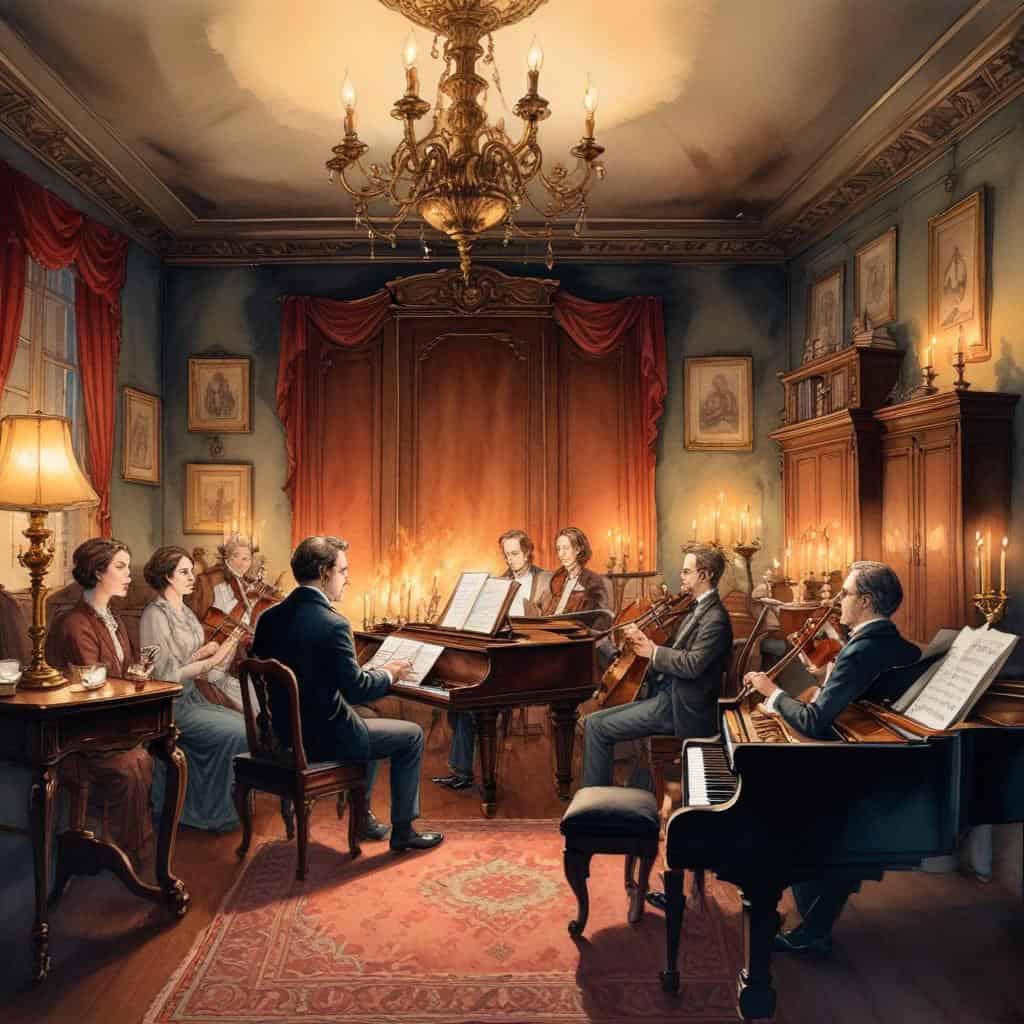
10. The Narrators Revelation
Lesson Details & Resources
In a Nutshell
- What: Collection of poems by James Joyce
- When: Early 20th century
- Who: N/A
- Theme: Love, desire, and beauty
List of Characters in Chamber Music by James Joyce
-
Gretta Conroy
Gretta Conroy is the wife of Gabriel Conroy
-
Gabriel Conroy
Gabriel Conroy is the protagonist of the story
-
Lily
Lily is the maid at the Conroys' house
-
Miss Ivors
Miss Ivors is a friend of the Conroys and a nationalist
-
Mr. Browne
Mr. Browne is a guest at the Conroys' party
-
Mary Jane
Mary Jane is a talented singer and pianist
-
Aunt Julia
Aunt Julia is one of Gabriel's aunts
-
Aunt Kate
Aunt Kate is another one of Gabriel's aunts
Timeline of Chamber Music by James Joyce
Eveline Hill attends a concert at the Royal Harmonic Hall in Dublin, where she meets Frank, a sailor
Eveline and Frank begin a relationship and Frank introduces Eveline to his friend, the unnamed narrator
The narrator invites Frank and Eveline to his house for a chamber music concert
During the concert, Eveline becomes increasingly uncomfortable and anxious
Eveline reflects on her past, including her abusive father and deceased mother
Eveline decides to leave Frank and stay in Dublin, feeling trapped by her responsibilities to her family
Eveline watches as Frank leaves on a ship, feeling conflicted about her decision
Eveline ultimately chooses to stay in Dublin, symbolizing her inability to escape her past and her sense of duty
Vocabulary List
- Counterpoint
- The intricate counterpoint of melodies in chamber music creates a rich tapestry of sound.
- Sonata
- The first movement of the sonata featured a beautiful violin solo.
- Quartet
- The string quartet performed an emotional piece by Beethoven.
- Adagio
- The adagio movement of the chamber music piece was hauntingly beautiful.
- Allegro
- The allegro section of the composition was lively and energetic.
- Trio
- The trio of musicians played a delicate and intricate piece together.
- Harmony
- The seamless harmony between the instruments in chamber music is a testament to the skill of the musicians.
- Melody
- The haunting melody of the cello carried throughout the entire chamber music piece.
- Ensemble
- The chamber music ensemble consisted of talented musicians from around the world.
Key Facts
This is the information used in the fact matching game
- James Joyce's short story 'Chamber Music' was published in 1907.
- The title 'Chamber Music' refers to a genre of music meant to be performed in small, intimate settings.
- The collection consists of 36 love poems.
- Many of the poems in 'Chamber Music' were written when Joyce was just 20 years old.
- The poems are written in a lyrical and musical style, with themes of love and desire.
- The collection was inspired by Joyce's relationship with Nora Barnacle, whom he would later marry.
- Joyce used musical motifs and structures in 'Chamber Music' to enhance the lyrical quality of the poems.
- The collection received mixed reviews upon its publication, with some critics praising its musicality and others criticizing its lack of depth.
- The poems in 'Chamber Music' are often compared to song lyrics, with their melodic language and emotional themes.
- Joyce's use of rhyme and meter in 'Chamber Music' demonstrates his skill as a poet and his mastery of form.
- The collection is considered one of Joyce's early works, preceding his more famous novels like 'Ulysses' and 'Finnegans Wake'.
- Despite its initial reception, 'Chamber Music' has since been recognized as an important contribution to modernist poetry.
- The poems in 'Chamber Music' explore themes of love, longing, and the passage of time.
- Joyce's use of imagery and symbolism in 'Chamber Music' adds depth and complexity to the poems.
- The collection is divided into four sections, each with its own thematic focus and emotional resonance.
- The poems in 'Chamber Music' are characterized by their musicality, with repeated motifs and refrains throughout the collection.
- Joyce's experimentation with form and structure in 'Chamber Music' foreshadows his later innovations in narrative technique.
- The title 'Chamber Music' may also be a reference to the intimate nature of the poems, which are often addressed to a lover or muse.
- Some critics have interpreted 'Chamber Music' as a series of love letters or sonnets, exploring the complexities of romantic relationships.
- The musicality of 'Chamber Music' is evident in Joyce's use of rhythm, rhyme, and sound patterns to create a harmonious effect.
Analysis & Significance
Impact on Literature
‘Chamber Music’ by James Joyce has had a profound impact on the world of literature through its innovative use of language and form. Joyce’s exploration of love, loss, and the human experience in a series of lyrical poems paved the way for modernist writers to experiment with new ways of storytelling.
Enduring Themes
The timeless themes of love, longing, and introspection in ‘Chamber Music’ continue to resonate with modern audiences. Joyce’s evocative imagery and emotional depth capture the universal experience of human emotions, making his work relevant and relatable across generations.
Cultural Significance Today
Today, ‘Chamber Music’ remains a classic in the literary canon, inspiring countless adaptations and interpretations in various art forms. Joyce’s influence can be seen in contemporary poetry and music, as artists continue to draw inspiration from his poignant exploration of the complexities of human relationships.
Chamber Music by James Joyce Games


Take Your Learning Offline
Want a convenient, print-ready study guide for this lesson? Become a Memory Wizards Pro member to unlock the downloadable " Memory Scrolls" for this topic and our entire library!
- ✓ Complete Vocabulary Lists
- ✓ Key Facts & Timelines
- ✓ Beautifully Formatted for Print & Mobile