
How Do You Learn Best?
Learn by Reading
Immerse yourself in the 10-minute visual lesson for a comprehensive understanding of the topic.
Learn by Reviewing
Jump directly to the key facts, timeline, and vocabulary lists to build a solid foundation of details.
Learn by Doing
Challenge yourself! Jump straight into the interactive games to learn by trial, error, and discovery.
A Portrait of the Artist as a Young Man by James Joyce in 10 Minutes
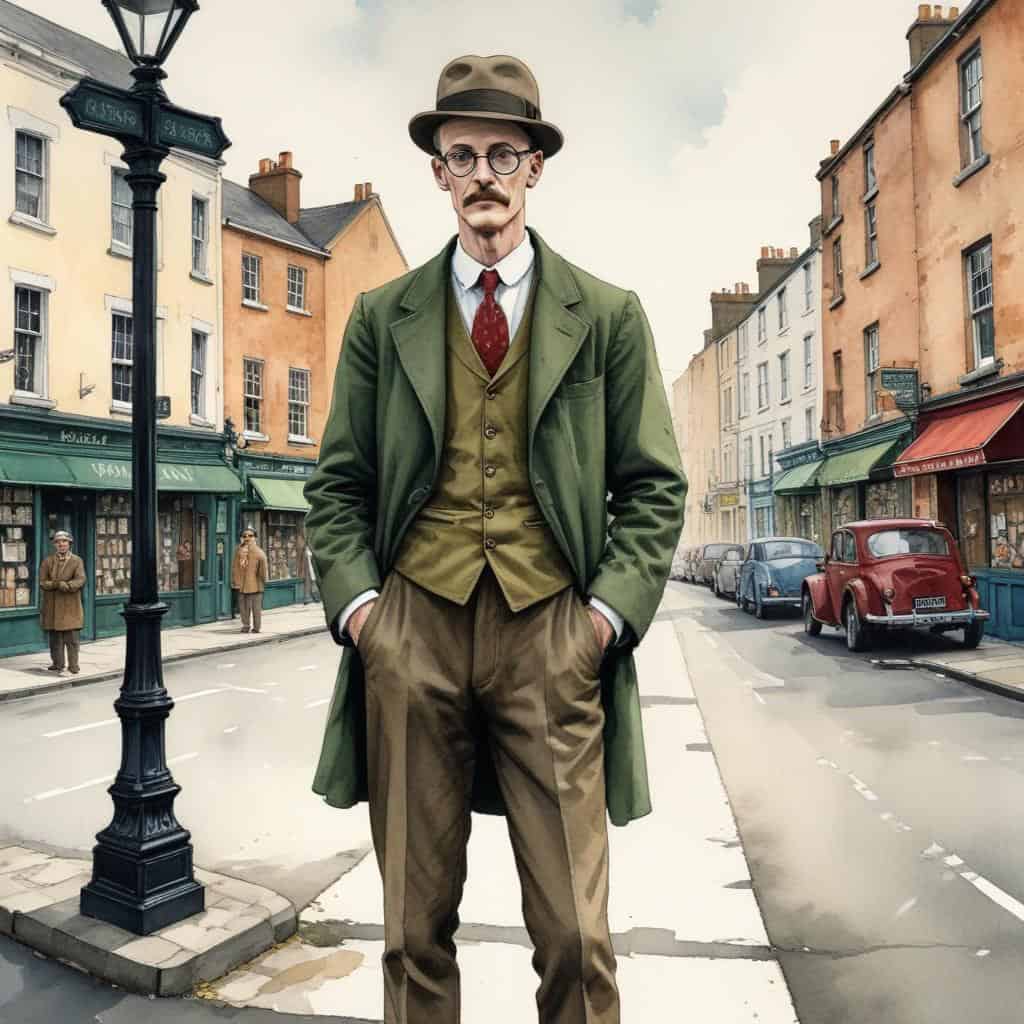
Introduction

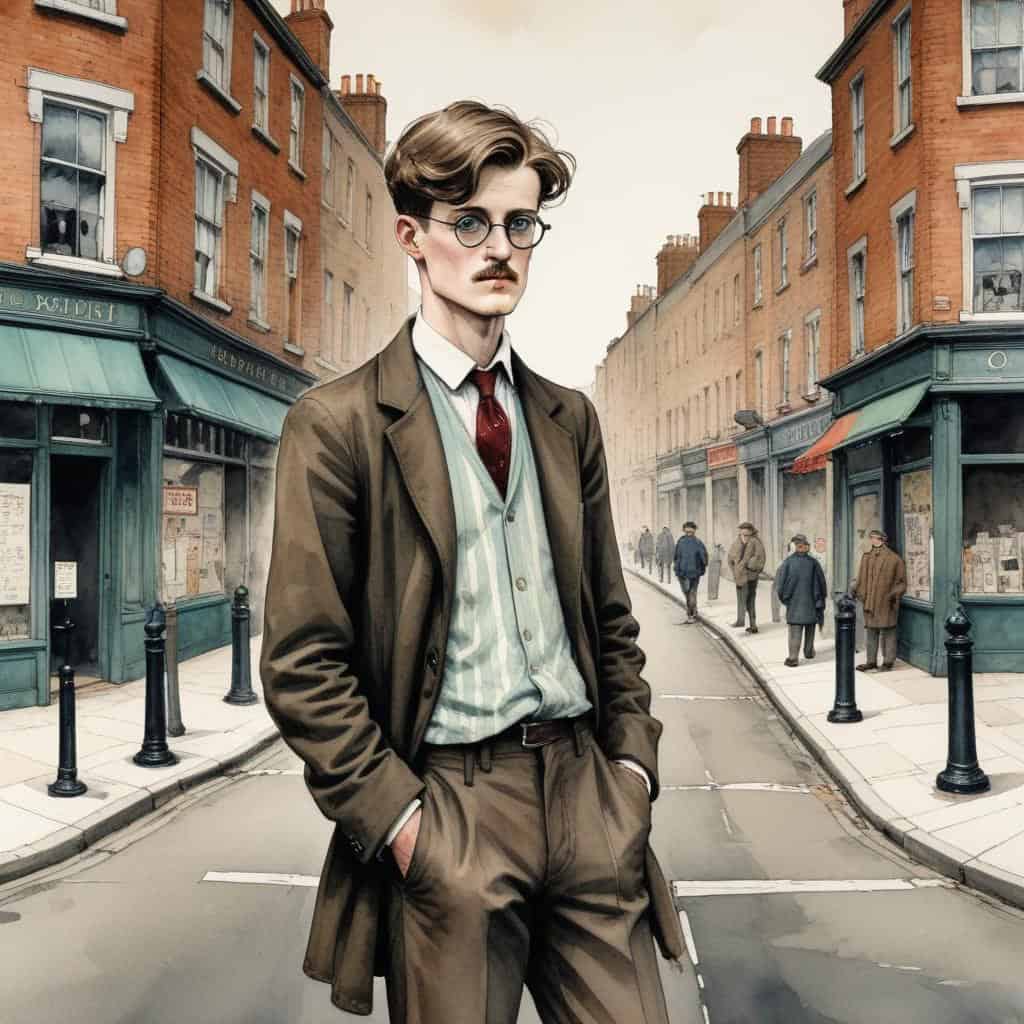
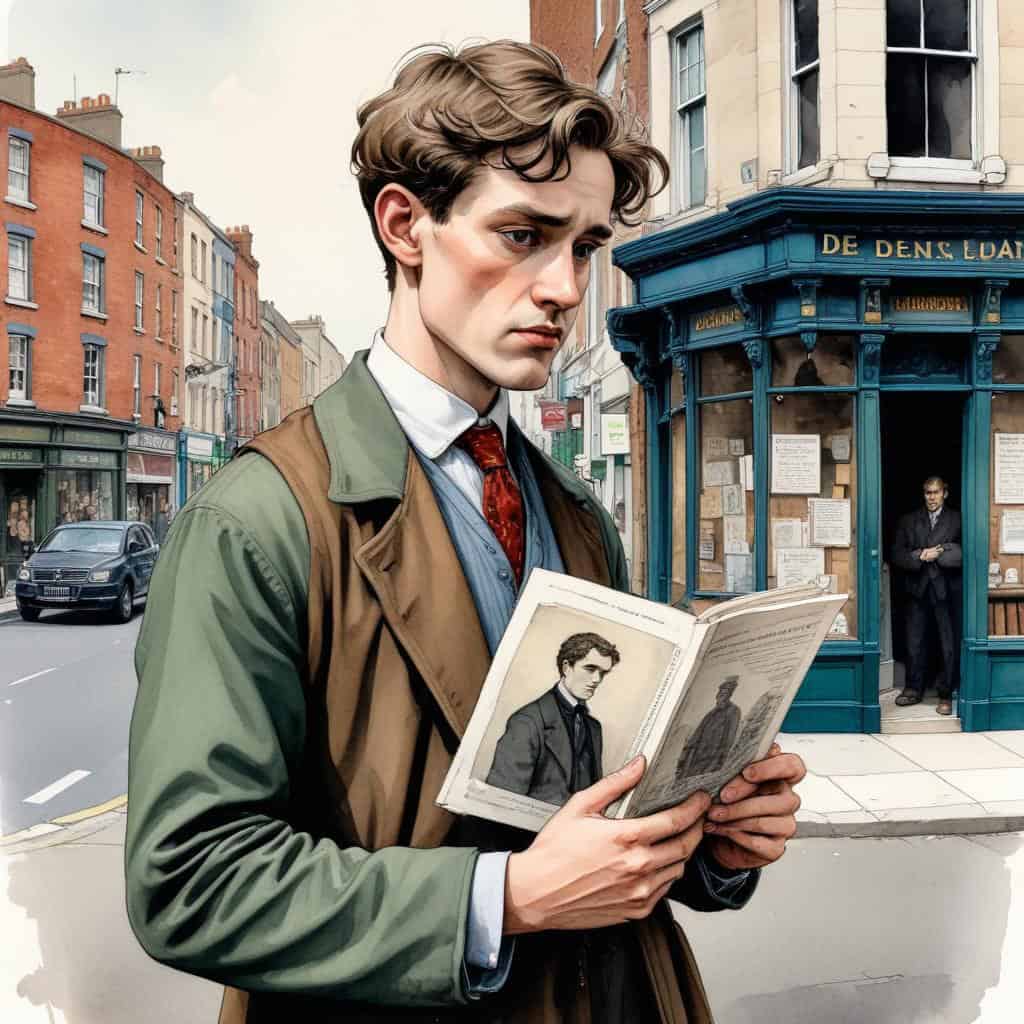
Stephen Dedalus
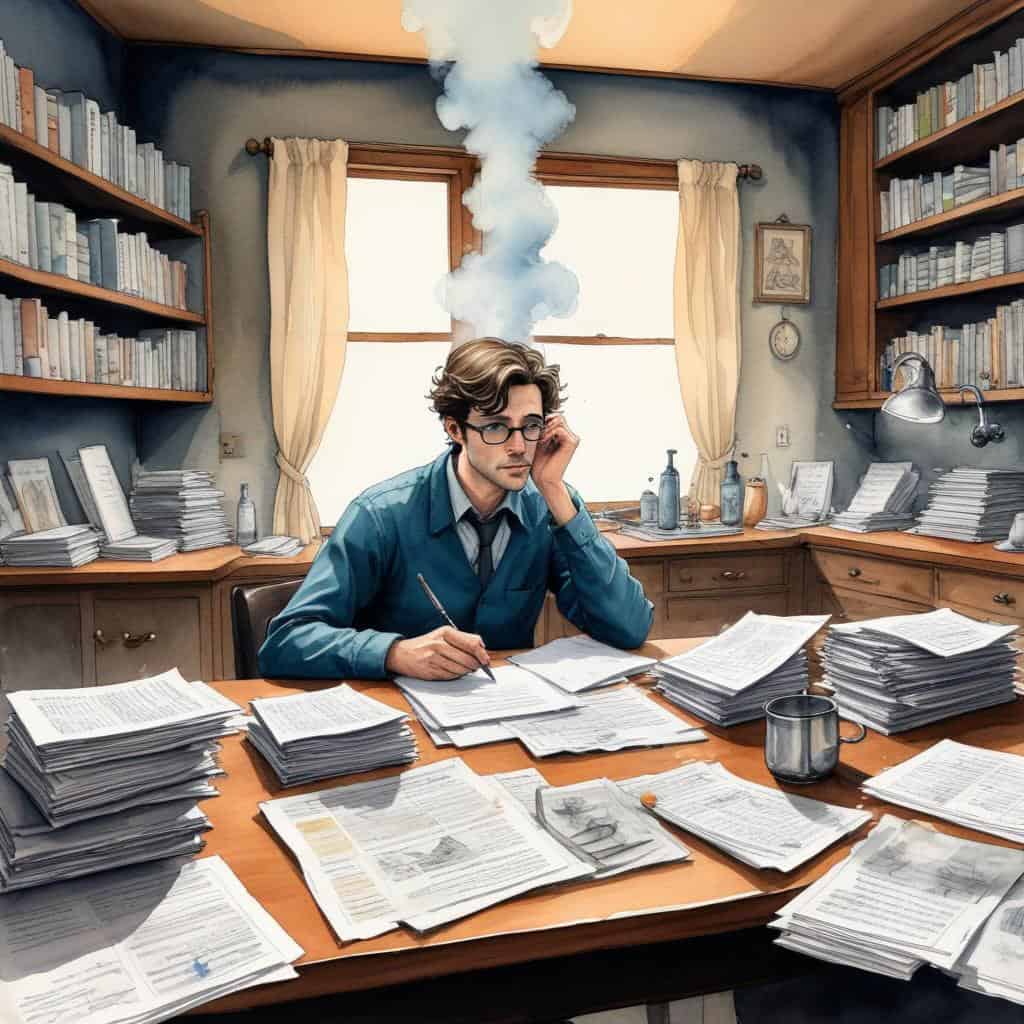
Simon Dedalus
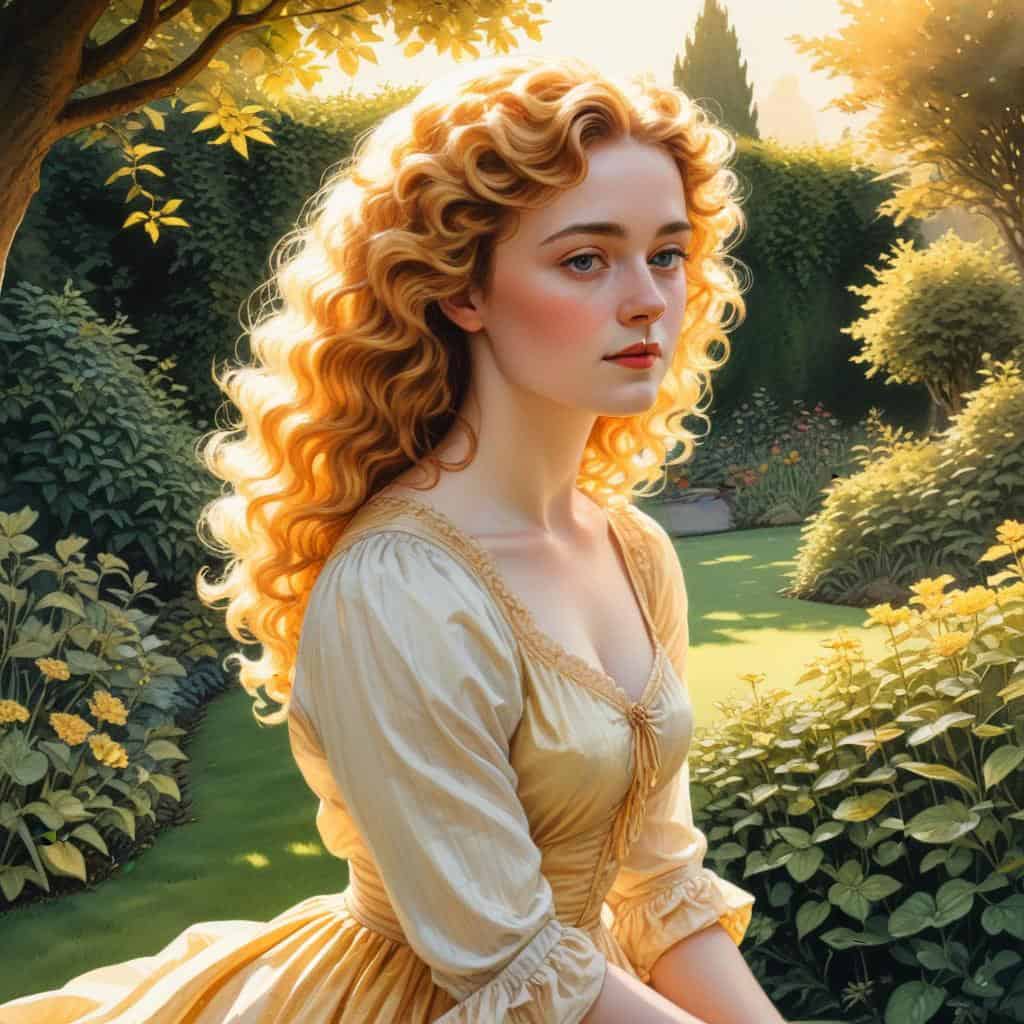
Emma Clery
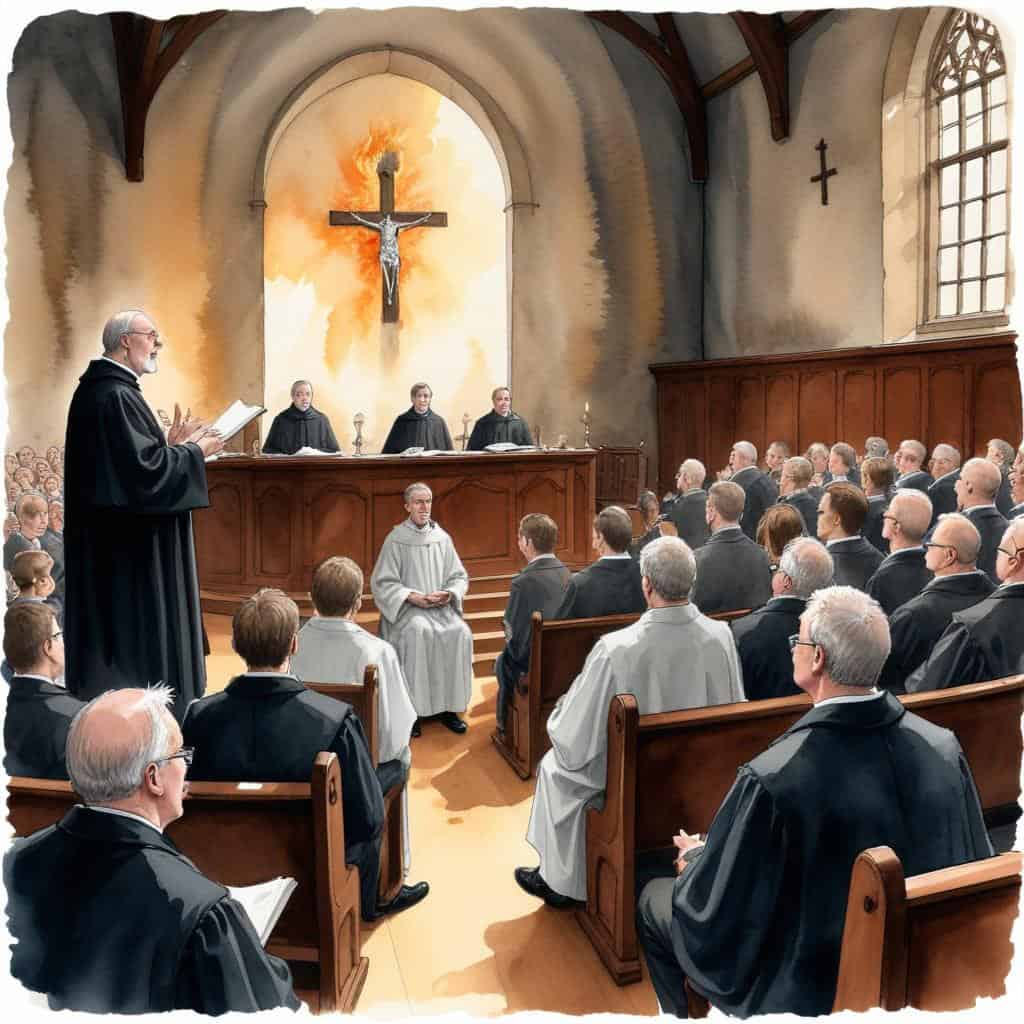
Father Arnall
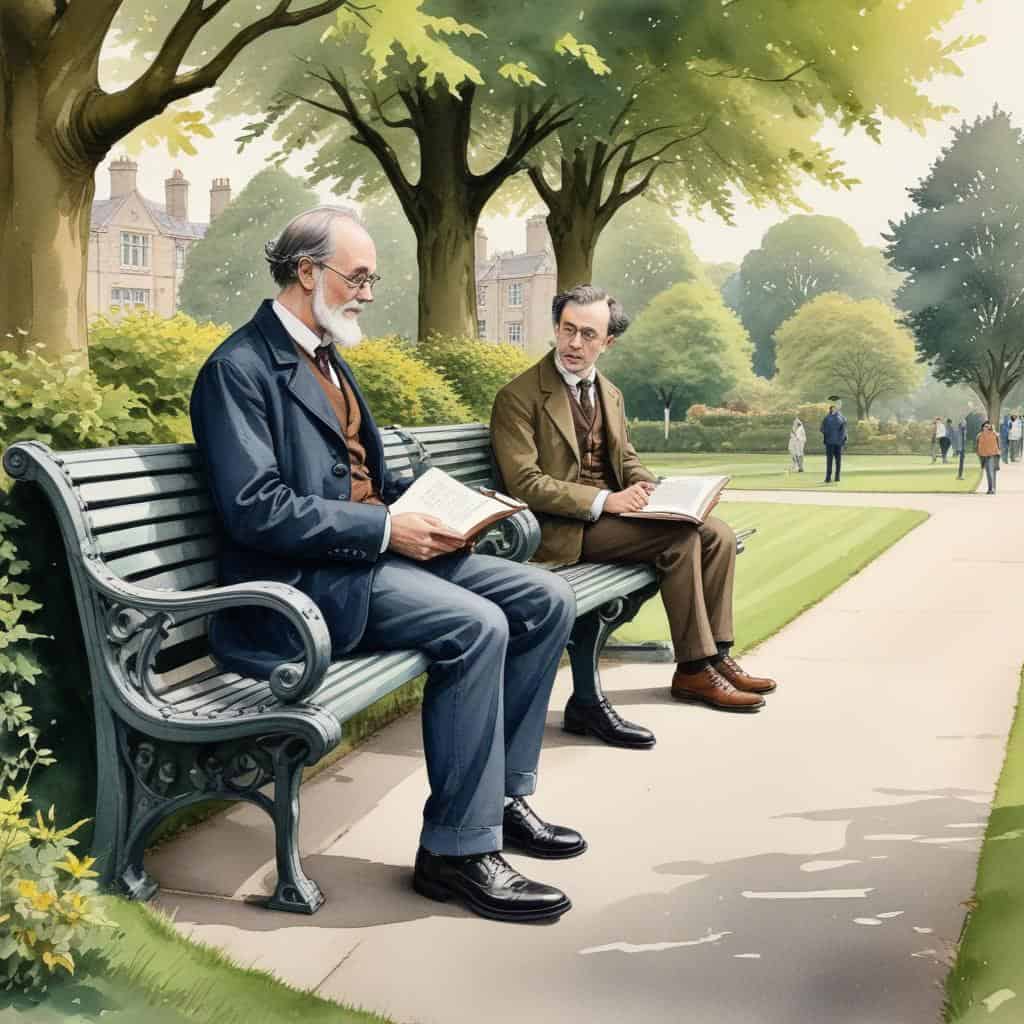
Cranly
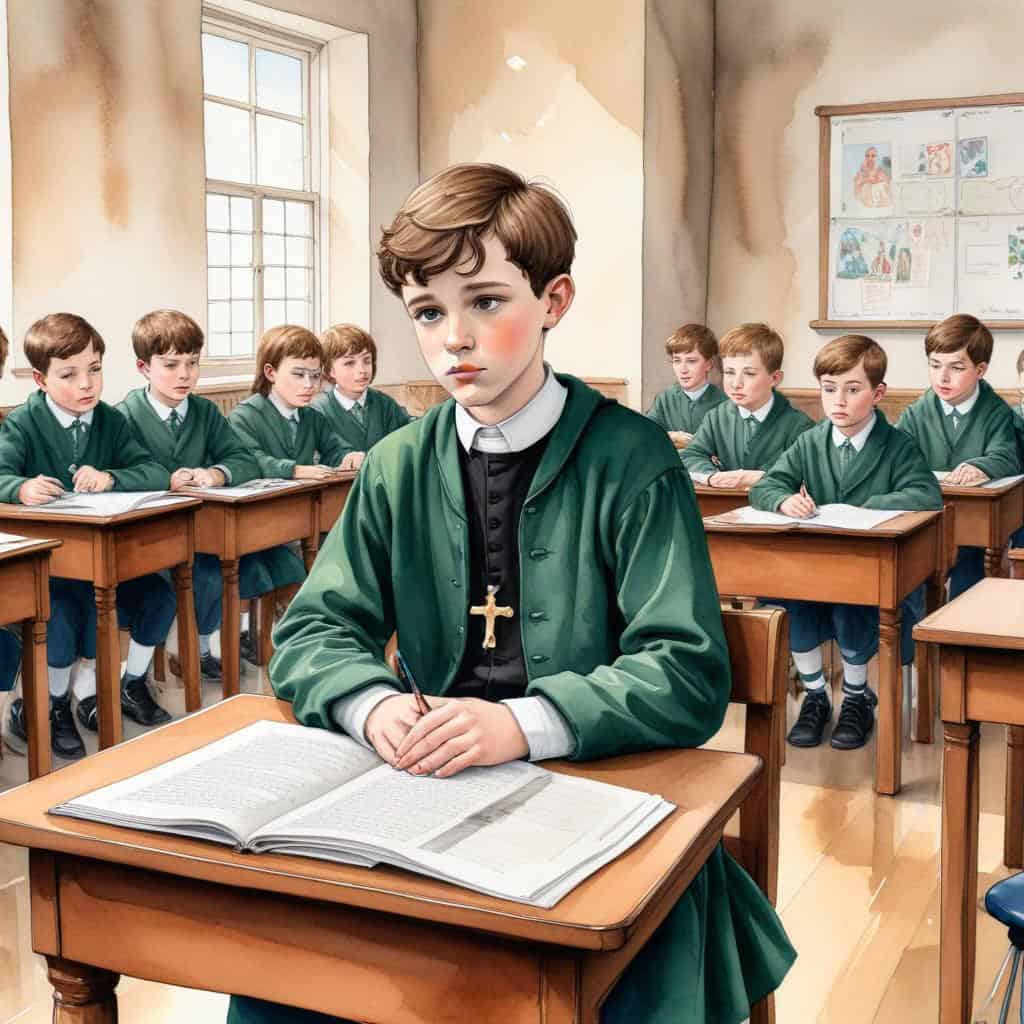
The Early Years
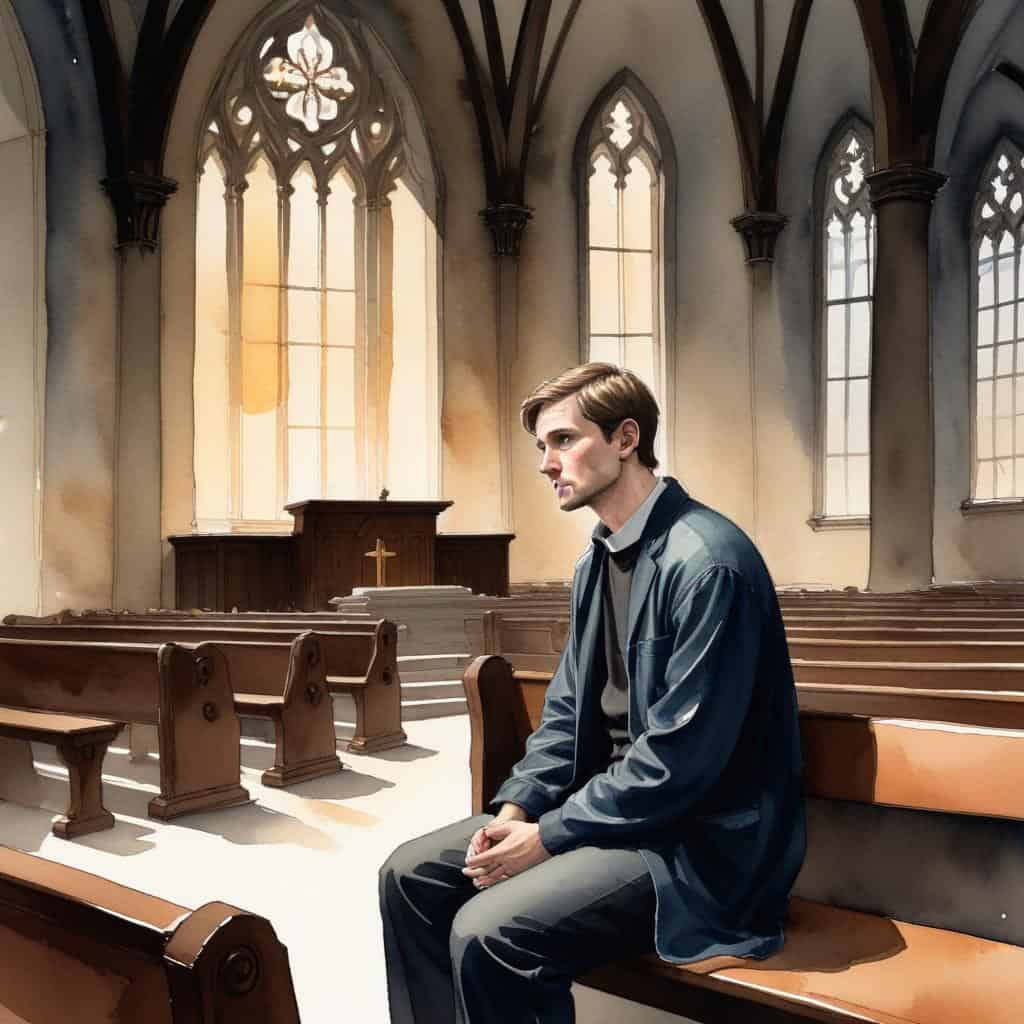
An Awakening
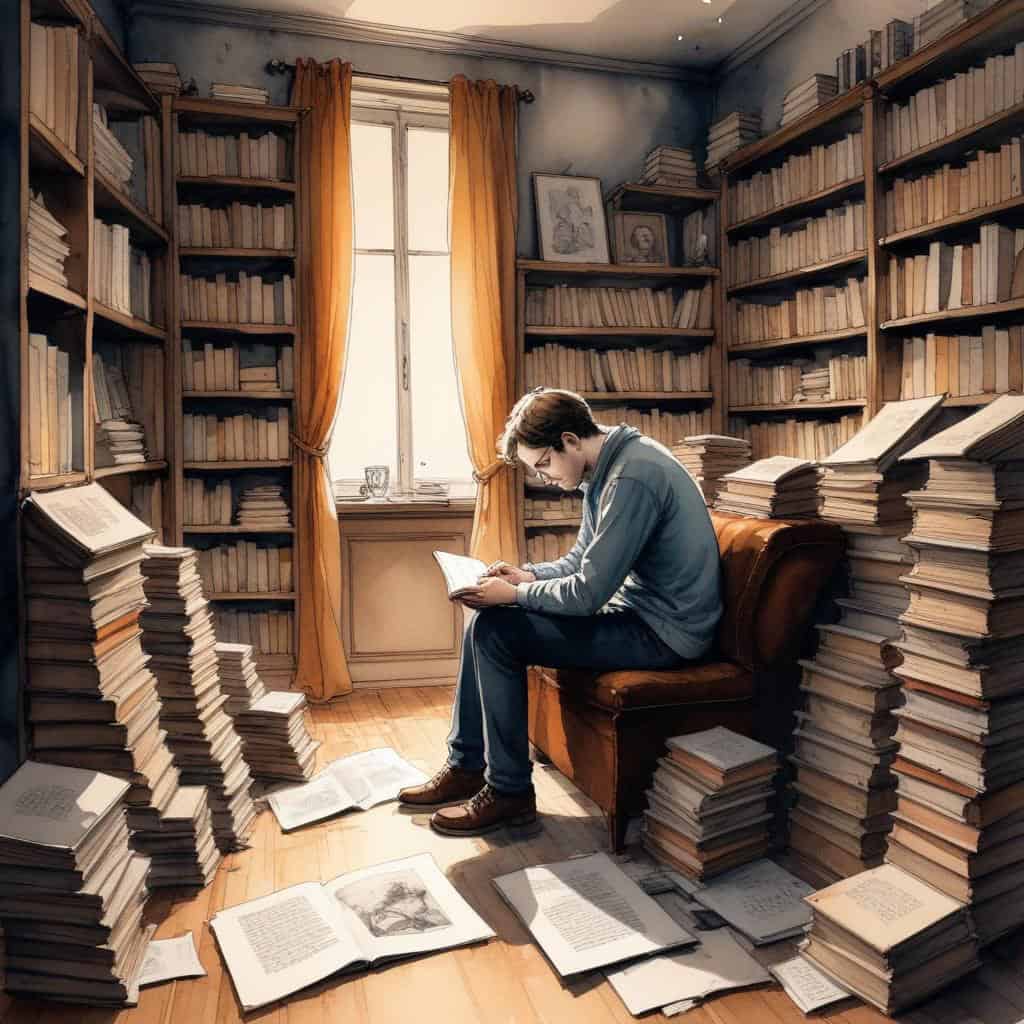
A Journey of Self-Discovery
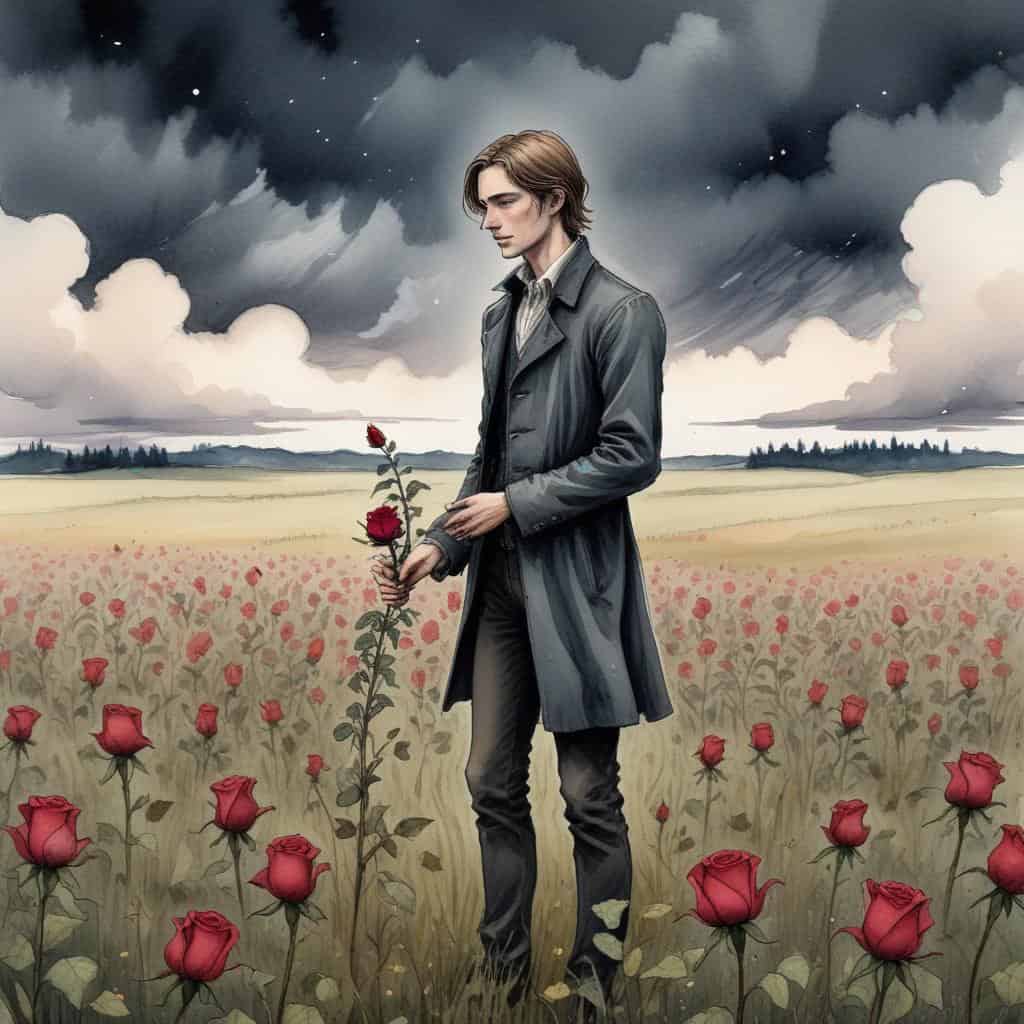
Love and Loss

The Artist Emerges
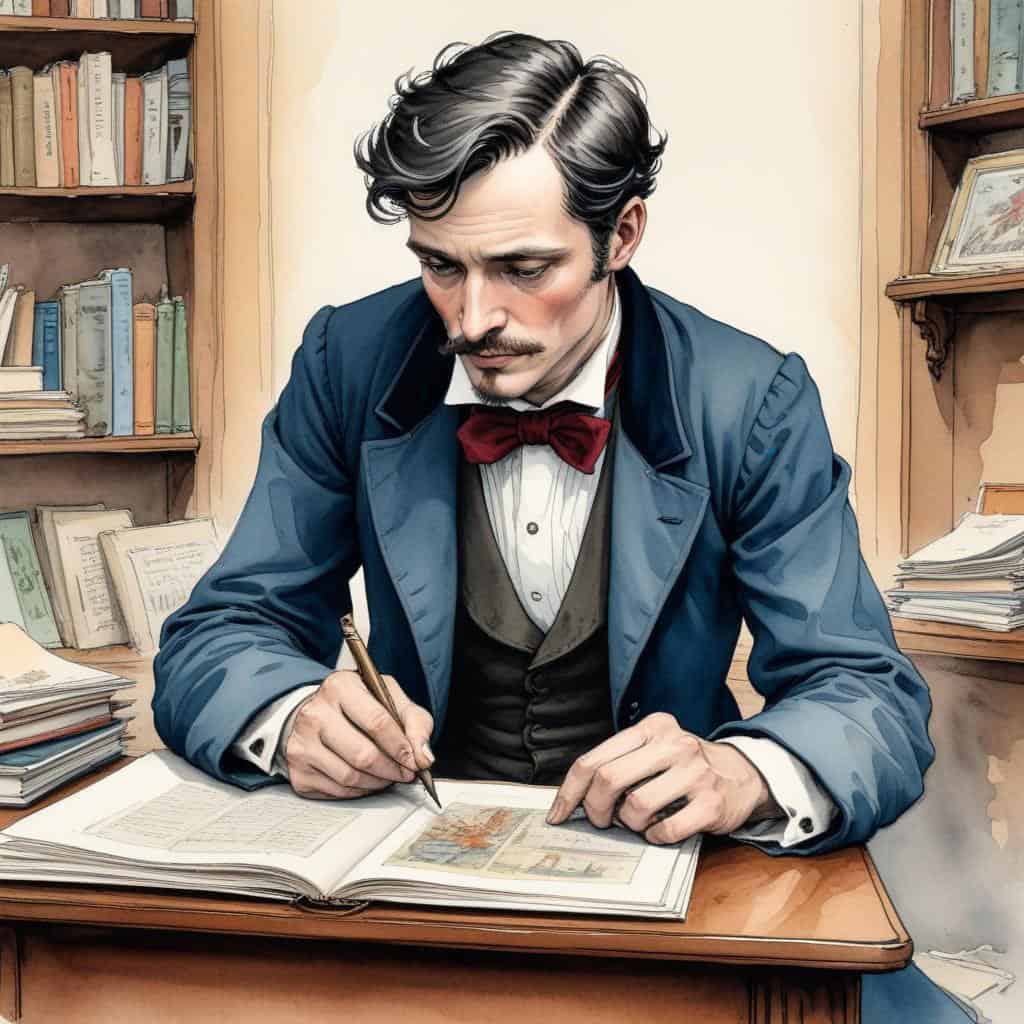
Struggles and Temptations

A New Beginning
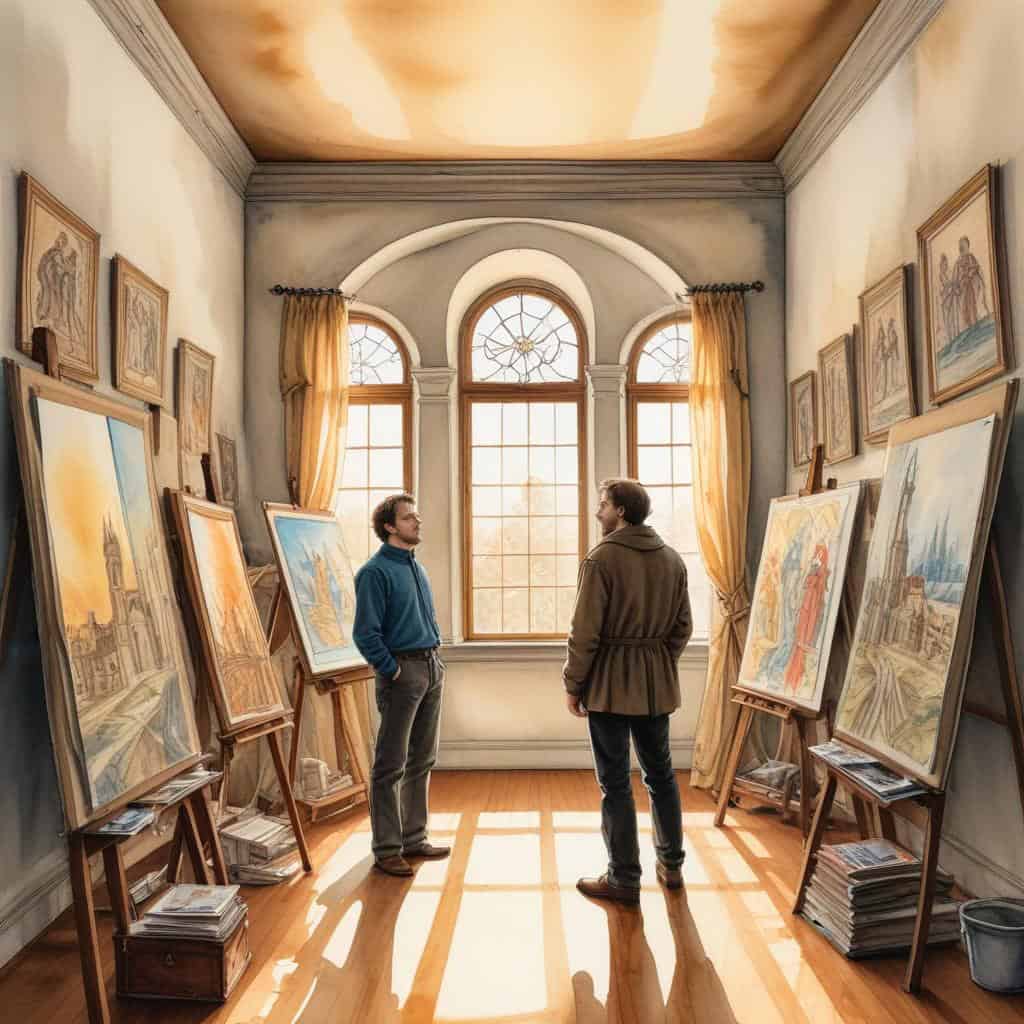
Epiphany
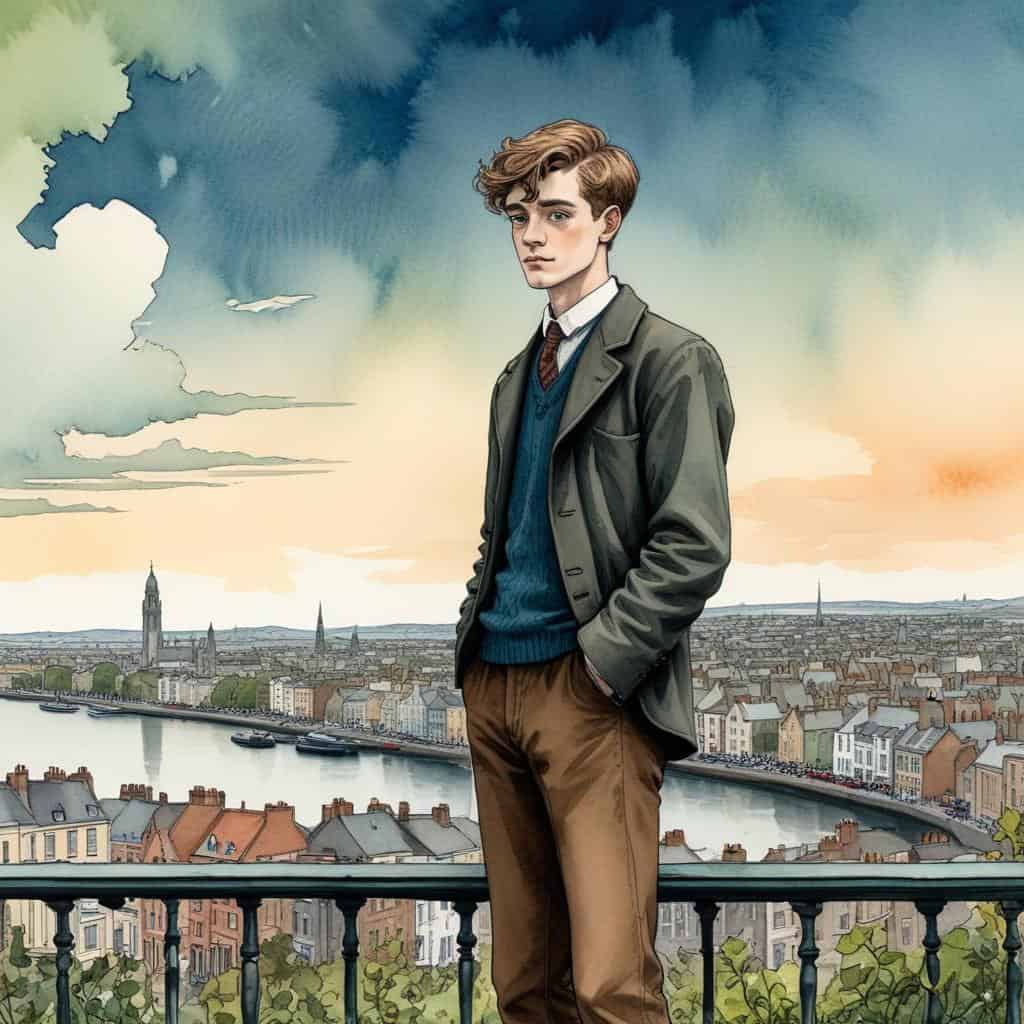
Legacy
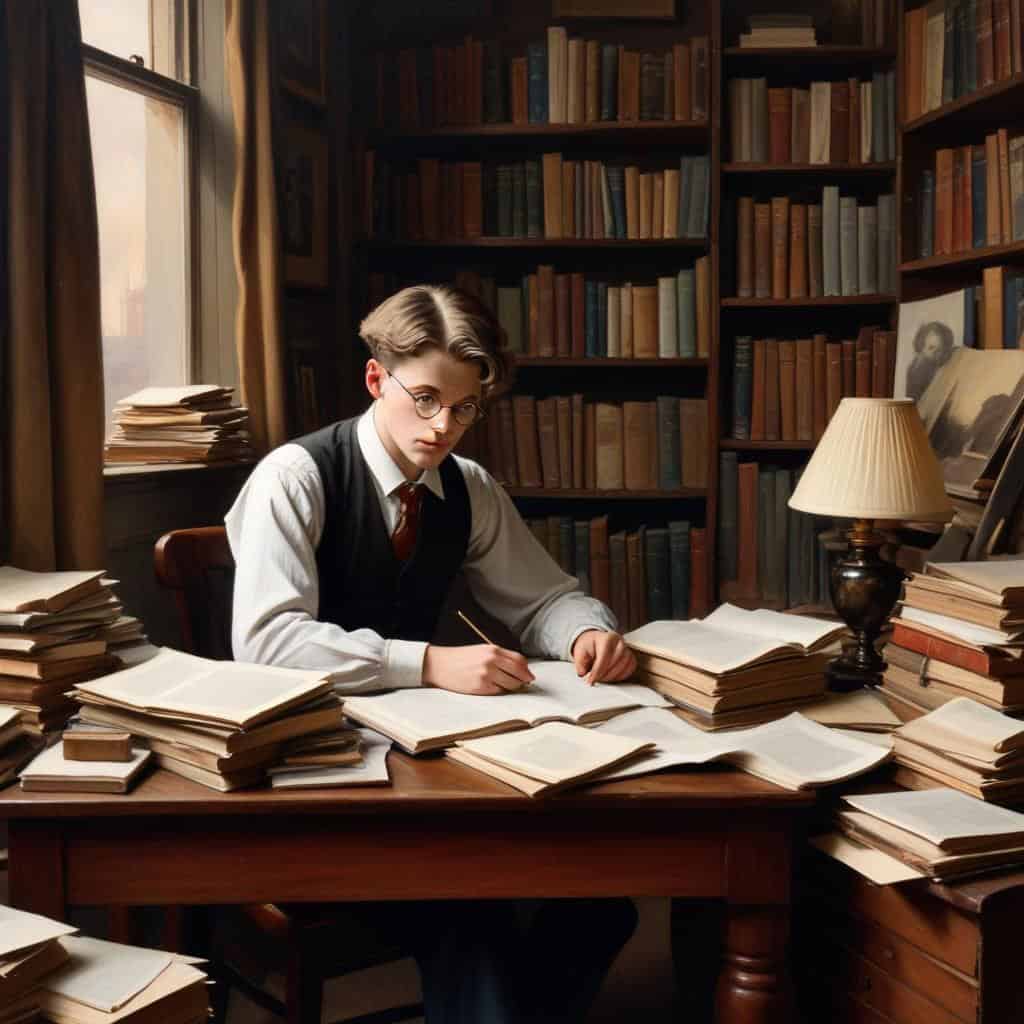
Lesson Details & Resources
In a Nutshell
- What: A Portrait of the Artist as a Young Man by James Joyce
- When: Written in the early 20th century
- Who: Stephen Dedalus
- Theme: Coming of age, self-discovery, and artistic expression
List of Characters in A Portrait of the Artist as a Young Man by James Joyce
-
Stephen Dedalus
Stephen Dedalus is the protagonist of the novel, a young man struggling to find his identity as an artist.
-
Simon Dedalus
Simon Dedalus is Stephen's father, a well-educated man with a love for storytelling and literature.
-
Mrs. Dedalus
Mrs. Dedalus is Stephen's mother, a devout Catholic who struggles to understand her son's artistic ambitions.
-
Emma Clery
Emma Clery is a young woman who captures Stephen's romantic interest.
-
Dante
Dante is Stephen's strict and devoutly religious aunt, who has a strong influence on his upbringing.
-
Cranly
Cranly is Stephen's close friend and confidant, who challenges his beliefs and helps him on his journey of self-discovery.
Timeline of A Portrait of the Artist as a Young Man by James Joyce
Stephen Dedalus attends Clongowes Wood College, a Jesuit boarding school
Stephen experiences bullying and learns about sin and redemption from his classmates and teachers
Stephen's family faces financial difficulties and he is forced to leave Clongowes and attend Belvedere College
Stephen becomes increasingly disillusioned with the Catholic Church and starts to question his faith
Stephen begins to explore his artistic talents and dreams of becoming a writer
Stephen falls in love with a girl named Emma, but the relationship ends in heartbreak
Stephen's mother falls ill and he returns home to care for her, causing him to reflect on his past and his future
Stephen decides to leave Ireland and pursue his artistic ambitions in Europe
Stephen experiences a spiritual awakening and comes to terms with his identity as an artist
Stephen renounces his past and embraces his future as an independent artist
Stephen leaves Ireland and sets out on a journey of self-discovery and artistic exploration
Vocabulary List
- Epiphany
- Stephen experiences a moment of profound realization and self-discovery, which serves as an epiphany in the novel.
- Paralysis
- The characters in the novel struggle with a sense of paralysis, feeling trapped by societal expectations and constraints.
- Stream of consciousness
- Joyce uses a stream of consciousness narrative technique to delve into the inner thoughts and feelings of the protagonist.
- Alienation
- Stephen feels a sense of alienation from his family, peers, and society as he grapples with his own identity and beliefs.
- Catholicism
- Religion plays a significant role in the novel, as Stephen wrestles with his Catholic faith and its impact on his life.
- Artistic ambition
- Stephen's desire to become an artist and pursue his creative passions drives much of the narrative in the novel.
- Irish nationalism
- The novel explores themes of Irish nationalism and the protagonist's struggle to define his own identity within the context of his country's history and politics.
Key Facts
This is the information used in the fact matching game
- A Portrait of the Artist as a Young Man is a semi-autobiographical novel by James Joyce.
- The novel follows the protagonist, Stephen Dedalus, as he grows up in Dublin and struggles with his identity and artistic ambitions.
- The novel was first serialized in a literary magazine called The Egoist from 1914 to 1915.
- It was published in book form in 1916 and is considered one of Joyce's most important works.
- The novel is written in a modernist style, with stream-of-consciousness narration and experimental language.
- The novel explores themes of religion, nationalism, art, and the individual's search for self-fulfillment.
- Stephen Dedalus is believed to be a representation of Joyce himself, as both characters share many biographical details.
- The novel's title is taken from the Gospel of Mark in the Bible, where Jesus refers to himself as an artist.
- The novel is divided into five chapters, each representing a different stage in Stephen's development.
- The novel was initially met with mixed reviews, with some critics praising its innovative style and others criticizing its controversial content.
- The novel has been adapted into a film, a play, and an opera.
- Joyce's use of language in the novel is highly experimental, with neologisms and complex wordplay.
- The novel's structure is influenced by Joyce's interest in the philosophy of Aristotle and Aquinas.
- The novel is considered a classic of modernist literature and has had a significant influence on later writers.
- The novel explores the tension between individuality and conformity in society.
- Stephen's struggle with his Catholic faith is a central theme in the novel.
- The novel is considered a bildungsroman, or coming-of-age story, as it follows Stephen's growth and maturation.
- Joyce originally intended to call the novel Stephen Hero before settling on the final title.
- The novel includes references to Irish history and politics, reflecting Joyce's own interest in his country's past.
- The novel ends with Stephen's decision to leave Ireland and pursue his artistic ambitions abroad.
Analysis & Significance
Impact on Literature
‘A Portrait of the Artist as a Young Man’ by James Joyce is a seminal work in modernist literature, known for its innovative narrative techniques and exploration of the protagonist’s inner thoughts and feelings. Joyce’s stream-of-consciousness style and vivid imagery have influenced countless writers, shaping the way stories are told and characters are developed in modern literature.
Enduring Themes
The novel delves into universal themes such as the search for personal identity, the conflict between individual desires and societal expectations, and the struggle for artistic self-expression. These timeless themes continue to resonate with modern audiences, as readers can still relate to the challenges and conflicts faced by the protagonist, Stephen Dedalus, on his journey of self-discovery.
Cultural Significance Today
‘A Portrait of the Artist as a Young Man’ remains a classic of English literature, celebrated for its bold experimentation with language and form. The novel has been adapted into various forms, including stage plays, films, and graphic novels, showcasing its enduring legacy and continued relevance in contemporary culture. Joyce’s groundbreaking work continues to inspire artists and writers across the globe, solidifying its place in the literary canon.
A Portrait of the Artist as a Young Man by James Joyce Games


Take Your Learning Offline
Want a convenient, print-ready study guide for this lesson? Become a Memory Wizards Pro member to unlock the downloadable " Memory Scrolls" for this topic and our entire library!
- ✓ Complete Vocabulary Lists
- ✓ Key Facts & Timelines
- ✓ Beautifully Formatted for Print & Mobile