
Summary of Union of the Crowns in 1603
Discover the mystical story behind the Union of the Crowns in 1603.
How Do You Learn Best?
Learn by Reading
Immerse yourself in the 10-minute visual lesson for a comprehensive understanding of the topic.
Learn by Reviewing
Jump directly to the key facts, timeline, and vocabulary lists to build a solid foundation of details.
Learn by Doing
Challenge yourself! Jump straight into the interactive games to learn by trial, error, and discovery.
Union of the Crowns in 1603 in 10 Minutes
Introduction
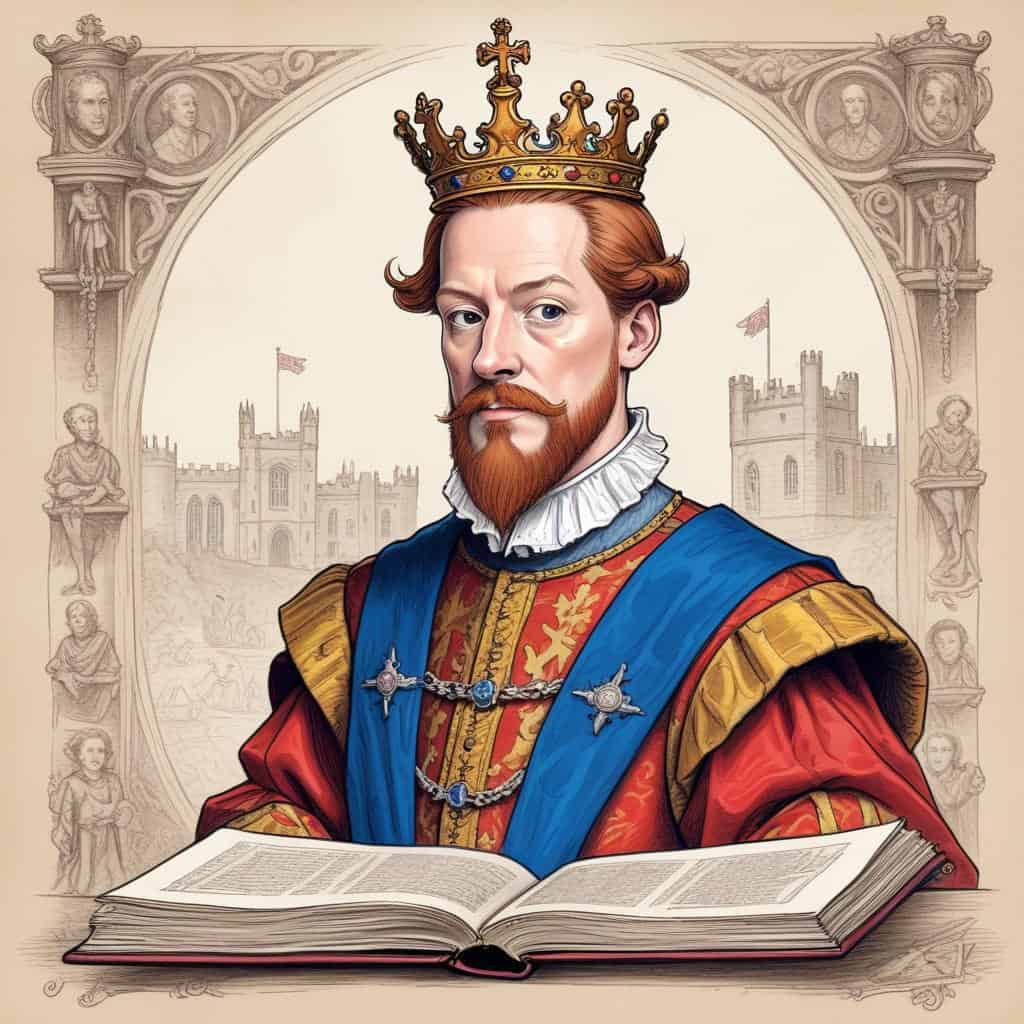
James VI of Scotland
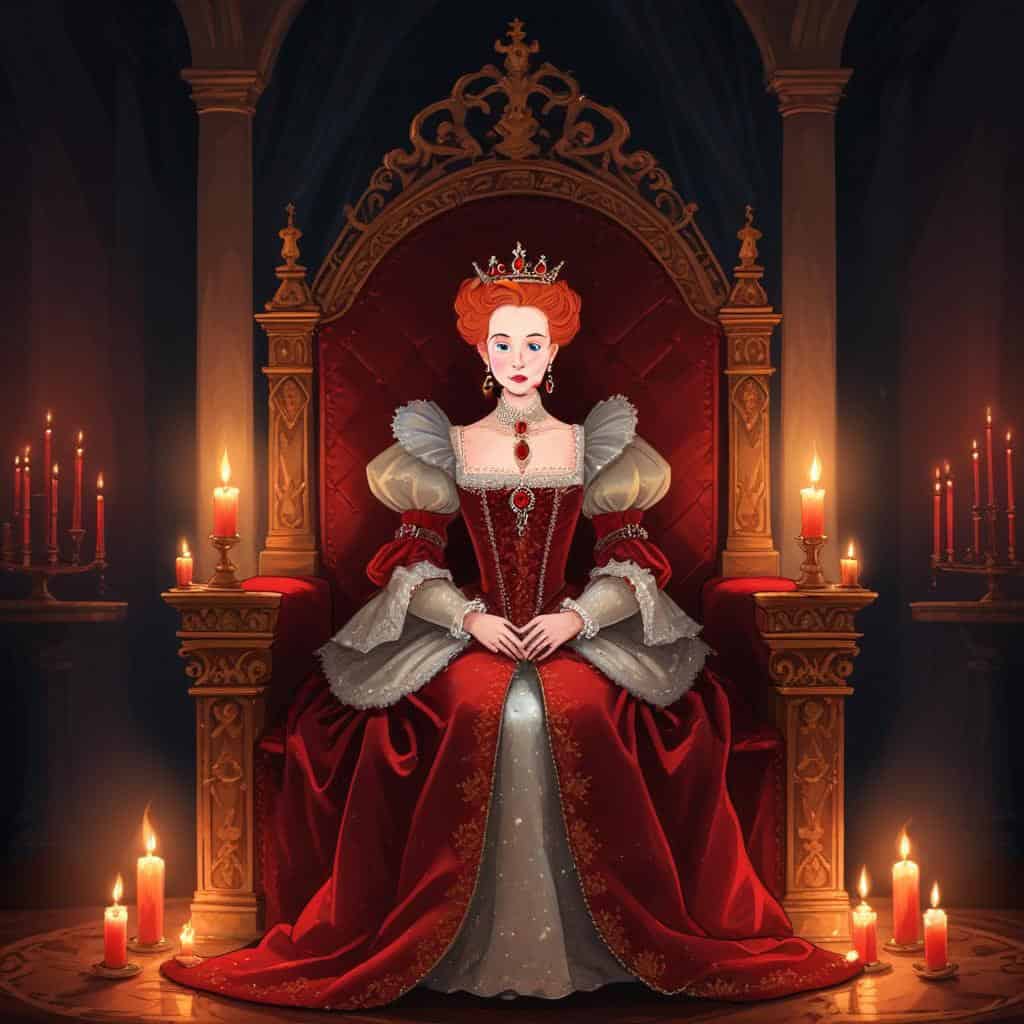
Queen Elizabeth I
William Shakespeare
King James Bible
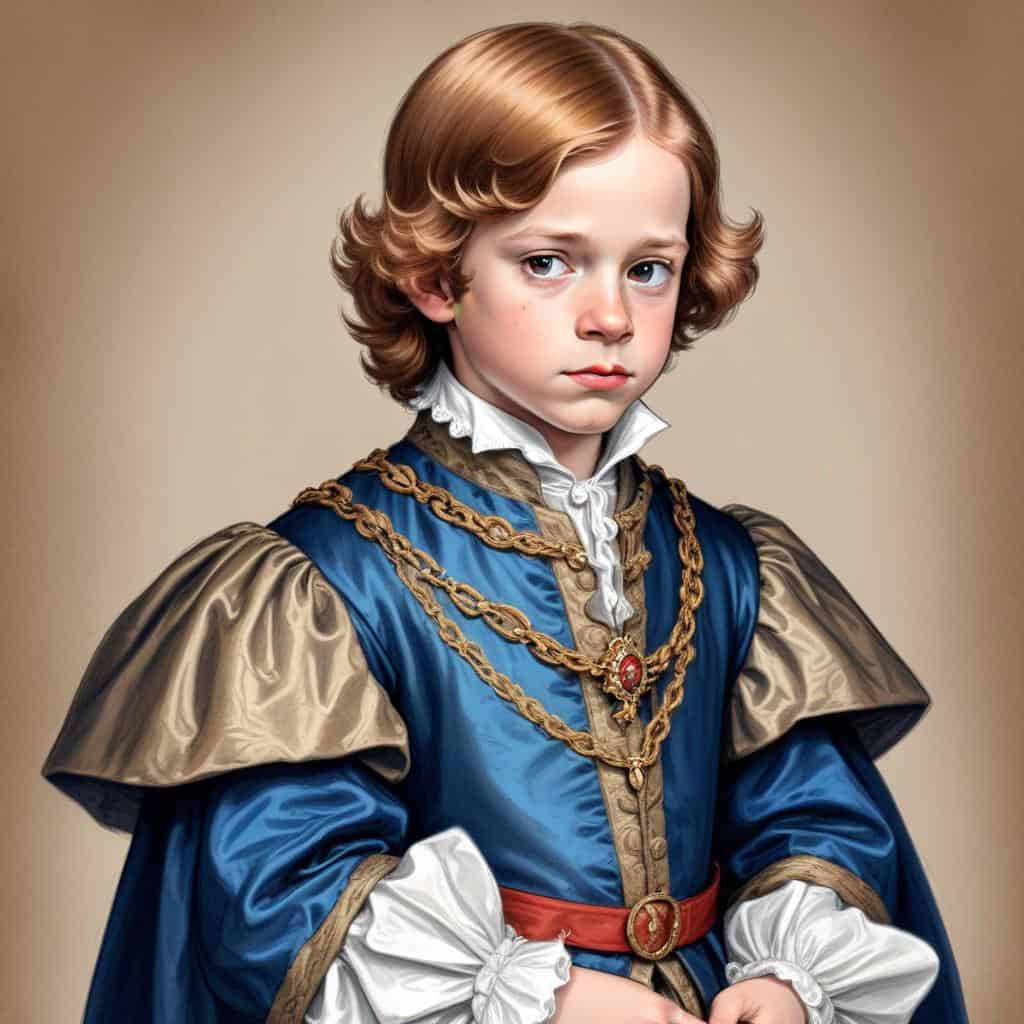
Prince Henry Frederick

1. Queen Elizabeth Is Death

2. James VI of Scotland

3. Jacobean Era Begins

4. Consolidation of Power
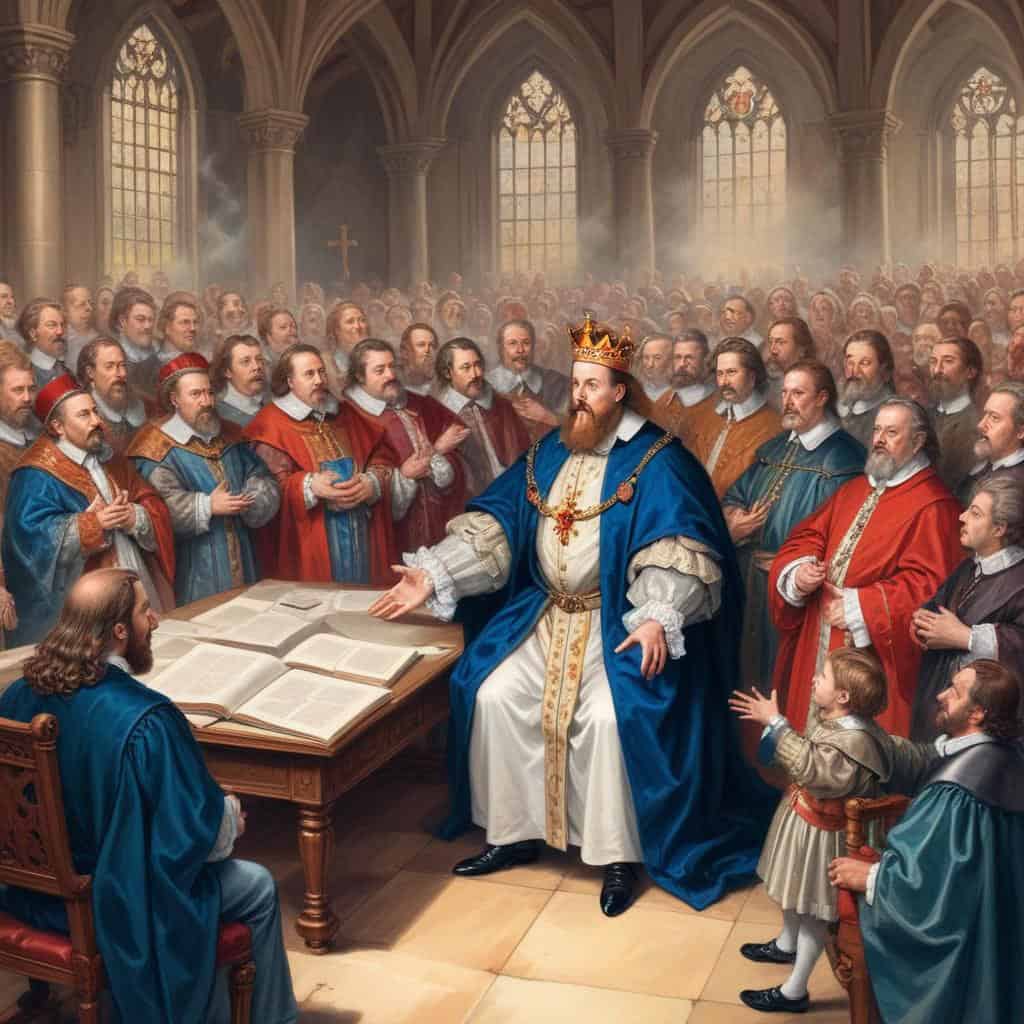
5. Religious Policies

6. Gunpowder Plot
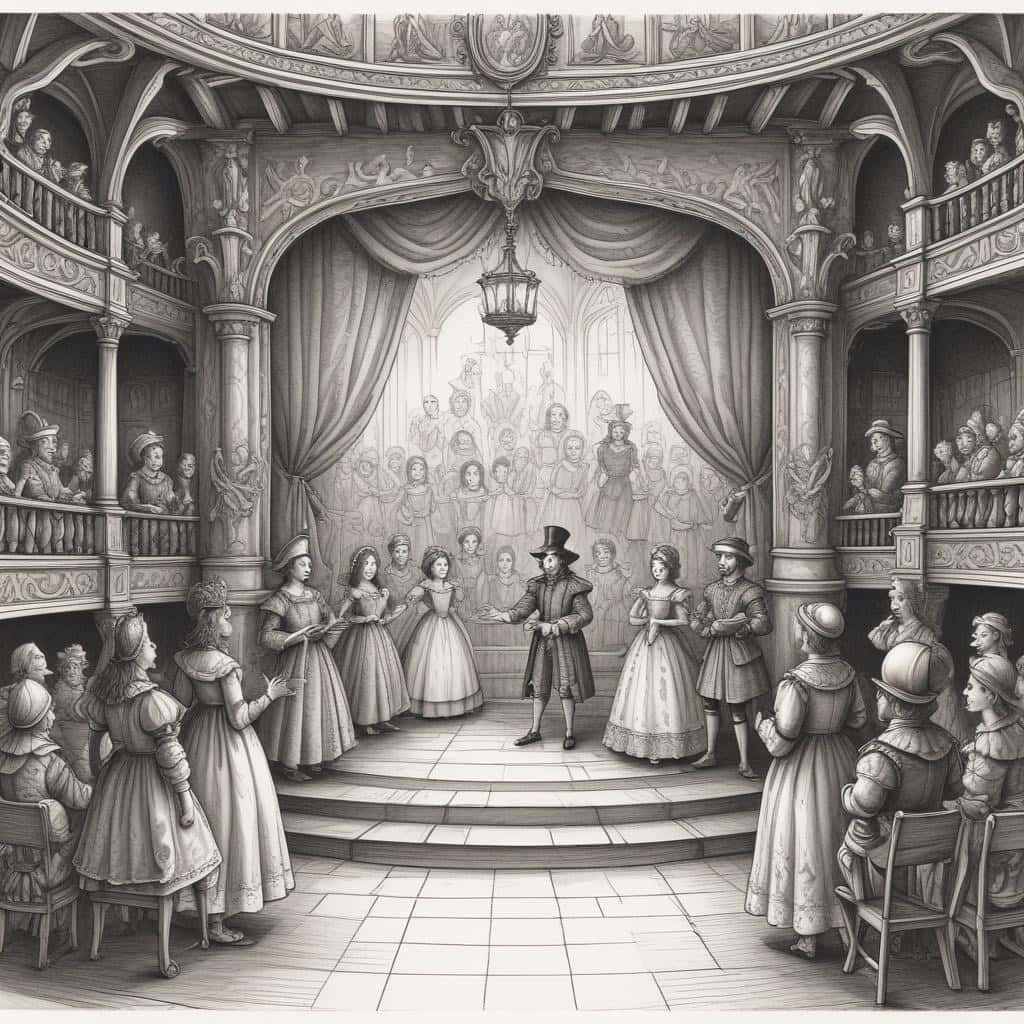
7. Literary and Cultural Achievements

8. Colonization Efforts

9. Witch Hunts

10. Legacy of the Union of the Crowns
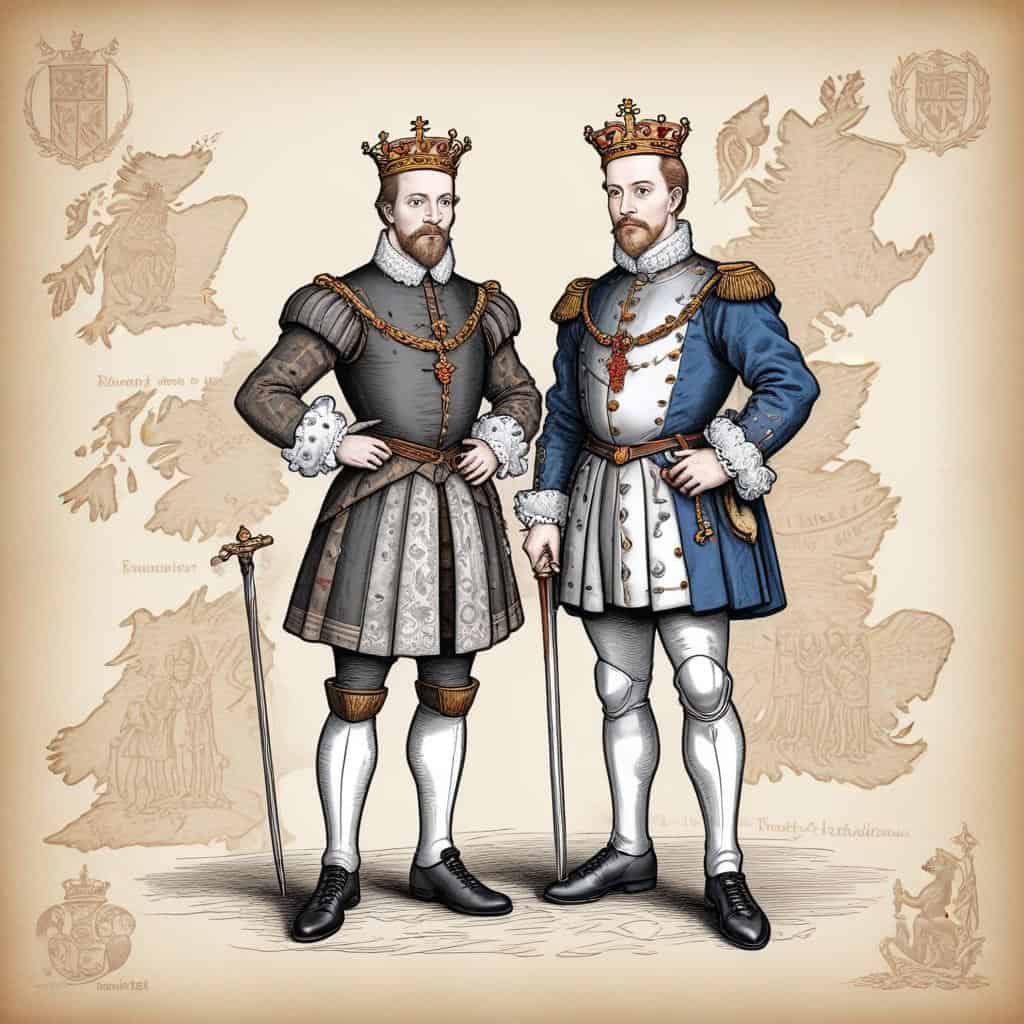
Lesson Details & Resources
In a Nutshell
- What: The Union of the Crowns in 1603
- When: 1603
- Who: King James VI of Scotland and King James I of England
- Outcome: The crowns of England and Scotland were united under one monarch, King James VI and I
Famous Figures in the Union of the Crowns in 1603
-
James VI of Scotland
James VI of Scotland became James I of England after the Union of the Crowns in 1603.
-
Elizabeth I of England
Elizabeth I of England was the queen of England until her death in 1603, leading to the Union of the Crowns.
-
Mary, Queen of Scots
Mary, Queen of Scots was the mother of James VI of Scotland and played a significant role in the events leading to the Union of the Crowns.
-
Robert Devereux, 2nd Earl of Essex
Robert Devereux, 2nd Earl of Essex, was a prominent figure in the court of Elizabeth I and played a role in the succession crisis that led to the Union of the Crowns.
-
Francis Drake
Francis Drake was a famous English sea captain and privateer who played a key role in the defeat of the Spanish Armada.
-
Anne of Denmark
Anne of Denmark was the queen consort of James VI of Scotland and James I of England.
-
Henry Stuart, Lord Darnley
Henry Stuart, Lord Darnley, was the second husband of Mary, Queen of Scots and the father of James VI of Scotland.
-
Walter Raleigh
Walter Raleigh was an English explorer, courtier, and writer who played a significant role in the early colonization of North America.
-
George Buchanan
George Buchanan was a Scottish historian and humanist who was a tutor to James VI of Scotland.
-
John Napier
John Napier was a Scottish mathematician who invented logarithms and made significant contributions to the field of mathematics.
Timeline of Union of the Crowns in 1603
Death of Elizabeth I of England
Accession of James VI of Scotland as James I of England
Union of the Crowns proclaimed
James I enters London
Coronation of James I
First meeting of the English and Scottish Privy Councils
James I's first Parliament in England
Publication of the King James Bible
Marriage of James I's daughter, Princess Elizabeth, to Frederick V, Elector Palatine
Death of Prince Henry, heir to the throne
James I's son, Charles, becomes heir to the throne
Creation of the Baronets of Nova Scotia
James I's last Parliament in England
James I's death
Accession of Charles I
End of the Union of the Crowns with the English Civil War
Execution of Charles I
Restoration of the monarchy with Charles II
Union of the Parliaments with the Act of Union 1707
Vocabulary List
- James VI of Scotland
- He became James I of England after the Union of the Crowns in 1603.
- Elizabeth I
- She was the queen of England before the Union of the Crowns in 1603.
- Monarchy
- The Union of the Crowns in 1603 created a single monarchy for England and Scotland.
- Succession
- The Union of the Crowns in 1603 established a clear line of succession for the English and Scottish thrones.
- Stuart dynasty
- The Union of the Crowns in 1603 marked the beginning of the Stuart dynasty ruling over both England and Scotland.
- Unification
- The Union of the Crowns in 1603 led to a degree of political and administrative unification between England and Scotland.
Key Facts
This is the information used in the fact matching game
- The Union of the Crowns in 1603 united the crowns of England and Scotland under King James VI of Scotland, who became King James I of England.
- The Union of the Crowns was the result of Elizabeth I of England's death without an heir, leading to James VI of Scotland being her closest living relative.
- King James I of England was the first monarch to rule over both England and Scotland, marking a significant moment in the history of the British Isles.
- The Union of the Crowns did not involve a political union of England and Scotland, as both countries retained their separate parliaments and legal systems.
- The Union of the Crowns paved the way for the eventual Act of Union in 1707, which formally united England and Scotland into the Kingdom of Great Britain.
- King James I of England's reign saw the translation of the Bible into English, known as the King James Version, which remains influential to this day.
- The Union of the Crowns resulted in James VI of Scotland spending more time in England, eventually leading to his decision to permanently move his court to London.
- King James I's reign was marked by conflicts with Parliament over issues such as taxation and religious freedom, leading to the calling of the first Parliament of Great Britain in 1707.
- The Union of the Crowns brought about a period of relative peace and stability between England and Scotland, as both countries shared a monarch.
- The Union of the Crowns had significant implications for the balance of power in Europe, as England and Scotland became a more formidable entity on the international stage.
- King James I's reign saw the establishment of the Virginia Company, leading to the founding of the first permanent English settlement in North America, Jamestown.
- The Union of the Crowns brought about a period of cultural exchange between England and Scotland, with Scottish influences shaping English literature and vice versa.
- The Union of the Crowns led to the development of a unified foreign policy for England and Scotland, as they now shared a monarch with common interests.
- King James I's reign saw the Gunpowder Plot of 1605, a failed assassination attempt on the monarch and his government by a group of Catholic conspirators.
- The Union of the Crowns had implications for the Scottish nobility, who found themselves vying for power and influence in the new combined kingdom.
- King James I's reign saw the colonization of Ireland by English and Scottish settlers, leading to conflicts with the native Irish population.
- The Union of the Crowns solidified the Stuart dynasty's hold on the thrones of England and Scotland, setting the stage for future conflicts and political developments.
- King James I's reign saw the publication of his treatise on monarchy, 'The True Law of Free Monarchies', which outlined his beliefs in the divine right of kings.
- The Union of the Crowns led to increased trade and economic ties between England and Scotland, as the two countries now shared a monarch with common interests.
- King James I's reign saw the establishment of the East India Company, laying the foundation for Britain's future colonial empire in Asia.
Analysis & Significance
Immediate Consequences
The Union of the Crowns in 1603 marked the beginning of a new era for England and Scotland, as King James VI of Scotland also became King James I of England. This union brought together two previously separate kingdoms under one monarch, leading to political and administrative changes as the two countries began to function more closely together.
Long-Term Impact
The Union of the Crowns had significant long-term effects on the history of the British Isles. It paved the way for the eventual political union of England and Scotland in 1707, creating the Kingdom of Great Britain. This union laid the foundation for the United Kingdom as we know it today, shaping the course of history, politics, and culture in the region.
Cultural Significance Today
The legacy of the Union of the Crowns is still felt today in the United Kingdom. It symbolizes the coming together of two distinct nations and the shared history and heritage that have developed over centuries. The Union of the Crowns continues to influence the political landscape of the UK and serves as a reminder of the interconnectedness of nations and the importance of unity in a complex world.
Union of the Crowns in 1603 Games


Take Your Learning Offline
Want a convenient, print-ready study guide for this lesson? Become a Memory Wizards Pro member to unlock the downloadable " Memory Scrolls" for this topic and our entire library!
- ✓ Complete Vocabulary Lists
- ✓ Key Facts & Timelines
- ✓ Beautifully Formatted for Print & Mobile