
Summary of The Thirty Years’ War
Unravel the epic saga of Europe's devastating Thirty Years' War.
How Do You Learn Best?
Learn by Reading
Immerse yourself in the 10-minute visual lesson for a comprehensive understanding of the topic.
Learn by Reviewing
Jump directly to the key facts, timeline, and vocabulary lists to build a solid foundation of details.
Learn by Doing
Challenge yourself! Jump straight into the interactive games to learn by trial, error, and discovery.
The Thirty Years’ War in 10 Minutes
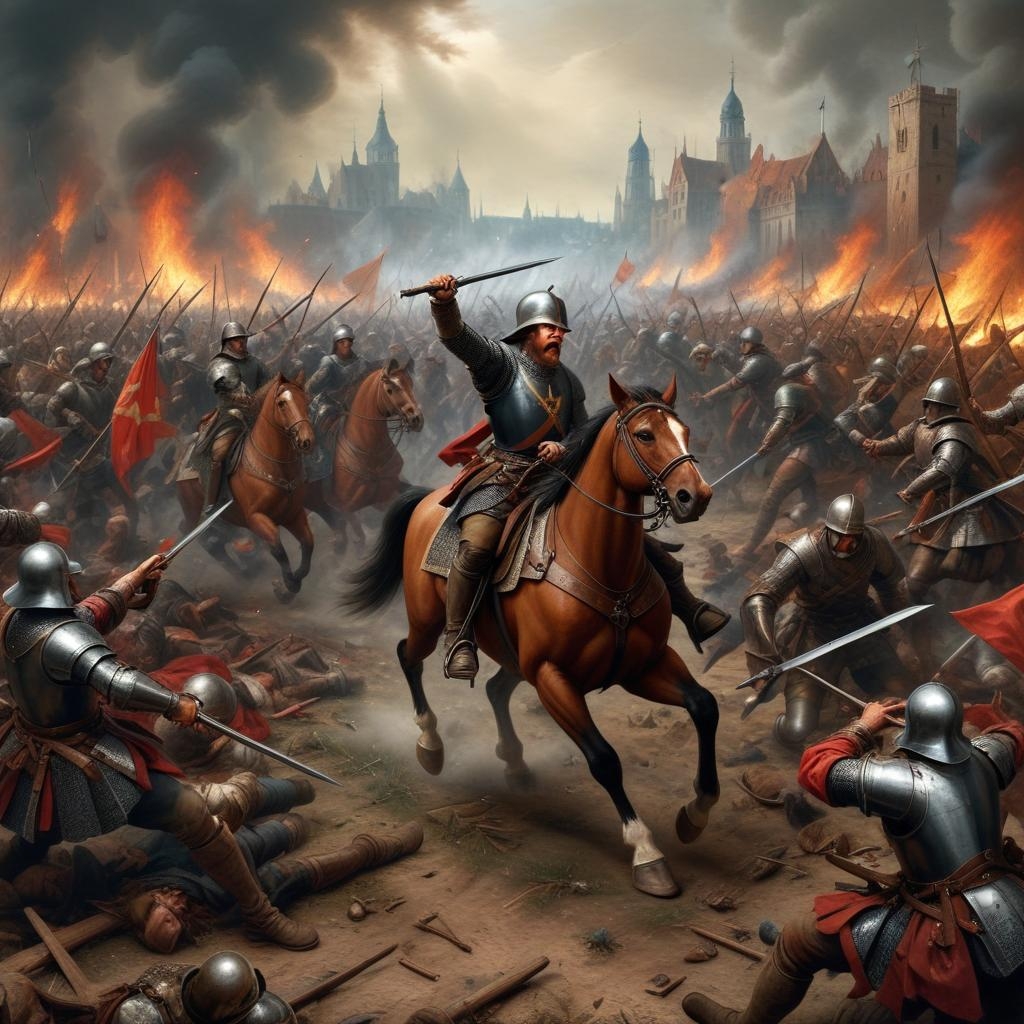
Introduction
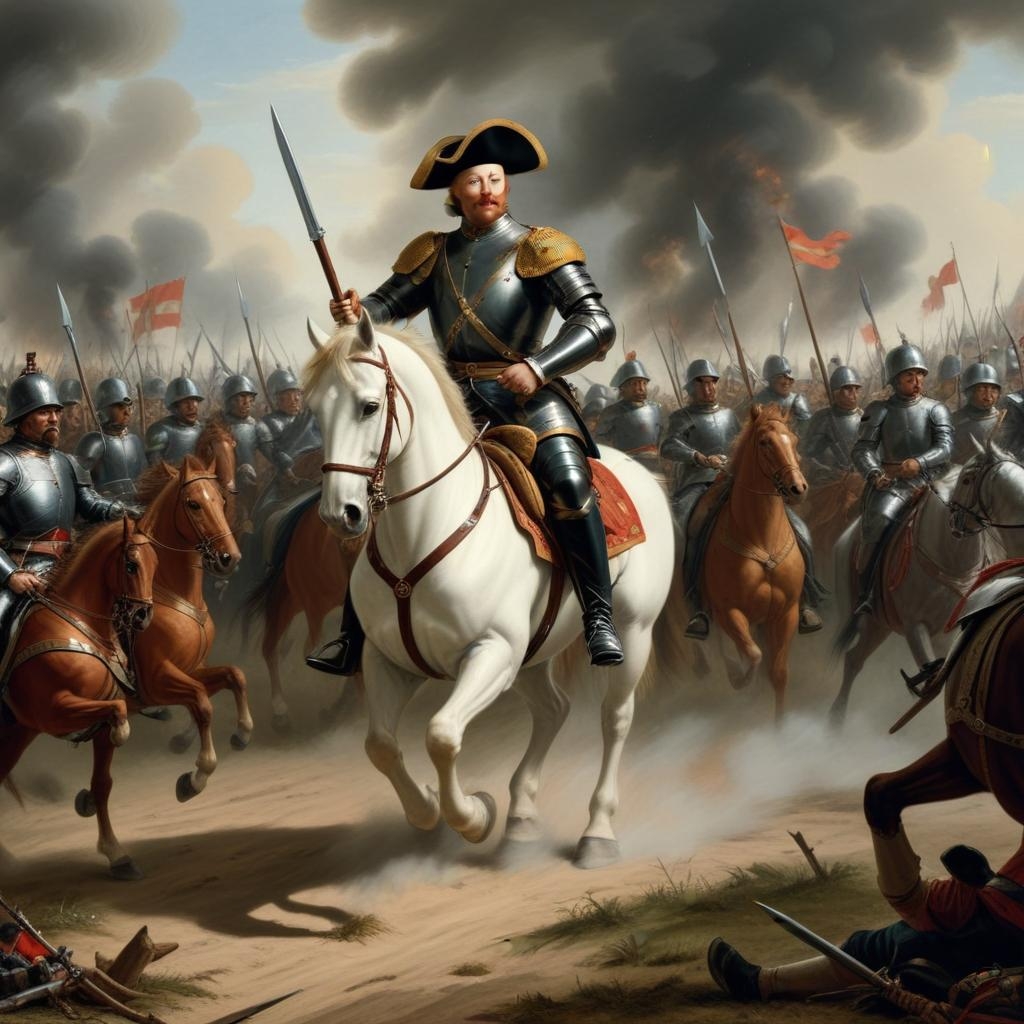
Gustavus Adolphus
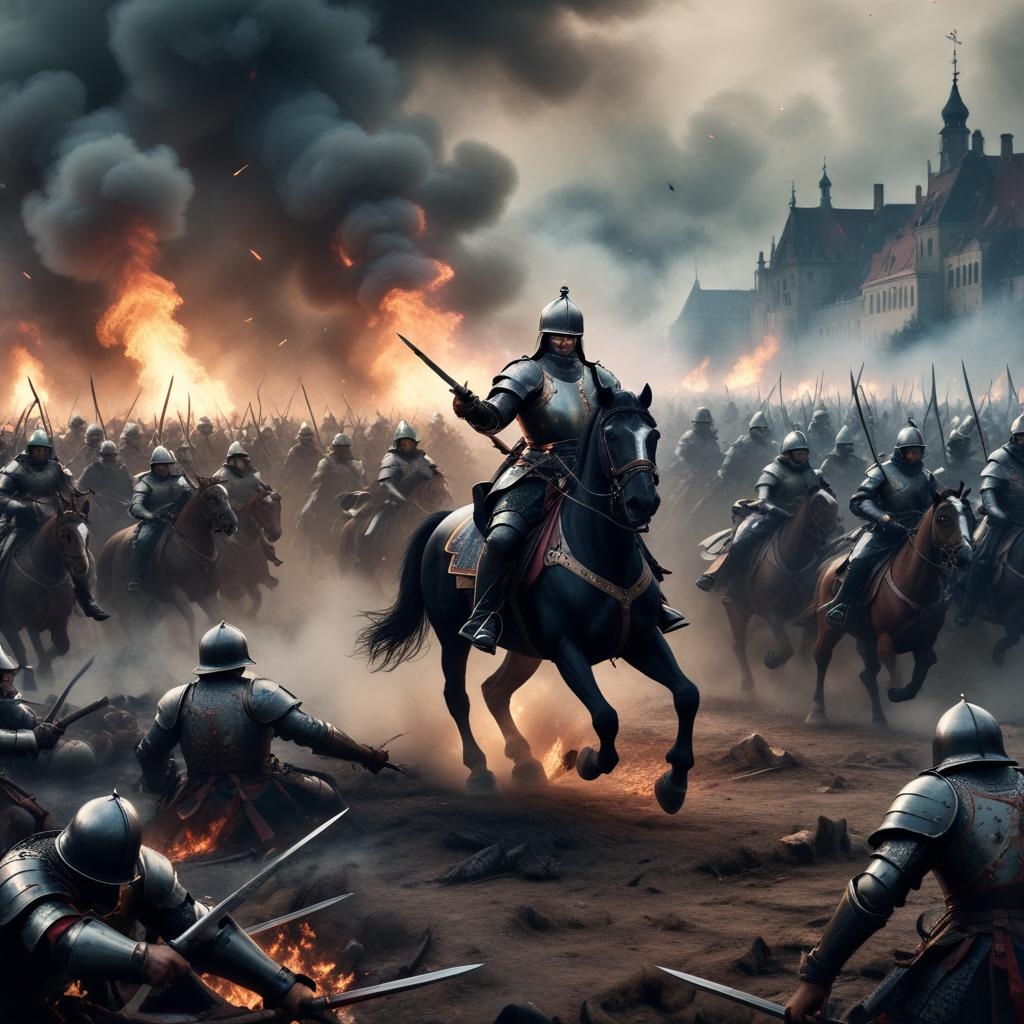
Albrecht von Wallenstein
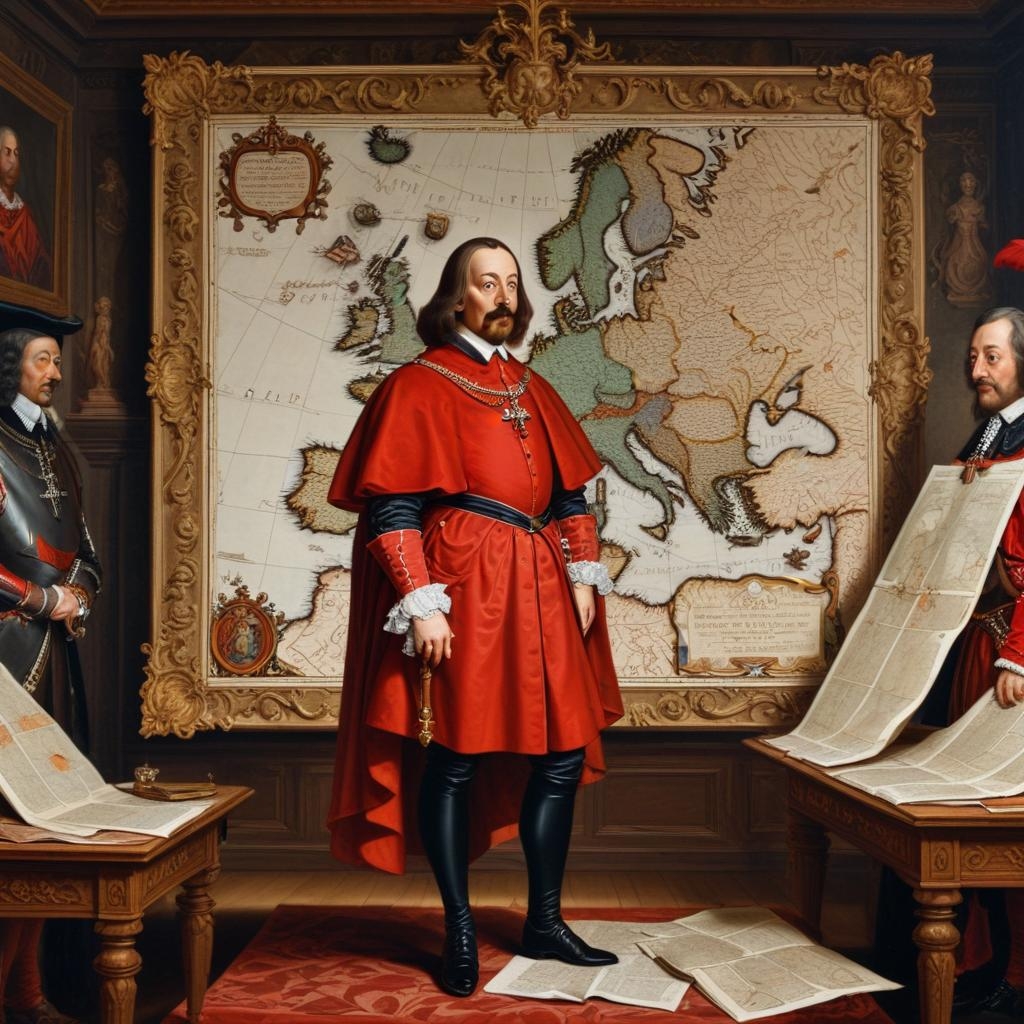
Cardinal Richelieu
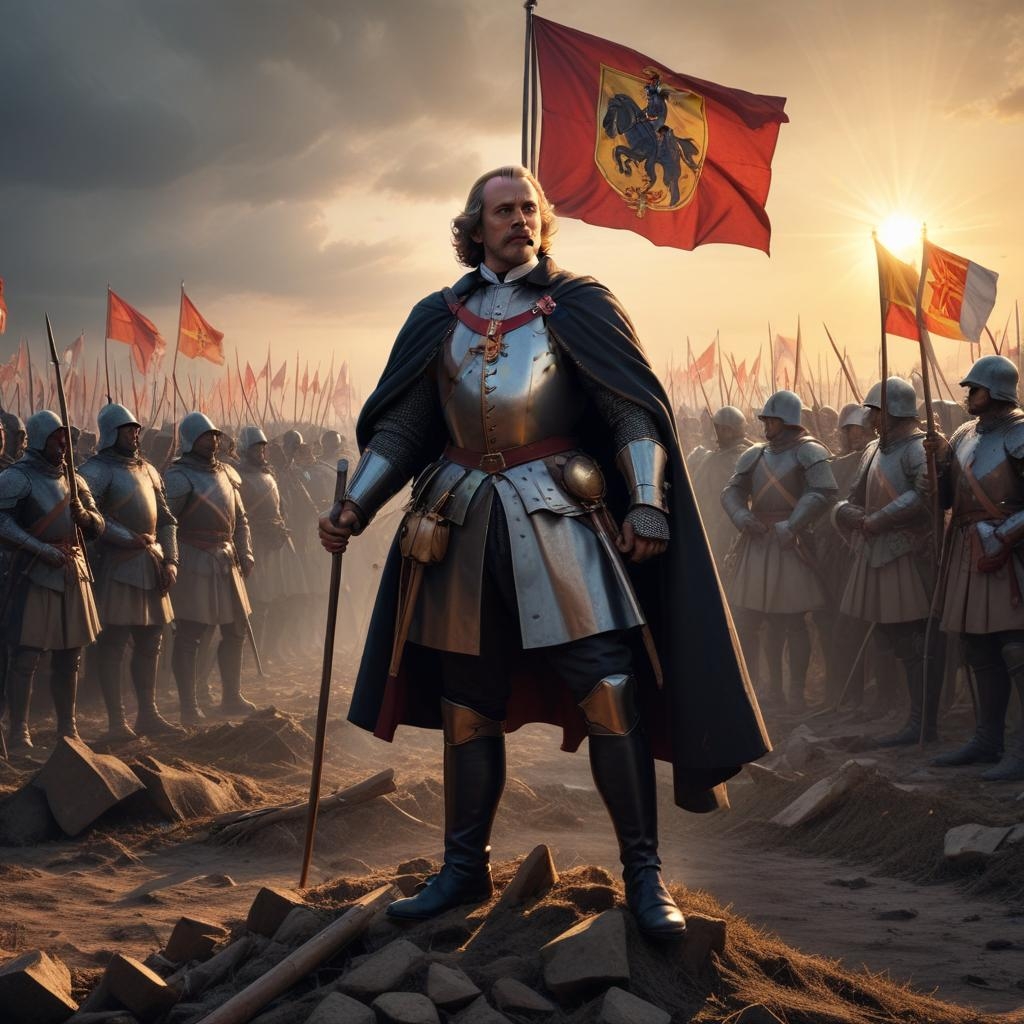
Frederick V of the Palatinate
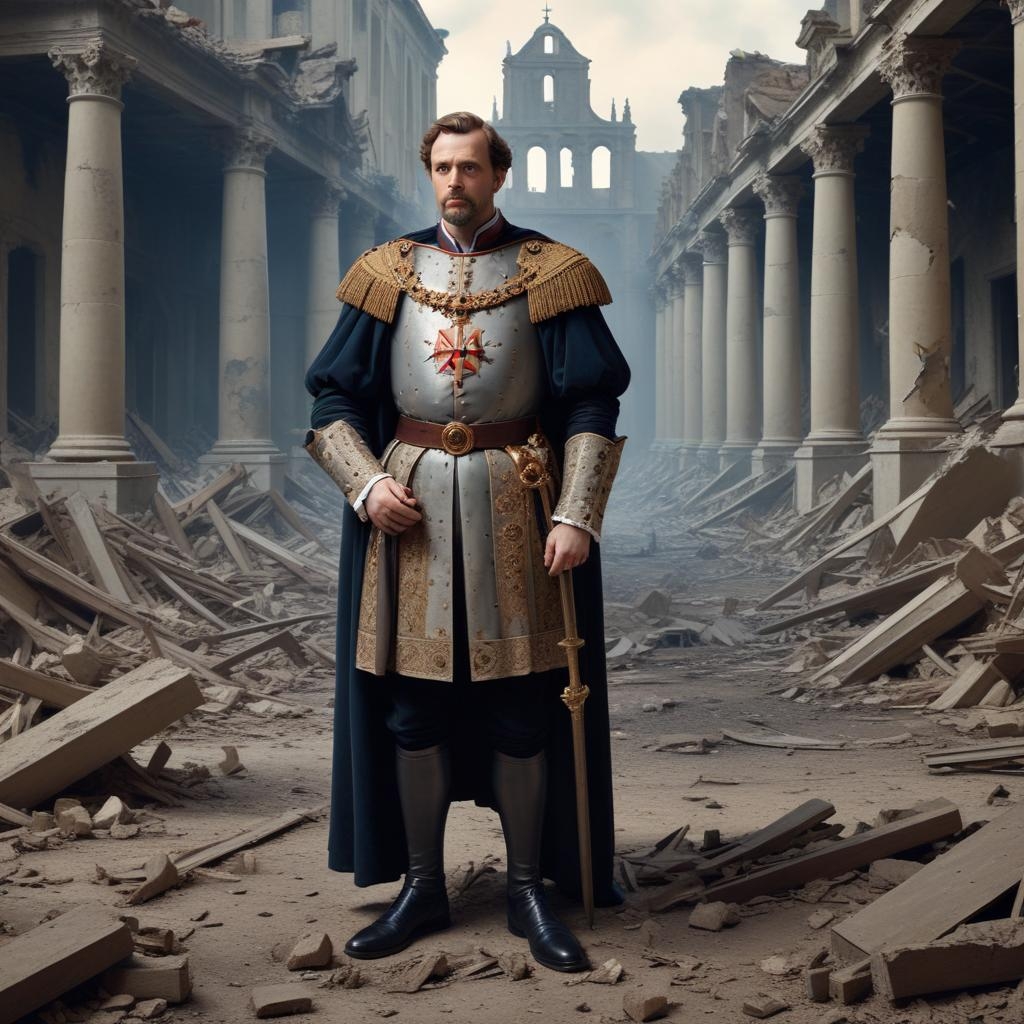
Ferdinand II

1. The Bohemian Phase (1618-1625)

2. The Danish Phase (1625-1629)

3. The Swedish Phase (1630-1635)

4. The French Phase (1635-1648)

5. The Peace of Westphalia (1648)

6. Devastation in Central Europe

7. Religious and Political Impact

8. Legacy of the War

9. Lessons Learned

10. Enduring Effects

Lesson Details & Resources
In a Nutshell
- What: A series of wars fought in Europe from 1618 to 1648
- When: 1618-1648
- Who: Holy Roman Empire, Spain, France, Sweden, and various German states
- Outcome: Devastation across Europe, significant population loss, and the Peace of Westphalia which established the principle of state sovereignty
Famous Figures in the The Thirty Years’ War
-
Gustavus Adolphus
Gustavus Adolphus was the King of Sweden who intervened in the war and became known as the 'Lion of the North'.
-
Cardinal Richelieu
Cardinal Richelieu was the Chief Minister of France who supported Protestant forces against the Habsburgs.
-
Ferdinand II
Ferdinand II was the Holy Roman Emperor who tried to reestablish Catholicism in the Empire.
-
Albrecht von Wallenstein
Albrecht von Wallenstein was a successful general who fought for the Habsburgs but was later dismissed by Ferdinand II.
-
Frederick V
Frederick V was the Elector Palatine who briefly ruled as King of Bohemia before being defeated at the Battle of White Mountain.
-
Maria Theresa
Maria Theresa was the daughter of Ferdinand III who became Queen of Hungary and Croatia during the war.
-
Christian IV
Christian IV was the King of Denmark who intervened in the war but was defeated by the Imperial forces.
-
Wallenstein
Wallenstein was a successful general who fought for the Habsburgs but was later dismissed by Ferdinand II.
-
Maximilian I
Maximilian I was the Elector of Bavaria who sided with the Habsburgs during the war.
-
Bernhard of Saxe-Weimar
Bernhard of Saxe-Weimar was a Protestant general who fought for the Swedish forces and later became a prominent military leader.
Timeline of The Thirty Years’ War
Defenestration of Prague
Battle of White Mountain
Edict of Restitution issued by Holy Roman Emperor Ferdinand II
Peace of Prague
Battle of Wittstock
Treaty of Westphalia negotiations begin
Execution of Wallenstein
Battle of Nördlingen
Battle of Rocroi
Swedish invasion of Jutland
Peace of Westphalia negotiations conclude
Treaty of Westphalia signed
Official end of the Thirty Years' War
Defeat of the Spanish Army at Rocroi
Cardinal Richelieu declares war on Spain
French intervention in the war
Battle of Breitenfeld
Battle of Lützen
Battle of Jankau
Peace of Münster signed
Vocabulary List
- Protestant
- The Protestant princes of the Holy Roman Empire formed the Protestant Union to defend their rights and interests.
- Catholic
- The Catholic princes of the Holy Roman Empire formed the Catholic League to counter the influence of Protestantism.
- Peace of Westphalia
- The Peace of Westphalia in 1648 ended the Thirty Years' War and established the principle of state sovereignty.
- Mercenary
- Mercenary soldiers were hired by both sides in the conflict to bolster their armies.
- Devastation
- The war caused widespread devastation and destruction across central Europe.
- Defenestration
- The defenestration of Prague in 1618 marked the beginning of the Thirty Years' War.
- Cavalry
- Cavalry units played a key role in many battles of the Thirty Years' War.
- Treaty
- Numerous treaties were signed during the course of the war as various factions sought to end the conflict.
- Religious freedom
- The Thirty Years' War was in part a struggle for religious freedom and tolerance.
- Warfare
- The Thirty Years' War saw the use of new tactics and strategies in warfare.
Key Facts
This is the information used in the fact matching game
- The Thirty Years' War was a series of wars fought in Central Europe from 1618 to 1648.
- The war was primarily fought between Protestants and Catholics, but also involved political and territorial disputes.
- The war was sparked by the Defenestration of Prague in 1618, when Protestant nobles threw Catholic officials out of a window.
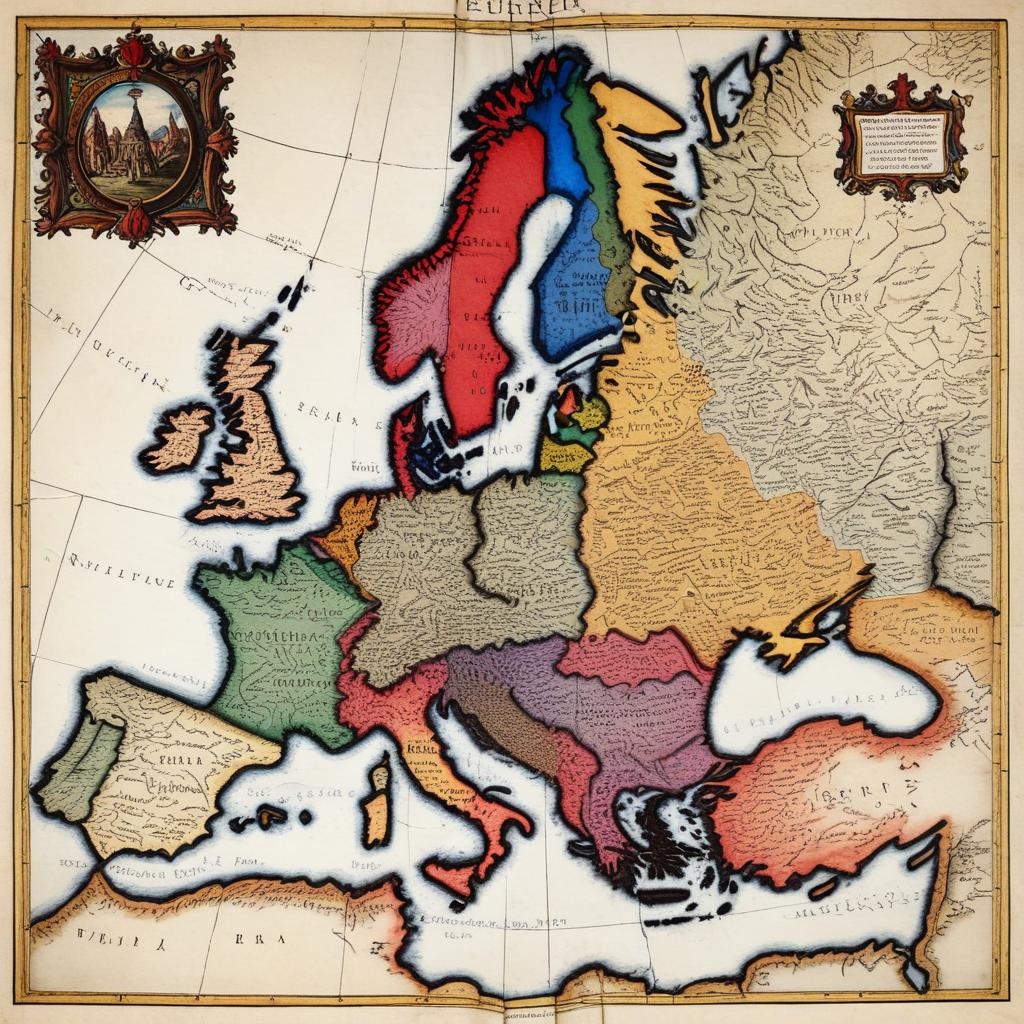
- The war involved most of the major European powers at the time, including France, Spain, Sweden, and the Holy Roman Empire.
- The war caused widespread devastation and loss of life, with estimates of up to 8 million deaths.
- The Peace of Westphalia in 1648 ended the war and established the principle of state sovereignty in Europe.
- The war had a profound impact on the religious and political landscape of Europe, leading to the decline of the Holy Roman Empire and the rise of France as a dominant power.
- Gustavus Adolphus of Sweden was a key military leader in the war, known for his innovative tactics and strategic brilliance.
- The war saw the widespread use of mercenaries, who often engaged in brutal tactics and atrocities against civilians.
- The war also had a significant impact on the economy of Europe, leading to widespread famine and economic hardship.
- The war saw the development of new military technologies, including more advanced artillery and firearms.
- The war had a lasting impact on the population of Central Europe, with some regions losing up to half of their population due to fighting, disease, and famine.
- The war was marked by a series of brutal sieges and battles, including the Battle of Lützen in 1632, where Gustavus Adolphus was killed.
- The war also had a significant impact on the arts and culture of Europe, with many artists and writers producing works inspired by the conflict.
- The war led to the fragmentation of the Holy Roman Empire and the establishment of a more decentralized political system in Europe.
- The war is considered one of the most destructive conflicts in European history, with lasting consequences for the continent.
- The war had a significant impact on the development of international law, with the Peace of Westphalia establishing the principles of sovereignty and non-intervention.
- The war saw the involvement of various religious and political factions, with alliances shifting over the course of the conflict.
- The war had a profound effect on the power dynamics of Europe, with the rise of France as a major player in European politics.
- The war also had a lasting impact on the role of religion in European politics, leading to increased tolerance and secularization in some regions.
Analysis & Significance
Immediate Consequences
The immediate consequences of the Thirty Years’ War were devastating. The conflict resulted in widespread destruction, loss of life, and economic turmoil across Europe. Many regions were left in ruins, and populations were decimated as a result of the fighting and the diseases that followed in its wake.
Long-Term Impact
The Thirty Years’ War had a profound and lasting impact on European history. It marked the end of the religious wars that had plagued the continent for decades and led to the establishment of the modern nation-state system. The war also contributed to the rise of centralized monarchies and the decline of the Holy Roman Empire.
Cultural Significance Today
The legacy of the Thirty Years’ War continues to influence us today. It serves as a cautionary tale about the dangers of religious intolerance, political extremism, and the devastating consequences of war. The war also shaped the cultural and political landscape of Europe, leaving a lasting imprint on the continent’s history and identity.
The Thirty Years’ War Games


Take Your Learning Offline
Want a convenient, print-ready study guide for this lesson? Become a Memory Wizards Pro member to unlock the downloadable " Memory Scrolls" for this topic and our entire library!
- ✓ Complete Vocabulary Lists
- ✓ Key Facts & Timelines
- ✓ Beautifully Formatted for Print & Mobile