
Summary of Gunpowder Plot of 1605
Uncover the dark plot that shook England to its core.
How Do You Learn Best?
Learn by Reading
Immerse yourself in the 10-minute visual lesson for a comprehensive understanding of the topic.
Learn by Reviewing
Jump directly to the key facts, timeline, and vocabulary lists to build a solid foundation of details.
Learn by Doing
Challenge yourself! Jump straight into the interactive games to learn by trial, error, and discovery.
Gunpowder Plot of 1605 in 10 Minutes

Introduction
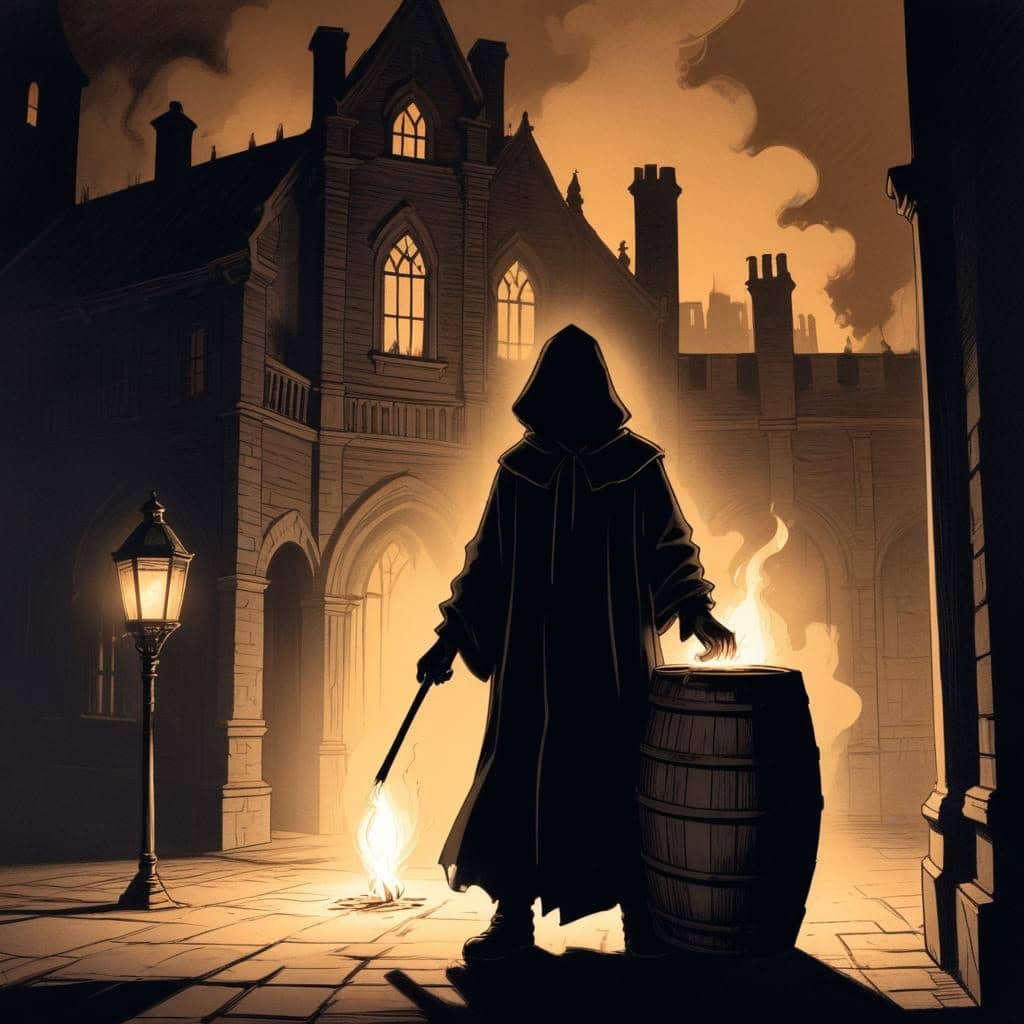

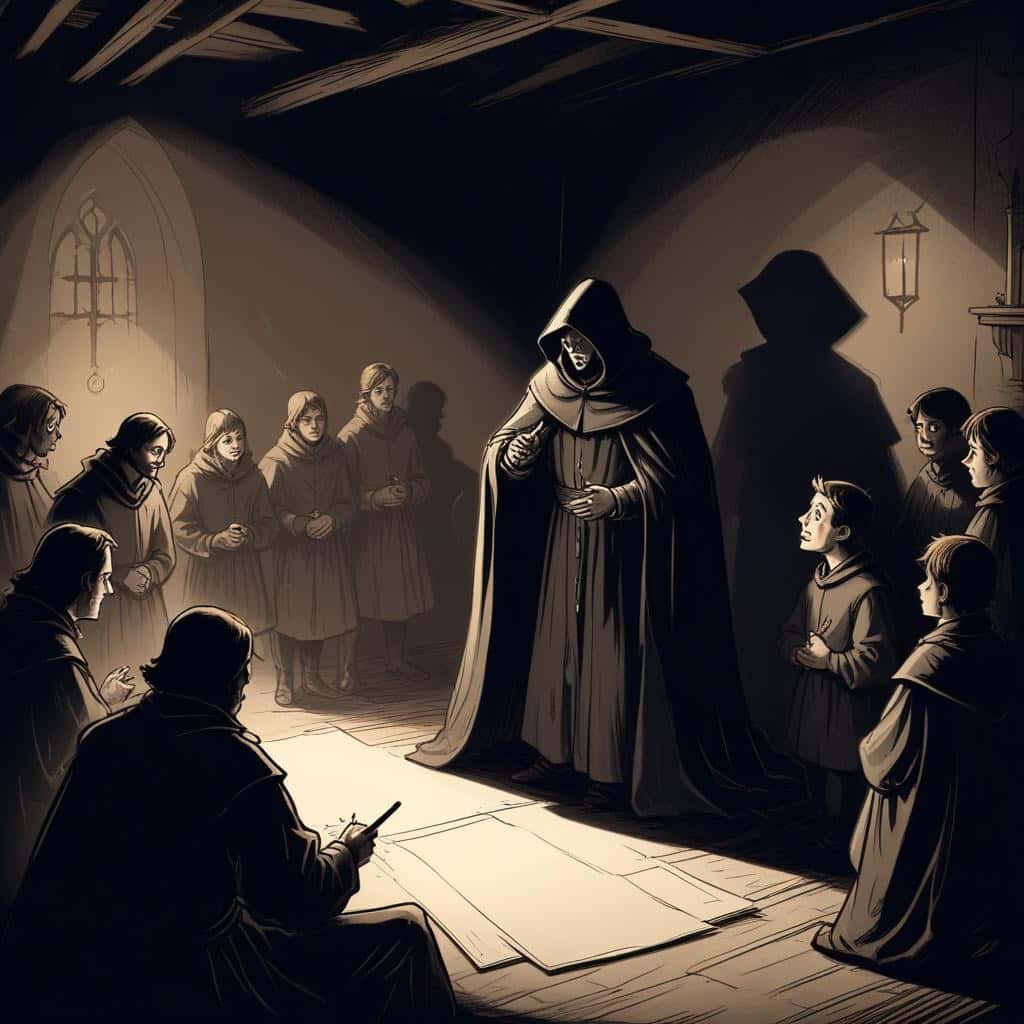
Robert Catesby
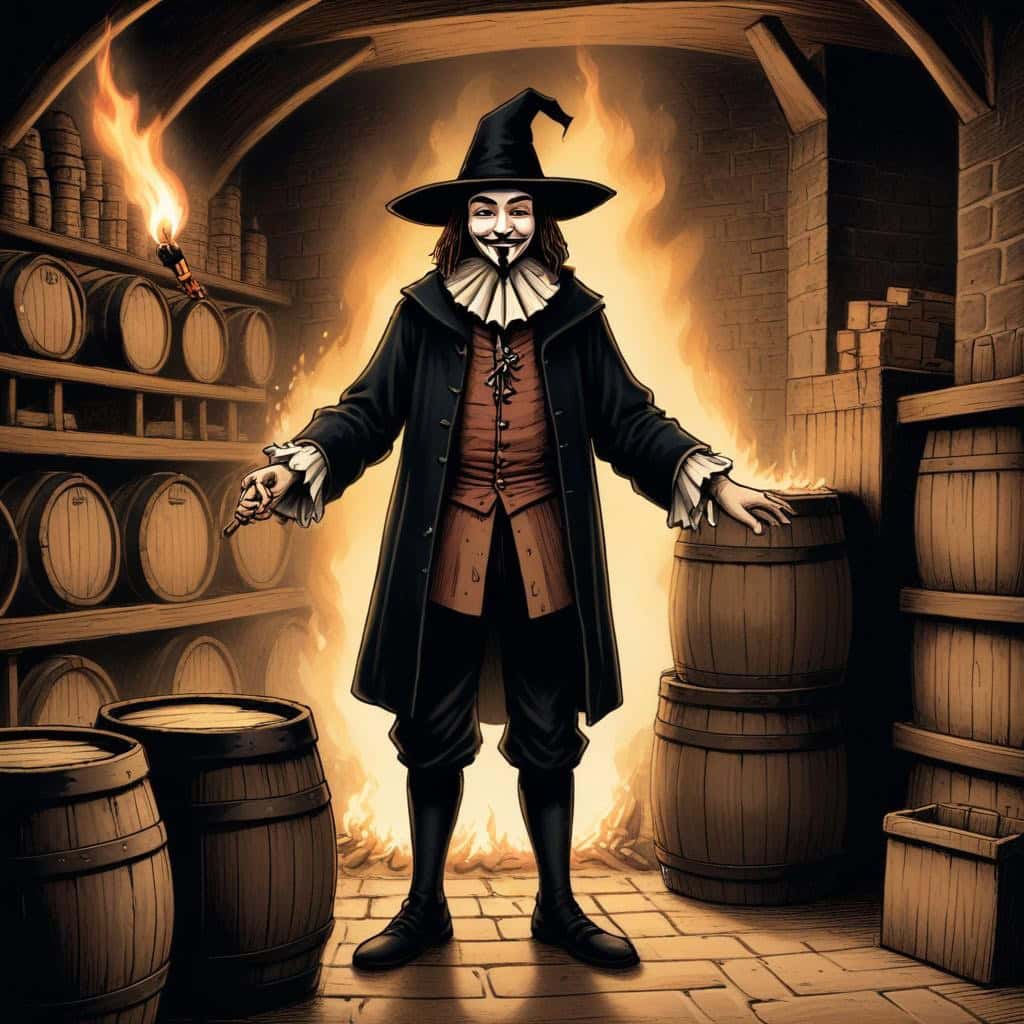
Guy Fawkes

Thomas Percy
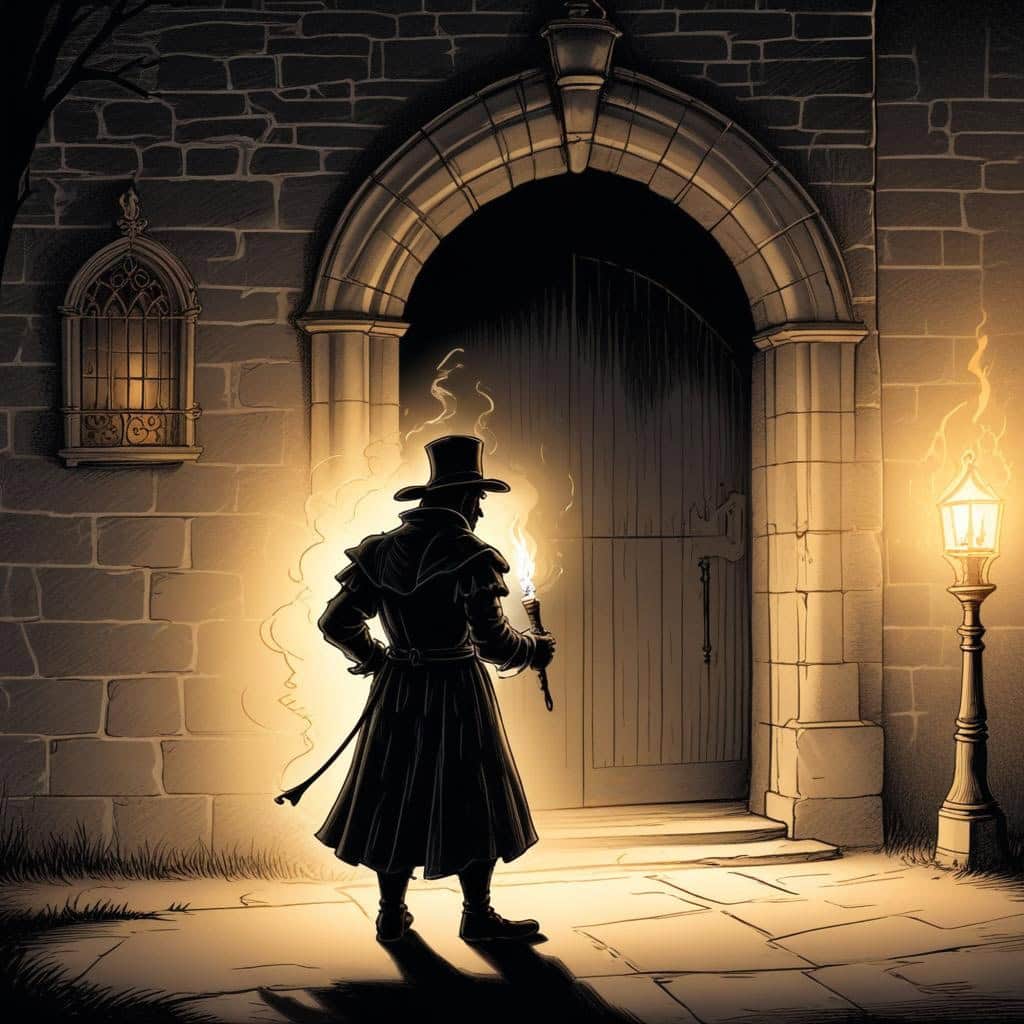
King James I

The Planning of the Plot

The Discovery of the Plot

The Interrogation of the Plotters

The Execution of the Conspirators

The Impact of the Plot

The Legacy of the Plot

Lesson Details & Resources
In a Nutshell
- What: A failed assassination attempt on King James I of England and the Parliament by a group of English Catholics
- When: November 5, 1605
- Who: Guy Fawkes, Robert Catesby, Thomas Percy
- Outcome: The discovery of the plot led to increased persecution of Catholics in England and the institution of Bonfire Night as an annual celebration
Famous Figures in the Gunpowder Plot of 1605
-
Guy Fawkes
Guy Fawkes was a member of the Gunpowder Plot, known for his role in attempting to blow up the House of Lords.
-
Robert Catesby
Robert Catesby was the mastermind behind the Gunpowder Plot and recruited others to join the conspiracy.
-
Thomas Percy
Thomas Percy was a key conspirator in the Gunpowder Plot and provided funding for the group's activities.
-
John Wright
John Wright was a close associate of Robert Catesby and was involved in planning the Gunpowder Plot.
-
Thomas Wintour
Thomas Wintour was a member of the Gunpowder Plot and helped to secure gunpowder for the group's plan.
-
Robert Keyes
Robert Keyes was one of the conspirators in the Gunpowder Plot and was arrested along with the others.
-
Thomas Bates
Thomas Bates was a servant of Robert Catesby and was involved in the Gunpowder Plot.
-
Christopher Wright
Christopher Wright was a brother of John Wright and participated in the Gunpowder Plot.
-
Everard Digby
Everard Digby was a wealthy landowner who joined the Gunpowder Plot and provided financial support.
-
Francis Tresham
Francis Tresham was a member of the conspiracy but later sent a letter warning a friend to stay away from the House of Lords on the day of the planned explosion.
Timeline of Gunpowder Plot of 1605
Robert Catesby begins planning the Gunpowder Plot
Francis Tresham joins the conspiracy
Guy Fawkes is recruited by Catesby
The plotters rent a cellar beneath the House of Lords
The plotters begin stockpiling gunpowder
The opening of Parliament is delayed to November 5, 1605
The plotters decide to proceed with their plan
Guy Fawkes is discovered guarding the gunpowder
Fawkes is arrested and interrogated
The other plotters flee London
The plotters are pursued and captured
The plotters are executed
The Gunpowder Plot is revealed to the public
The plotters' families are also arrested and interrogated
The government investigates potential accomplices
The plotters' properties are confiscated
The government introduces new laws against Catholics
The Gunpowder Plot leads to increased anti-Catholic sentiment in England
The anniversary of the Gunpowder Plot becomes a day of national observance in England
The Gunpowder Plot is remembered in English history as a failed attempt to assassinate King James I
Vocabulary List
- Gunpowder Plot
- The failed conspiracy by a group of English Catholics to assassinate King James I by blowing up the House of Lords during the State Opening of Parliament on November 5, 1605.
- Guy Fawkes
- One of the conspirators in the Gunpowder Plot who was caught guarding the explosives in the cellar beneath the House of Lords.
- Robert Catesby
- The ringleader of the Gunpowder Plot who recruited the other conspirators and planned the assassination of King James I.
- Parliament
- The legislative body of the English government that was the target of the Gunpowder Plot.
- Treason
- The crime of betraying one's country, punishable by death, which the conspirators in the Gunpowder Plot were charged with.
- Guy Fawkes Night
- An annual celebration in the UK on November 5th, commemorating the foiling of the Gunpowder Plot with fireworks and bonfires.
- Conspirators
- The group of individuals who were involved in planning and carrying out the Gunpowder Plot.
- Explosives
- The gunpowder that was hidden in the cellar beneath the House of Lords as part of the Gunpowder Plot.
- Catholicism
- The religion of the conspirators in the Gunpowder Plot, who were motivated by their desire to restore Catholicism as the dominant religion in England.
- Allegiance
- The loyalty and fidelity owed by the conspirators to King James I, which they violated by plotting to assassinate him in the Gunpowder Plot.
Key Facts
This is the information used in the fact matching game
- The Gunpowder Plot was a failed assassination attempt against King James I of England and his government officials by a group of English Catholics.
- The plot was led by Robert Catesby, who recruited a group of conspirators including Guy Fawkes.
- The conspirators planned to blow up the House of Lords during the State Opening of Parliament on November 5, 1605.
- Guy Fawkes was caught guarding the gunpowder in the cellar beneath the House of Lords on the night of November 4, 1605.
- The conspirators were arrested and subsequently executed for their roles in the plot.
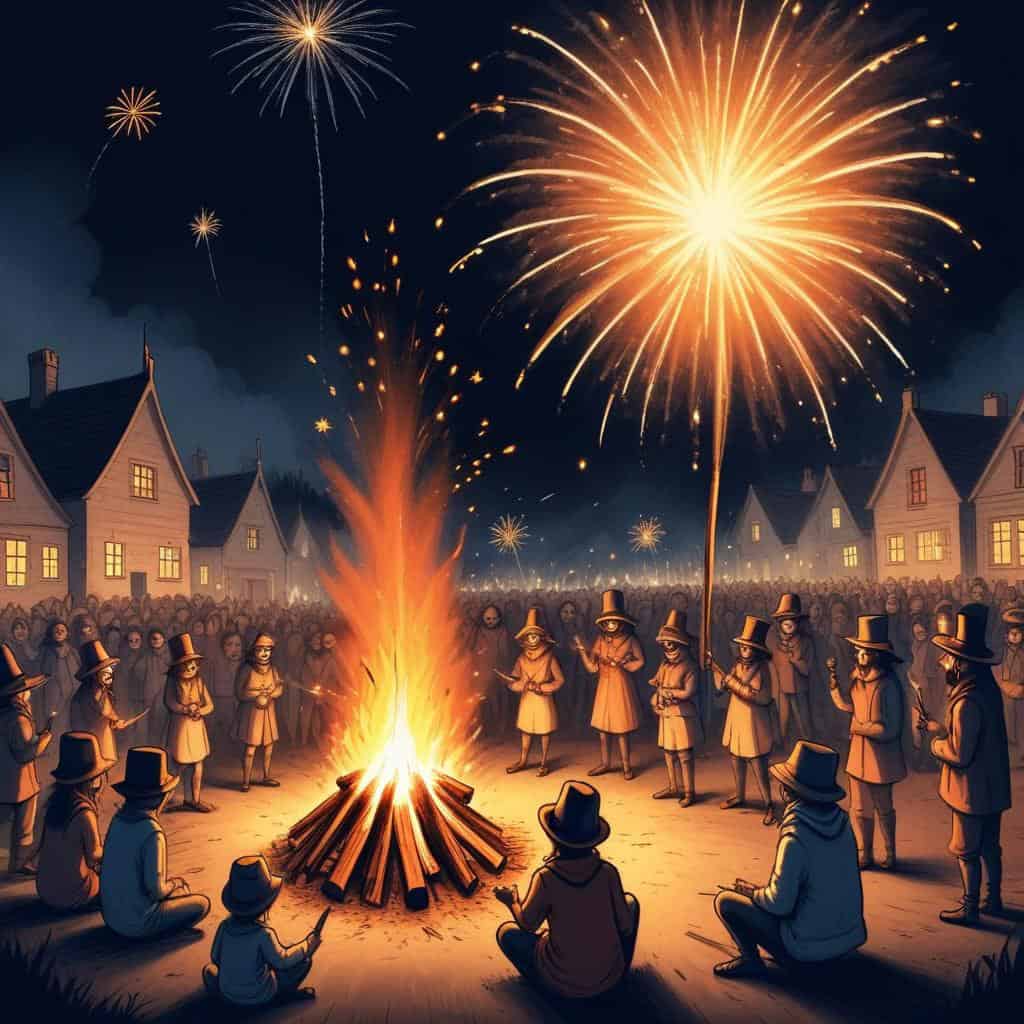
- The Gunpowder Plot is commemorated in the UK every year on November 5th with bonfires and fireworks displays.
- The failed assassination attempt led to increased persecution of Catholics in England.
- Several of the conspirators were captured and executed, while others were killed while resisting arrest.
- Guy Fawkes was tortured to reveal the names of his co-conspirators.
- The plot was discovered when an anonymous letter was sent to William Parker, 4th Baron Monteagle, warning him not to attend Parliament on November 5th.
- The Gunpowder Plot is also known as the Powder Treason or the Jesuit Treason.
- The conspirators planned to install a Catholic monarch on the English throne by killing King James I.
- The Gunpowder Plot was a reaction to the persecution of Catholics in England under the reign of King James I.
- The discovery of the plot led to the introduction of the Observance of 5th November Act, which required an annual public day of thanksgiving for the plot's failure.
- The Gunpowder Plot has been the subject of numerous books, films, and TV shows, including the graphic novel and film 'V for Vendetta'.
- The gunpowder barrels discovered in the cellar beneath the House of Lords were intended to cause a massive explosion that would destroy the building.
- The Gunpowder Plot is considered one of the most infamous events in British history.
- The failure of the Gunpowder Plot is celebrated in the UK with the burning of effigies of Guy Fawkes on bonfires.
- The Gunpowder Plot led to the passing of the Popish Recusants Act, which imposed heavy fines on Catholics who refused to attend Protestant services.
- Guy Fawkes was executed by hanging, drawing, and quartering on January 31, 1606.
Analysis & Significance
Immediate Consequences
The immediate consequences of the Gunpowder Plot of 1605 were swift and severe. Following the discovery of the plot to blow up the English Parliament and King James I, the conspirators were captured, tried, and executed. The event led to increased anti-Catholic sentiment in England and the passing of harsher laws against Catholics.
Long-Term Impact
The Gunpowder Plot had a lasting impact on English history. It solidified the Protestant hold on power in England and reinforced the idea of a Protestant nation under threat from Catholic subversion. The event also influenced the creation of annual celebrations such as Guy Fawkes Night, which is still observed in the UK today.
Cultural Significance Today
The Gunpowder Plot continues to hold cultural significance today, as it is remembered through various forms of literature, art, and media. The story of the failed conspiracy has become a symbol of resistance against oppressive governments and has been referenced in popular culture, including the graphic novel and film “V for Vendetta.” The legacy of the Gunpowder Plot serves as a cautionary tale about the consequences of political extremism and the importance of safeguarding democratic values.
Gunpowder Plot of 1605 Games


Take Your Learning Offline
Want a convenient, print-ready study guide for this lesson? Become a Memory Wizards Pro member to unlock the downloadable " Memory Scrolls" for this topic and our entire library!
- ✓ Complete Vocabulary Lists
- ✓ Key Facts & Timelines
- ✓ Beautifully Formatted for Print & Mobile