
Major philosophical questions
Are we truly free, or slaves to our own minds?
How Do You Learn Best?
Learn by Listening
Start with the 3-minute audio summary to get the key facts and narrative highlights quickly.
Learn by Reading
Immerse yourself in the 10-minute visual lesson for a comprehensive understanding of the topic.
Learn by Reviewing
Jump directly to the key facts, timeline, and vocabulary lists to build a solid foundation of details.
Learn by Doing
Challenge yourself! Jump straight into the interactive games to learn by trial, error, and discovery.
Audio Library
As one of our featured lessons, this topic includes premium audio guides.
Unlock the Wizard's Cram Session
This powerful audio study guide is a Pro-exclusive feature. Upgrade to Memory Wizards Pro to access this and all of our premium learning tools.
Upgrade to ProMajor philosophical questions in 10 Minutes
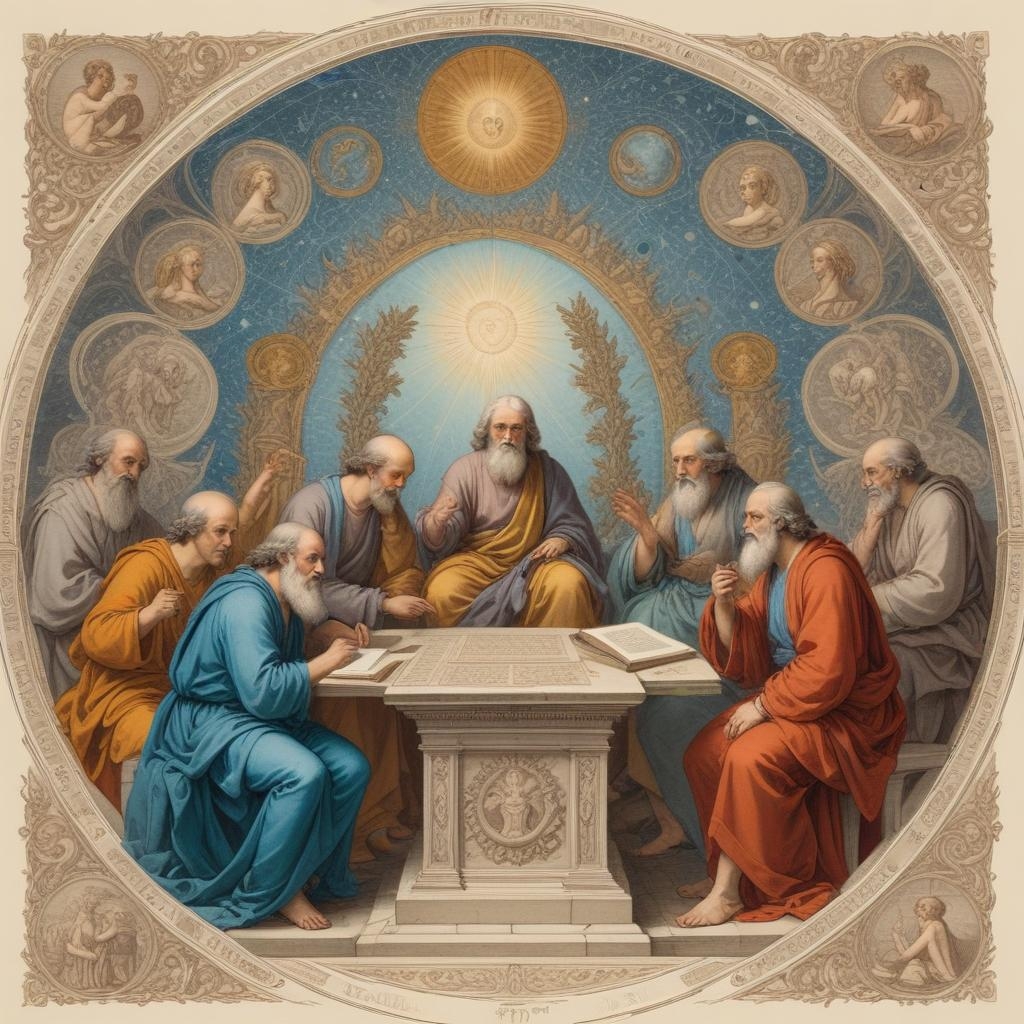
Introduction
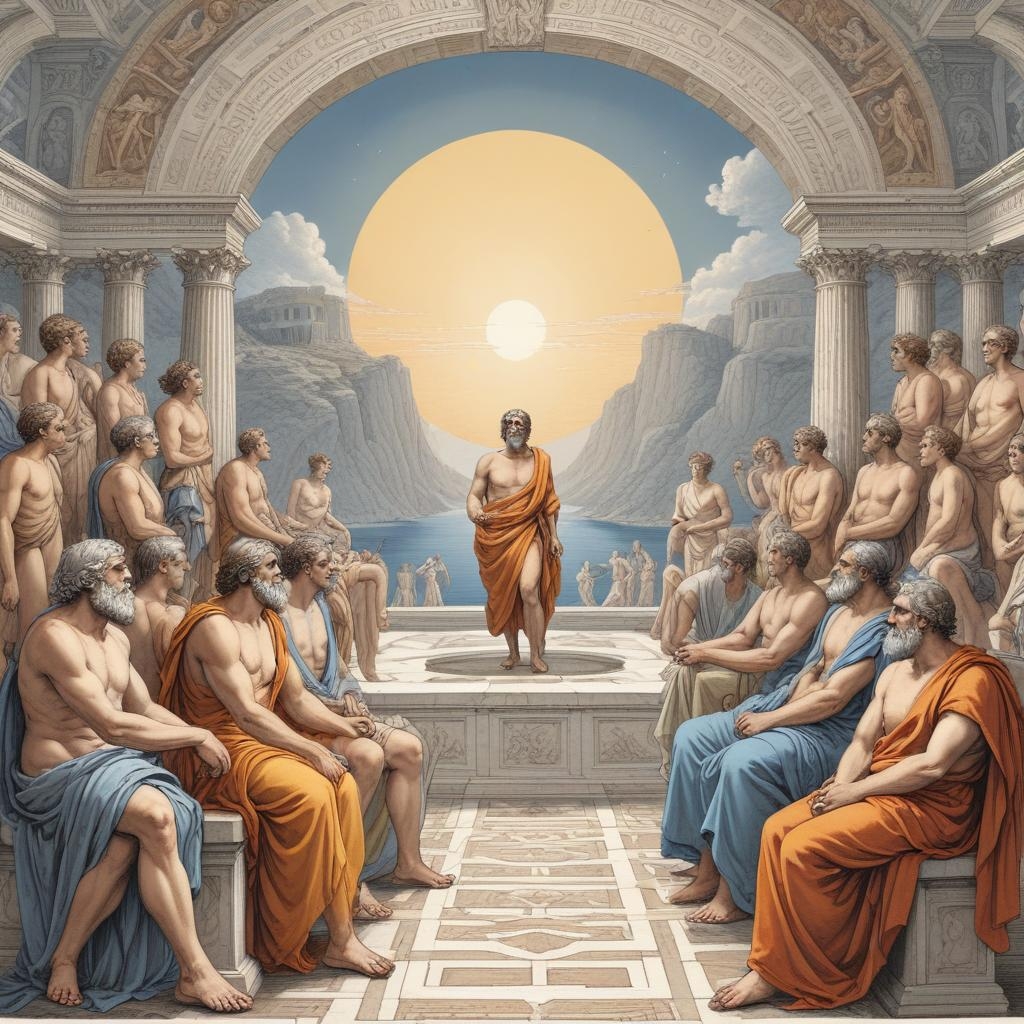
Plato
Aristotle

Rene Descartes

Immanuel Kant

Friedrich Nietzsche
1. The Nature of Reality

2. The Existence of God
3. Free Will vs. Determinism
4. The Nature of Knowledge

5. Ethics and Morality

6. The Problem of Evil
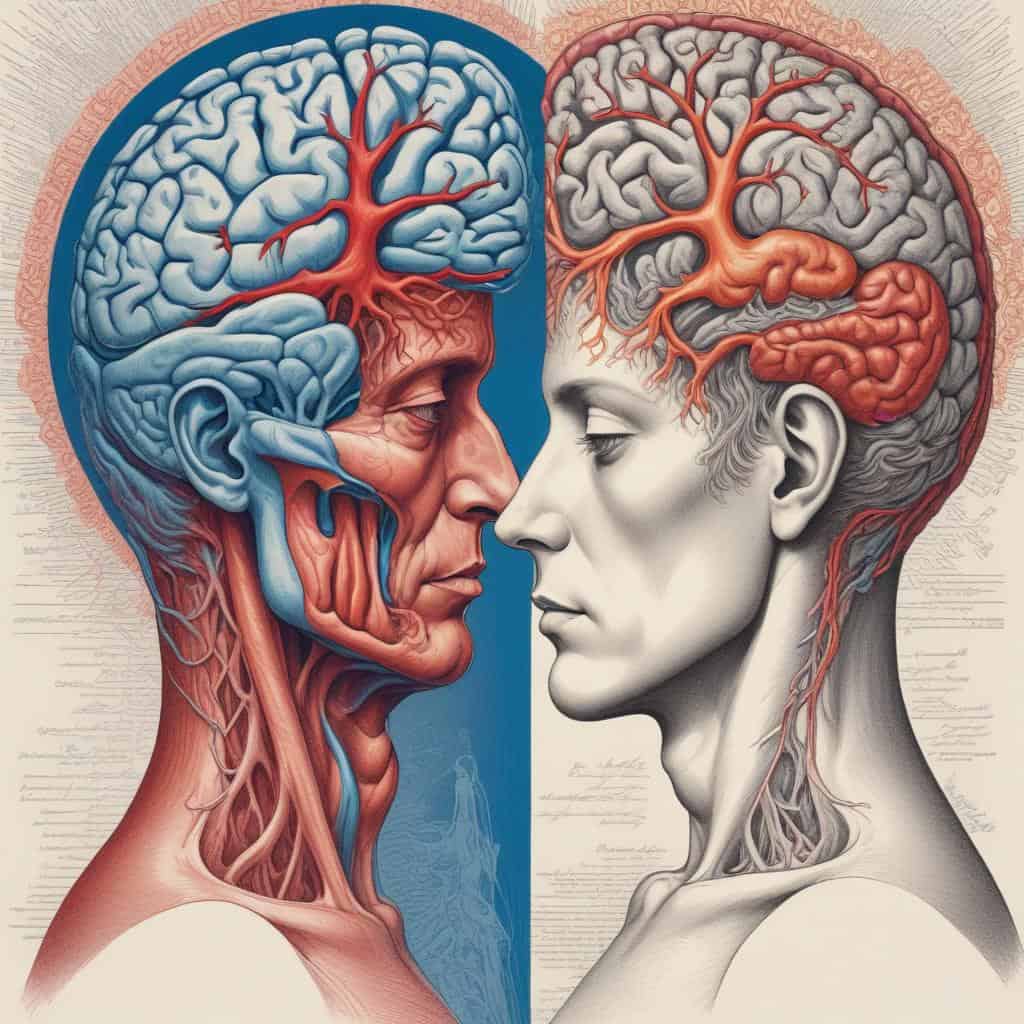
7. The Mind-Body Problem
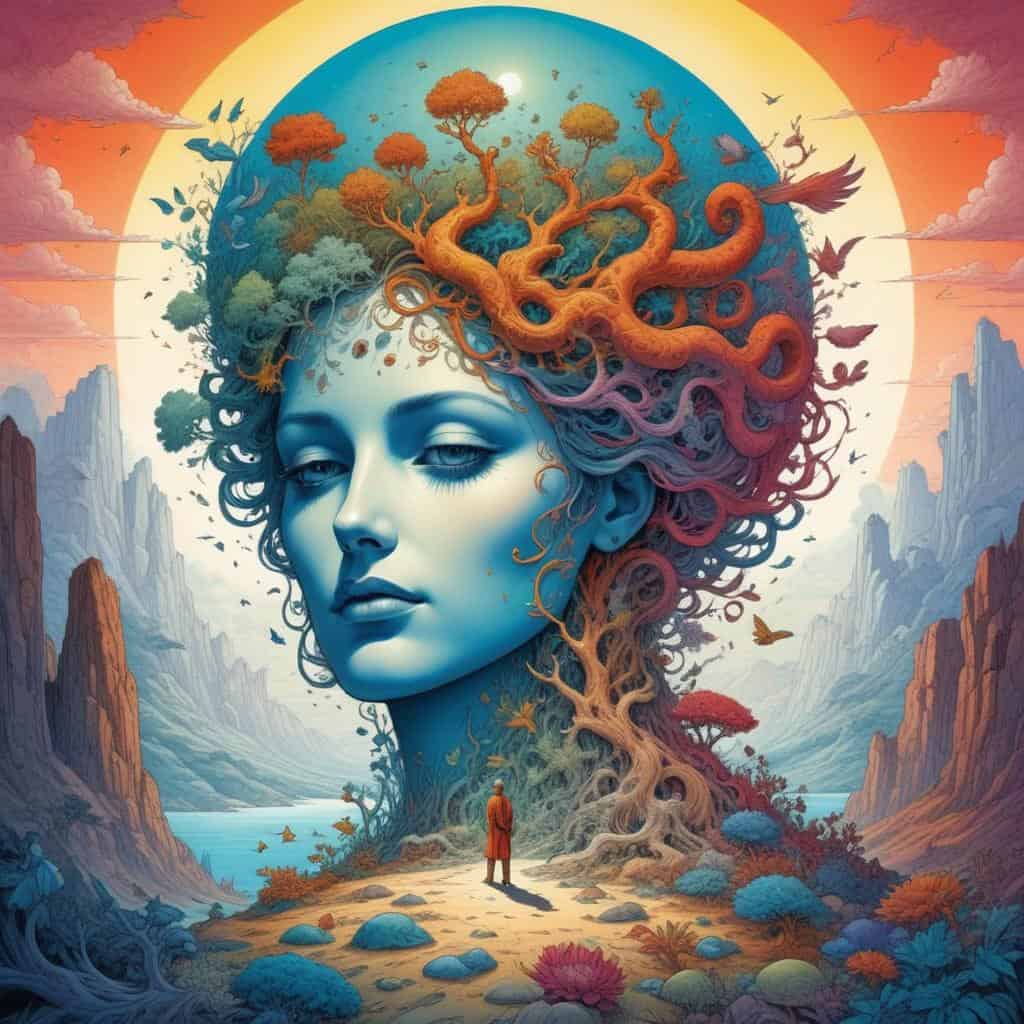
8. The Meaning of Life

9. Identity and Personal Identity

10. The Philosophy of Language


Lesson Details & Resources
In a Nutshell
- Concept: Major philosophical questions
- Thinkers: Various philosophers throughout history
- Central Question: What are the fundamental questions that shape human existence and knowledge?
- Core Implication: These questions help us understand the nature of reality, existence, morality, and the human experience.
Timeline of Major philosophical questions
What is the nature of reality?
What is the purpose of life?
What is the nature of knowledge?
What is the meaning of existence?
What is the nature of morality?
What is the relationship between mind and body?
What is the role of reason in human life?
What is the nature of consciousness?
What is the nature of truth?
What is the basis of ethics?
What is the nature of beauty?
What is the relationship between language and thought?
What is the nature of free will?
What is the source of human knowledge?
What is the nature of justice?
What is the purpose of art?
What is the nature of happiness?
What is the relationship between faith and reason?
What is the nature of identity?
What is the nature of time?
Vocabulary List
- Metaphysics
- Metaphysics explores questions such as 'What is the nature of reality?' and 'What is the relationship between mind and body?'
- Epistemology
- Epistemology examines questions like 'What is knowledge?' and 'How do we know what we know?'
- Ethics
- Ethics addresses questions such as 'What is the right thing to do?' and 'What is the basis for ethical decision-making?'
- Logic
- Logic is concerned with questions like 'What makes an argument valid?' and 'How can we distinguish between sound and unsound reasoning?'
- Aesthetics
- Aesthetics explores questions such as 'What is the nature of beauty?' and 'What is the role of art in our lives?'
- Ontology
- Ontology asks questions like 'What exists?' and 'What is the nature of existence?'
- Teleology
- Teleology considers questions such as 'Is there a purpose or goal to the universe?' and 'Do things have inherent purposes or functions?'
- Cosmology
- Cosmology explores questions like 'How did the universe begin?' and 'What is the ultimate fate of the universe?'
- Free will
- The debate over free will asks questions like 'Do we have control over our actions?' and 'Are we truly free to choose?'
- Moral relativism
- Moral relativism raises questions such as 'Are moral values subjective?' and 'Is there a universal standard for right and wrong?'
Key Facts
This is the information used in the fact matching game
- What is the nature of reality and existence?
- What is the nature of knowledge and truth?
- What is the nature of morality and ethics?
- What is the nature of the mind and consciousness?
- What is the nature of free will and determinism?
- What is the nature of beauty and aesthetics?
- What is the nature of language and communication?
- What is the nature of justice and political philosophy?
- What is the nature of time and change?
- What is the nature of identity and personal identity?
- What is the nature of reason and rationality?
- What is the nature of the self and self-awareness?
- What is the nature of perception and reality?
- What is the nature of human nature and the human condition?
- What is the nature of causality and explanation?
- What is the nature of God and religion?
- What is the nature of knowledge and belief?
- What is the nature of technology and its impact on society?
- What is the nature of the good life and happiness?
- What is the nature of death and the afterlife?
Analysis & Significance
The Core Argument
The major philosophical questions serve as the foundational inquiries that drive philosophical discourse. These questions address fundamental aspects of existence, knowledge, morality, and reality, challenging individuals to critically examine their beliefs and assumptions about the world.
Criticisms and Counterarguments
Some critics argue that these questions are abstract and detached from practical reality, leading to speculation without tangible solutions. Additionally, skeptics question the validity of pursuing answers to questions that may be inherently unanswerable or unknowable, casting doubt on the value of engaging in philosophical inquiry.
Modern Relevance
Despite these criticisms, the exploration of major philosophical questions remains relevant in modern society. These inquiries prompt individuals to reflect on their values, beliefs, and motivations, encouraging ethical contemplation and critical thinking in addressing complex societal issues. By grappling with these timeless questions, individuals can cultivate a deeper understanding of themselves and the world around them.
Major philosophical questions Games


Take Your Learning Offline
Want a convenient, print-ready study guide for this lesson? Become a Memory Wizards Pro member to unlock the downloadable " Memory Scrolls" for this topic and our entire library!
- ✓ Complete Vocabulary Lists
- ✓ Key Facts & Timelines
- ✓ Beautifully Formatted for Print & Mobile