
Understanding The Nature Of Reality
Exploring the illusion: Is reality what we perceive it to be?
How Do You Learn Best?
Learn by Reading
Immerse yourself in the 10-minute visual lesson for a comprehensive understanding of the topic.
Learn by Reviewing
Jump directly to the key facts, timeline, and vocabulary lists to build a solid foundation of details.
Learn by Doing
Challenge yourself! Jump straight into the interactive games to learn by trial, error, and discovery.
Understanding The Nature Of Reality in 10 Minutes

Introduction
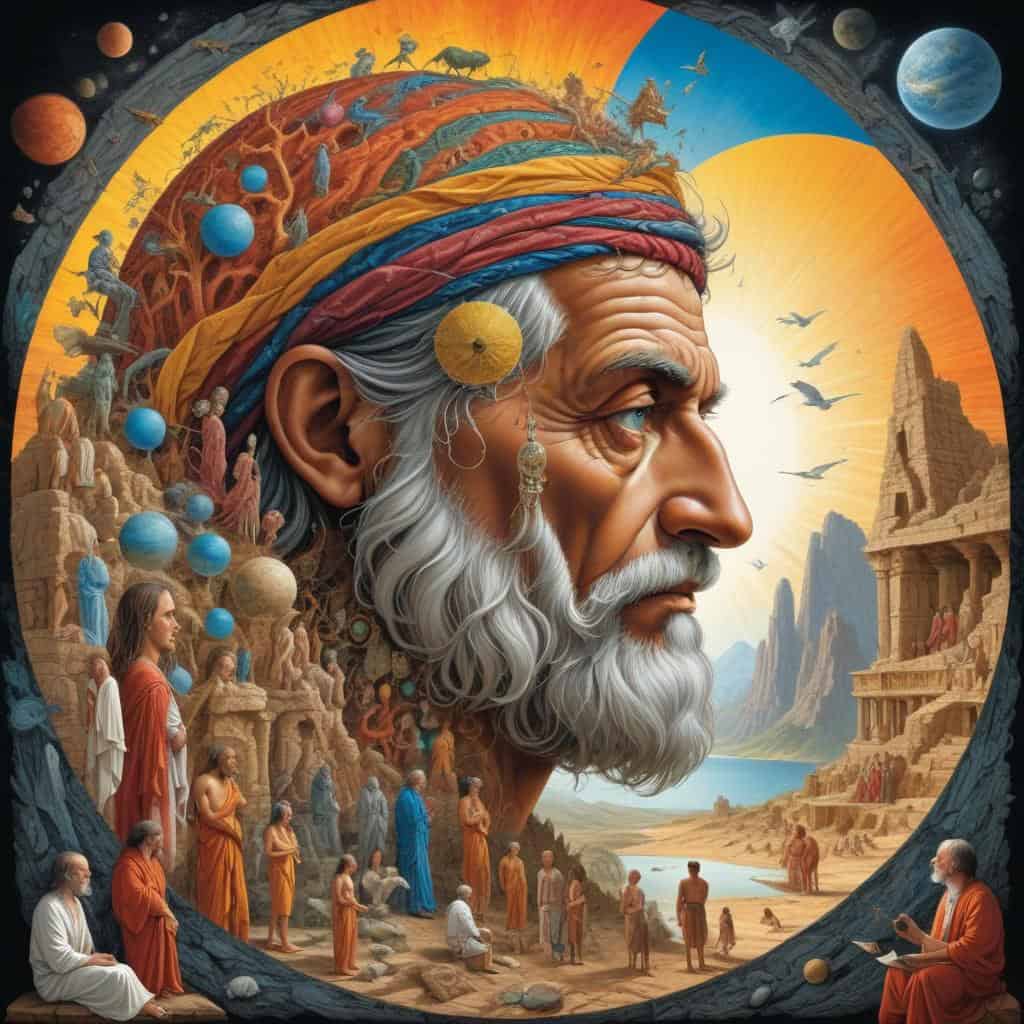

Plato

Rene Descartes
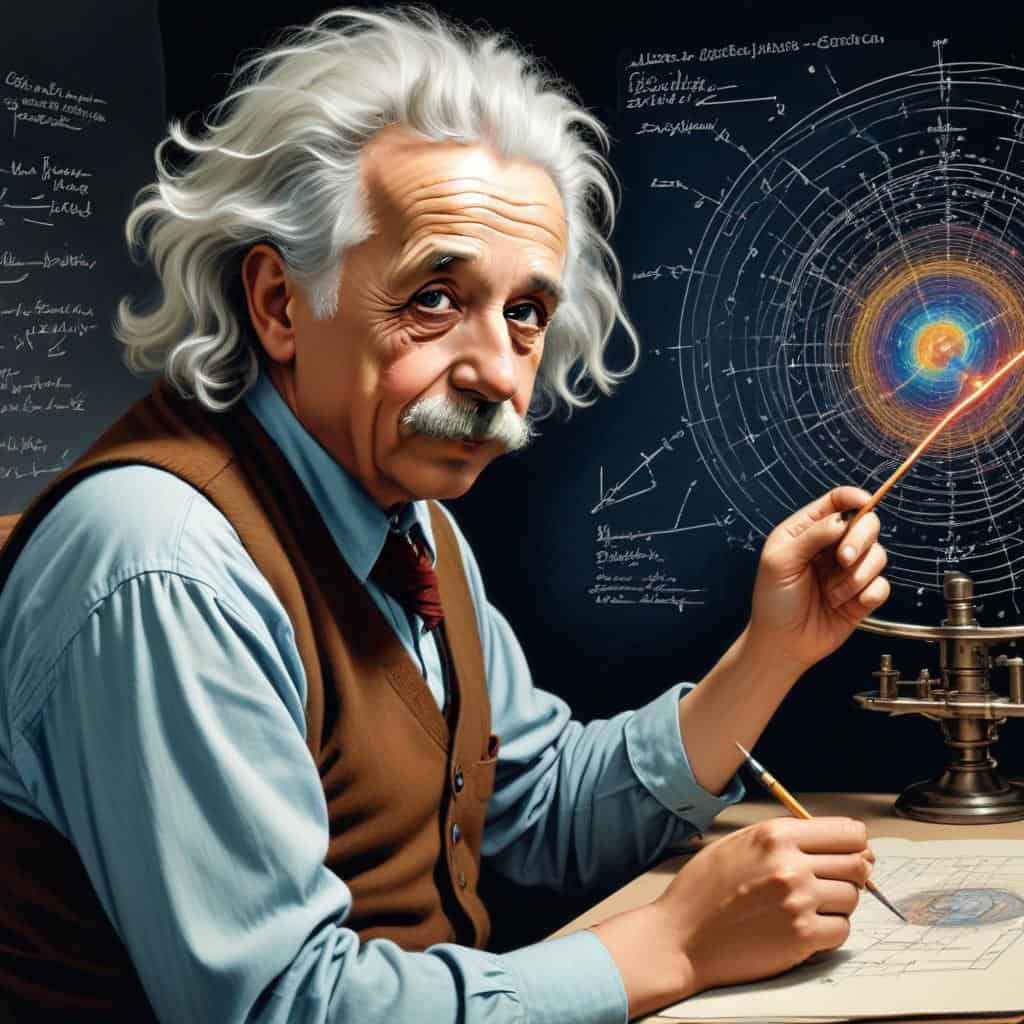
Albert Einstein
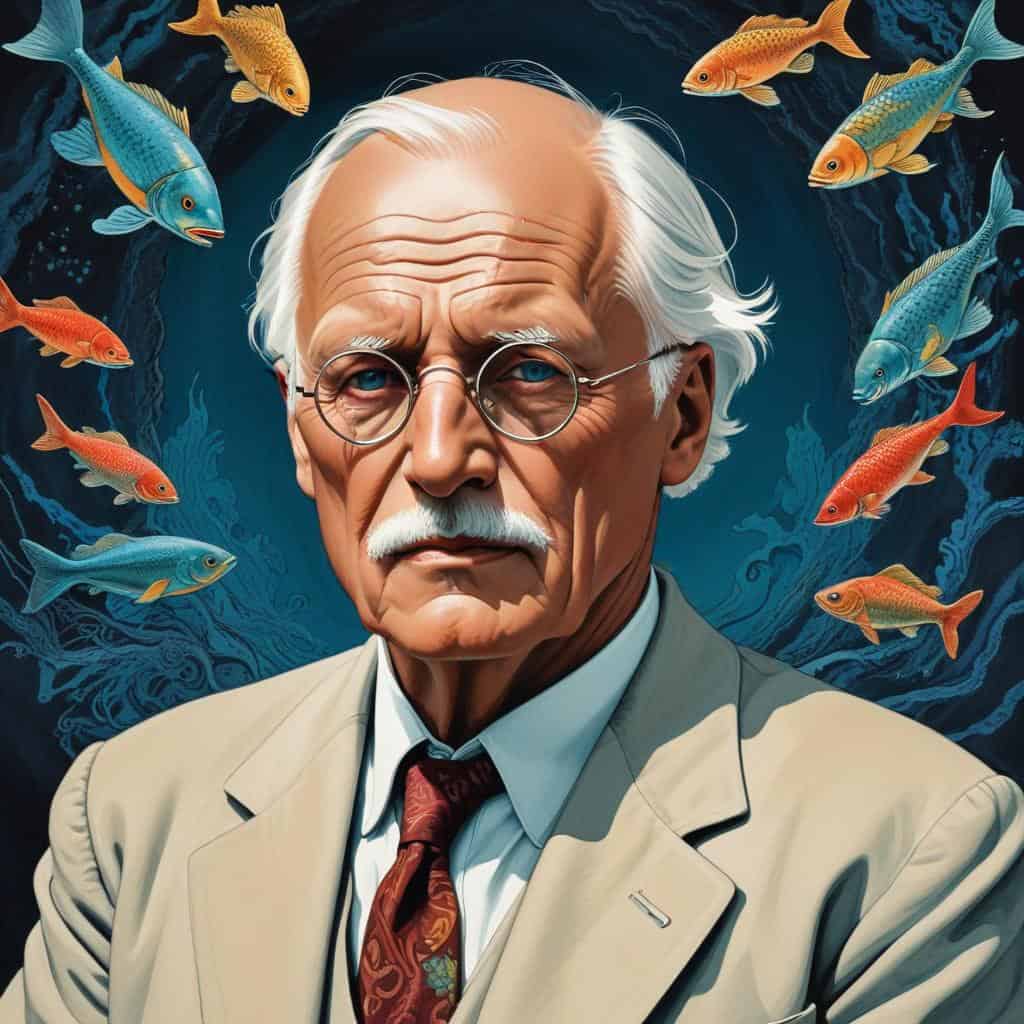
Carl Jung
1. Introduction to the Nature of Reality

2. The Five Senses
3. The Role of Perception

4. The Influence of Culture

5. The Concept of Time

6. The Role of Language

7. The Influence of Technology
8. The Search for Truth

9. Embracing Uncertainty
Lesson Details & Resources
In a Nutshell
- Concept: An exploration of the fundamental nature of reality and existence.
- Thinkers: Plato, Aristotle, Descartes, Kant, etc. Various time periods.
- Central Question: What is the true nature of reality and how can we understand it?
- Core Implication: The nature of reality is complex and often open to interpretation, leading to diverse philosophical perspectives.
Timeline of Understanding The Nature Of Reality
Big Bang theory proposes that the universe began as a singularity around 13.8 billion years ago
Formation of the first stars and galaxies in the universe
Formation of the Milky Way galaxy
Formation of our solar system
Formation of Earth
Development of life on Earth, starting with single-celled organisms
Evolution of multicellular organisms
Cambrian explosion, rapid diversification of life forms
Dinosaurs dominate the Earth
Mass extinction of dinosaurs, leading to the rise of mammals
Evolution of early humans
Development of agriculture and civilization
Invention of writing, leading to recorded history
Industrial Revolution, significant technological advancements
Theory of relativity proposed by Albert Einstein
Quantum mechanics developed, challenging classical physics
Discovery of the structure of DNA, leading to the understanding of genetics
Moon landing by Apollo 11, demonstrating human capabilities in space exploration
Invention of the World Wide Web, transforming communication and information sharing
Recent advancements in artificial intelligence and robotics
Vocabulary List
- Ontology
- In order to understand the nature of reality, one must first study ontology.
- Epistemology
- Epistemology plays a crucial role in understanding the nature of reality as it explores how we come to know what is real.
- Phenomenology
- Phenomenology helps us understand the way in which we experience and interpret reality.
- Skepticism
- Skepticism challenges our understanding of reality by questioning the validity of our beliefs and perceptions.
- Dualism
- Dualism presents a unique perspective on the nature of reality by suggesting that there are two fundamentally different aspects to existence.
Key Facts
This is the information used in the fact matching game
- Reality is the state of things as they actually exist, rather than as they may appear or might be imagined.
- The nature of reality is a philosophical question that has been debated by thinkers throughout history.
- Reality is often defined as the sum or aggregate of all that is real or existent within a system, as opposed to that which is merely possible.
- There are various theories and perspectives on the nature of reality, including idealism, materialism, and dualism.
- Some believe that reality is subjective and may vary from person to person based on individual perceptions and experiences.
- Others argue that reality is objective and exists independently of human perception or interpretation.
- Quantum physics has challenged traditional notions of reality, suggesting that particles can exist in multiple states simultaneously.
- The concept of reality is closely tied to the concept of truth, as reality is often seen as that which is true or factual.
- The nature of reality is a central theme in many religions and spiritual traditions, which often posit the existence of a higher or ultimate reality beyond the physical world.
- Philosophers such as Plato, Descartes, and Kant have all grappled with questions about the nature of reality and the limits of human understanding.
- Neuroscience and psychology have shed light on how the brain constructs our perception of reality, showing that our senses can be deceived and manipulated.
- Some argue that reality is a social construct, shaped by cultural norms, language, and power dynamics.
- The study of reality and its nature is a fundamental aspect of metaphysics, the branch of philosophy that examines the nature of existence and reality.
- The nature of reality is a complex and multifaceted topic that continues to be explored and debated by philosophers, scientists, and thinkers across disciplines.
- Some philosophers argue that reality is ultimately unknowable or beyond human comprehension, leading to skepticism and agnosticism.
- The study of reality is not limited to philosophy but also encompasses fields such as physics, biology, and psychology, each offering its own perspective on the nature of reality.
- The nature of reality is a source of inspiration for artists, writers, and creators who seek to explore the boundaries of human perception and imagination.
- Reality is often characterized by its unpredictability and complexity, with new discoveries and perspectives challenging established beliefs and assumptions.
- The quest to understand the nature of reality is a fundamental human endeavor that has driven scientific inquiry, philosophical debate, and spiritual exploration throughout history.
Analysis & Significance
The Core Argument
Understanding the nature of reality is a fundamental philosophical inquiry that seeks to uncover the true essence of existence and the world around us. It delves into questions about the nature of perception, the existence of objective truth, and the relationship between the mind and external reality.
Criticisms and Counterarguments
One major criticism of this concept is the challenge of skepticism, which questions the validity of our perceptions and the possibility of knowing the true nature of reality. Some philosophers argue that reality is subjective and varies from person to person, making it impossible to grasp a universal truth about existence.
Modern Relevance
Despite the abstract nature of this philosophical idea, understanding the nature of reality has practical implications in modern society. In a world of fake news and misinformation, the ability to discern truth from falsehood is crucial. By engaging with the philosophical exploration of reality, individuals can develop critical thinking skills and make informed decisions in their personal and professional lives.
Understanding The Nature Of Reality Games


Take Your Learning Offline
Want a convenient, print-ready study guide for this lesson? Become a Memory Wizards Pro member to unlock the downloadable " Memory Scrolls" for this topic and our entire library!
- ✓ Complete Vocabulary Lists
- ✓ Key Facts & Timelines
- ✓ Beautifully Formatted for Print & Mobile