
Examining The Relationship Between Mind And Body
Can the mind heal the body, or is it the reverse?
How Do You Learn Best?
Learn by Reading
Immerse yourself in the 10-minute visual lesson for a comprehensive understanding of the topic.
Learn by Reviewing
Jump directly to the key facts, timeline, and vocabulary lists to build a solid foundation of details.
Learn by Doing
Challenge yourself! Jump straight into the interactive games to learn by trial, error, and discovery.
Examining The Relationship Between Mind And Body in 10 Minutes
Introduction



1. Descartes

2. Sigmund Freud

3. William James

4. Renee Descartes

5. Elizabeth Anscombe

1. Introduction to the Mind-Body Relationship

2. Historical Perspectives

3. Descartes and Dualism
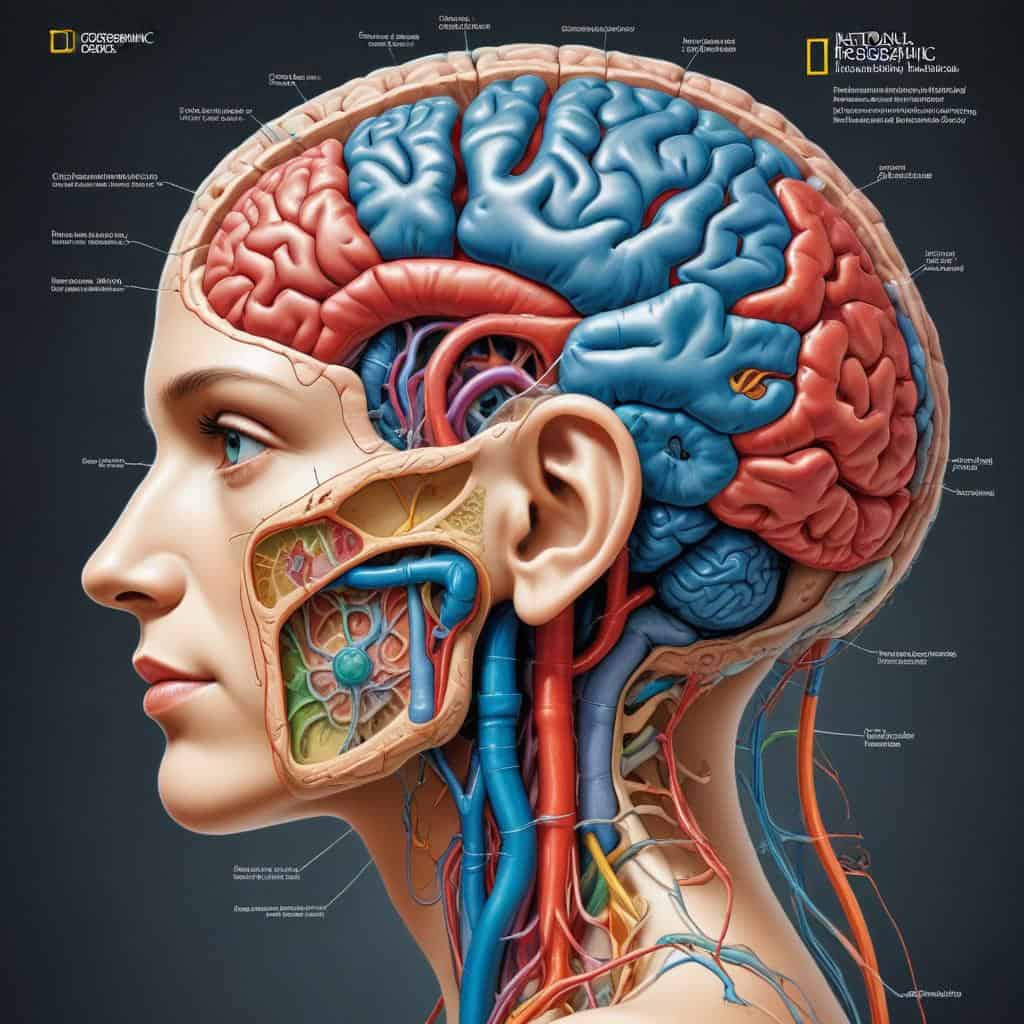
4. Modern Scientific Perspectives
5. Psychosomatic Effects

6. Mindfulness and Meditation
7. The Placebo Effect

8. Mind-Body Therapies

9. The Mind-Body Connection in Mental Health
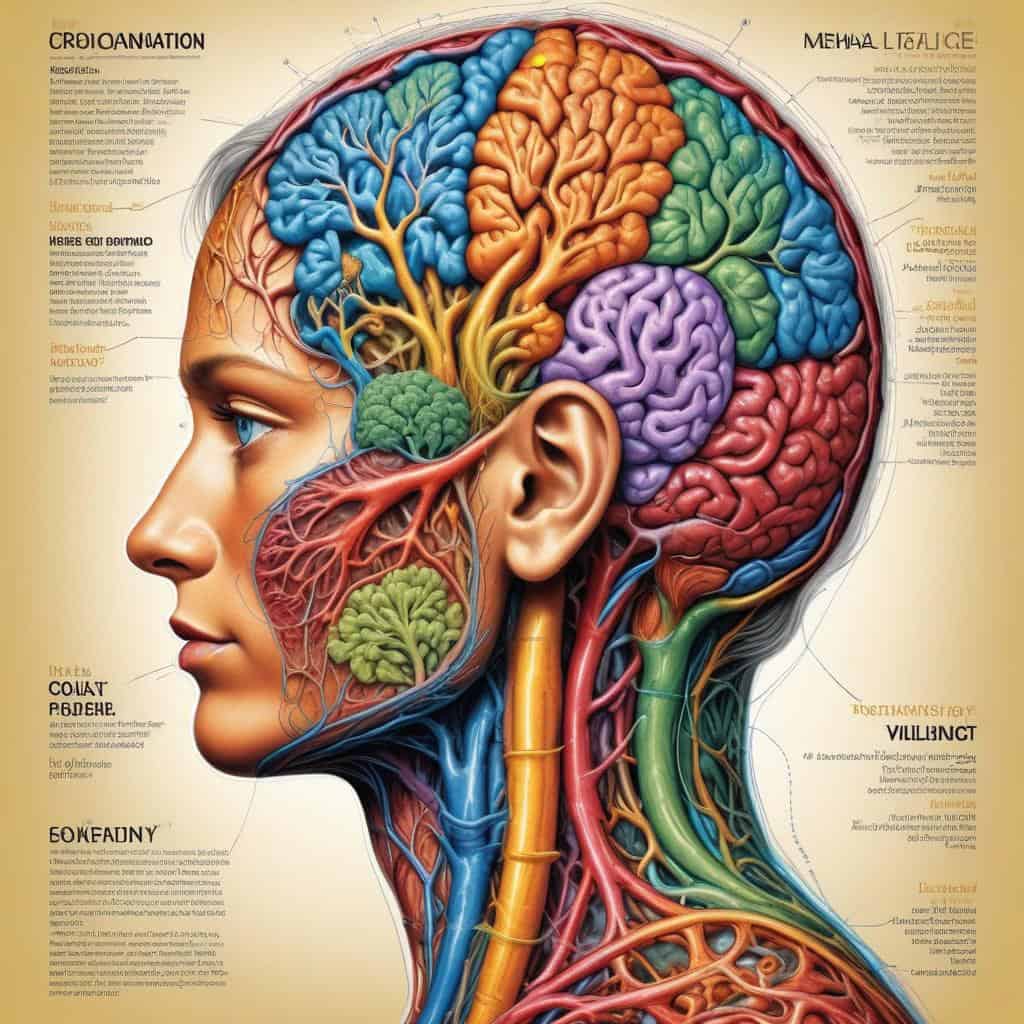
10. Future Directions in Understanding the Mind-Body Relationship
Lesson Details & Resources
In a Nutshell
- Concept: The relationship between mind and body
- Thinkers: René Descartes, 17th Century
- Central Question: How are the mind and body connected, if at all?
- Core Implication: The mind and body are distinct entities that interact in some way.
Timeline of Examining The Relationship Between Mind And Body
Plato's theory of dualism proposes that the mind and body are separate entities
Aristotle's theory of hylomorphism suggests that the mind and body are inseparable and interconnected
Descartes' theory of dualism further explores the relationship between the mind and body
John Locke argues that the mind is a blank slate at birth, shaped by experience and sensory input from the body
Immanuel Kant introduces the concept of transcendental idealism, emphasizing the role of the mind in shaping our perception of reality
Franz Joseph Gall develops phrenology, a pseudoscience that claims personality traits can be determined by the shape of the skull and brain
Wilhelm Wundt establishes the first psychology laboratory, focusing on the study of consciousness and mental processes
William James publishes 'The Principles of Psychology', emphasizing the importance of studying the mind and body as a whole
Sigmund Freud introduces psychoanalysis, exploring the unconscious mind and its impact on behavior and mental health
Ivan Pavlov's experiments with classical conditioning demonstrate the influence of the mind on physiological responses in the body
B.F. Skinner's research on operant conditioning further explores the relationship between behavior and mental processes
Albert Bandura's social learning theory highlights the role of cognitive processes in behavior and the influence of the environment on the mind
The cognitive revolution in psychology shifts focus to the study of mental processes, including memory, language, and problem-solving
Neuroscience advances lead to discoveries about the neural correlates of consciousness and the interconnectedness of the mind and body
Mindfulness-based interventions gain popularity for promoting mental well-being and physical health through practices like meditation and yoga
Research on the mind-body connection continues to evolve, with interdisciplinary studies exploring the impact of emotions, beliefs, and stress on physical health
Vocabulary List
- Dualism
- Many philosophers debate whether dualism accurately describes the relationship between mind and body.
- Monism
- Some scientists argue for a monist perspective when studying the connection between the mind and body.
- Psychosomatic
- Doctors often consider the psychosomatic nature of certain illnesses when treating patients.
- Embodied cognition
- Embodied cognition suggests that the mind cannot be separated from the physical body.
- Mind-body connection
- Yoga and meditation practices often focus on improving the mind-body connection for overall wellness.
Key Facts
This is the information used in the fact matching game
- The mind and body are interconnected and influence each other in various ways.
- Stress and emotions can have a physical impact on the body, leading to health problems.
- Mindfulness practices, such as meditation and yoga, can help improve the connection between the mind and body.
- Chronic pain conditions can be influenced by both psychological and physical factors.
- The placebo effect demonstrates the power of the mind in influencing physical health outcomes.
- Cognitive behavioral therapy (CBT) is a treatment approach that focuses on changing negative thought patterns to improve physical and mental health.
- The field of psychoneuroimmunology studies the relationship between psychological processes and the immune system.
- Regular exercise has been shown to improve mental health and cognitive function.
- Chronic stress can lead to inflammation in the body, affecting overall health and well-being.
- The gut-brain axis is a bidirectional communication system between the gut and the brain, influencing both physical and mental health.
- Positive social relationships have been linked to better physical health and longevity.
- Mental health conditions, such as depression and anxiety, can manifest as physical symptoms.
- The mind can influence pain perception, with factors like attention and expectations playing a role.
- Biofeedback techniques can help individuals learn to control physiological responses through mental processes.
- The mind-body connection is a key principle in holistic approaches to health and wellness.
- Psychological stressors can contribute to the development of physical conditions like heart disease and diabetes.
- Mind-body interventions, such as guided imagery and progressive muscle relaxation, can help reduce stress and improve physical health.
- The mind-body connection is a central concept in various alternative and complementary medicine practices.
- Emotional trauma can have a lasting impact on physical health and well-being.
- The mind-body connection is a complex and multifaceted relationship that continues to be studied and understood by researchers and healthcare professionals.
Analysis & Significance
The Core Argument
Examining the relationship between mind and body is a fundamental philosophical inquiry that seeks to understand the nature of consciousness and the connection between mental experiences and physical processes. This concept delves into whether the mind is distinct from the body or if they are intricately intertwined, shaping our perceptions and actions.
Criticisms and Counterarguments
One major criticism of this concept is the challenge of explaining how immaterial mental states interact with physical bodies. Dualists argue for the existence of separate mental and physical substances, while materialists contend that all phenomena can be explained by physical processes alone. This debate raises questions about the nature of causation and the possibility of a cohesive explanation for the mind-body relationship.
Modern Relevance
The examination of the relationship between mind and body remains relevant in contemporary discussions on topics such as artificial intelligence, mental health, and bioethics. Understanding how mental processes influence physical health and behavior can inform medical treatments and therapeutic interventions. Additionally, ethical considerations surrounding the creation of conscious machines and the implications of mind-body dualism in the digital age highlight the enduring significance of this philosophical concept.
Examining The Relationship Between Mind And Body Games


Take Your Learning Offline
Want a convenient, print-ready study guide for this lesson? Become a Memory Wizards Pro member to unlock the downloadable " Memory Scrolls" for this topic and our entire library!
- ✓ Complete Vocabulary Lists
- ✓ Key Facts & Timelines
- ✓ Beautifully Formatted for Print & Mobile