
Contemplating The Idea Of Free Will And Determinism
Do we control our destiny or dance to fate's tune?
How Do You Learn Best?
Learn by Reading
Immerse yourself in the 10-minute visual lesson for a comprehensive understanding of the topic.
Learn by Reviewing
Jump directly to the key facts, timeline, and vocabulary lists to build a solid foundation of details.
Learn by Doing
Challenge yourself! Jump straight into the interactive games to learn by trial, error, and discovery.
Contemplating The Idea Of Free Will And Determinism in 10 Minutes

Introduction

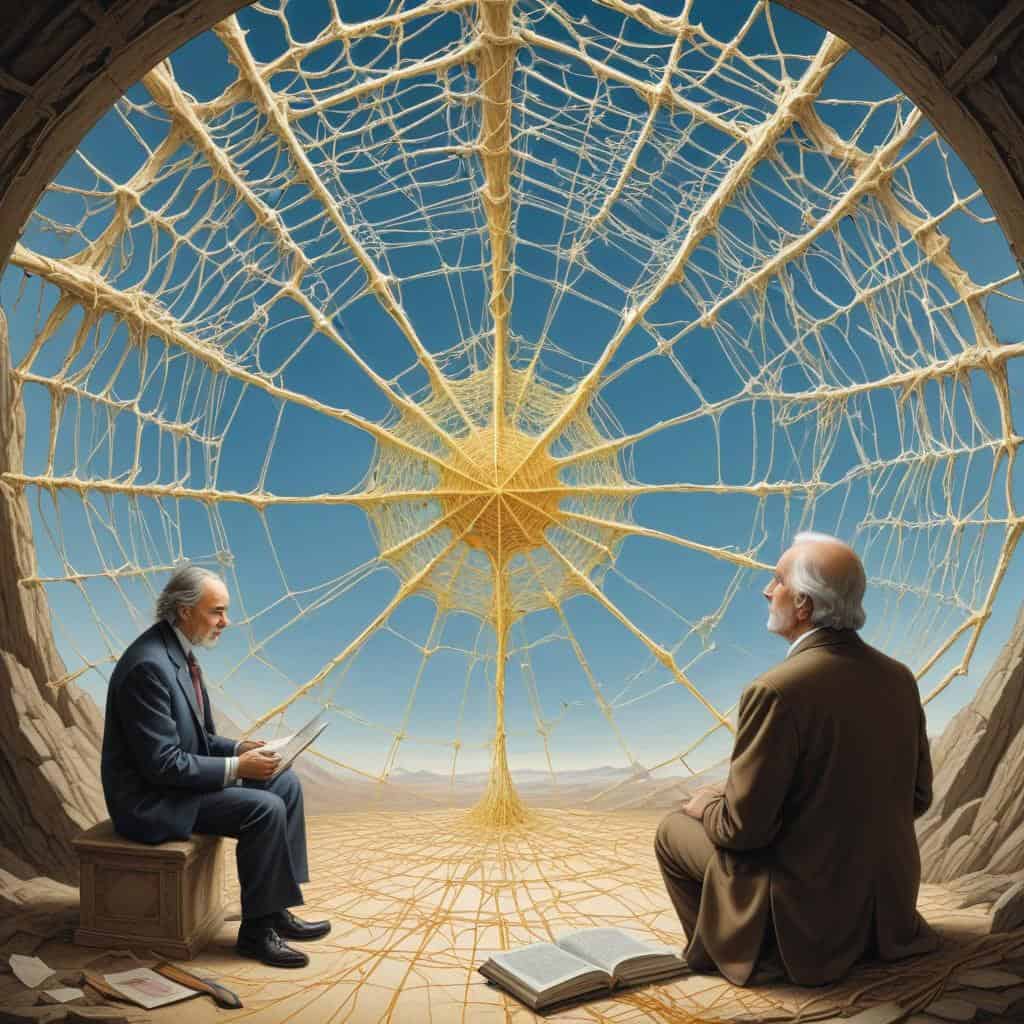

1. John Locke

2. Thomas Hobbes
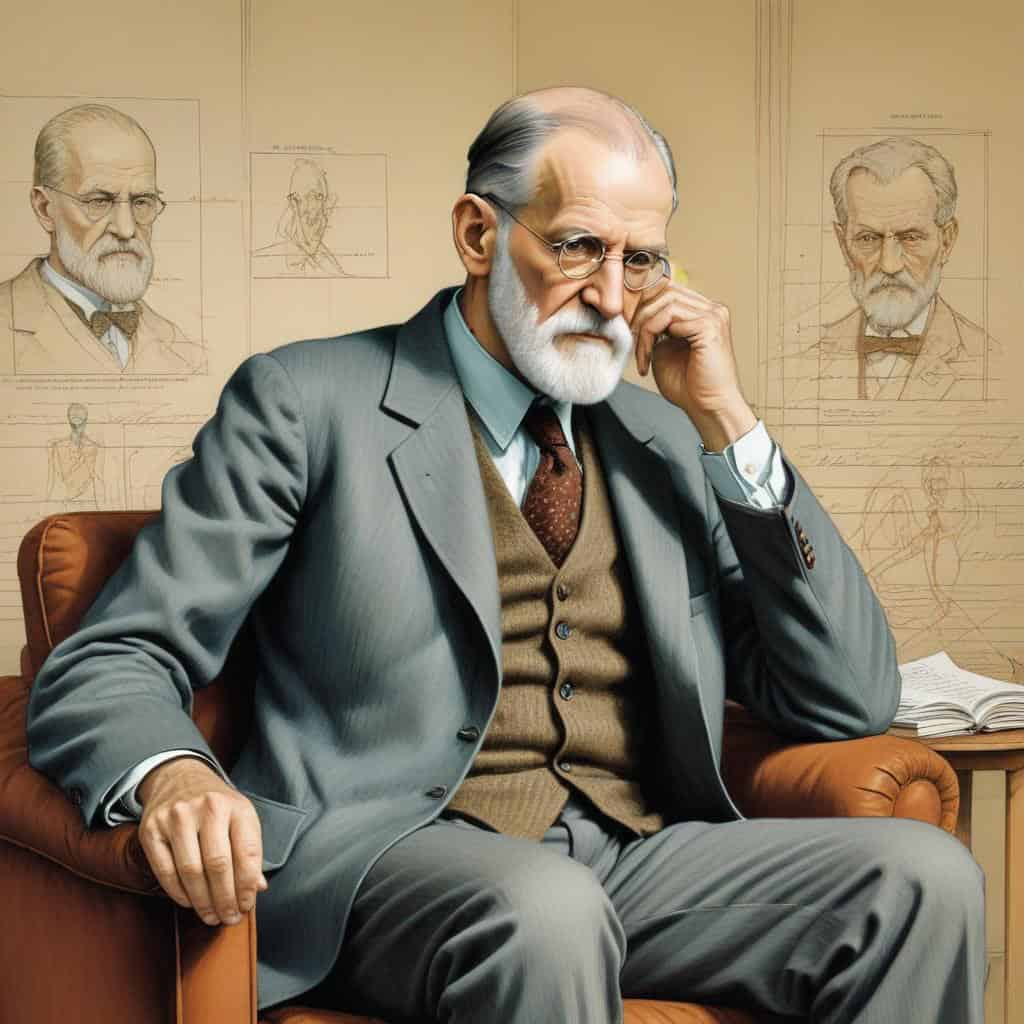
3. Sigmund Freud

4. Albert Einstein

5. Jean-Paul Sartre

1. The Debate Begins

2. Personal Experiences Shared

3. Philosophical Perspectives
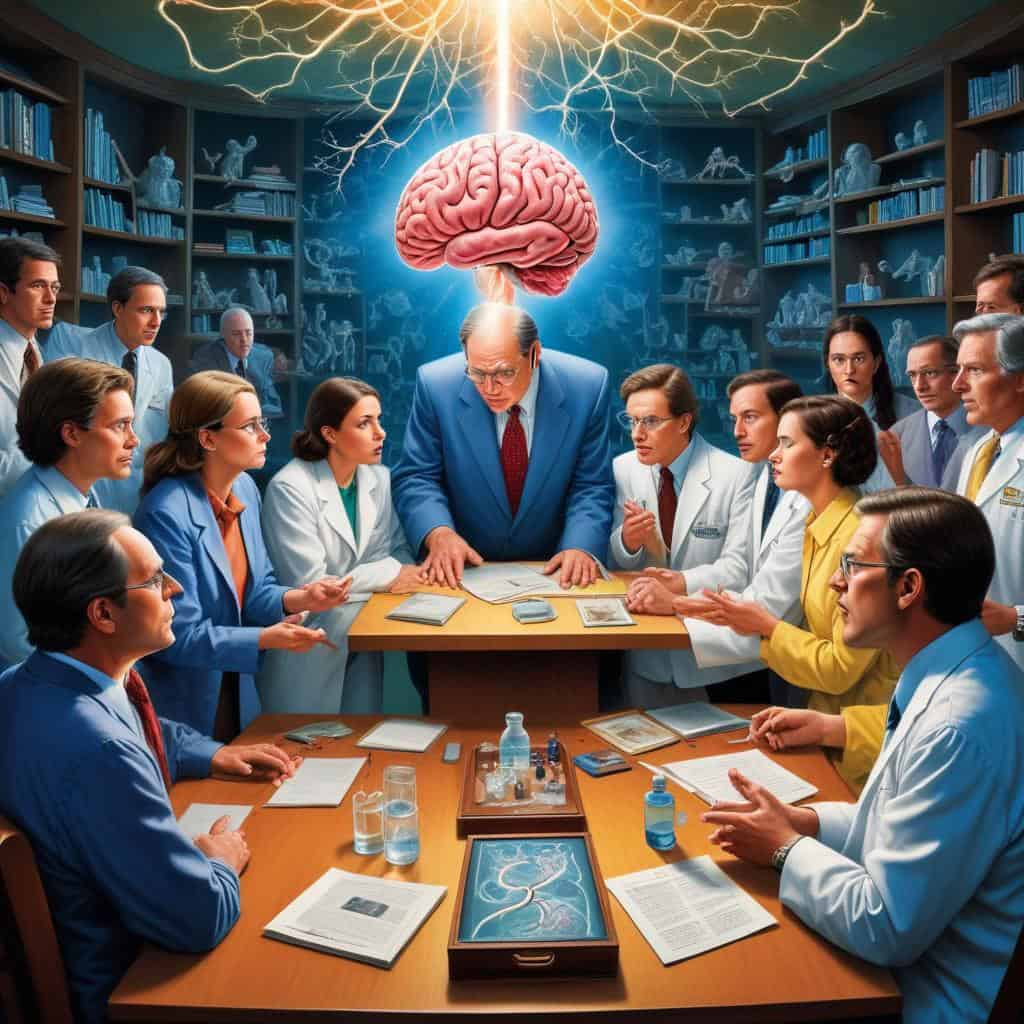
4. Scientific Studies Discussed

5. Moral Dilemmas Explored

6. The Role of Empathy
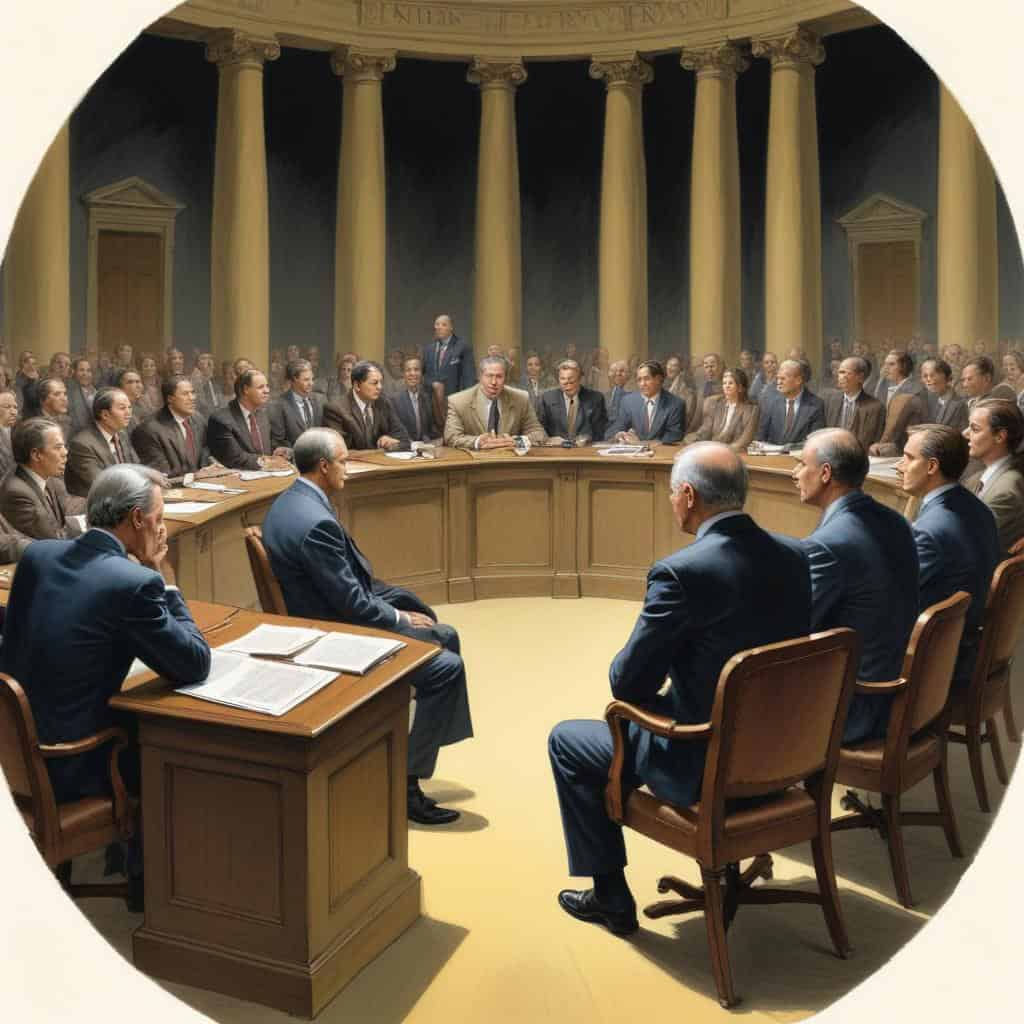
7. Personal Beliefs Challenged

8. Seeking Common Ground
Lesson Details & Resources
In a Nutshell
- Concept: The philosophical debate about whether human beings have free will or if their actions are determined by external factors.
- Thinkers: Philosophers like Aristotle, Thomas Aquinas, Rene Descartes, and Immanuel Kant, spanning from ancient times to the modern era.
- Central Question: Do we have the ability to make choices freely, or are our actions predetermined by factors such as genetics, environment, or divine will?
- Core Implication: The conclusion that free will and determinism may not be mutually exclusive, and that there could be a balance between the two in understanding human behavior and moral responsibility.
Timeline of Contemplating The Idea Of Free Will And Determinism
Ancient Greek philosophers debated the concepts of free will and determinism
Stoic philosophers believed in determinism and fate
Augustine of Hippo introduced the idea of predestination in Christianity
Thomas Aquinas reconciled free will with divine providence in his writings
Rene Descartes argued for dualism and the existence of free will
Baruch Spinoza proposed a deterministic view of the universe
David Hume questioned the concept of free will in his philosophical works
Immanuel Kant discussed the limits of human knowledge and the role of free will
Sigmund Freud explored the unconscious mind and its influence on behavior
Albert Einstein's theory of relativity challenged traditional notions of determinism
Jean-Paul Sartre and existentialist philosophers argued for the existence of free will
B.F. Skinner's behaviorist theories suggested that human behavior is determined by external factors
Daniel Dennett's compatibilist view of free will gained popularity in modern philosophy
Neuroscientists have studied brain activity to understand decision-making processes
Advancements in artificial intelligence raise questions about free will in machines
Vocabulary List
- Free will
- He believed in the power of free will and that humans could choose their own destinies.
- Determinism
- Determinism suggests that our choices are predetermined and that we do not have control over our own actions.
- Choice
- She had to make a difficult choice between following her heart or her head.
- Fate
- Some people believe in fate and think that everything that happens is meant to be.
- Agency
- The concept of agency suggests that individuals have the power to make decisions and take action in their lives.
Key Facts
This is the information used in the fact matching game
- Free will is the ability to make choices that are not determined by prior causes or fate.
- Determinism is the philosophical view that all events are determined completely by previously existing causes.
- Some philosophers argue that free will and determinism are compatible.
- Others believe that free will and determinism are incompatible.
- The debate between free will and determinism has been ongoing for centuries.
- Some scientists argue that determinism is supported by the laws of physics.
- Neuroscience research has shown that our decisions may be influenced by unconscious processes.
- The concept of free will is often tied to moral responsibility.
- Determinism can be seen as threatening to the idea of moral responsibility.
- Some argue that even if determinism is true, we should still hold individuals morally responsible for their actions.
- The debate over free will and determinism has implications for criminal justice and punishment.
- Some argue that the idea of free will is necessary for human dignity and autonomy.
- Cultural and religious beliefs can influence views on free will and determinism.
- Some argue that quantum mechanics introduces indeterminacy into the universe, allowing for free will.
- The debate over free will and determinism has implications for the concept of personal identity.
- Some argue that the idea of free will is necessary for creativity and innovation.
- The debate over free will and determinism is not likely to be resolved definitively.
- Some argue that the illusion of free will is necessary for social order and cooperation.
- The debate over free will and determinism raises questions about the nature of consciousness and agency.
- The concept of free will is central to many ethical theories and systems of belief.
Analysis & Significance
The Core Argument
The core argument surrounding the concept of free will and determinism revolves around the question of whether human actions are the result of free choices or predetermined by factors outside of our control. This debate delves into the nature of agency, responsibility, and the extent to which individuals have the ability to make autonomous decisions.
Criticisms and Counterarguments
One major criticism of the idea of free will is the challenge posed by determinism, which asserts that all events, including human actions, are ultimately determined by causes external to the will. Opponents argue that the concept of free will is an illusion and that our choices are influenced by factors beyond our conscious control, such as genetics, upbringing, and environmental influences.
Modern Relevance
The philosophical debate between free will and determinism remains relevant in modern society, particularly in discussions surrounding criminal justice, moral responsibility, and personal autonomy. This concept has implications for our understanding of individual agency and accountability in the face of societal pressures, technological advancements, and ethical dilemmas. Examining the interplay between free will and determinism can shed light on the complexities of human behavior and decision-making in contemporary contexts.
Contemplating The Idea Of Free Will And Determinism Games


Take Your Learning Offline
Want a convenient, print-ready study guide for this lesson? Become a Memory Wizards Pro member to unlock the downloadable " Memory Scrolls" for this topic and our entire library!
- ✓ Complete Vocabulary Lists
- ✓ Key Facts & Timelines
- ✓ Beautifully Formatted for Print & Mobile