
At a Glance - Infographic
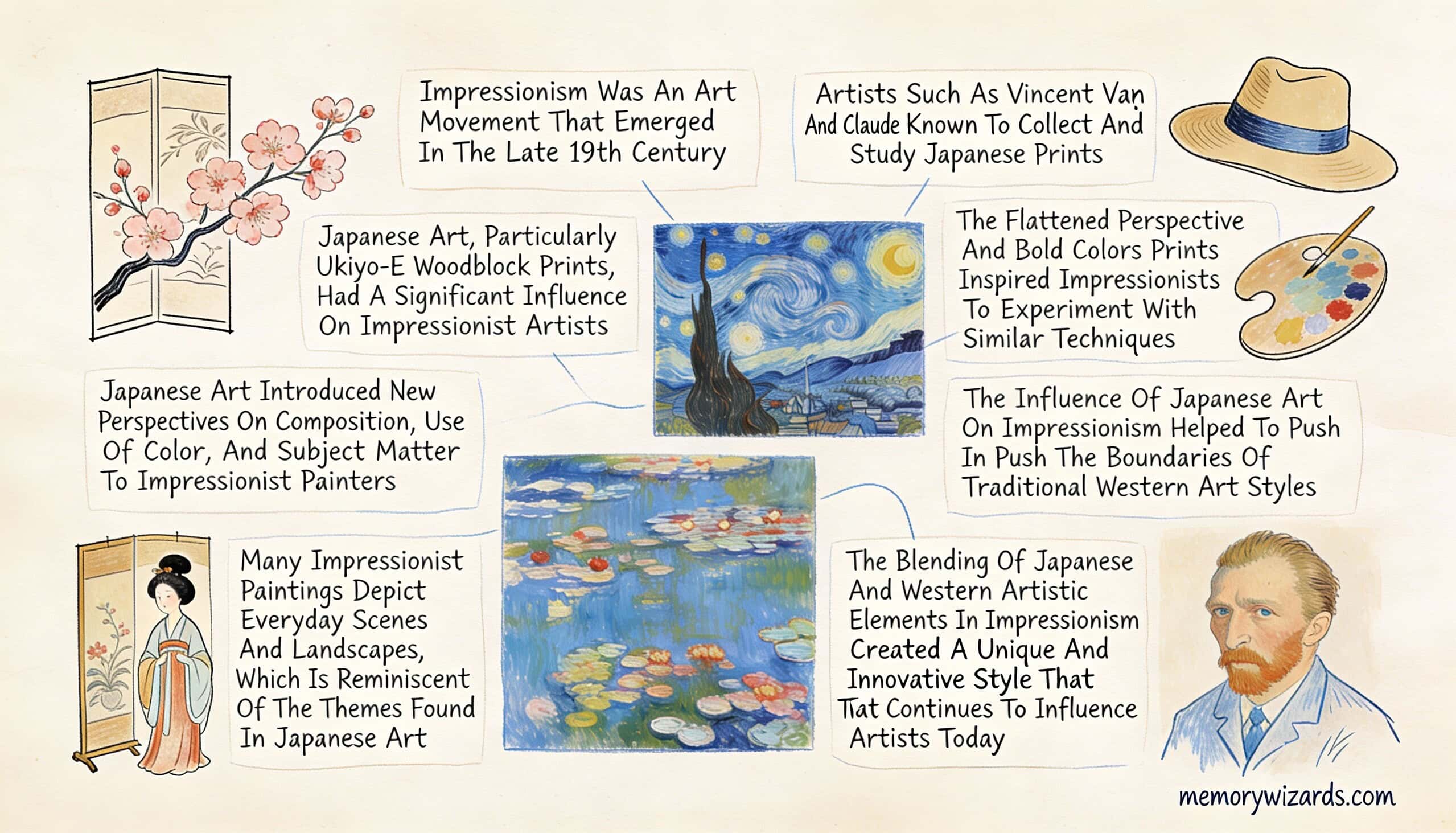
How Do You Learn Best?
Learn by Listening
Start with the 3-minute audio summary to get the key facts and narrative highlights quickly.
Learn by Reading
Immerse yourself in the 10-minute visual lesson for a comprehensive understanding of the topic.
Learn by Reviewing
Jump directly to the key facts, timeline, and vocabulary lists to build a solid foundation of details.
Learn by Doing
Challenge yourself! Jump straight into the interactive games to learn by trial, error, and discovery.
The Masterpiece: The Japanese Bridge by Manet

Deconstructing the Masterpiece
No composition analysis points available.
Audio Library
As one of our featured lessons, this topic includes premium audio guides.
Unlock the Wizard's Cram Session
This powerful audio study guide is a Pro-exclusive feature. Upgrade to Memory Wizards Pro to access this and all of our premium learning tools.
Upgrade to ProInfluence of Japanese Art: An Analysis in 10 Minutes
Introduction
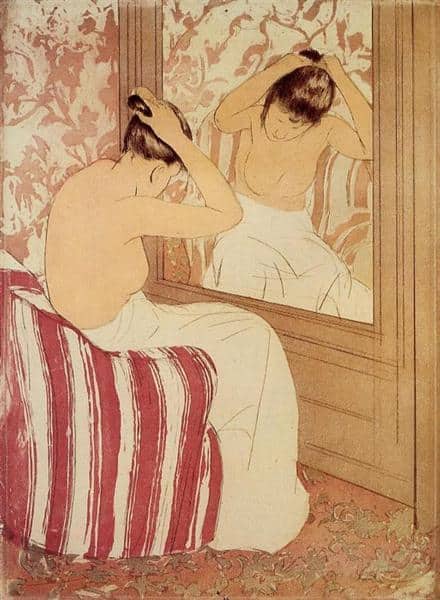
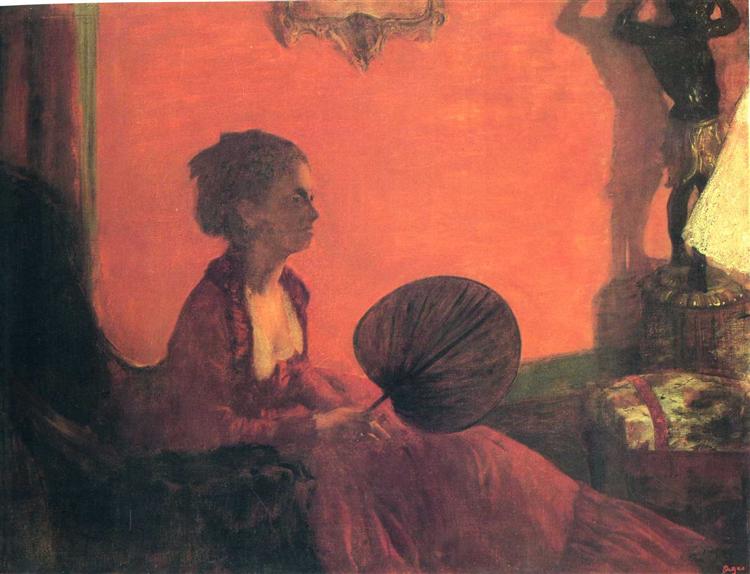
Edgar Degas
Claude Monet
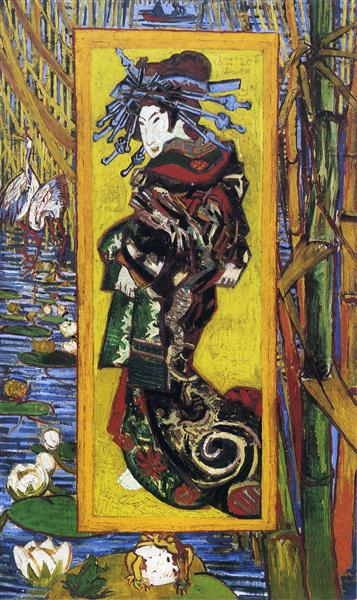
Vincent van Gogh
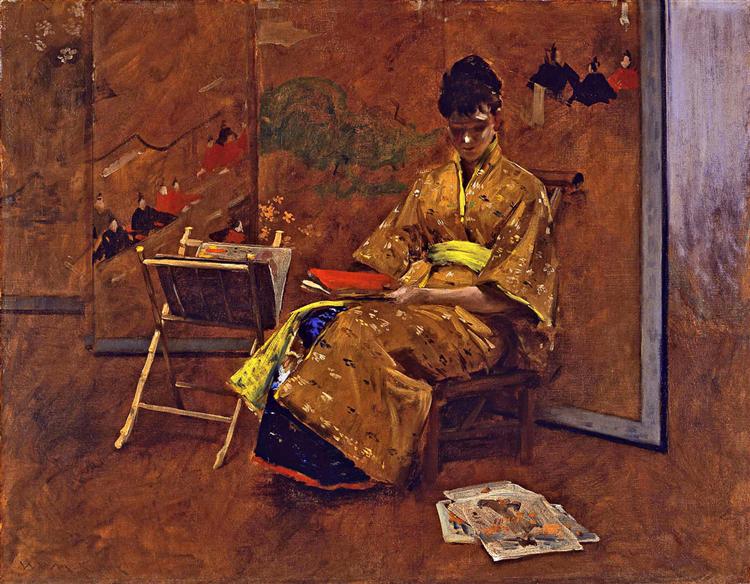
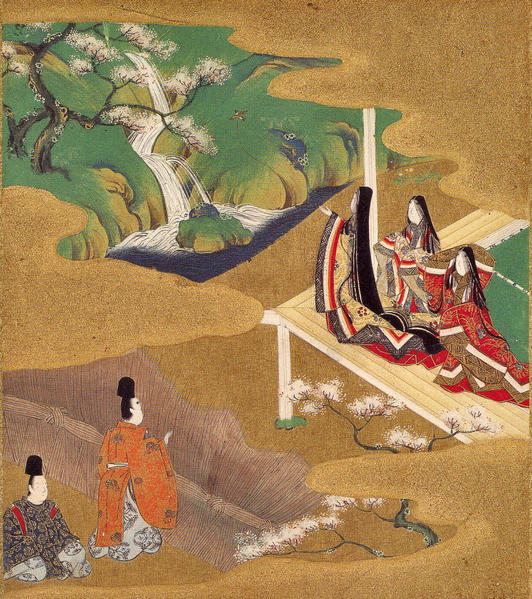
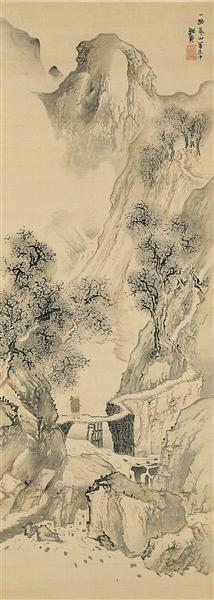
The Arrival of Japanese Art in Europe
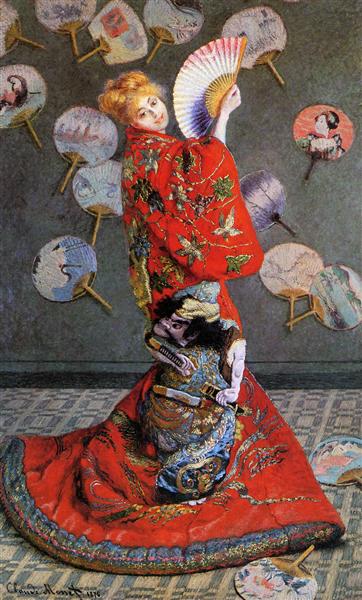
The Influence on Impressionist Artists
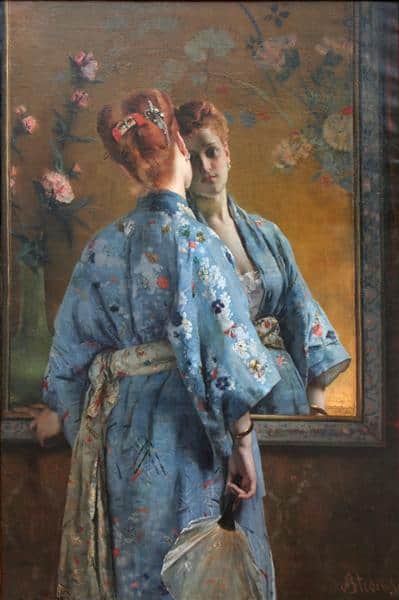
Adoption of Japanese Aesthetics
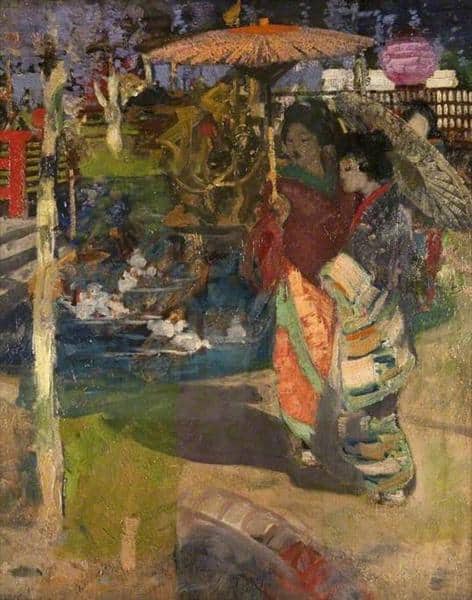
Shift in Painting Techniques
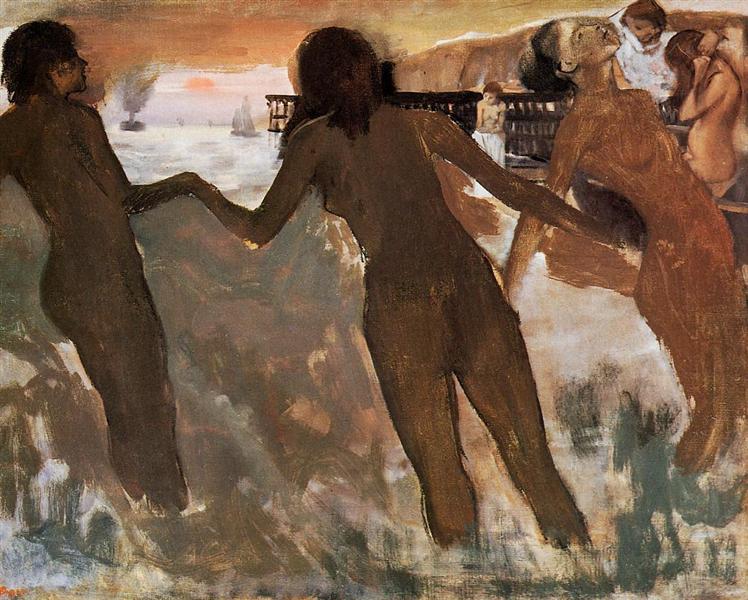
Exploration of Nature
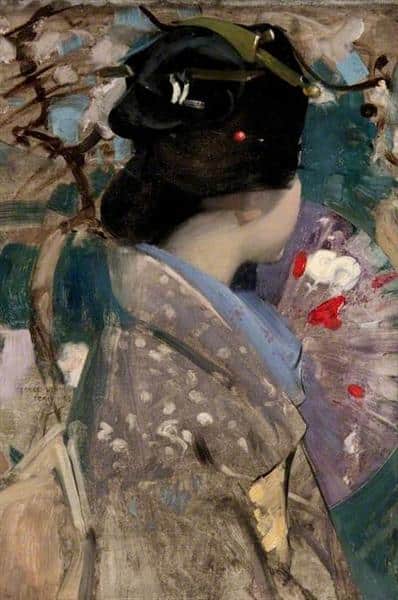
Impact on Subject Matter
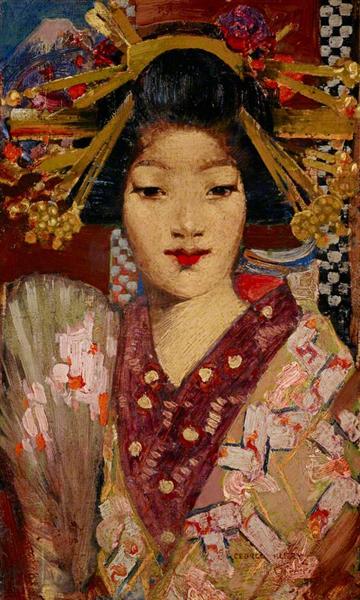
Popularization of Japanese Art
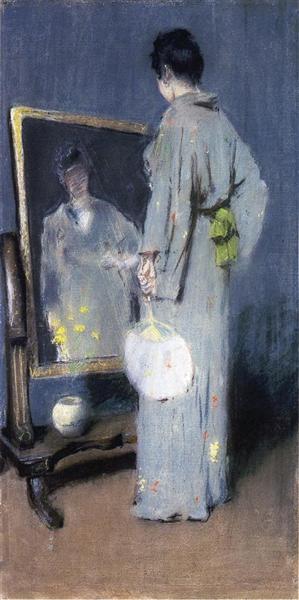
Legacy of Japanese Influence
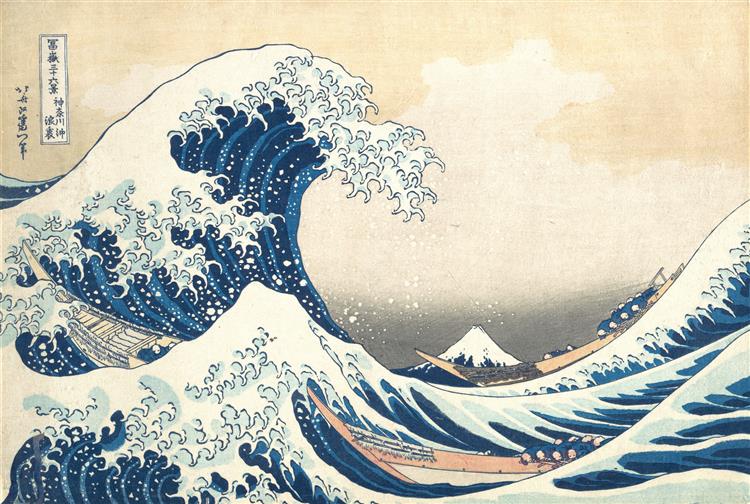
Continued Appreciation
Lesson Details & Resources
In a Nutshell
- Artist: Unknown Japanese artist
- Year: 19th century
- Medium: Woodblock print
- Location: Museum of Fine Arts, Boston
Vocabulary List
- Ukiyo-e
- Ukiyo-e prints were a major source of inspiration for many Western artists in the 19th century.
- Woodblock printing
- Woodblock printing was a common technique used in Japanese art, influencing artists like Vincent van Gogh.
- Kabuki
- The vibrant colors and dramatic poses of kabuki actors in Japanese art influenced many European artists.
- Geisha
- The graceful movements and elaborate costumes of geishas in Japanese art captivated Western artists.
- Zen
- The simplicity and tranquility of Zen Buddhism had a profound impact on the work of many Western artists.
- Kimono
- The intricate patterns and vibrant colors of kimonos in Japanese art inspired many Western fashion designers.
- Cherry blossom
- The delicate beauty of cherry blossoms in Japanese art has been a popular motif for Western artists.
- Sumi-e
- The minimalist style of sumi-e ink paintings in Japanese art influenced many Western artists.
- Shodo
- The calligraphy style of shodo in Japanese art has been admired by many Western artists.
- Origami
- The intricate folds and geometric patterns of origami in Japanese art have inspired many Western designers.
- Sakura
- The symbolism of cherry blossoms, known as sakura in Japanese art, has been used by many Western artists.
- Ukiyo
- The concept of ukiyo, or the 'floating world', in Japanese art has been a theme explored by many Western artists.
- Noh
- The stylized performances and masks of Noh theater in Japanese art have influenced many Western artists.
- Koi
- The colorful and graceful koi fish in Japanese art have been a popular subject for Western artists.
- Kawaii
- The cute and whimsical style of kawaii characters in Japanese art has been embraced by Western pop culture.
- Samurai
- The honor and bravery of samurai warriors in Japanese art have been portrayed by many Western artists.
- Torii gate
- The iconic red torii gates in Japanese art have become a symbol of Japan for many Westerners.
- Bonsai
- The art of bonsai, creating miniature trees, has been a source of fascination for many Western artists.
- Shibari
- The intricate rope bondage technique of shibari in Japanese art has inspired many Western photographers and artists.
- Kakemono
- The hanging scroll format of kakemono in Japanese art has been adopted by many Western artists for their work.
Timeline of Influence of Japanese Art: An Analysis
Introduction of Buddhism to Japan
Heian period begins, leading to the development of Japanese art and culture
Influence of Chinese art on Japanese art during the Heian period
Kamakura period begins, bringing a shift towards more indigenous Japanese art styles
Zen Buddhism influences Japanese art during the Kamakura period
Mongol invasions of Japan lead to increased trade with China and Korea, impacting Japanese art
Muromachi period begins, leading to the development of the tea ceremony and ink painting
Golden Age of Japanese art during the Muromachi period
Sengoku period sees increased patronage of the arts by warlords
Momoyama period sees the rise of the tea ceremony and the development of the tea bowl
Edo period begins, leading to the development of ukiyo-e woodblock prints
Tokugawa shogunate promotes the arts during the Edo period
Influence of Dutch and Western art on Japanese art during the Edo period
Meiji period sees the modernization of Japanese art and the opening of Japan to the West
Taisho period sees the development of modern art movements in Japan
Showa period sees the impact of World War II on Japanese art
Post-war period sees the emergence of contemporary Japanese art
Influence of manga and anime on global popular culture
Japanese art continues to influence artists and designers around the world
Key Facts
This is the information used in the fact matching game
- The Influence of Japanese Art was a movement that emerged in Europe in the 19th century.
- Artists such as Vincent van Gogh and Claude Monet were inspired by Japanese woodblock prints.
- Japanese prints were known for their bold colors, flattened perspective, and asymmetrical compositions.
- Japanese art had a significant impact on Western artists, leading to the development of new artistic styles.
- The Influence of Japanese Art movement was part of a larger trend of Japonisme in European art and design.
- Japanese prints were first introduced to Europe in the mid-19th century, leading to a craze for all things Japanese.
- The bold colors and graphic patterns of Japanese prints were particularly appealing to Western artists.
- The Influence of Japanese Art movement had a lasting impact on Western art, influencing artists for decades to come.
- Japanese art also had a significant impact on Western fashion and interior design during the 19th century.
- Japanese prints often featured scenes of everyday life, nature, and historical events, providing Western artists with new subject matter to explore.
- The Influence of Japanese Art movement was part of a broader cultural exchange between East and West during the 19th century.
- Japanese art was seen as exotic and mysterious to Western audiences, adding to its appeal among artists and collectors.
- The popularity of Japanese art in Europe during the 19th century helped to shape the development of modern art movements such as Impressionism and Art Nouveau.
- Japanese art had a profound influence on the use of color, pattern, and composition in Western art and design.
- Western artists often incorporated elements of Japanese art into their own work, creating a fusion of East and West in their artistic style.
- The Influence of Japanese Art movement helped to challenge traditional Western notions of perspective and representation in art.
- Japanese art was also influential in the development of modern graphic design and illustration techniques in Europe.
- The Influence of Japanese Art movement paved the way for a greater appreciation of non-Western art forms in Europe and beyond.
- Japanese art continues to inspire artists and designers around the world today, maintaining its relevance and influence in contemporary art.
- The legacy of the Influence of Japanese Art movement can be seen in the ongoing cultural exchange between East and West, shaping artistic trends and movements in the 21st century.
Analysis & Significance
Artistic Innovation
The ‘Influence of Japanese Art’ introduced Western artists to the concept of asymmetry, negative space, and nature-inspired motifs. This departure from traditional Western art principles brought a fresh, organic aesthetic that emphasized simplicity, harmony, and tranquility in composition.
Influence on Art History
This artwork sparked the Japonism movement in the late 19th century, inspiring prominent artists like Vincent van Gogh and Claude Monet. It challenged the Eurocentric art canon and broadened perspectives on artistic expression, leading to a fusion of Eastern and Western styles that shaped modern art movements like Impressionism and Post-Impressionism.
Cultural Significance Today
The ‘Influence of Japanese Art’ continues to influence contemporary artists and designers worldwide. Its timeless elegance, innovative use of space, and nature motifs resonate with audiences seeking harmony and balance in an increasingly chaotic world. This masterpiece remains a symbol of cross-cultural exchange and artistic innovation, captivating viewers with its enduring beauty and cultural significance.
Influence of Japanese Art: An Analysis Games


Take Your Learning Offline
Want a convenient, print-ready study guide for this lesson? Become a Memory Wizards Pro member to unlock the downloadable " Memory Scrolls" for this topic and our entire library!
- ✓ Complete Vocabulary Lists
- ✓ Key Facts & Timelines
- ✓ Beautifully Formatted for Print & Mobile