
At a Glance - Infographic
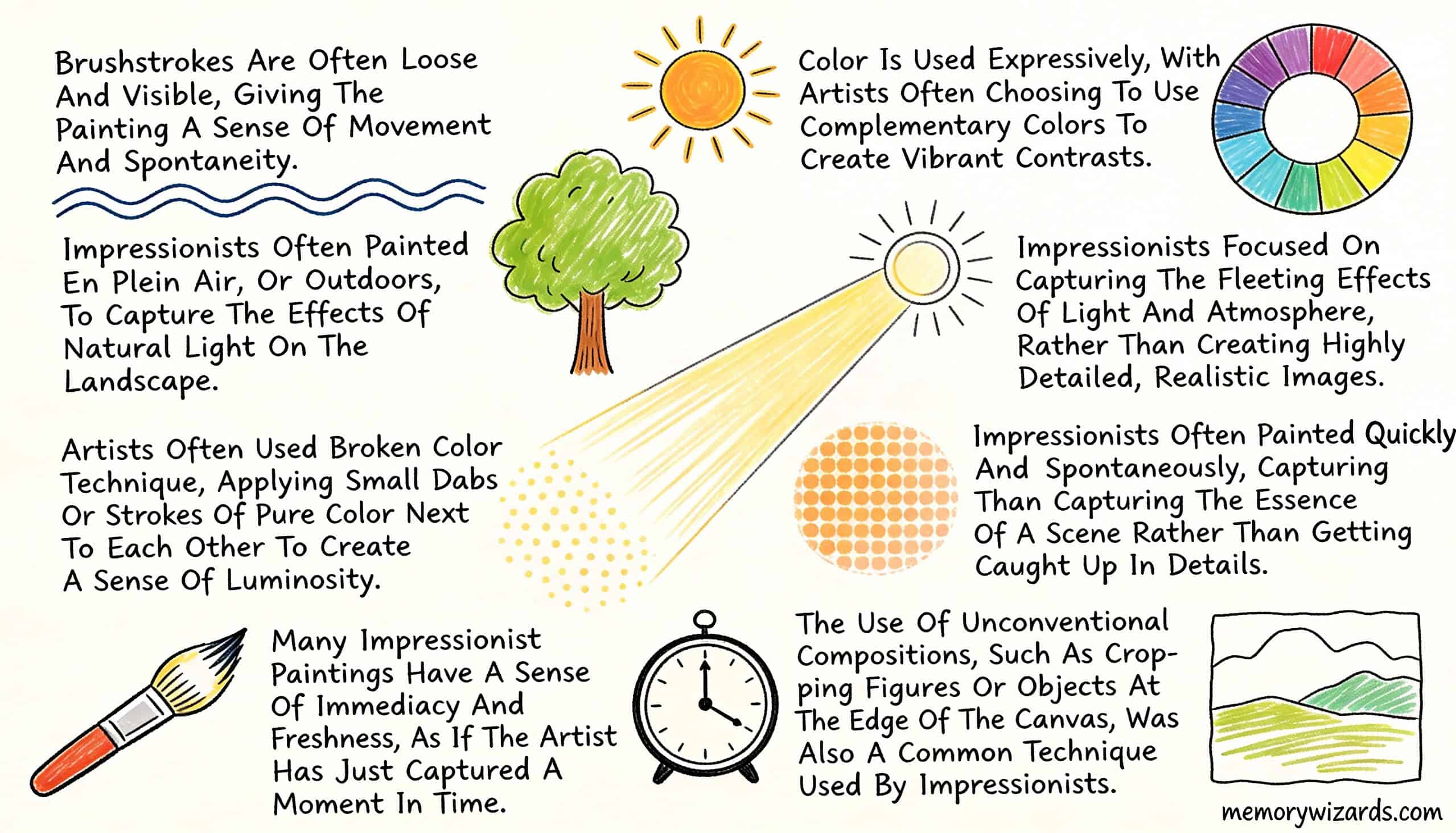
How Do You Learn Best?
Learn by Listening
Start with the 3-minute audio summary to get the key facts and narrative highlights quickly.
Learn by Reading
Immerse yourself in the 10-minute visual lesson for a comprehensive understanding of the topic.
Learn by Reviewing
Jump directly to the key facts, timeline, and vocabulary lists to build a solid foundation of details.
Learn by Doing
Challenge yourself! Jump straight into the interactive games to learn by trial, error, and discovery.
Example of Impressionism: Captivating Sunrise: Monet's Impression

Deconstructing Impressionism
Brushwork
Visible brushstrokes and loose, spontaneous application of paint capture fleeting moments and sensations.
Color Harmony
Vibrant colors and juxtapositions create a sense of light and atmosphere, emphasizing mood over realism.
Subjective Reality
Emphasis on capturing the artist's personal perception and emotional response to the subject rather than objective representation.
Audio Library
As one of our featured lessons, this topic includes premium audio guides.
Unlock the Wizard's Cram Session
This powerful audio study guide is a Pro-exclusive feature. Upgrade to Memory Wizards Pro to access this and all of our premium learning tools.
Upgrade to ProAn Introduction to Impressionism: An Analysis in 10 Minutes
Introduction

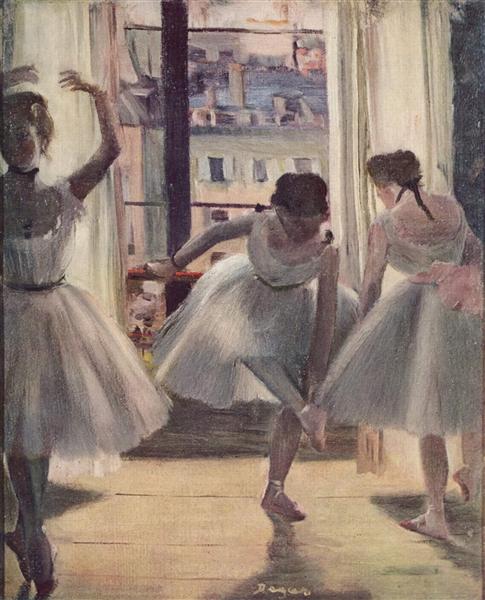
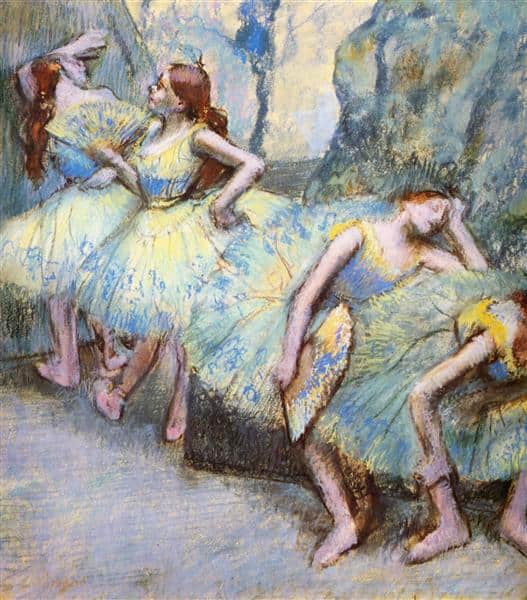
Edgar Degas
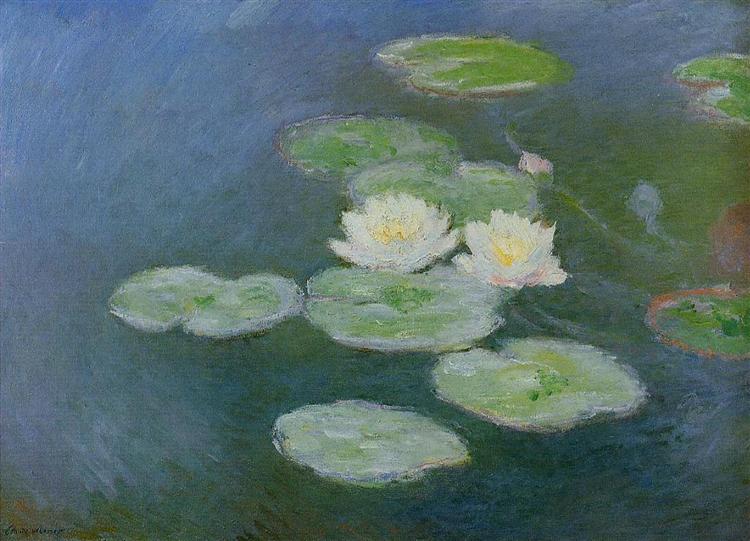
Claude Monet

Pierre-Auguste Renoir
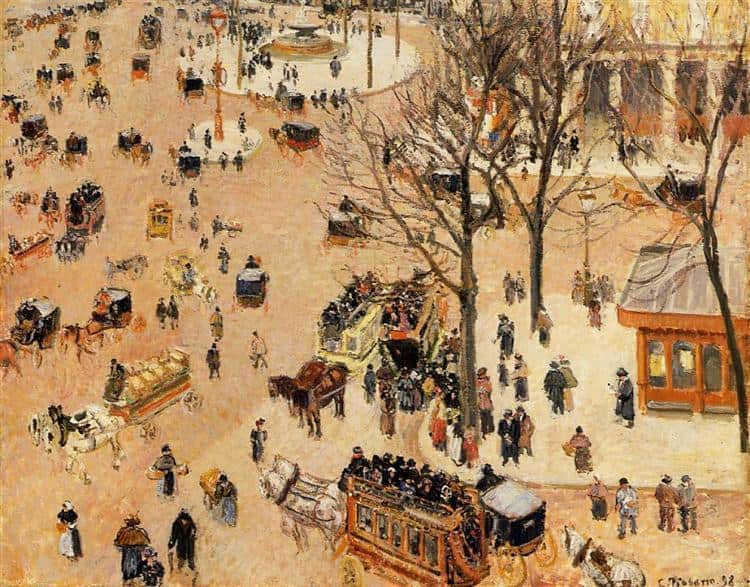
Camille Pissarro
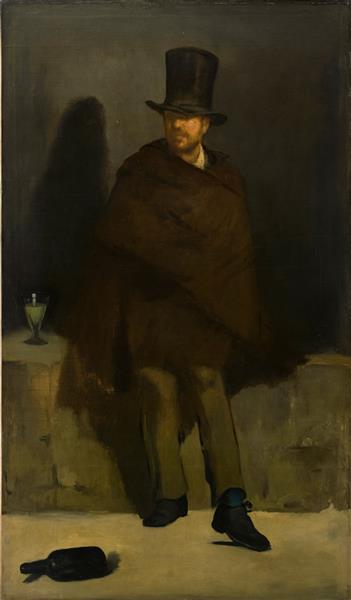
1. The Birth of Impressionism

2. The Salon Rejects
3. Capturing Light and Movement

4. Breaking the Rules
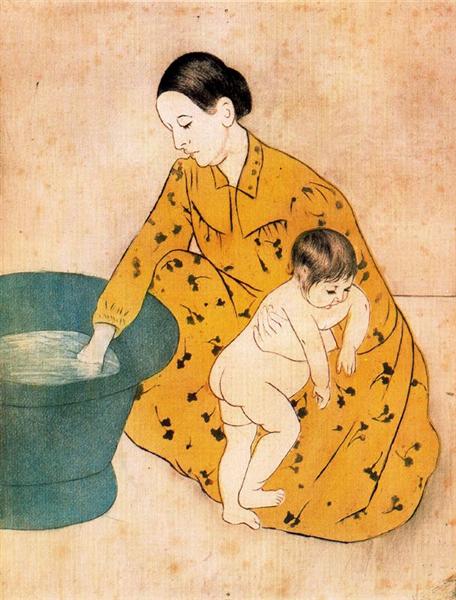
5. The Influence of Japanese Art
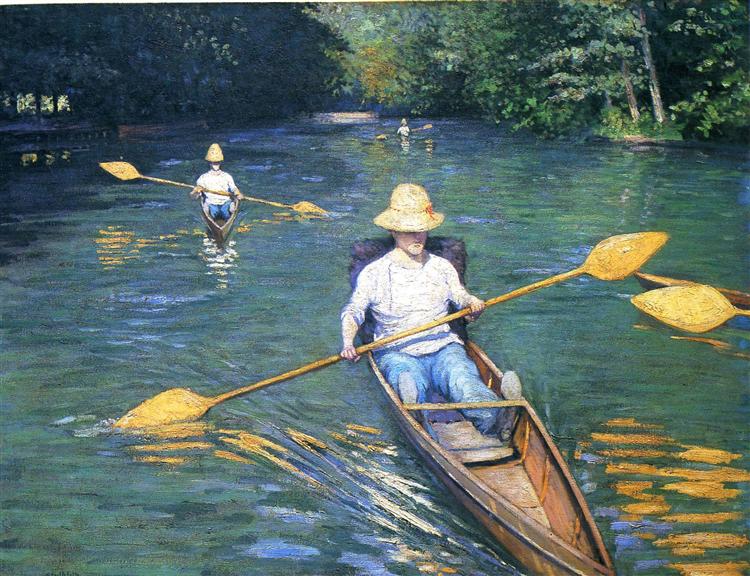
6. The Role of Photography

7. Criticism and Controversy
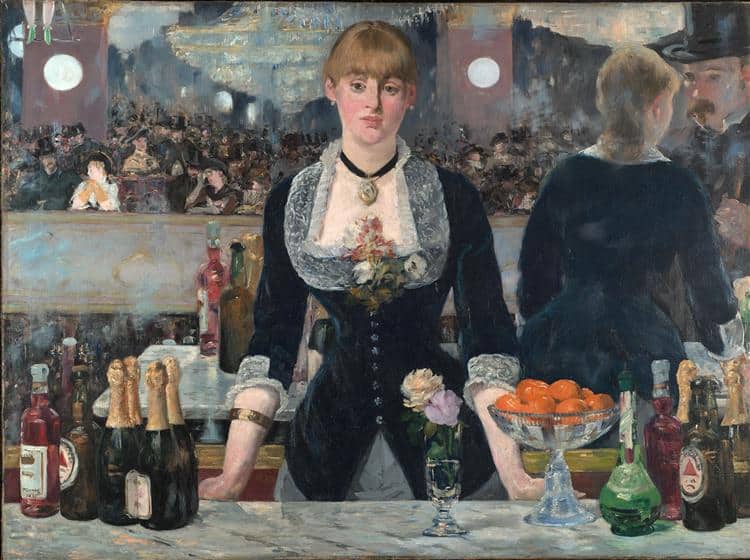
8. The Legacy of Impressionism
9. Famous Impressionist Works
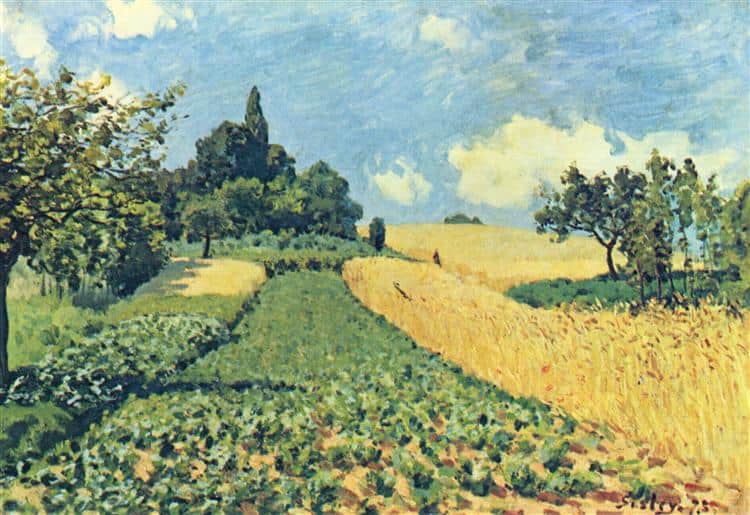
10. Exploring Impressionism Today
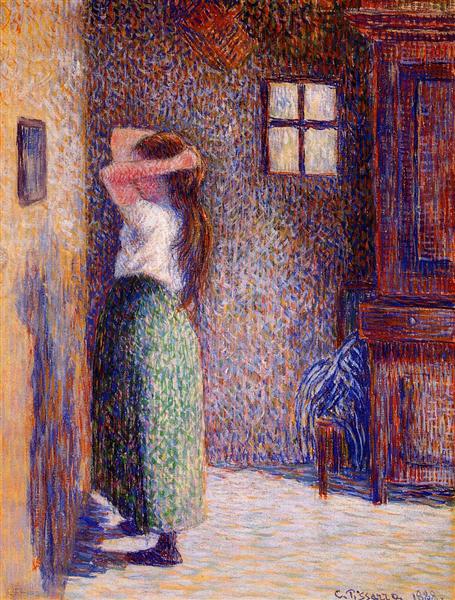
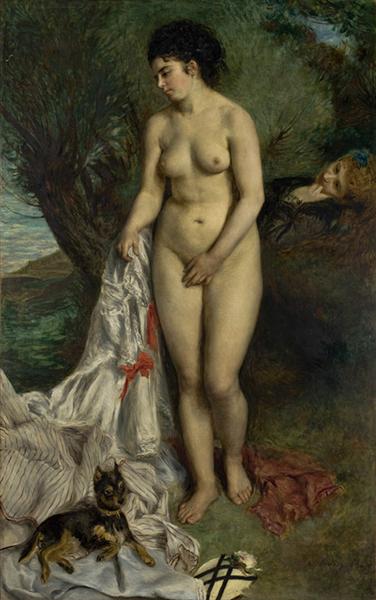
Lesson Details & Resources
In a Nutshell
- When: Late 19th century to early 20th century
- Characteristics: Brush strokes, light, color
- Key Artists: Claude Monet, Pierre-Auguste Renoir, Edgar Degas
- Major Work: Water Lilies by Claude Monet
Vocabulary List
- Impressionism
- The artistic movement that emphasized the use of light and color to capture a fleeting moment.
- Brushstrokes
- The distinctive marks made by a brush on a canvas, often used in Impressionist paintings.
- En plein air
- The practice of painting outdoors to capture natural light and atmosphere, commonly used by Impressionist artists.
- Pastel
- A soft, muted color often used in Impressionist paintings to create a sense of lightness.
- Landscape
- A genre of painting that depicts scenes of nature, often featured in Impressionist artwork.
- Palette
- The range of colors used by an artist, often bright and vibrant in Impressionist paintings.
- Composition
- The arrangement of elements within a painting, often unconventional in Impressionist artwork.
- Monet
- A famous Impressionist painter known for his water lily paintings and use of light and color.
- Renoir
- Another prominent Impressionist painter known for his portraits and use of light and color.
- Degas
- A French Impressionist known for his paintings of dancers and use of pastel colors.
- Manet
- An early Impressionist painter who often depicted scenes of modern life in Paris.
- Light
- A key element in Impressionist paintings, used to capture the effects of sunlight and create a sense of movement.
- Color
- Another essential component of Impressionist artwork, often used to convey mood and emotion.
- Shadow
- The dark areas in a painting that contrast with the light, often used to create depth and dimension.
- Texture
- The surface quality of a painting, often varied and expressive in Impressionist artwork.
- Atmosphere
- The overall feeling or mood of a painting, often created through the use of light and color.
- Opaque
- A term used to describe colors that are solid and not transparent, often used in Impressionist paintings.
- Translucent
- A term used to describe colors that are semi-transparent, often used to create a sense of lightness in Impressionist artwork.
- Gestural
- A painting technique that emphasizes the movement of the artist's hand, often seen in Impressionist brushstrokes.
- Reflection
- The image of an object or scene as it appears in a mirror or water, often depicted in Impressionist paintings.
- Movement
- The sense of motion or activity in a painting, often created through the use of dynamic brushstrokes and composition in Impressionist artwork.
Timeline of An Introduction to Impressionism: An Analysis
Exhibition of the Impressionists' work at the Paris Salon des Refusés
First independent exhibition of Impressionist artists, including Monet, Renoir, Degas, and Pissarro
Monet paints 'Impression, Sunrise', which gives the movement its name
Impressionist exhibitions held in the studio of photographer Nadar
Cézanne exhibits with the Impressionists for the first time
Sisley, Pissarro, Monet, and Renoir exhibit at the first Impressionist exhibition
Gustave Caillebotte becomes a patron of the Impressionists
Fourth Impressionist exhibition held, featuring works by Degas, Renoir, and Monet
Last Impressionist exhibition held in Paris
Death of Berthe Morisot, one of the few female Impressionist painters
First major retrospective of Impressionist art held at the Durand-Ruel Gallery in Paris
Death of Edgar Degas, one of the key figures of the Impressionist movement
First major exhibition of Impressionist art held in the United States at the Art Institute of Chicago
Monet's Water Lilies series exhibited at the Orangerie Museum in Paris
Founding of the Museum of Modern Art in New York, which includes a significant collection of Impressionist art
Death of Claude Monet, one of the founding members of the Impressionist movement
Exhibition of Impressionist art at the Musée de l'Orangerie in Paris
Impressionist art becomes highly sought after by collectors and fetches record prices at auctions
Impressionism continues to influence artists and movements in the 21st century
Key Facts
This is the information used in the fact matching game
- Impressionism originated in France in the 19th century.
- The term 'Impressionism' was coined from a derogatory review of Claude Monet's painting 'Impression, Sunrise'.
- Impressionist artists sought to capture the fleeting effects of light and atmosphere in their paintings.
- The use of visible brushstrokes and color harmonies are characteristic of Impressionist paintings.
- Impressionist artists often painted en plein air, or outdoors, to capture the effects of natural light.
- Edouard Manet is considered a precursor to Impressionism for his innovative painting techniques.
- Berthe Morisot was one of the few female artists associated with the Impressionist movement.
- The first Impressionist exhibition took place in Paris in 1874.
- Impressionist artists often focused on everyday subjects, such as landscapes, city scenes, and leisure activities.
- Impressionism was influenced by Japanese art, particularly woodblock prints, which emphasized flatness and decorative patterns.
- Impressionism was met with mixed reviews and criticism from traditional art critics at the time.
- Impressionist artists often used unconventional compositions and viewpoints in their paintings.
- Impressionism had a significant impact on the development of modern art and influenced movements such as Post-Impressionism and Fauvism.
- Impressionist artists were interested in capturing the effects of changing light and weather conditions in their paintings.
- Impressionism rejected the strict rules of academic painting and focused on capturing the artist's immediate impression of a scene.
- Impressionist paintings often feature loose, spontaneous brushwork that conveys a sense of movement and energy.
- Impressionist artists often painted with a limited palette of colors, focusing on the effects of light and shadow.
- The Impressionist movement included artists such as Edgar Degas, Pierre-Auguste Renoir, and Camille Pissarro.
- Impressionist paintings were initially rejected by the official Salon in Paris, leading to the formation of independent exhibitions by the artists themselves.
- Impressionism was not a unified movement with a strict set of rules, but rather a loose affiliation of artists who shared similar interests in capturing light, color, and atmosphere.
Analysis & Significance
Historical Context
The Impressionist movement emerged in the late 19th century as a response to the rigid academic standards of the French art establishment. Artists such as Claude Monet, Pierre-Auguste Renoir, and Edgar Degas sought to capture fleeting moments and the effects of light on their subjects, breaking away from traditional techniques and subject matter. This period was also marked by industrialization, urbanization, and the rise of the middle class, all of which influenced the artists’ focus on everyday life and scenes.
Defining Characteristics
Key visual and thematic elements of Impressionism include loose brushwork, vibrant colors, and an emphasis on capturing the essence of a scene rather than its details. Artists often painted en plein air, or outdoors, to capture the changing effects of light and atmosphere. Common subjects included landscapes, seascapes, city scenes, and portraits of everyday people engaged in mundane activities.
Lasting Influence
The Impressionist movement had a significant impact on the development of modern art. Its emphasis on capturing the fleeting moment and the effects of light paved the way for later movements such as Post-Impressionism, Fauvism, and Cubism. The rejection of traditional techniques and subject matter also challenged the art world to embrace new forms of expression and inspired artists to experiment with different styles and approaches. Today, Impressionism remains a beloved and influential art movement, with its legacy evident in contemporary art and culture.
An Introduction to Impressionism: An Analysis Games


Take Your Learning Offline
Want a convenient, print-ready study guide for this lesson? Become a Memory Wizards Pro member to unlock the downloadable " Memory Scrolls" for this topic and our entire library!
- ✓ Complete Vocabulary Lists
- ✓ Key Facts & Timelines
- ✓ Beautifully Formatted for Print & Mobile