
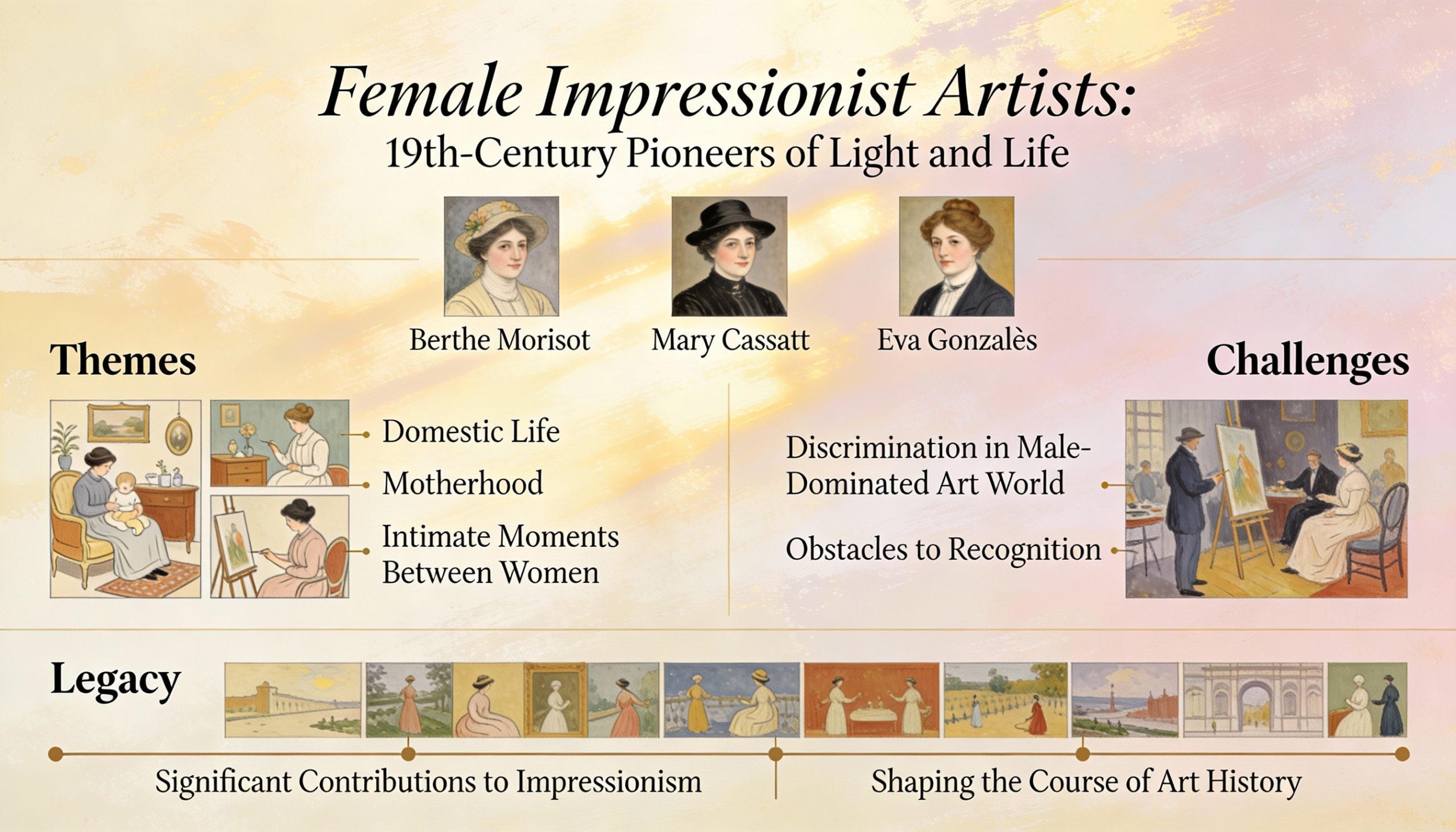
At a Glance - Infographic
How Do You Learn Best?
Learn by Listening
Start with the 3-minute audio summary to get the key facts and narrative highlights quickly.
Learn by Reading
Immerse yourself in the 10-minute visual lesson for a comprehensive understanding of the topic.
Learn by Reviewing
Jump directly to the key facts, timeline, and vocabulary lists to build a solid foundation of details.
Learn by Doing
Challenge yourself! Jump straight into the interactive games to learn by trial, error, and discovery.
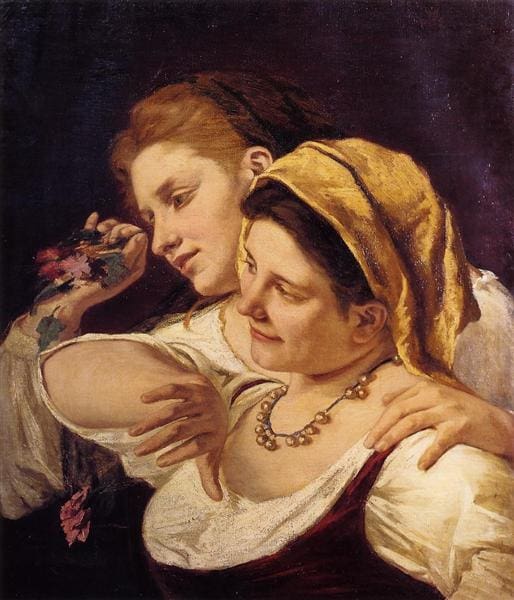
The Masterpiece: Mary Cassatt - Children in a Garden

Deconstructing the Masterpiece
Soft Brushstrokes
Delicate and loose brushwork creates a sense of movement and spontaneity, capturing the fleeting moments and emotions.
Focus on Atmosphere
Emphasis on light, color, and atmosphere conveys a sense of mood and emotion, rather than precise details or realism.
Everyday Scenes
Depiction of ordinary, everyday life and activities of women, providing an intimate and personal perspective on their experiences.
Female Gaze
Representation of women through their own eyes, challenging traditional male-centered perspectives and emphasizing their agency and subjectivity.
Audio Library
As one of our featured lessons, this topic includes premium audio guides.
Unlock the Wizard's Cram Session
This powerful audio study guide is a Pro-exclusive feature. Upgrade to Memory Wizards Pro to access this and all of our premium learning tools.
Upgrade to ProImpressionism and the Female Perspective: An Analysis in 10 Minutes
Introduction
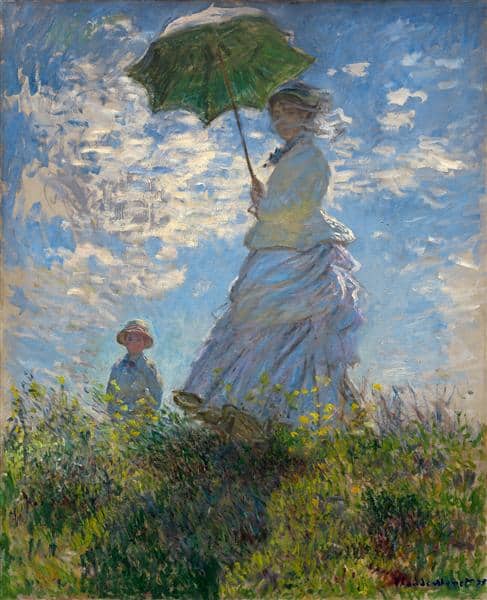
Claude Monet
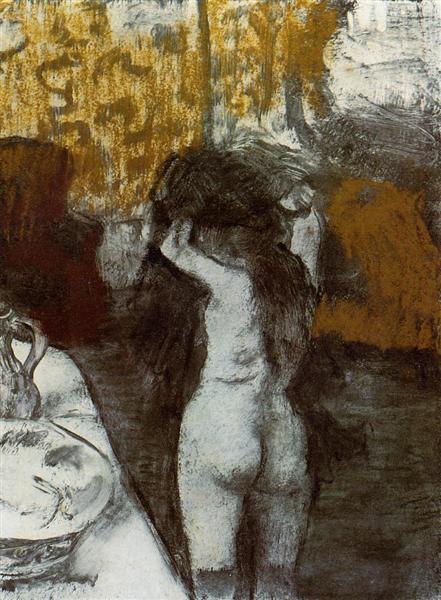
Edgar Degas
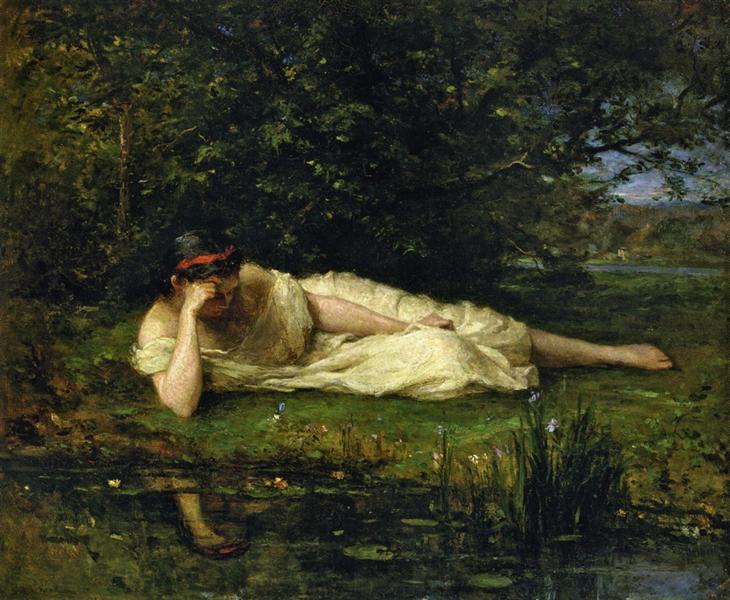
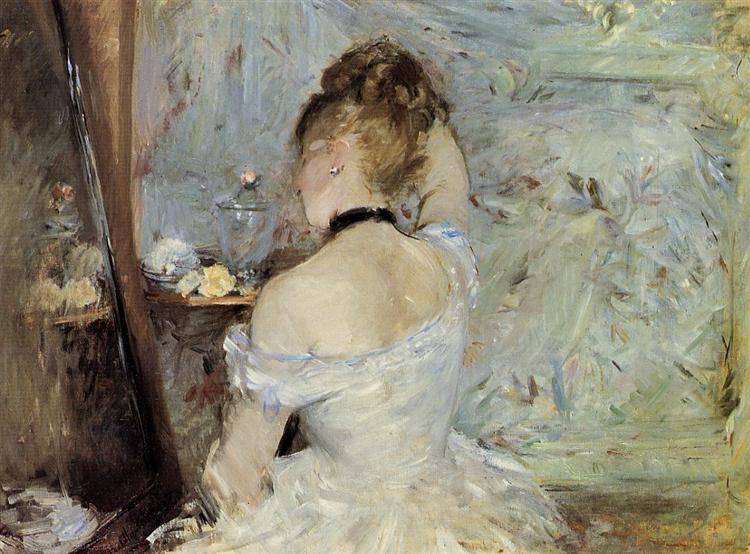
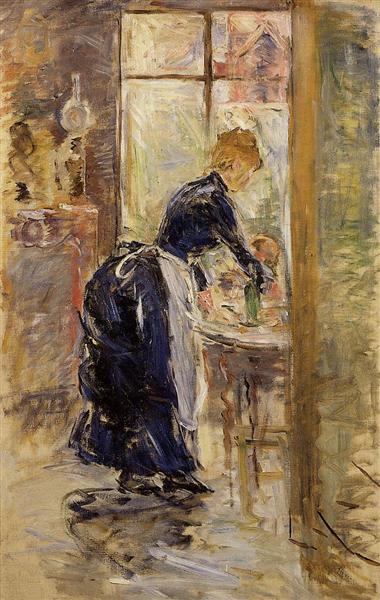
Berthe Morisot
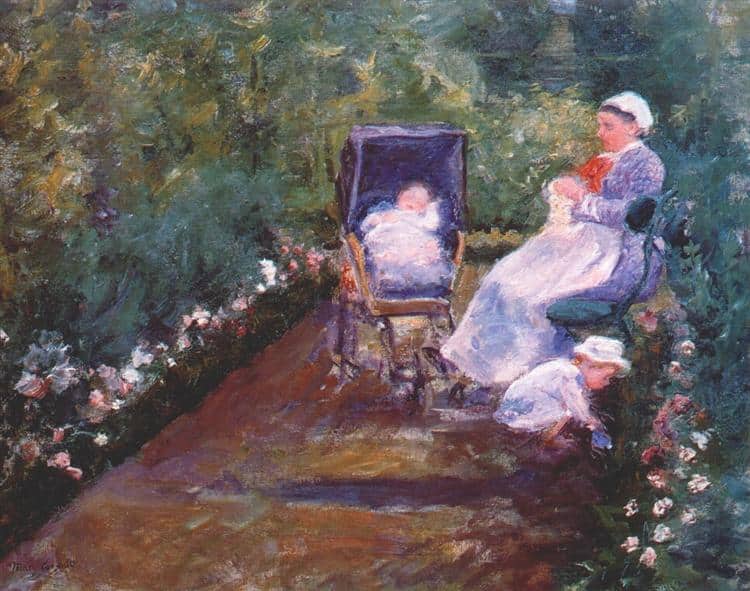
Mary Cassatt
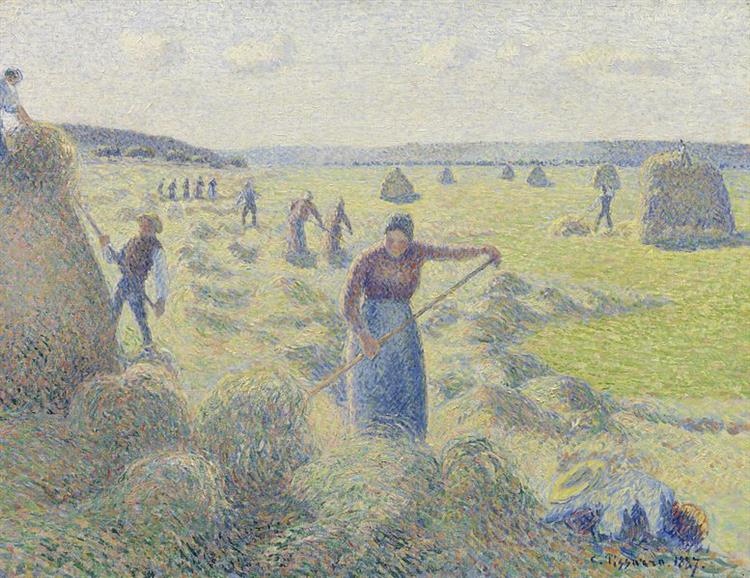
1. The Emergence of Impressionism
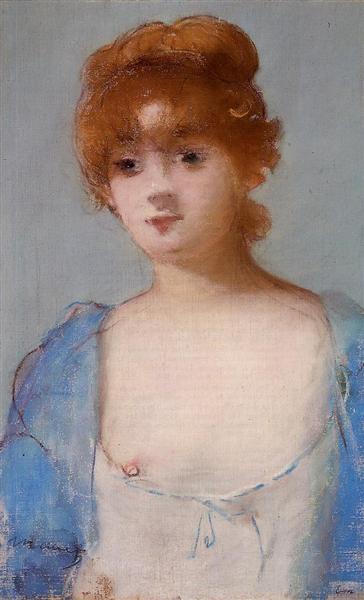
2. Male Dominance in the Art World
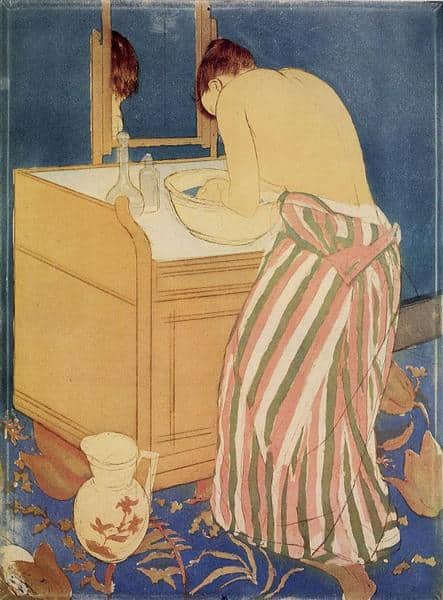
3. Female Impressionists
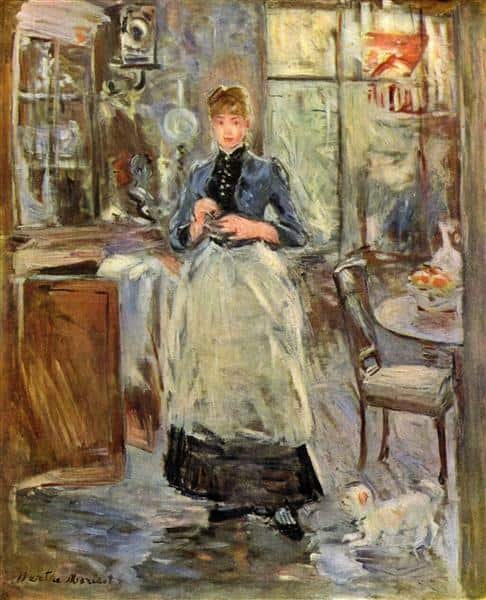
4. Berthe Morisot
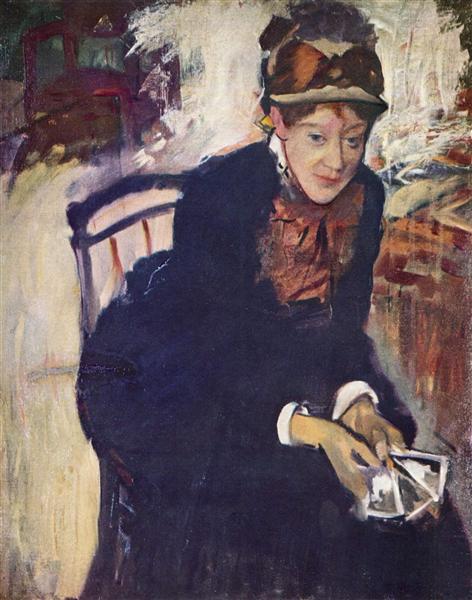
5. Mary Cassatt
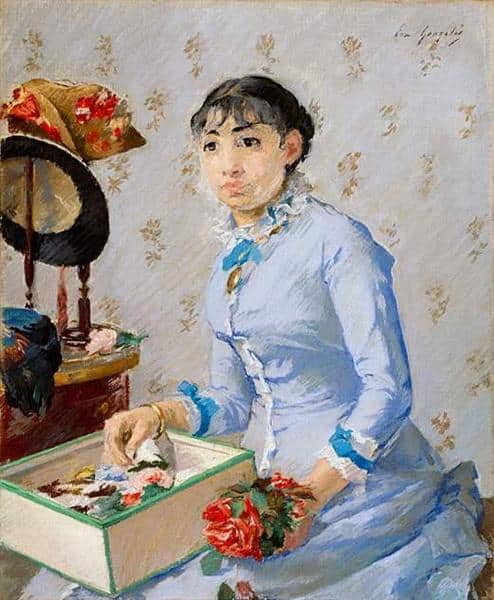
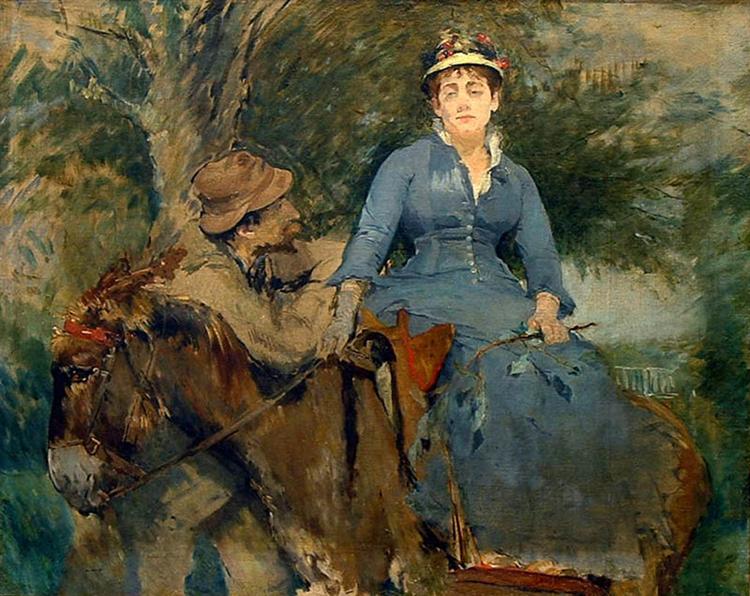
6. Eva Gonzalès
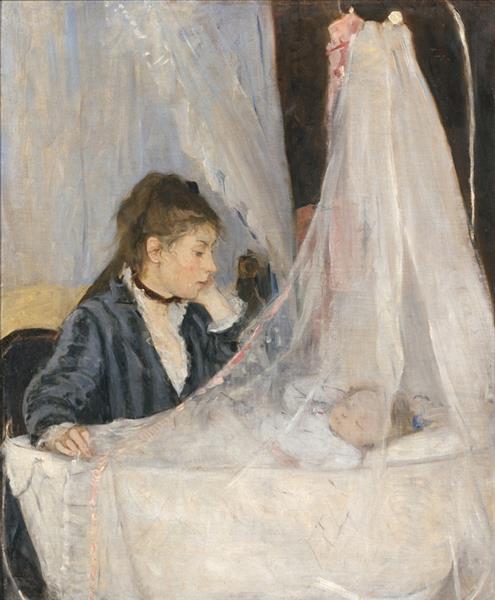
7. The Female Gaze
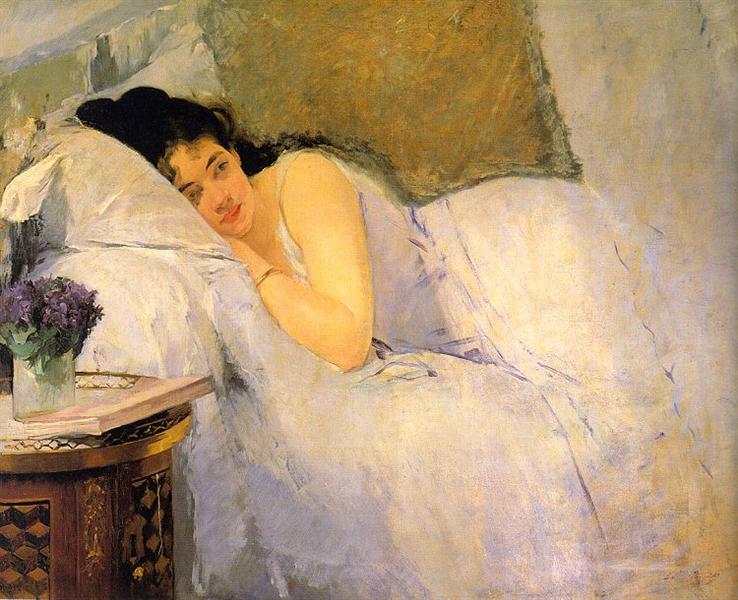
8. Legacy of Female Impressionists
9. Contemporary Female Artists
10. Celebrating Female Artists
Lesson Details & Resources
In a Nutshell
- Artist: Mary Cassatt
- Year: 1878
- Medium: Oil on canvas
- Location: National Gallery of Art, Washington D.C.
Vocabulary List
- Impressionism
- The art movement that focused on capturing the impression of a scene rather than the exact details.
- Feminine
- Artworks that depict women or have a feminine perspective.
- Brushstrokes
- The way in which paint is applied to a canvas, often loose and expressive in Impressionist works.
- Light
- A key element in Impressionist art, used to create mood and atmosphere.
- Color palette
- The range of colors used in a painting, often vibrant and varied in Impressionist works.
- Outdoor
- Impressionist artists often painted en plein air, or outdoors, to capture natural light and scenes.
- Texture
- The physical quality of a surface, often created through the use of different brushstrokes in Impressionist paintings.
- Movement
- Impressionist artworks often capture a sense of movement and spontaneity.
- Nature
- A common subject in Impressionist art, depicting landscapes and natural scenes.
- Reflection
- Impressionist artists often depicted reflections in water or mirrors to create depth and interest.
- Silhouette
- The outline of a figure or object, often used in Impressionist paintings to create a sense of shape and form.
- Gaze
- The way in which a figure is looking or staring, often used in Impressionist art to create a sense of intimacy or mystery.
- Gesture
- The movement or positioning of a figure, often used in Impressionist paintings to convey emotion or action.
- Atmosphere
- The overall feeling or mood of a painting, often created through the use of color and light in Impressionist works.
- Floral
- Impressionist artists often painted flowers and floral scenes to capture the beauty of nature.
- Interior
- Impressionist artists also depicted indoor scenes, often focusing on domestic settings and everyday life.
- Society
- Impressionist art often depicted scenes of modern life and society, capturing the changing world of the late 19th century.
- Portrait
- A painting or drawing of a person, often depicted in a more informal and naturalistic style in Impressionist art.
- Texture
- The physical quality of a surface, often created through the use of different brushstrokes in Impressionist paintings.
- Beauty
- Impressionist art often focused on capturing the beauty of everyday life and scenes.
- Elegance
- Impressionist artists often depicted figures in elegant poses and settings, capturing a sense of sophistication and style.
Timeline of Impressionism and the Female Perspective: An Analysis
Berthe Morisot becomes the first woman to exhibit with the Impressionists
Mary Cassatt joins the Impressionist group in Paris
Women artists participate in the fourth Impressionist exhibition
Marie Bracquemond exhibits with the Impressionists for the first time
Berthe Morisot's painting 'The Cradle' is exhibited at the Impressionist exhibition
Mary Cassatt's painting 'In the Loge' is displayed at the Impressionist exhibition
Women artists gain recognition and acceptance within the Impressionist group
Berthe Morisot's painting 'Summer's Day' receives critical acclaim at an exhibition in London
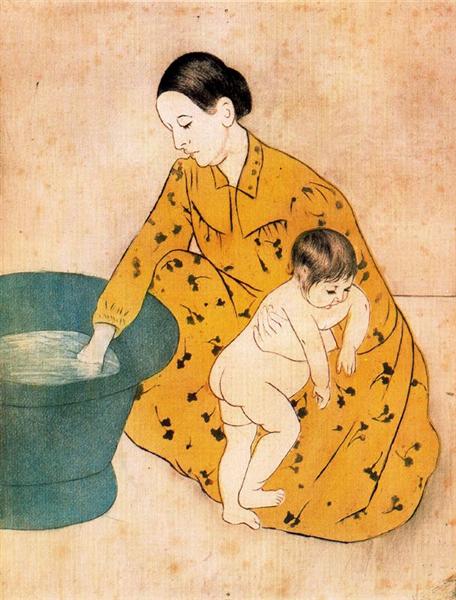
Mary Cassatt's painting 'The Child's Bath' is displayed at the Impressionist exhibition
Women artists continue to challenge and push the boundaries of Impressionism
Berthe Morisot's painting 'The Harbor at Lorient' is exhibited at the Impressionist exhibition
Mary Cassatt's painting 'Young Mother Sewing' is displayed at the Impressionist exhibition
Women artists begin to gain recognition and success outside of the Impressionist group
Berthe Morisot's work is featured in a major retrospective exhibition in Paris
Mary Cassatt's paintings are exhibited at the Armory Show in New York
Women artists continue to inspire and influence future generations of Impressionist painters
Berthe Morisot's legacy as a pioneering female Impressionist painter is celebrated
Mary Cassatt's impact on the Impressionist movement is recognized in art history
Women artists continue to be represented in exhibitions and publications on Impressionism
Berthe Morisot and Mary Cassatt are acknowledged as key figures in the development of Impressionism
Key Facts
This is the information used in the fact matching game
- Impressionism was a 19th-century art movement that originated in France.
- Impressionist artists often focused on capturing the momentary effects of light and color in their paintings.
- Many Impressionist artists were inspired by scenes of everyday life, including domestic activities and leisure pursuits.
- Female Impressionist painters faced challenges in gaining recognition and acceptance in the male-dominated art world of the time.
- Berthe Morisot was one of the leading female Impressionist painters, known for her intimate portrayals of women and children.
- Mary Cassatt, an American artist, was another prominent female Impressionist known for her depictions of mother and child relationships.
- Female Impressionist artists often depicted scenes of daily life from a more intimate and personal perspective.
- Women artists in the Impressionist movement faced criticism and discrimination from their male counterparts.
- Despite the challenges they faced, female Impressionist artists made significant contributions to the art world.
- Some female Impressionist artists, such as Eva Gonzalès, were students of male Impressionist masters like Edouard Manet.
- The portrayal of women in Impressionist art often reflected changing social norms and attitudes towards gender roles.
- Female Impressionist artists were instrumental in challenging traditional notions of femininity and the role of women in art.
- The work of female Impressionist artists has been increasingly recognized and celebrated in recent years.
- Many female Impressionist artists had to navigate societal expectations and gender biases in order to pursue their artistic careers.
- Female Impressionist painters often used their personal experiences and perspectives to inform their artwork.
- The work of female Impressionist artists is characterized by a sense of intimacy and emotional depth.
- Female Impressionist painters played a crucial role in shaping the development of the Impressionist movement.
- The subject matter of female Impressionist artists often centered around themes of family, relationships, and domestic life.
- Female Impressionist artists were pioneers in challenging traditional artistic conventions and exploring new modes of expression.
- The legacy of female Impressionist artists continues to inspire and influence contemporary artists and art historians.
Analysis & Significance
Artistic Innovation
Impressionism and the Female Perspective introduced a new way of capturing the world through the eyes of women. The artists focused on everyday scenes, domestic life, and intimate moments, offering a fresh and authentic portrayal of women’s experiences, emotions, and relationships.
Influence on Art History
This artwork challenged traditional representations of women in art and paved the way for future female artists to explore their own perspectives. It also contributed to the broader Impressionist movement, which prioritized individual expression, light, color, and spontaneity over rigid academic conventions.
Cultural Significance Today
Impressionism and the Female Perspective continues to resonate with audiences today, highlighting the importance of diverse voices and viewpoints in art. It serves as a reminder of the power of representation and the ongoing relevance of exploring the female experience in artistic expression.
Impressionism and the Female Perspective: An Analysis Games


Take Your Learning Offline
Want a convenient, print-ready study guide for this lesson? Become a Memory Wizards Pro member to unlock the downloadable " Memory Scrolls" for this topic and our entire library!
- ✓ Complete Vocabulary Lists
- ✓ Key Facts & Timelines
- ✓ Beautifully Formatted for Print & Mobile