
At a Glance - Infographic
How Do You Learn Best?
Learn by Listening
Start with the 3-minute audio summary to get the key facts and narrative highlights quickly.
Learn by Reading
Immerse yourself in the 10-minute visual lesson for a comprehensive understanding of the topic.
Learn by Reviewing
Jump directly to the key facts, timeline, and vocabulary lists to build a solid foundation of details.
Learn by Doing
Challenge yourself! Jump straight into the interactive games to learn by trial, error, and discovery.
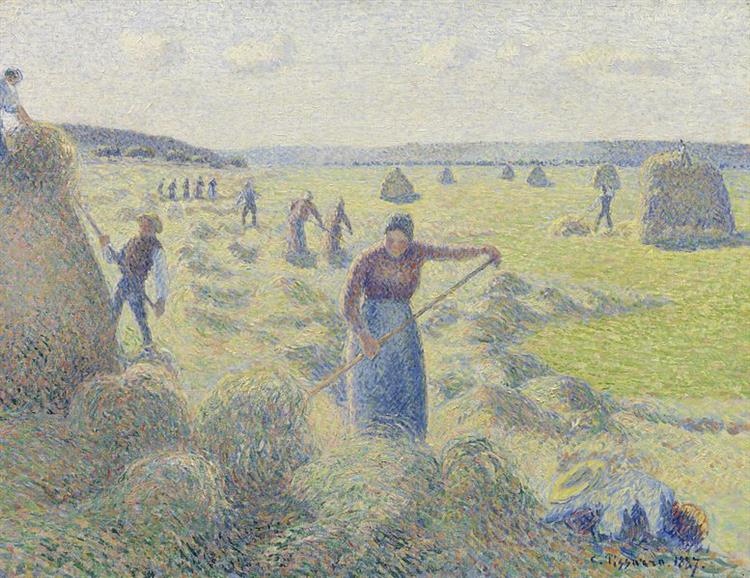
The Masterpiece: Women Planting Stakes

Deconstructing the Masterpiece
Naturalistic Setting
The realistic depiction of a rural landscape provides a sense of authenticity and connection to nature.
Human Interaction
The figures engaged in planting stakes suggest a narrative of labor and cooperation, adding a human element to the scene.
Horizontal Composition
The flat, horizontal arrangement of the elements creates a sense of stability and tranquility in the composition.
Audio Library
As one of our featured lessons, this topic includes premium audio guides.
Unlock the Wizard's Cram Session
This powerful audio study guide is a Pro-exclusive feature. Upgrade to Memory Wizards Pro to access this and all of our premium learning tools.
Upgrade to ProCamille Pissarro: An Analysis in 10 Minutes
Introduction

Early Life
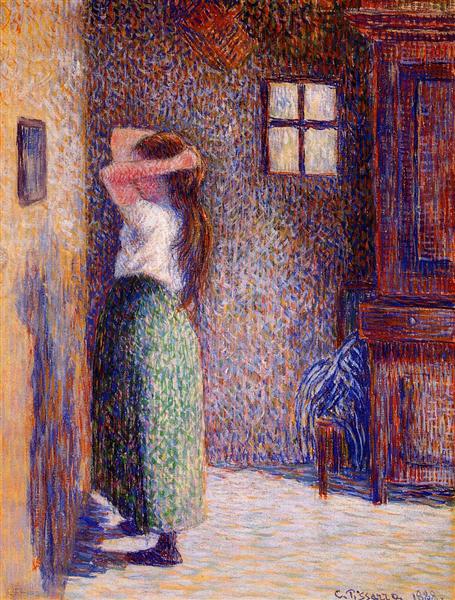
Artistic Influences
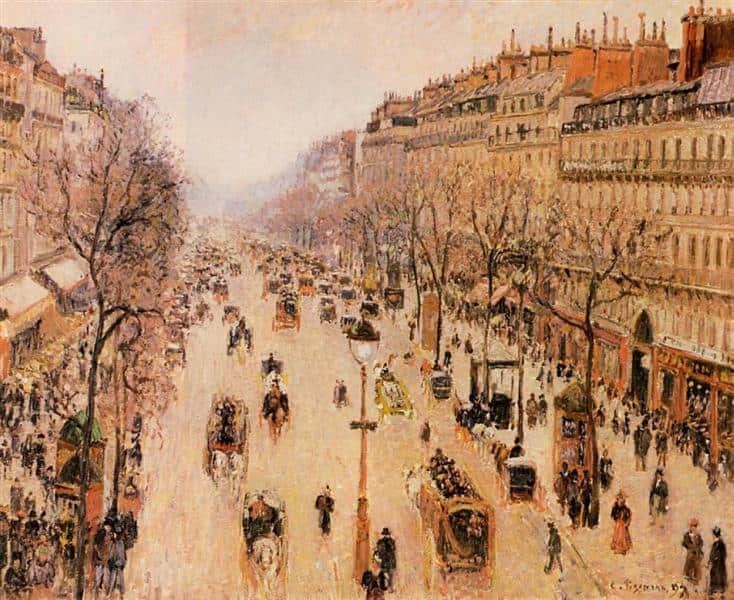
Impressionist Exhibitions
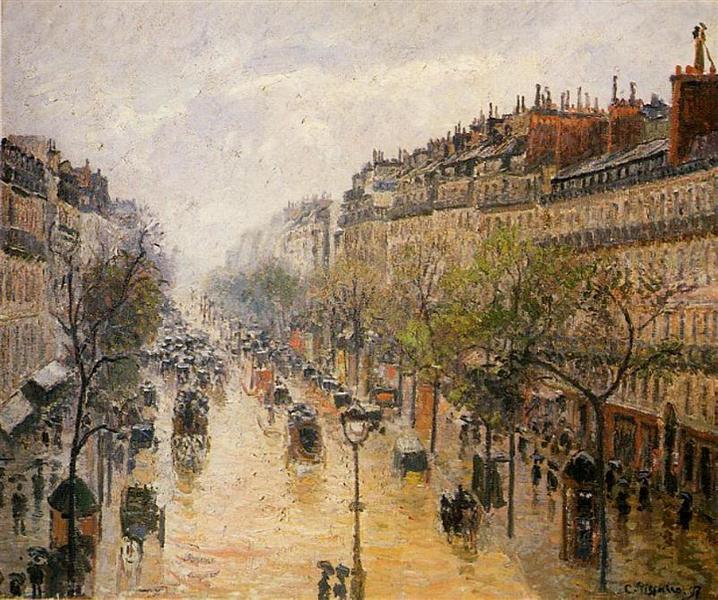
Collaboration with Other Artists
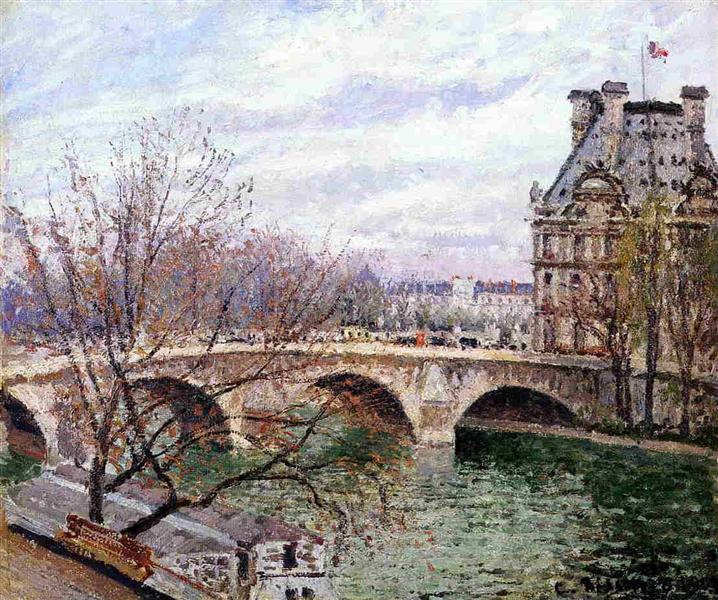
Later Years
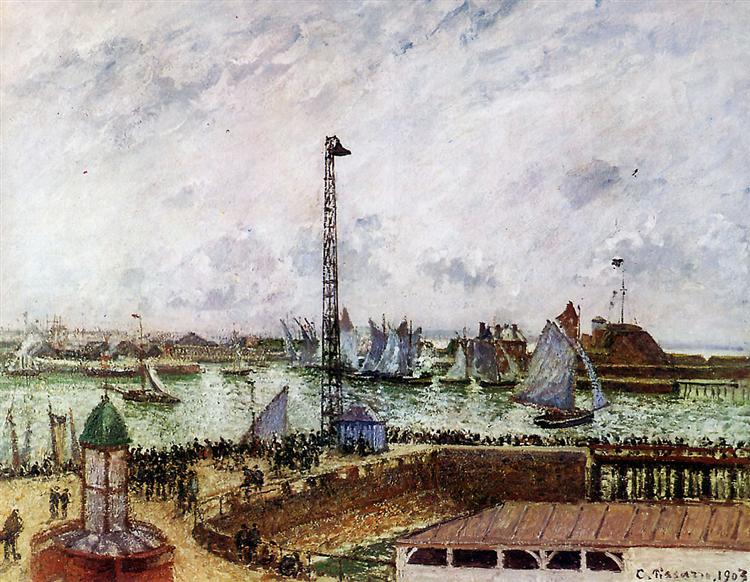
Legacy
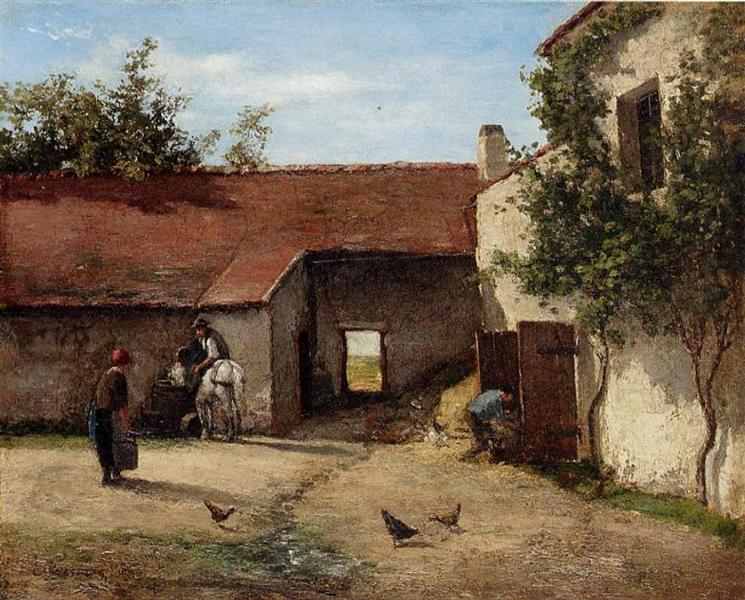
Recognition
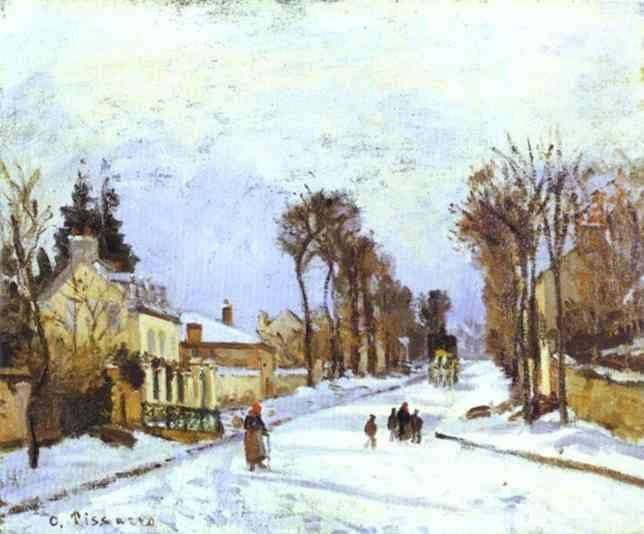
Impact on Art
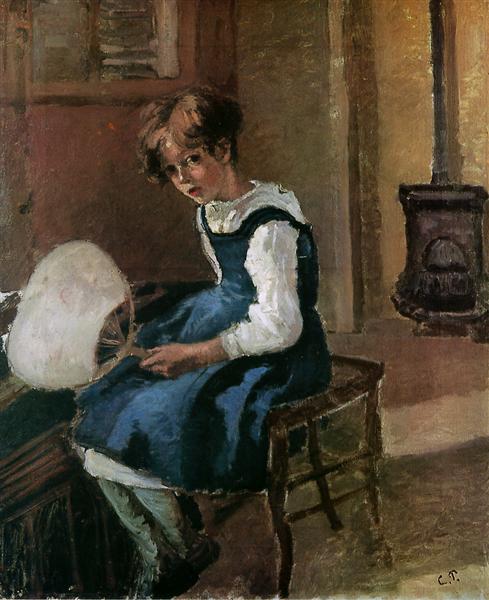
Influence on Other Artists
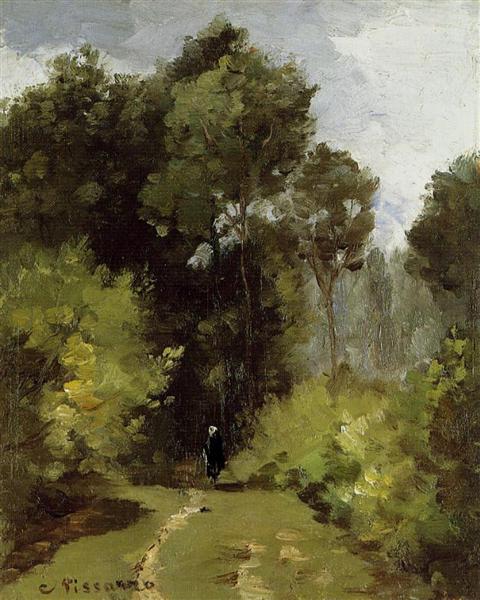
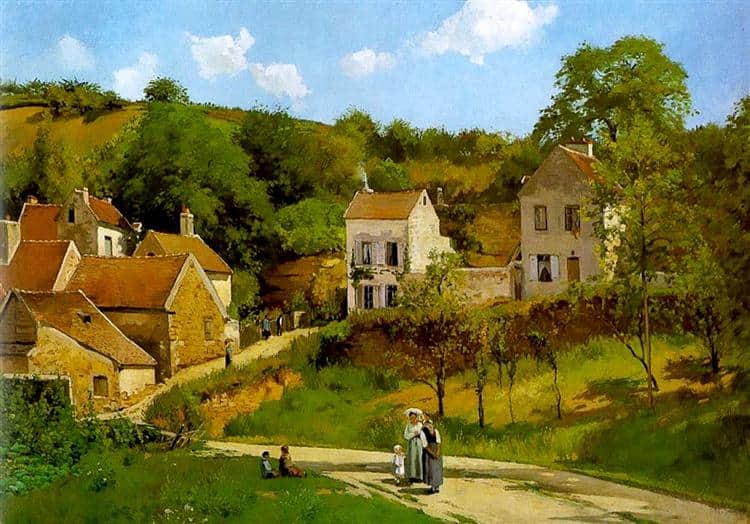
Lesson Details & Resources
In a Nutshell
- Artist: Camille Pissarro
- Year: 1875
- Medium: Oil on canvas
- Location: National Gallery, London
Vocabulary List
- Impressionism
- Camille Pissarro was a key figure in the Impressionist movement.
- Landscape
- Pissarro often painted landscapes of the French countryside.
- En plein air
- Pissarro was known for painting outdoors, or en plein air.
- Brushstrokes
- Pissarro's paintings are characterized by loose and expressive brushstrokes.
- Color palette
- Pissarro used a vibrant color palette in his artwork.
- Rural scenes
- Pissarro frequently painted rural scenes depicting everyday life.
- Cityscape
- Pissarro also painted cityscapes of Paris and other urban areas.
- Light
- Pissarro captured the effects of light in his paintings.
- Nature
- Nature was a central theme in Pissarro's work.
- Harmony
- Pissarro sought to create a sense of harmony in his compositions.
- Fauvism
- Pissarro's work influenced the Fauvist movement.
- Neo-Impressionism
- Pissarro experimented with Neo-Impressionist techniques in his later work.
- Farmers
- Pissarro often depicted farmers and rural workers in his paintings.
- Countryside
- The French countryside was a favorite subject of Pissarro's.
- Urbanization
- Pissarro's work reflects the changing landscape of urbanization in France.
- Modernism
- Pissarro's work is considered a precursor to the modernist movement.
- Composition
- Pissarro carefully considered the composition of his paintings.
- Atmosphere
- Pissarro created a sense of atmosphere and mood in his paintings.
- Perspective
- Pissarro used perspective to create depth in his artwork.
- Influence
- Pissarro's work had a significant influence on other artists of his time.
Timeline of Camille Pissarro: An Analysis
Camille Pissarro is born on the Caribbean island of St. Thomas, then part of the Danish West Indies
Pissarro moves to Paris to study at the École des Beaux-Arts and Académie Suisse
Pissarro meets fellow artists such as Claude Monet and Paul Cézanne, becoming a key figure in the Impressionist movement
Pissarro exhibits his work at the first Impressionist exhibition in Paris
Pissarro moves to Pontoise, a town northwest of Paris, where he paints many of his famous landscapes
Pissarro's paintings are included in the first Impressionist exhibition in the United States
Pissarro moves to Eragny-sur-Epte and begins a series of paintings of the countryside and village life
Pissarro's son Lucien marries and later becomes a successful painter in his own right
Pissarro participates in the final Impressionist exhibition in Paris
Pissarro's work is shown at the Exposition Universelle in Paris, where he wins a gold medal
Pissarro's health begins to decline, leading to a decrease in his artistic output
Pissarro's wife Julie dies, leaving him devastated
Pissarro becomes a mentor to younger artists, including Paul Gauguin and Georges Seurat
Pissarro's health continues to deteriorate, but he continues to paint and exhibit his work
Pissarro dies in Paris at the age of 73
A major retrospective of Pissarro's work is held at the Salon d'Automne in Paris
Pissarro's influence on the art world continues to grow, with many artists citing him as a major inspiration
Pissarro's paintings continue to be highly sought after by collectors and museums around the world
Key Facts
This is the information used in the fact matching game
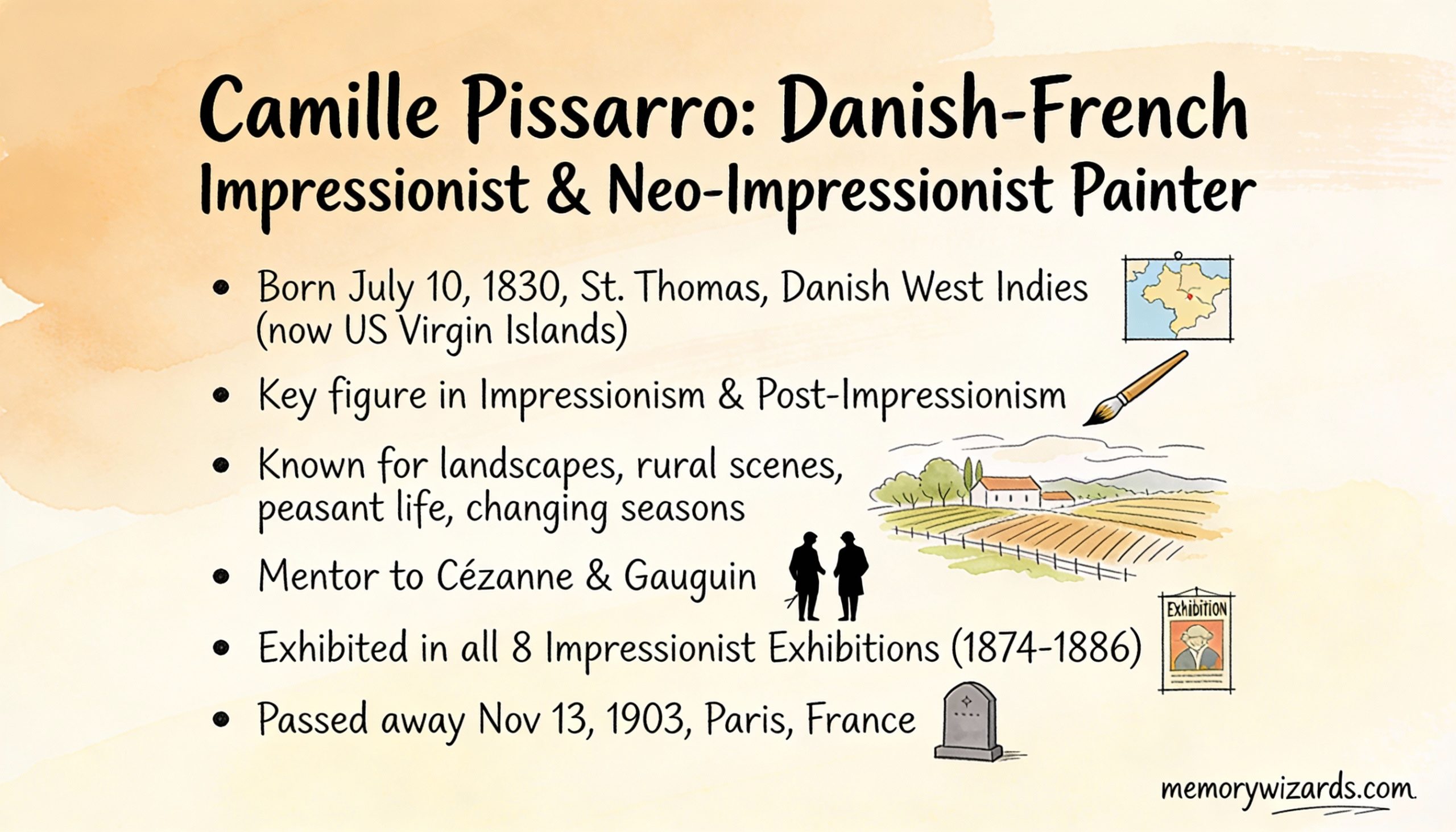
- Camille Pissarro was a Danish-French Impressionist and Neo-Impressionist painter.
- Pissarro was born on July 10, 1830, on the island of St. Thomas in the Danish West Indies.
- He is known for his landscapes, urban scenes, and portraits.
- Pissarro was a key figure in the development of Impressionism.
- He often painted en plein air, or outdoors, to capture the effects of light and atmosphere.
- Pissarro's early works were influenced by the Barbizon School, a group of French landscape painters.
- He was a mentor to many younger artists, including Paul Cézanne and Paul Gauguin.
- Pissarro was known for his use of loose brushwork and vibrant colors.
- He often depicted rural scenes and peasant life in his paintings.
- Pissarro's later works show an influence of Pointillism, a technique of painting with small dots of color.
- He exhibited in all eight Impressionist exhibitions in Paris between 1874 and 1886.
- Pissarro's paintings often feature rural landscapes of France, particularly the countryside of Normandy and Pontoise.
- He was a politically active anarchist and socialist, and his beliefs influenced his art.
- Pissarro's work was sometimes criticized for being too radical and experimental.
- He painted over 1500 works during his career, including landscapes, still lifes, and figure studies.
- Pissarro's paintings often depict scenes of everyday life, such as markets, streets, and gardens.
- He was a founding member of the Société Anonyme des Artistes, Peintres, Sculpteurs, Graveurs, etc., also known as the Impressionists.
- Pissarro's work influenced many artists who came after him, including Vincent van Gogh and Georges Seurat.
- He continued to paint and exhibit his work until his death on November 13, 1903, in Paris.
- Pissarro's legacy as a pioneer of Impressionism and Post-Impressionism continues to be celebrated today.
Analysis & Significance
Artistic Innovation
Camille Pissarro’s innovative use of color and light in his Impressionist paintings revolutionized the way artists captured the fleeting effects of nature. His loose brushwork and emphasis on capturing the momentary atmosphere broke from traditional academic techniques, creating a more spontaneous and vibrant style of painting.
Influence on Art History
Pissarro’s work had a profound impact on the development of Impressionism and Post-Impressionism. His mentorship of artists like Paul Cézanne and Paul Gauguin helped shape the direction of modern art, influencing movements such as Fauvism and Cubism. Pissarro’s dedication to capturing the beauty of everyday life paved the way for artists to explore new ways of seeing and representing the world.
Cultural Significance Today
Today, Camille Pissarro’s work is celebrated for its timeless beauty and influence on modern art. His paintings continue to be admired for their rich colors, dynamic compositions, and emotional depth. Pissarro’s legacy as a pioneer of Impressionism remains intact, with his works being treasured in museums and private collections around the world, captivating audiences with their enduring appeal.
Camille Pissarro: An Analysis Games


Take Your Learning Offline
Want a convenient, print-ready study guide for this lesson? Become a Memory Wizards Pro member to unlock the downloadable " Memory Scrolls" for this topic and our entire library!
- ✓ Complete Vocabulary Lists
- ✓ Key Facts & Timelines
- ✓ Beautifully Formatted for Print & Mobile