
At a Glance - Infographic
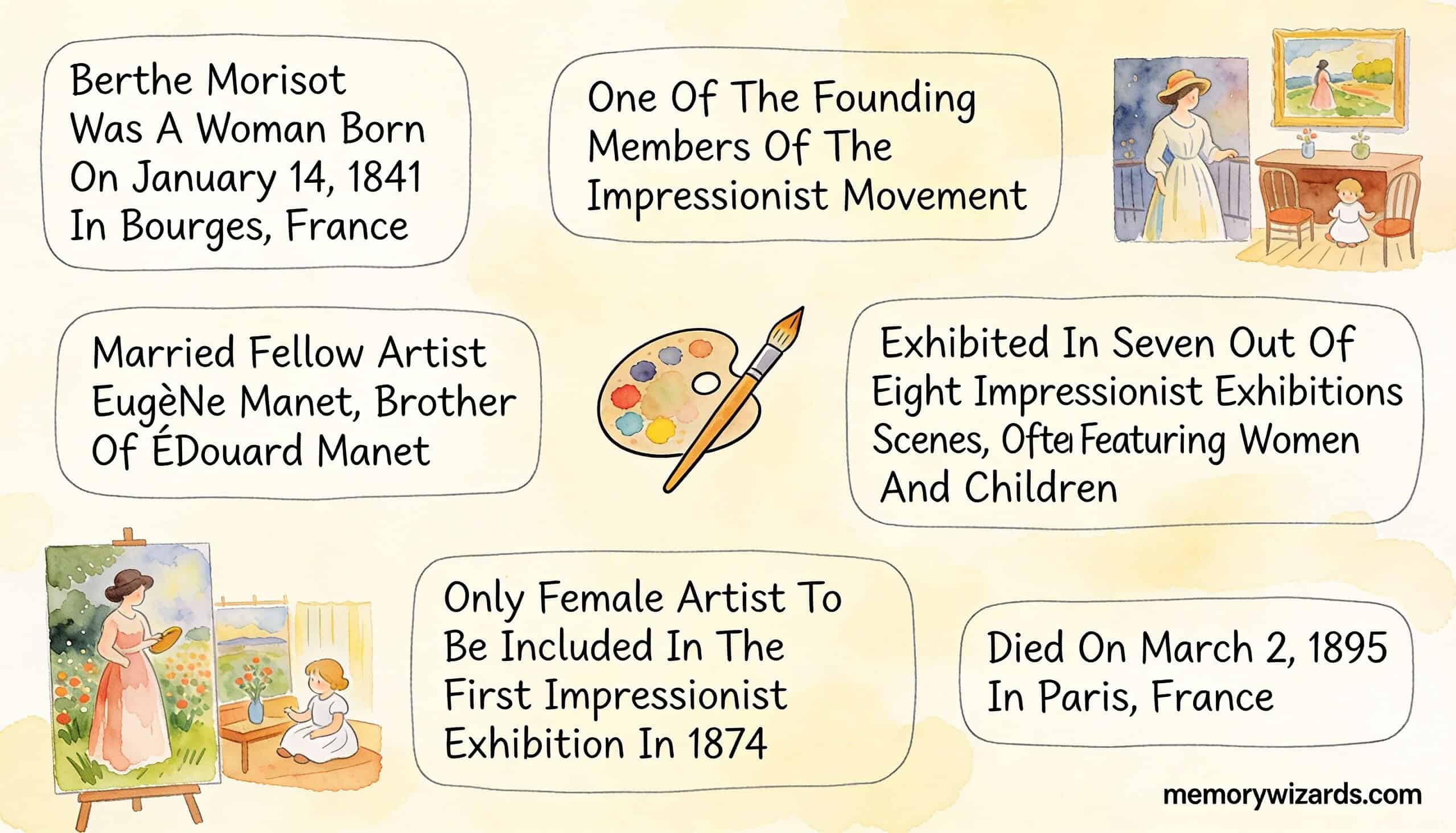
How Do You Learn Best?
Learn by Listening
Start with the 3-minute audio summary to get the key facts and narrative highlights quickly.
Learn by Reading
Immerse yourself in the 10-minute visual lesson for a comprehensive understanding of the topic.
Learn by Reviewing
Jump directly to the key facts, timeline, and vocabulary lists to build a solid foundation of details.
Learn by Doing
Challenge yourself! Jump straight into the interactive games to learn by trial, error, and discovery.
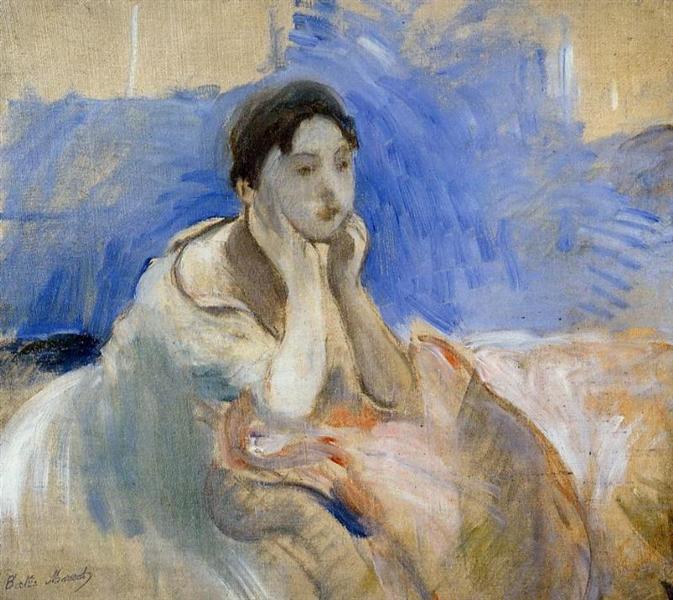
The Masterpiece: Julie Daydreaming - Berthe Morisot

Deconstructing the Masterpiece
Intimate Gaze
The direct eye contact between Julie and the viewer creates a sense of intimacy and connection, drawing the viewer into her daydream.
Soft Brushwork
Morisot's loose and fluid brushwork captures the fleeting nature of a daydream, enhancing the dreamlike quality of the painting.
Domestic Setting
The interior setting with domestic objects conveys a sense of everyday life, contrasting with the ethereal quality of Julie's daydream.
Subtle Color Palette
The muted tones and delicate hues create a tranquil atmosphere, enhancing the peaceful and contemplative mood of the painting.
Audio Library
As one of our featured lessons, this topic includes premium audio guides.
Unlock the Wizard's Cram Session
This powerful audio study guide is a Pro-exclusive feature. Upgrade to Memory Wizards Pro to access this and all of our premium learning tools.
Upgrade to ProBerthe Morisot: An Analysis in 10 Minutes
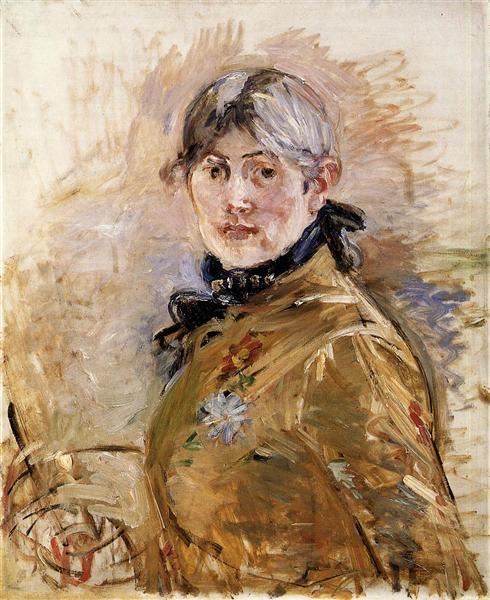
Introduction
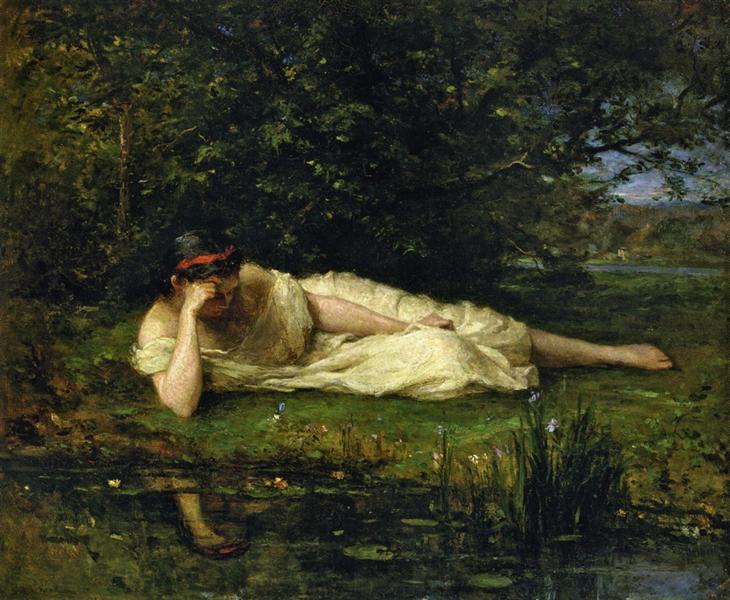
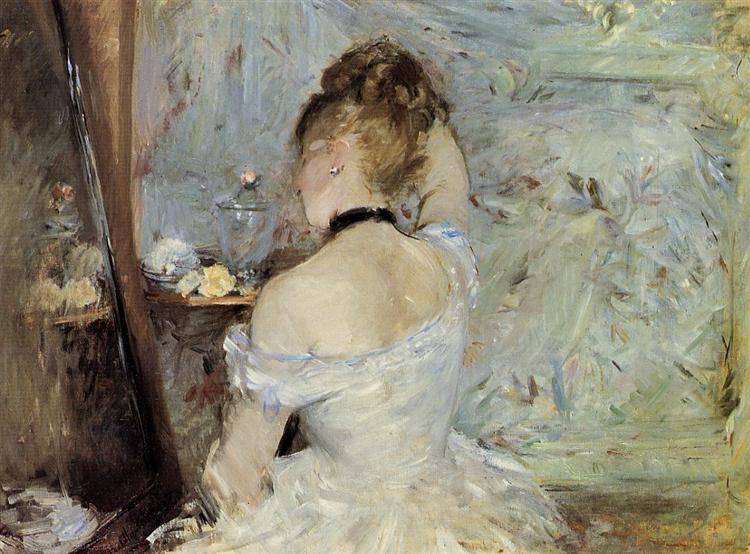
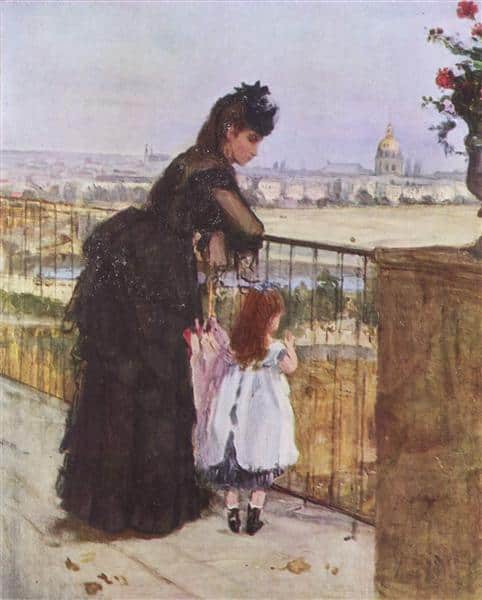
Early Life and Education
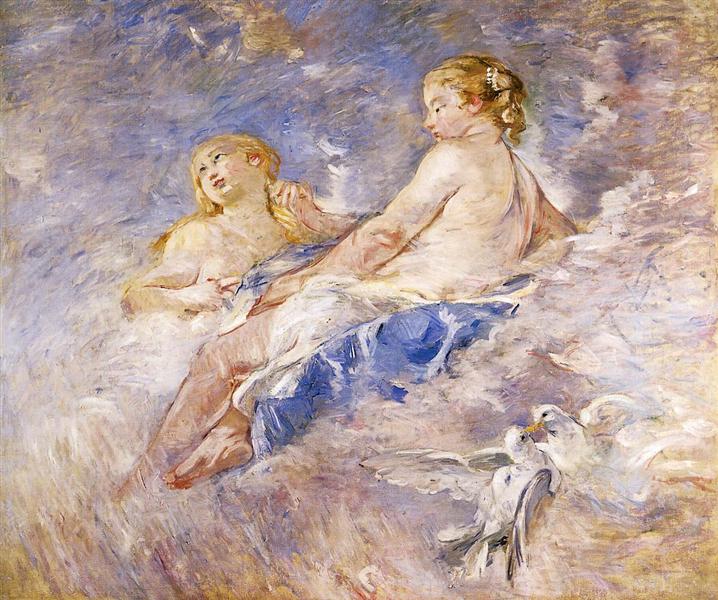
Joining the Impressionist Movement
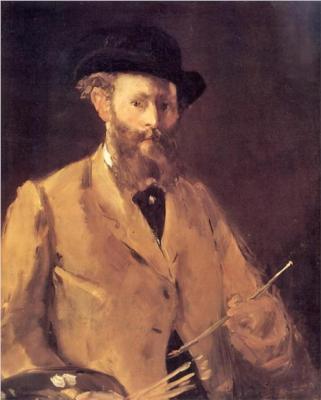
Relationship with Edouard Manet
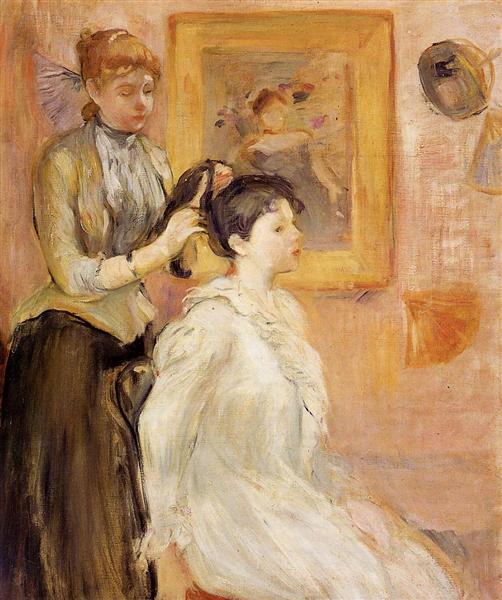
Marriage and Family
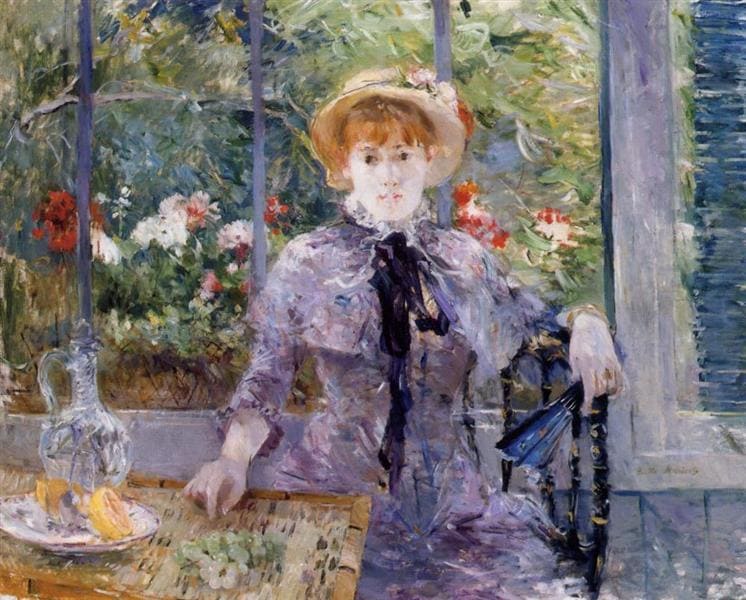
Success and Recognition
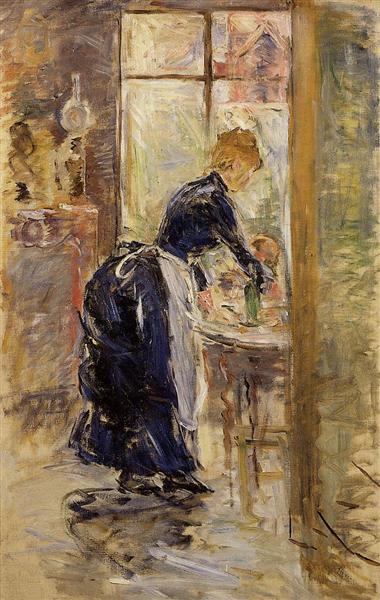
Subject Matter
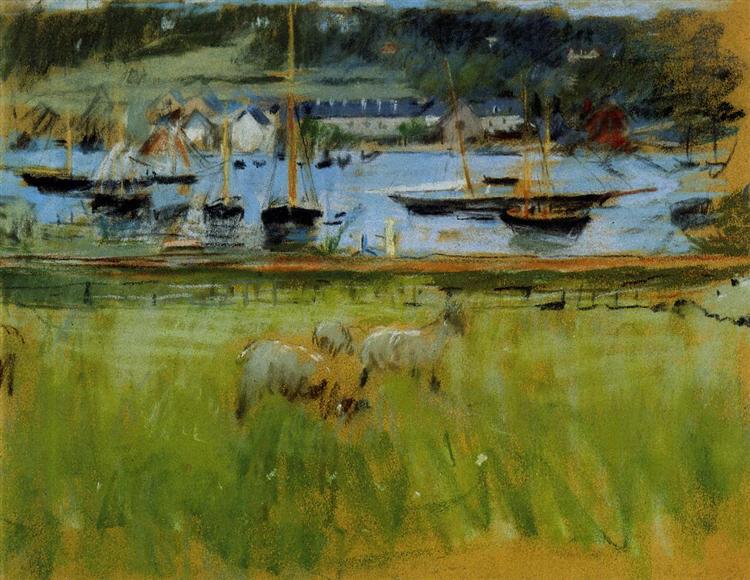
Influence on Impressionism
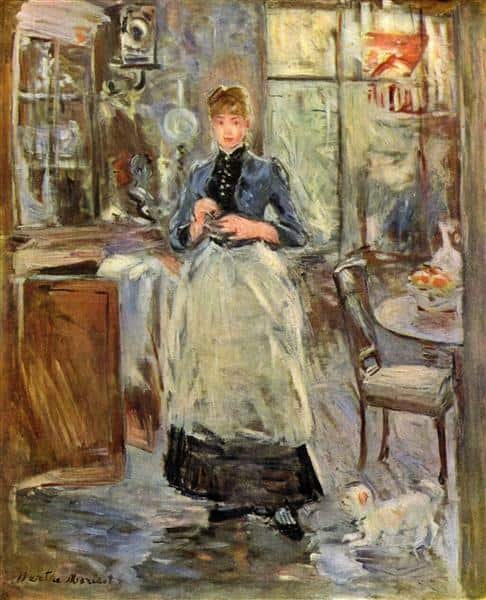
Late Career and Legacy
Recognition in the Art World
Lesson Details & Resources
In a Nutshell
- Artist: Berthe Morisot
- Year: 1872
- Medium: Oil on canvas
- Location: Musée d’Orsay, Paris
Vocabulary List
- Impressionism
- Berthe Morisot was a prominent figure in the Impressionist movement.
- Feminine gaze
- Morisot's paintings often explored the feminine perspective and experience.
- En plein air
- Morisot frequently painted outdoors, embracing the en plein air technique.
- Pastel colors
- Morisot's palette often consisted of soft pastel colors.
- Domestic scenes
- Morisot's artwork often depicted intimate domestic scenes.
- Brushwork
- Morisot's loose brushwork was characteristic of the Impressionist style.
- Modern life
- Morisot captured scenes of modern life in her paintings.
- Fashion
- Morisot often portrayed the latest fashions in her artwork.
- Family
- Morisot frequently painted her family members in her artworks.
- Interiors
- Morisot's paintings often featured detailed interior spaces.
- Feminist
- Morisot's artwork has been interpreted as feminist in nature.
- Light
- Morisot expertly captured the effects of light in her paintings.
- Impression
- Morisot sought to convey the fleeting impressions of a moment in her artwork.
- Sketches
- Morisot's sketchbooks provide insight into her artistic process.
- Beauty
- Morisot's paintings often celebrated the beauty of everyday life.
- Paris
- Morisot lived and worked in Paris for much of her life.
- Flowers
- Morisot frequently included flowers in her compositions.
- Portraits
- Morisot was skilled at capturing the personalities of her subjects in her portraits.
- Movement
- Morisot's paintings often conveyed a sense of movement and life.
- Texture
- Morisot's paintings often featured rich textures and patterns.
Timeline of Berthe Morisot: An Analysis
Berthe Morisot is born in Bourges, France
Morisot begins studying painting under Joseph Guichard
Morisot meets Édouard Manet and begins a close friendship and artistic collaboration
Morisot's painting 'The Cradle' is exhibited at the Salon
Morisot marries Eugène Manet, brother of Édouard Manet
Morisot's daughter Julie is born
Morisot becomes a founding member of the Impressionist group
Morisot's work is featured in the first Impressionist exhibition in Paris
Morisot's painting 'The Harbor at Lorient' is exhibited at the Salon
Morisot's husband Eugène Manet dies
Morisot becomes the first woman artist to have a retrospective exhibition at the Salon d'Automne
Morisot passes away in Paris
Morisot's work continues to be celebrated and exhibited worldwide
Key Facts
This is the information used in the fact matching game
- Berthe Morisot was a French painter and a member of the Impressionist group.
- Morisot was one of the few female Impressionist painters and played a significant role in the movement.
- Morisot's work often focused on domestic scenes and portraits of women and children.
- She was married to Eugène Manet, the younger brother of fellow Impressionist painter Édouard Manet.
- Morisot's style was characterized by loose brushwork and a soft color palette.
- She was known for her ability to capture light and atmosphere in her paintings.
- Morisot often painted en plein air, or outdoors, to capture the effects of natural light.
- She was influenced by the work of fellow Impressionist painters such as Claude Monet and Camille Pissarro.
- Morisot exhibited her work in several Impressionist exhibitions, including the first in 1874.
- Her paintings often depict scenes of everyday life, such as women in gardens or at the beach.
- Morisot's work was praised for its intimacy and sensitivity to her subjects.
- She was friends with many other Impressionist painters, including Edgar Degas and Pierre-Auguste Renoir.
- Morisot's work was not widely recognized during her lifetime, but has since been celebrated for its contribution to Impressionism.
- She was a prolific artist, creating over 800 paintings during her career.
- Morisot's work is held in major museums and collections around the world, including the Musée d'Orsay in Paris and the National Gallery of Art in Washington, D.C.
- She often painted her daughter, Julie Manet, who also became a painter in her own right.
- Morisot's work has been the subject of several retrospectives and exhibitions, highlighting her importance in the history of art.
- She passed away in 1895 at the age of 54, leaving behind a legacy of innovative and influential paintings.
- Morisot's work continues to inspire artists and art enthusiasts today, with its unique blend of intimacy and innovation.
- Her paintings often convey a sense of movement and spontaneity, capturing fleeting moments in time.
Analysis & Significance
Artistic Innovation
Berthe Morisot, as one of the few female Impressionist painters, brought a unique perspective to the movement. Her use of loose brushwork and emphasis on capturing fleeting moments of everyday life challenged traditional notions of beauty and subject matter in art. Morisot’s intimate, domestic scenes and delicate color palette paved the way for a more personal and introspective approach to painting.
Influence on Art History
Morisot’s work not only contributed to the development of Impressionism but also inspired future generations of artists, particularly female painters. Her portrayal of women’s experiences and emotions in a rapidly changing society resonated with the feminist art movement of the 20th century. By breaking barriers and defying conventions, Morisot’s legacy continues to empower artists to explore new perspectives and narratives.
Cultural Significance Today
Berthe Morisot’s paintings are now celebrated as masterpieces of Impressionism, with her works displayed in prestigious museums around the world. Her influence on art history and the recognition of her talent as a pioneering female artist have solidified her place in the canon of Western art. Morisot’s ability to capture the essence of everyday life with sensitivity and grace continues to captivate audiences and inspire contemporary artists.
Berthe Morisot: An Analysis Games


Take Your Learning Offline
Want a convenient, print-ready study guide for this lesson? Become a Memory Wizards Pro member to unlock the downloadable " Memory Scrolls" for this topic and our entire library!
- ✓ Complete Vocabulary Lists
- ✓ Key Facts & Timelines
- ✓ Beautifully Formatted for Print & Mobile