
Ship Of Theseus
Can a ship remain the same if all its parts change?
How Do You Learn Best?
Learn by Reading
Immerse yourself in the 10-minute visual lesson for a comprehensive understanding of the topic.
Learn by Reviewing
Jump directly to the key facts, timeline, and vocabulary lists to build a solid foundation of details.
Learn by Doing
Challenge yourself! Jump straight into the interactive games to learn by trial, error, and discovery.
Ship Of Theseus in 10 Minutes
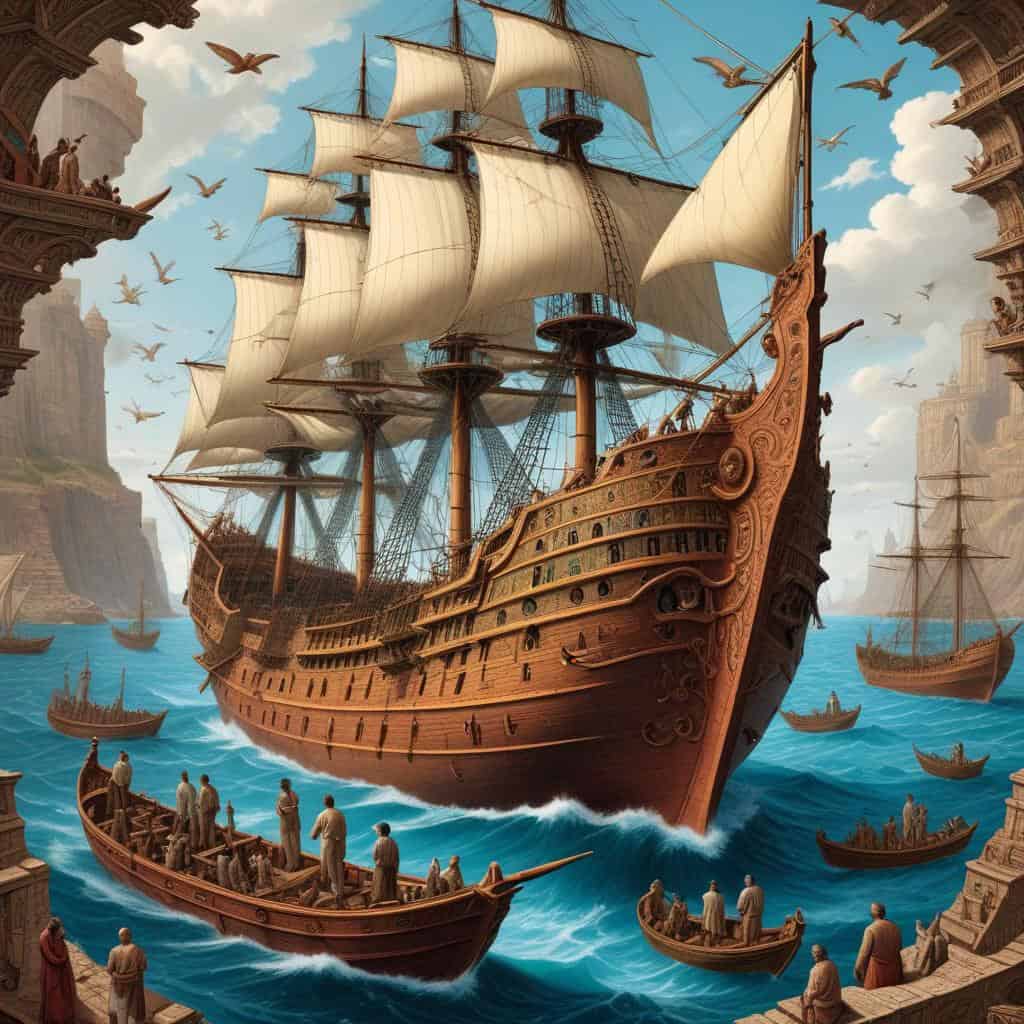
Introduction
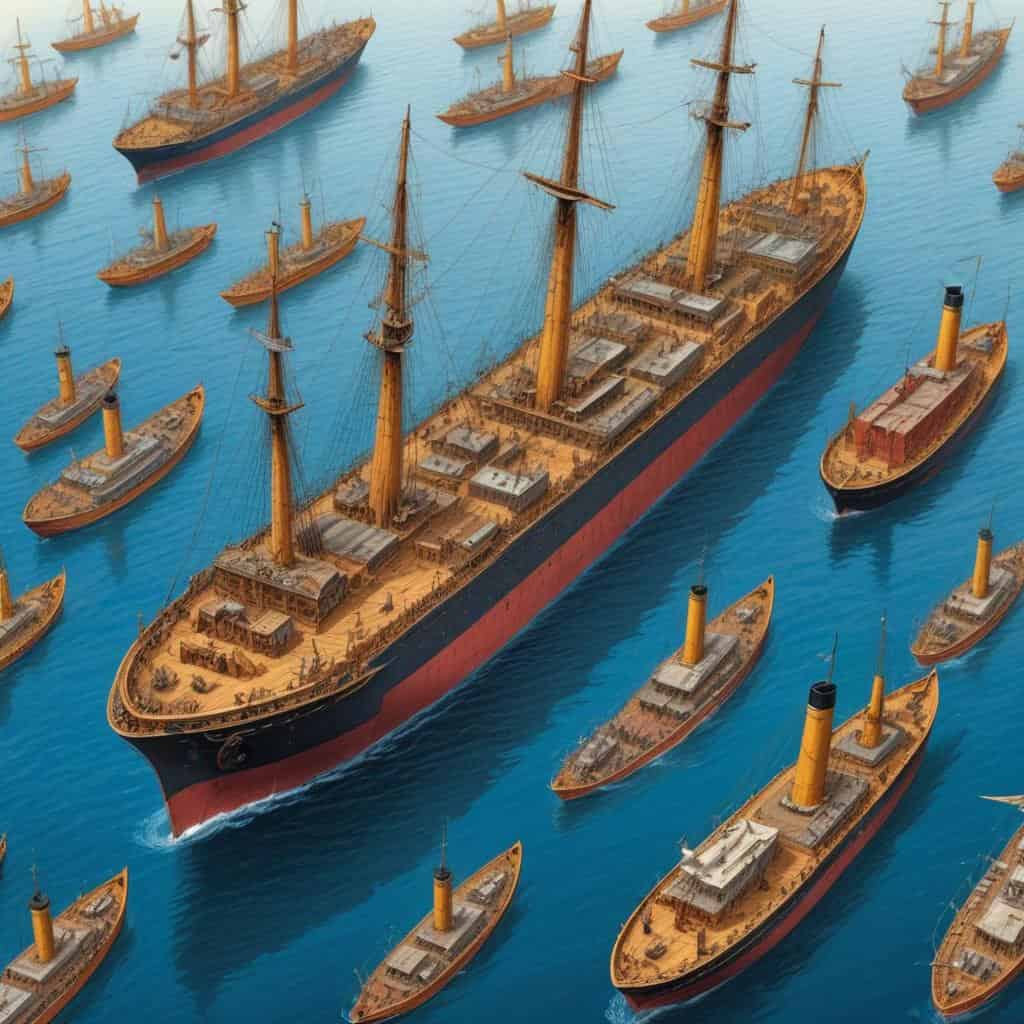
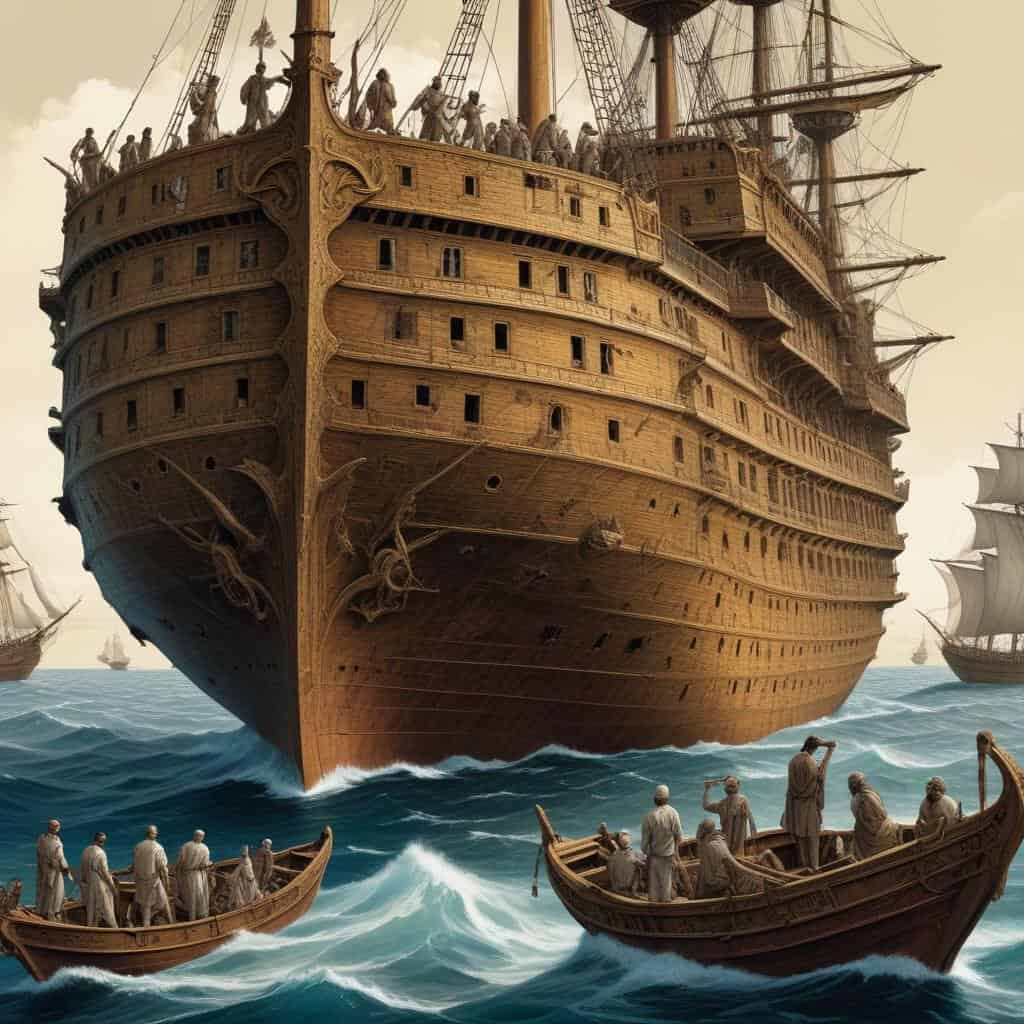
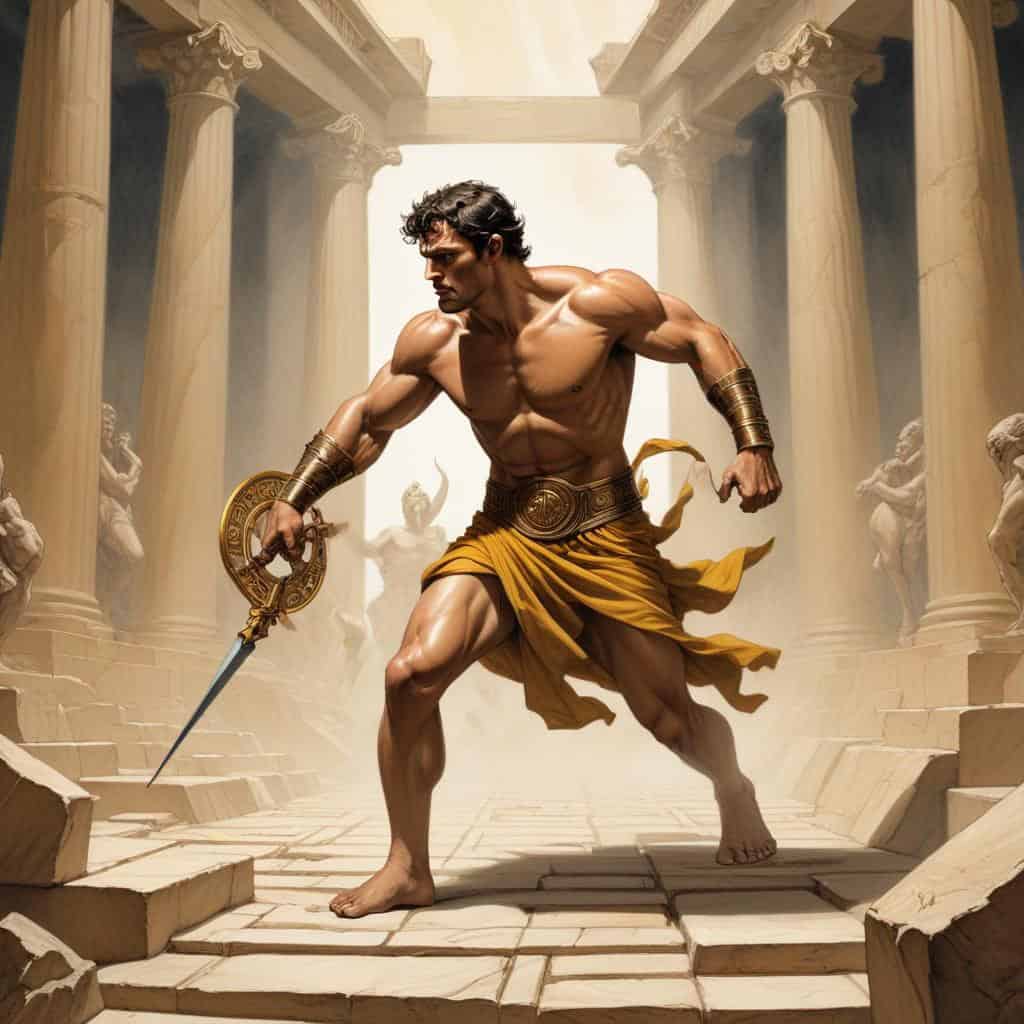
Theseus
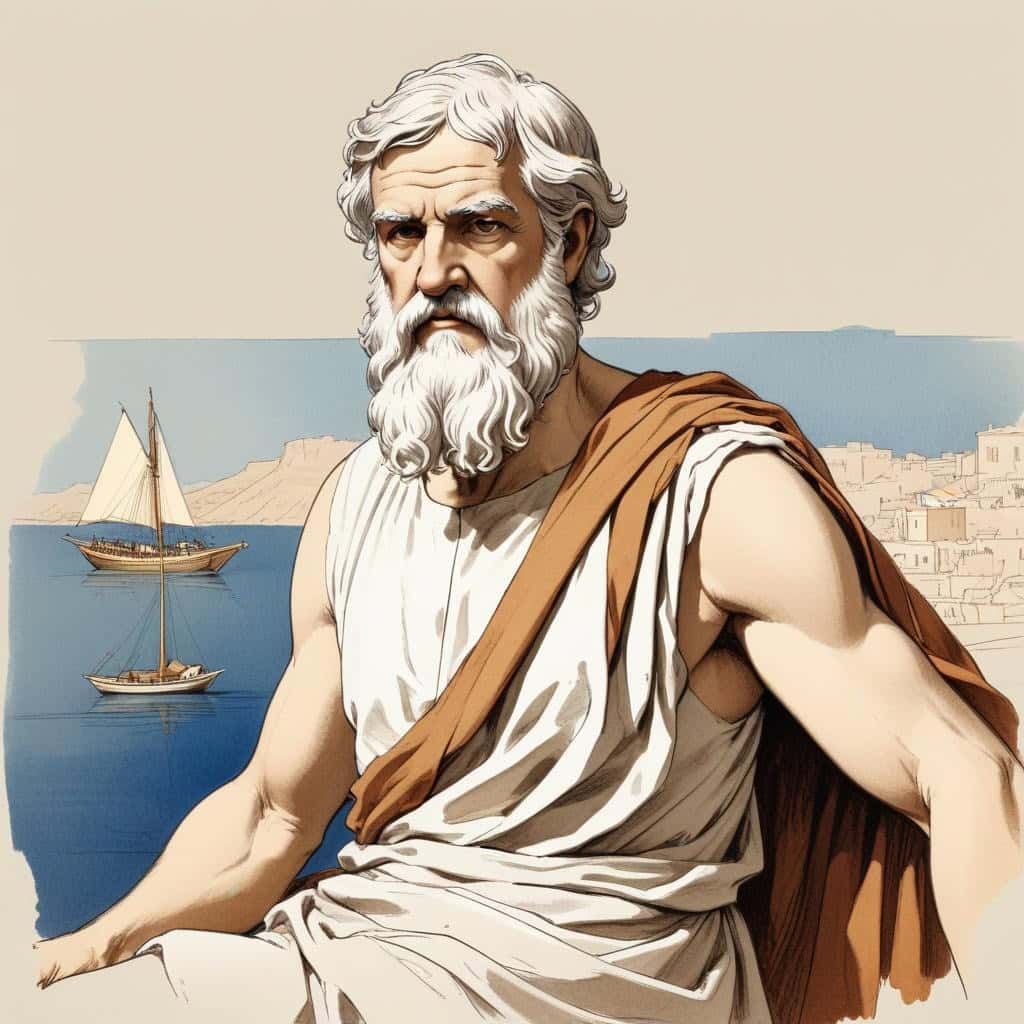
Plutarch

John Locke

Derek Parfit
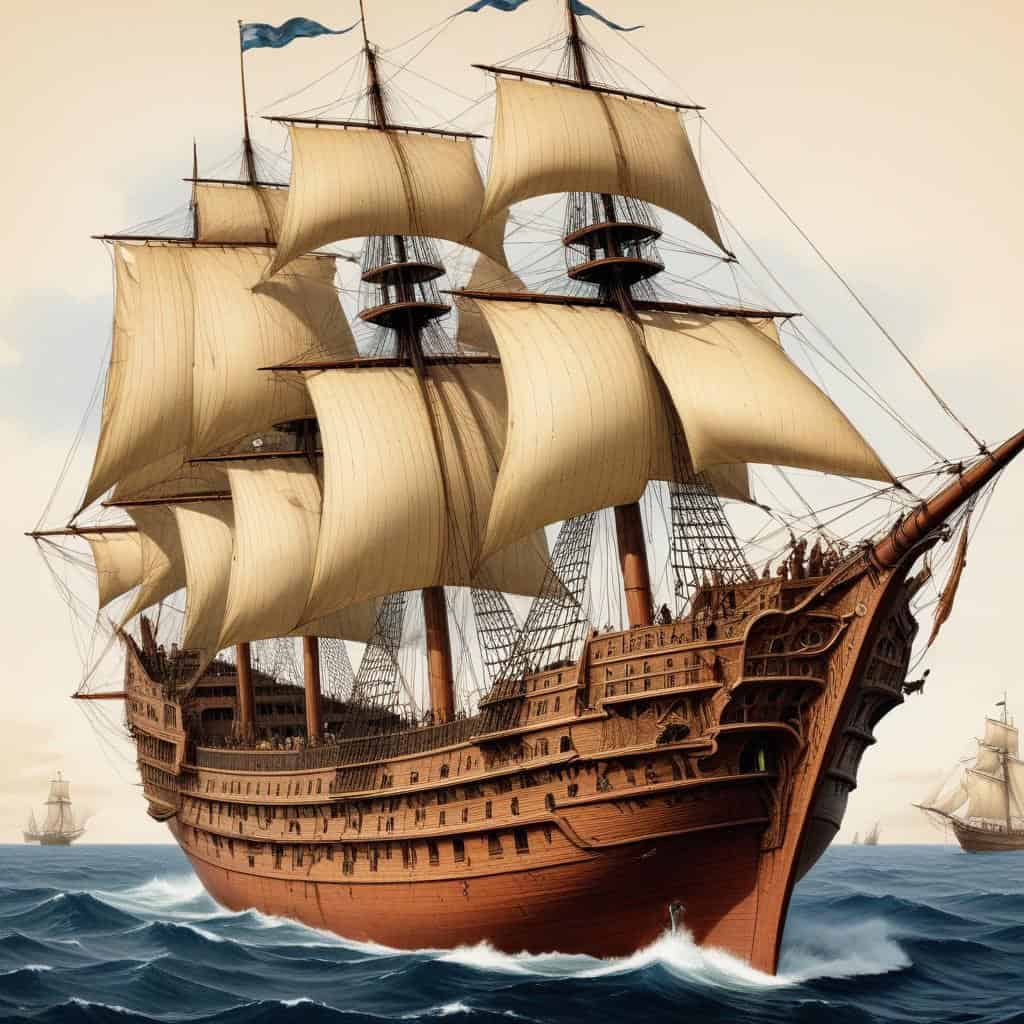
The Ship of Theseus
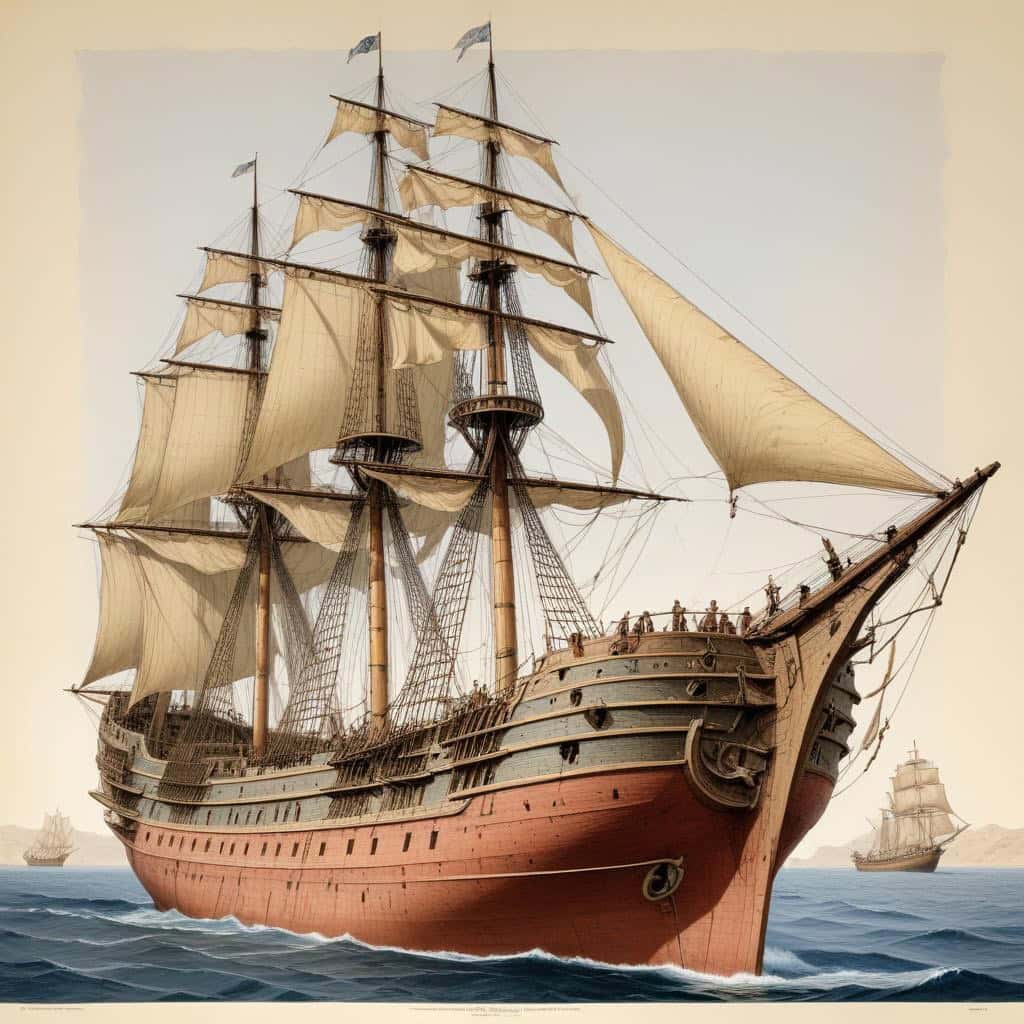
The Aging Ship
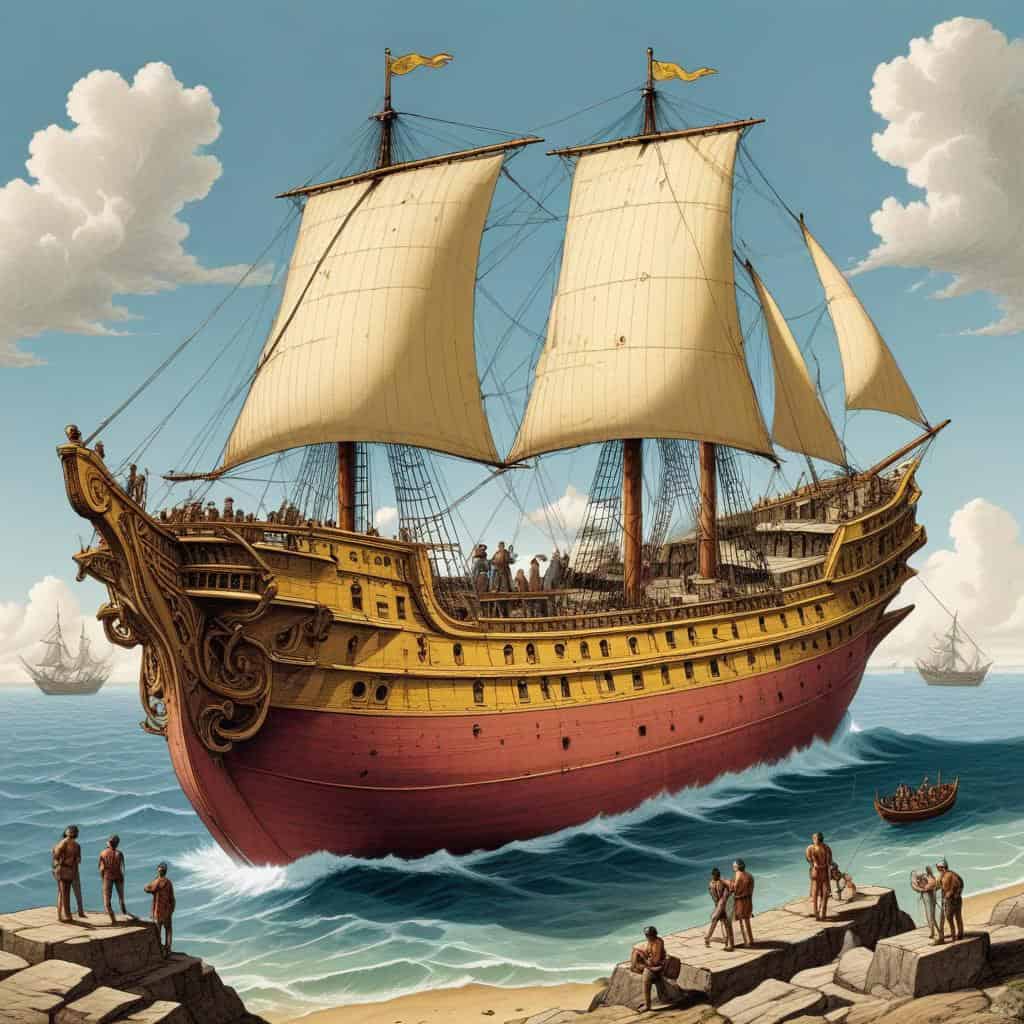
The Identity Question
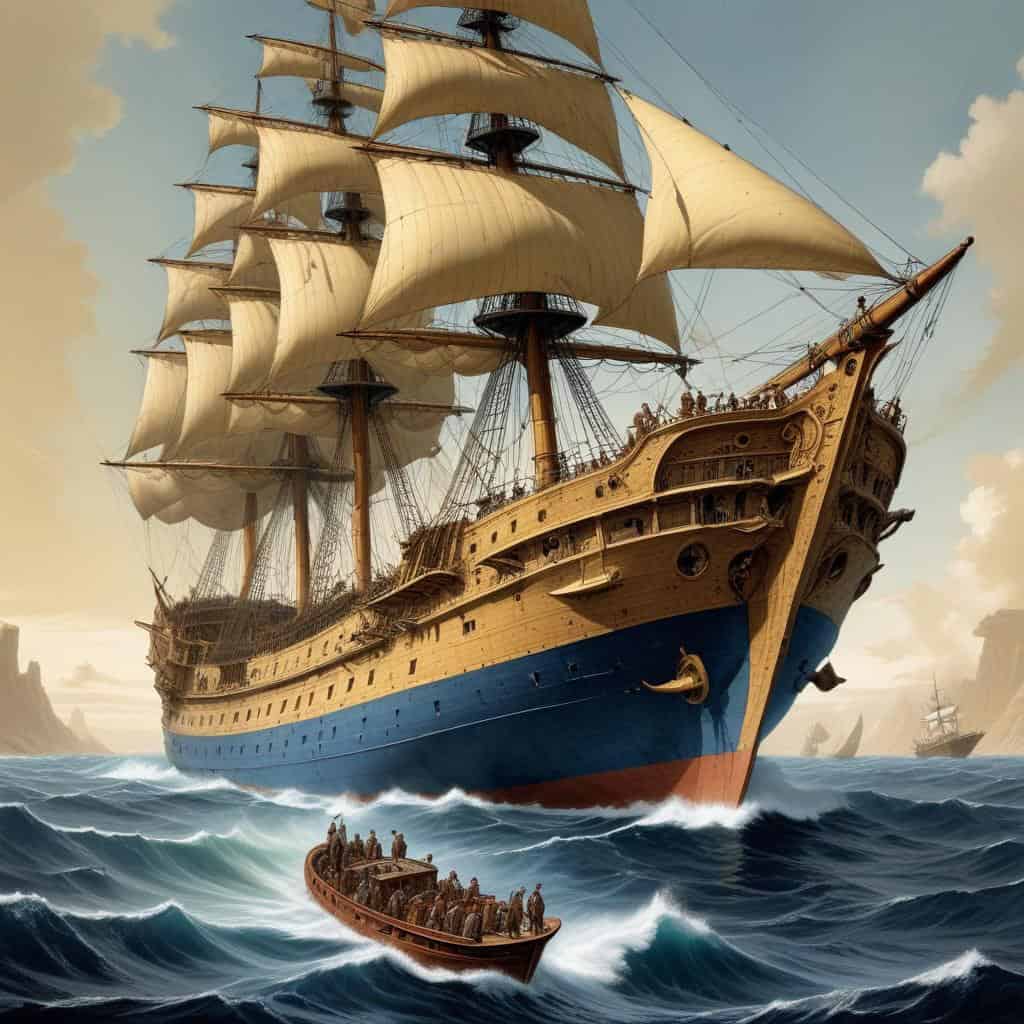
The Paradox
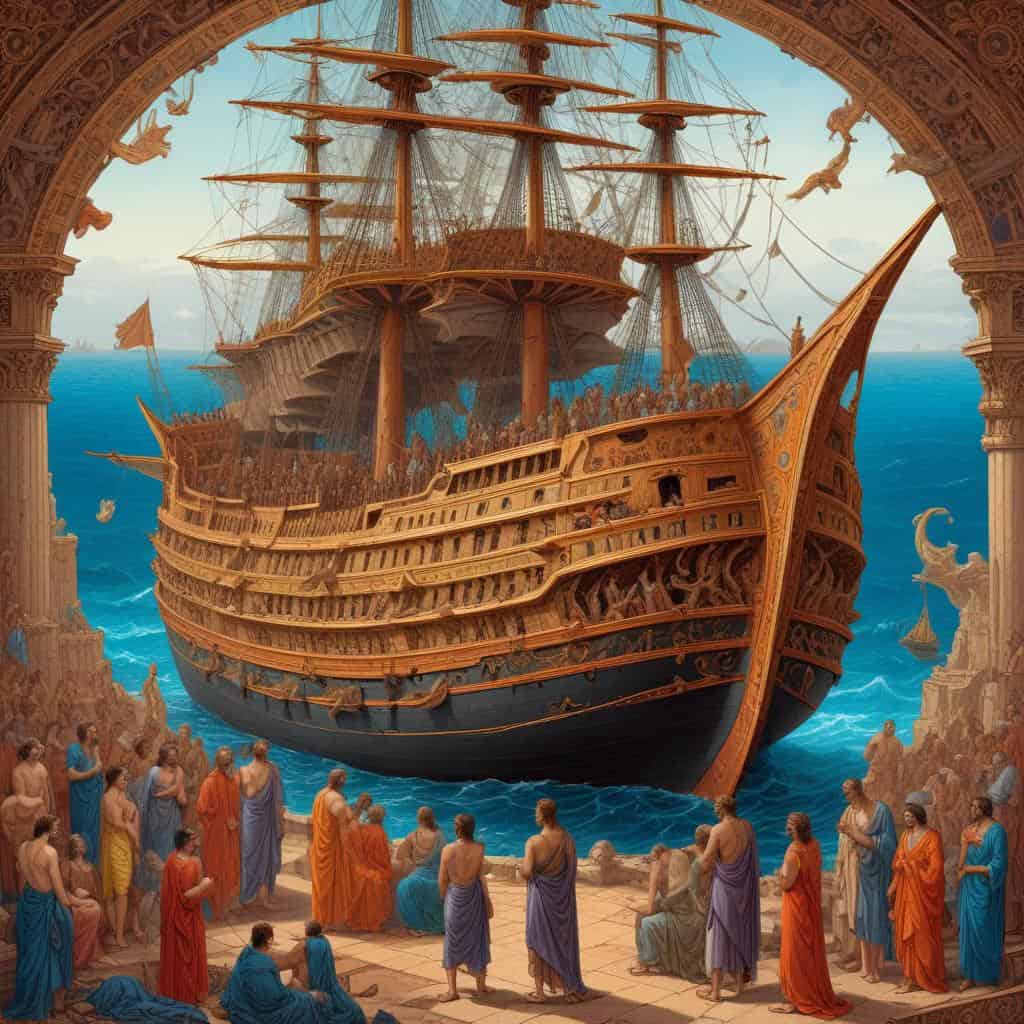
The Thought Experiment
Lesson Details & Resources
In a Nutshell
- Concept: A paradox about identity and persistence over time.
- Thinkers: Ancient Greek philosophers like Plutarch and later discussed by modern philosophers like Thomas Hobbes and John Locke.
- Central Question: How do we define the persistence of an object or person if its parts are replaced over time?
- Core Implication: Raises questions about personal identity, the nature of change, and the essence of objects.
Timeline of Ship Of Theseus
Ship of Theseus constructed by Theseus, legendary king of Athens
Ship used in many battles and voyages, becoming famous throughout Greece
Ship undergoes repairs and replacements of individual parts over time
All original parts of the Ship of Theseus have been replaced
Philosopher Plutarch raises question of identity of the Ship of Theseus
Philosopher Thomas Hobbes references the Ship of Theseus in his writings
Philosopher John Locke discusses identity and personal identity using the Ship of Theseus
Philosopher David Hume explores the concept of personal identity through the Ship of Theseus
Philosopher George Berkeley debates the Ship of Theseus in his work on metaphysics
Philosopher Immanuel Kant includes the Ship of Theseus in his writings on metaphysics
Philosopher Arthur Schopenhauer discusses the Ship of Theseus in relation to the self
Philosopher Friedrich Nietzsche references the Ship of Theseus in his work on eternal recurrence
Philosopher Martin Heidegger explores the Ship of Theseus in his existentialist philosophy
Philosopher Ludwig Wittgenstein uses the Ship of Theseus in his investigations into language and meaning
Contemporary philosophers continue to debate the Ship of Theseus and its implications for personal identity
Vocabulary List
- Identity
- The Ship of Theseus raises questions about the true identity of an object.
- Metaphysical
- The Ship of Theseus problem delves into metaphysical questions about existence and identity.
- Paradox
- The Ship of Theseus presents a paradox about the nature of identity and persistence.
- Continuity
- The Ship of Theseus problem explores the concept of continuity in relation to identity.
- Replacement
- The Ship of Theseus raises questions about whether an object remains the same after undergoing replacement of its parts.
Key Facts
This is the information used in the fact matching game
- The Ship of Theseus is a thought experiment that raises questions about identity and persistence.
- The Ship of Theseus paradox asks whether an object that has had all its components replaced remains fundamentally the same object.
- The paradox challenges our intuitions about identity and the nature of objects over time.
- The Ship of Theseus paradox is often used to discuss the mind-body problem and personal identity.
- The thought experiment is named after Theseus, a mythical Greek hero known for his ship.
- The paradox can be applied to other scenarios, such as the question of whether a person remains the same after all their cells have been replaced.
- The Ship of Theseus thought experiment has been discussed by philosophers such as Heraclitus, Plato, and John Locke.
- The paradox raises questions about the nature of change and continuity in objects.
- Some philosophers argue that identity is not tied to physical continuity, but rather to psychological continuity.
- The Ship of Theseus paradox highlights the tension between our intuitive sense of identity and the implications of metaphysical theories.
- The paradox challenges the notion of a fixed, unchanging self.
- The Ship of Theseus raises questions about the nature of essence and identity.
- The paradox has implications for personal identity, as well as for the identity of objects.
- The Ship of Theseus thought experiment is often used to explore the concept of persistence through change.
- The paradox can also be seen as a commentary on the nature of reality and existence.
- The Ship of Theseus raises questions about the relationship between parts and wholes.
- The thought experiment challenges our assumptions about the stability of objects and identities.
- The paradox highlights the complexity of identity and the limitations of our understanding of it.
- The Ship of Theseus thought experiment continues to be a topic of debate and discussion in philosophy.
- The paradox invites us to reconsider our preconceptions about the nature of self and identity.
Analysis & Significance
The Core Argument
The Ship of Theseus is a classic philosophical thought experiment that questions the nature of identity and change. It asks whether an object remains the same if all of its parts are gradually replaced over time.
Criticisms and Counterarguments
One major criticism of the Ship of Theseus paradox is the problem of determining at what point the identity of an object changes. Another argument is that identity is not solely dependent on physical continuity, but also on the concept of psychological continuity.
Modern Relevance
The Ship of Theseus concept is relevant in discussions of personal identity, especially in cases of organ transplants or gradual changes in personality. It also has implications for debates on the ethics of cloning, AI development, and the concept of self in a rapidly changing society.
Ship Of Theseus Games


Take Your Learning Offline
Want a convenient, print-ready study guide for this lesson? Become a Memory Wizards Pro member to unlock the downloadable " Memory Scrolls" for this topic and our entire library!
- ✓ Complete Vocabulary Lists
- ✓ Key Facts & Timelines
- ✓ Beautifully Formatted for Print & Mobile