
How Do You Learn Best?
Learn by Reading
Immerse yourself in the 10-minute visual lesson for a comprehensive understanding of the topic.
Learn by Reviewing
Jump directly to the key facts, timeline, and vocabulary lists to build a solid foundation of details.
Learn by Doing
Challenge yourself! Jump straight into the interactive games to learn by trial, error, and discovery.
Satires in 10 Minutes
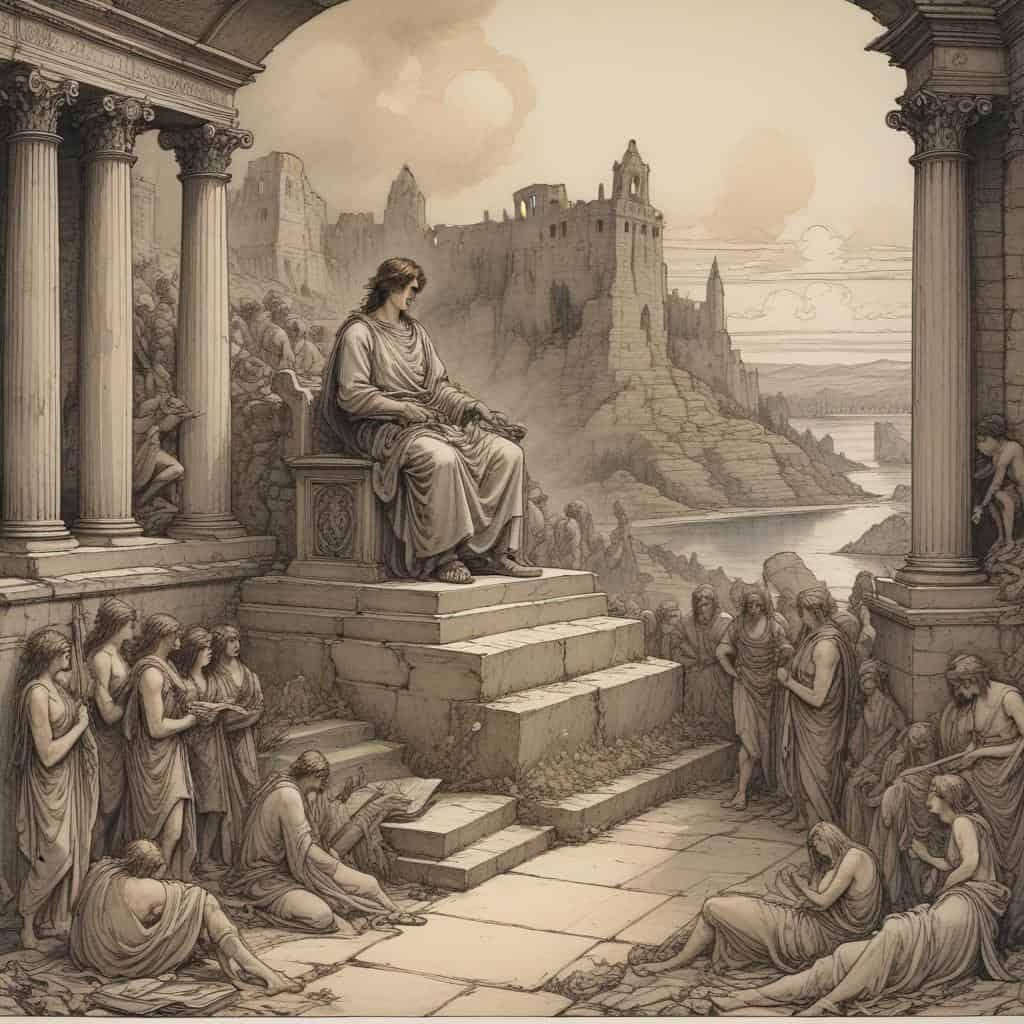
Introduction
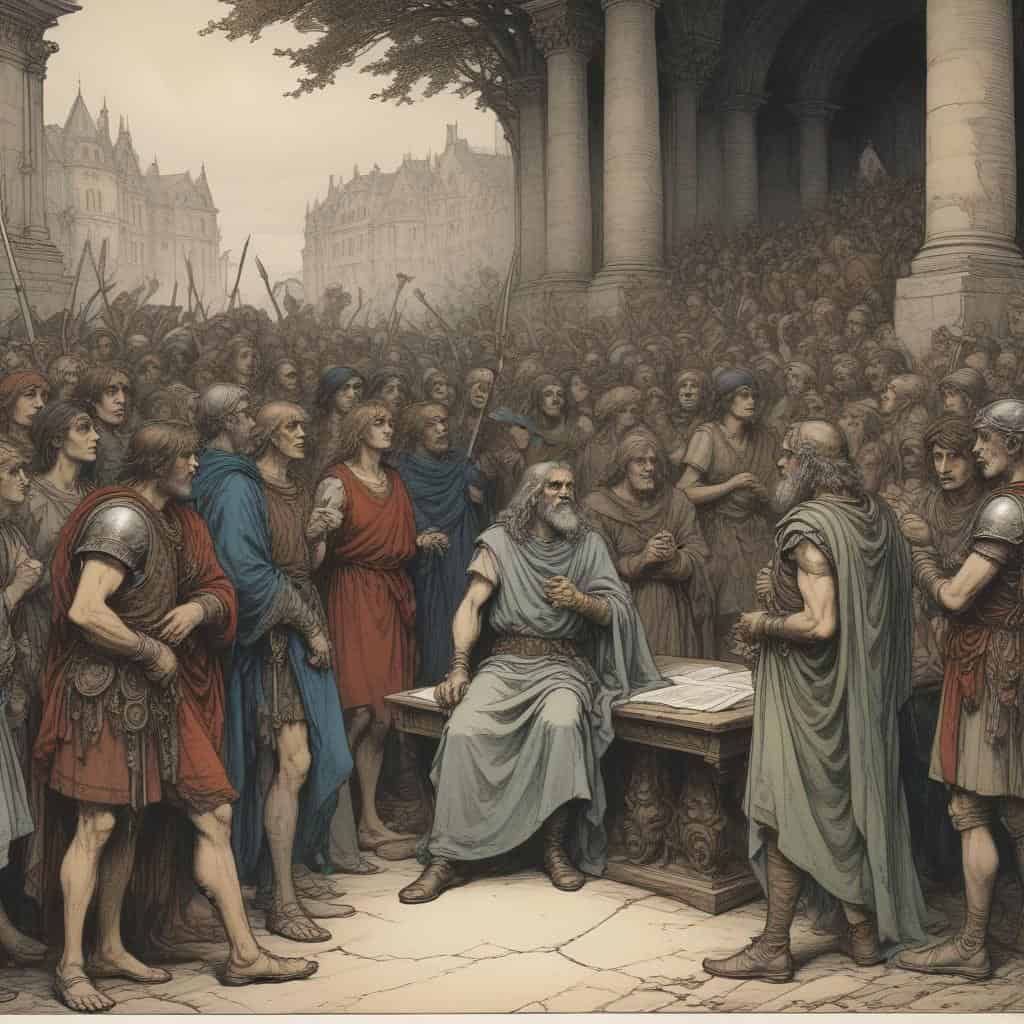
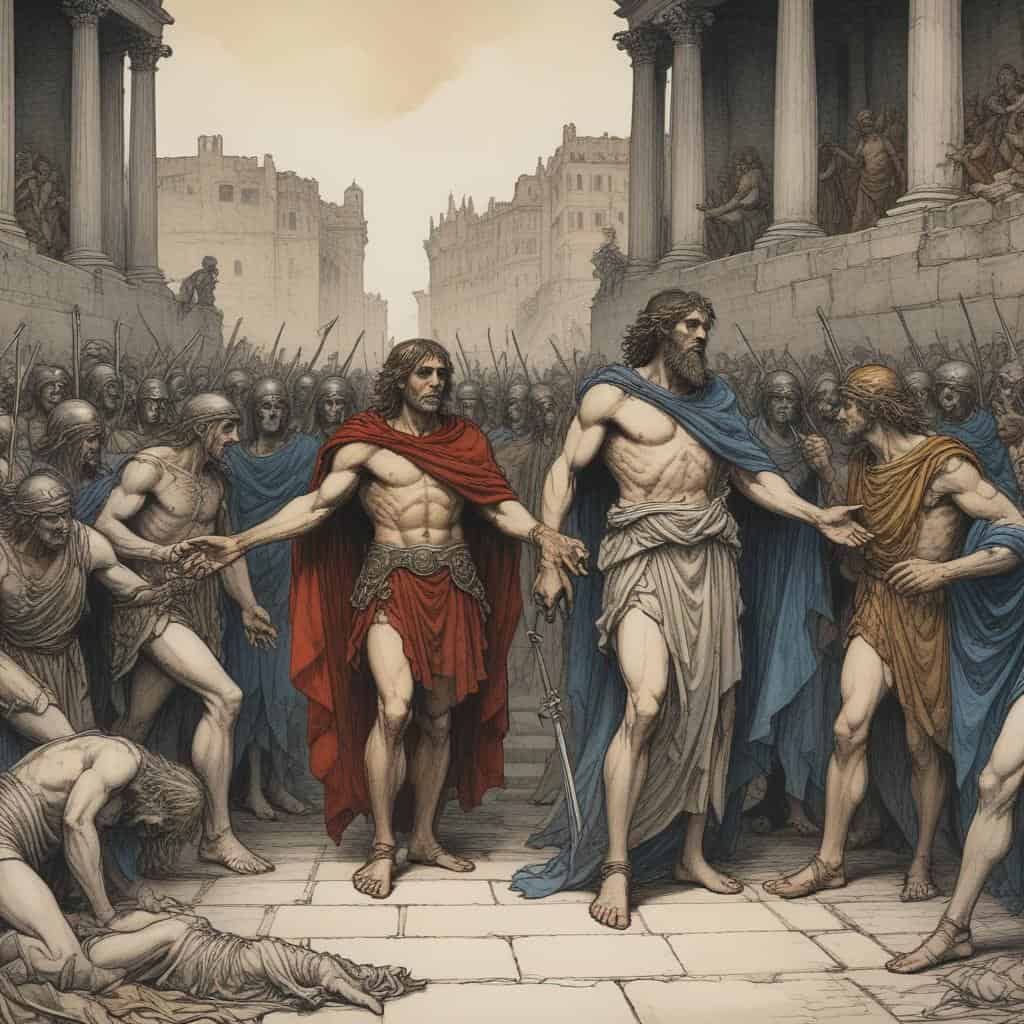

Horace

Maecenas

Augustus
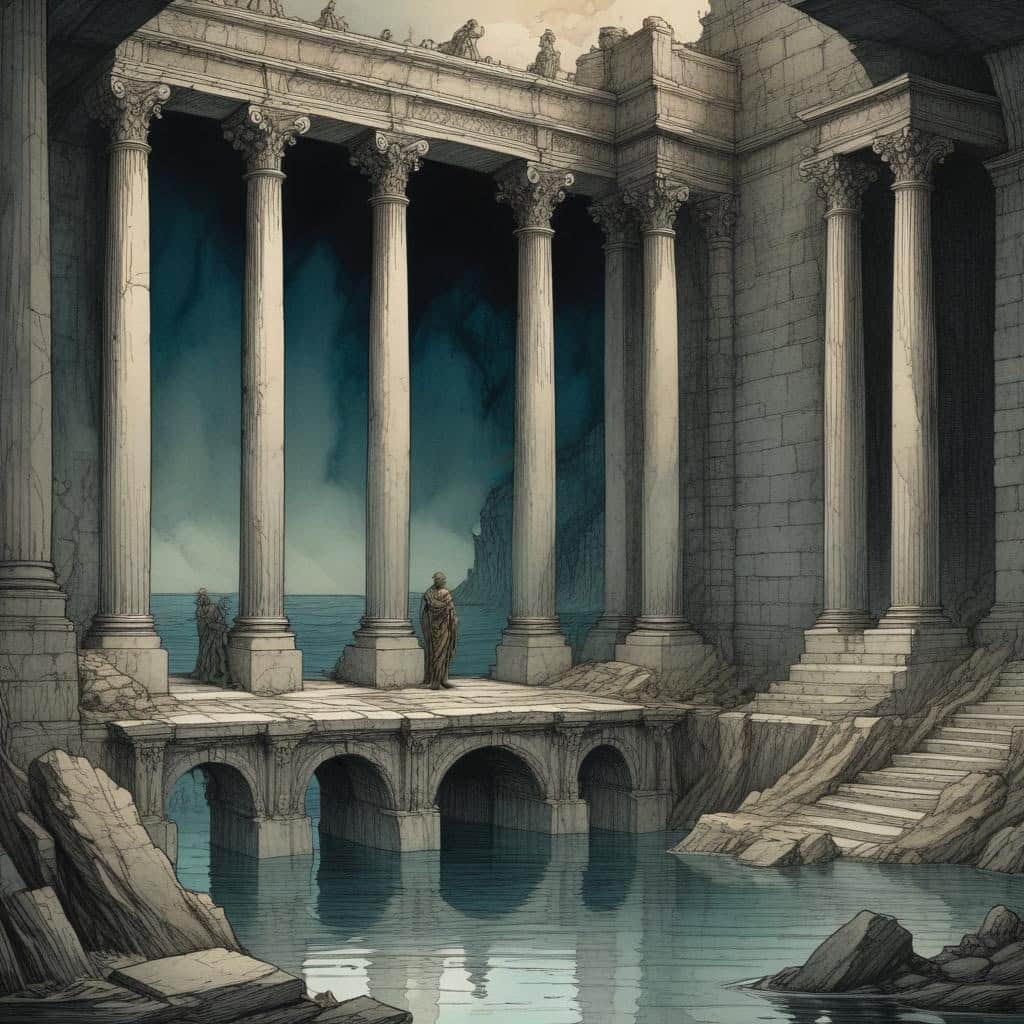
Virgil
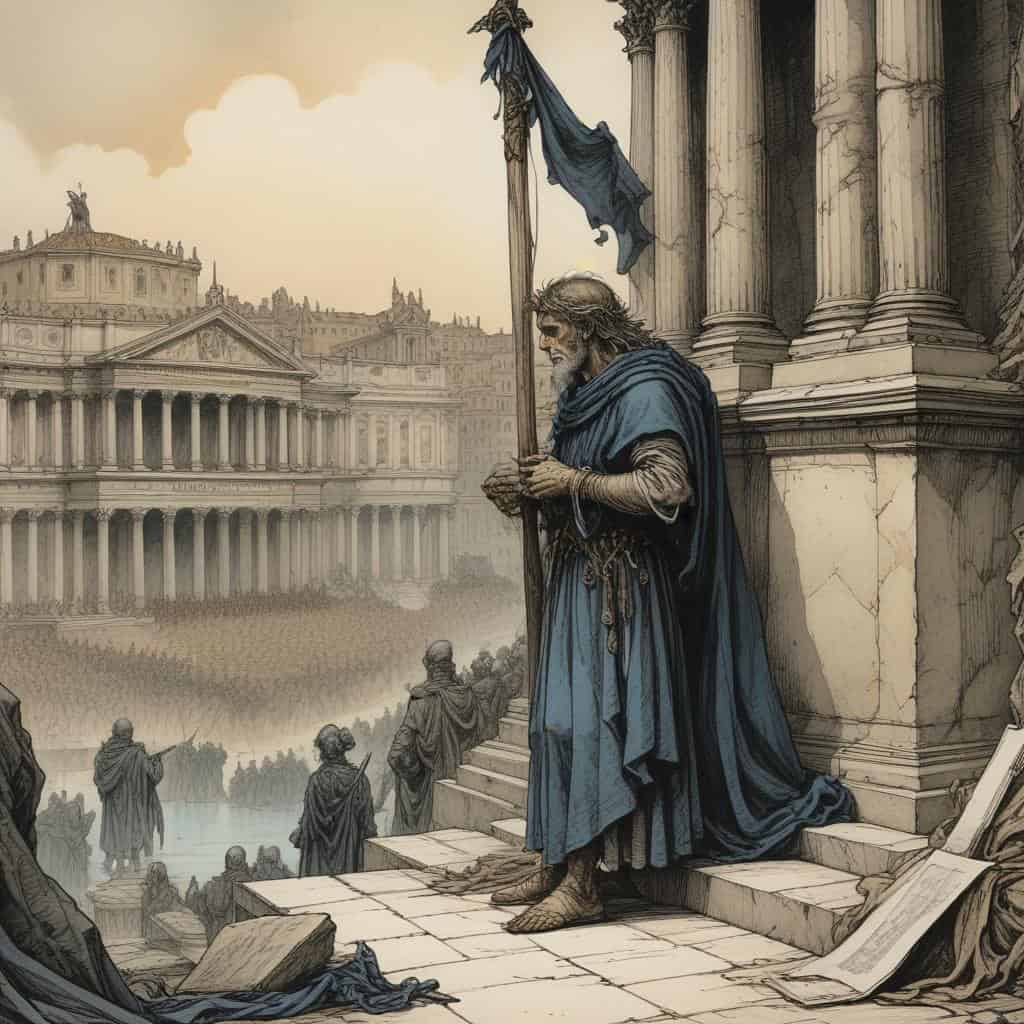
Horaces Background
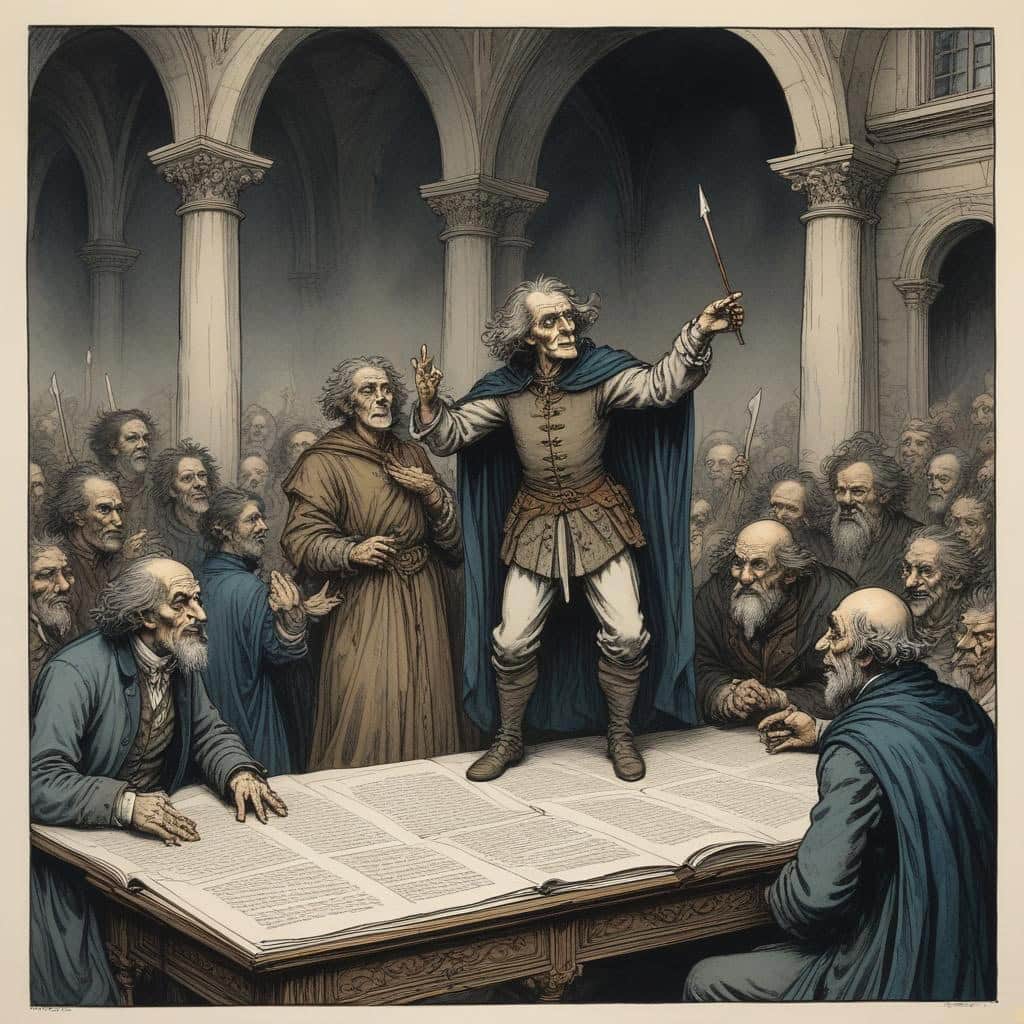
Satire I
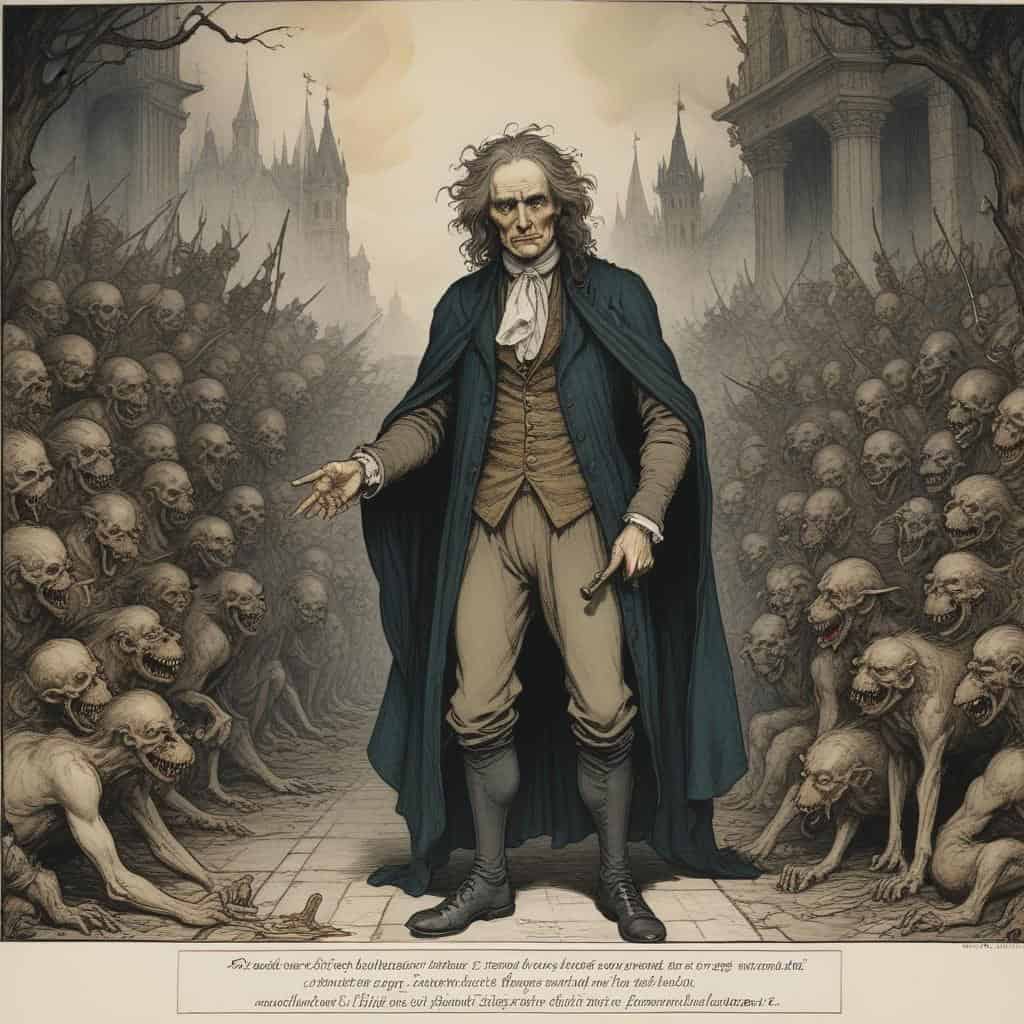
Satire II
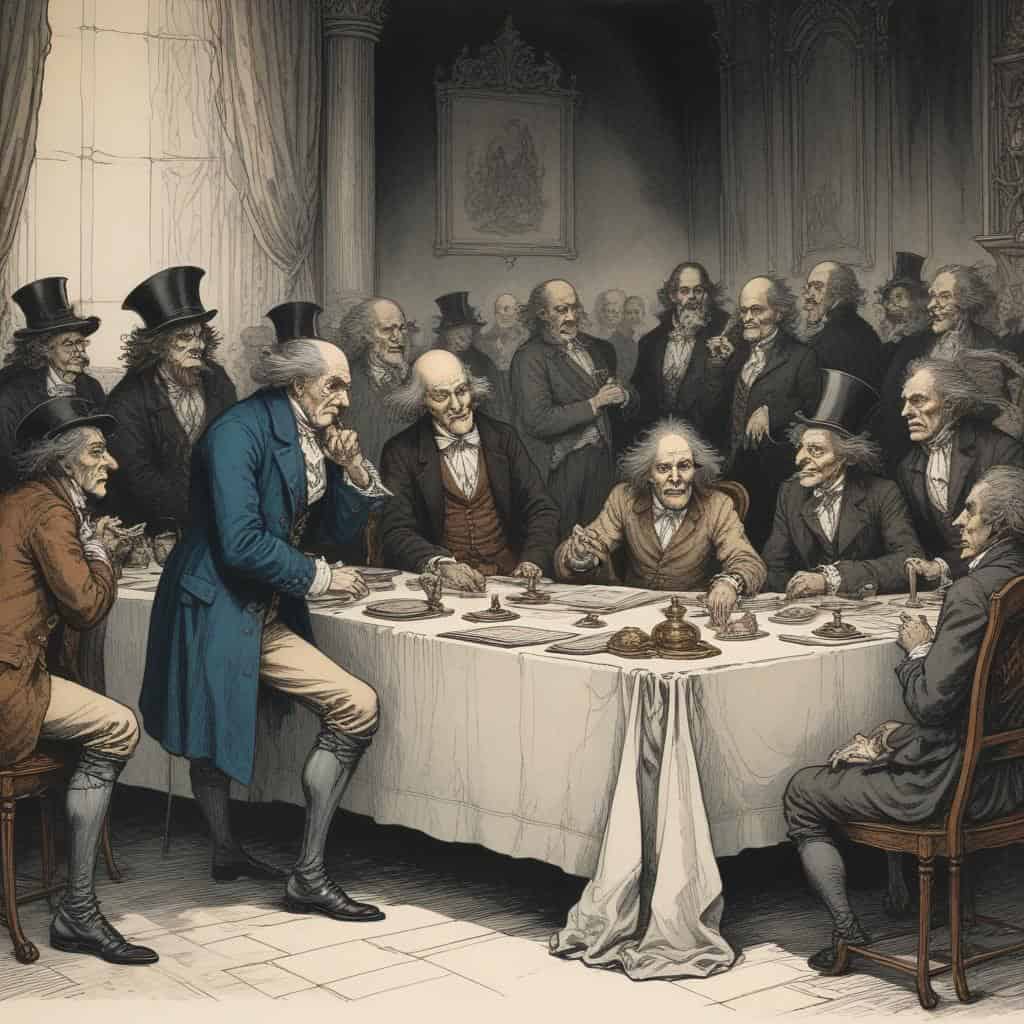
Satire III
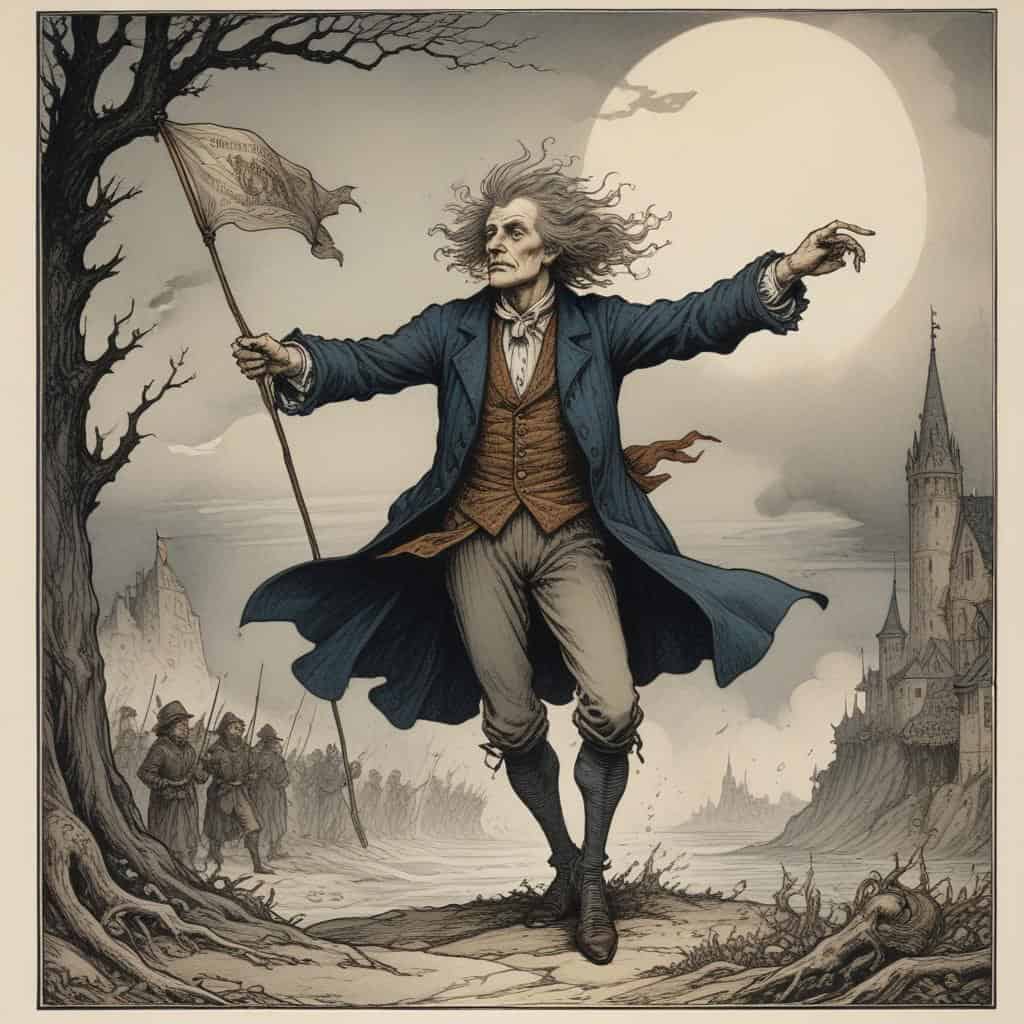
Satire IV
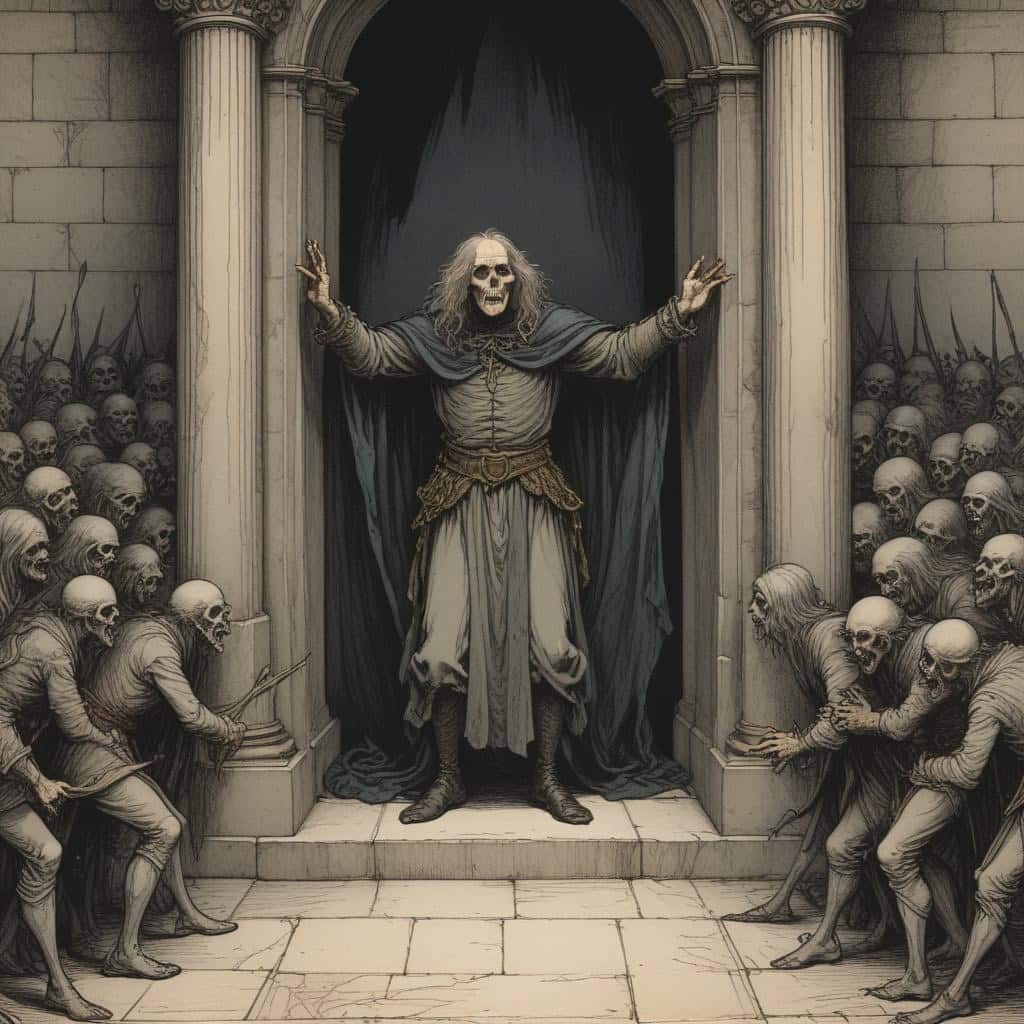
Satire V
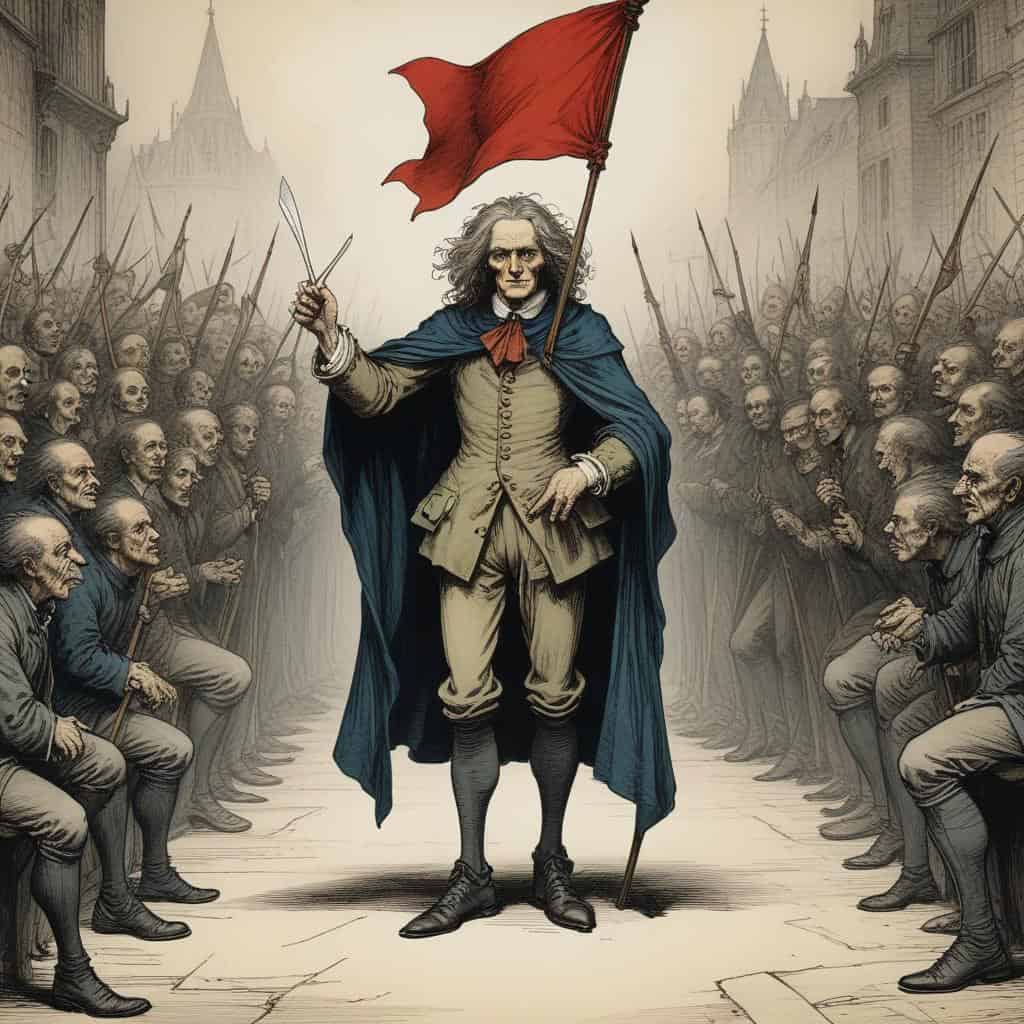
Satire VI
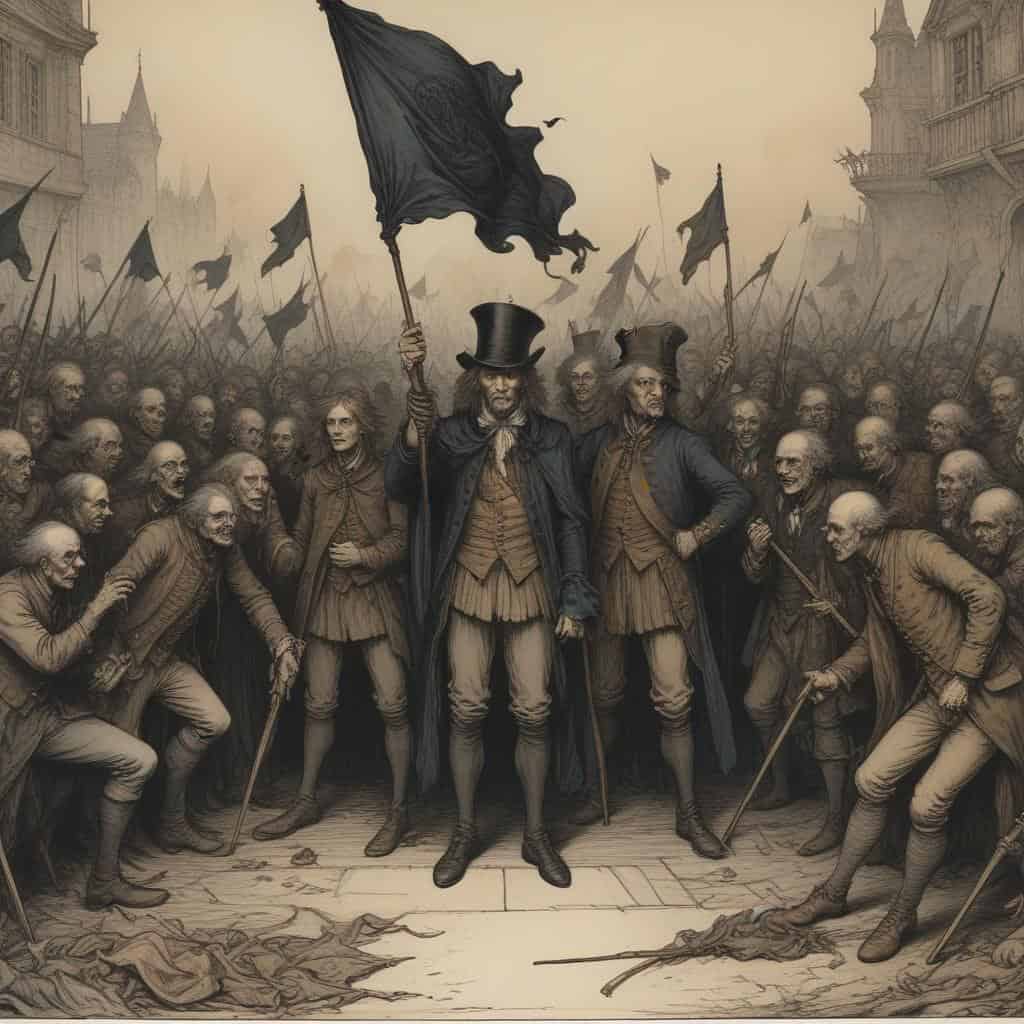
Satire VII
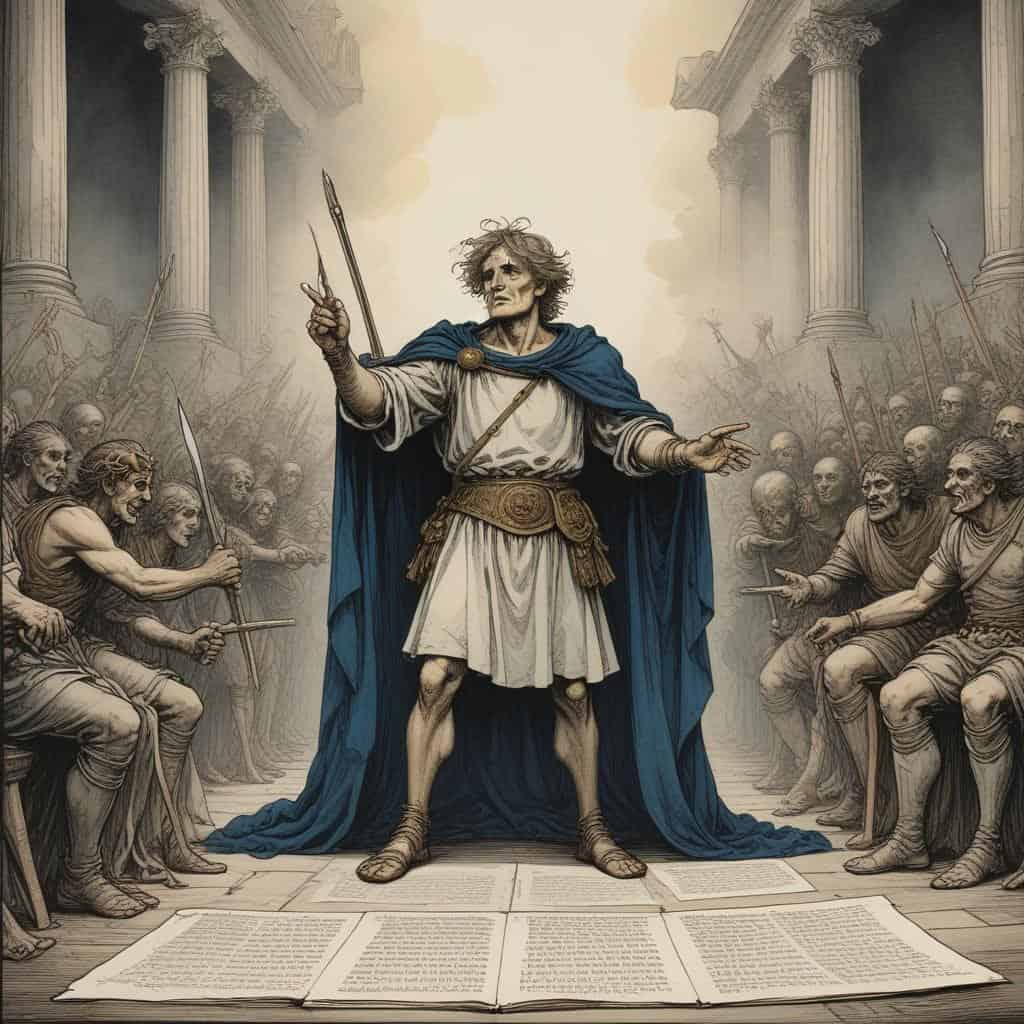
Satire VIII

Satire IX
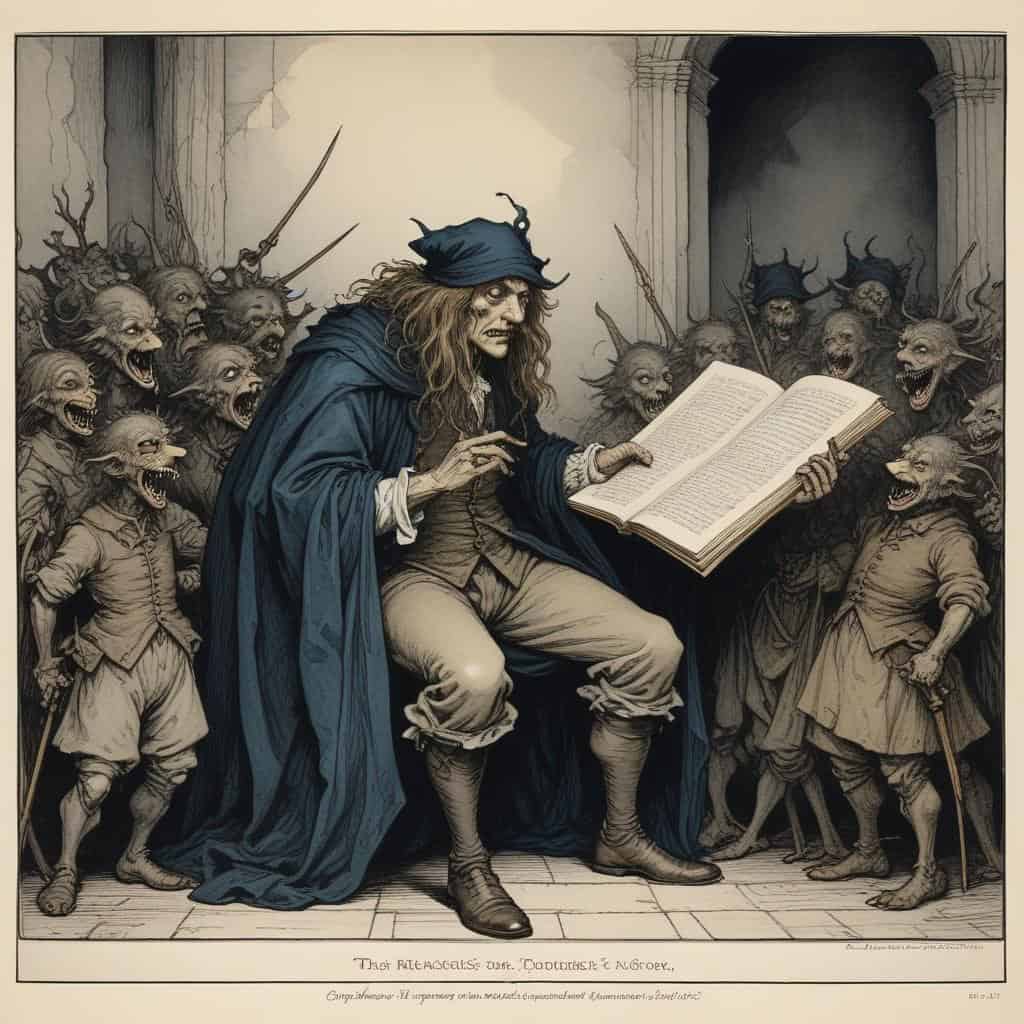
Satire X
Lesson Details & Resources
In a Nutshell
- What: A collection of satirical poems by Juvenal
- When: Written in the 1st and 2nd centuries AD
- Who: Juvenal (main narrator)
- Theme: Critique of Roman society, corruption, and hypocrisy
List of Characters in Satires
-
Horace
Horace - The Roman lyric poet who wrote the Satires, known for his wit and humor in criticizing society
-
Maecenas
Maecenas - Horace's patron and friend, a wealthy Roman statesman who supported the arts
-
Augustus
Augustus - The Roman emperor during Horace's time, often mentioned in the Satires
-
Crispinus
Crispinus - A character in Horace's Satires, known for his greed and dishonesty
-
Trebellius
Trebellius - Another character in the Satires, often portrayed as foolish and gullible
Timeline of Satires
Horace publishes his first book of satires, Satires I, which consists of ten satires criticizing various aspects of Roman society.
Horace's Satires II is published, containing eight satires that continue to mock and criticize the vices and follies of Roman society.
Horace publishes his Epistles, which are a collection of letters in verse form that further explore themes of philosophy, ethics, and literature.
Horace's Satires III is published, featuring eight satires that focus on the theme of moderation and self-improvement.
The poet Virgil praises Horace's work in a letter, recognizing his talent and skill in satire and poetry.
Horace's reputation as a satirist grows, and he becomes known for his wit, humor, and keen observations of human behavior.
Horace's influence on later writers, including Juvenal and Persius, is evident in their own satirical works.
Horace's Satires continue to be studied and appreciated for their timeless themes and incisive commentary on Roman society.
Horace's legacy as one of the greatest Roman satirists endures, with his works continuing to be read and analyzed for their literary and philosophical significance.
Vocabulary List
- Satire
- Horace is known for his satirical poetry, which criticizes and mocks societal vices and follies.
- Irony
- Horace often employs irony in his satires to highlight the foolishness or hypocrisy of his subjects.
- Mockery
- Horace's satires are filled with mockery towards those who exhibit arrogance or ignorance.
- Wit
- Horace's satirical writing is characterized by its cleverness and wit, making his critiques both entertaining and thought-provoking.
- Humor
- Despite the serious nature of his critiques, Horace's satires are often infused with humor and light-heartedness.
- Ridicule
- Horace uses ridicule as a powerful tool in his satires, exposing the flaws and absurdities of his targets.
- Social commentary
- Horace's satires serve as a form of social commentary, shedding light on the injustices and absurdities of Roman society.
- Critique
- Horace's satires offer a sharp critique of the moral and social decay he observes in his contemporary society.
- Satirical techniques
- Horace employs a variety of satirical techniques, such as exaggeration, parody, and sarcasm, to convey his critical message.
- Literary genre
- Satire is a literary genre that Horace helped to popularize in ancient Rome, using humor and satire to criticize societal issues.
- Moral lessons
- Horace's satires often contain moral lessons and warnings, urging readers to reflect on their own behavior and values.
Key Facts
This is the information used in the fact matching game
- Horace's Satires were written in the 1st century BCE and are considered some of the earliest examples of Roman satire.
- Horace's Satires were written in dactylic hexameter, a common meter in Latin poetry.
- The Satires consist of two books, each containing a collection of poems that address various social and moral issues.
- Horace often uses humor, irony, and wit in his Satires to critique and satirize Roman society.
- The Satires are written in a conversational tone, with Horace often addressing the reader directly.
- Horace's Satires are influenced by the Greek satirist Lucilius, but Horace's style is more polished and refined.
- Horace's Satires cover a wide range of topics, including philosophy, ethics, politics, and everyday life.
- The Satires often feature Horace's own persona as a speaker, reflecting on his own experiences and observations.
- Horace's Satires were well-received in ancient Rome and have had a lasting influence on Western literature.
- The Satires are written in a mix of prose and verse, with Horace using a variety of poetic forms and techniques.
- Horace's Satires often challenge traditional Roman values and beliefs, questioning the status quo.
- The Satires are characterized by their wit, humor, and sharp observations of human behavior.
- Horace's Satires are written in a style that is both accessible and sophisticated, appealing to a wide audience.
- The Satires are marked by their moral seriousness and ethical concerns, as Horace grapples with questions of virtue and vice.
- Horace's Satires often use satire as a tool for social critique, exposing the flaws and hypocrisies of Roman society.
- The Satires are written in a direct and straightforward manner, with Horace's language and imagery serving to enhance his message.
- Horace's Satires are known for their incisive wit and keen observations of human nature, making them timeless and relevant to modern readers.
- The Satires reflect Horace's own views and beliefs, offering insights into his personal philosophy and worldview.
- Horace's Satires are characterized by their balanced and measured tone, with the poet engaging in thoughtful reflection and self-examination.
- The Satires continue to be studied and appreciated for their insight, humor, and timeless relevance to human nature.
Analysis & Significance
Impact on Literature
Jonathan Swift’s ‘Satires’ revolutionized the genre of satirical writing, setting a high standard for wit, irony, and social commentary. His skillful use of humor to critique society’s flaws has inspired countless writers to use satire as a tool for social change and political commentary.
Enduring Themes
The themes of hypocrisy, corruption, and human folly explored in ‘Satires’ continue to resonate with modern audiences. Swift’s sharp observations on human nature and societal norms are still relevant today, making this work a timeless classic.
Cultural Significance Today
‘Satires’ remains a cultural touchstone with its enduring legacy in literature and popular culture. It has been adapted into various forms, including plays, films, and television shows, showcasing its continued relevance and influence on contemporary society. Swift’s scathing critique of political and social institutions continues to inform discussions on power, morality, and the human condition.
Satires Games


Take Your Learning Offline
Want a convenient, print-ready study guide for this lesson? Become a Memory Wizards Pro member to unlock the downloadable " Memory Scrolls" for this topic and our entire library!
- ✓ Complete Vocabulary Lists
- ✓ Key Facts & Timelines
- ✓ Beautifully Formatted for Print & Mobile