
How Do You Learn Best?
Learn by Reading
Immerse yourself in the 10-minute visual lesson for a comprehensive understanding of the topic.
Learn by Reviewing
Jump directly to the key facts, timeline, and vocabulary lists to build a solid foundation of details.
Learn by Doing
Challenge yourself! Jump straight into the interactive games to learn by trial, error, and discovery.
Carmen Saeculare in 10 Minutes
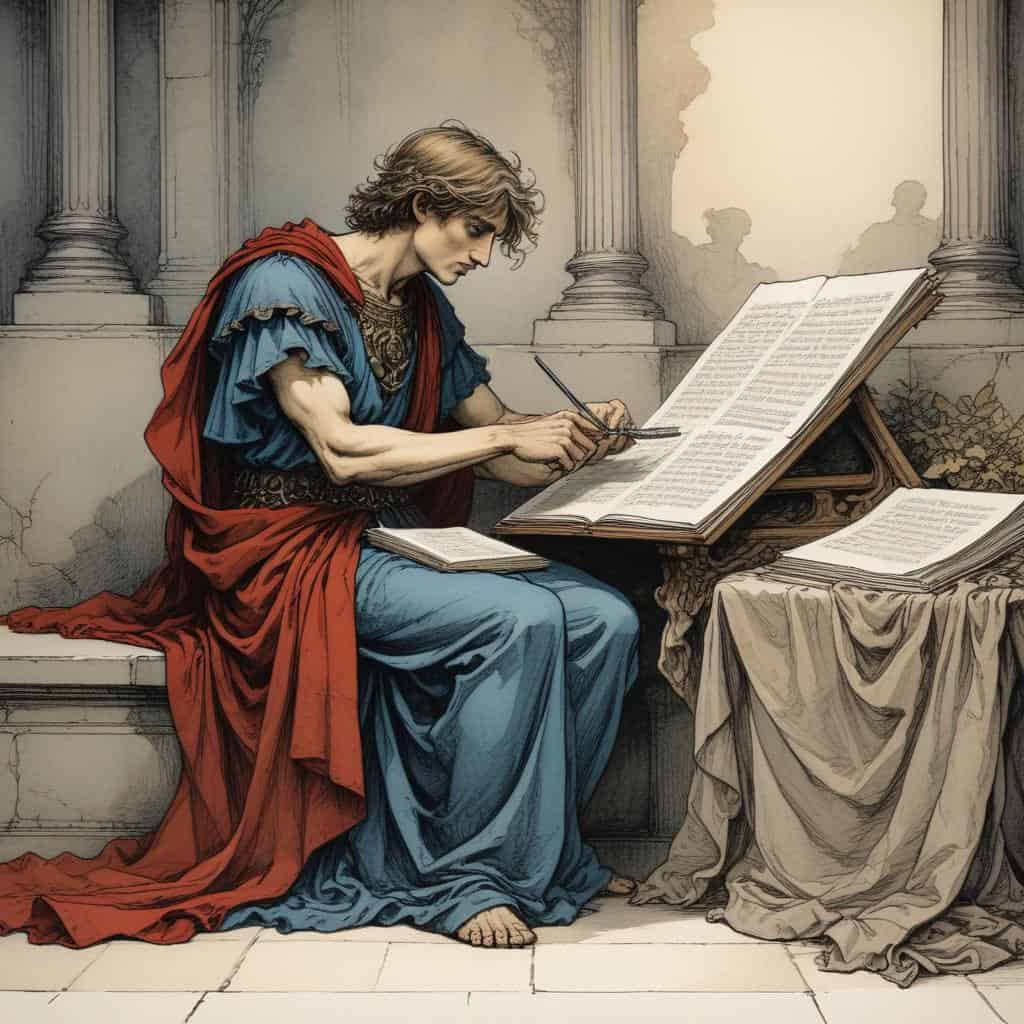
Introduction
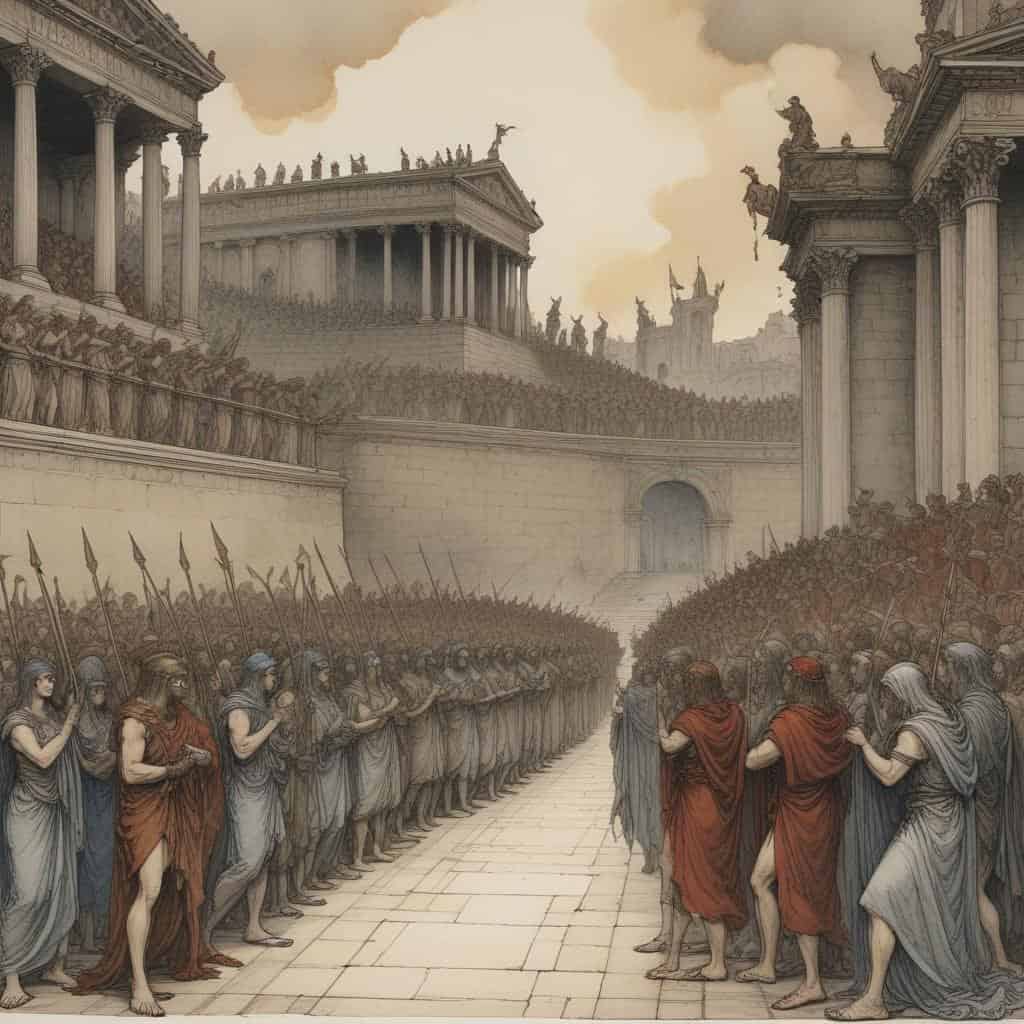
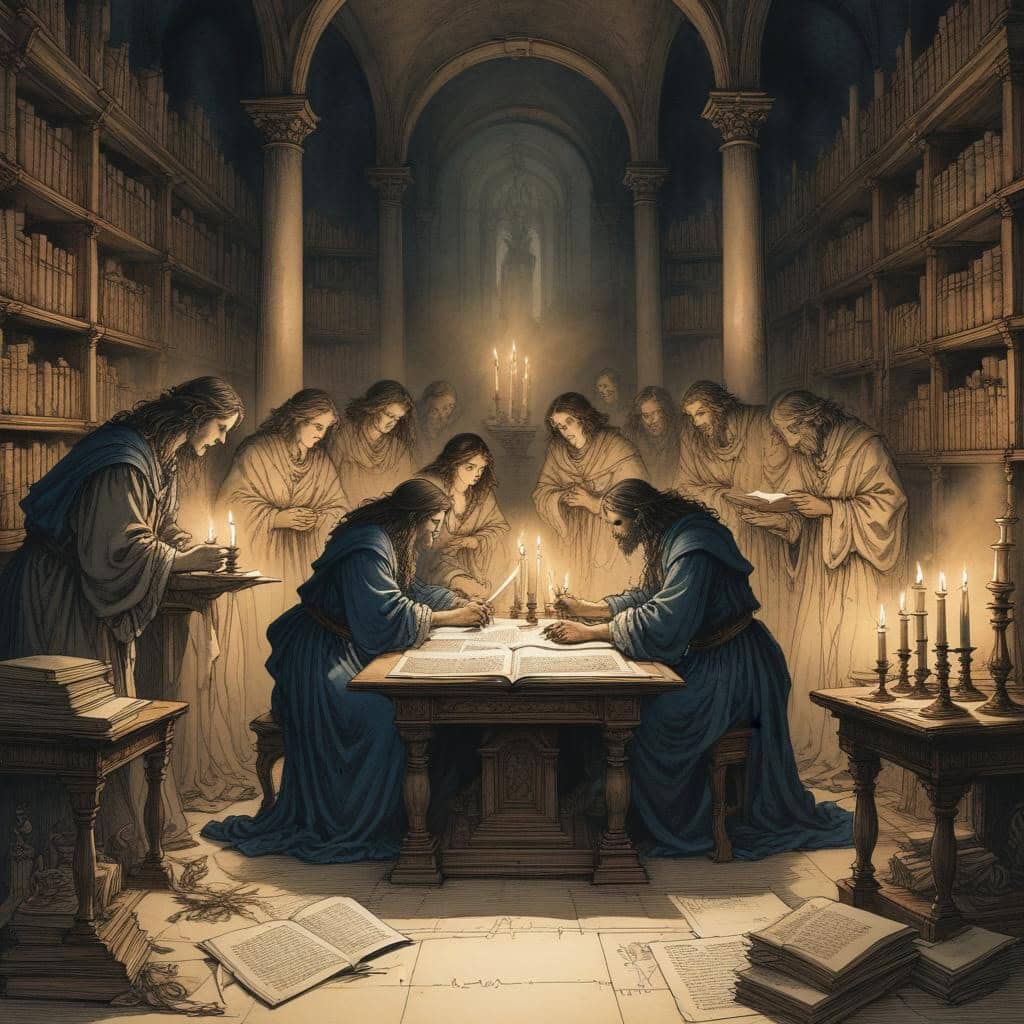
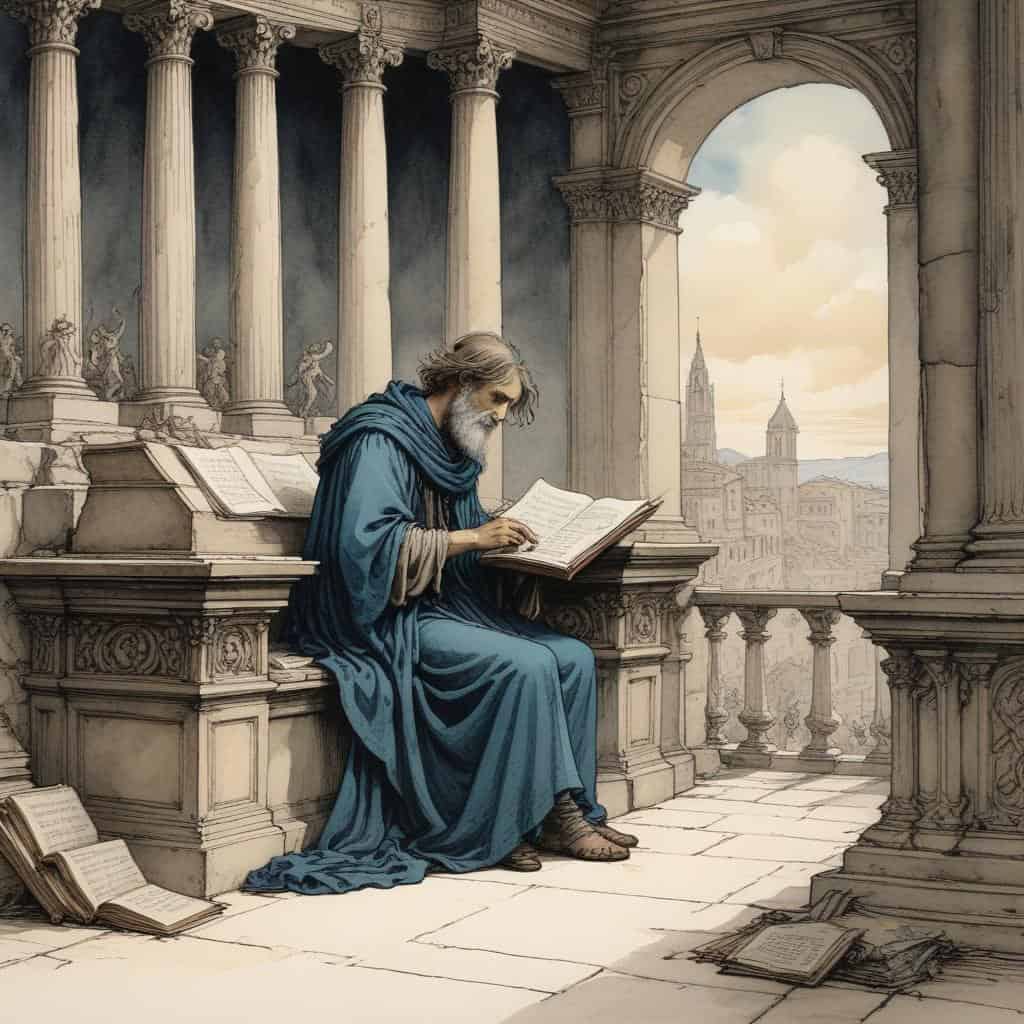
Horace

Augustus

Diana

Apollo
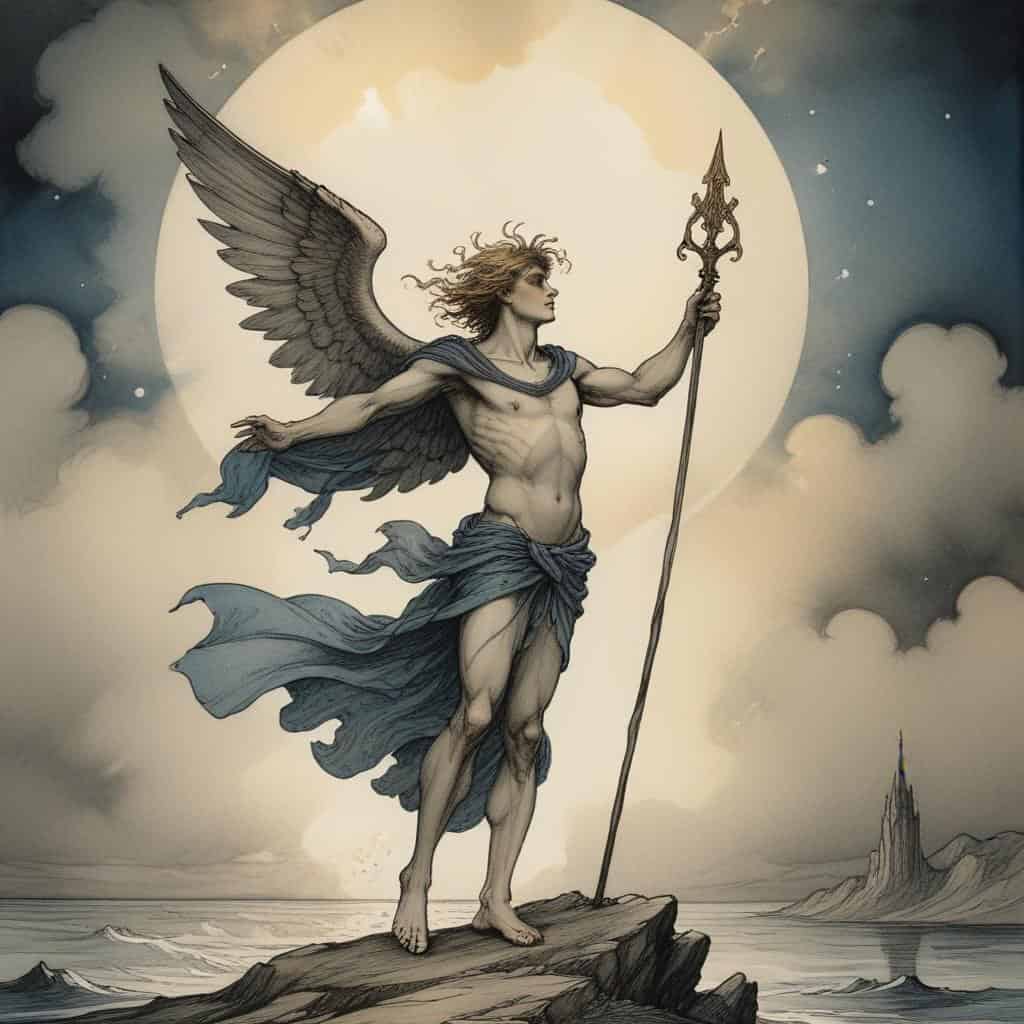
1. Horaces Invocation to Apollo
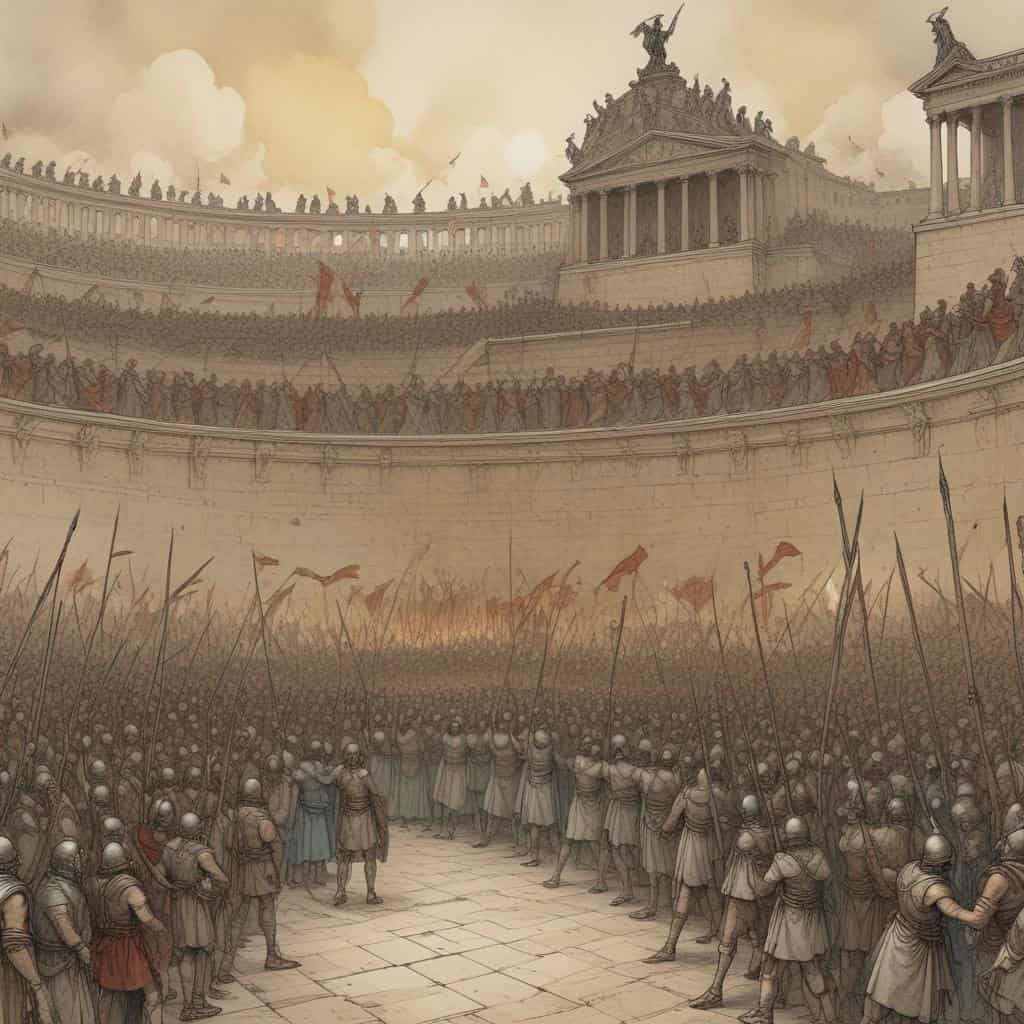
2. The Celebration of the Saecular Games
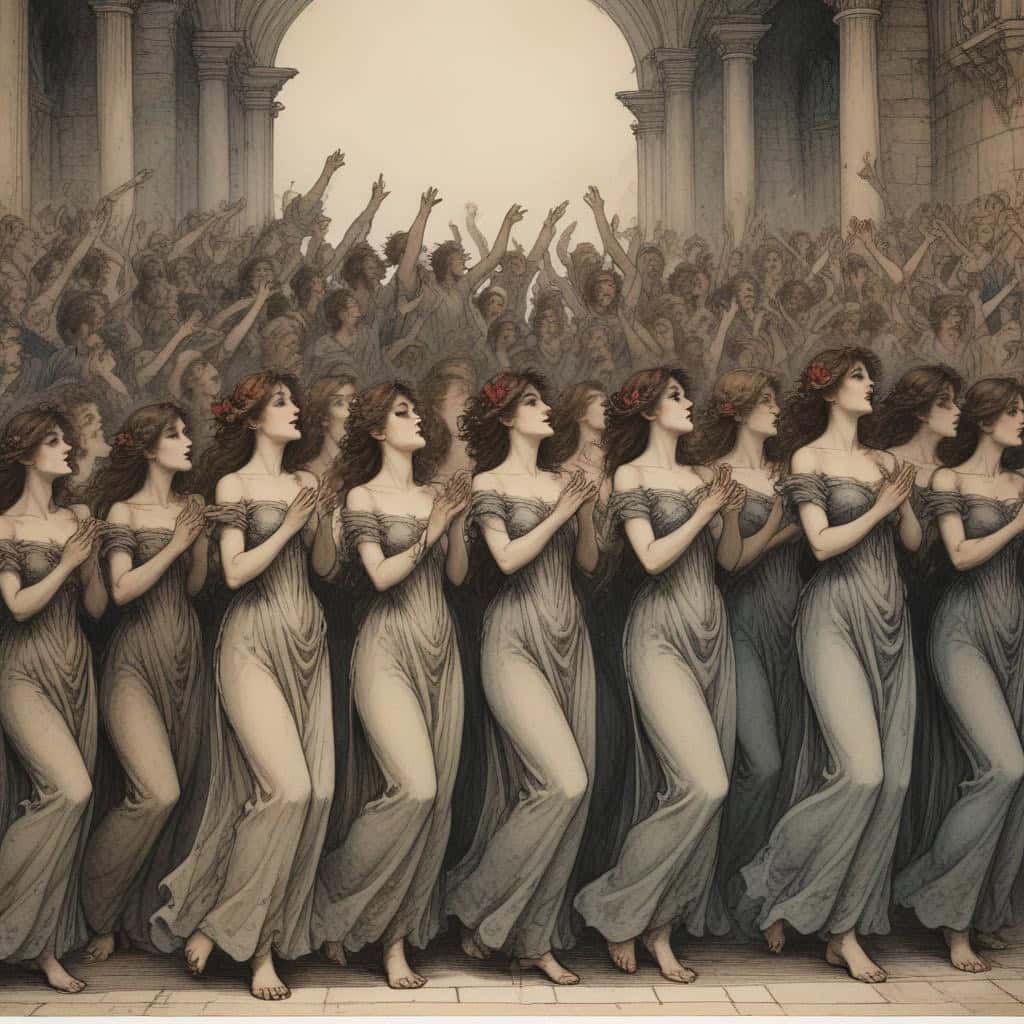
3. The Role of the Chorus
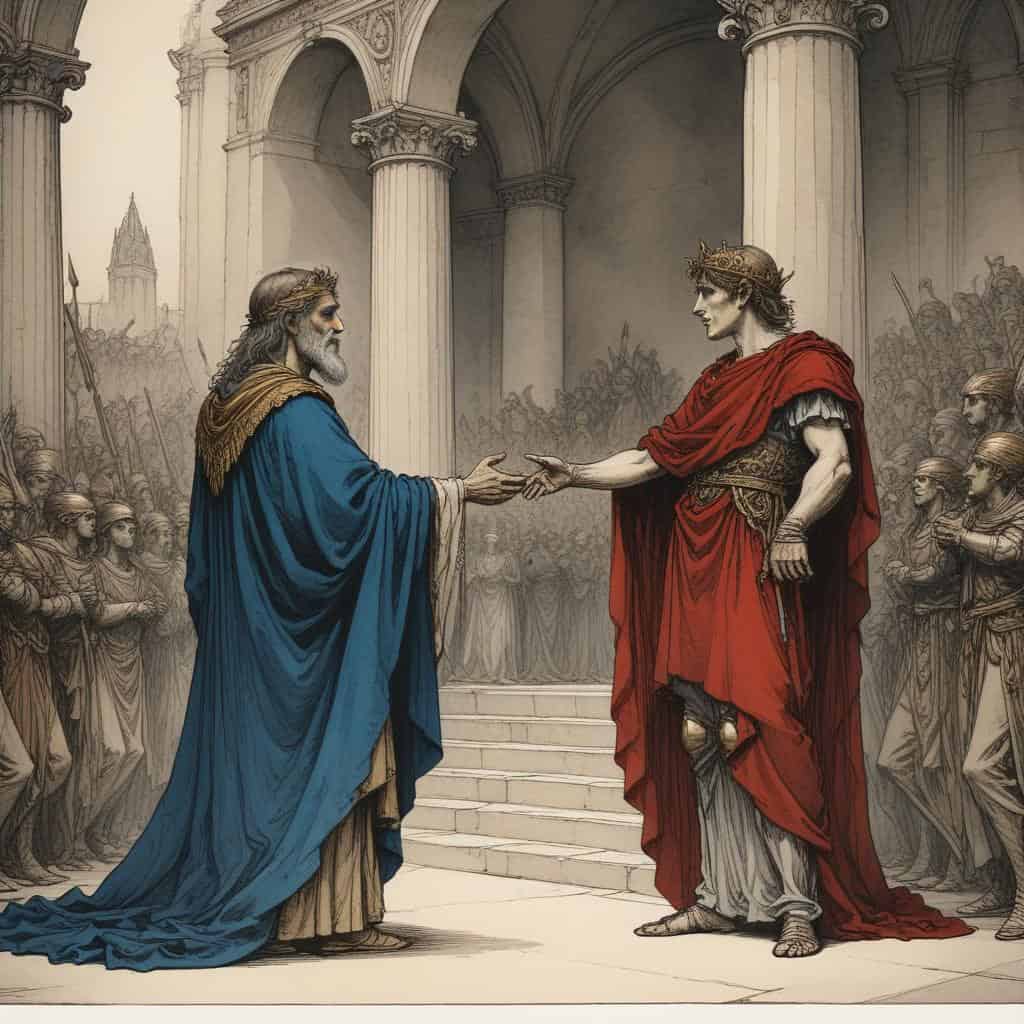
4. The Praise of Augustus
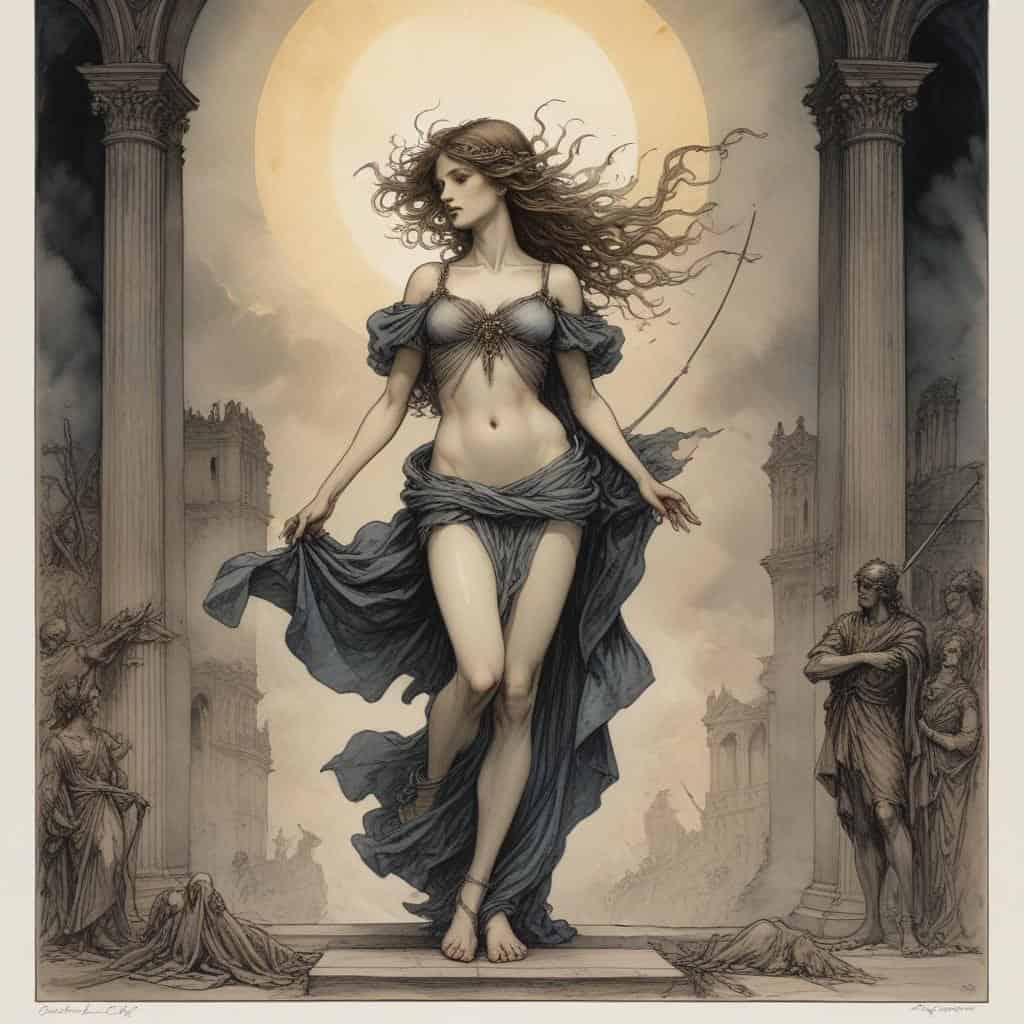
5. The Themes of Renewal and Transformation

6. The Beauty of Nature
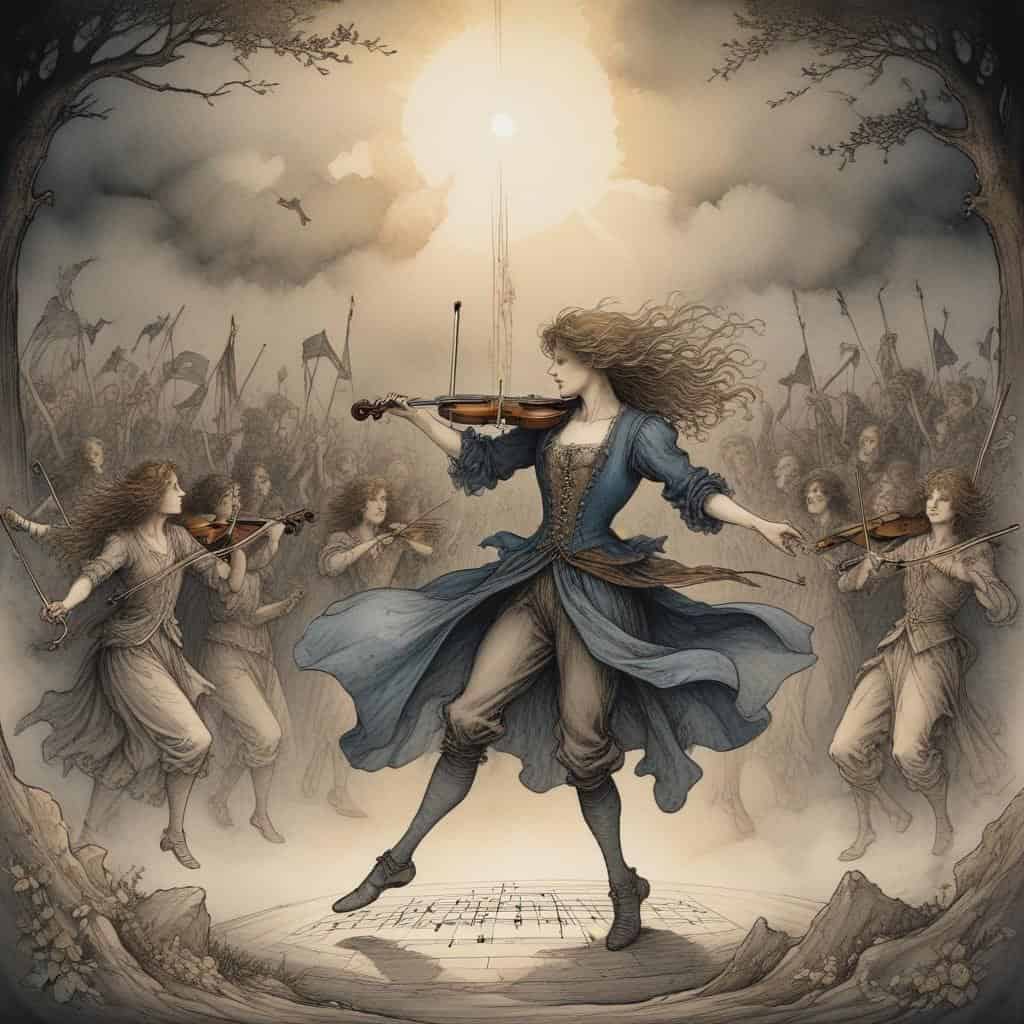
7. The Power of Music and Poetry

8. The Legacy of Rome
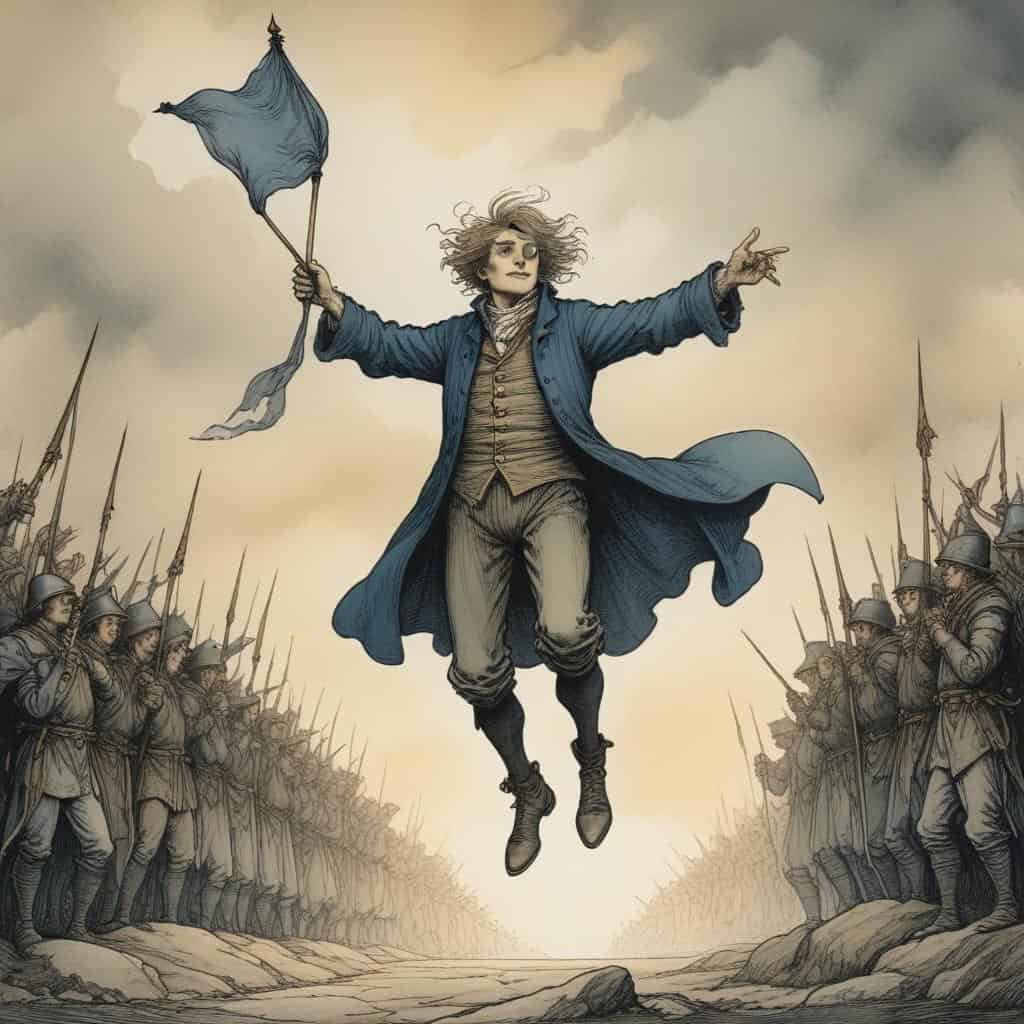
9. The Call to Embrace Change
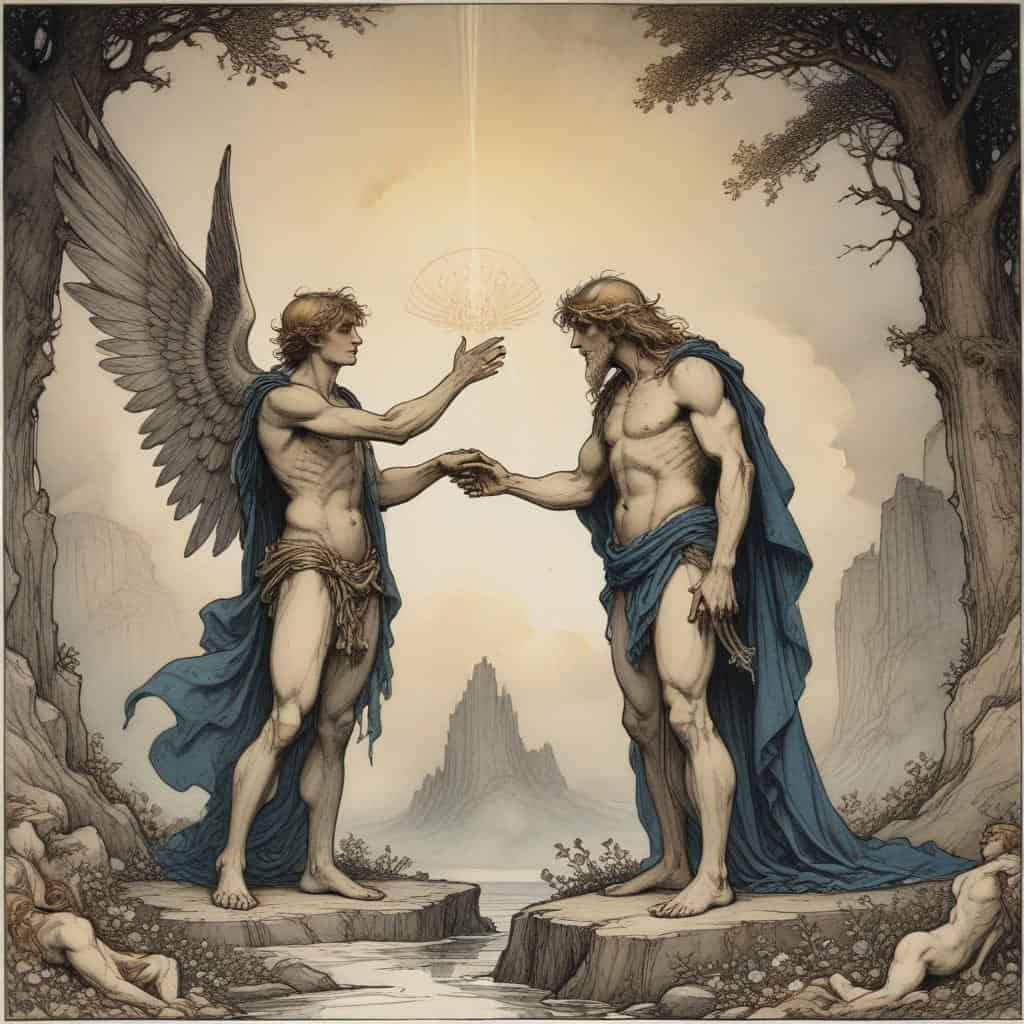
10. The Closing Invocation
Lesson Details & Resources
In a Nutshell
- What: Ode written by Horace
- When: 1st century BC
- Who: Carmen Saeculare does not have specific characters
- Theme: Celebrating the secular games in Rome and praising the reign of Emperor Augustus
List of Characters in Carmen Saeculare
-
Apollo
Apollo and Diana, the gods of music and hunting, are invoked in the poem
-
Diana
Carmen refers to a hymn or song
-
Carmen
The Chorus represents a group of singers or dancers who perform in the poem
Timeline of Carmen Saeculare
Horace is commissioned by Augustus to write a hymn for the Secular Games, a religious event held in Rome every 110 years
Horace writes the Carmen Saeculare, a hymn meant to be performed during the Secular Games
The Carmen Saeculare is performed by a chorus of boys and girls during the Secular Games in Rome
The hymn praises the new golden age brought about by Augustus and the peace and prosperity of Rome under his rule
The Carmen Saeculare is well received and becomes an important part of Roman literature and culture
The hymn continues to be studied and performed in modern times as a testament to the power and influence of Augustus and the enduring legacy of the Roman Empire
Vocabulary List
- Carmen Saeculare
- The title of a collection of hymns written by Horace for the Secular Games in Rome.
- Horace
- The Roman poet who wrote Carmen Saeculare in 17 BCE during the reign of Emperor Augustus.
- Secular Games
- A series of religious celebrations held in ancient Rome every 110 years to mark the beginning of a new saeculum or generation.
- Hymns
- Religious songs or poems typically praising a deity or celebrating a religious festival.
- Rome
- The capital city of the Roman Empire where the Secular Games and other religious celebrations took place.
- Emperor Augustus
- The first Roman emperor and patron of Horace, who commissioned the Carmen Saeculare for the Secular Games.
- Collection
- A group of literary works, in this case, the poems that make up the Carmen Saeculare.
- Generation
- A period of time roughly equivalent to the lifespan of a human being, used in ancient Rome to mark significant historical events.
Key Facts
This is the information used in the fact matching game
- Carmen Saeculare is a collection of hymns written by the Roman poet Horace for the Ludi Saeculares, a Roman religious festival.
- The Ludi Saeculares were held in 17 BC to mark the beginning of a new era or saeculum.
- Horace was commissioned by Emperor Augustus to write the Carmen Saeculare.
- The hymns in Carmen Saeculare were performed by a chorus of boys and girls during the festival.
- The Carmen Saeculare is divided into four sections: a prologue, a hymn to Apollo and Diana, a hymn to Jupiter and Juno, and a closing prayer.
- The Carmen Saeculare celebrates the peace and prosperity brought by Augustus's reign.
- Horace's Carmen Saeculare is considered a significant literary work in Latin literature.
- The Carmen Saeculare is written in a complex and intricate poetic form known as the Sapphic stanza.
- The hymn to Apollo in Carmen Saeculare asks for the god's protection and guidance over Rome.
- The hymn to Diana in Carmen Saeculare praises the goddess as the protector of nature and the hunt.
- The hymn to Jupiter in Carmen Saeculare asks for the god's blessings on Augustus's reign and Rome.
- Horace's Carmen Saeculare reflects the political and cultural context of Augustan Rome.
- The Carmen Saeculare was performed at the Temple of Apollo on the Palatine Hill during the Ludi Saeculares festival.
- The Carmen Saeculare emphasizes the importance of piety and devotion to the Roman gods.
- Horace's Carmen Saeculare is one of the few surviving examples of Roman hymnody.
- The Carmen Saeculare is written in a style that combines traditional Roman religious themes with Horace's own poetic voice.
- The hymns in Carmen Saeculare are written in a mix of dactylic hexameter and hendecasyllabic verse forms.
- The Carmen Saeculare was likely performed with musical accompaniment, as was common for ancient Roman hymns.
- Horace's Carmen Saeculare was well-received by contemporary audiences and helped establish his reputation as a poet.
- The themes of renewal and rebirth in Carmen Saeculare reflect the Augustan ideology of a new golden age for Rome.
Analysis & Significance
Impact on Literature
‘Carmen Saeculare’ is a seminal work in Latin literature, showcasing the poetic prowess of Horace and his ability to blend traditional Roman themes with innovative poetic forms. Its influence can be seen in later works of poetry, inspiring future generations of writers to experiment with language and form in their own compositions.
Enduring Themes
The themes of love, fate, and the passage of time explored in ‘Carmen Saeculare’ continue to resonate with modern audiences. Horace’s musings on the fleeting nature of youth and the inevitability of death are timeless themes that speak to the human experience across cultures and time periods.
Cultural Significance Today
As one of Horace’s most celebrated works, ‘Carmen Saeculare’ remains a key piece of Roman literature studied and appreciated by scholars and enthusiasts alike. Its influence can also be seen in various adaptations and references in popular culture, solidifying its place as a cultural touchstone in today’s society.
Carmen Saeculare Games


Take Your Learning Offline
Want a convenient, print-ready study guide for this lesson? Become a Memory Wizards Pro member to unlock the downloadable " Memory Scrolls" for this topic and our entire library!
- ✓ Complete Vocabulary Lists
- ✓ Key Facts & Timelines
- ✓ Beautifully Formatted for Print & Mobile