
The Medieval Synthesis: Faith And Reason
Can faith and reason truly coexist in the medieval world?
How Do You Learn Best?
Learn by Listening
Start with the 3-minute audio summary to get the key facts and narrative highlights quickly.
Learn by Reading
Immerse yourself in the 10-minute visual lesson for a comprehensive understanding of the topic.
Learn by Reviewing
Jump directly to the key facts, timeline, and vocabulary lists to build a solid foundation of details.
Learn by Doing
Challenge yourself! Jump straight into the interactive games to learn by trial, error, and discovery.
Audio Library
As one of our featured lessons, this topic includes premium audio guides.
Unlock the Wizard's Cram Session
This powerful audio study guide is a Pro-exclusive feature. Upgrade to Memory Wizards Pro to access this and all of our premium learning tools.
Upgrade to ProThe Medieval Synthesis: Faith And Reason in 10 Minutes
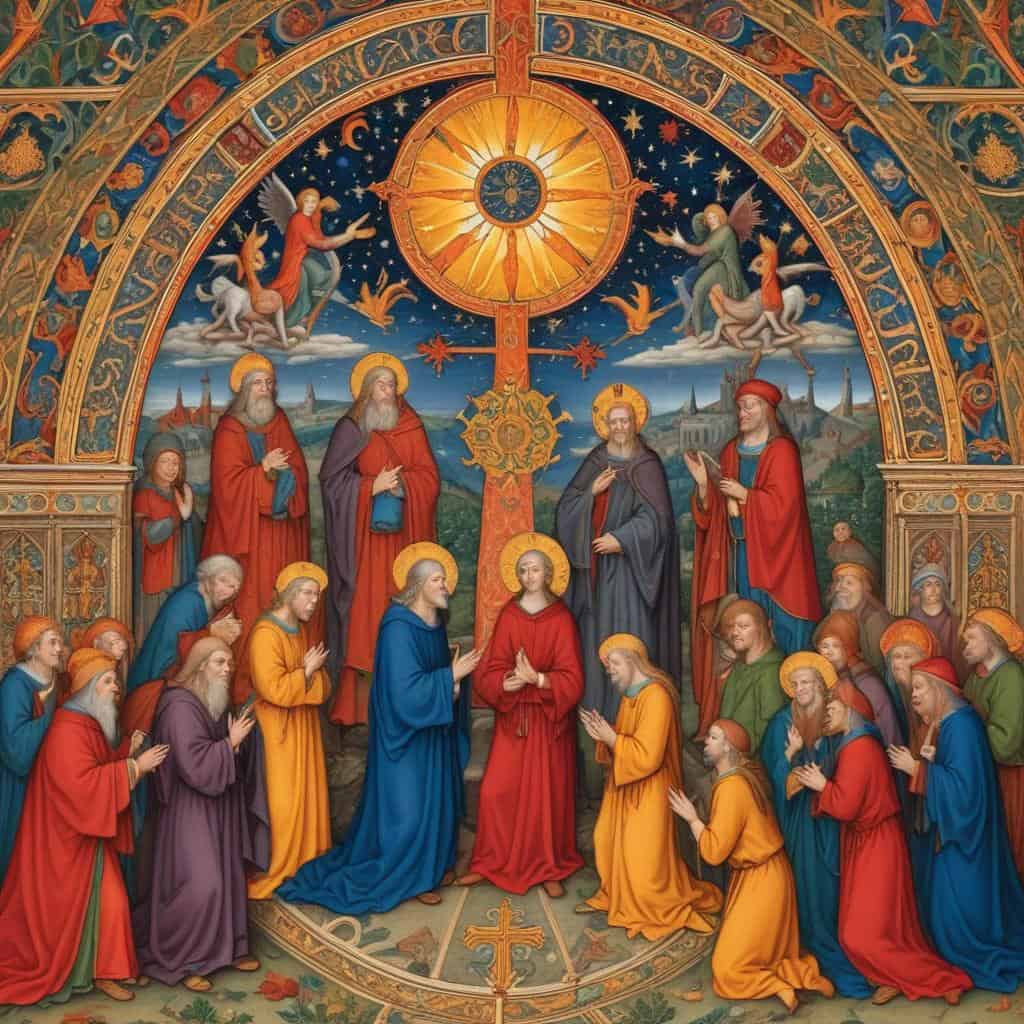
Introduction
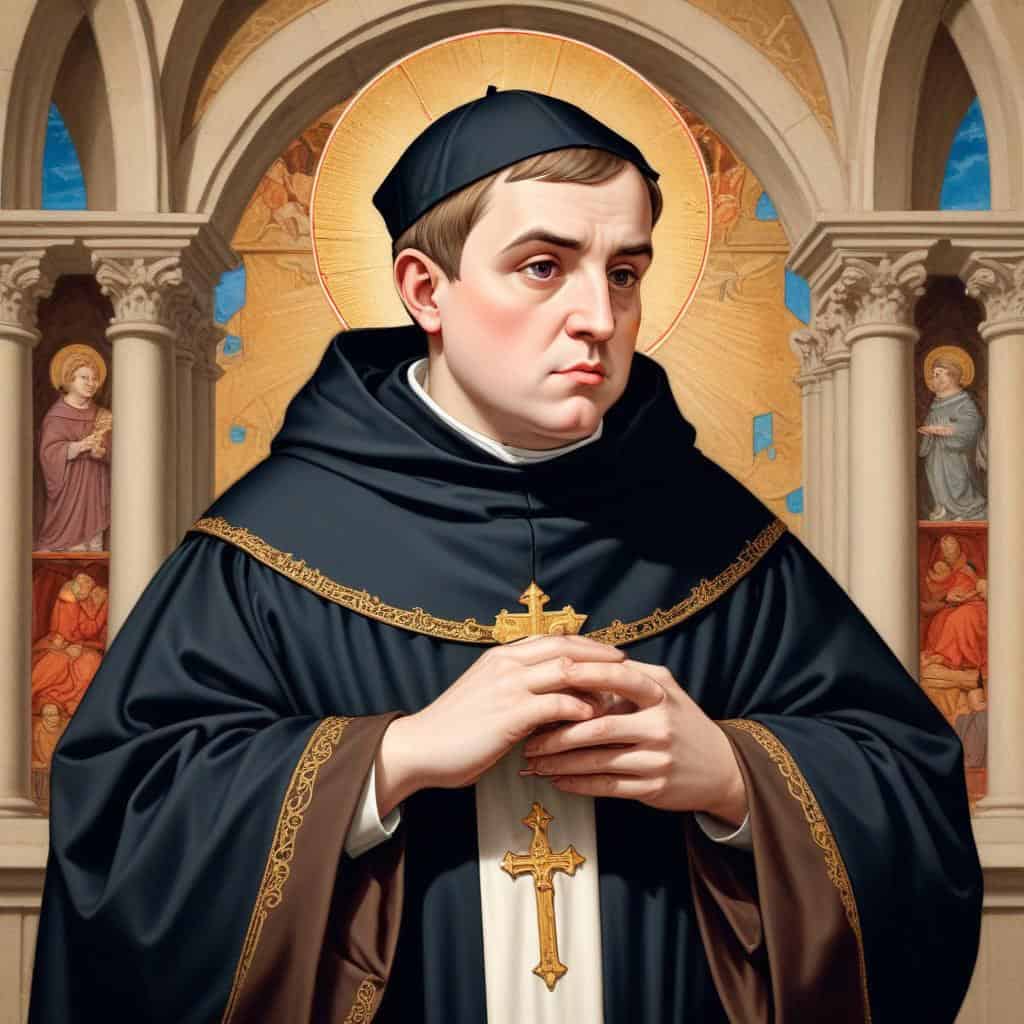
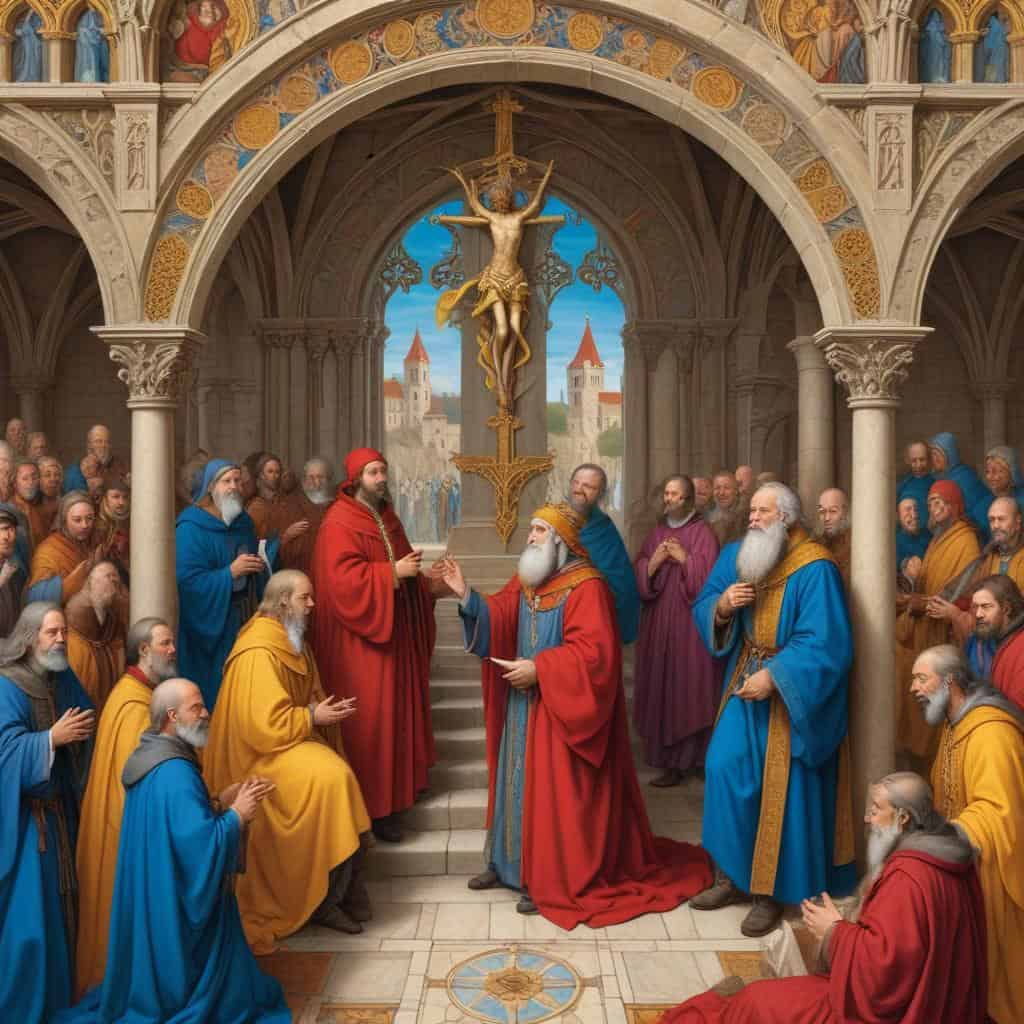
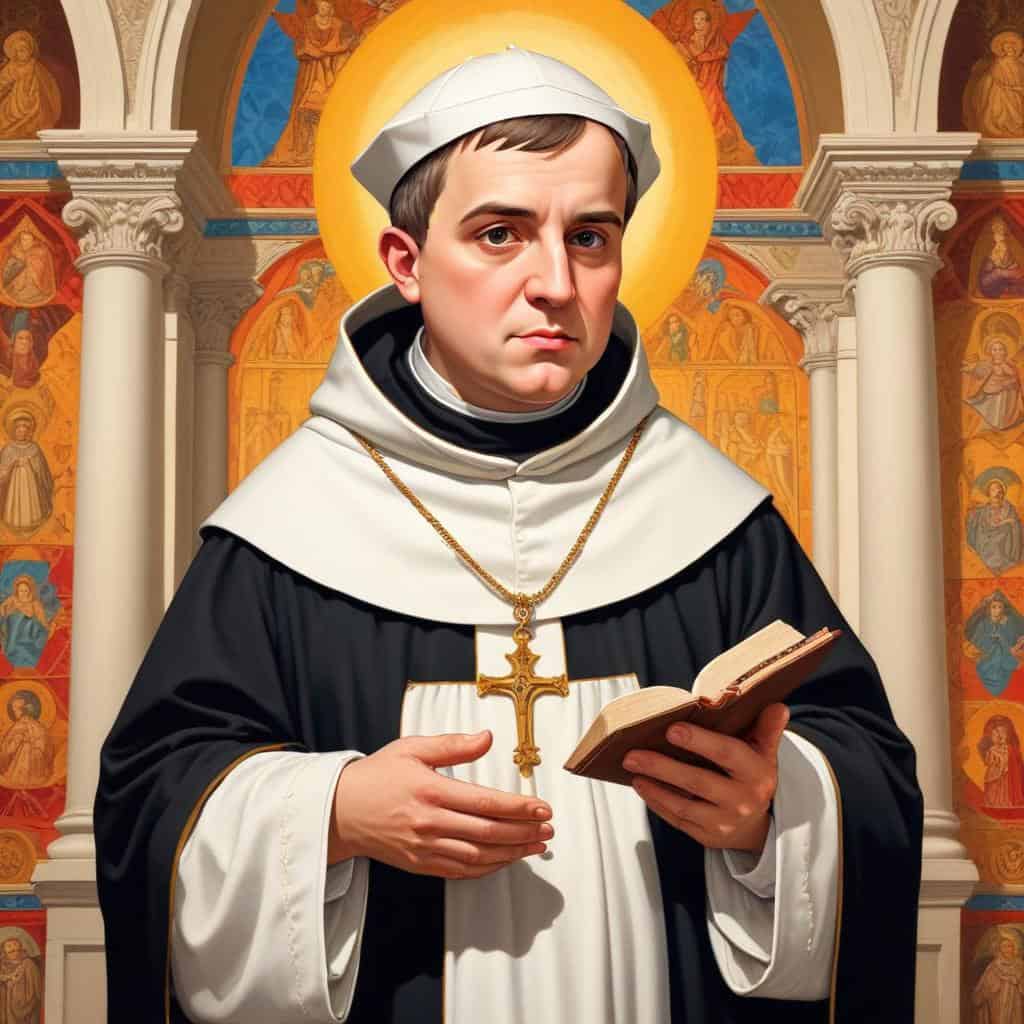
St. Thomas Aquinas
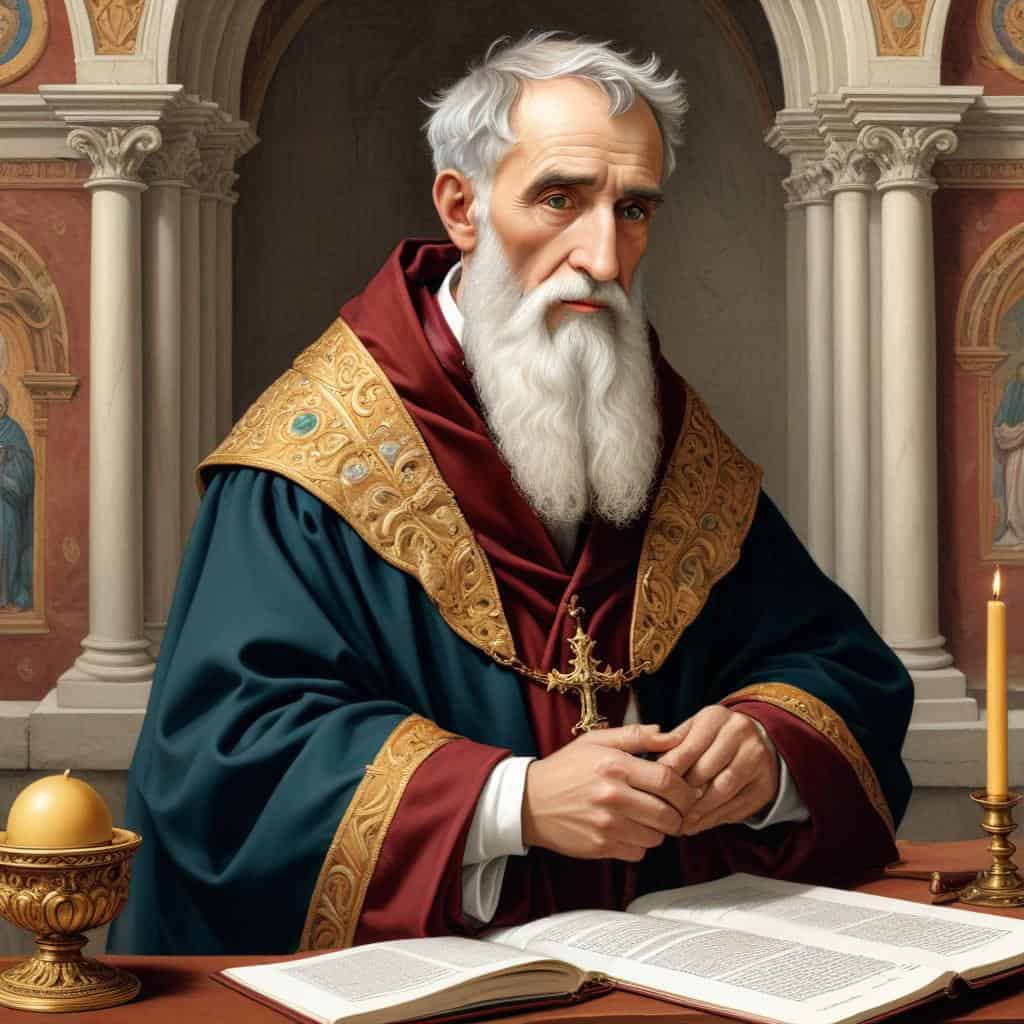
St. Augustine
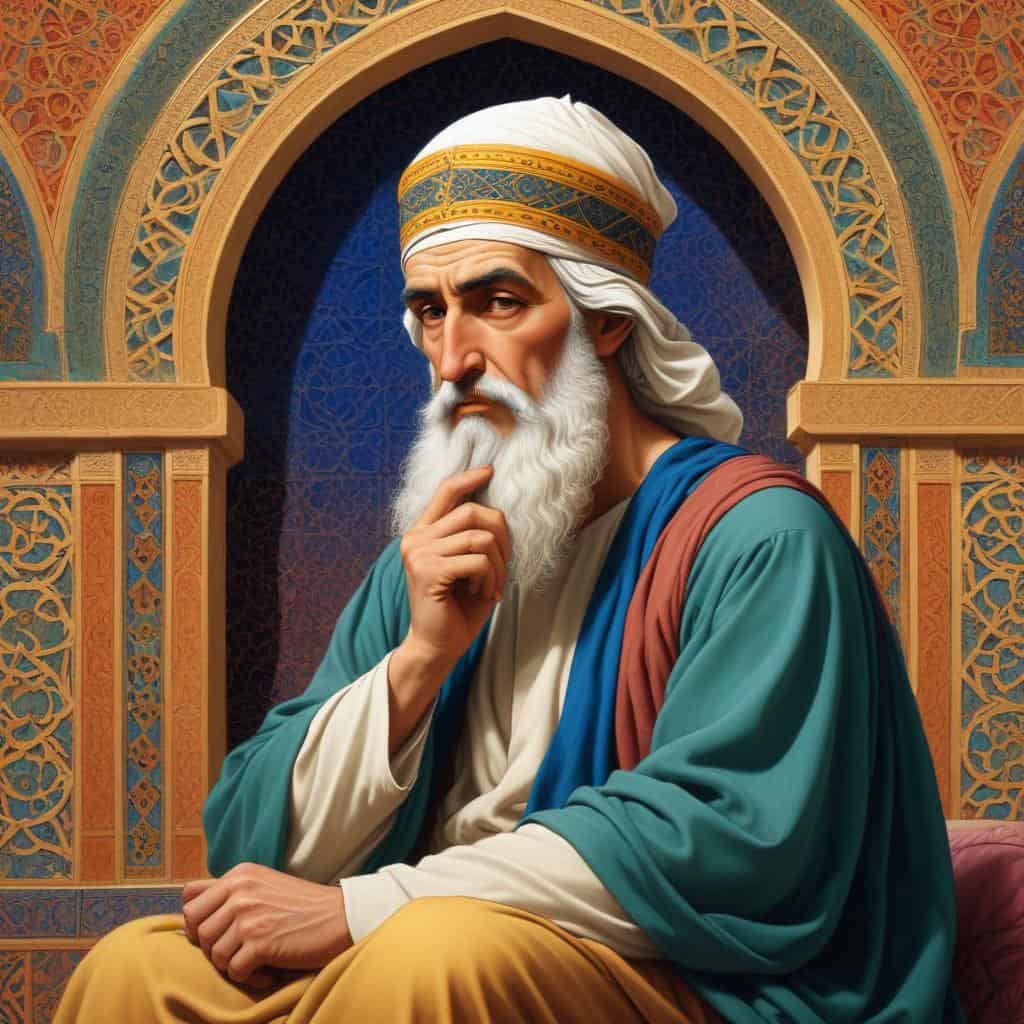
Averroes
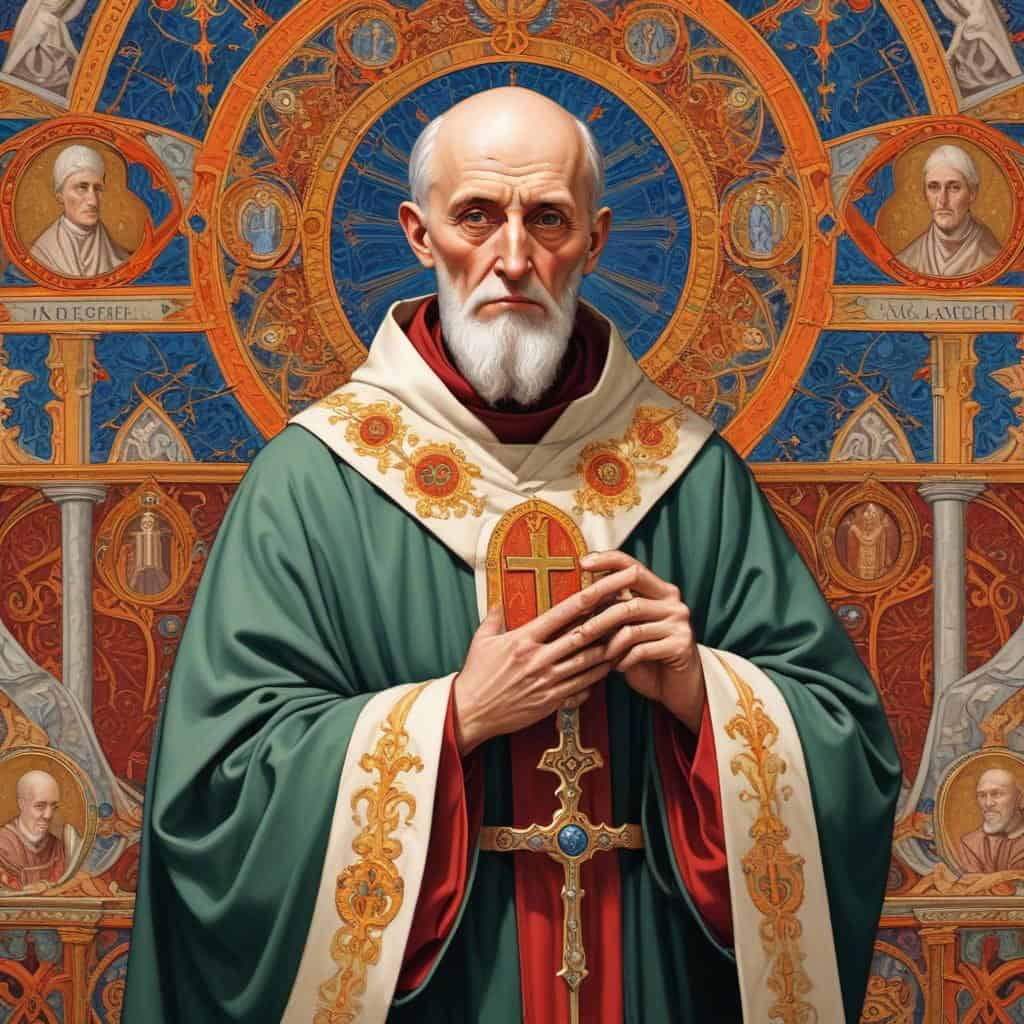
St. Anselm
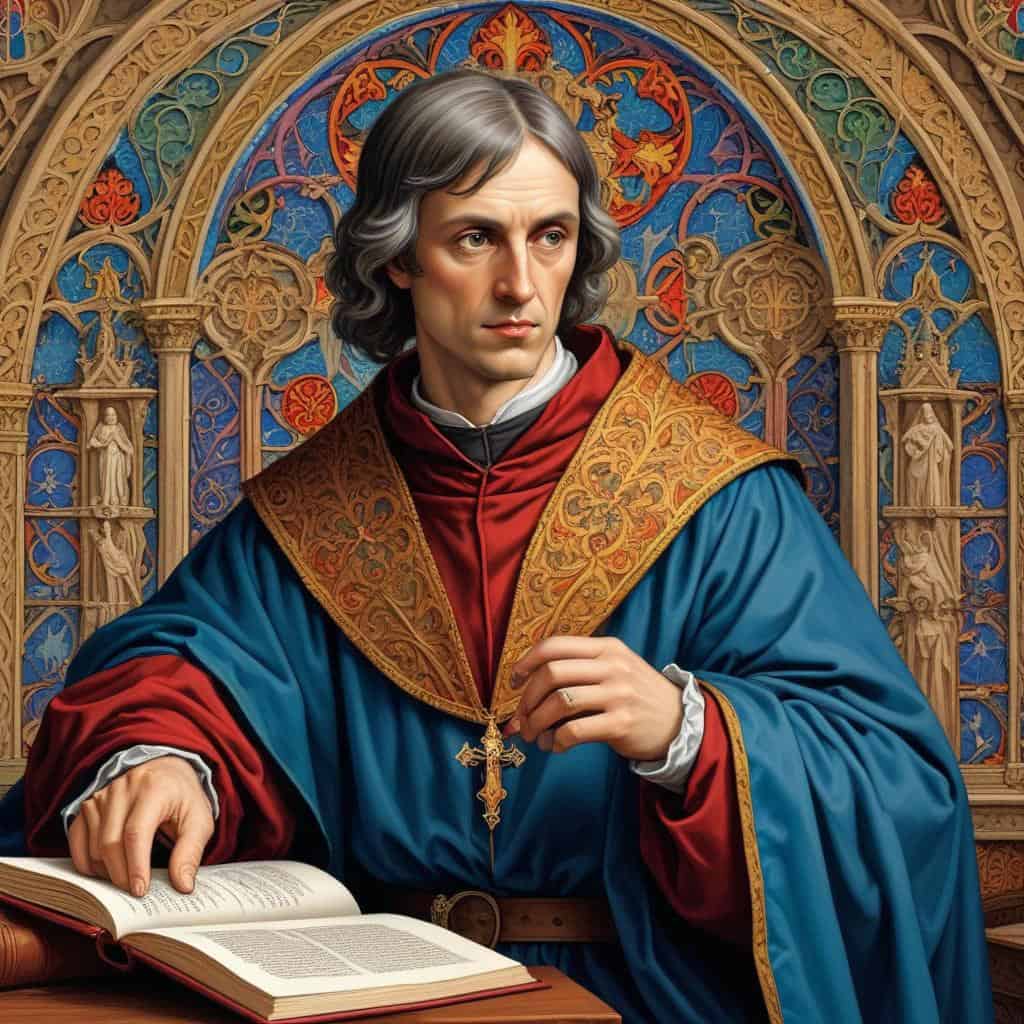
Peter Abelard
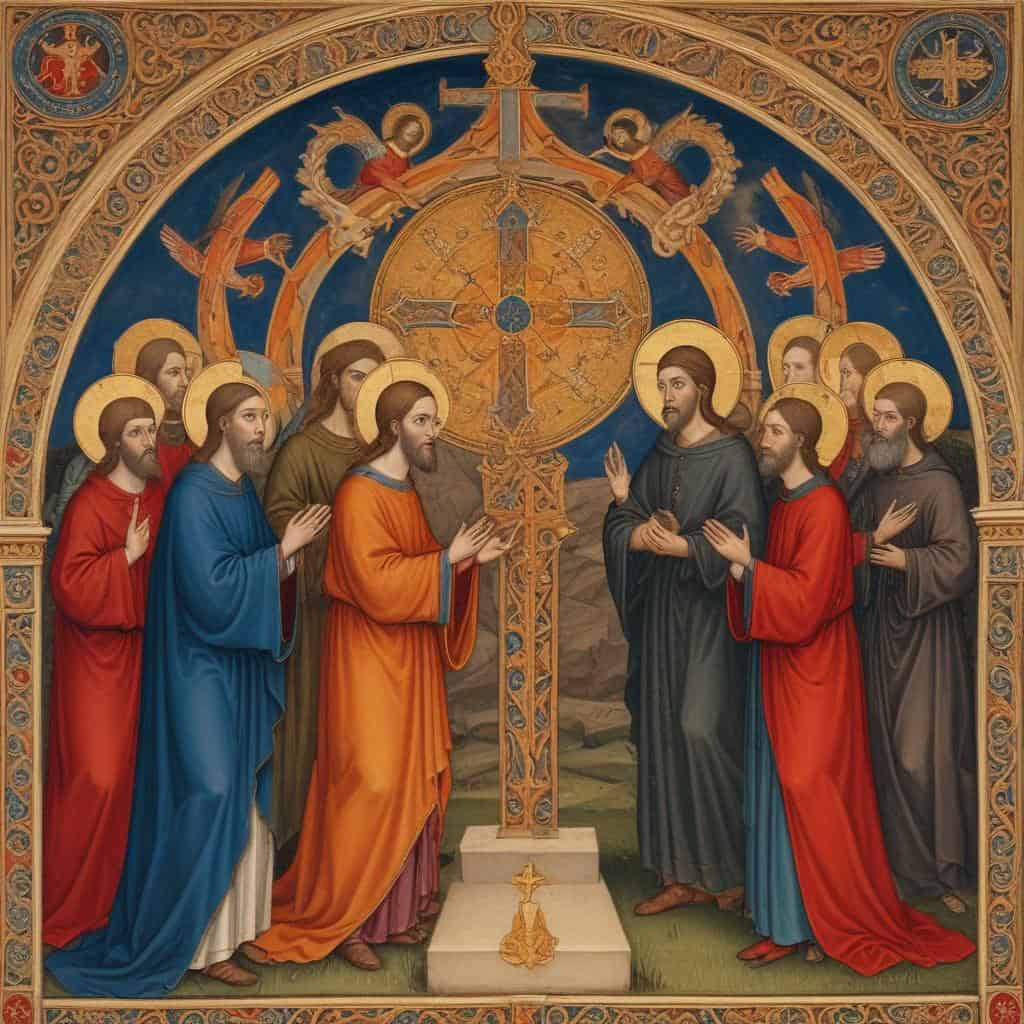
The Medieval Synthesis: Faith and Reason
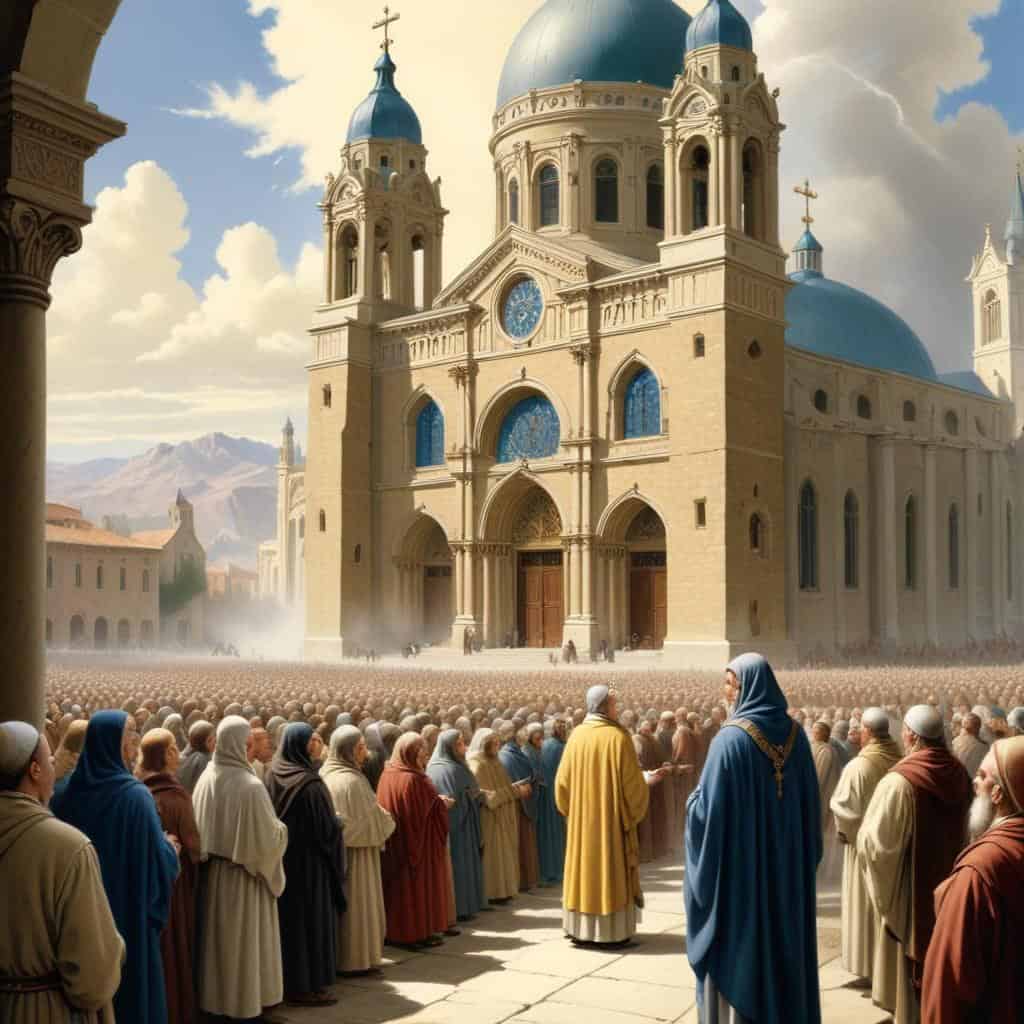
The Role of Faith
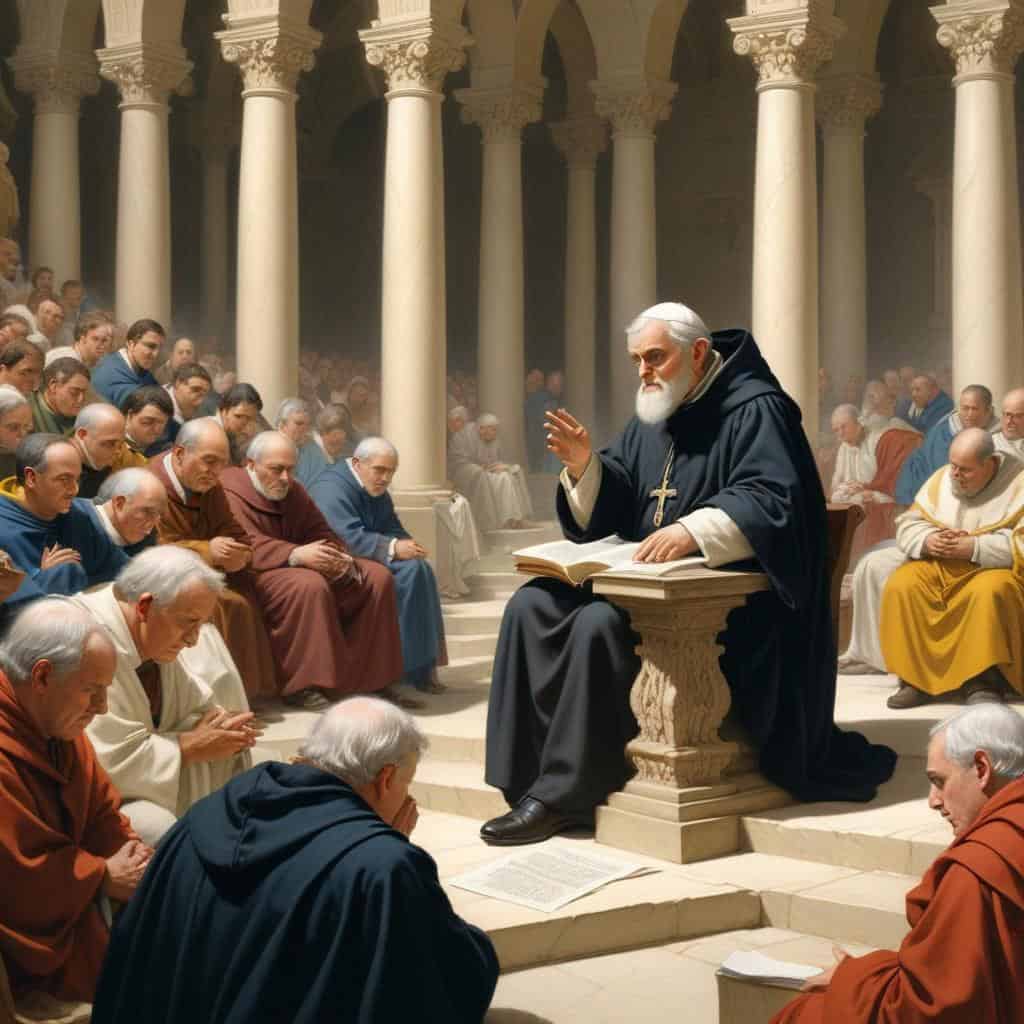
The Role of Reason
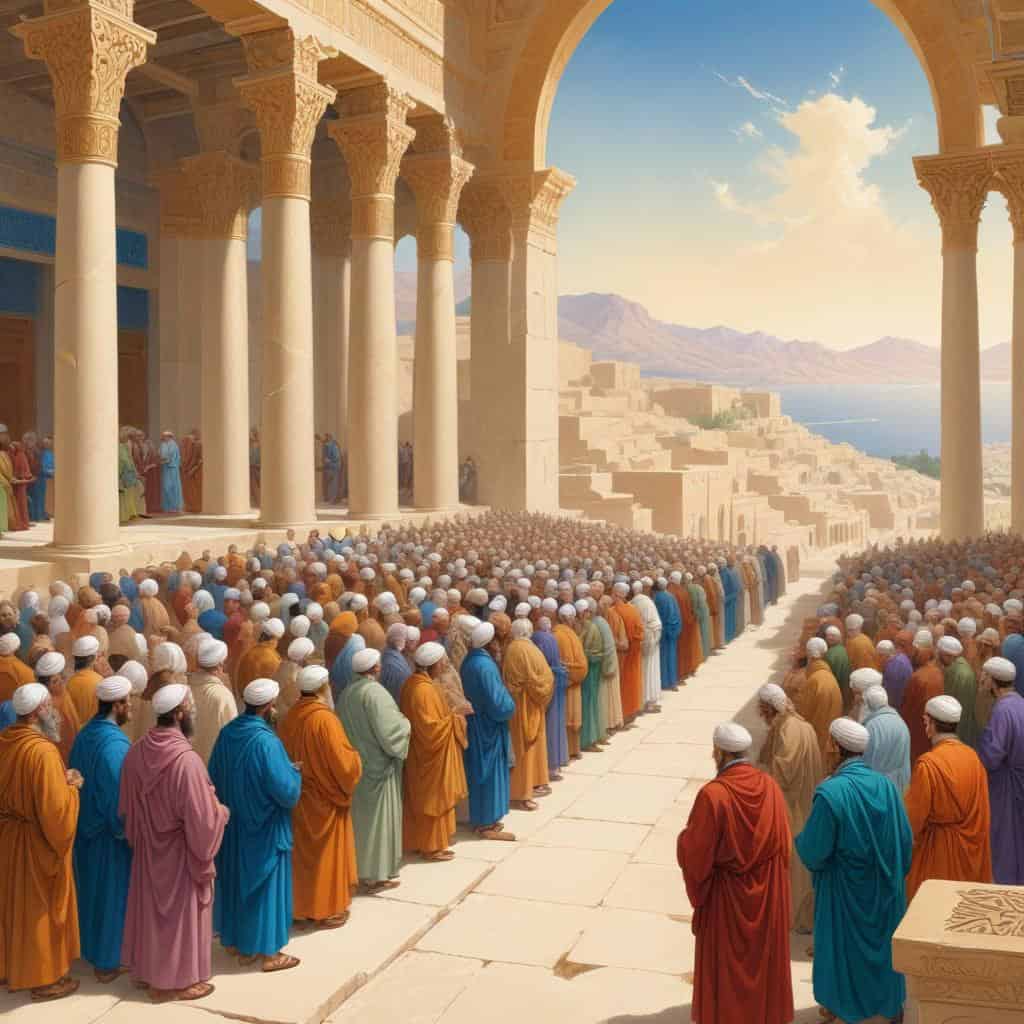
The Influence of Islamic Scholars
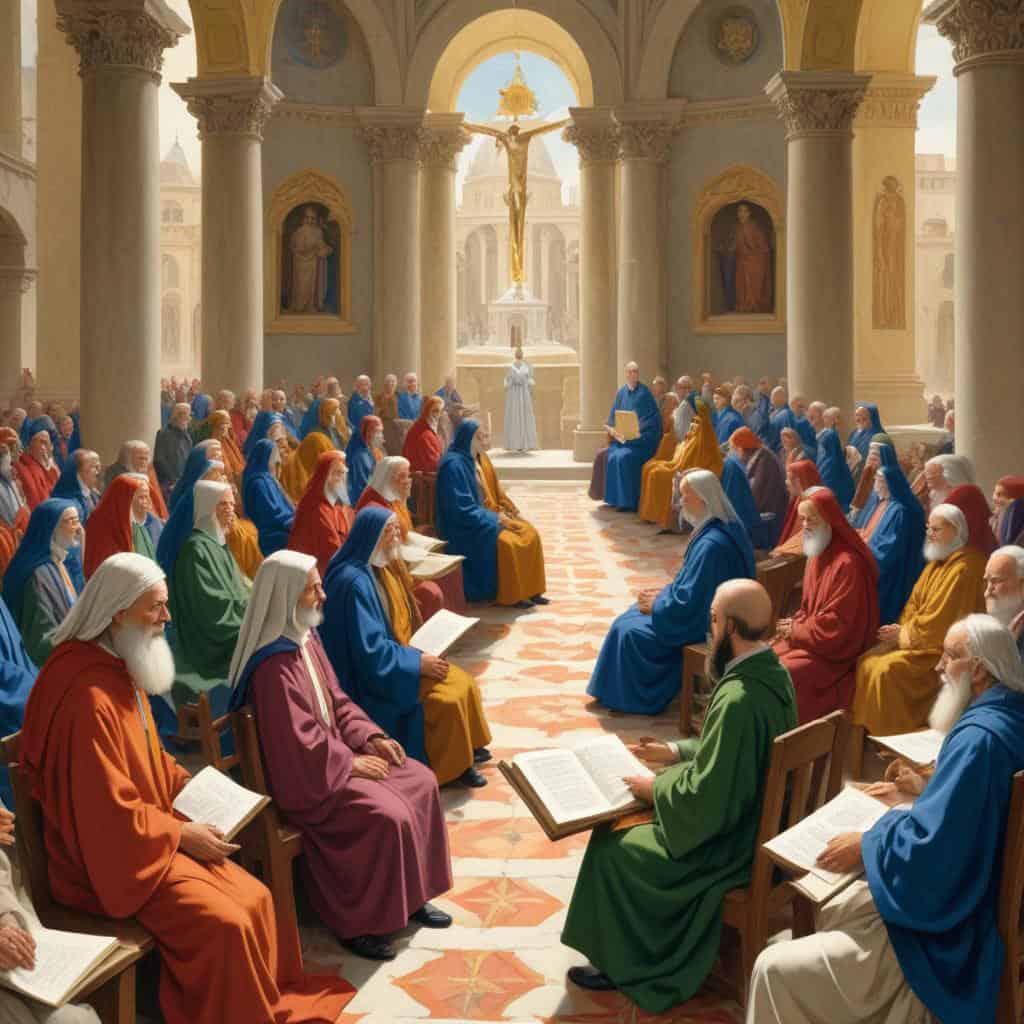
The Development of Scholasticism
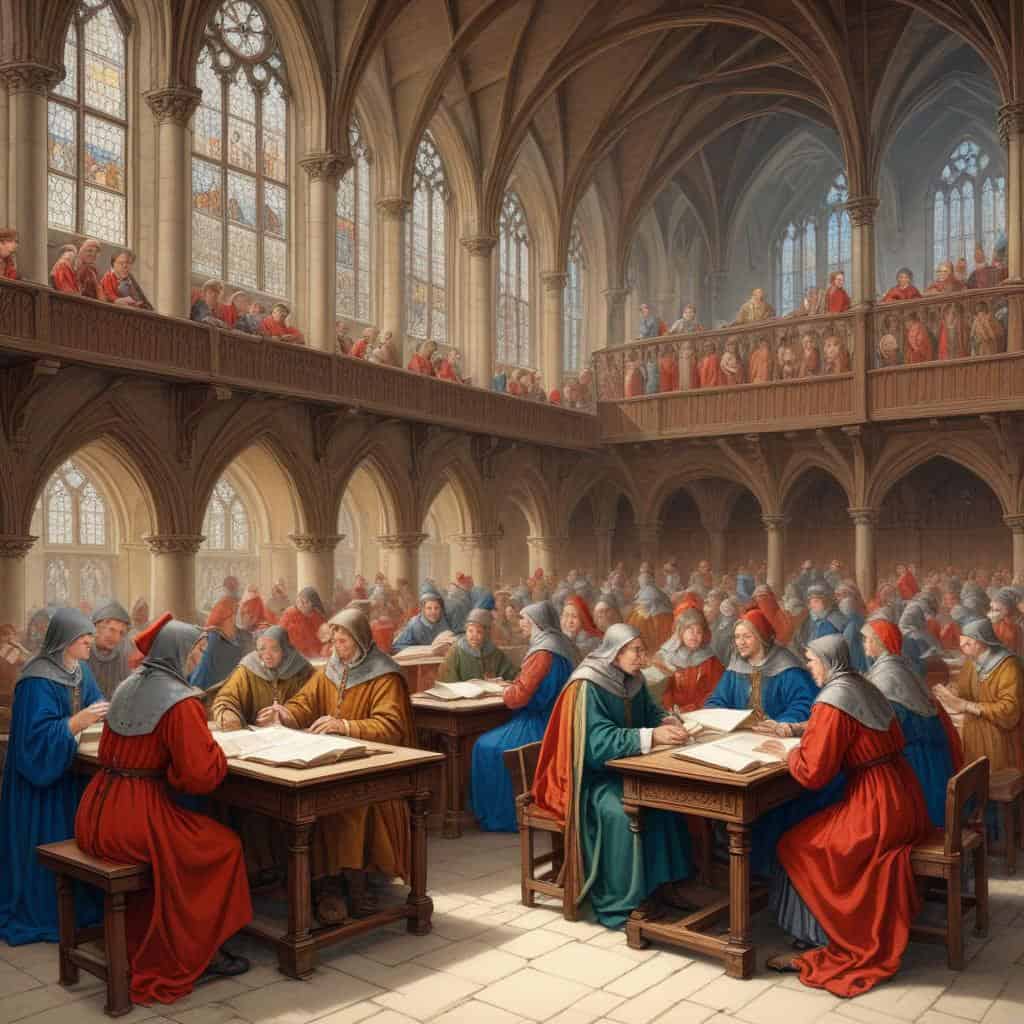
The Importance of Education
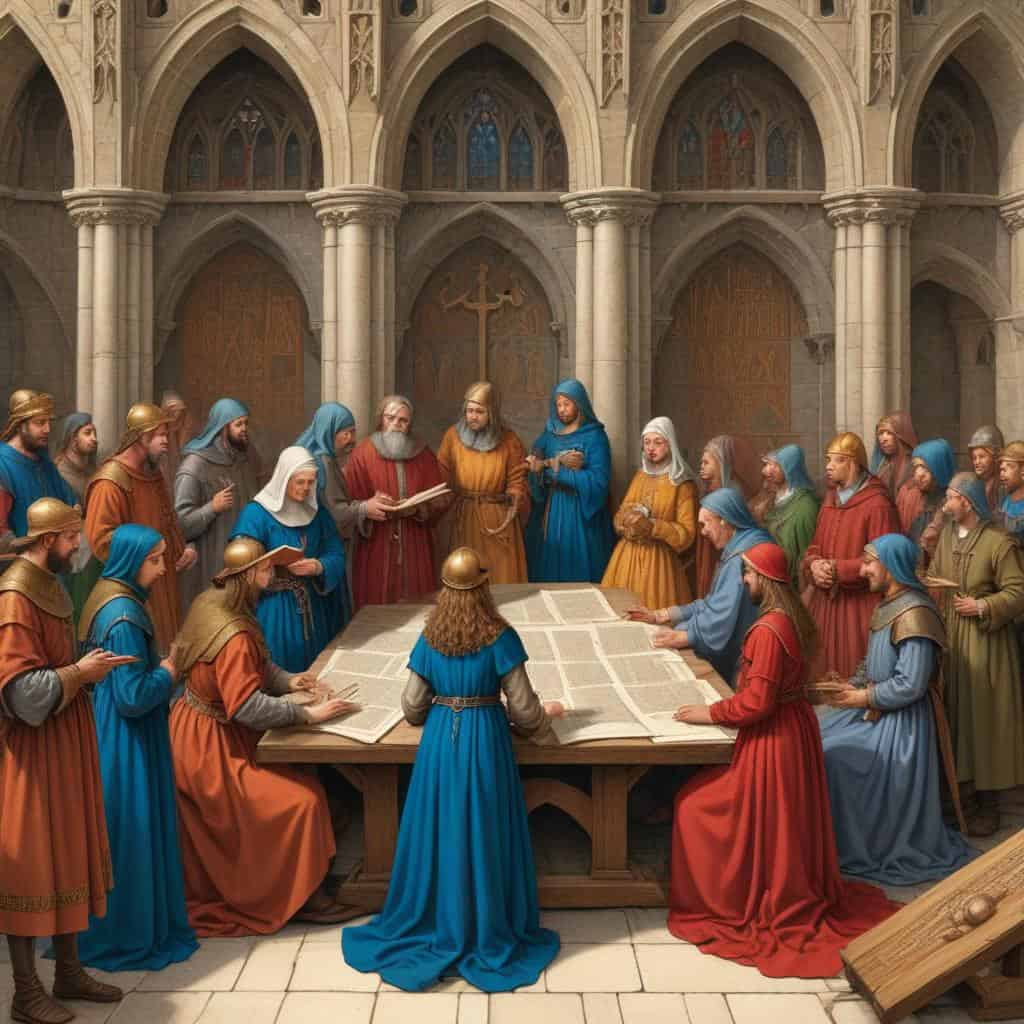
The Impact on Society
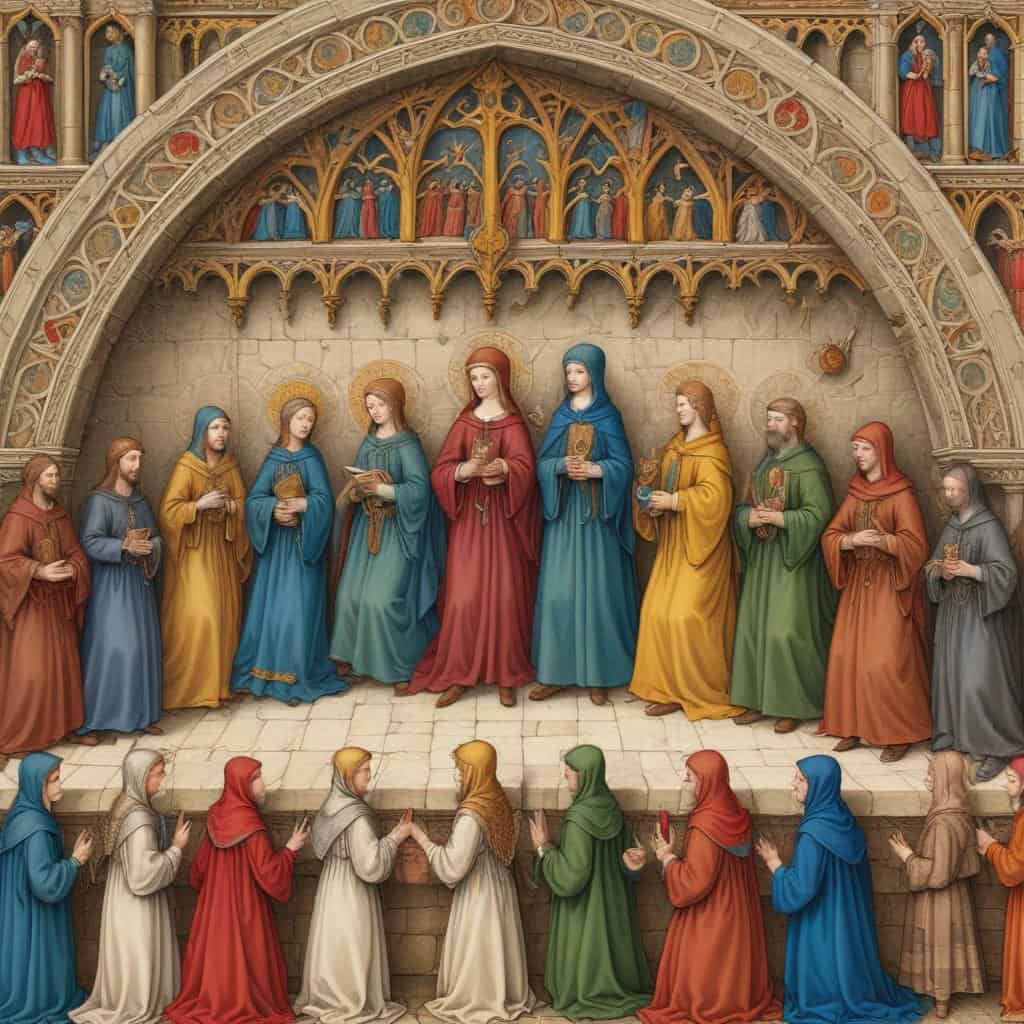
The Legacy of the Medieval Synthesis
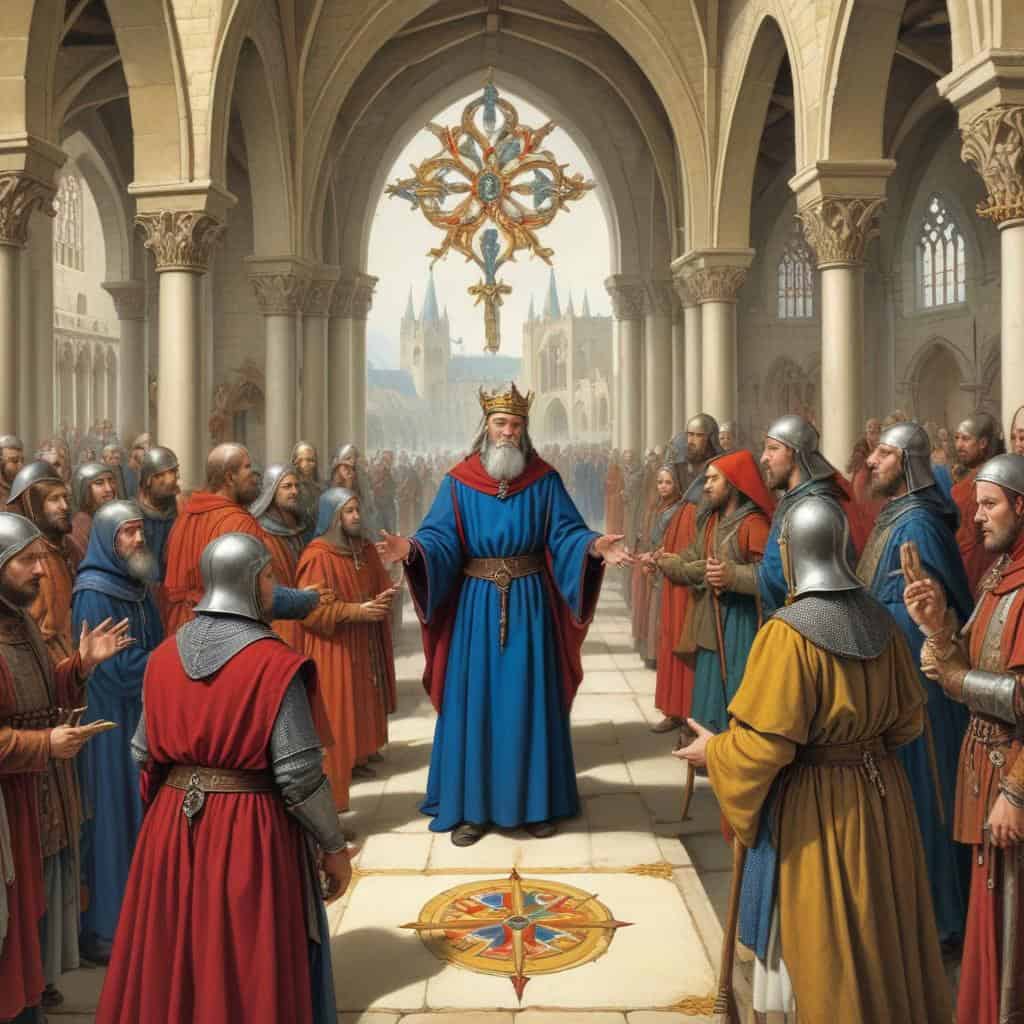
Challenges to the Medieval Synthesis
Lesson Details & Resources
In a Nutshell
- Concept: The Medieval Synthesis: Faith and Reason
- Thinkers: Thomas Aquinas, 13th Century
- Central Question: How can faith and reason be reconciled in understanding the world?
- Core Implication: The belief that faith and reason can coexist and complement each other in the pursuit of truth.
Timeline of The Medieval Synthesis: Faith And Reason
Augustine of Hippo writes 'The City of God'
Boethius writes 'The Consolation of Philosophy'
Charlemagne is crowned Holy Roman Emperor
Anselm of Canterbury develops the ontological argument for the existence of God
Peter Abelard proposes the concept of universals in philosophy
Thomas Aquinas writes 'Summa Theologica'
Roger Bacon advocates for the importance of empirical observation in science
William of Ockham formulates Ockham's razor principle
Duns Scotus develops the concept of haecceity
Maimonides writes 'Guide for the Perplexed'
Al-Ghazali critiques the use of Aristotelian philosophy in Islamic theology
Gregory Palamas defends hesychasm in Eastern Orthodox theology
Avicenna's works are translated into Latin, influencing Western philosophy
Bonaventure emphasizes the importance of mystical experience in theology
John Duns Scotus argues for the univocity of being
Meister Eckhart promotes the idea of the 'birth of God' in the soul
Jean Buridan develops the concept of impetus in physics
Nicole Oresme introduces the idea of a rotating Earth
Petrarch initiates the cultural movement known as the Renaissance
Council of Constance condemns the teachings of John Wycliffe and Jan Hus
Vocabulary List
- Scholasticism
- Scholasticism was a prominent intellectual movement in the Middle Ages.
- Natural theology
- Natural theology was an important part of the Medieval Synthesis, as scholars sought to understand God's existence and nature through reason.
- Aristotelianism
- Aristotelianism played a significant role in shaping the intellectual landscape of the Medieval Synthesis.
- Divine illumination
- Divine illumination was a key concept in the medieval understanding of how humans could come to know God.
- Theology
- Theology was a central component of the Medieval Synthesis, as scholars sought to understand the relationship between faith and reason.
Key Facts
This is the information used in the fact matching game
- The Medieval Synthesis refers to the blending of Christian faith and classical reason during the Middle Ages.
- Scholasticism was the dominant philosophical and theological school of thought during the Medieval Synthesis.
- Key figures in the Medieval Synthesis include St. Thomas Aquinas, St. Anselm, and Peter Abelard.
- The Medieval Synthesis sought to reconcile faith with reason, believing that they could complement each other in the pursuit of truth.
- The use of logic and rational argumentation was central to the Scholastic approach in the Medieval Synthesis.
- The Medieval Synthesis was influenced by the rediscovery of Greek and Roman philosophical texts, particularly those of Aristotle.
- The University of Paris and the University of Oxford were important centers of learning for Scholastic thinkers during the Medieval Synthesis.
- The Medieval Synthesis placed a strong emphasis on the study of theology, with an aim to deepen understanding of Christian doctrine.
- St. Thomas Aquinas is known for his synthesis of Christian theology with Aristotelian philosophy, known as Thomism.
- The Medieval Synthesis laid the foundation for the development of modern Western philosophy, particularly in the areas of metaphysics and epistemology.
- The Medieval Synthesis contributed to the rise of universities as centers of intellectual inquiry and learning.
- The compatibility of faith and reason was a central theme in the writings of St. Anselm, who famously articulated the ontological argument for the existence of God.
- The Medieval Synthesis emphasized the importance of dialectical reasoning and logical analysis in theological and philosophical debates.
- The Medieval Synthesis was a response to the tension between religious faith and the rational inquiry of the natural world.
- The Medieval Synthesis laid the groundwork for the development of the scientific method by emphasizing the importance of observation and experimentation in the pursuit of knowledge.
- The Medieval Synthesis influenced later philosophical movements, such as Renaissance humanism and the Enlightenment, by promoting the idea of a harmonious relationship between faith and reason.
- The Medieval Synthesis sought to resolve apparent conflicts between revelation and natural reason by showing how they could be reconciled through careful philosophical analysis.
- The Medieval Synthesis emphasized the importance of education and intellectual inquiry as a means of deepening religious faith and understanding.
- The Medieval Synthesis contributed to the development of a systematic approach to theology and philosophy, with an emphasis on logical consistency and coherence.
- The Medieval Synthesis continues to have an impact on contemporary philosophical debates, particularly in discussions about the relationship between faith, reason, and science.
Analysis & Significance
The Core Argument
The Medieval Synthesis, also known as the reconciliation of Faith and Reason, was a key philosophical concept during the Middle Ages. It aimed to harmonize the teachings of Christianity with the rationality of Greek philosophy, particularly that of Aristotle. This synthesis was crucial in shaping the intellectual landscape of the time, as it sought to find a balance between religious beliefs and logical reasoning.
Criticisms and Counterarguments
Critics of the Medieval Synthesis argue that this blending of Faith and Reason led to a stifling of intellectual progress, as it placed limitations on independent thought and inquiry. Some philosophers also questioned whether it was truly possible to reconcile the two seemingly contradictory aspects of human understanding. They believed that this synthesis may have hindered the development of new ideas and critical thinking.
Modern Relevance
The concept of Faith and Reason continues to be relevant in modern society, especially in discussions surrounding the relationship between science and religion. The ongoing debate over evolution, creationism, and the role of faith in scientific inquiry reflects the enduring tensions between these two modes of understanding. Understanding the Medieval Synthesis can provide insights into how we navigate these complex issues and seek a balance between belief and rationality in the contemporary world.
The Medieval Synthesis: Faith And Reason Games


Take Your Learning Offline
Want a convenient, print-ready study guide for this lesson? Become a Memory Wizards Pro member to unlock the downloadable " Memory Scrolls" for this topic and our entire library!
- ✓ Complete Vocabulary Lists
- ✓ Key Facts & Timelines
- ✓ Beautifully Formatted for Print & Mobile