
The Ancient Greeks: From Myth To Reason:
What happens when gods give way to philosophy?
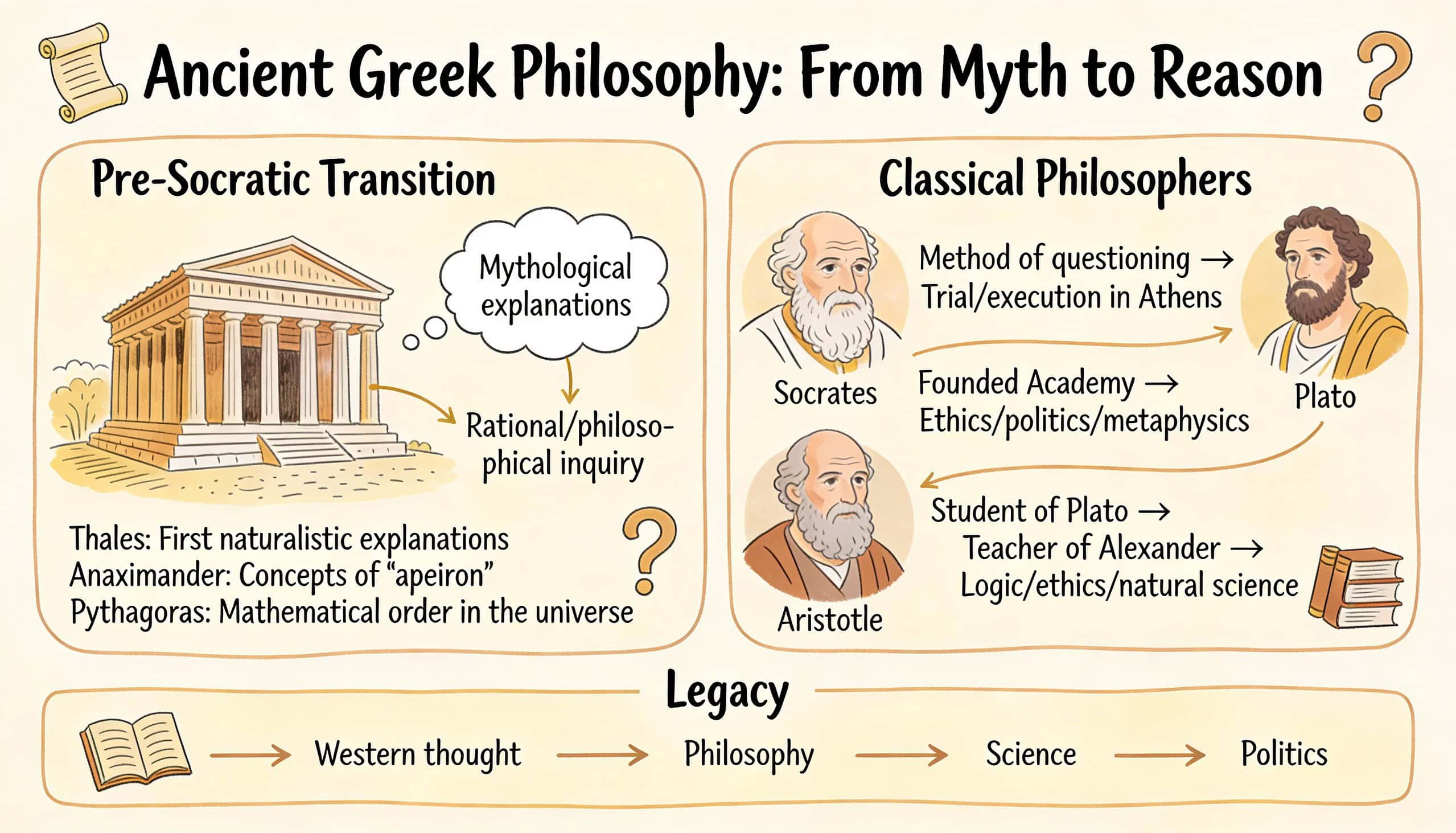
At a Glance - Infographic
How Do You Learn Best?
Learn by Listening
Start with the 3-minute audio summary to get the key facts and narrative highlights quickly.
Learn by Reading
Immerse yourself in the 10-minute visual lesson for a comprehensive understanding of the topic.
Learn by Reviewing
Jump directly to the key facts, timeline, and vocabulary lists to build a solid foundation of details.
Learn by Doing
Challenge yourself! Jump straight into the interactive games to learn by trial, error, and discovery.
Audio Library
As one of our featured lessons, this topic includes premium audio guides.
Unlock the Wizard's Cram Session
This powerful audio study guide is a Pro-exclusive feature. Upgrade to Memory Wizards Pro to access this and all of our premium learning tools.
Upgrade to ProThe Ancient Greeks: From Myth To Reason: in 10 Minutes
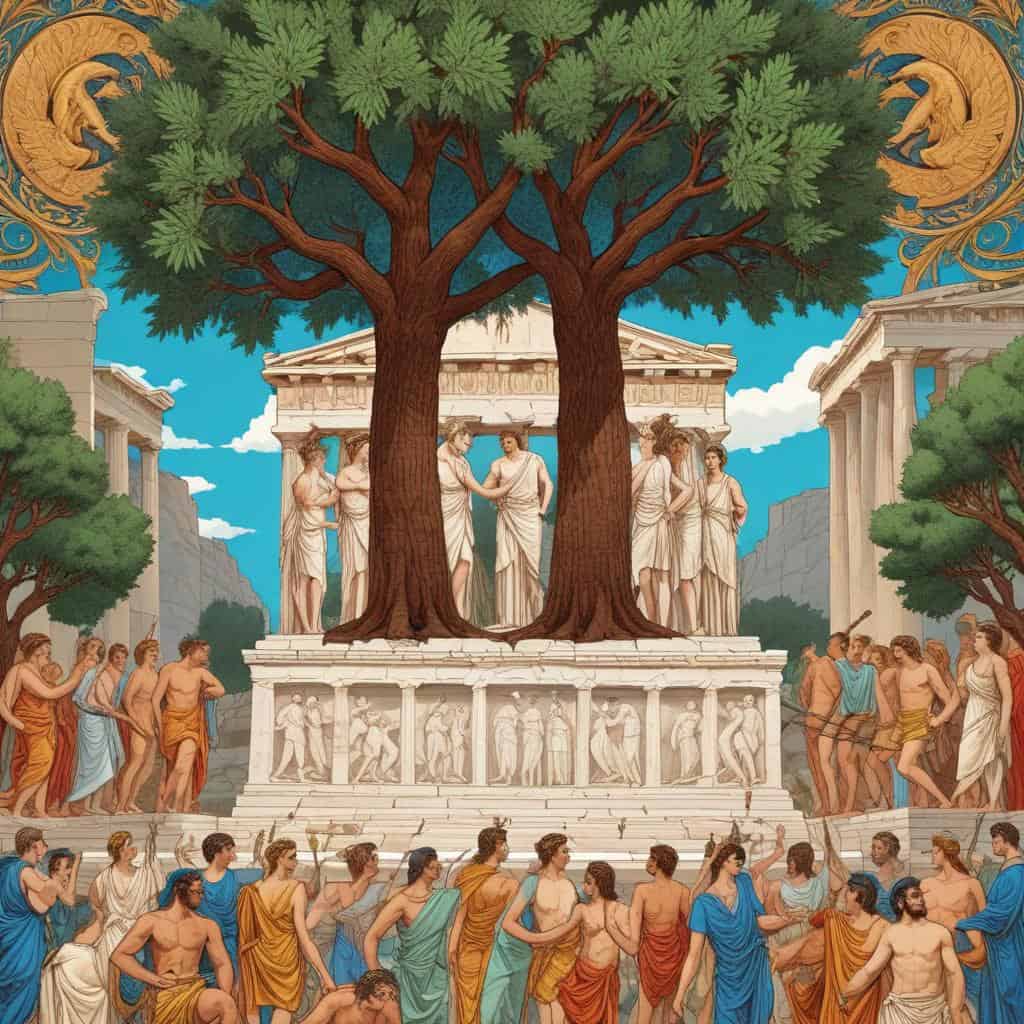
Introduction
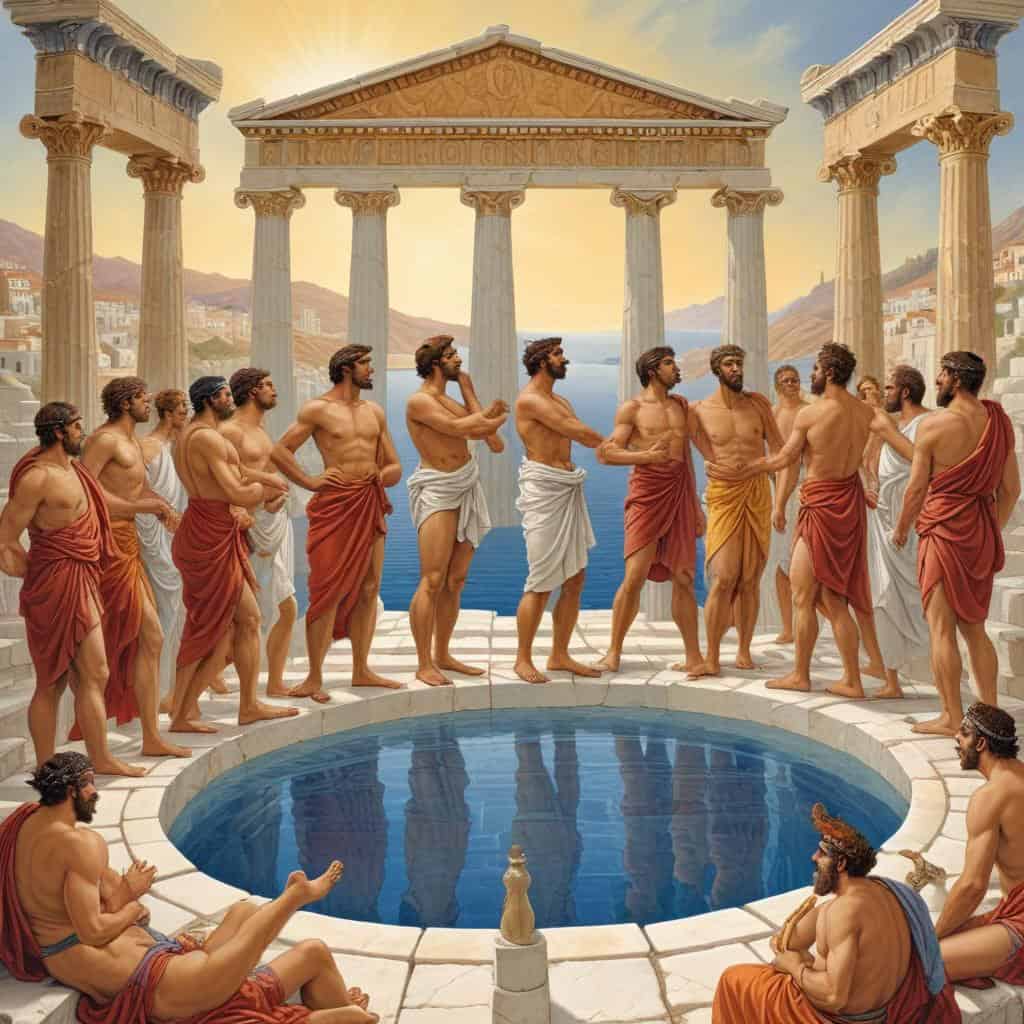
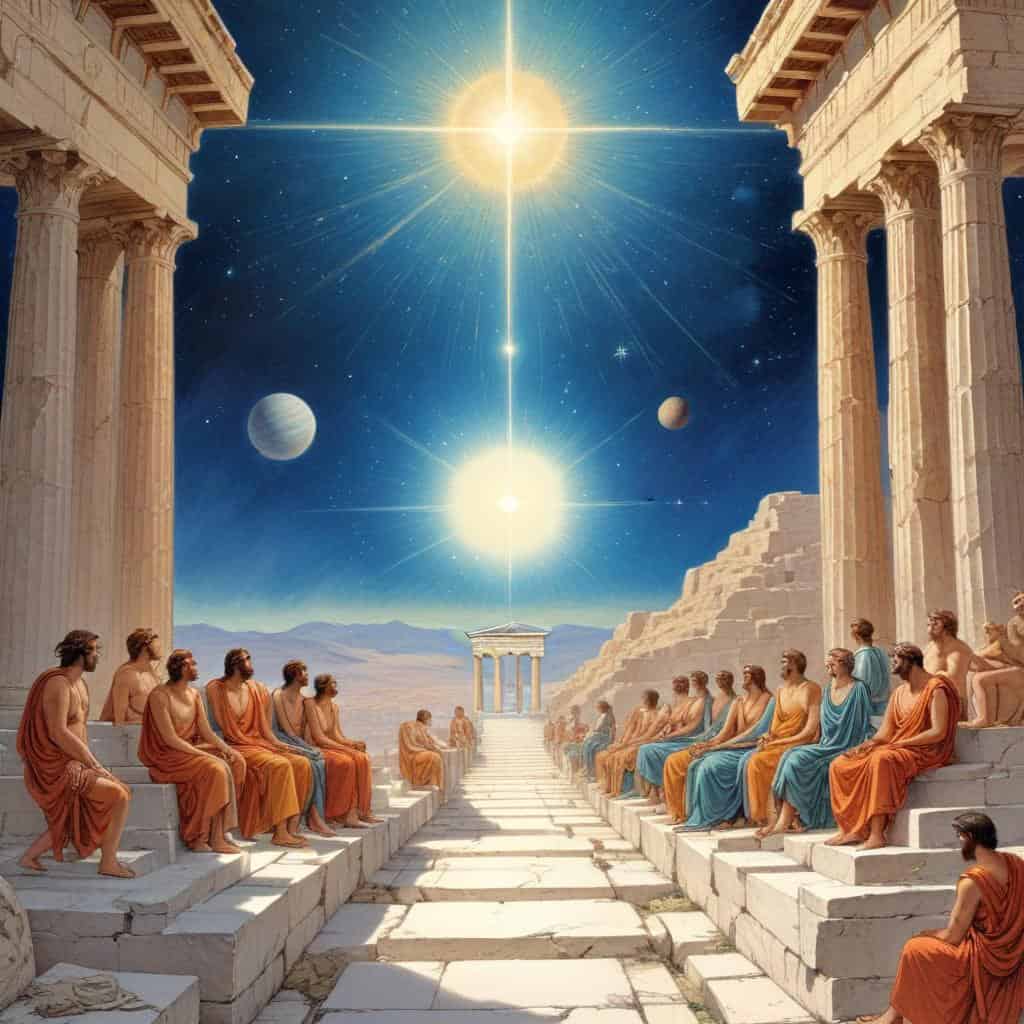
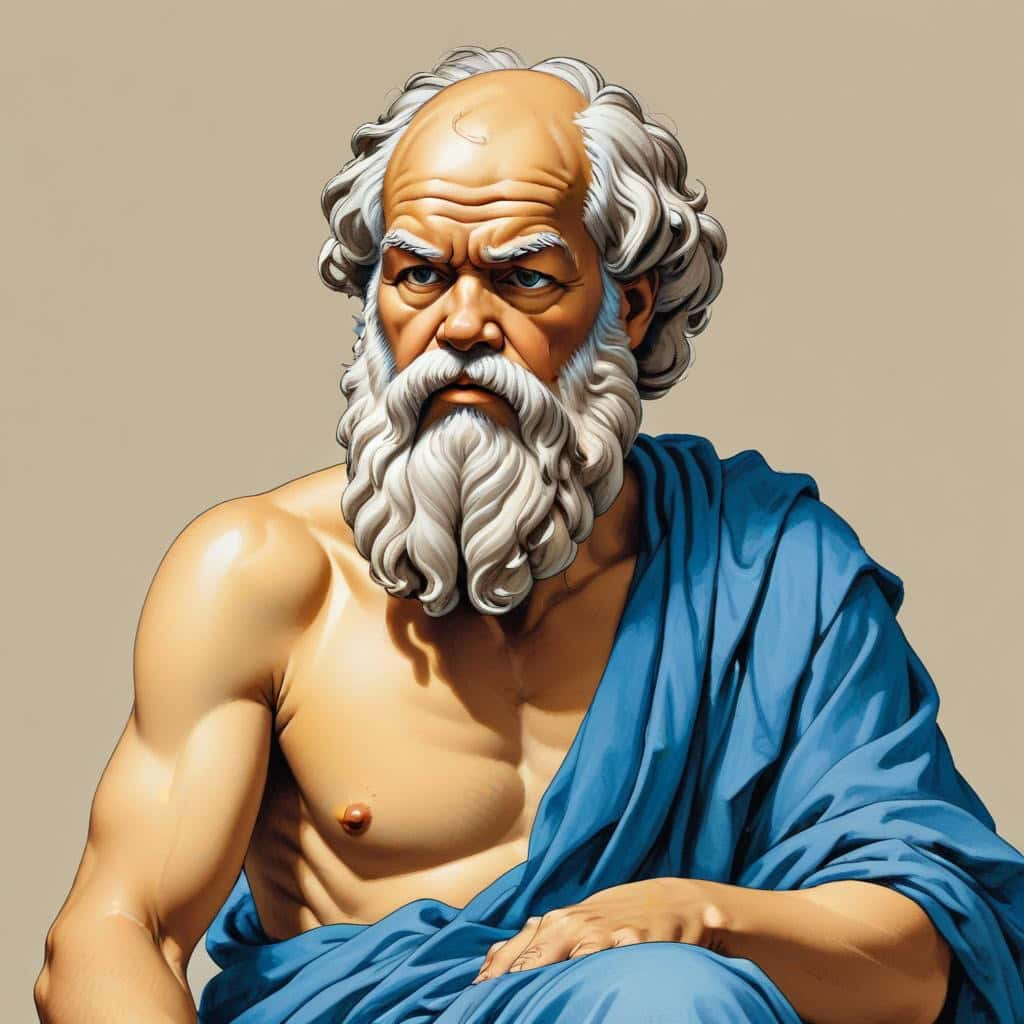
Socrates
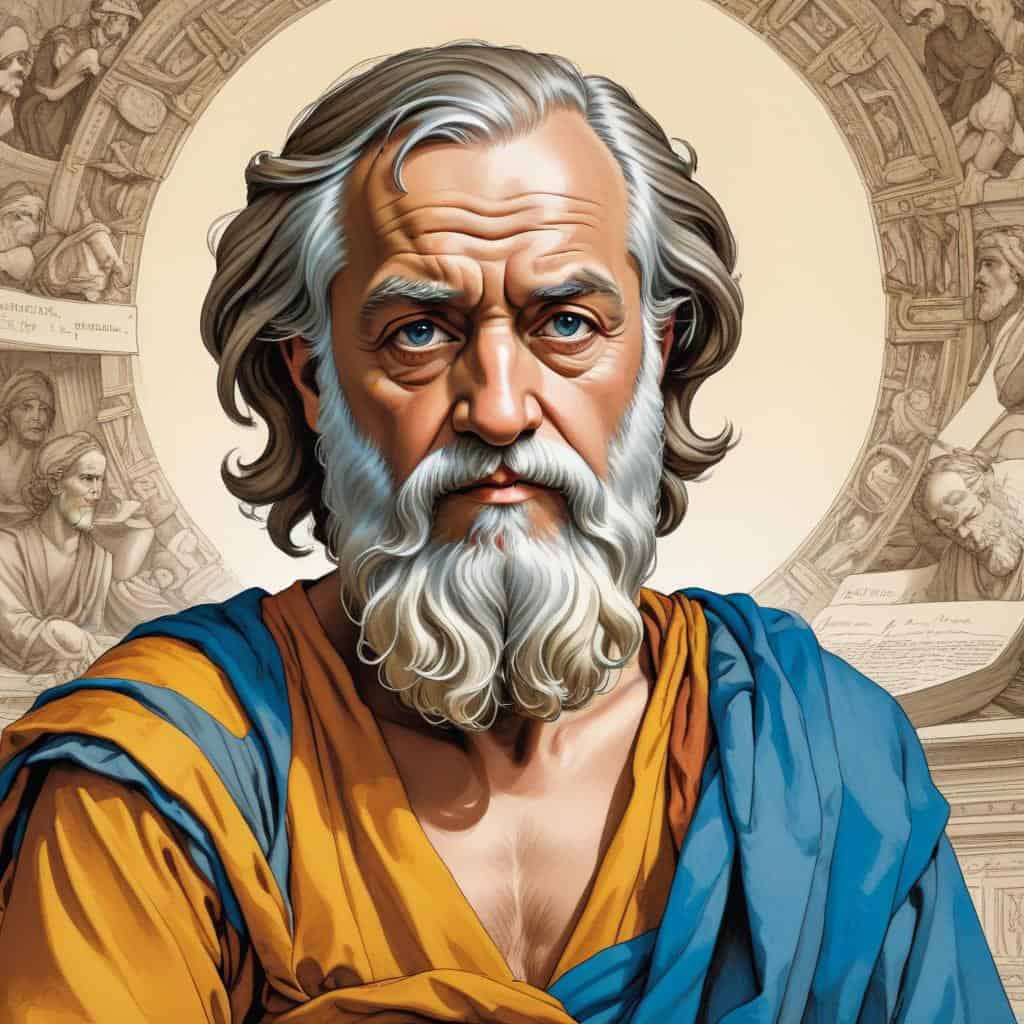
Plato
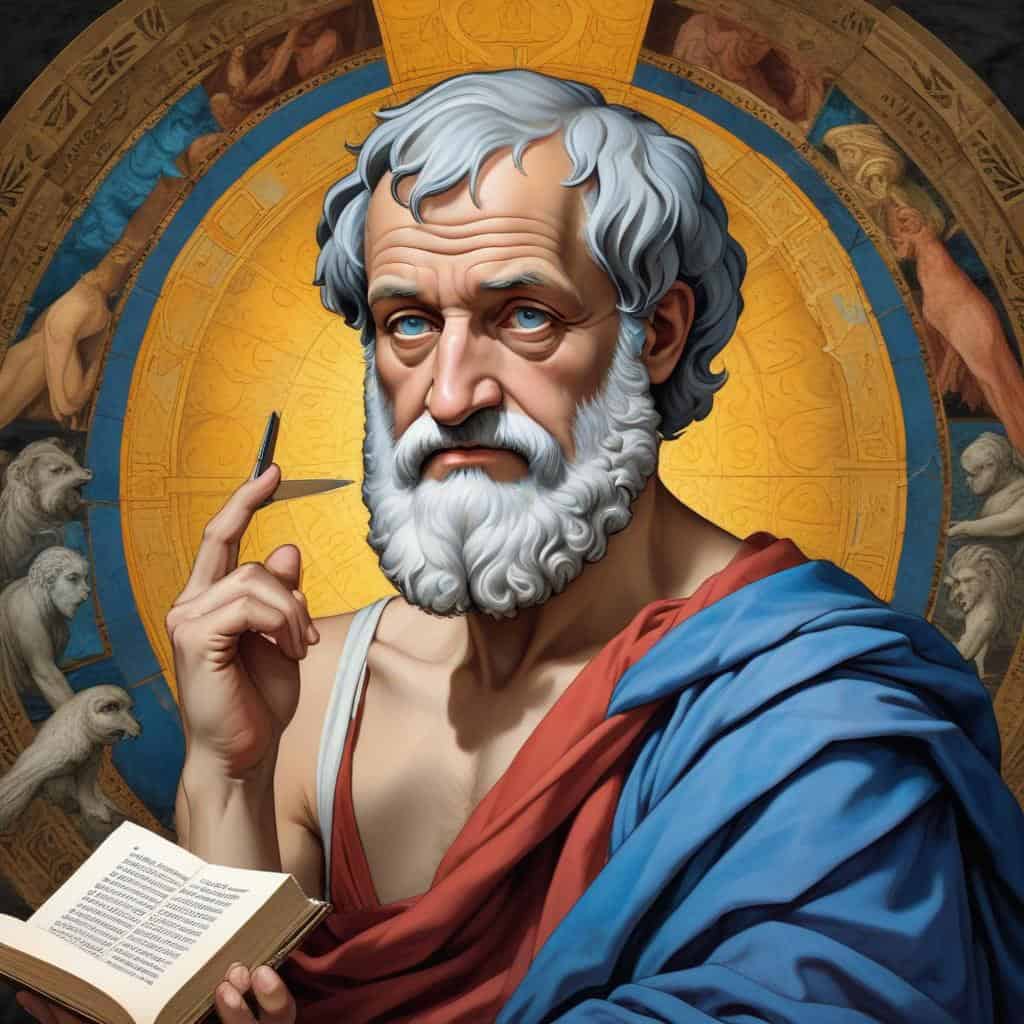
Aristotle
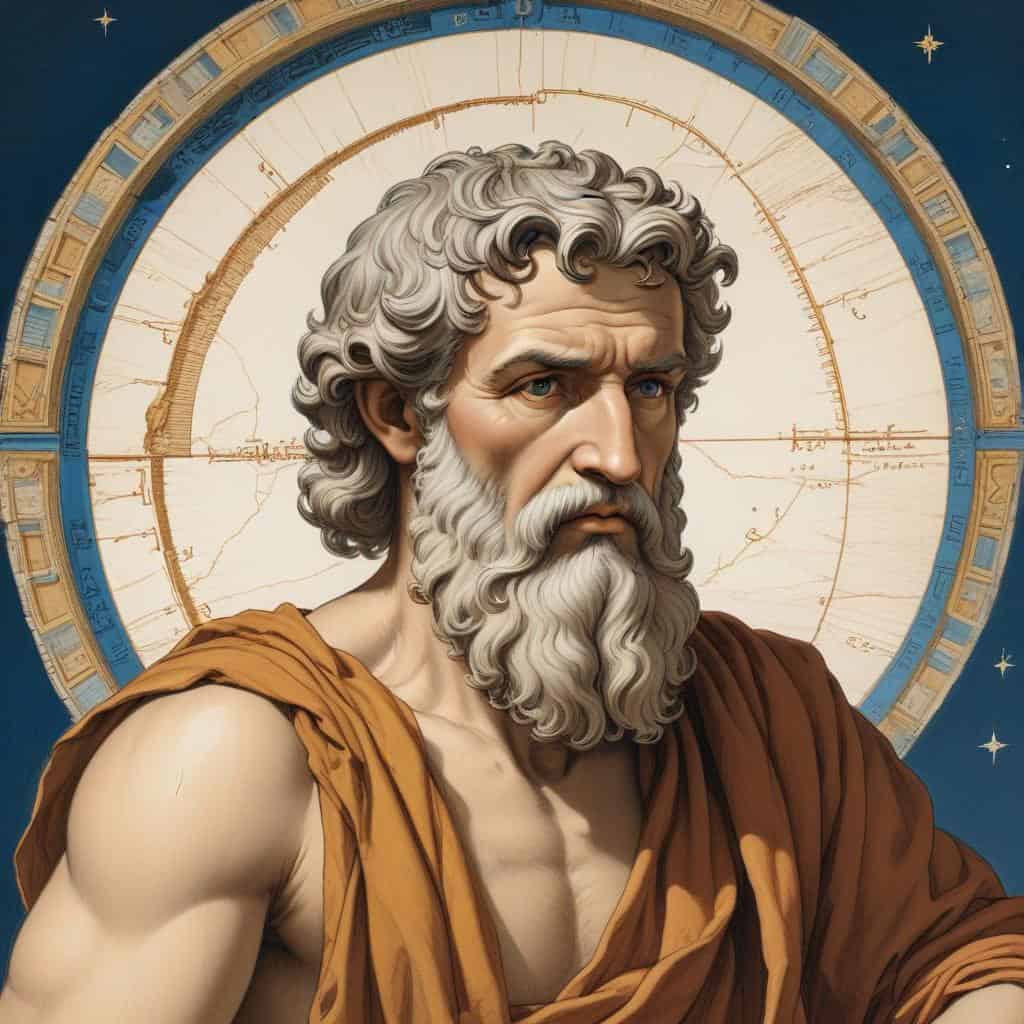
Thales of Miletus
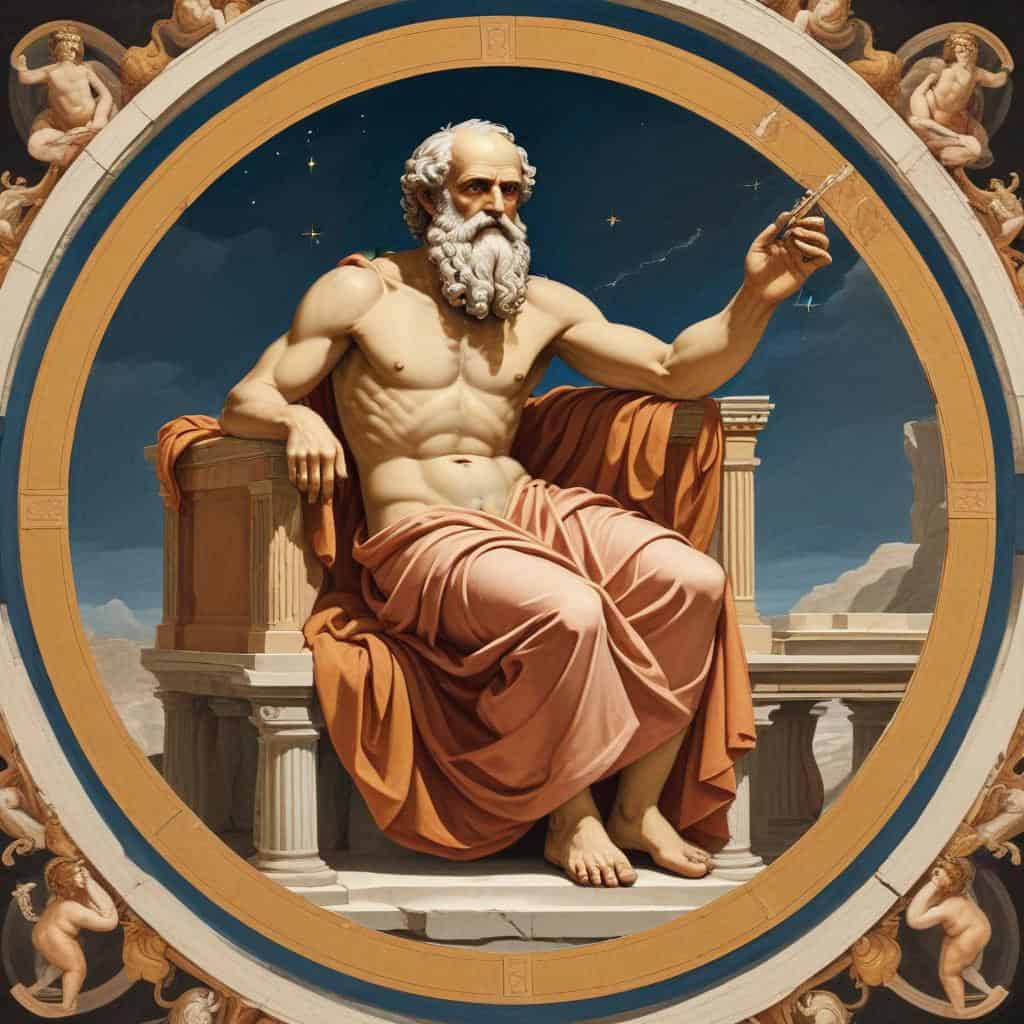
Anaximander
The Ancient Greeks: From Myth to Reason
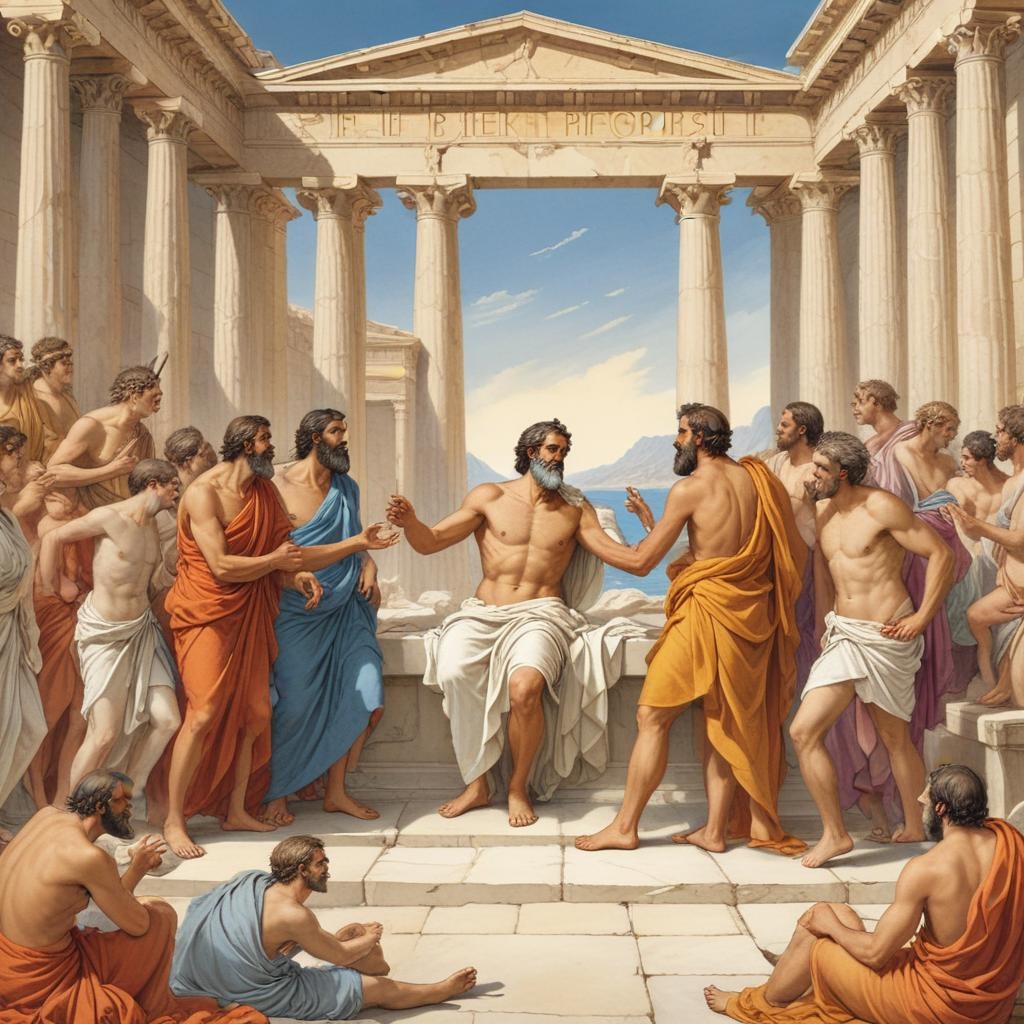
The Birth of Philosophy
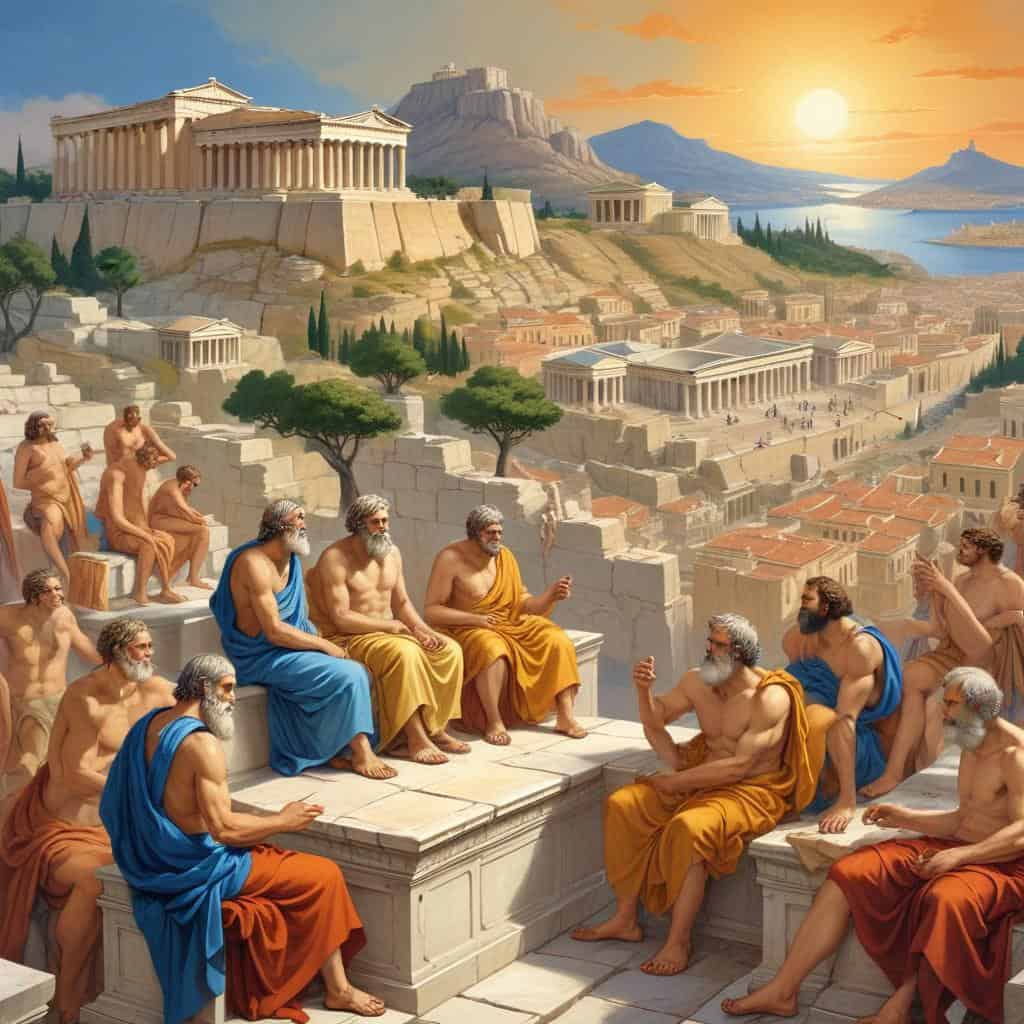
The Golden Age of Athens

The Legacy of Alexander the Great
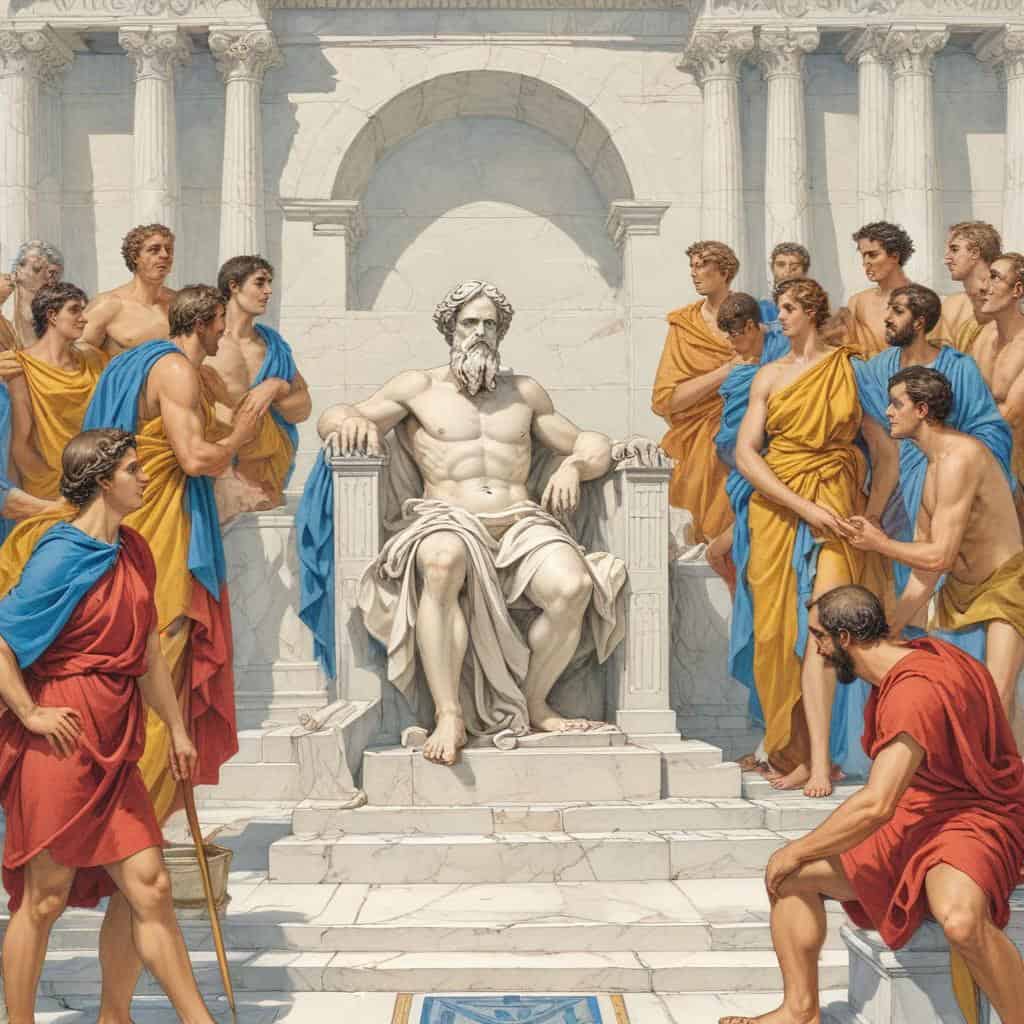
The Influence of Greek Philosophy
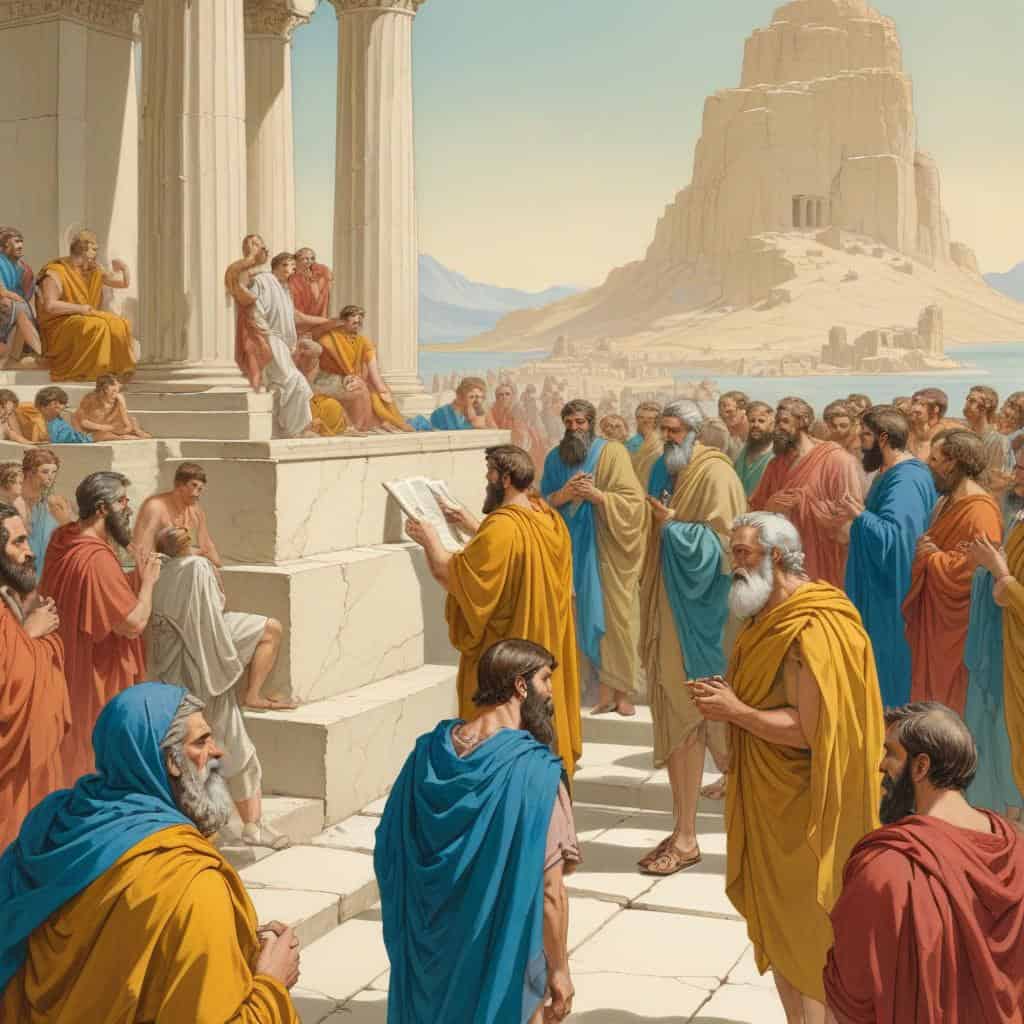
The Rise of Rationalism
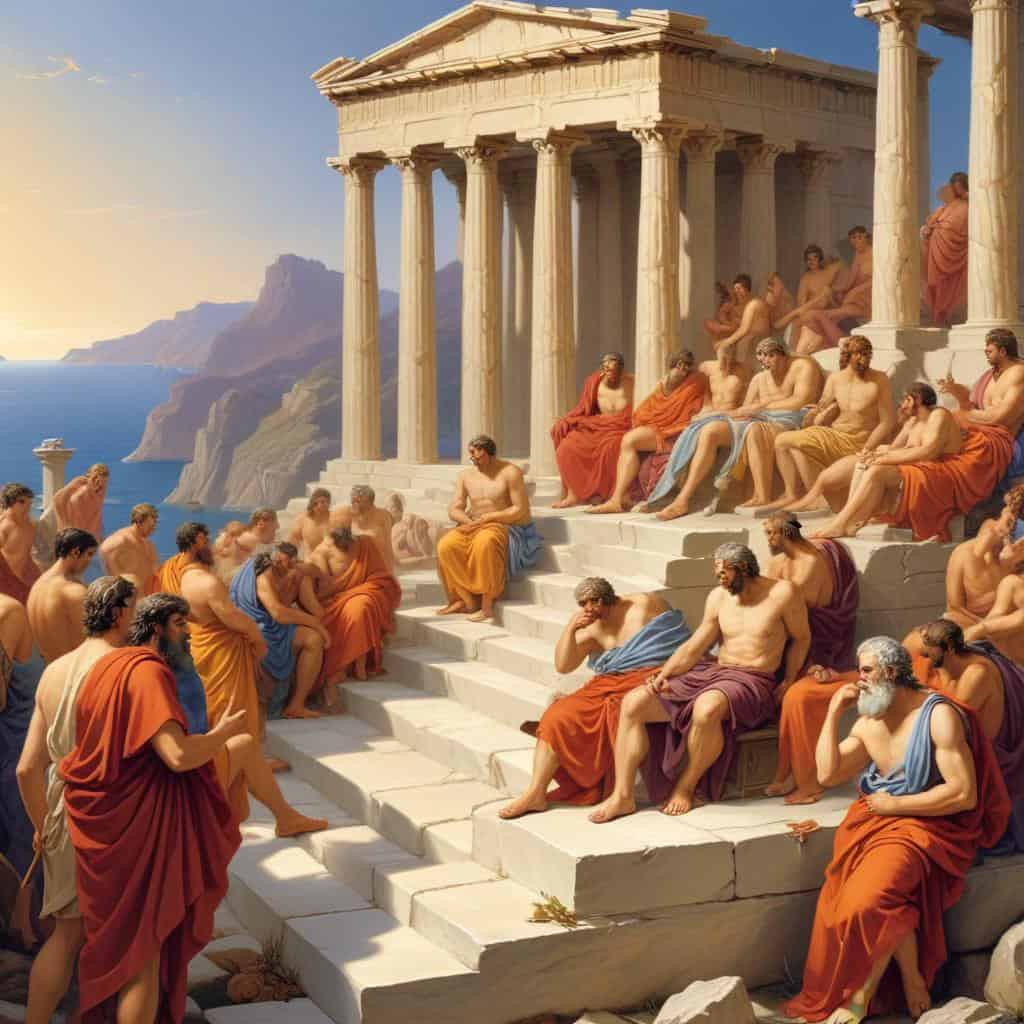
The Decline of Greek Philosophy
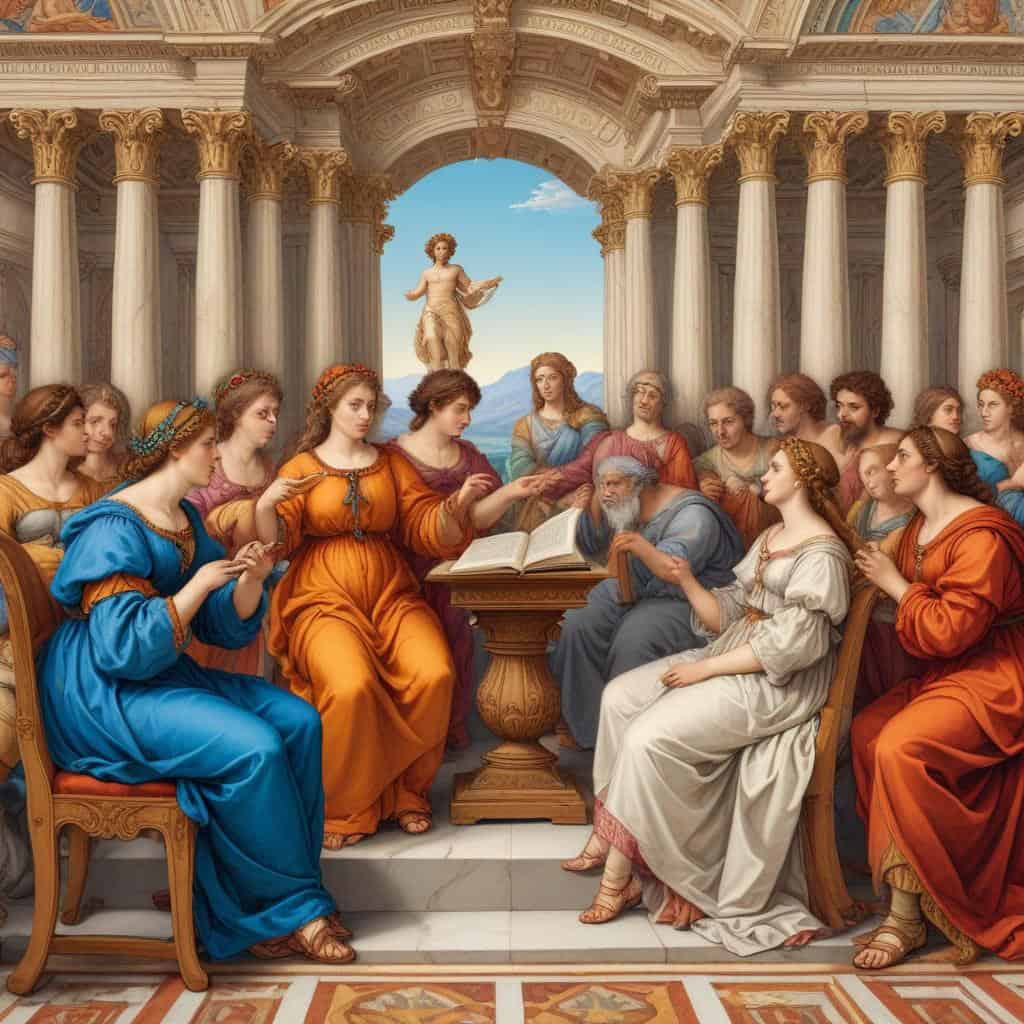
The Renaissance Revival
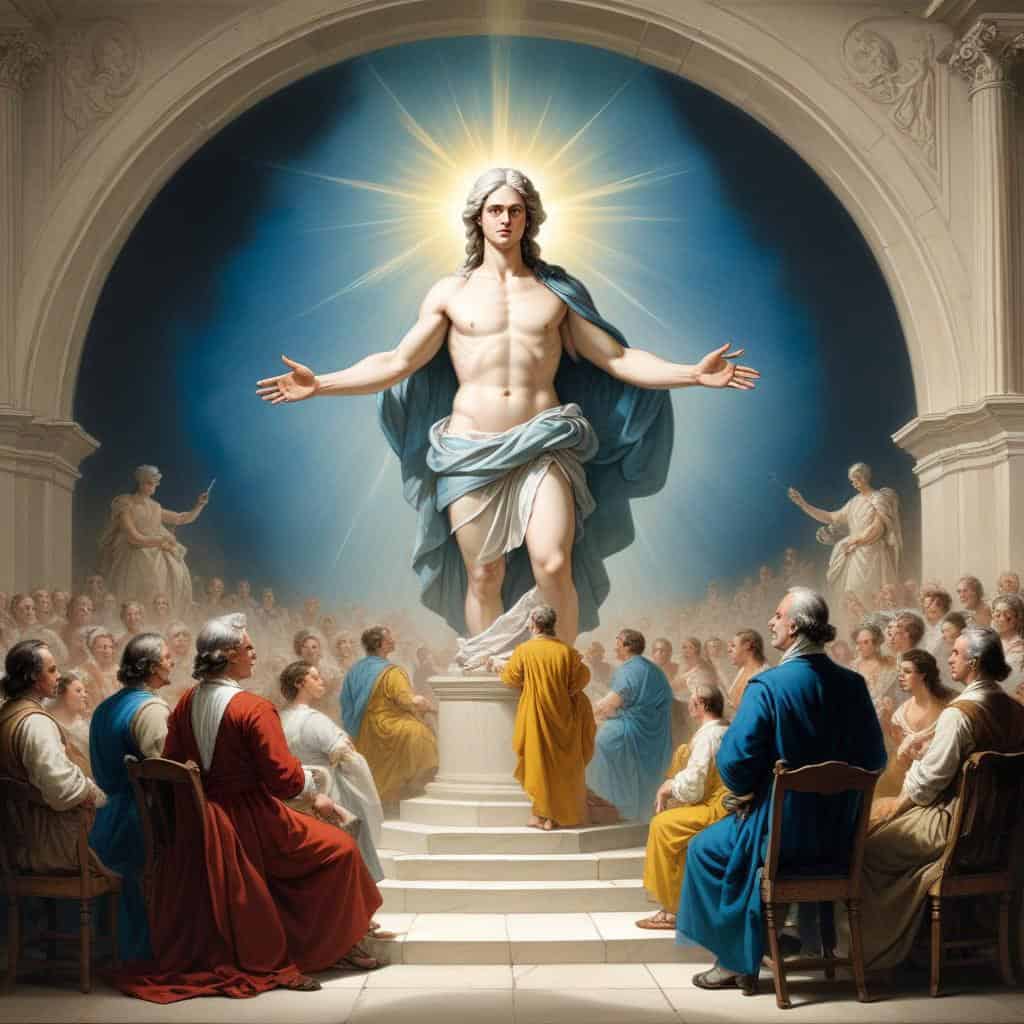
The Enlightenment Era
Modern Relevance
Lesson Details & Resources
In a Nutshell
- Concept: The transition from mythological explanations to rational inquiry in ancient Greek philosophy.
- Thinkers: Thales, Anaximander, Pythagoras, Heraclitus, Parmenides, Empedocles, Anaxagoras, Democritus, Socrates, Plato, Aristotle. 6th to 4th century BCE.
- Central Question: How can we understand the nature of the world and our place in it without relying on myths and supernatural explanations?
- Core Implication: The importance of reason, observation, and critical thinking in explaining natural phenomena and understanding human existence.
Timeline of The Ancient Greeks: From Myth To Reason:
Mythical stories of gods and heroes are told in Ancient Greece
Homer writes the Iliad and the Odyssey, epic poems that shape Greek culture
The Olympic Games are established in honor of Zeus
Thales of Miletus is considered the first Greek philosopher
Pythagoras founds a school of philosophy in Croton
Herodotus writes the Histories, often considered the first work of history
Sophocles writes Oedipus Rex, a classic Greek tragedy
Plato founds the Academy in Athens, a center for philosophical learning
Aristotle establishes his own school, the Lyceum, and becomes a tutor to Alexander the Great
The Library of Alexandria is founded, becoming a center of learning and knowledge
Euclid writes the Elements, a foundational work in geometry
Archimedes makes significant contributions to mathematics and physics
Epicurus founds the school of philosophy known as Epicureanism
Zeno of Citium founds the school of philosophy known as Stoicism
Theophrastus becomes the successor to Aristotle as head of the Lyceum
Ptolemy I Soter founds the Ptolemaic Kingdom in Egypt, becoming a center of Hellenistic culture
The Roman Republic conquers Greece, leading to the spread of Greek culture throughout the Roman Empire
Cicero translates Greek philosophical works into Latin, influencing Roman thought
The Neoplatonist philosopher Plotinus develops a system of metaphysics based on the teachings of Plato
Vocabulary List
- Mythology
- The Ancient Greeks believed in a rich mythology filled with gods and goddesses.
- Philosophy
- The Ancient Greeks were known for their contributions to philosophy, with famous thinkers like Socrates and Aristotle.
- Reason
- The Ancient Greeks valued reason and logic as essential tools for understanding the world around them.
- Democracy
- The Ancient Greeks are credited with inventing democracy, with the city-state of Athens being a notable example.
- Mythical
- The Ancient Greeks had a rich tradition of mythical stories featuring heroes, monsters, and gods.
- Rationality
- The Ancient Greeks emphasized the importance of rationality in their philosophical and scientific pursuits.
Key Facts
This is the information used in the fact matching game
- The Ancient Greeks believed in a pantheon of gods and goddesses who controlled various aspects of human life and the natural world.
- Greek philosophers sought to understand the underlying principles of the universe and human existence through reason and logic.
- The concept of democracy, as developed by the Ancient Greeks, emphasized the importance of individual freedoms and participation in government.
- Socrates, a prominent Greek philosopher, is known for his method of questioning to arrive at truth and knowledge.
- Plato, a student of Socrates, founded the Academy in Athens and wrote extensively on metaphysics, ethics, and politics.
- Aristotle, another student of Plato, is considered one of the greatest philosophers of all time and made significant contributions to logic, ethics, and biology.
- The Ancient Greeks believed in the importance of virtue and living a morally upright life.
- The philosophy of Stoicism, developed by Zeno of Citium, emphasized self-control, rationality, and acceptance of fate.
- Epicureanism, founded by Epicurus, focused on the pursuit of pleasure and the avoidance of pain as the highest good in life.
- The Ancient Greeks believed in the concept of the Golden Mean, or finding the balance between extremes in order to achieve harmony and moderation.
- The philosophy of cynicism, founded by Diogenes of Sinope, rejected material wealth and social conventions in favor of living in accordance with nature.
- The Ancient Greeks valued education and intellectual pursuits, viewing them as essential for personal growth and societal progress.
- The concept of the soul and its immortality was a central theme in Ancient Greek philosophy, with various schools of thought offering different interpretations.
- The Greek tragedians, such as Aeschylus, Sophocles, and Euripides, explored themes of fate, free will, and the human condition in their plays.
- The Ancient Greeks believed in the power of reason and rationality to guide human behavior and decision-making.
- The concept of ethics, or moral philosophy, was a central concern for Ancient Greek philosophers, who sought to understand the nature of right and wrong conduct.
- The Sophists were a group of traveling teachers in Ancient Greece who specialized in rhetoric and the art of persuasion.
- The Ancient Greeks believed in the power of human reason to uncover universal truths and principles that govern the natural world and human behavior.
- The Parthenon, a temple dedicated to the goddess Athena, is considered one of the greatest achievements of Ancient Greek architecture and symbolizes the ideals of reason, harmony, and beauty.
- The Ancient Greeks made significant contributions to mathematics, astronomy, and medicine, laying the foundation for modern scientific inquiry and knowledge.
Analysis & Significance
The Core Argument
The core argument behind the concept of ‘The Ancient Greeks: From Myth to Reason’ is the shift from a mythological understanding of the world to a rational and philosophical approach. This transition marked a significant development in human thought, as it emphasized the importance of reason, logic, and critical inquiry in understanding the natural world and human existence.
Criticisms and Counterarguments
One major criticism of this transition is the loss of the poetic and imaginative richness found in mythological narratives. Some argue that the move towards reason and logic has led to a devaluation of the symbolic and metaphorical power of myth, which can offer profound insights into the human experience beyond what pure reason can provide.
Modern Relevance
The concept of transitioning from myth to reason remains relevant in contemporary society, especially in the age of science and technology. It prompts us to reflect on the balance between rational thought and emotional intuition, and how we can incorporate both mythological and rational perspectives to address complex ethical dilemmas and existential questions in our modern world.
The Ancient Greeks: From Myth To Reason: Games


Take Your Learning Offline
Want a convenient, print-ready study guide for this lesson? Become a Memory Wizards Pro member to unlock the downloadable " Memory Scrolls" for this topic and our entire library!
- ✓ Complete Vocabulary Lists
- ✓ Key Facts & Timelines
- ✓ Beautifully Formatted for Print & Mobile