
The 20th Century: The Age Of Uncertainty
What legacy will you leave in the age of uncertainty?
How Do You Learn Best?
Learn by Listening
Start with the 3-minute audio summary to get the key facts and narrative highlights quickly.
Learn by Reading
Immerse yourself in the 10-minute visual lesson for a comprehensive understanding of the topic.
Learn by Reviewing
Jump directly to the key facts, timeline, and vocabulary lists to build a solid foundation of details.
Learn by Doing
Challenge yourself! Jump straight into the interactive games to learn by trial, error, and discovery.
Audio Library
As one of our featured lessons, this topic includes premium audio guides.
Unlock the Wizard's Cram Session
This powerful audio study guide is a Pro-exclusive feature. Upgrade to Memory Wizards Pro to access this and all of our premium learning tools.
Upgrade to ProThe 20th Century: The Age Of Uncertainty in 10 Minutes
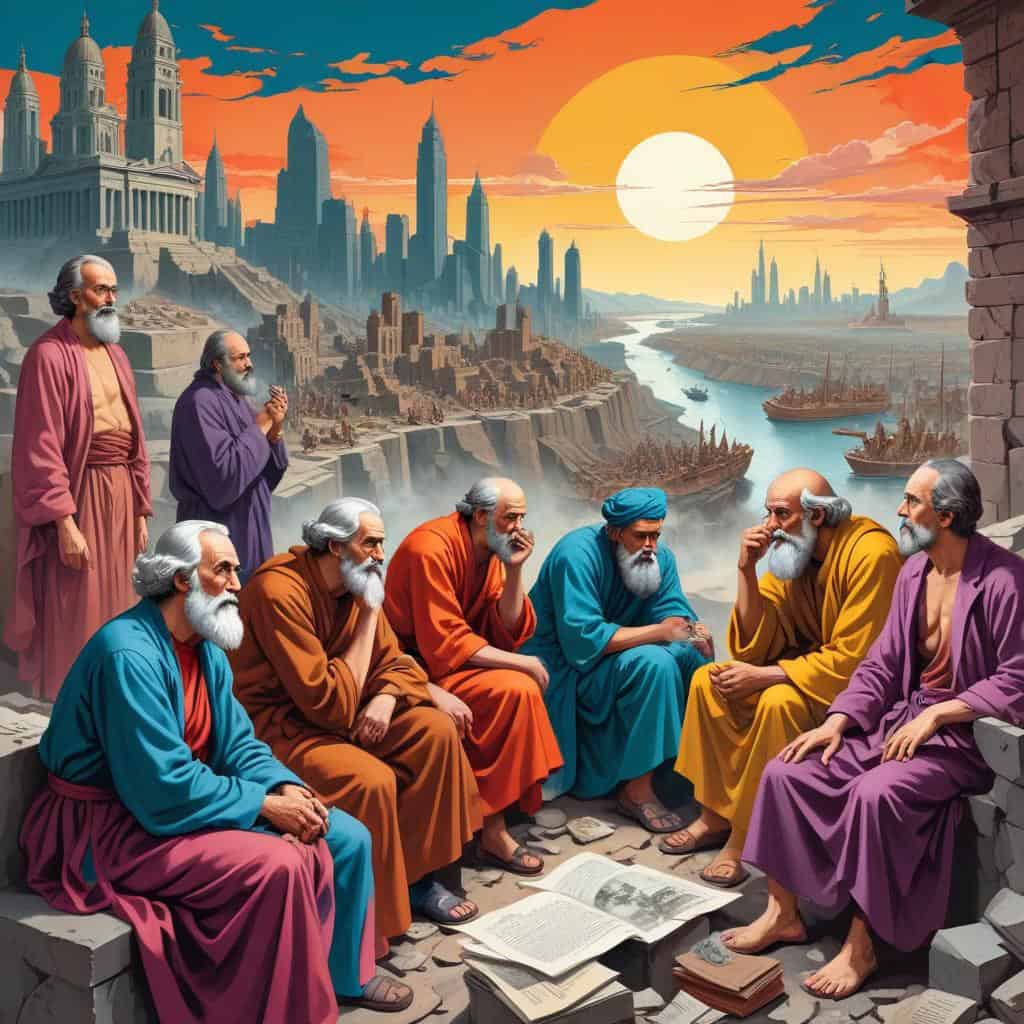
Introduction



Albert Camus
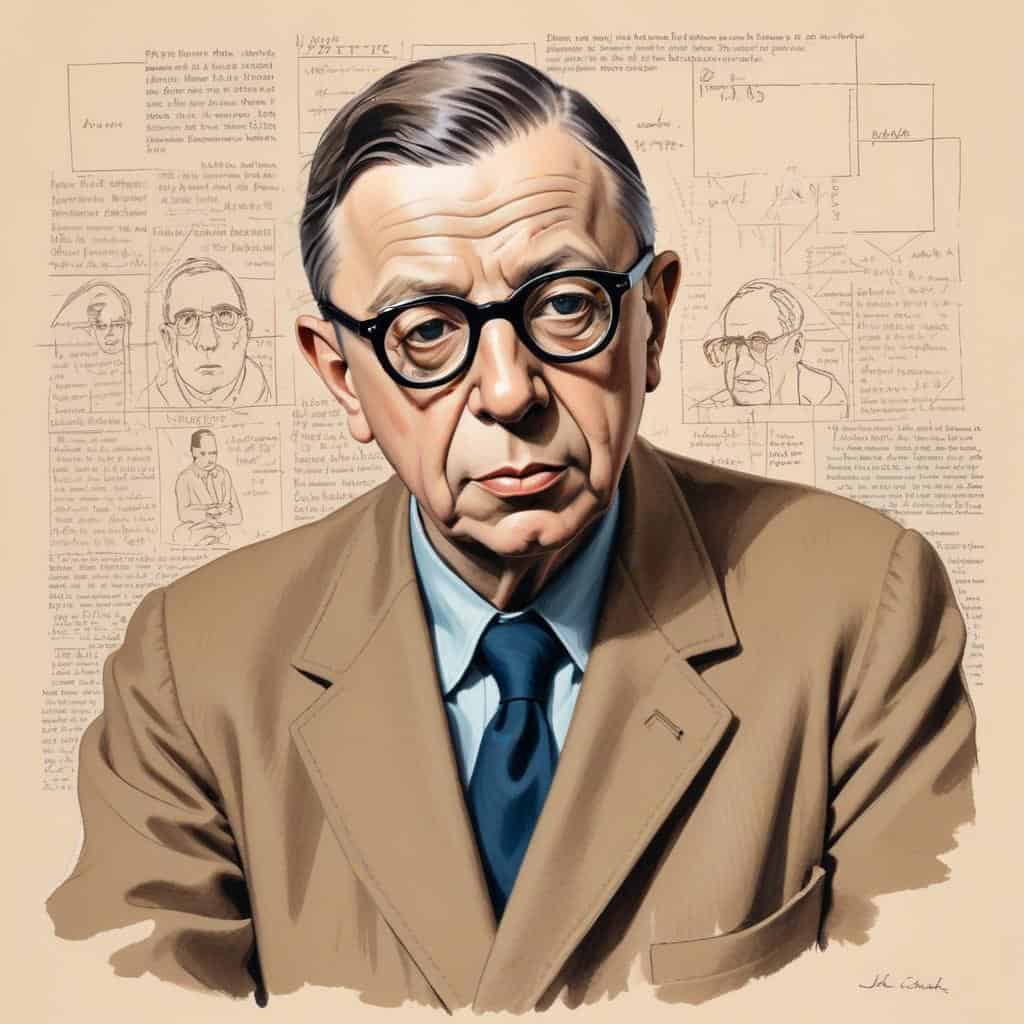
Jean-Paul Sartre
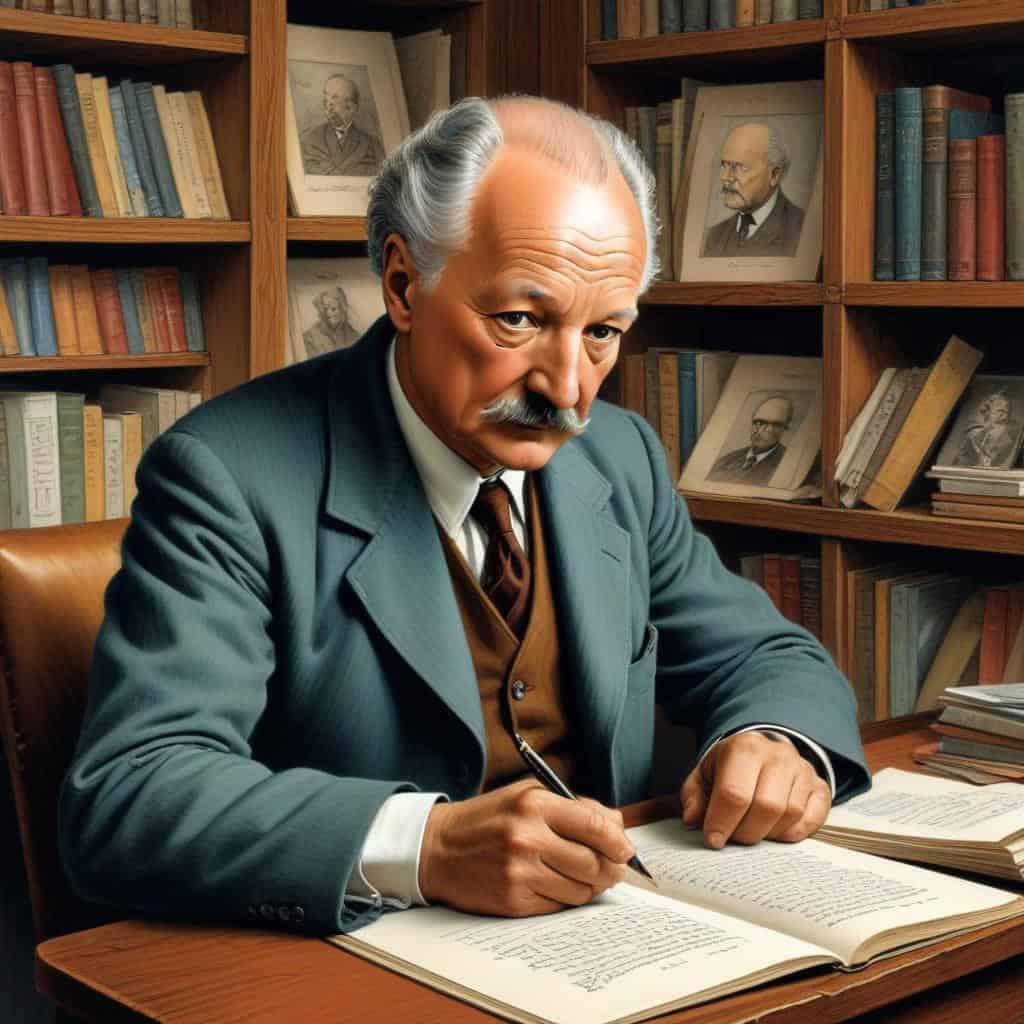
Martin Heidegger
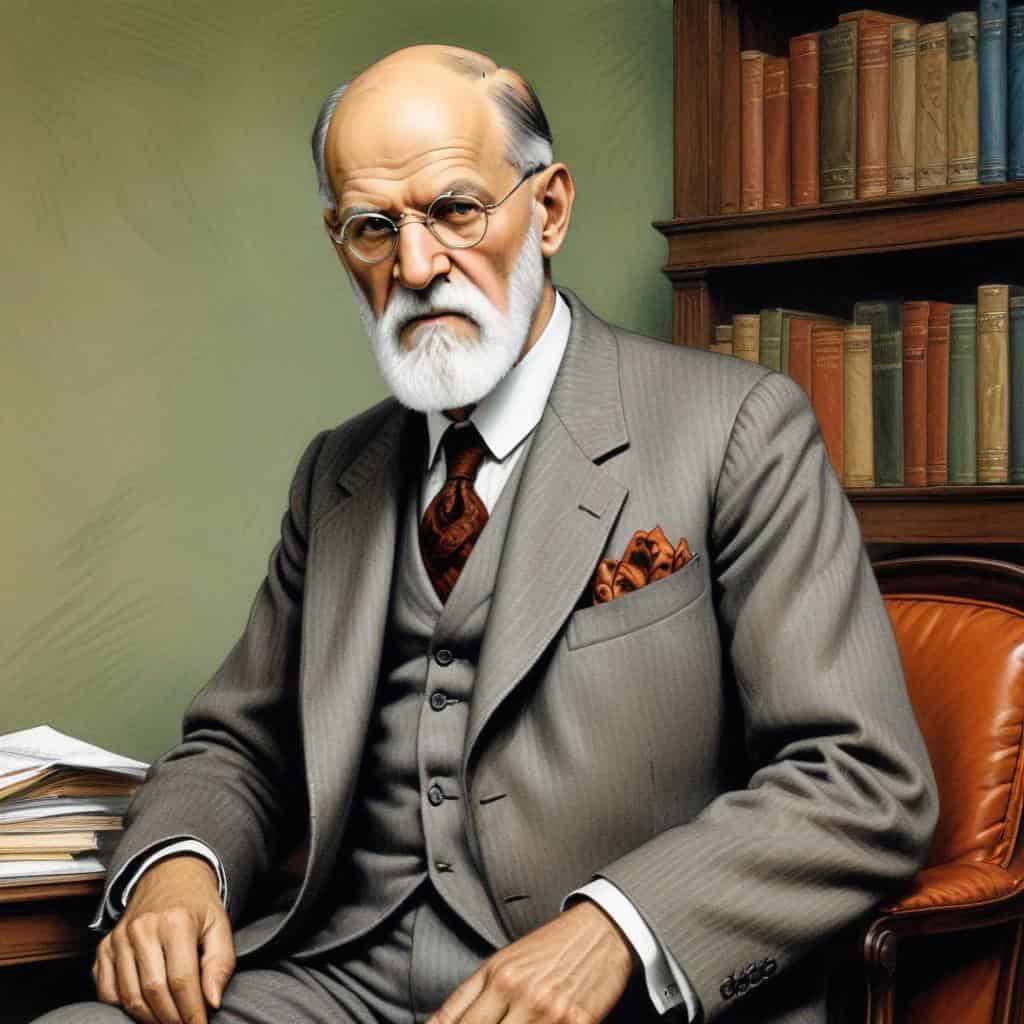
Sigmund Freud

Friedrich Nietzsche

The Rise of Industrialization
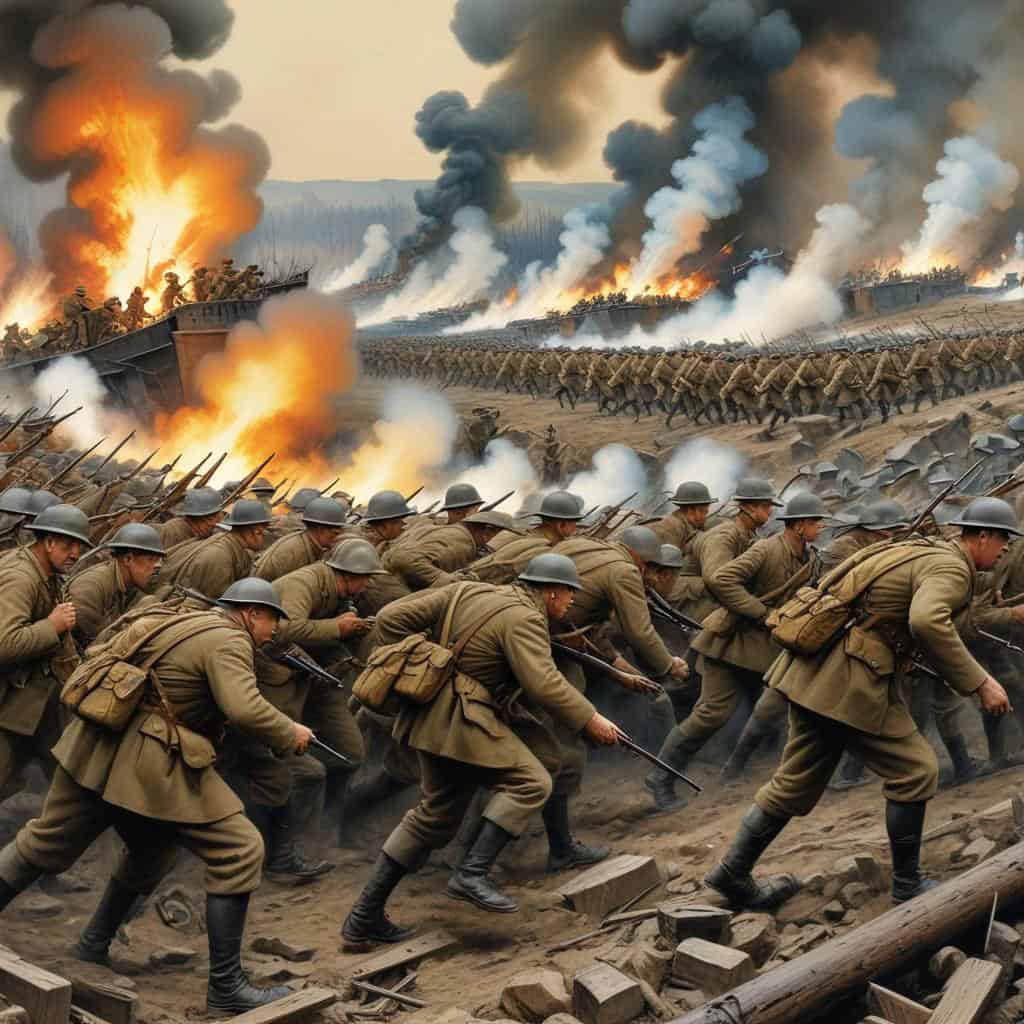
World War I
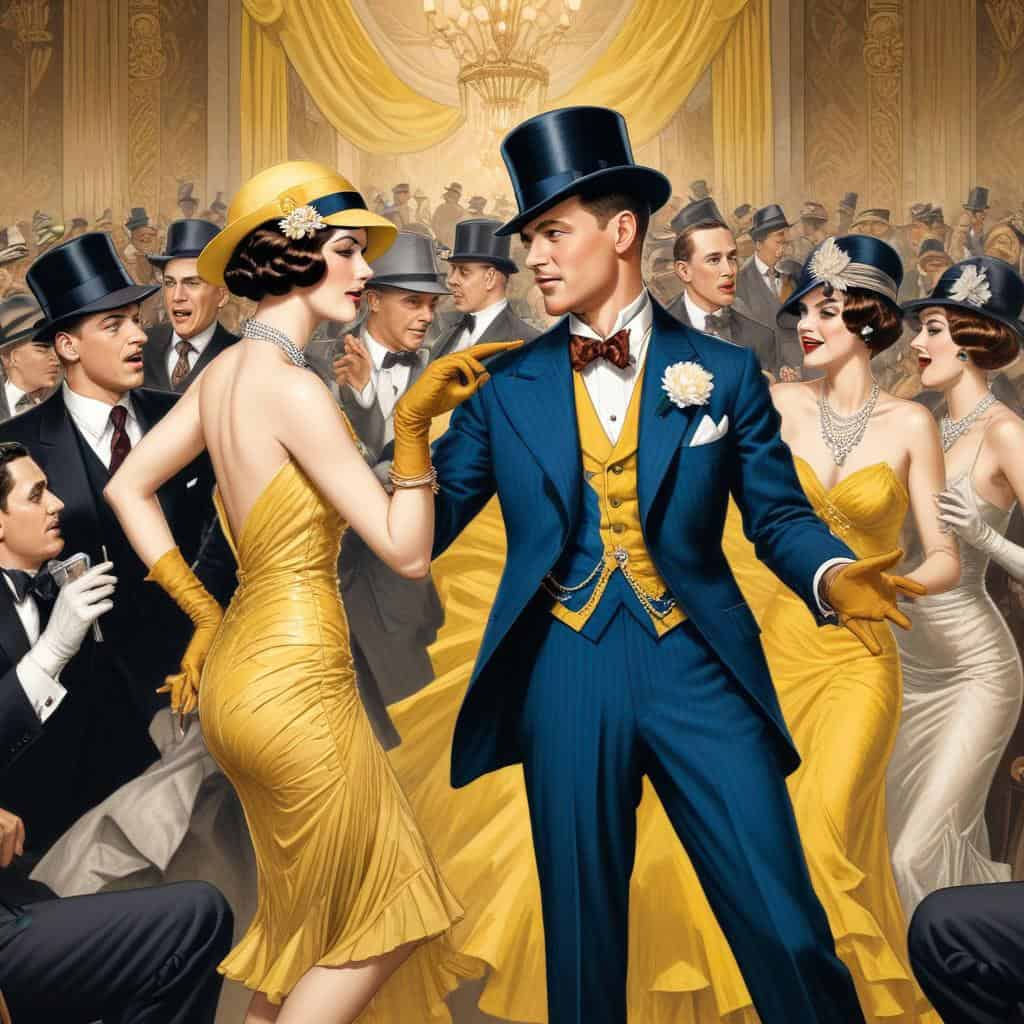
The Roaring Twenties
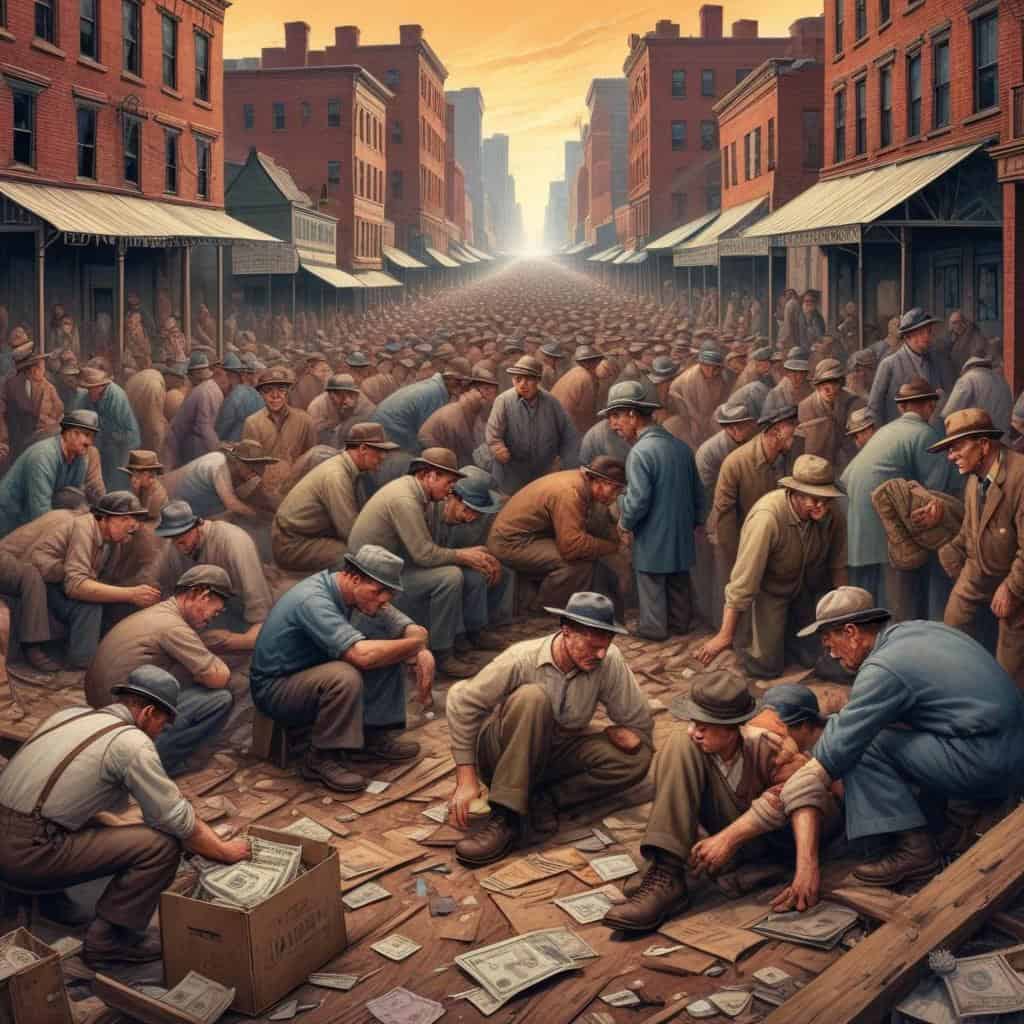
The Great Depression
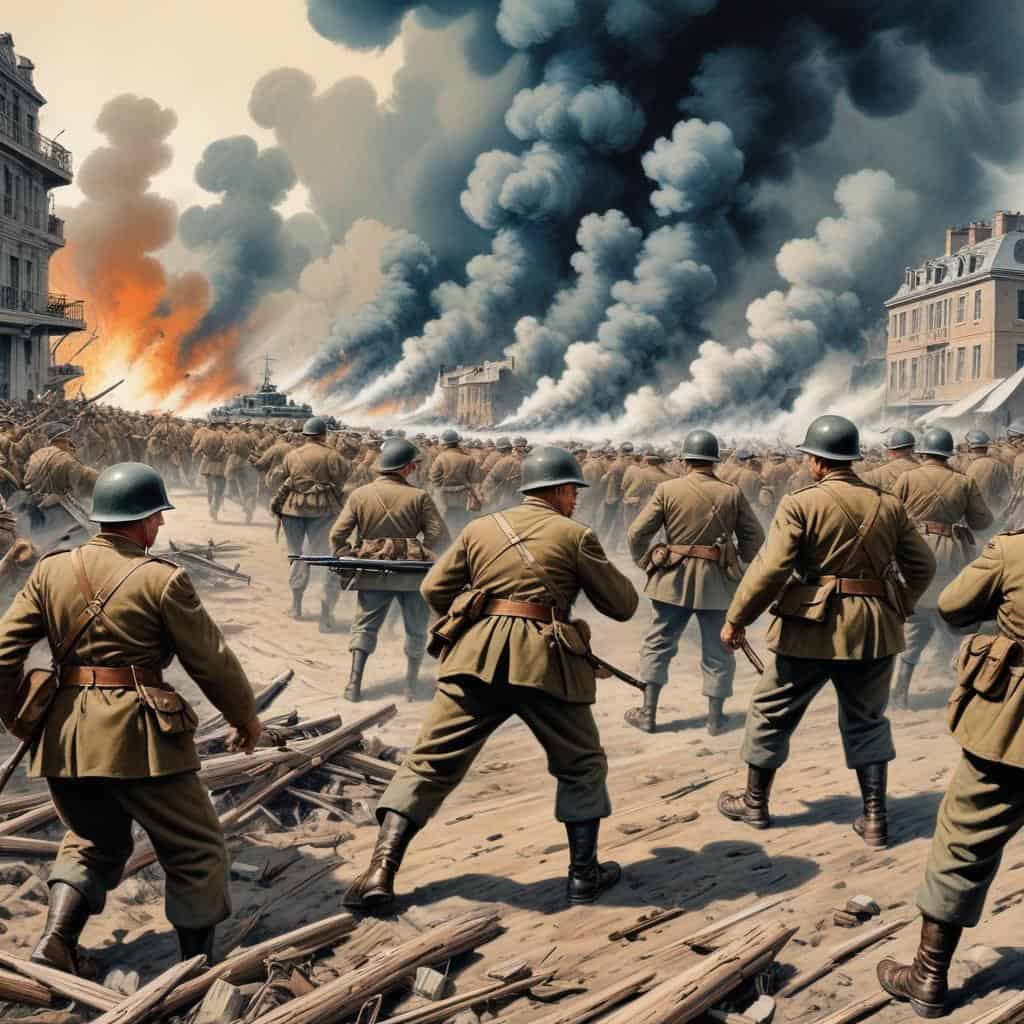
World War II
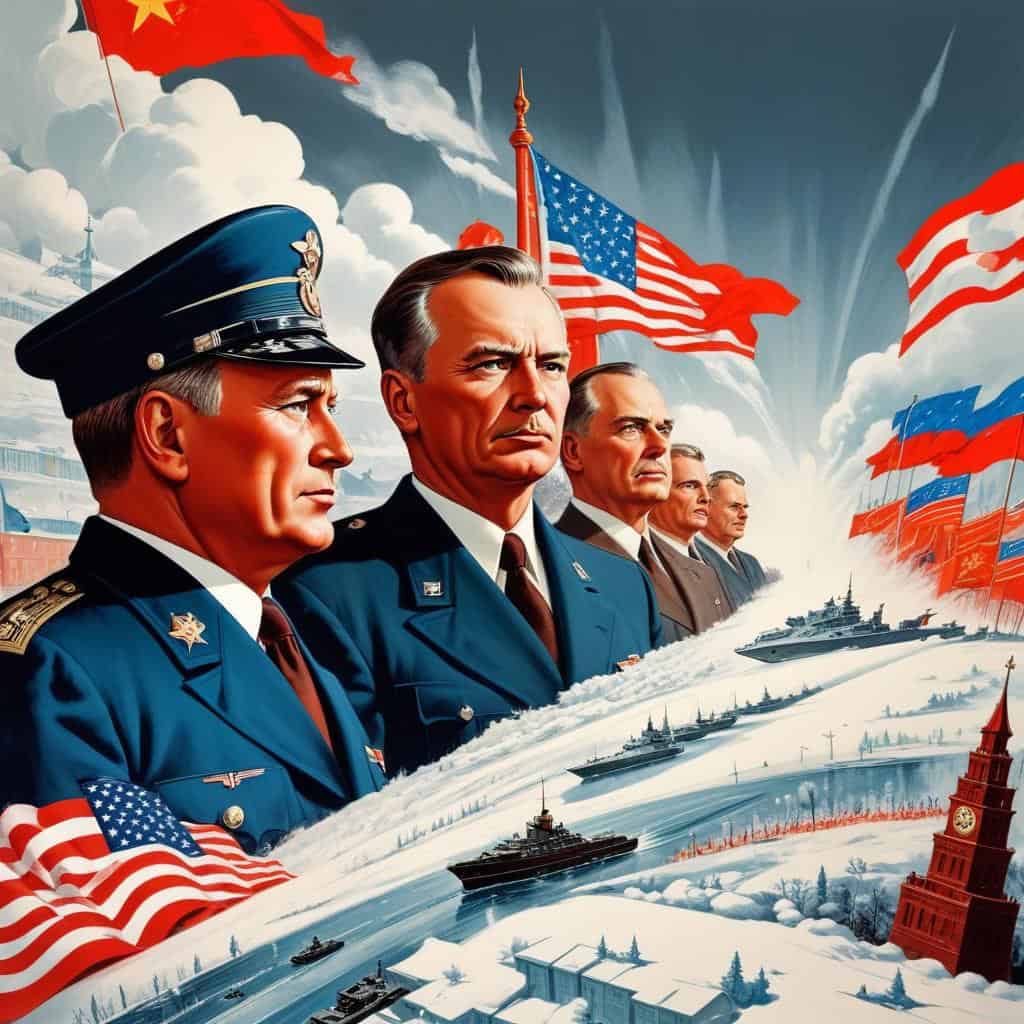
The Cold War
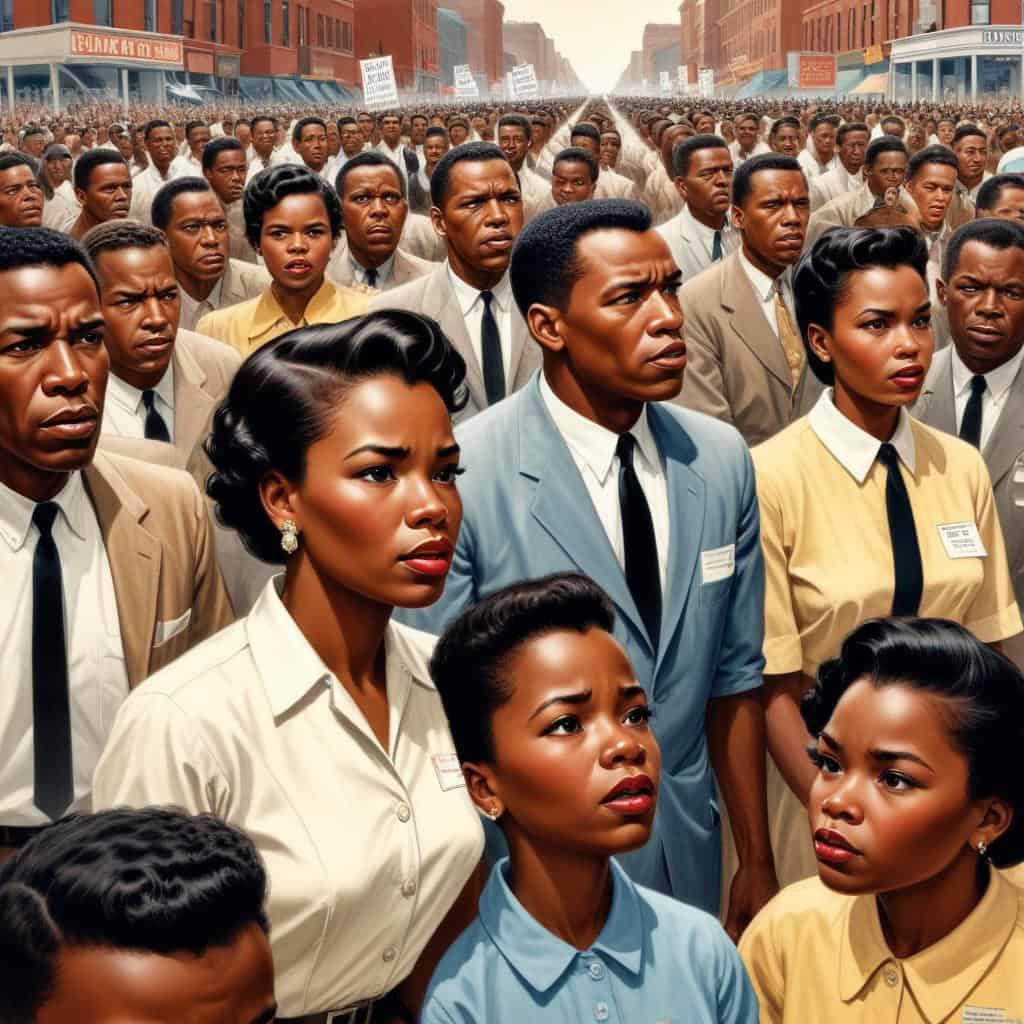
The Civil Rights Movement

The Space Race
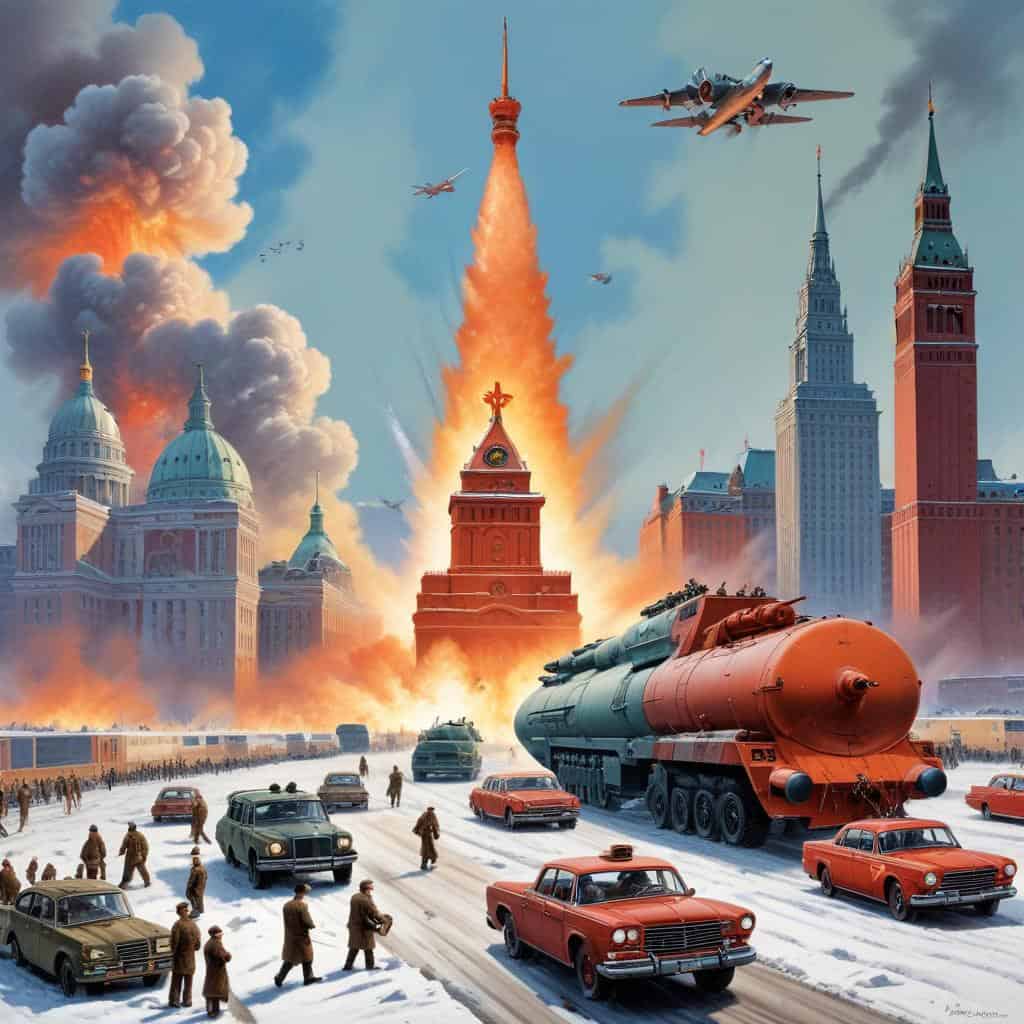
The End of the Cold War

The Rise of Globalization
Lesson Details & Resources
In a Nutshell
- Concept: A period in the 20th century marked by uncertainty and questioning of traditional beliefs and values.
- Thinkers: Various philosophers and intellectuals, spanning from the early 1900s to the late 20th century.
- Central Question: How can we make sense of a rapidly changing world and navigate the complexities of modern life?
- Core Implication: The need for individuals to embrace uncertainty, think critically, and adapt to new challenges in order to thrive in the modern era.
Timeline of The 20th Century: The Age Of Uncertainty
World War I begins
Russian Revolution
Treaty of Versailles signed
Great Depression begins
World War II begins
Atomic bombings of Hiroshima and Nagasaki
Cold War begins
United Nations established
Decolonization movements gain momentum
Civil rights movement in the United States
Cuban Missile Crisis
Vietnam War
Fall of the Berlin Wall
End of the Cold War
9/11 terrorist attacks
Global financial crisis
Arab Spring uprisings
Brexit referendum
COVID-19 pandemic
Rise of populist movements around the world
Vocabulary List
- Existentialism
- Existentialism became a prominent philosophy in the 20th century, with thinkers like Jean-Paul Sartre and Albert Camus exploring the meaning of life and the nature of existence.
- Absurdism
- Absurdism was a common theme in 20th century literature and art, with artists like Samuel Beckett and Franz Kafka exploring the idea of a chaotic, irrational world.
- Nihilism
- Nihilism was a popular theme in 20th century literature, with authors like Friedrich Nietzsche and Thomas Pynchon questioning traditional values and beliefs.
- Postmodernism
- Postmodernism emerged as a prominent artistic and literary movement in the late 20th century, challenging the idea of fixed truths and questioning the nature of reality.
Key Facts
This is the information used in the fact matching game
- The 20th century was marked by rapid advancements in technology and science, leading to increased uncertainty about the future.
- Philosophers of the 20th century grappled with the existential crisis brought on by two world wars and the rise of totalitarian regimes.
- The rise of postmodernism in the 20th century challenged traditional notions of truth, knowledge, and reality.
- Existentialist philosophers like Jean-Paul Sartre and Albert Camus explored the absurdity of life in a world filled with uncertainty.
- The 20th century saw the emergence of critical theory, which sought to analyze and critique the power structures that perpetuated inequality and oppression.
- The Cold War era brought about a heightened sense of fear and anxiety, leading to philosophical reflections on the nature of power and security.
- The destruction caused by two world wars forced philosophers to confront the ethical implications of violence and war.
- The 20th century witnessed the rise of globalization, creating a more interconnected and interdependent world that raised questions about identity and belonging.
- Feminist philosophers in the 20th century challenged traditional gender norms and explored the complexities of power and privilege.
- The 20th century saw the development of theories of postcolonialism, which critiqued the legacies of imperialism and colonialism.
- Environmental philosophers in the 20th century raised concerns about the impact of human activity on the planet, leading to reflections on our ethical responsibilities to the environment.
- The 20th century witnessed the rise of consumer culture and mass media, leading to questions about the nature of reality in a world saturated with images and information.
- The 20th century saw the proliferation of new technologies like the internet, raising questions about the nature of identity and communication in a digital age.
- Philosophers in the 20th century explored the limits of human knowledge and the challenges of navigating a world where certainty is elusive.
- The 20th century saw the rise of existentialist philosophy, which emphasized the individual's responsibility to create meaning in a seemingly meaningless world.
- The 20th century witnessed the development of phenomenology, a philosophical approach that focused on the study of consciousness and subjective experience.
- The 20th century saw the emergence of deconstruction as a philosophical method, challenging the idea of fixed meanings and binary oppositions.
- Philosophers in the 20th century grappled with the implications of quantum theory and relativity, which challenged traditional notions of causality and determinism.
- The 20th century witnessed the rise of pragmatism as a philosophical approach that emphasized the practical consequences of beliefs and actions.
- Philosophers in the 20th century sought to navigate the complexities of a rapidly changing world, embracing uncertainty as a fundamental aspect of human existence.
Analysis & Significance
The Core Argument
The 20th Century was marked by unprecedented social, political, and technological upheavals that created a profound sense of uncertainty and anxiety. Philosophers like Bertrand Russell and Karl Popper grappled with questions about the nature of reality, knowledge, and human progress, leading to a skepticism towards traditional beliefs and ideologies.
Criticisms and Counterarguments
Critics of the Age of Uncertainty argue that the skepticism and relativism it fostered may have contributed to a loss of moral clarity and ethical values in society. They question whether the rejection of absolutes and universal truths has left individuals adrift in a sea of subjective opinions and competing ideologies.
Modern Relevance
The legacy of the Age of Uncertainty continues to shape contemporary debates on issues such as cultural relativism, political polarization, and the role of technology in society. In an era of fake news and information overload, the critical thinking skills and open-mindedness championed by philosophers of the 20th Century are more relevant than ever in navigating the complexities of the modern world.
The 20th Century: The Age Of Uncertainty Games


Take Your Learning Offline
Want a convenient, print-ready study guide for this lesson? Become a Memory Wizards Pro member to unlock the downloadable " Memory Scrolls" for this topic and our entire library!
- ✓ Complete Vocabulary Lists
- ✓ Key Facts & Timelines
- ✓ Beautifully Formatted for Print & Mobile