
How Do You Learn Best?
Learn by Reading
Immerse yourself in the 10-minute visual lesson for a comprehensive understanding of the topic.
Learn by Reviewing
Jump directly to the key facts, timeline, and vocabulary lists to build a solid foundation of details.
Learn by Doing
Challenge yourself! Jump straight into the interactive games to learn by trial, error, and discovery.
The Masterpiece: Venus of Urbino by Titian
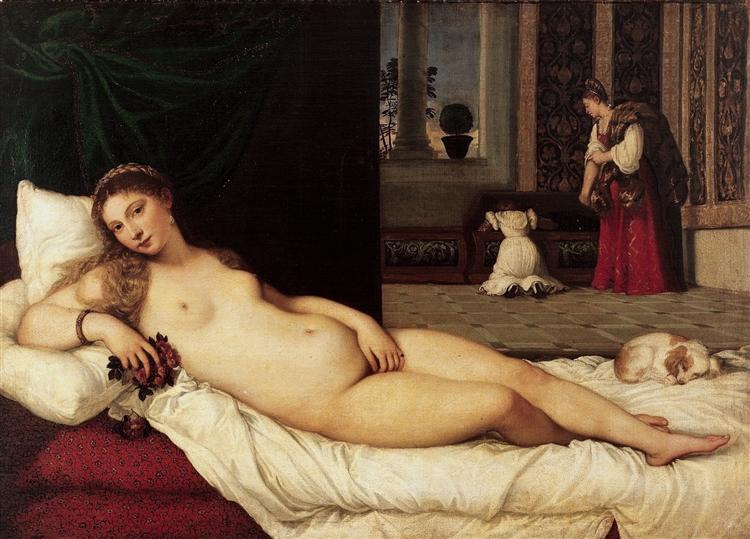
Deconstructing the Masterpiece
Reclining Pose
The relaxed and sensual pose of Venus emphasizes her beauty and invites the viewer to gaze upon her form.
Direct Gaze
Venus's direct eye contact with the viewer creates a sense of intimacy and engagement, drawing the viewer into the painting.
Rich Color Palette
The warm, earthy tones and luxurious use of color enhance the sense of sensuality and opulence in the painting.
Titian: An Analysis in 10 Minutes
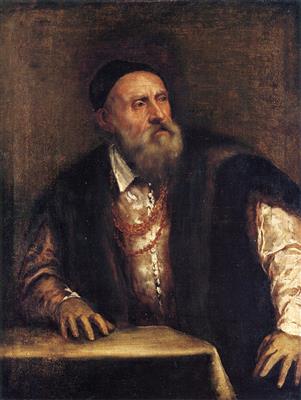
Introduction
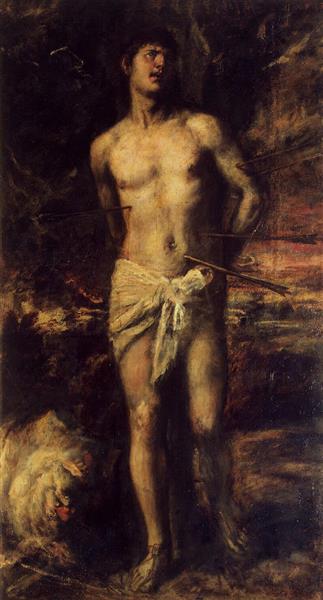
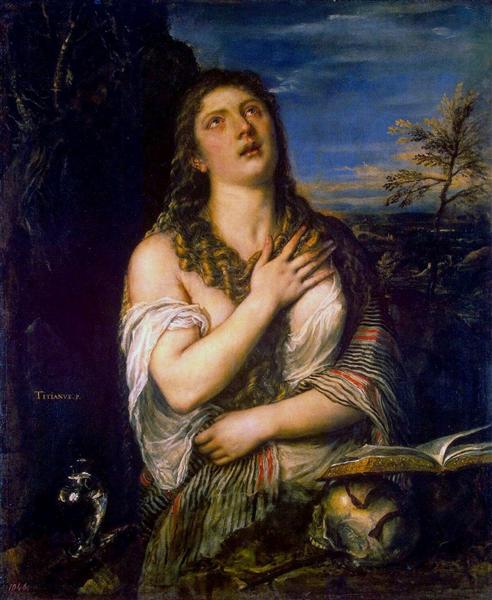

Giorgione

Raphael

Michelangelo

Albrecht Dürer
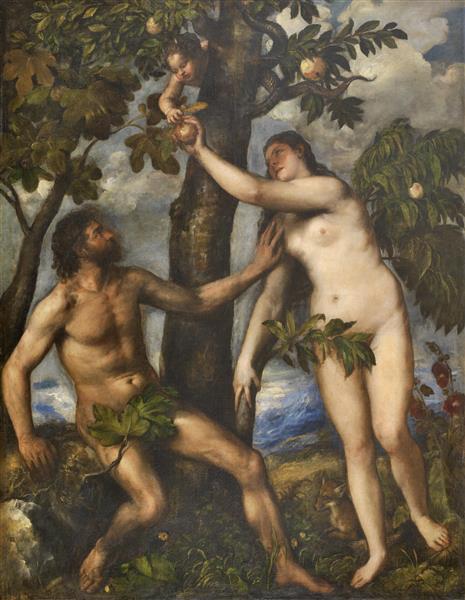
The Early Life of Titian
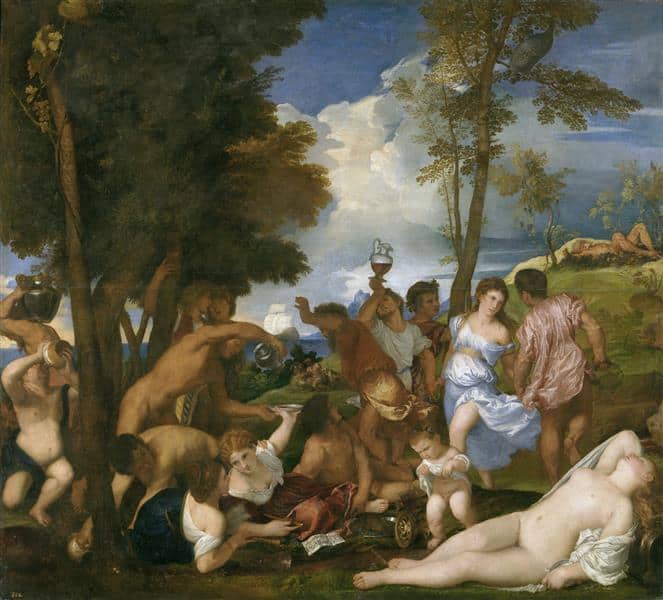
Titians Training and Influences

The Rise of Titian
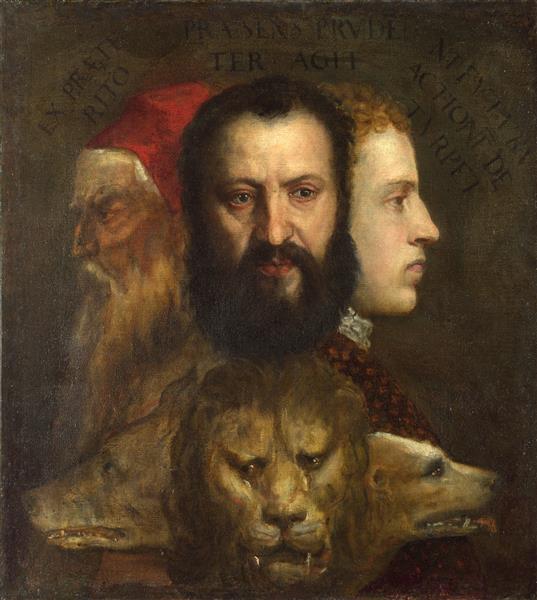
Titians Masterpieces
Titians Legacy
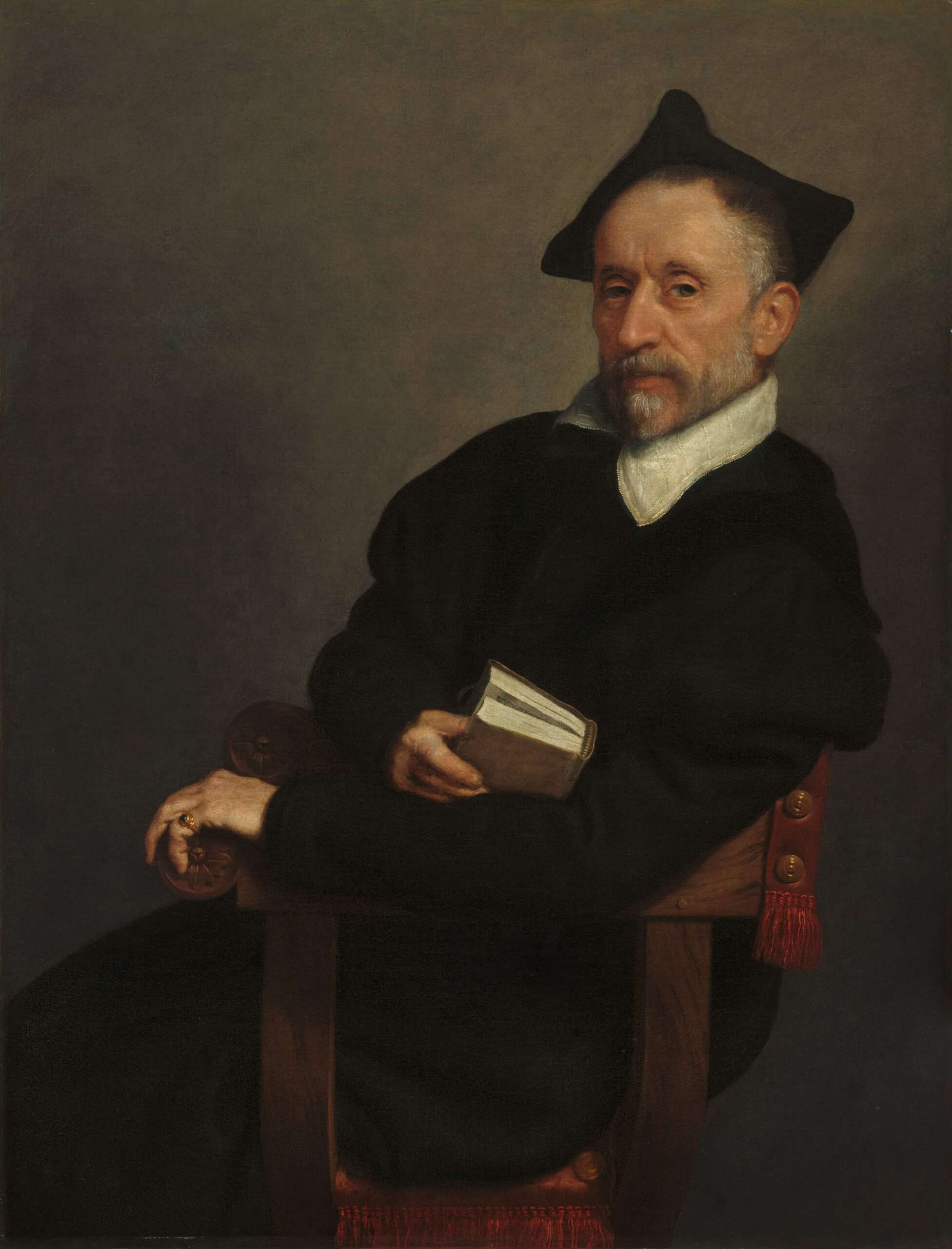
Titians Personal Life
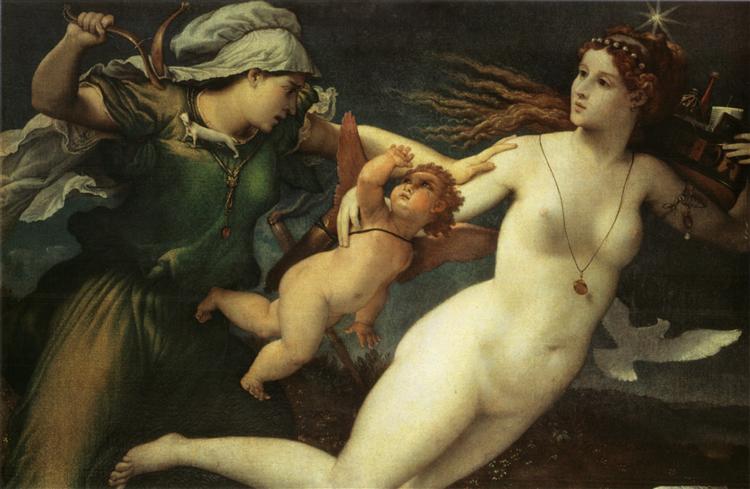
Titians Style and Technique

Titians Patronage

Titians Influence on Art

Titians Enduring Legacy

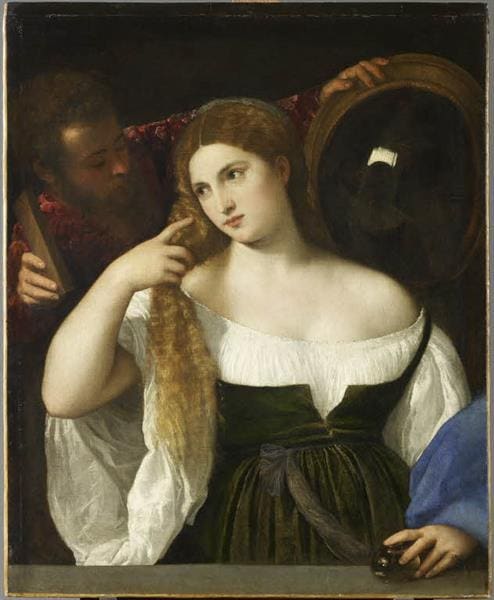
Lesson Details & Resources
In a Nutshell
- Artist: Titian
- Year: 1555
- Medium: Oil on canvas
- Location: Museo del Prado, Madrid
Vocabulary List
- Renaissance
- Titian was a prominent figure in the Renaissance art movement.
- Venetian School
- Titian was a key member of the Venetian School of painting.
- Canvas
- Titian often painted on canvas, using oil paints.
- Portrait
- Titian was known for his masterful portrait paintings.
- Mythology
- Titian frequently depicted scenes from classical mythology in his artwork.
- Color palette
- Titian's vibrant color palette is a hallmark of his style.
- Composition
- Titian's compositions are known for their balance and harmony.
- Brushwork
- Titian's bold and expressive brushwork is admired by art historians.
- Chiaroscuro
- Titian often used chiaroscuro to create depth and drama in his paintings.
- Altarpiece
- Titian created several altarpieces for churches in Venice.
- Mythological
- Titian's mythological paintings often depicted gods and goddesses.
- Drapery
- Titian was skilled at painting intricate drapery in his figures.
- Venus
- Titian painted several famous portraits of the goddess Venus.
- Madonna
- Titian's Madonna and Child paintings are revered for their beauty and emotion.
- Sketches
- Titian's sketches provide insight into his artistic process.
- Mannerism
- Titian's work influenced the Mannerist movement in art.
- Landscape
- Titian often included detailed landscapes in his paintings.
- Texture
- Titian's use of texture added depth and richness to his paintings.
- Gestures
- Titian's figures often communicate emotion through their gestures.
- Allegorical
- Titian's allegorical paintings convey moral or symbolic meanings.
Timeline of Titian: An Analysis
Birth of Titian in Pieve di Cadore, Republic of Venice
Apprenticeship with Gentile Bellini in Venice
Becomes a master painter in the Venetian guild
Receives commission for 'Assumption of the Virgin' for the Basilica di Santa Maria Gloriosa dei Frari
Paints 'Bacchus and Ariadne' for Alfonso I d'Este, Duke of Ferrara
Travels to Rome and meets Michelangelo and Raphael
Paints 'Danaë' for Philip II of Spain
Commissioned to paint 'Pope Paul III and his Grandsons' for the Farnese family
Death of Titian in Venice
Titian's studio is taken over by his son, Orazio
Titian's works continue to influence artists such as Rubens and Velázquez
Titian's paintings are collected by art collectors and museums worldwide
Key Facts
This is the information used in the fact matching game
- Titian was an Italian painter born in the Republic of Venice around 1488-1490.
- He was one of the most versatile of Italian painters, equally adept with portraits, landscapes, and religious subjects.
- Titian's real name was Tiziano Vecellio.
- He was known for his innovative use of color and brushwork, which influenced generations of artists.
- Titian's work is characterized by a rich, luminous palette and a loose, expressive style.
- He was a master of the Venetian school of painting, which emphasized color and mood over line and form.
- Titian's most famous works include 'Bacchus and Ariadne', 'Venus of Urbino', and 'Assumption of the Virgin'.
- He was the official painter of the Venetian Republic and received commissions from popes, kings, and emperors.
- Titian's use of light and shadow, known as chiaroscuro, added depth and drama to his compositions.
- He had a long and successful career, working well into his 80s and producing over 400 paintings.
- Titian's influence can be seen in the works of artists such as Rubens, Velázquez, and Rembrandt.
- He was a contemporary and rival of the painter Michelangelo.
- Titian's workshop was highly productive, with many assistants helping to complete his large-scale commissions.
- He was a master of capturing the human form and expression, as seen in his portraits of royalty and nobility.
- Titian's later works show a more loose and painterly style, reflecting his confidence and skill as an artist.
- He experimented with new techniques, such as applying paint with his fingers and using a wet-on-wet method.
- Titian's paintings are prized for their emotional intensity and psychological depth.
- He was a leading figure in the Venetian Renaissance, along with artists like Bellini and Giorgione.
- Titian died in 1576 at the age of 85, leaving behind a lasting legacy in the world of art.
- His works can be found in major museums and collections around the world, including the Louvre, the Prado, and the National Gallery.
Analysis & Significance
Artistic Innovation
Titian revolutionized the use of color and brushwork in Renaissance art, creating luminous, richly textured surfaces that captured the play of light and shadow with unprecedented realism. His bold compositions and dynamic figures infused his works with a sense of movement and emotion, setting a new standard for narrative storytelling in painting.
Influence on Art History
Titian’s innovative techniques and expressive style influenced generations of artists, from the Baroque masters to the Impressionists. His use of loose brushwork and vibrant palette paved the way for the development of new artistic movements, such as Romanticism and Expressionism, challenging traditional notions of beauty and composition.
Cultural Significance Today
Titian’s work continues to be celebrated as some of the greatest masterpieces in art history, attracting admirers and scholars from around the world. His paintings are prized for their emotional power, technical virtuosity, and timeless beauty, ensuring that his legacy endures as a cornerstone of Western art.
Titian: An Analysis Games


Take Your Learning Offline
Want a convenient, print-ready study guide for this lesson? Become a Memory Wizards Pro member to unlock the downloadable " Memory Scrolls" for this topic and our entire library!
- ✓ Complete Vocabulary Lists
- ✓ Key Facts & Timelines
- ✓ Beautifully Formatted for Print & Mobile