
How Do You Learn Best?
Learn by Reading
Immerse yourself in the 10-minute visual lesson for a comprehensive understanding of the topic.
Learn by Reviewing
Jump directly to the key facts, timeline, and vocabulary lists to build a solid foundation of details.
Learn by Doing
Challenge yourself! Jump straight into the interactive games to learn by trial, error, and discovery.
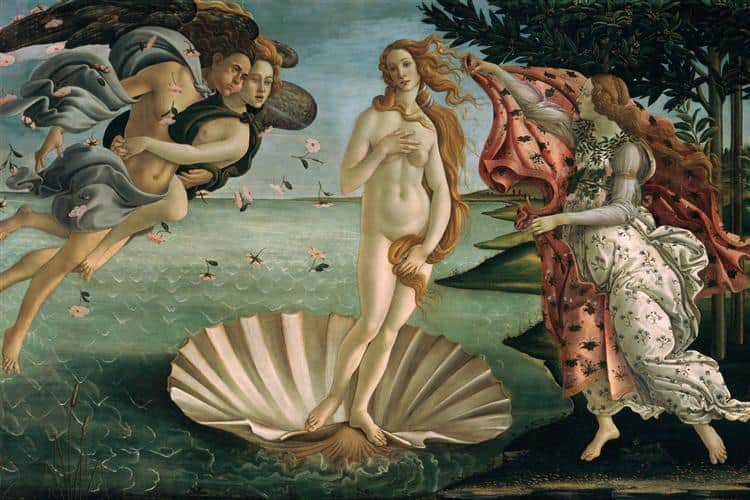
The Masterpiece: The Birth of Venus - Sandro Botticelli
Deconstructing the Masterpiece
Central Figure
Venus, the central figure, is the focal point of the composition, embodying beauty, grace, and divine love.
Flowing Drapery
The flowing drapery around Venus creates a sense of movement and fluidity, enhancing the ethereal and otherworldly quality of the scene.
Scallop Shell
The scallop shell, symbolizing fertility and birth, serves as a visual motif and a reference to the mythological origins of Venus.
‘Patronage: The Medici and The Popes: An Analysis’ in 10 Minutes
Introduction
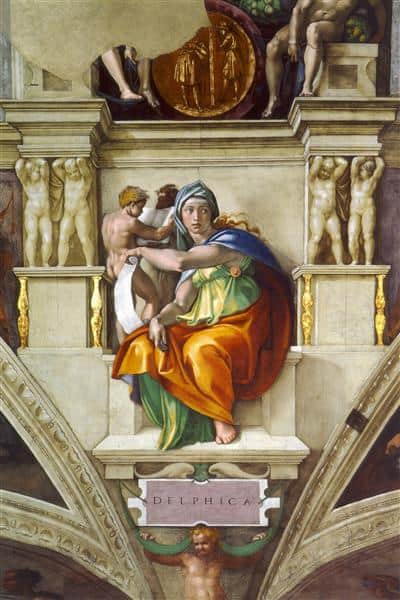
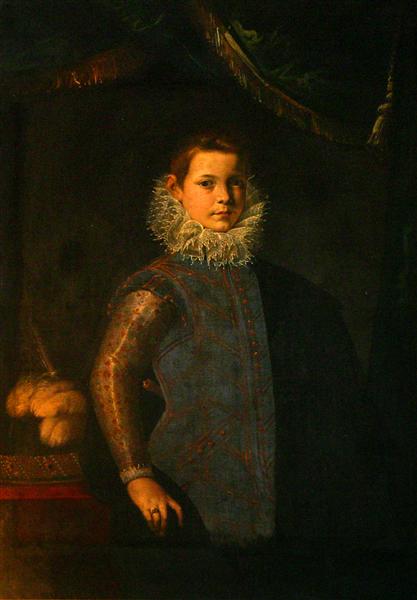
Cosimo de Medici
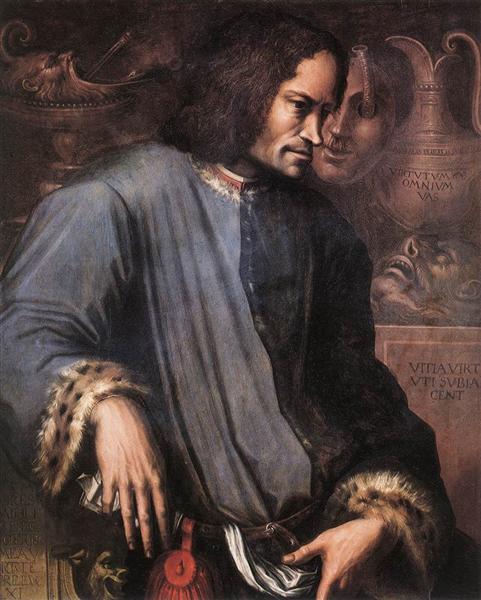
Lorenzo de Medici
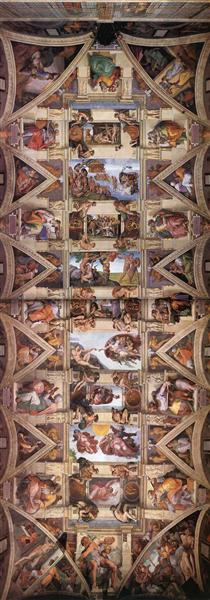
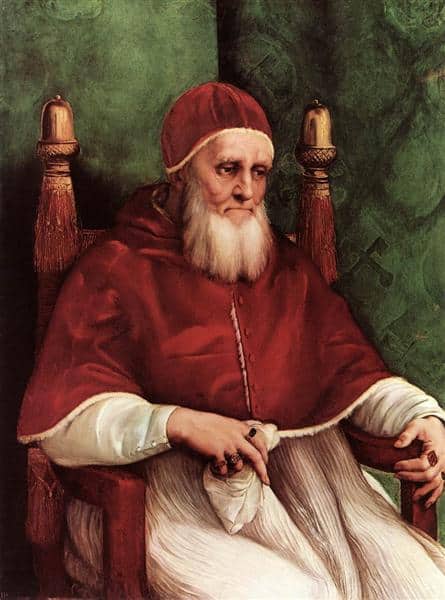
Julius II
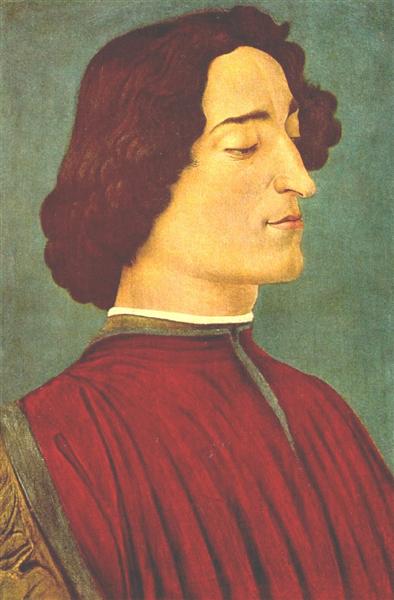
The Rise of the Medici Family
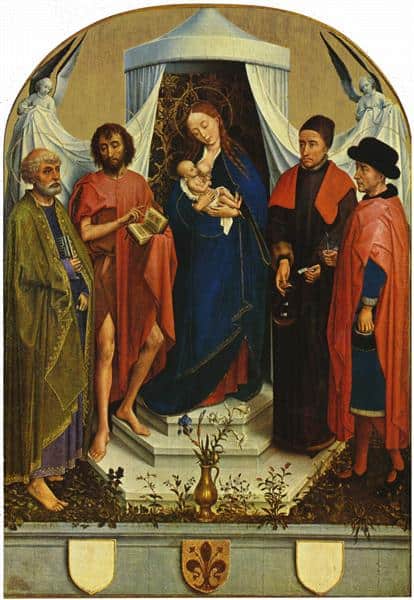
The Medici and the Birth of Humanism
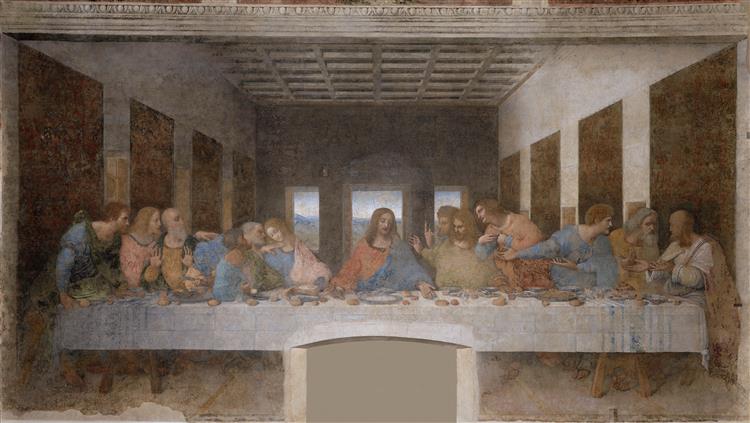
The Medici Popes
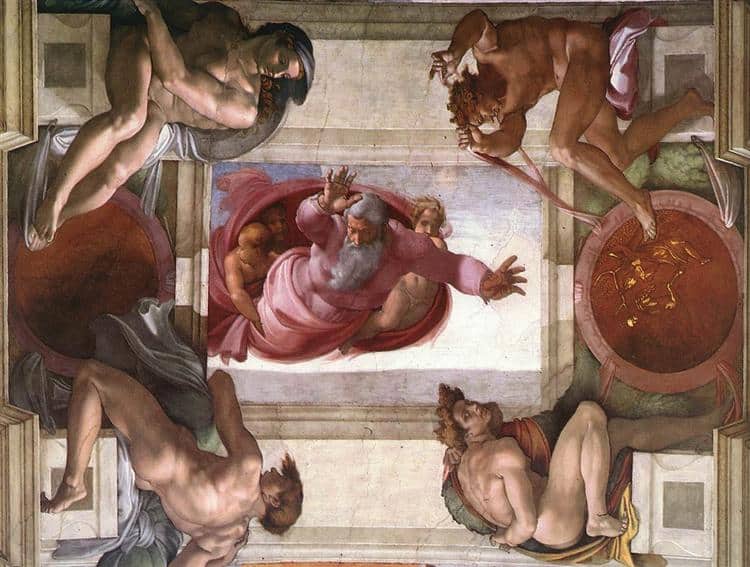
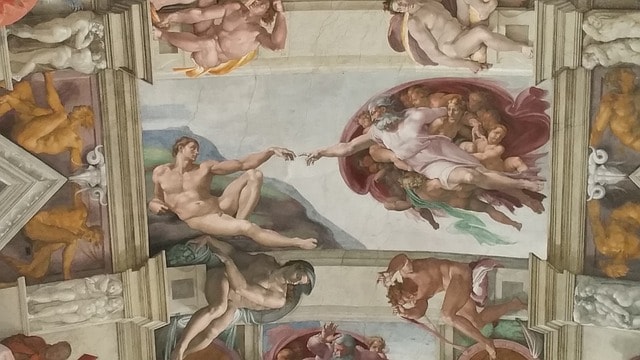
The Sistine Chapel Ceiling
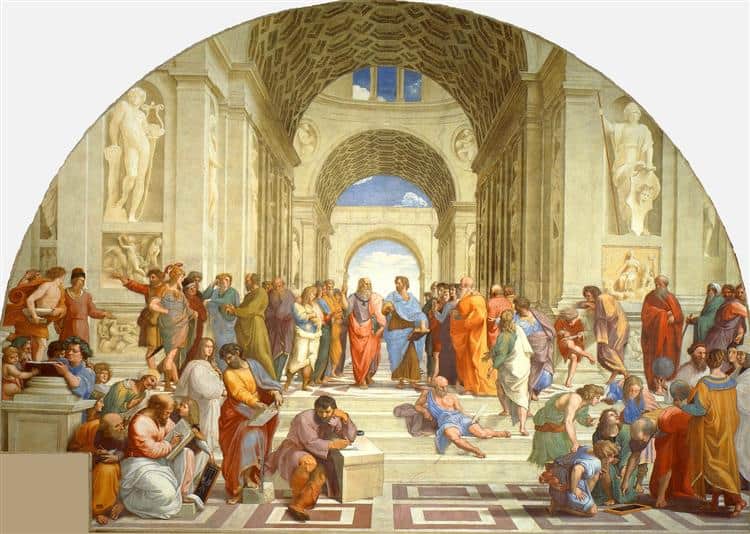
Raphael and the Vatican
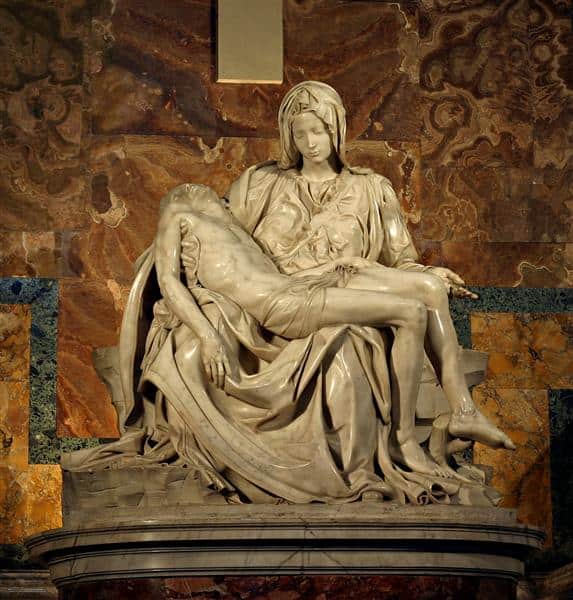
The Pieta and St. Peters Basilica
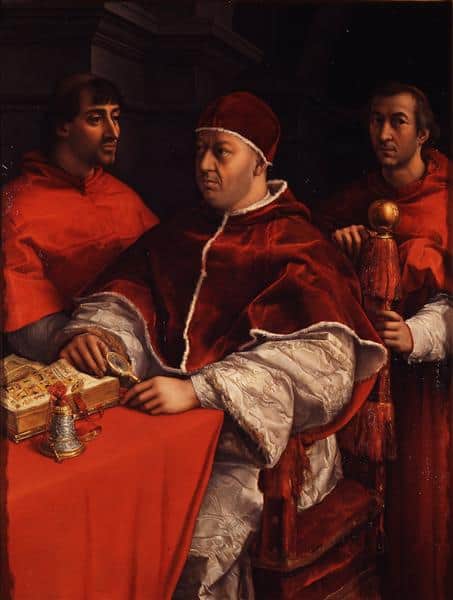
The Legacy of Medici Patronage
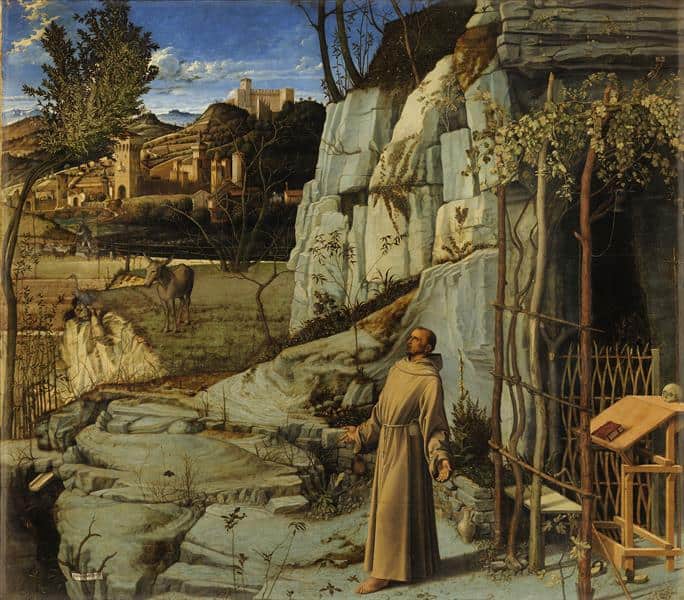
The End of an Era
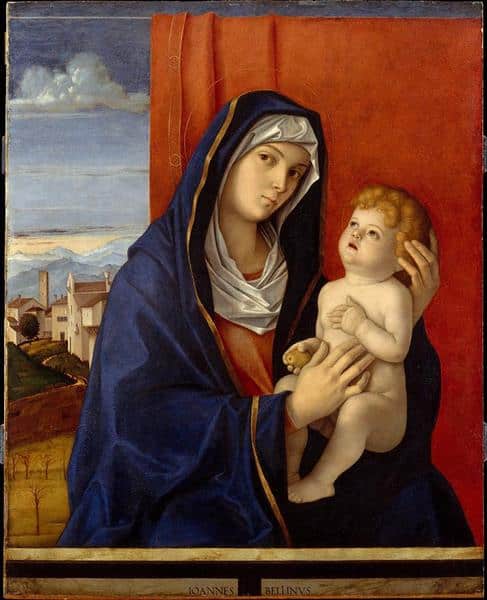
Legacy of Patronage
Lesson Details & Resources
In a Nutshell
- Artist: Unknown
- Year: 16th Century
- Medium: Oil on canvas
- Location: Private Collection
Vocabulary List
- Patronage
- The Medici family provided generous patronage to artists, commissioning numerous artworks for their palaces and churches.
- Commission
- Artists were often commissioned by wealthy patrons, like the Medici family, to create specific artworks.
- Pope
- The Popes of the Renaissance era were important patrons of the arts, commissioning works for the Vatican and other churches.
- Medici
- The Medici family of Florence was one of the most influential patrons of Renaissance art, supporting artists like Michelangelo and Leonardo da Vinci.
- Renaissance
- The Renaissance was a period of great artistic and cultural achievement in Europe, with the Medici and the Popes playing a key role in supporting the arts.
- Artwork
- The Medici and the Popes commissioned many famous artworks, including sculptures, paintings, and frescoes.
- Palace
- The Medici family's palace in Florence, the Palazzo Medici Riccardi, was decorated with beautiful artworks commissioned by the family.
- Church
- The Medici and the Popes commissioned many artworks for churches in Italy, including the Sistine Chapel in the Vatican.
- Artist
- Renaissance artists like Michelangelo and Raphael relied on wealthy patrons, such as the Medici and the Popes, for commissions.
- Wealthy
- The Medici family was one of the wealthiest and most powerful families in Florence, allowing them to support numerous artists and commission artworks.
- Influence
- The Medici and the Popes had a significant influence on the development of Renaissance art, shaping the styles and subjects of many artworks.
- Commissioner
- The Popes and the Medici family were important commissioners of art during the Renaissance, supporting artists financially and promoting their work.
- Sculpture
- The Medici and the Popes commissioned many famous sculptures, including Michelangelo's David and Bernini's Ecstasy of Saint Teresa.
- Painting
- Renaissance painters like Leonardo da Vinci and Raphael created many masterpieces for the Medici family and the Popes.
- Fresco
- The Medici and the Popes commissioned numerous frescoes for their palaces and churches, showcasing the talents of artists like Botticelli and Ghirlandaio.
- Renaissance
- The Medici and the Popes were key figures in the cultural revival known as the Renaissance, supporting artists and scholars in their pursuit of knowledge and beauty.
- Culture
- The Medici and the Popes played a vital role in shaping the cultural landscape of Renaissance Italy, fostering an environment where artists and thinkers could thrive.
- Beauty
- The artworks commissioned by the Medici and the Popes during the Renaissance were celebrated for their beauty and craftsmanship, reflecting the ideals of the era.
- Craftsmanship
- Artists working for the Medici and the Popes during the Renaissance were known for their exceptional craftsmanship, creating intricate and detailed artworks.
- Renaissance
- The Medici and the Popes supported the development of new artistic techniques and styles during the Renaissance, encouraging innovation and creativity in the arts.
Timeline of ‘Patronage: The Medici and The Popes: An Analysis’
Key Facts
This is the information used in the fact matching game
- The Medici family were influential patrons of the arts during the Renaissance, supporting artists such as Michelangelo and Botticelli.
- The Medici family ruled Florence for generations, using their wealth and power to commission artwork that showcased their status and influence.
- Pope Julius II, known as the 'Warrior Pope', was a major patron of Renaissance art and commissioned works from artists like Raphael and Michelangelo.
- The Sistine Chapel ceiling, painted by Michelangelo, was commissioned by Pope Julius II and is considered one of the greatest masterpieces of Western art.
- The Medici family supported the development of humanism and the revival of classical art forms during the Renaissance.
- Pope Leo X, a member of the Medici family, was a major patron of the arts and commissioned works from artists like Raphael and Titian.
- The Medici family's patronage of the arts helped Florence become a cultural center of the Renaissance, attracting artists and intellectuals from across Europe.
- Pope Clement VII, another member of the Medici family, continued the family's tradition of supporting the arts and commissioned works from artists like Michelangelo and Benvenuto Cellini.
- The Medici family's patronage of the arts extended beyond Florence to other cities in Italy, fostering a culture of artistic innovation and creativity.
- The Popes and the Medici family played a key role in the development of Renaissance art, shaping the artistic landscape of the period and influencing future generations of artists.
- Artists like Leonardo da Vinci, Raphael, and Donatello received commissions from both the Medici family and the Popes, creating some of the most iconic works of the Renaissance.
- The Medici family's patronage of the arts helped establish Florence as a center of artistic excellence and innovation during the Renaissance.
- Pope Sixtus IV, a patron of the arts, commissioned the Sistine Chapel as a place of worship and a showcase for Renaissance art.
- The Medici family's patronage of the arts extended to architecture, with buildings like the Medici Palace in Florence becoming symbols of their wealth and power.
- Pope Alexander VI, while controversial for his actions, was a patron of the arts and commissioned works from artists like Pinturicchio and Perugino.
- The Medici family's patronage of the arts helped foster a spirit of creativity and innovation in Renaissance art, leading to new techniques and styles.
- Pope Clement VIII, a member of the Medici family, continued the family's tradition of supporting the arts and commissioned works from artists like Caravaggio and Annibale Carracci.
- The Medici family's patronage of the arts played a crucial role in the development of the Renaissance, shaping the cultural landscape of the period and influencing future artistic movements.
- Pope Paul III, a patron of the arts, commissioned works from artists like Michelangelo and Titian, contributing to the artistic legacy of the Renaissance.
- The legacy of the Medici family and the Popes as patrons of the arts continues to be felt in the art world today, with their influence seen in museums, galleries, and art collections around the world.
Analysis & Significance
Artistic Innovation
The artwork ‘Patronage: The Medici and The Popes’ introduced a new level of sophistication and grandeur in Renaissance art. It showcased intricate details, rich colors, and a sense of opulence that was unmatched in its time. The portraits of powerful patrons like the Medici and the Popes were depicted with a sense of authority and prestige, setting a new standard for commissioned artwork.
Influence on Art History
This work had a significant impact on the development of portraiture and religious art. It established a tradition of using art as a means of political and religious propaganda, shaping the way artists portrayed their subjects and conveyed their messages. The fusion of art and power seen in ‘Patronage: The Medici and The Popes’ set a precedent for future artists seeking patronage and influence.
Cultural Significance Today
The artwork ‘Patronage: The Medici and The Popes’ continues to be revered for its historical significance and artistic mastery. It serves as a reminder of the powerful connections between art, politics, and religion during the Renaissance era. Its depictions of influential figures from that time still captivate audiences, offering a window into a world of wealth, power, and artistic patronage.
‘Patronage: The Medici and The Popes: An Analysis’ Games


Take Your Learning Offline
Want a convenient, print-ready study guide for this lesson? Become a Memory Wizards Pro member to unlock the downloadable " Memory Scrolls" for this topic and our entire library!
- ✓ Complete Vocabulary Lists
- ✓ Key Facts & Timelines
- ✓ Beautifully Formatted for Print & Mobile