
How Do You Learn Best?
Learn by Reading
Immerse yourself in the 10-minute visual lesson for a comprehensive understanding of the topic.
Learn by Reviewing
Jump directly to the key facts, timeline, and vocabulary lists to build a solid foundation of details.
Learn by Doing
Challenge yourself! Jump straight into the interactive games to learn by trial, error, and discovery.
The Masterpiece: Michelangelo's Creation of Adam - A Divine Encounter on the Sistine Chapel Ceiling
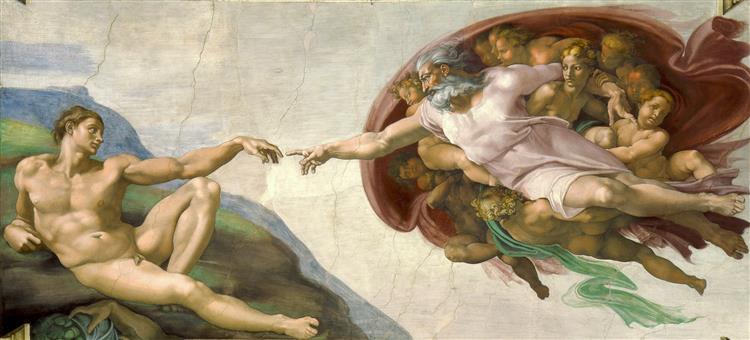
Deconstructing the Masterpiece
Hand of God
The outstretched hand of God symbolizes the act of creation and the gift of life to Adam.
Adam's Hand
The limp hand of Adam symbolizes his passive reception of life and the potential for human potential.
Space Between Fingers
The small gap between God's finger and Adam's hand signifies the moment of divine spark and connection between Creator and creation.
Michelangelo: An Analysis in 10 Minutes

Introduction


Raphael

Leonardo da Vinci

Pope Julius II

Early Life and Training
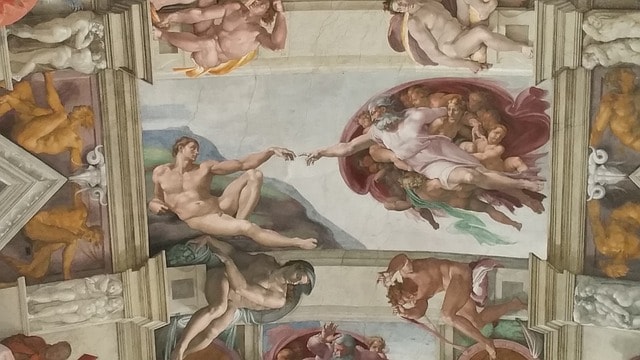
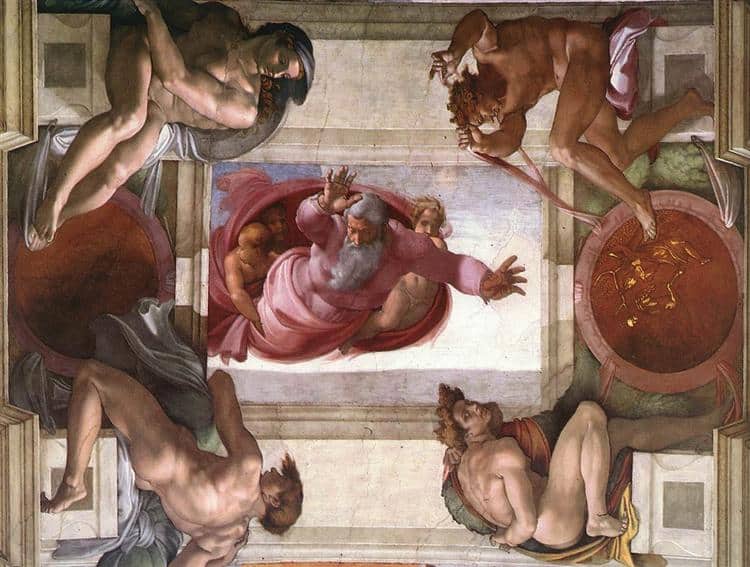
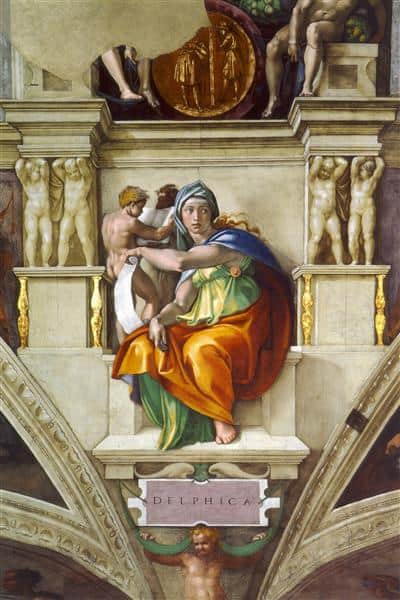
Sistine Chapel Ceiling
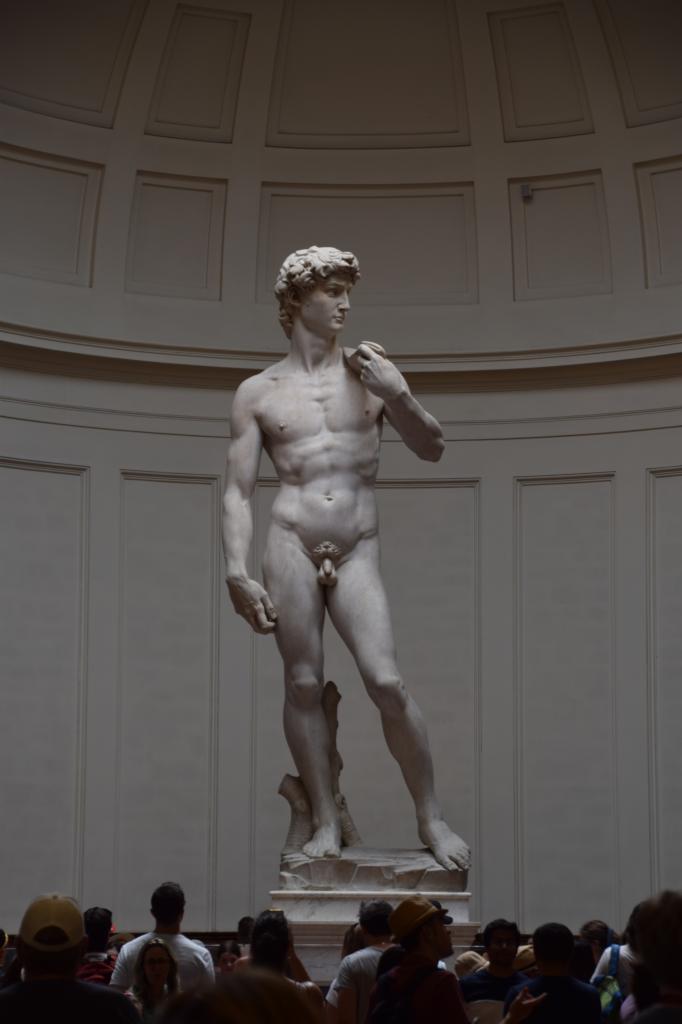
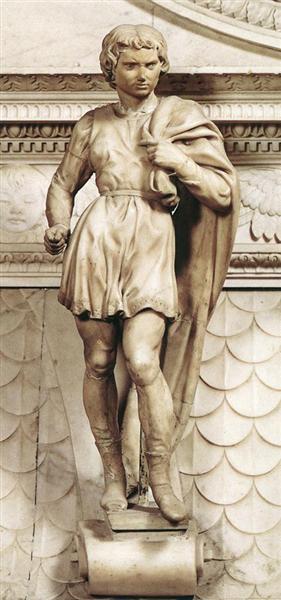
David Statue

Architectural Achievements

The Medici Tombs

Deposition from the Cross

Later Years and Legacy
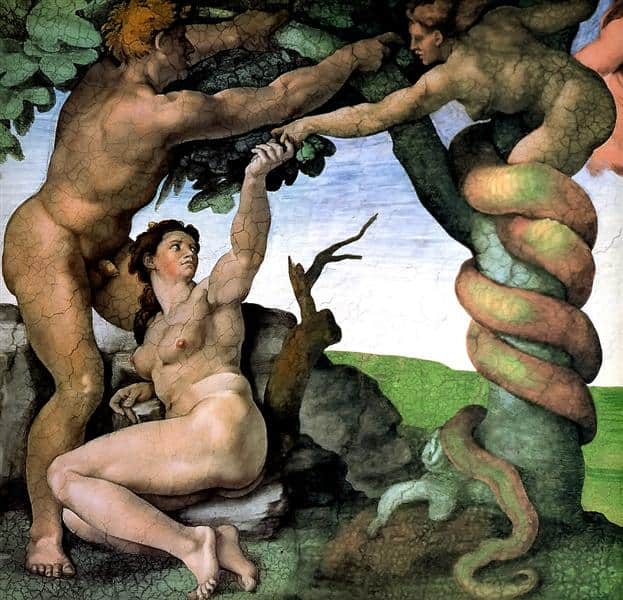
Legacy in Art
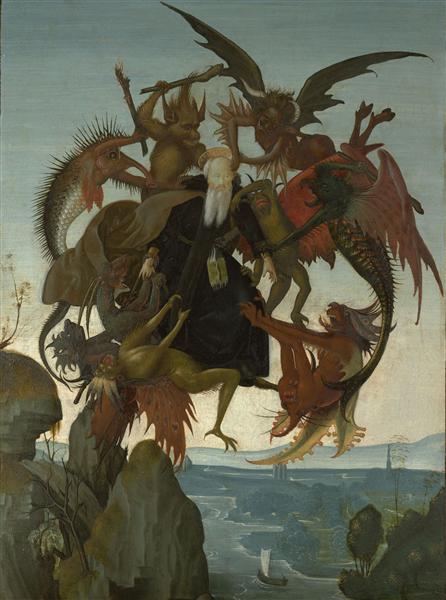
Artistic Style and Techniques
Influence on Future Artists
Lesson Details & Resources
In a Nutshell
- Artist: Michelangelo
- Year: 1501
- Medium: Marble sculpture
- Location: Galleria dell’Accademia, Florence
Vocabulary List
- Sistine Chapel
- Michelangelo painted the famous ceiling of the Sistine Chapel in Vatican City.
- David
- Michelangelo's sculpture of David is one of his most famous works.
- Pieta
- The Pieta is a sculpture by Michelangelo depicting the Virgin Mary holding the body of Jesus.
- Renaissance
- Michelangelo was a key figure in the Italian Renaissance art movement.
- Fresco
- Michelangelo used fresco painting techniques in his work on the Sistine Chapel ceiling.
- Divine Comedy
- Michelangelo was inspired by Dante Alighieri's Divine Comedy in his art.
- Marble
- Michelangelo often worked with marble to create his sculptures.
- Vatican City
- Michelangelo spent many years working on projects for the Vatican in Rome.
- Medici
- Michelangelo had connections to the powerful Medici family in Florence.
- Laurentian Library
- Michelangelo designed the Laurentian Library in Florence.
- Reclining figure
- Michelangelo's sculptures often featured figures in dynamic, reclining poses.
- Creation of Adam
- One of the most famous panels on the Sistine Chapel ceiling, showing God reaching out to touch Adam.
- Sculptor
- Michelangelo was known for his skill as a sculptor, as well as a painter and architect.
- St. Peter's Basilica
- Michelangelo played a significant role in the design and construction of St. Peter's Basilica in Vatican City.
- Grotesque
- Michelangelo incorporated grotesque figures into the decoration of the Sistine Chapel ceiling.
- Rome
- Michelangelo spent much of his career working in Rome, creating art for the city's churches and palaces.
- Cartoon
- Michelangelo created detailed cartoons as preparatory sketches for his fresco paintings.
- Madonna and Child
- Michelangelo created several sculptures and paintings depicting the Madonna and Child.
- Pope
- Michelangelo worked closely with several popes throughout his career.
- The Last Judgment
- Michelangelo painted The Last Judgment on the altar wall of the Sistine Chapel.
- Vatican Museums
- Many of Michelangelo's works can be seen in the Vatican Museums in Rome.
Timeline of Michelangelo: An Analysis
Michelangelo is born in Caprese, Italy
Becomes an apprentice to painter Domenico Ghirlandaio
Moves to Florence and studies sculpture under Bertoldo di Giovanni
Creates the sculpture 'Pieta' in St. Peter's Basilica
Commissions by Pope Julius II to create his tomb
Paints the ceiling of the Sistine Chapel
Paints 'The Last Judgment' on the altar wall of the Sistine Chapel
Appointed as chief architect of St. Peter's Basilica
Completes the sculpture 'David'
Works on the Medici Chapel in Florence
Paints 'The Creation of Adam' on the Sistine Chapel ceiling
Creates the sculpture 'Moses' for the tomb of Pope Julius II
Paints the 'Doni Tondo' for the Doni family
Designs the Laurentian Library in Florence
Appointed as chief architect of St. Peter's Basilica
Works on the tomb of Julius II in San Pietro in Vincoli
Paints the 'Conversion of Saul' in the Pauline Chapel
Completes the 'Pietà Rondanini' sculpture
Dies in Rome, Italy
Key Facts
This is the information used in the fact matching game
- Michelangelo was an Italian sculptor, painter, architect, and poet of the High Renaissance.
- He is considered one of the greatest artists of all time.
- Michelangelo's most famous sculpture is David, a marble statue depicting the biblical hero.
- He painted the ceiling of the Sistine Chapel in Vatican City, a masterpiece of Renaissance art.
- Michelangelo was also known for his architectural work, including the design of St. Peter's Basilica in Rome.
- He was born in 1475 in Caprese, Italy.
- Michelangelo's full name was Michelangelo di Lodovico Buonarroti Simoni.
- He was a contemporary of Leonardo da Vinci.
- Michelangelo's first major commission was the Pietà, a sculpture of the Virgin Mary holding the body of Jesus.
- He was known for his perfectionism and often destroyed his own work if he was not satisfied with it.
- Michelangelo was also a poet and wrote many sonnets.
- He was a devout Catholic and his faith influenced much of his work.
- Michelangelo's artistic talent was recognized at a young age, and he was apprenticed to the painter Domenico Ghirlandaio.
- He was known for his use of the human form in his sculptures and paintings, which reflected his study of anatomy.
- Michelangelo's work was highly sought after by wealthy patrons and powerful figures of his time.
- He lived to be 88 years old, a remarkable age for his time.
- Michelangelo was known for his temperamental personality and clashes with other artists and patrons.
- He was a major influence on later artists, including Bernini and Rubens.
- Michelangelo's legacy continues to inspire artists and art lovers around the world.
- His work is celebrated in museums and galleries worldwide, attracting millions of visitors each year.
Analysis & Significance
Artistic Innovation
Michelangelo’s sculptures, such as his renowned David and Pieta, introduced a new level of emotional intensity and physical realism to the art world. His ability to capture the human form with unparalleled precision and dynamism set a standard for sculptors for centuries to come.
Influence on Art History
Michelangelo’s work marked the High Renaissance period and influenced countless artists, including Raphael and Bernini. His innovative techniques and grand scale of work redefined the possibilities of sculpture and set a new standard for artistic achievement.
Cultural Significance Today
Michelangelo’s sculptures continue to be revered as masterpieces of Western art, attracting millions of visitors to museums and galleries around the world. His legacy as a visionary artist and sculptor endures, inspiring generations of art lovers and serving as a testament to the enduring power of creativity.
Michelangelo: An Analysis Games


Take Your Learning Offline
Want a convenient, print-ready study guide for this lesson? Become a Memory Wizards Pro member to unlock the downloadable " Memory Scrolls" for this topic and our entire library!
- ✓ Complete Vocabulary Lists
- ✓ Key Facts & Timelines
- ✓ Beautifully Formatted for Print & Mobile