
How Do You Learn Best?
Learn by Reading
Immerse yourself in the 10-minute visual lesson for a comprehensive understanding of the topic.
Learn by Reviewing
Jump directly to the key facts, timeline, and vocabulary lists to build a solid foundation of details.
Learn by Doing
Challenge yourself! Jump straight into the interactive games to learn by trial, error, and discovery.
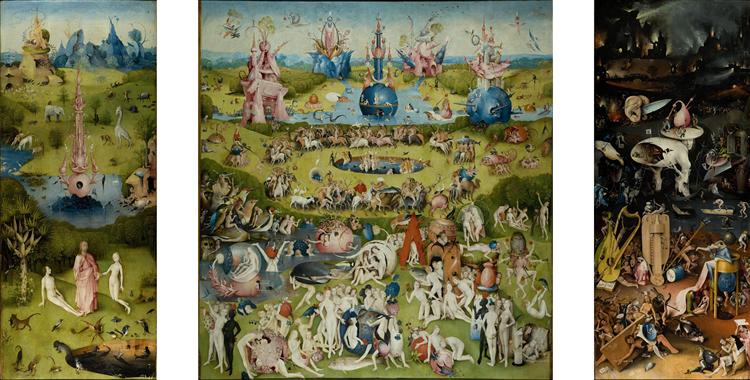
The Masterpiece: The Garden of Earthly Delights - Hieronymus Bosch
Deconstructing the Masterpiece
Triptych Structure
The artwork is divided into three panels, each depicting a different scene: paradise, earthly delights, and hell.
Surreal Imagery
Bosch's fantastical creatures and bizarre landscapes challenge traditional interpretations, inviting viewers to explore hidden meanings.
Symbolic Iconography
The use of symbolic elements such as fruits, animals, and objects conveys moral, religious, and philosophical messages throughout the painting.
Humanism in Art: An Analysis in 10 Minutes
Introduction

Leonardo da Vinci
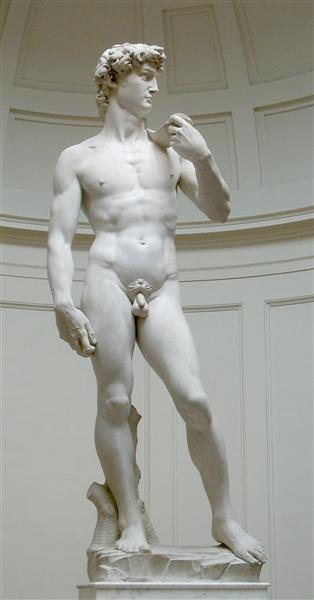
Michelangelo Buonarroti
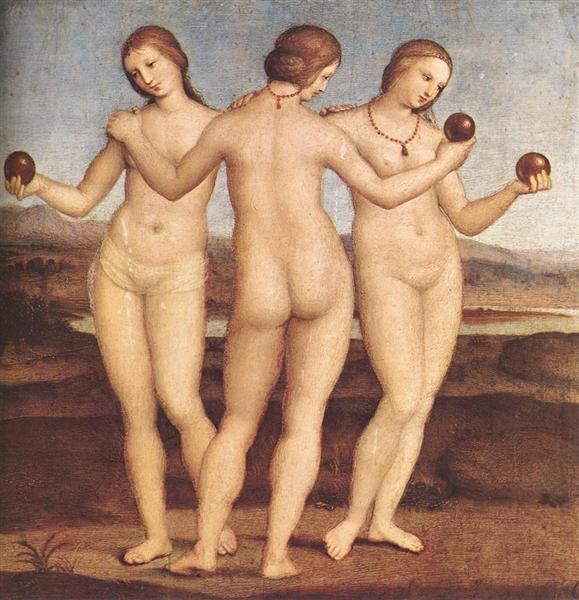
Raphael

Petrarch
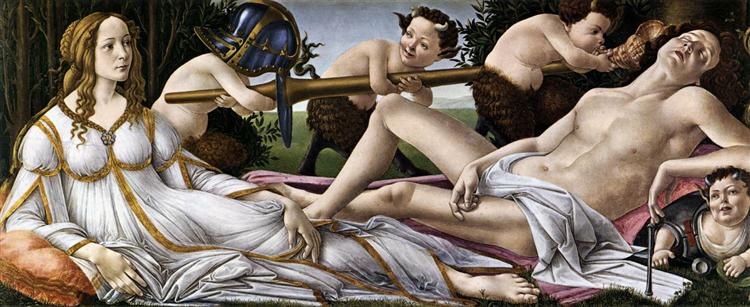
The Influence of Humanism
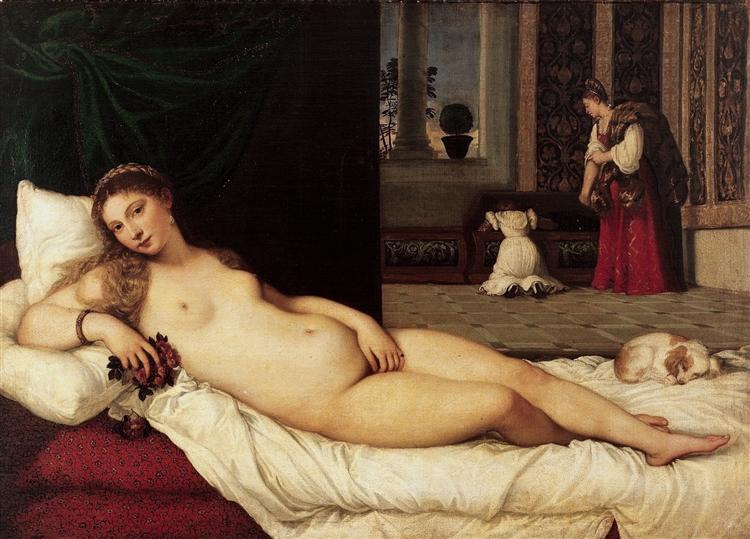
Portrayal of the Human Body
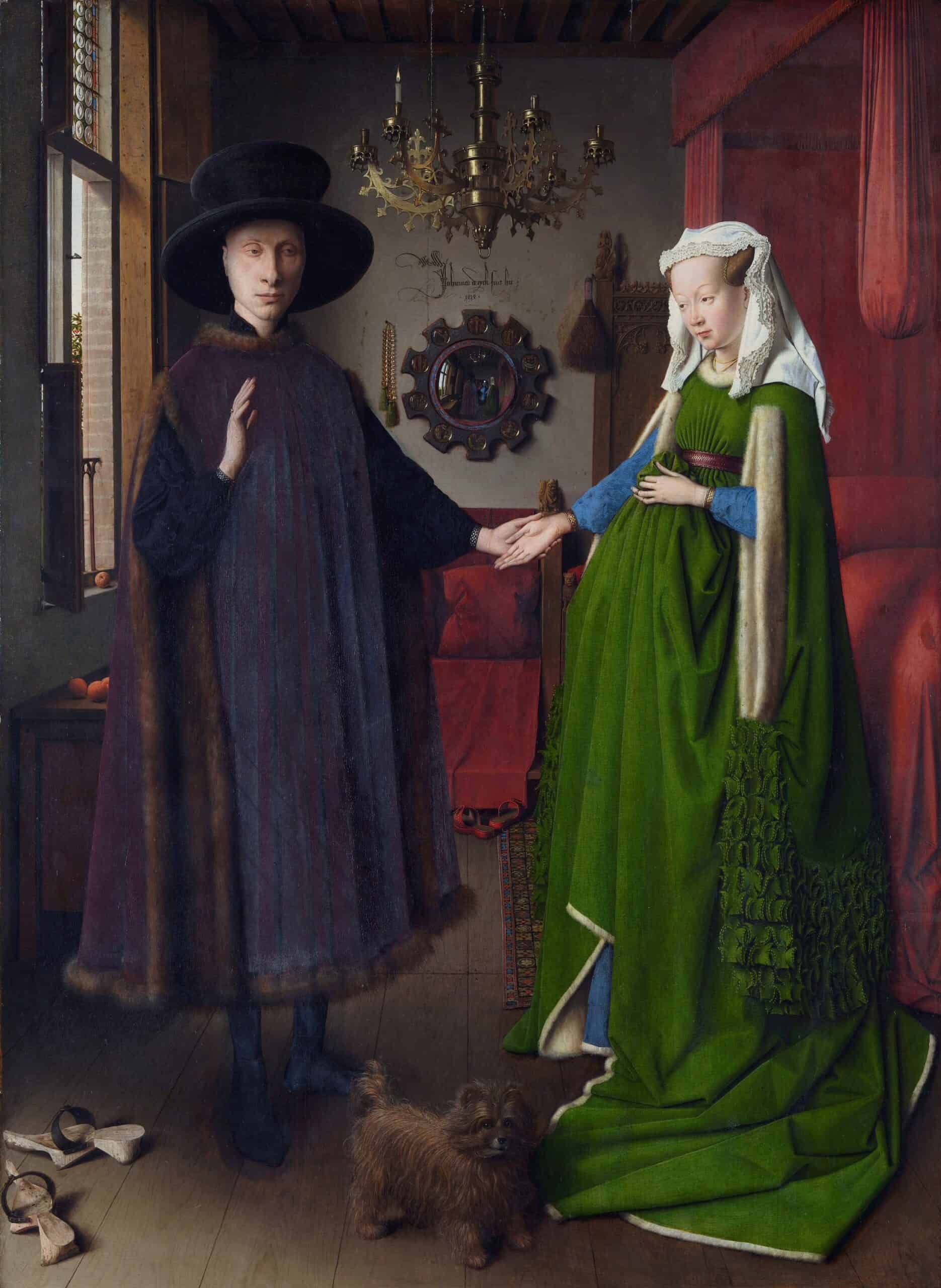
Emphasis on Individualism
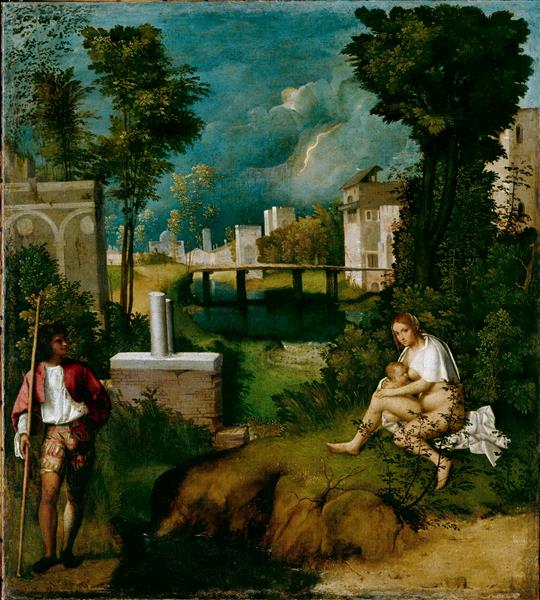
Classical Influences
Humanism in Religious Art
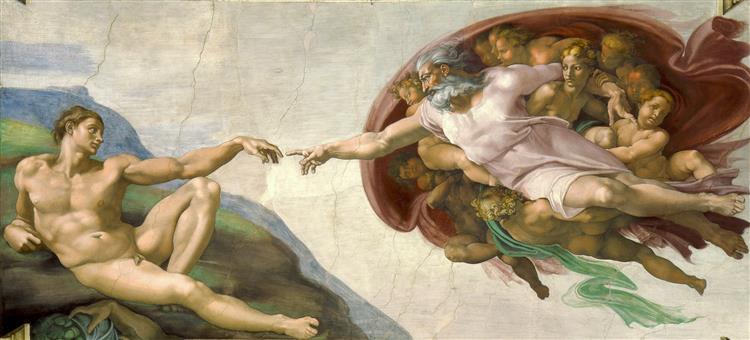
Focus on Perspective
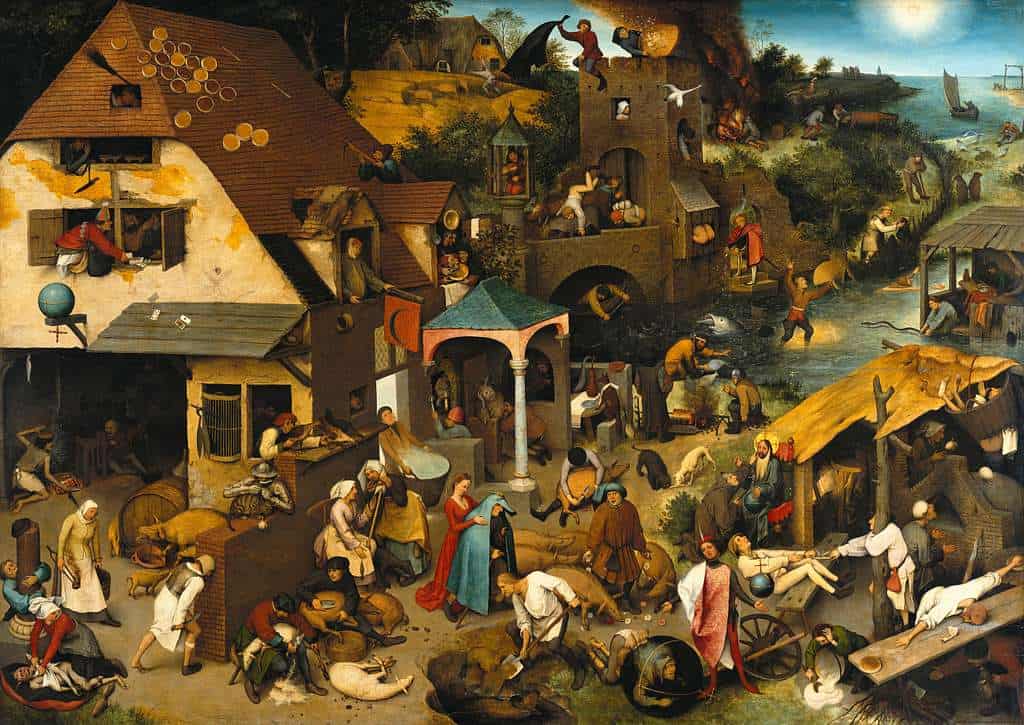
Secular Themes
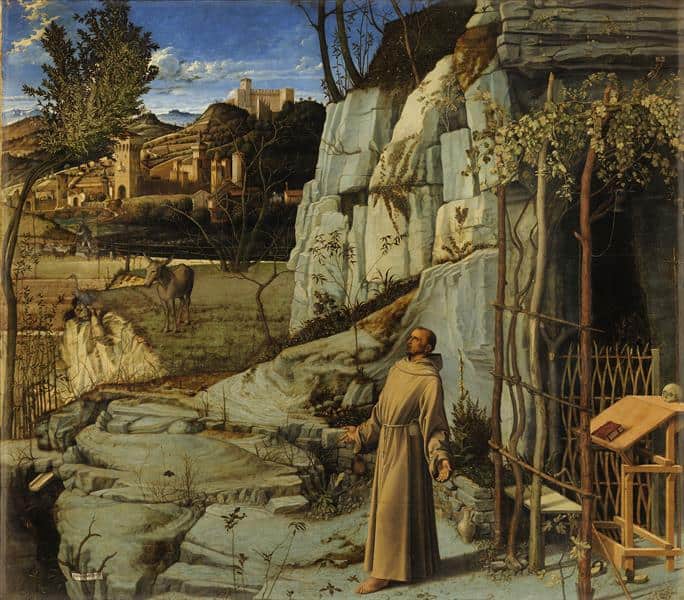
Development of Individual Style
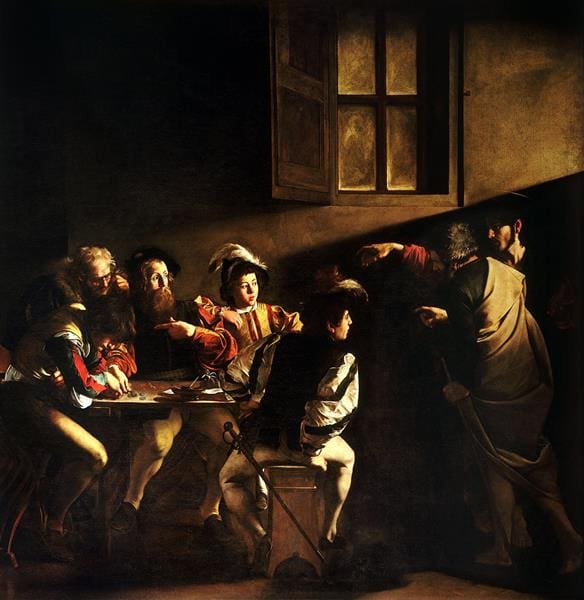
Legacy of Humanism
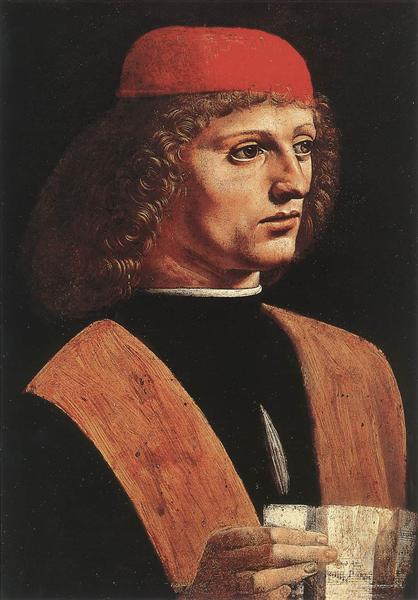
Lesson Details & Resources
In a Nutshell
- Artist: Vincent van Gogh
- Year: 1889
- Medium: Oil on canvas
- Location: Museum of Modern Art, New York City
Vocabulary List
- Humanism
- The belief in the potential and goodness of human beings, which was a key philosophy of the Renaissance period.
- Perspective
- A technique in art that creates the illusion of depth and three-dimensionality on a flat surface.
- Classicism
- The revival of the style and aesthetics of ancient Greek and Roman art in Renaissance art.
- Proportion
- The harmonious relationship of the parts of a whole, often seen in the idealized human figures of Renaissance art.
- Sfumato
- A painting technique in which colors and tones are blended together to create a soft, hazy effect.
- Chiaroscuro
- The use of strong contrasts between light and dark in art to create a sense of volume and drama.
- Idealized
- Represented as perfect or flawless, often seen in the portrayal of human figures in Renaissance art.
- Rebirth
- A literal translation of 'Renaissance', referring to the revival of interest in art, literature, and culture of ancient civilizations.
- Naturalism
- The realistic representation of objects, people, and scenes in art, often seen in Renaissance paintings.
- Symmetry
- Balance and harmony in the arrangement of elements in art, often seen in the compositions of Renaissance artworks.
- Patronage
- The financial support of artists by wealthy individuals, families, or institutions, which was crucial for the development of Renaissance art.
- Allegory
- A symbolic representation of abstract ideas or concepts, often seen in the hidden meanings of Renaissance artworks.
- Vignette
- A small, decorative design or illustration used in books or manuscripts, often seen in Renaissance illuminated manuscripts.
- Quattrocento
- The 15th century period in Italian art, known for the development of Renaissance ideals and styles.
- Sfumato
- A painting technique in which colors and tones are blended together to create a soft, hazy effect.
- Altarpiece
- A large, multi-panel painting or sculpture placed behind the altar in a church, often depicting religious scenes, common in Renaissance art.
- Triptych
- A three-paneled artwork, often used for religious subjects, that can be folded or closed, common in Renaissance art.
- Renaissance man
- An idealized figure who is skilled in many different areas, such as art, science, and literature, reflecting the humanist ideals of the Renaissance period.
- Platonism
- The philosophical ideas of Plato, which influenced the intellectual and artistic developments of the Renaissance period.
- Neoplatonism
- A revival of Platonic philosophy in the Renaissance, emphasizing the spiritual and idealistic aspects of art and the human experience.
Timeline of Humanism in Art: An Analysis
Giotto di Bondone is credited as one of the earliest artists to embrace Humanism in art
Petrarch, the father of Humanism, writes poetry and promotes the revival of classical learning
Filippo Brunelleschi designs the dome of the Florence Cathedral, showcasing Humanist principles of symmetry and proportion
Leon Battista Alberti publishes 'De pictura', a treatise on the theory of painting influenced by Humanist ideas
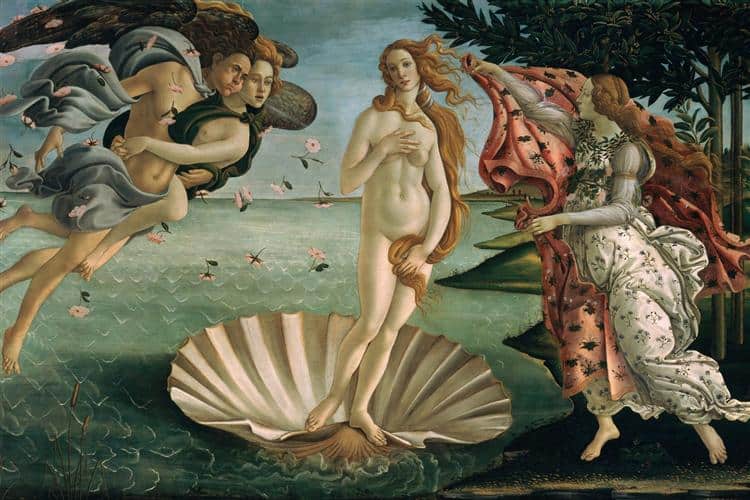
Sandro Botticelli paints 'The Birth of Venus' and 'Primavera', incorporating Humanist themes and classical mythology
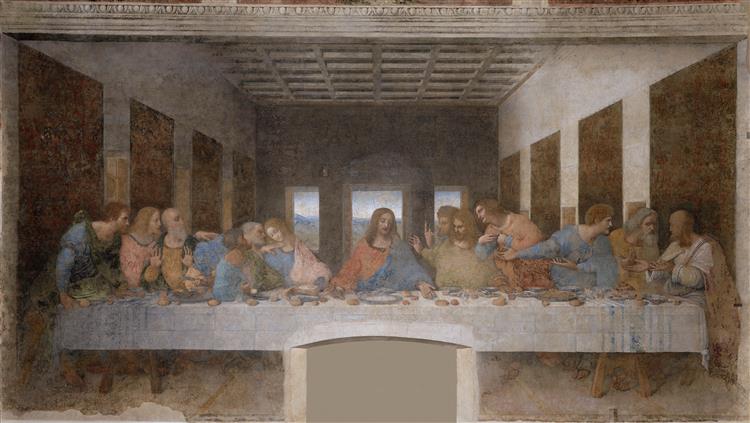
Leonardo da Vinci creates 'Vitruvian Man', a study of human proportions based on classical ideals
Michelangelo sculpts 'David' and paints the Sistine Chapel ceiling, showcasing Humanist themes of human dignity and achievement
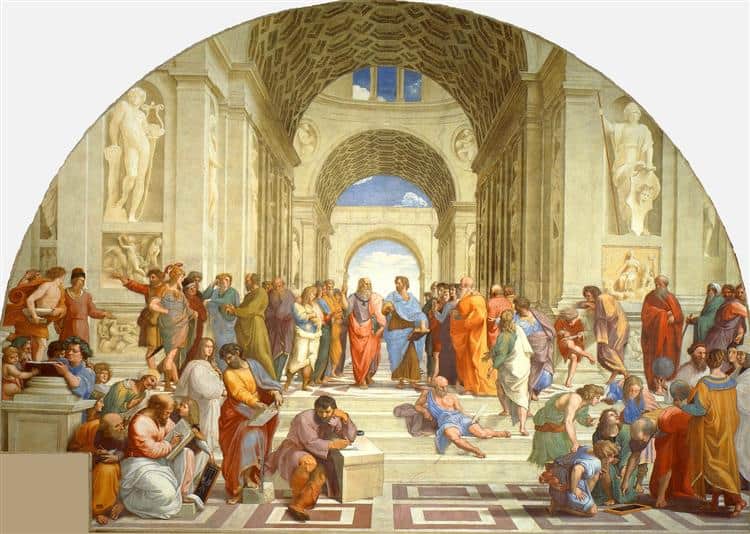
Raphael paints 'The School of Athens', a fresco in the Vatican depicting famous philosophers and scholars of antiquity
Albrecht Dürer introduces Humanist ideas to Northern Europe through his prints and paintings
Giorgione and Titian in Venice incorporate Humanist themes of beauty and sensuality in their paintings
Hans Holbein the Younger paints portraits of Humanist thinkers and rulers in England
El Greco in Spain combines Humanist ideals with spiritual themes in his paintings
Caravaggio in Italy uses realism and dramatic lighting to convey Humanist themes in his paintings
Peter Paul Rubens in Flanders incorporates Humanist ideas of human emotion and movement in his Baroque paintings
Rembrandt in the Netherlands captures human complexity and emotion in his portraits and biblical scenes
Nicolas Poussin in France combines classical themes and Humanist philosophy in his paintings
William Hogarth in England satirizes society and promotes moral values through his paintings and engravings
Jacques-Louis David in France uses Neoclassical style to convey Humanist ideals of patriotism and virtue in his paintings
J.M.W. Turner in England explores the sublime and the power of nature in his Romantic landscape paintings
Gustave Courbet in France pioneers Realism in art, focusing on ordinary people and social issues
Key Facts
This is the information used in the fact matching game
- Humanism in Renaissance art emphasized the importance of individualism and the potential of the human mind and body.
- Renaissance artists often depicted human figures with anatomical accuracy and naturalistic proportions.
- Artists during the Renaissance focused on creating lifelike representations of the human form, influenced by classical ideals.
- Humanism in art during the Renaissance led to a renewed interest in the study of ancient Greek and Roman texts.
- The use of linear perspective in Renaissance art allowed artists to create the illusion of depth and space on a two-dimensional surface.
- Renaissance artists often incorporated classical motifs and symbols into their works as a way to connect with the ideals of ancient civilization.
- Humanist ideals in art emphasized the importance of education, knowledge, and critical thinking.
- Renaissance artists sought to capture the essence of human emotion and expression in their works, often through subtle gestures and facial expressions.
- The development of oil painting techniques during the Renaissance allowed artists to achieve greater detail and luminosity in their works.
- Renaissance artists were encouraged to observe and study the natural world in order to accurately depict it in their art.
- The printing press, invented during the Renaissance, enabled the widespread dissemination of artistic ideas and images.
- Humanist scholars and artists during the Renaissance often collaborated on projects that combined art, literature, and philosophy.
- Renaissance art reflected a growing interest in the individual and the uniqueness of each human being.
- The use of chiaroscuro, or the contrast between light and shadow, became a popular technique in Renaissance art to create depth and volume.
- Humanism in art encouraged artists to explore new techniques and materials in order to push the boundaries of artistic expression.
- Renaissance artists often depicted religious subjects with a focus on human emotion and drama, rather than purely divine or spiritual themes.
- The use of pyramidal composition, where the figures are arranged in a triangular form, became a common technique in Renaissance art to create a sense of balance and harmony.
- Renaissance art was characterized by a focus on the natural world and the beauty of the human body, reflecting humanist ideals of beauty and perfection.
- Artists during the Renaissance began to sign their works, marking a shift towards individual recognition and appreciation of artistic talent.
- Humanism in Renaissance art inspired a new wave of creativity and innovation, leading to the development of new artistic styles and techniques.
Analysis & Significance
Artistic Innovation
The concept of Humanism in Art introduced a new focus on human values, emotions, and experiences, departing from the traditional religious themes. Artists began to portray the human form more realistically, emphasizing individuality, personality, and the beauty of the human body, which was groundbreaking for its time.
Influence on Art History
The emergence of Humanism in Art marked a significant shift in artistic expression, leading to the Renaissance movement. This period saw a revival of classical learning, a focus on human potential, and a celebration of individual creativity, laying the foundation for modern art and shaping the way artists approached their work for centuries to come.
Cultural Significance Today
Humanism in Art continues to resonate with audiences today as a timeless celebration of the human spirit. The artworks created during this period are revered for their beauty, depth, and emotional resonance, inspiring artists and viewers alike to explore the complexities and wonders of the human experience through art.
Humanism in Art: An Analysis Games


Take Your Learning Offline
Want a convenient, print-ready study guide for this lesson? Become a Memory Wizards Pro member to unlock the downloadable " Memory Scrolls" for this topic and our entire library!
- ✓ Complete Vocabulary Lists
- ✓ Key Facts & Timelines
- ✓ Beautifully Formatted for Print & Mobile