
Skepticism: Questioning Everything
Can we ever truly know the truth?
How Do You Learn Best?
Learn by Reading
Immerse yourself in the 10-minute visual lesson for a comprehensive understanding of the topic.
Learn by Reviewing
Jump directly to the key facts, timeline, and vocabulary lists to build a solid foundation of details.
Learn by Doing
Challenge yourself! Jump straight into the interactive games to learn by trial, error, and discovery.
Skepticism: Questioning Everything in 10 Minutes

Introduction
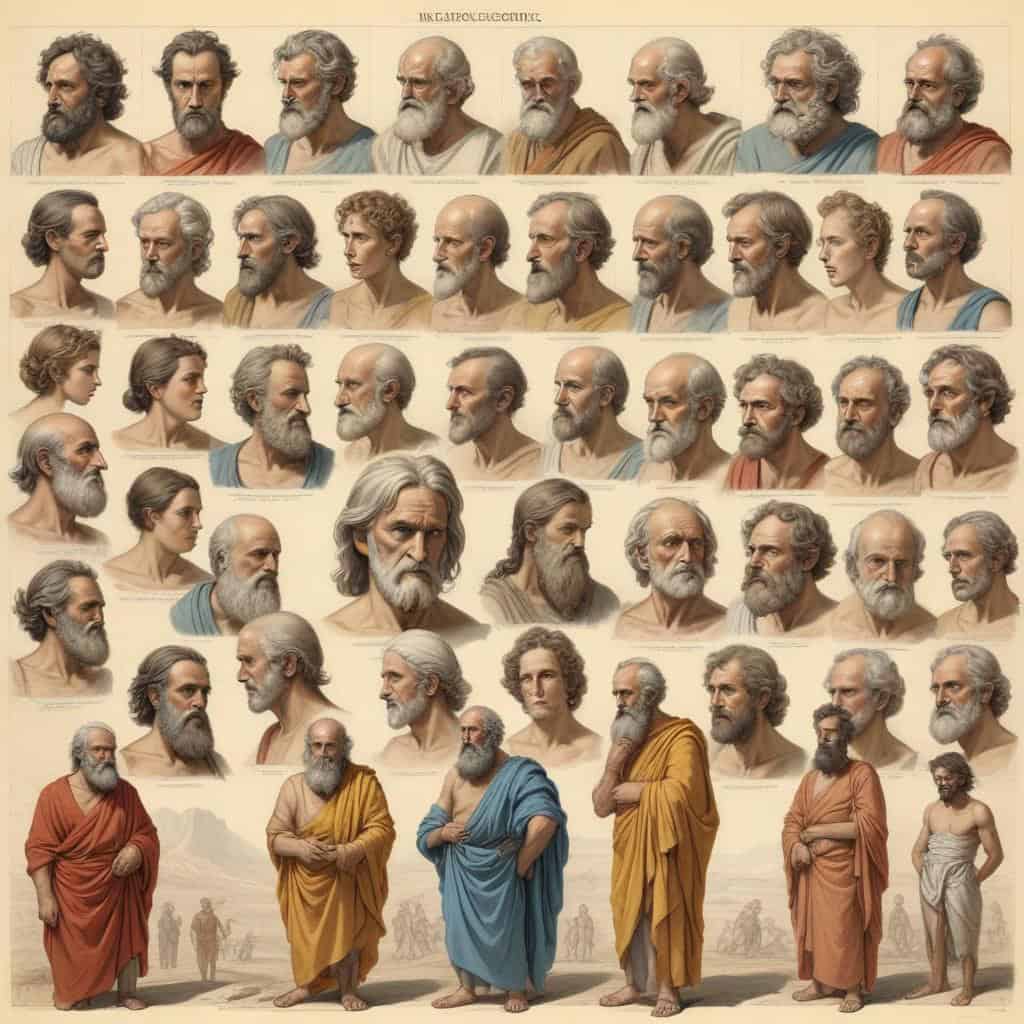

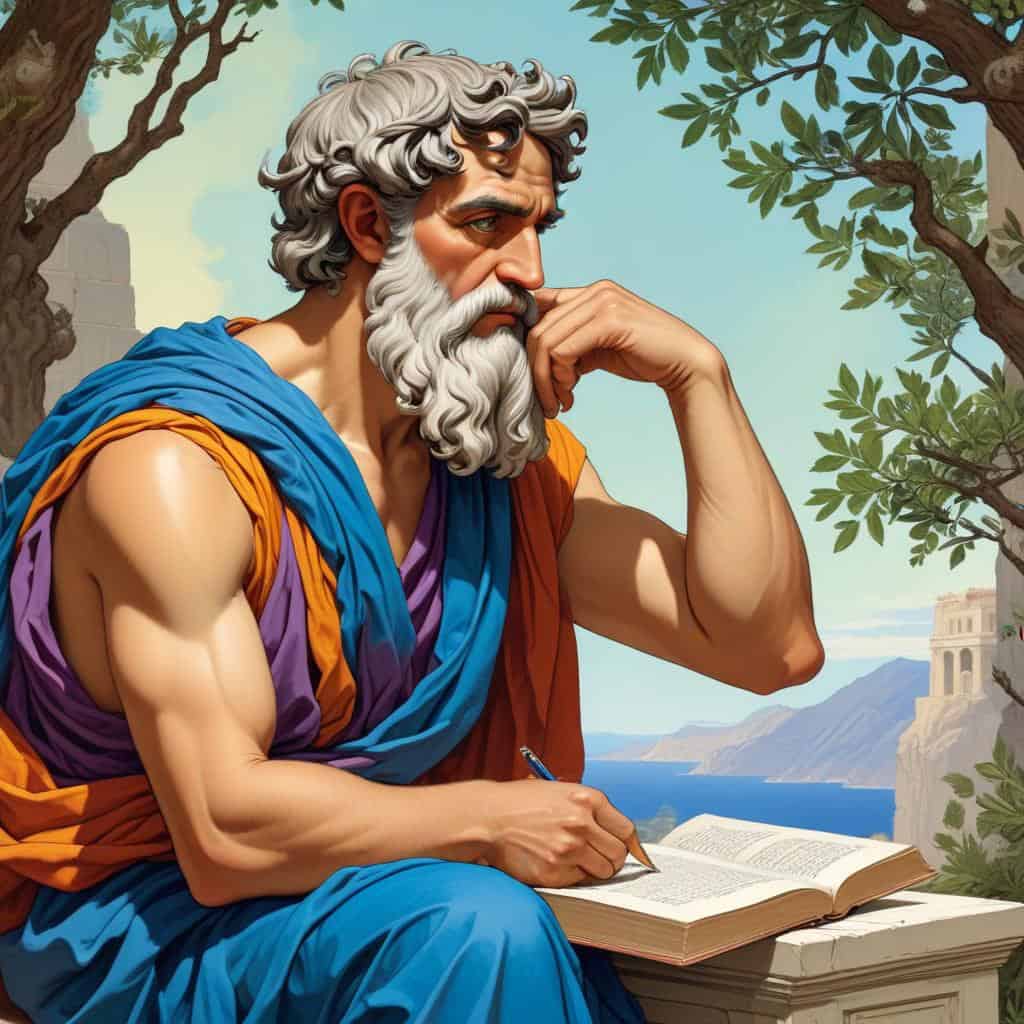
Pyrrho of Elis
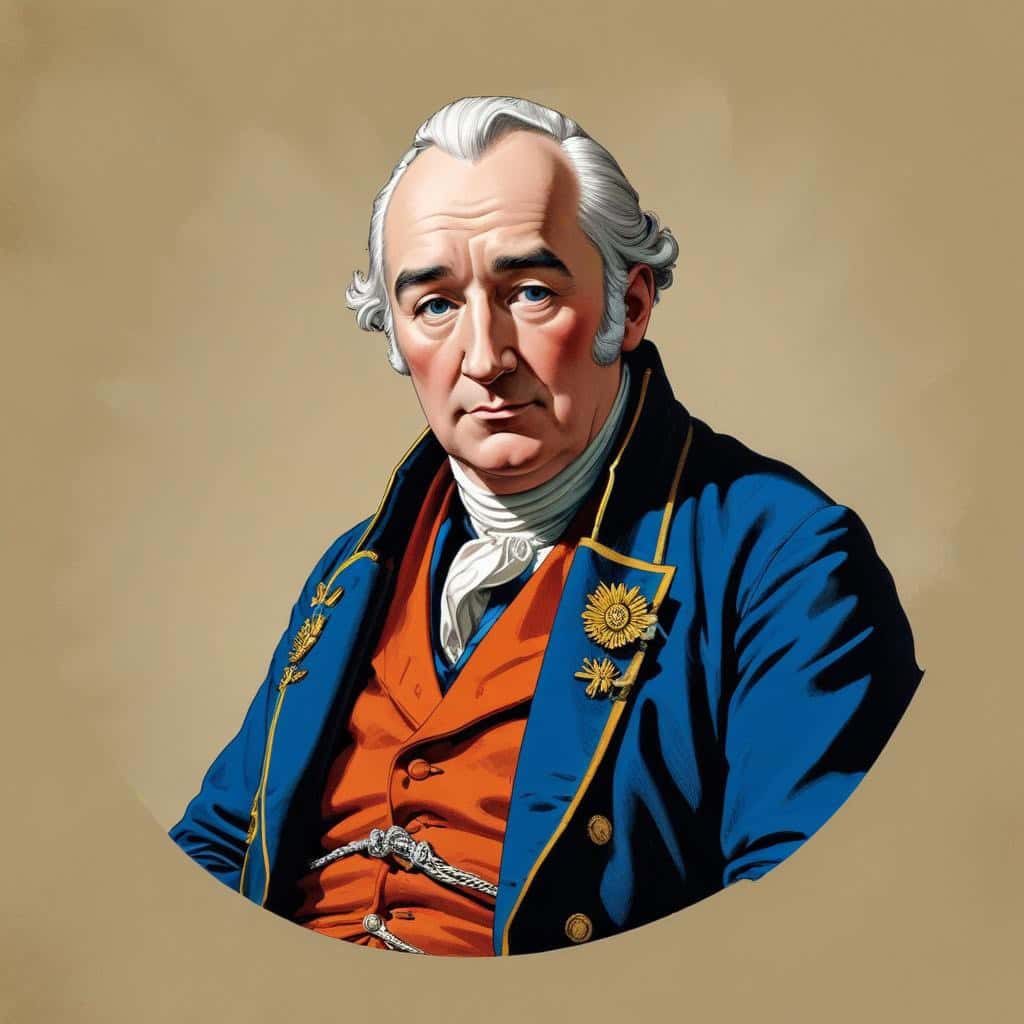
David Hume

René Descartes

1. Introduction to Skepticism
2. Origins of Skepticism

3. Types of Skepticism

4. The Problem of Induction

5. Responses to Skepticism

6. The Importance of Skepticism

7. Skepticism in Everyday Life
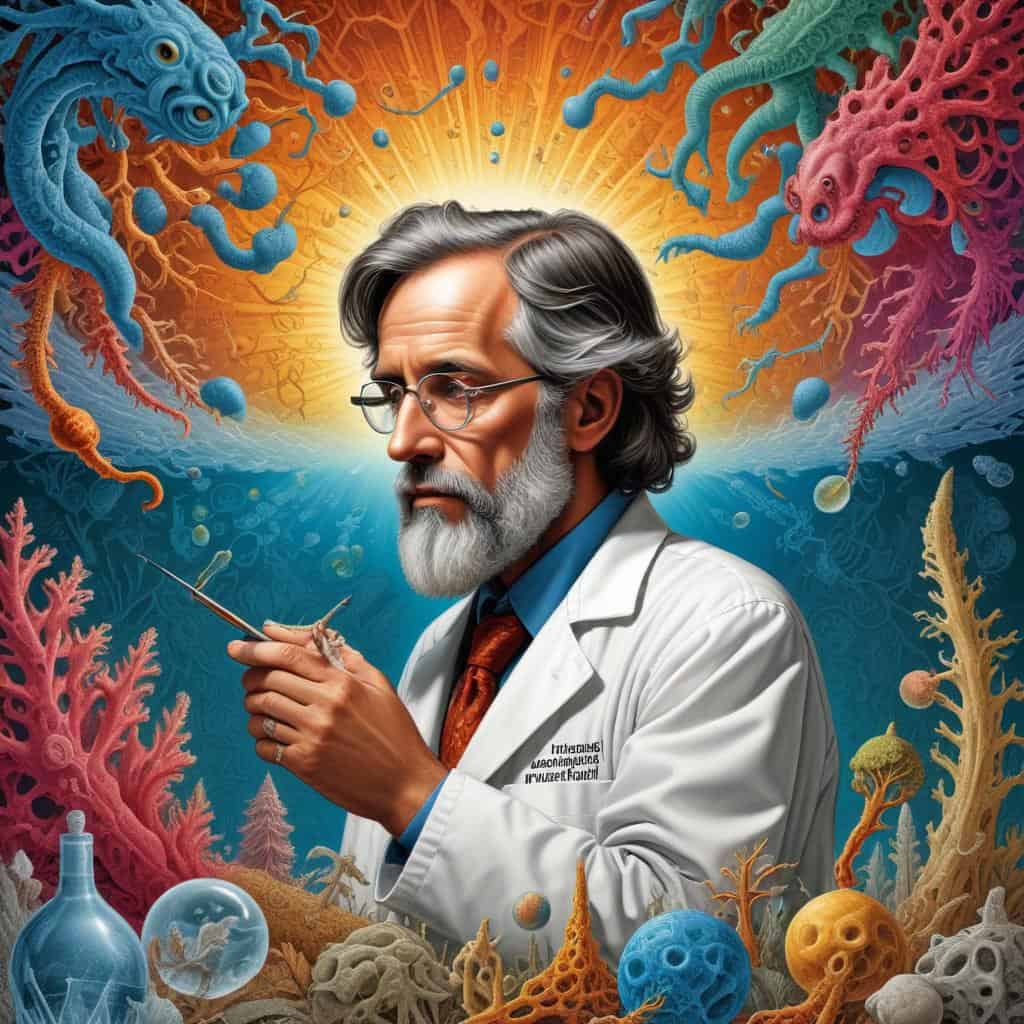
8. Skepticism and Science

9. Embracing Skepticism


Lesson Details & Resources
In a Nutshell
- Concept: A philosophical approach that doubts the possibility of certainty in knowledge and beliefs.
- Thinkers: Pyrrho of Elis, Sextus Empiricus, David Hume, Rene Descartes, Michel de Montaigne, 4th Century BC to 18th Century AD.
- Central Question: How do we know what we claim to know, and can we ever be truly certain?
- Core Implication: Skepticism challenges the reliability of our beliefs and encourages critical thinking and open-mindedness.
Timeline of Skepticism: Questioning Everything
Pyrrho of Elis develops Pyrrhonism, a form of skepticism that questions the possibility of knowledge
Academic skepticism is founded by Arcesilaus in response to the dogmatism of the Stoics
Sextus Empiricus writes 'Outlines of Pyrrhonism', a comprehensive work on skepticism
Medieval philosophers like Al-Ghazali and St. Augustine incorporate skepticism into their works
Renaissance thinkers like Montaigne and Descartes engage with skepticism in their writings
David Hume publishes 'An Enquiry Concerning Human Understanding', a key work on skepticism
Immanuel Kant responds to Hume's skepticism with his 'Critique of Pure Reason'
Friedrich Nietzsche explores skepticism in his works, challenging traditional notions of truth
Logical positivism emerges in the early 20th century, advocating for a scientific approach to knowledge
Postmodernism in the late 20th century questions the possibility of objective truth and knowledge
Contemporary philosophers like Richard Rorty and Jacques Derrida continue to explore skepticism in the 21st century
Skepticism remains a central theme in modern philosophy, influencing debates on epistemology and metaphysics
Vocabulary List
- Skepticism
- Skepticism is the philosophical approach of questioning everything and not readily accepting beliefs or claims without evidence.
- Epistemology
- Epistemology is a branch of philosophy that deals with how we know what we know, which is closely related to skepticism.
- Skeptical
- She was skeptical of the politician's promises, as she questioned the evidence supporting his claims.
- Dogmatism
- Dogmatism is the opposite of skepticism, as it involves a rigid adherence to beliefs without questioning.
- Agnosticism
- Agnosticism is a form of skepticism that acknowledges the limitations of human knowledge in certain areas.
- Relativism
- Relativism is a philosophical stance that can be seen as a form of skepticism towards absolute truths.
- Empiricism
- Empiricism is often associated with skepticism, as it values evidence and experimentation over unverified claims.
- Doubt
- The skeptic's constant doubt led them to question even the most widely accepted beliefs.
- Cynicism
- While skepticism involves questioning beliefs, cynicism goes further by assuming the worst of human nature.
- Critical Thinking
- Critical thinking is essential for practicing skepticism, as it involves questioning assumptions and evaluating evidence.
Key Facts
This is the information used in the fact matching game
- Skepticism is a philosophical position that questions the possibility of knowledge and the certainty of beliefs.
- Skeptics argue that it is difficult or impossible to know anything for certain, as our senses can be deceived and our reasoning can be flawed.
- Pyrrho of Elis is considered one of the earliest skeptics in ancient philosophy, advocating for suspension of judgment on all matters.
- Descartes famously employed skepticism in his method of doubt, questioning the certainty of his beliefs in order to find indubitable knowledge.
- The modern skeptical movement often focuses on debunking pseudoscience, supernatural claims, and other unfounded beliefs.
- Skeptics value critical thinking and empirical evidence over blind faith or appeal to authority.
- David Hume's skepticism in epistemology questioned the validity of inductive reasoning and causality.
- Skeptics may challenge religious beliefs, political ideologies, and cultural norms in their quest for truth and understanding.
- The ancient Greek philosopher Sextus Empiricus developed the Pyrrhonian Skepticism school of thought, emphasizing suspension of judgment and the search for ataraxia (tranquility).
- Skeptics do not necessarily deny the existence of truth or knowledge, but rather question our ability to access or know it with certainty.
- René Descartes' famous assertion 'I think, therefore I am' is often viewed as a foundational response to skepticism, establishing the existence of the thinking self.
- Skepticism can be both a philosophical position and a methodological approach to inquiry, encouraging critical examination and doubt in the pursuit of truth.
- The scientific method incorporates skepticism by subjecting hypotheses to rigorous testing and scrutiny before accepting them as provisional truths.
- Ancient skeptics like Carneades of Cyrene argued that truth is elusive and that we should withhold judgment on matters that cannot be known with certainty.
- Skeptics may challenge the reliability of memory, perception, and reason as sources of knowledge, highlighting the limitations of human cognition.
- Some skeptics advocate for a form of moderate skepticism that allows for provisional beliefs based on evidence and reason, while remaining open to revision.
- The philosopher Friedrich Nietzsche critiqued traditional forms of skepticism, arguing for a more affirmative and life-affirming approach to truth-seeking.
- Skepticism can lead to epistemic humility, recognizing the limitations of human knowledge and the fallibility of our beliefs.
- The skeptical tradition has influenced various philosophical movements, including pragmatism, existentialism, and postmodernism.
- Skeptics may question the nature of reality, the existence of external objects, and the reliability of our perceptions as sources of knowledge.
Analysis & Significance
The Core Argument
Skepticism challenges our assumptions and beliefs by advocating for a rigorous questioning of all knowledge claims. By doubting everything, skeptics aim to uncover hidden biases and errors in our thinking, ultimately leading to a more critical and reflective approach to understanding the world.
Criticisms and Counterarguments
Critics argue that skepticism can lead to an endless cycle of doubt, making it impossible to reach any firm conclusions or make meaningful progress. They also question the practicality of constantly questioning everything, suggesting that some level of trust and belief is necessary for functioning in everyday life.
Modern Relevance
In today’s era of fake news and misinformation, skepticism is more important than ever. By encouraging individuals to critically evaluate information and sources, skepticism can help combat the spread of false information and promote a more informed and discerning society. Additionally, in a world filled with complex ethical dilemmas, skepticism can serve as a valuable tool for navigating moral uncertainty and making thoughtful decisions.
Skepticism: Questioning Everything Games


Take Your Learning Offline
Want a convenient, print-ready study guide for this lesson? Become a Memory Wizards Pro member to unlock the downloadable " Memory Scrolls" for this topic and our entire library!
- ✓ Complete Vocabulary Lists
- ✓ Key Facts & Timelines
- ✓ Beautifully Formatted for Print & Mobile