
Epicureanism: Pursuit Of Pleasure
Is pleasure the ultimate purpose of life's journey?
How Do You Learn Best?
Learn by Reading
Immerse yourself in the 10-minute visual lesson for a comprehensive understanding of the topic.
Learn by Reviewing
Jump directly to the key facts, timeline, and vocabulary lists to build a solid foundation of details.
Learn by Doing
Challenge yourself! Jump straight into the interactive games to learn by trial, error, and discovery.
Epicureanism: Pursuit Of Pleasure in 10 Minutes

Introduction



Epicurus

Lucretius

Diogenes of Oenoanda
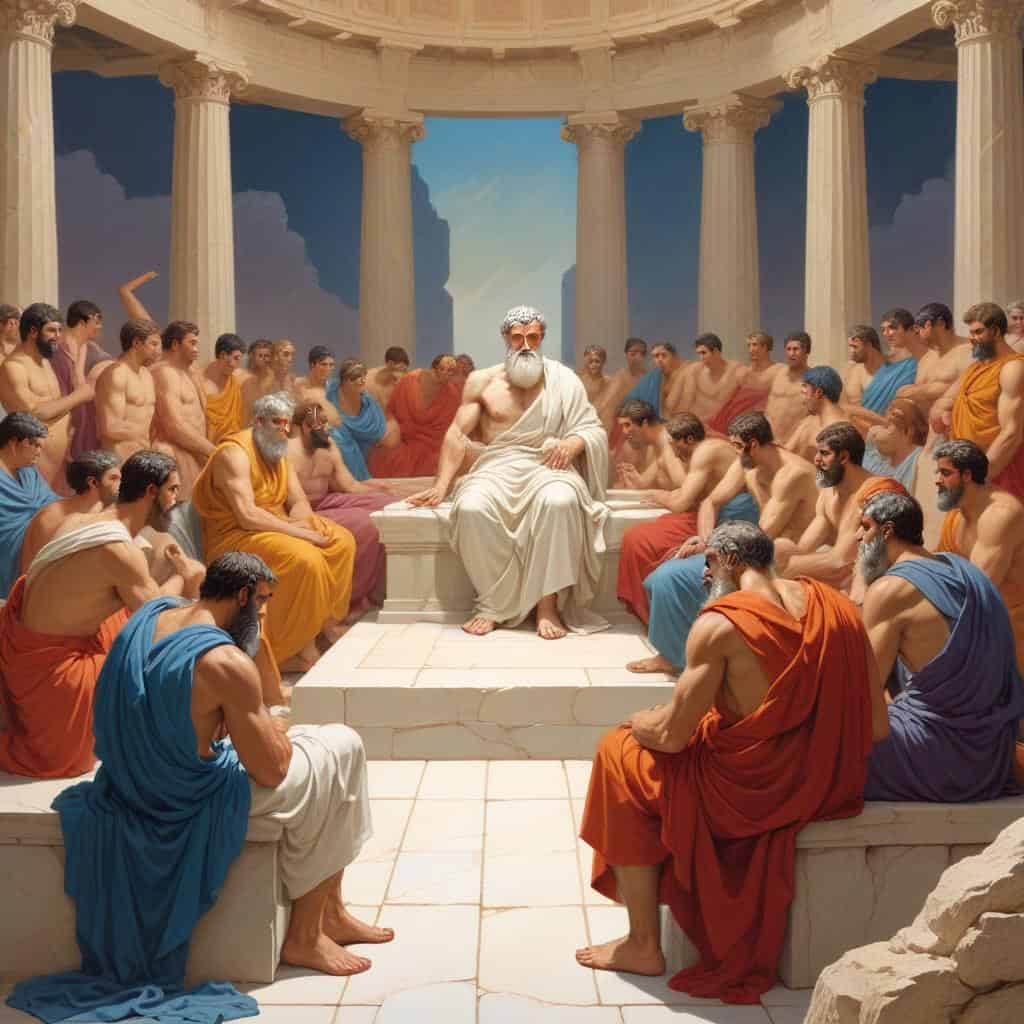
The Birth of Epicureanism
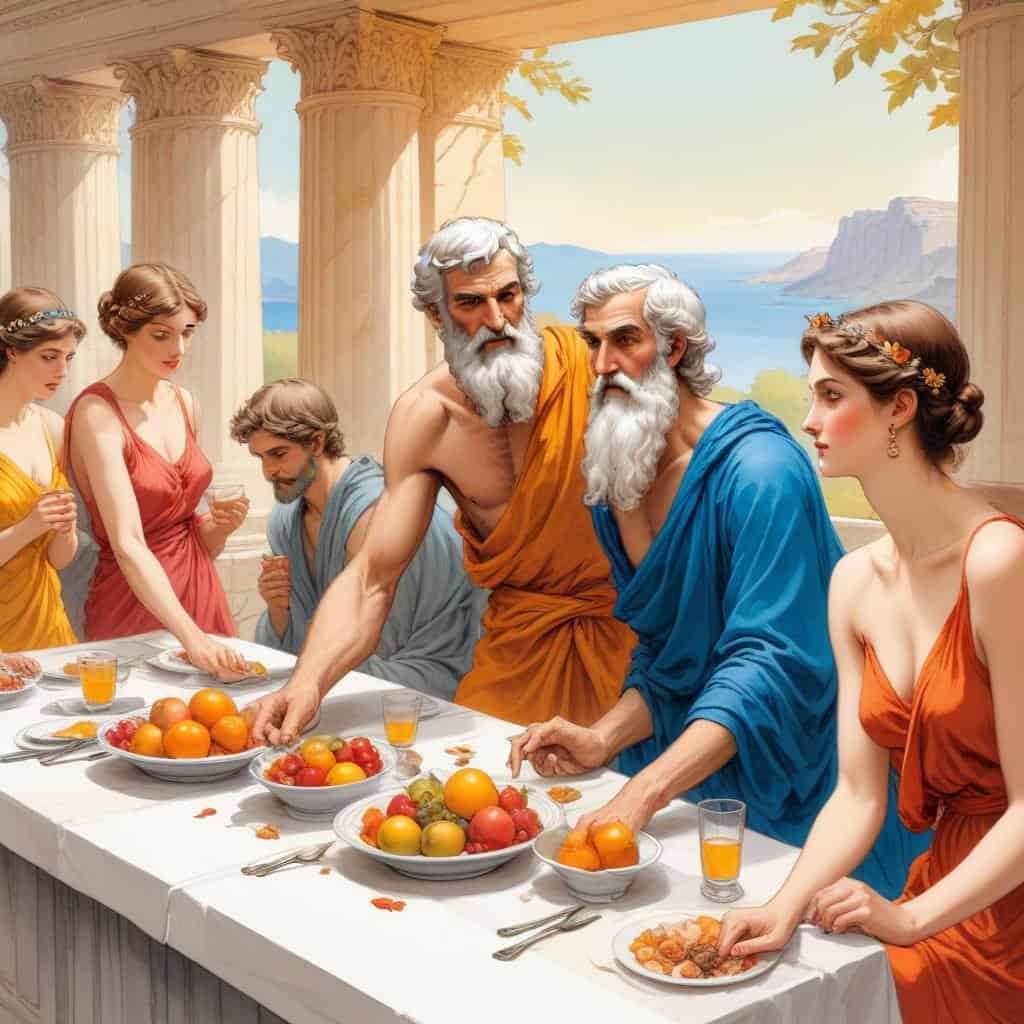
The Pursuit of Pleasure

The Importance of Moderation

The Role of Tranquility

The Rejection of Fear

The Pursuit of Knowledge
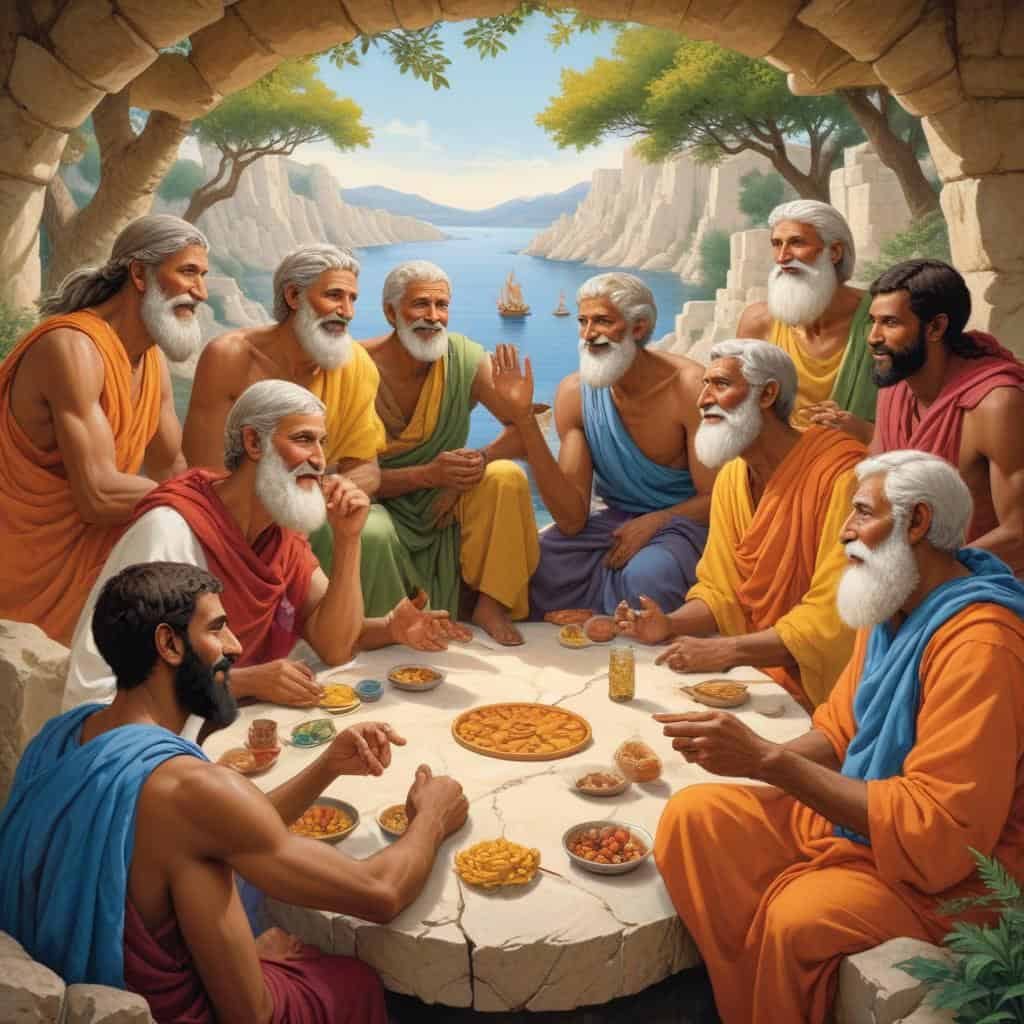
The Importance of Friendship

The Criticism of Epicureanism

The Legacy of Epicureanism

The Modern Relevance of Epicureanism


Lesson Details & Resources
In a Nutshell
- Concept: A philosophical school of thought that advocates for the pursuit of pleasure and the avoidance of pain as the highest good.
- Thinkers: Epicurus, 4th-3rd Century BCE
- Central Question: How can we achieve a life of tranquility and happiness?
- Core Implication: The key to a fulfilling life is to seek simple pleasures and avoid unnecessary desires and fears.
Timeline of Epicureanism: Pursuit Of Pleasure
Vocabulary List
- Epicureanism
- Epicureanism is centered around the idea that pleasure is the greatest good and should be sought after in all aspects of life.
- Hedonism
- Epicureanism is often associated with hedonism, as both philosophies prioritize pleasure and happiness as the ultimate goals.
- Ataraxia
- Epicureans strive for ataraxia, believing that it is the key to a happy and fulfilling life.
- Pleasure
- In Epicureanism, pleasure is not just physical enjoyment, but also mental and emotional contentment.
- Aponia
- Epicureans believe that aponia is essential for experiencing true pleasure and happiness.
Key Facts
Analysis & Significance
The Core Argument
Epicureanism, founded by the Greek philosopher Epicurus, posits that the ultimate goal of life is to seek pleasure and avoid pain. However, this pleasure is not merely physical indulgence but rather a state of tranquility and freedom from fear and anxiety.
Criticisms and Counterarguments
One major criticism of Epicureanism is that it promotes a hedonistic lifestyle focused solely on personal pleasure, neglecting the importance of virtues such as justice and integrity. Critics argue that this philosophy can lead to selfishness and moral relativism, undermining the foundations of a just society.
Modern Relevance
In today’s fast-paced and consumer-driven society, the pursuit of pleasure is often equated with material wealth and instant gratification. Epicureanism challenges us to reconsider the true sources of happiness and fulfillment, urging us to prioritize mental well-being and inner peace over external validations. By embracing the principles of moderation and simplicity, we can cultivate a more meaningful and sustainable way of life in the face of modern pressures.
Epicureanism: Pursuit Of Pleasure Games


Take Your Learning Offline
Want a convenient, print-ready study guide for this lesson? Become a Memory Wizards Pro member to unlock the downloadable " Memory Scrolls" for this topic and our entire library!
- ✓ Complete Vocabulary Lists
- ✓ Key Facts & Timelines
- ✓ Beautifully Formatted for Print & Mobile