
Cynicism: Embracing Virtue
Can cynicism lead us to a higher sense of purpose?
How Do You Learn Best?
Learn by Reading
Immerse yourself in the 10-minute visual lesson for a comprehensive understanding of the topic.
Learn by Reviewing
Jump directly to the key facts, timeline, and vocabulary lists to build a solid foundation of details.
Learn by Doing
Challenge yourself! Jump straight into the interactive games to learn by trial, error, and discovery.
Cynicism: Embracing Virtue in 10 Minutes

Introduction
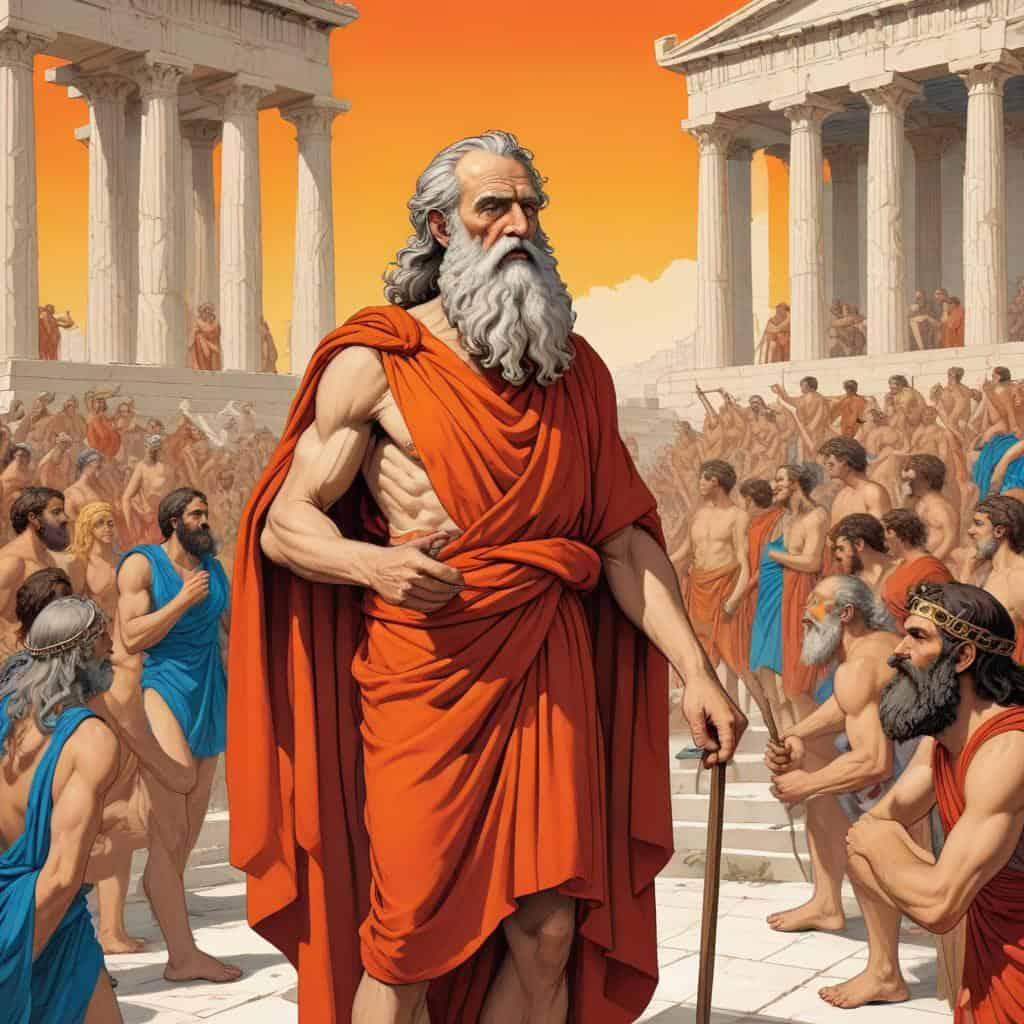


Diogenes of Sinope
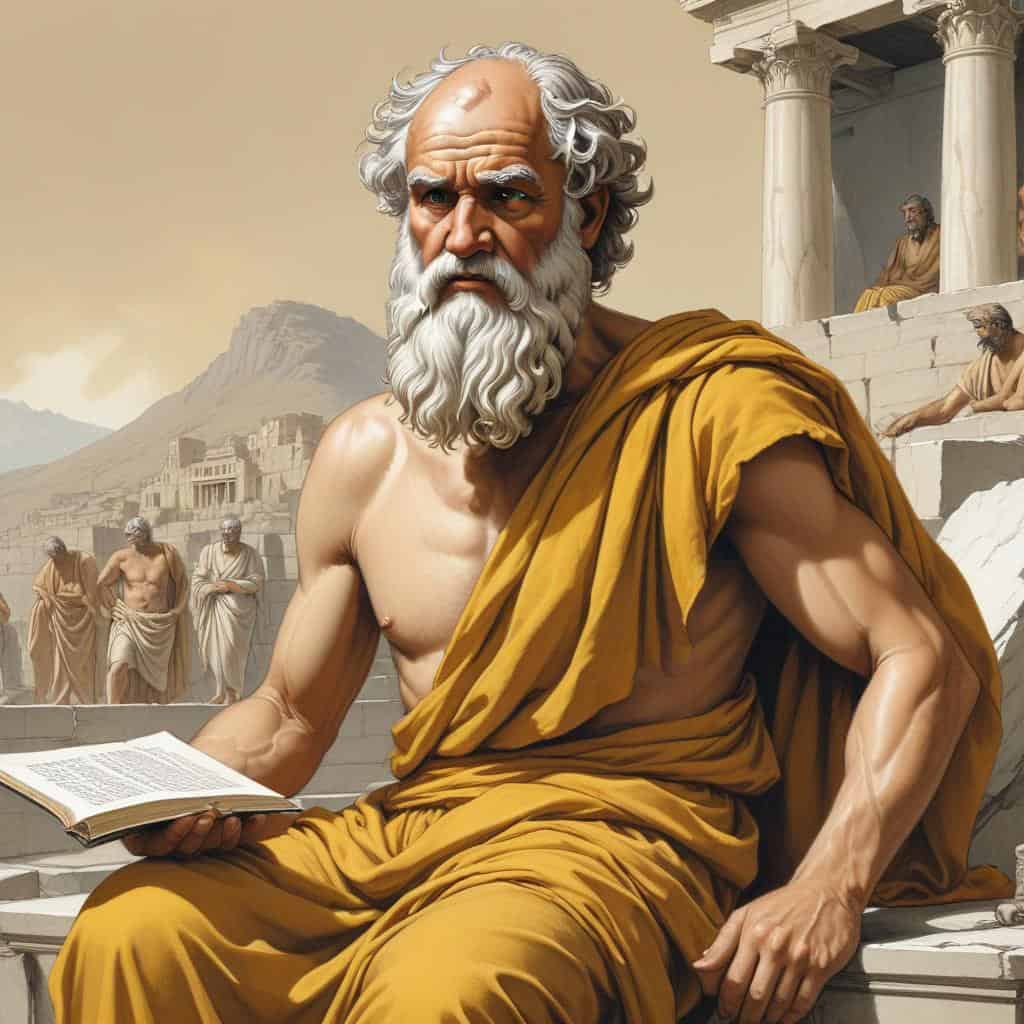
Antisthenes

Crates of Thebes

Hipparchia of Maroneia
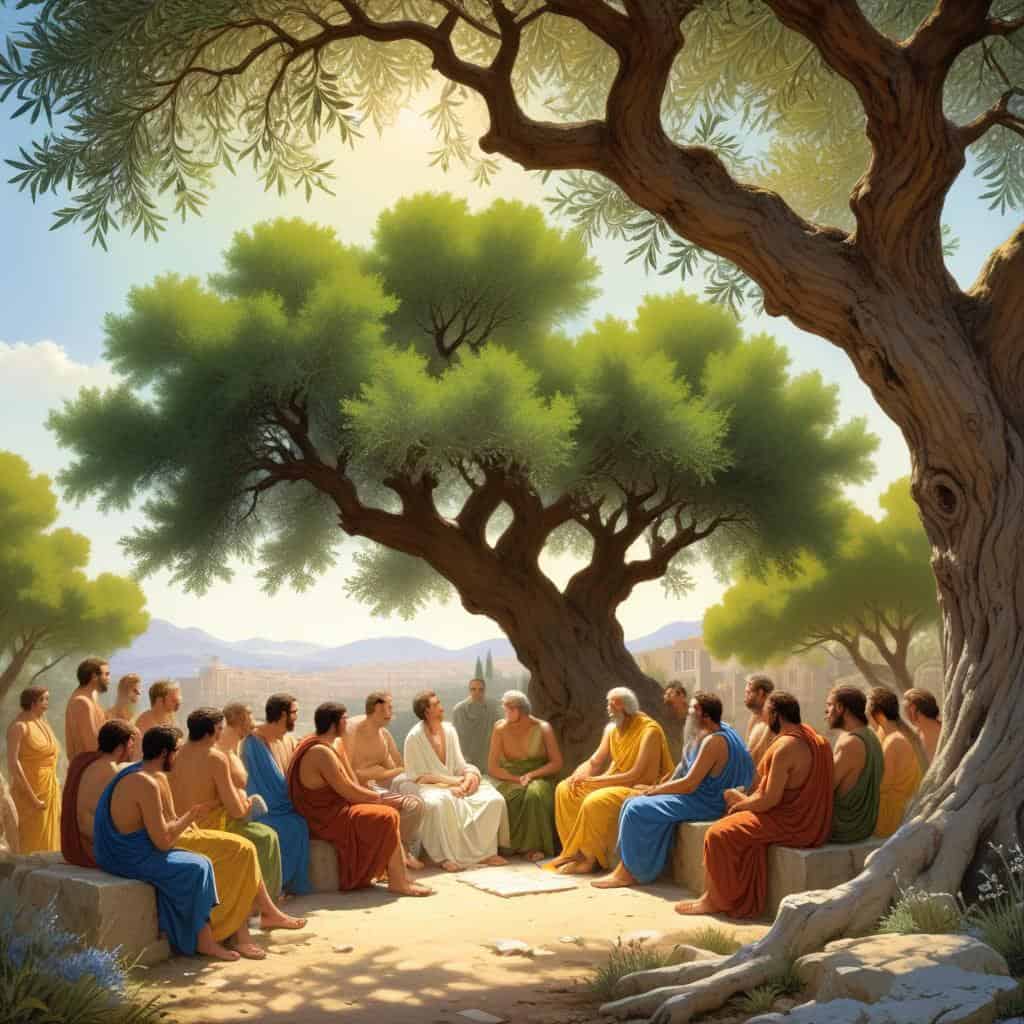
1. The Birth of Cynicism

2. The Founder: Diogenes of Sinope

3. The Cynic Lifestyle

4. Embracing Virtue

5. Critique of Society

6. Embracing Freedom

7. Influence on Stoicism

8. Legacy of Cynicism

9. Modern Interpretations

10. Embracing Virtue Today


Lesson Details & Resources
In a Nutshell
- Concept: A philosophical school of thought that advocates for living a simple life in accordance with nature and embracing virtue.
- Thinkers: Antisthenes, Diogenes of Sinope, and other ancient Greek philosophers, 4th-3rd Century BC.
- Central Question: How can one live a virtuous and fulfilling life in a world filled with corruption and materialism?
- Core Implication: By rejecting societal norms and material desires, individuals can find true happiness and fulfillment through embracing virtue and living in harmony with nature.
Timeline of Cynicism: Embracing Virtue
Diogenes of Sinope founds Cynicism as a philosophical movement
Diogenes becomes the most famous Cynic philosopher
Diogenes lives in a barrel in Athens
Cynics reject societal norms and material possessions
Antisthenes, a student of Socrates, influences Cynic philosophy
Cynics prioritize self-sufficiency and living in accordance with nature
Cynicism gains popularity in ancient Greece
Cynics advocate for living a simple and virtuous life
Cynic philosophers challenge traditional beliefs and values
Cynicism influences Stoicism and later philosophical movements
Cynicism continues to be practiced by philosophers in the Roman Empire
Cynic principles are adopted by Roman emperor Marcus Aurelius
Cynicism experiences a revival in the Renaissance period
Cynic ideas are explored by modern philosophers and ethicists
Cynicism remains a relevant and influential philosophy in contemporary society
Vocabulary List
- Cynicism
- The philosopher Diogenes is often seen as the embodiment of Cynicism, as he famously lived in a barrel and rejected societal norms.
- Virtue
- Cynicism places a strong emphasis on living a virtuous life, often defined by honesty, integrity, and simplicity.
- Philosophy
- Cynicism is a philosophical school of thought that challenges conventional beliefs and values in favor of a simpler, more authentic way of living.
Key Facts
Analysis & Significance
The Core Argument
Embracing cynicism as a virtue involves seeing the world realistically, without succumbing to naive optimism or idealism. It encourages individuals to be critical of societal norms, question authority, and prioritize personal integrity over societal expectations.
Criticisms and Counterarguments
Critics argue that cynicism can lead to apathy, nihilism, and a lack of trust in others. They also contend that embracing cynicism may overlook the potential for positive change and cooperation within society, leading to a bleak and pessimistic outlook on life.
Modern Relevance
In today’s world filled with political scandals, environmental crises, and social injustices, the concept of cynicism as a virtue remains relevant. It challenges individuals to question the status quo, hold those in power accountable, and strive for authenticity in a world often characterized by superficiality and deceit. By embracing cynicism, individuals can navigate the complexities of modern society with a critical eye and ethical integrity.
Cynicism: Embracing Virtue Games


Take Your Learning Offline
Want a convenient, print-ready study guide for this lesson? Become a Memory Wizards Pro member to unlock the downloadable " Memory Scrolls" for this topic and our entire library!
- ✓ Complete Vocabulary Lists
- ✓ Key Facts & Timelines
- ✓ Beautifully Formatted for Print & Mobile