
How Do You Learn Best?
Learn by Reading
Immerse yourself in the 10-minute visual lesson for a comprehensive understanding of the topic.
Learn by Reviewing
Jump directly to the key facts, timeline, and vocabulary lists to build a solid foundation of details.
Learn by Doing
Challenge yourself! Jump straight into the interactive games to learn by trial, error, and discovery.
To Kill a Mockingbird in 10 Minutes
Introduction
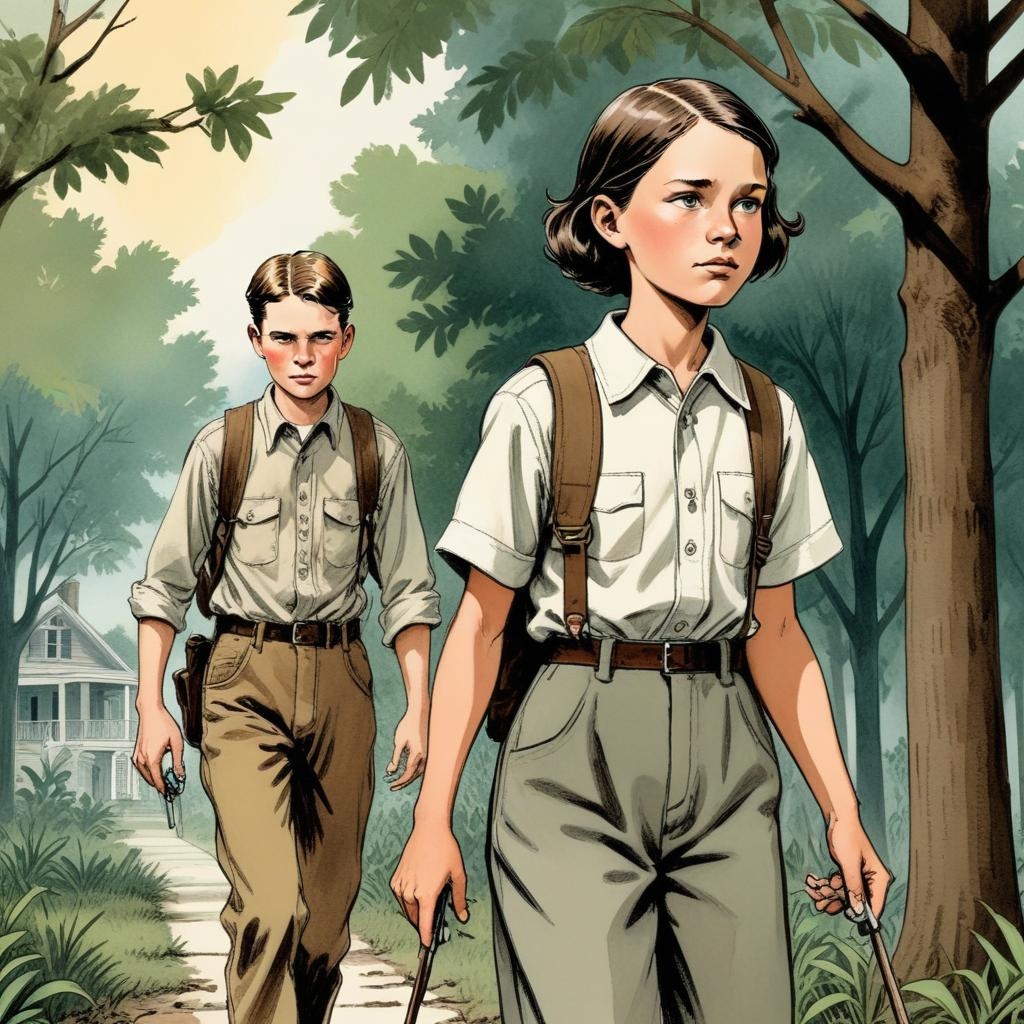


Atticus Finch

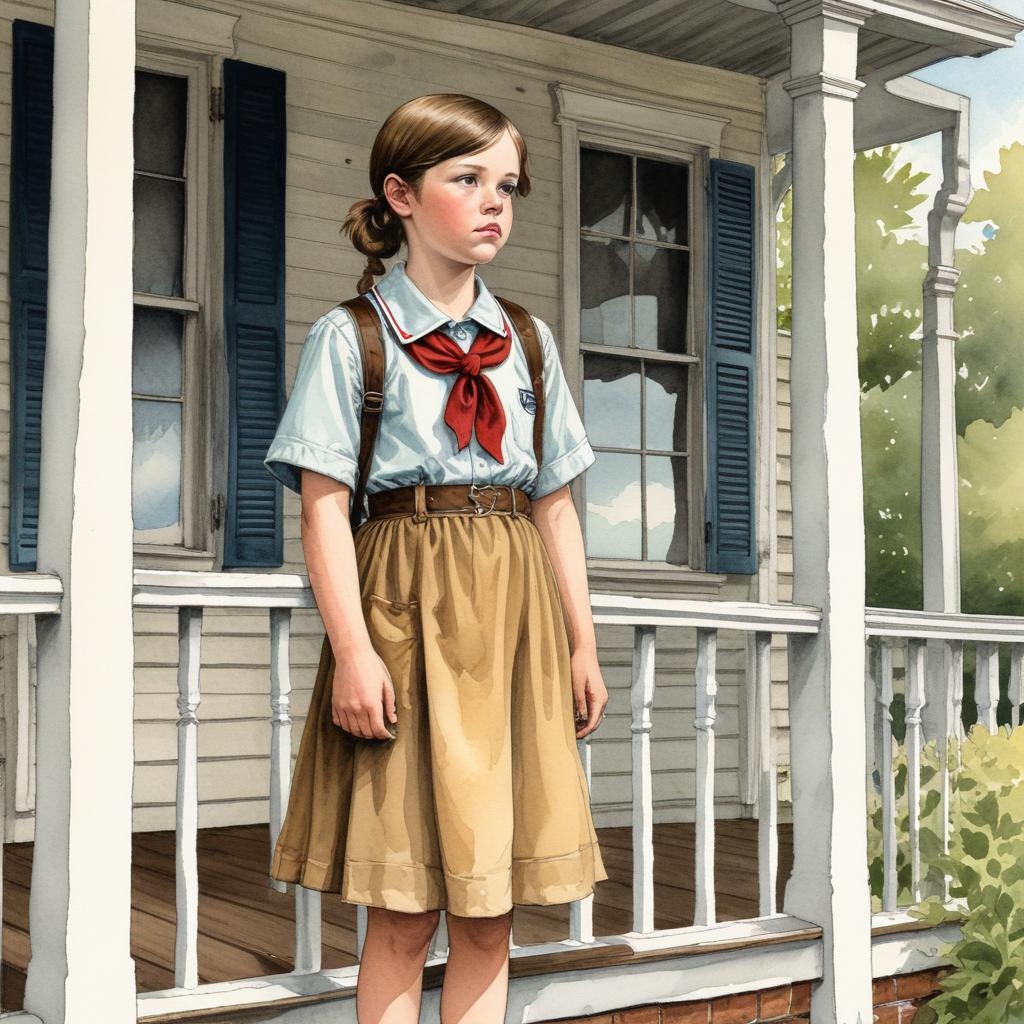
Scout Finch

Jem Finch

Boo Radley

Tom Robinson

Mayella Ewell

Bob Ewell
The Trial of Tom Robinson
The Boo Radley Mystery
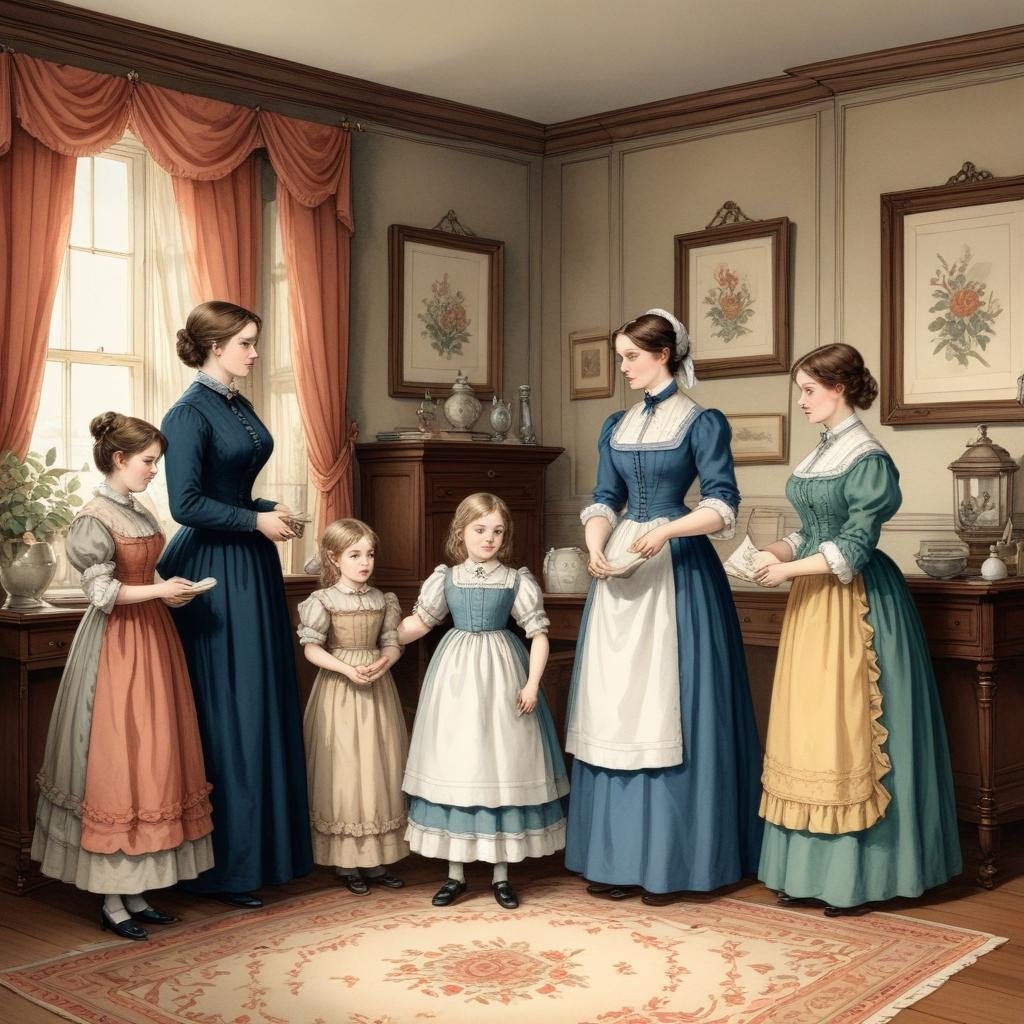
The Finch Family Dynamics
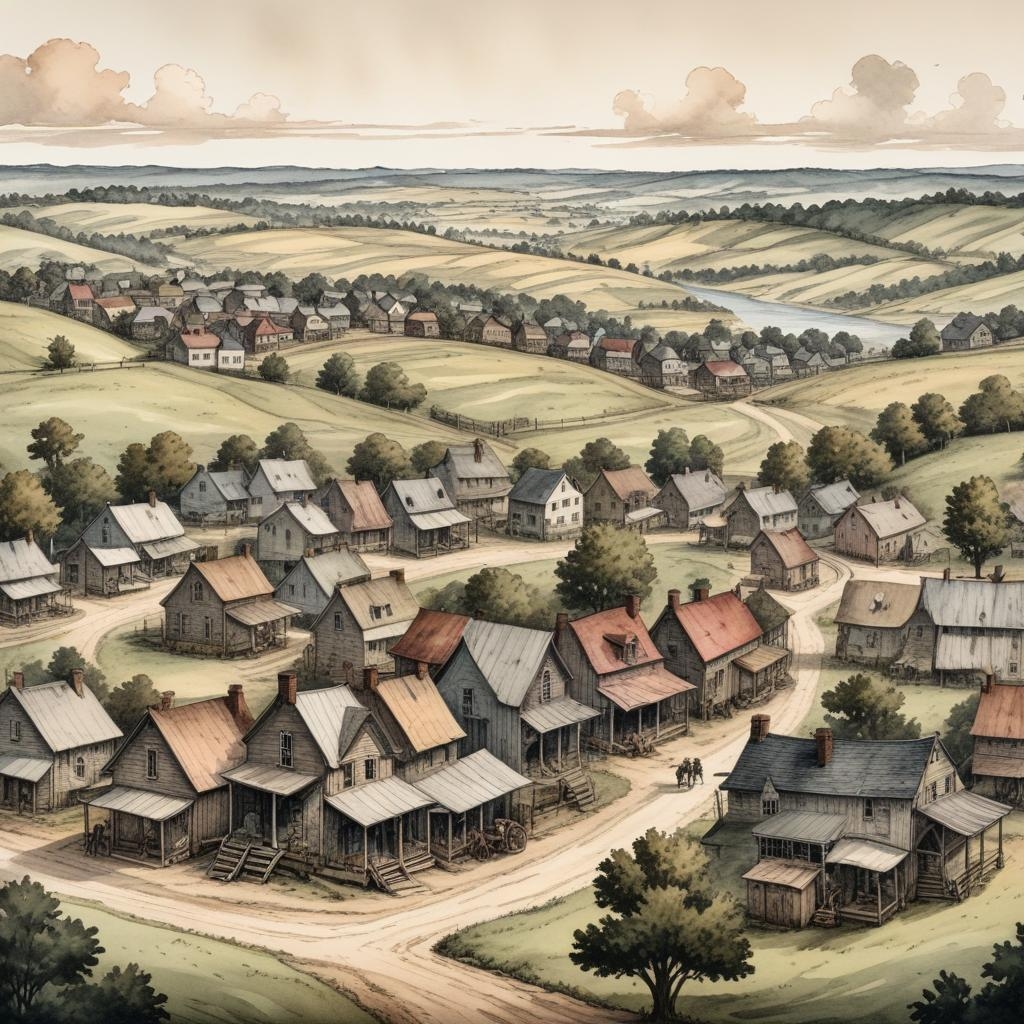
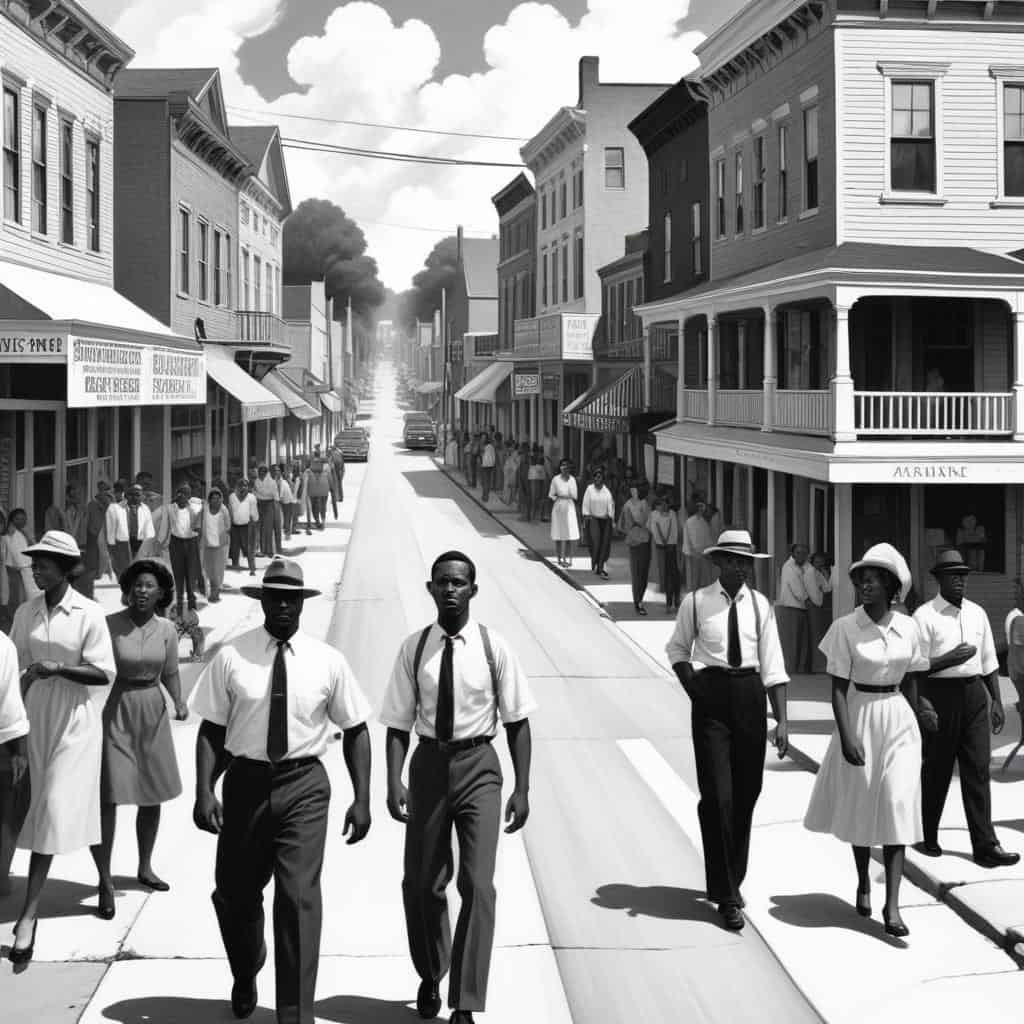
The Influence of Racism
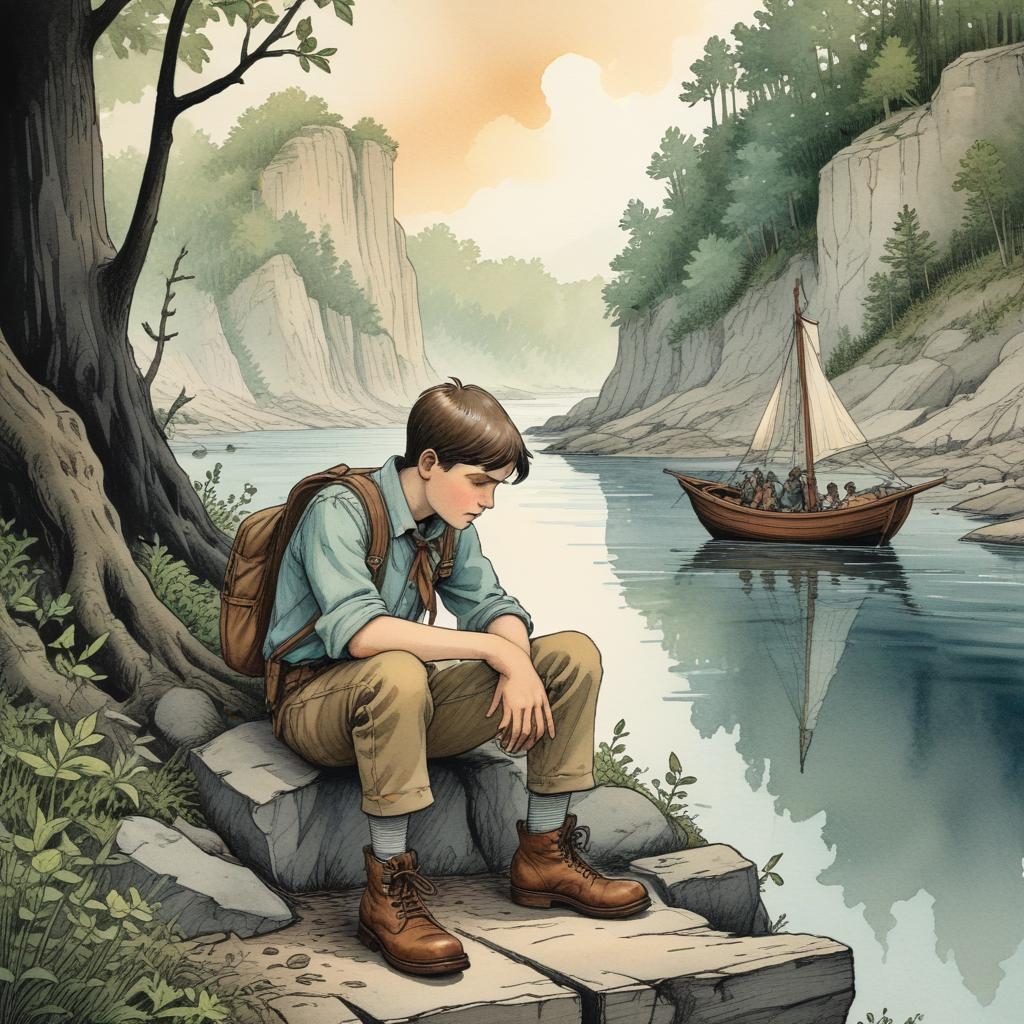
Scouts Education
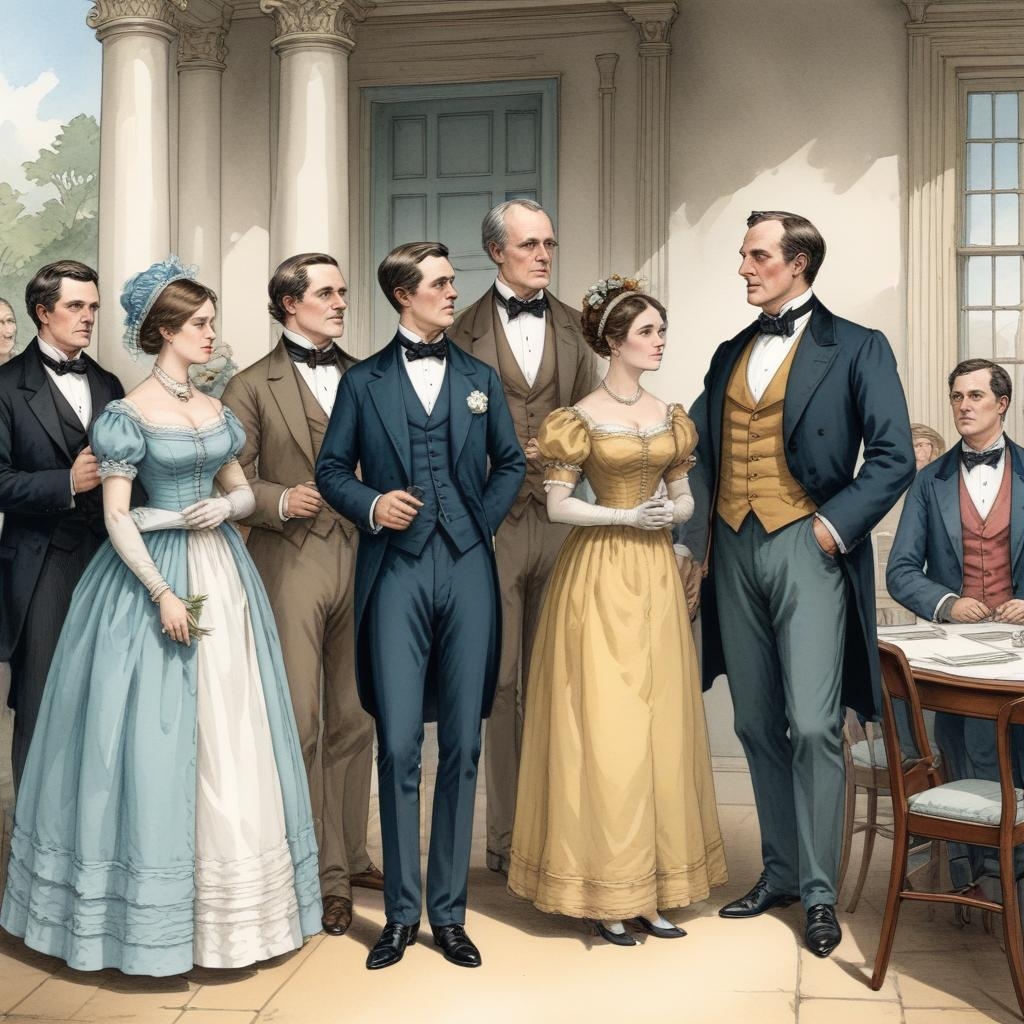
The Impact of Social Class
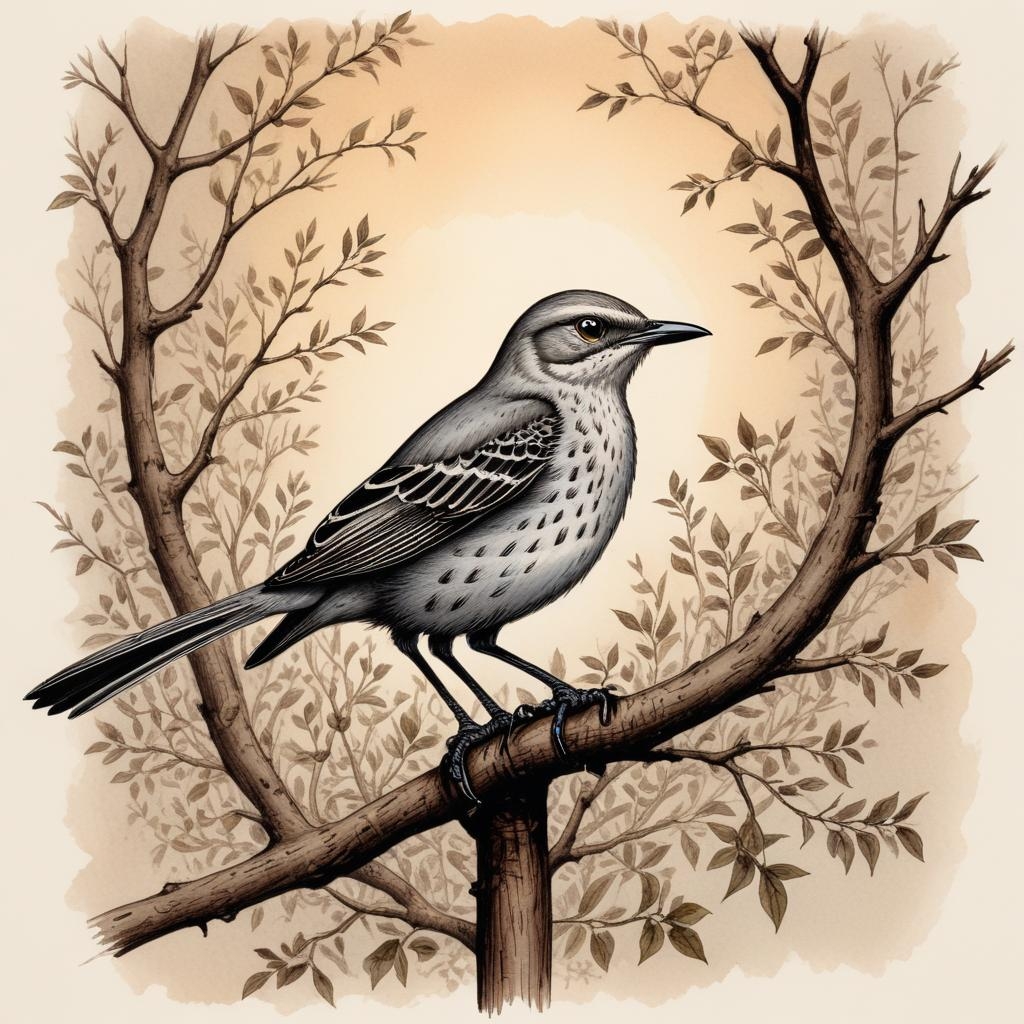
The Significance of the Mockingbird
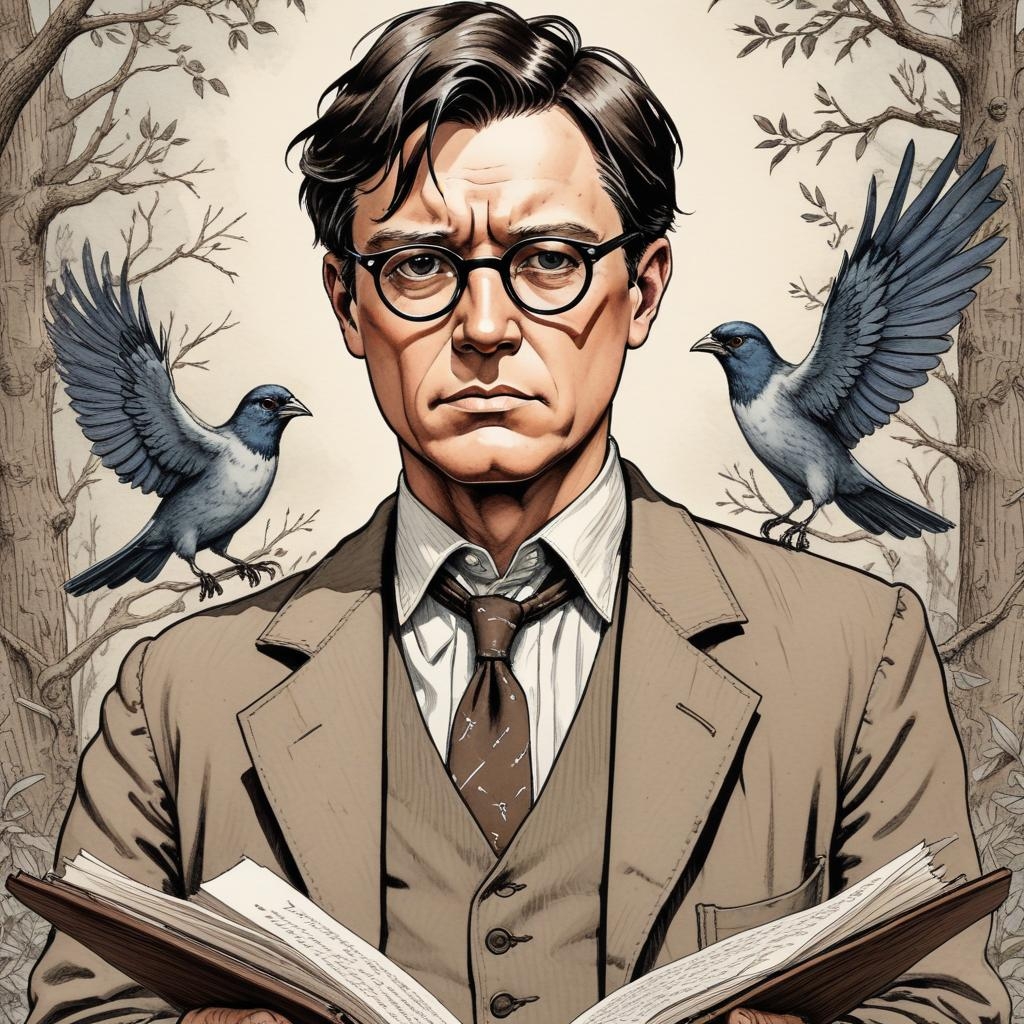
The Legacy of Atticus Finch
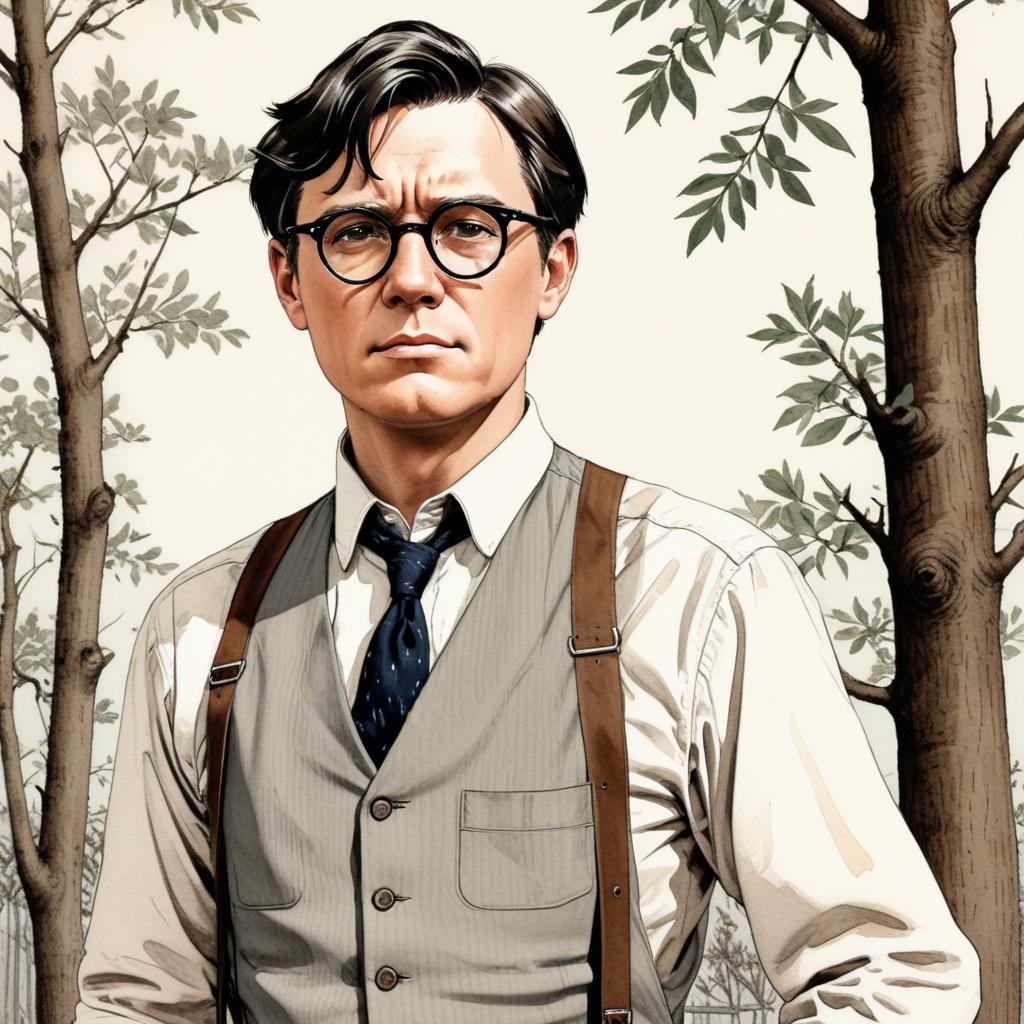
The Aftermath of the Trial
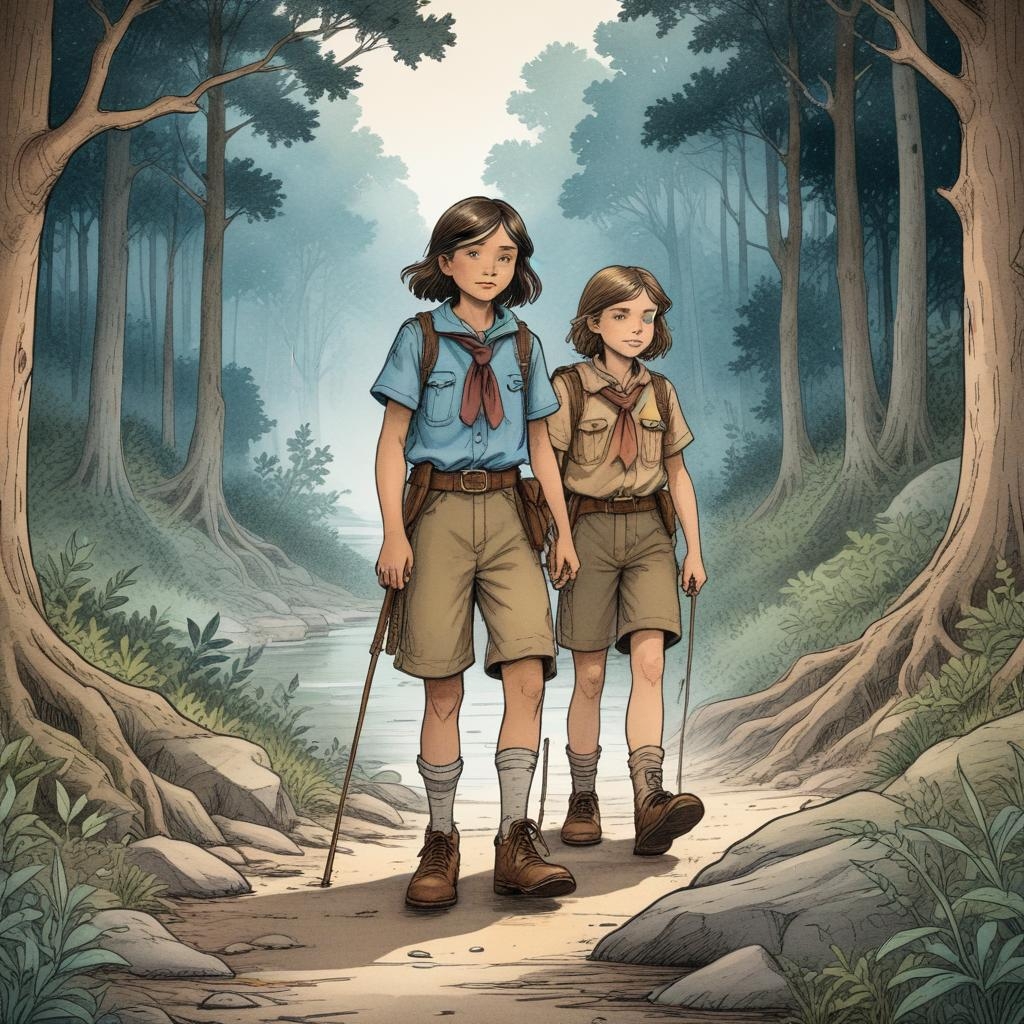
The Power of Empathy
Lesson Details & Resources
In a Nutshell
- What: Novel by Harper Lee
- When: Written in the 1960s
- Who: Scout Finch, Atticus Finch, Boo Radley
- Theme: Racism, social injustice, moral growth
List of Characters in To Kill a Mockingbird
-
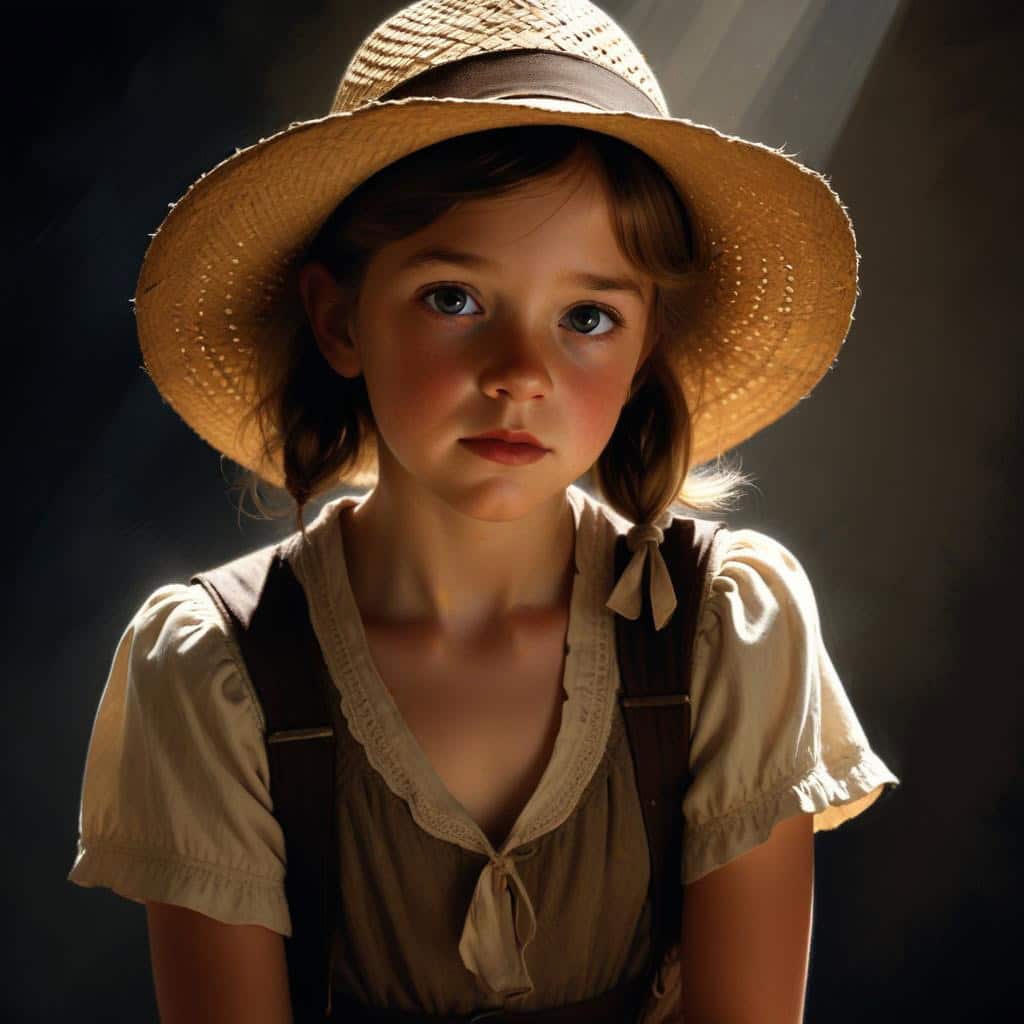
Scout Finch
Scout Finch is the young daughter of Atticus Finch, and the narrator of the story.
-
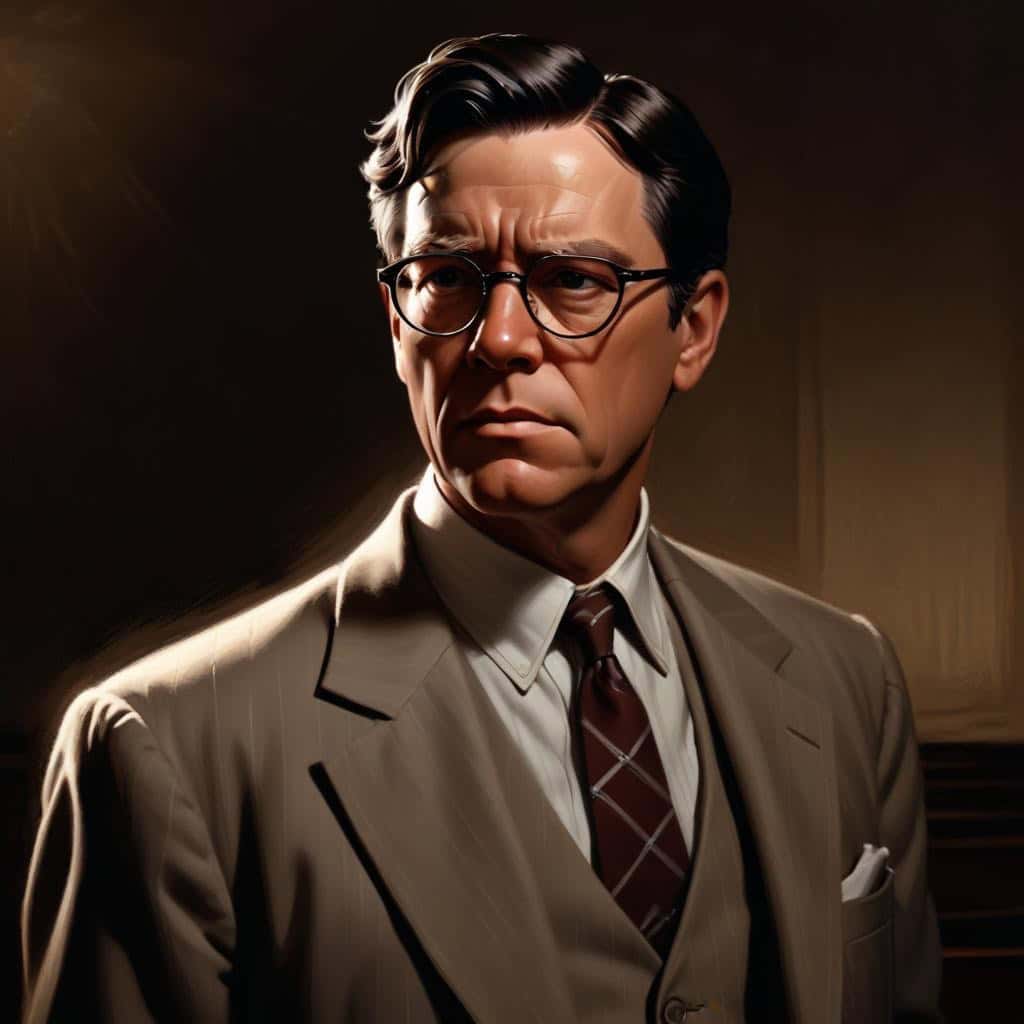
Atticus Finch
Atticus Finch is a respected lawyer in Maycomb, known for his integrity and sense of justice.
-
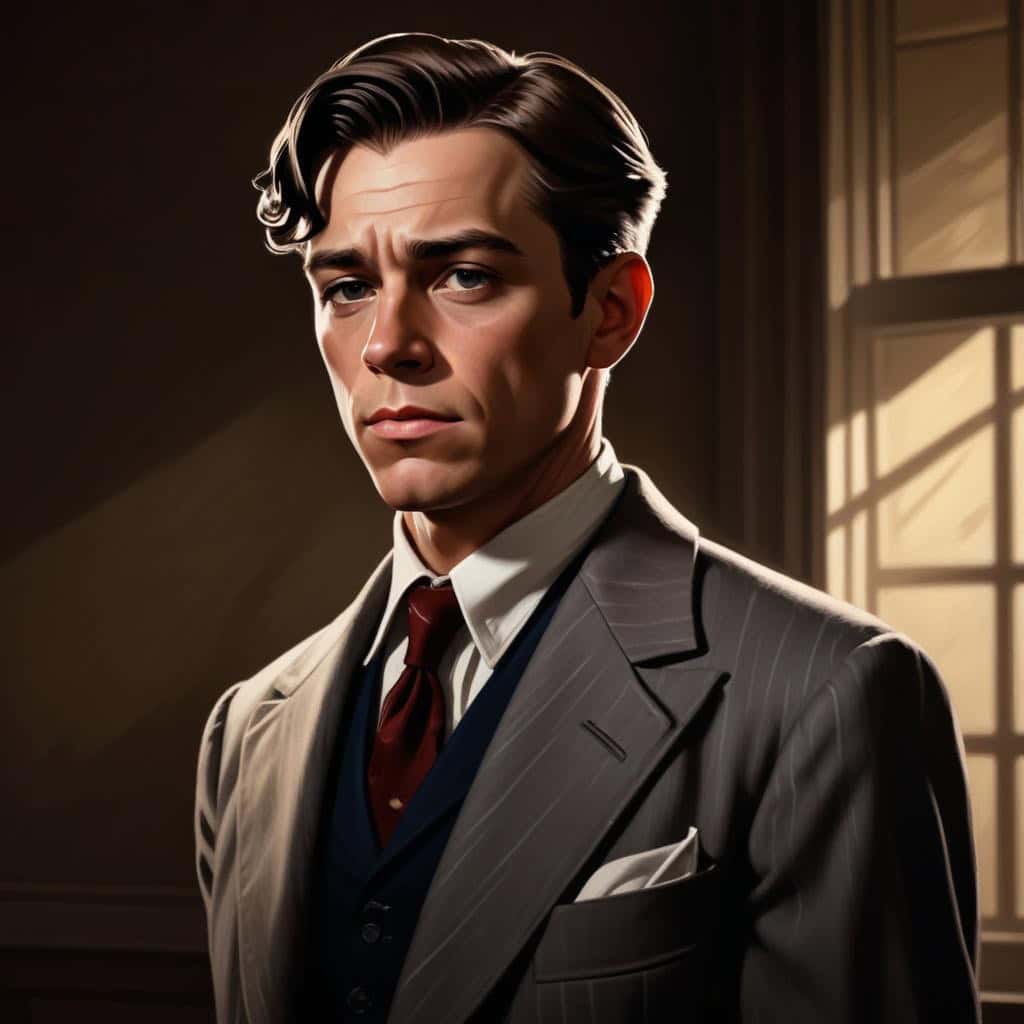
Jem Finch
Jem Finch is Scout's older brother, who is protective of his sister and looks up to their father.
-

Boo Radley
Boo Radley is a mysterious figure who is the subject of much gossip and speculation in Maycomb.
-
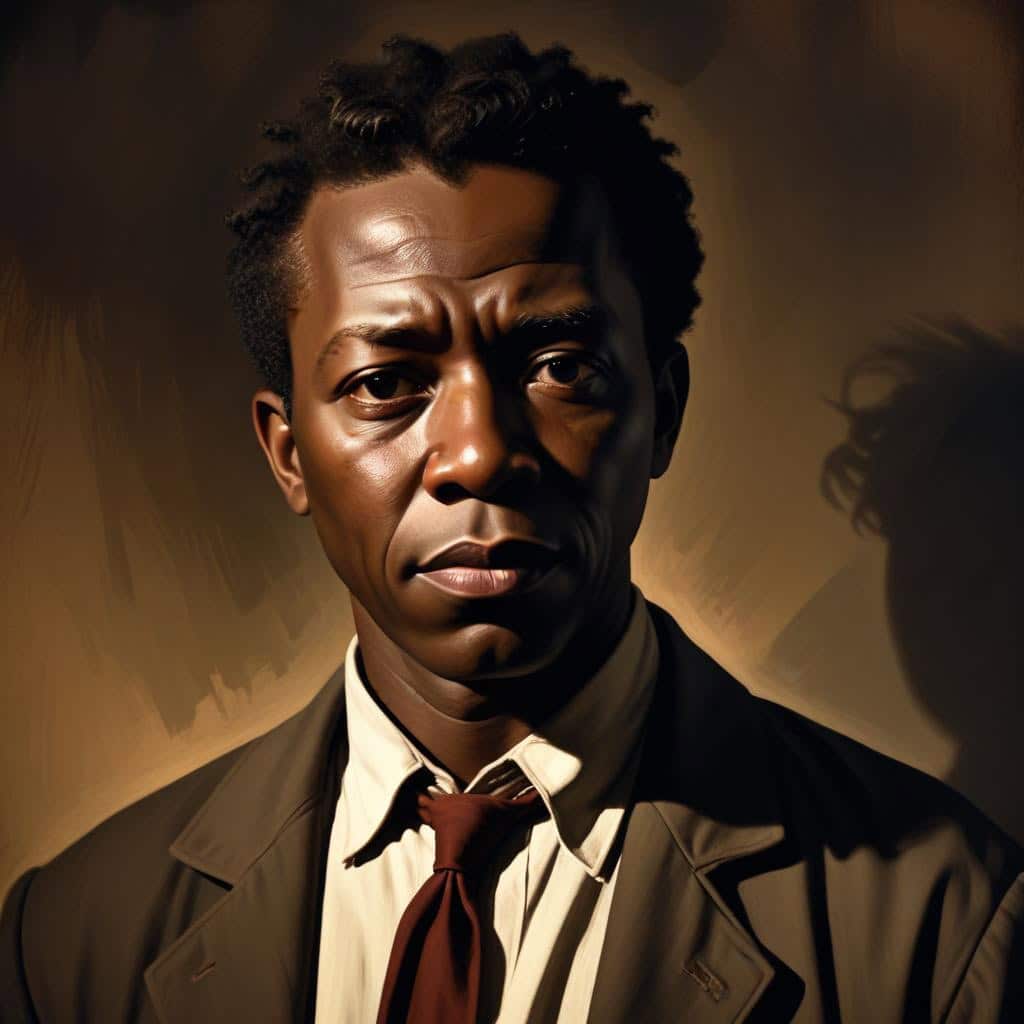
Tom Robinson
Tom Robinson is a black man falsely accused of raping a white woman, whose trial becomes a focal point of the story.
-
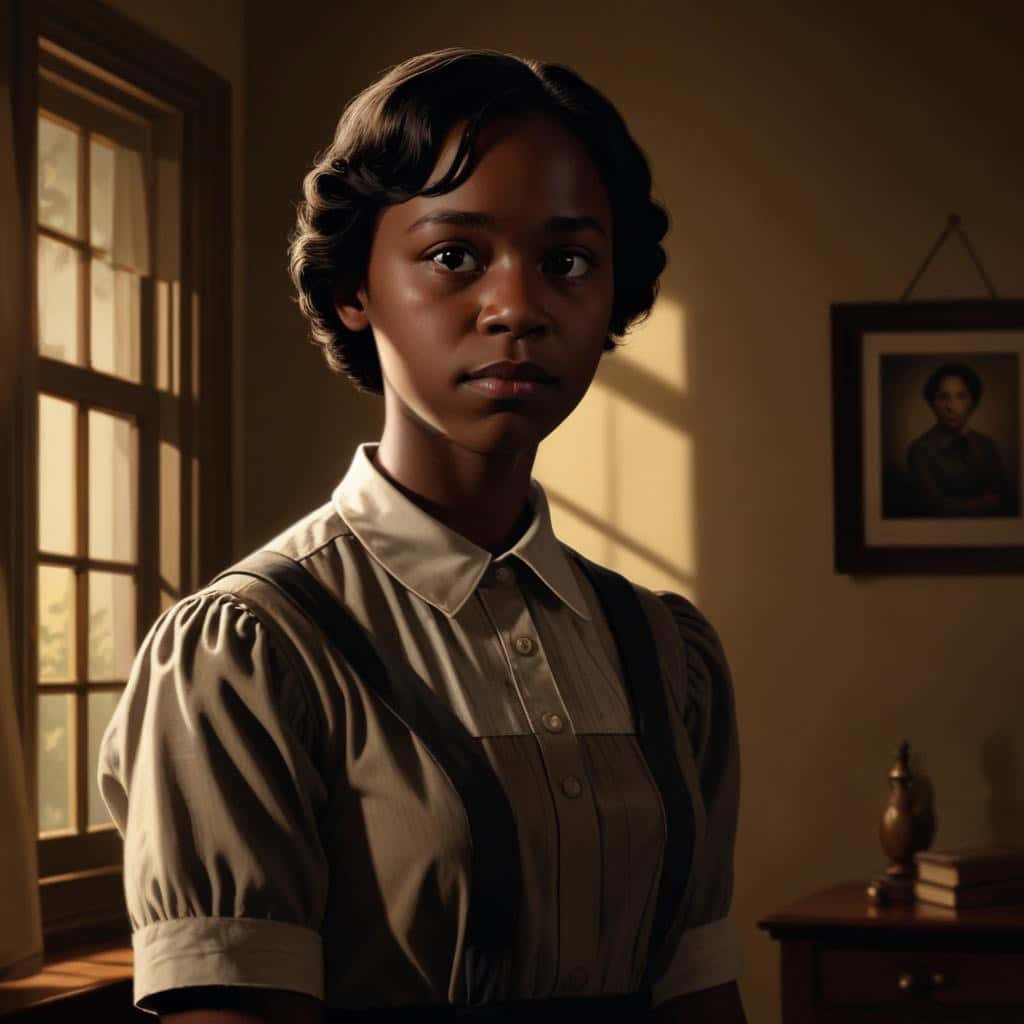
Calpurnia
Calpurnia is the Finch family's African American housekeeper, who plays a significant role in raising Scout and Jem.
-
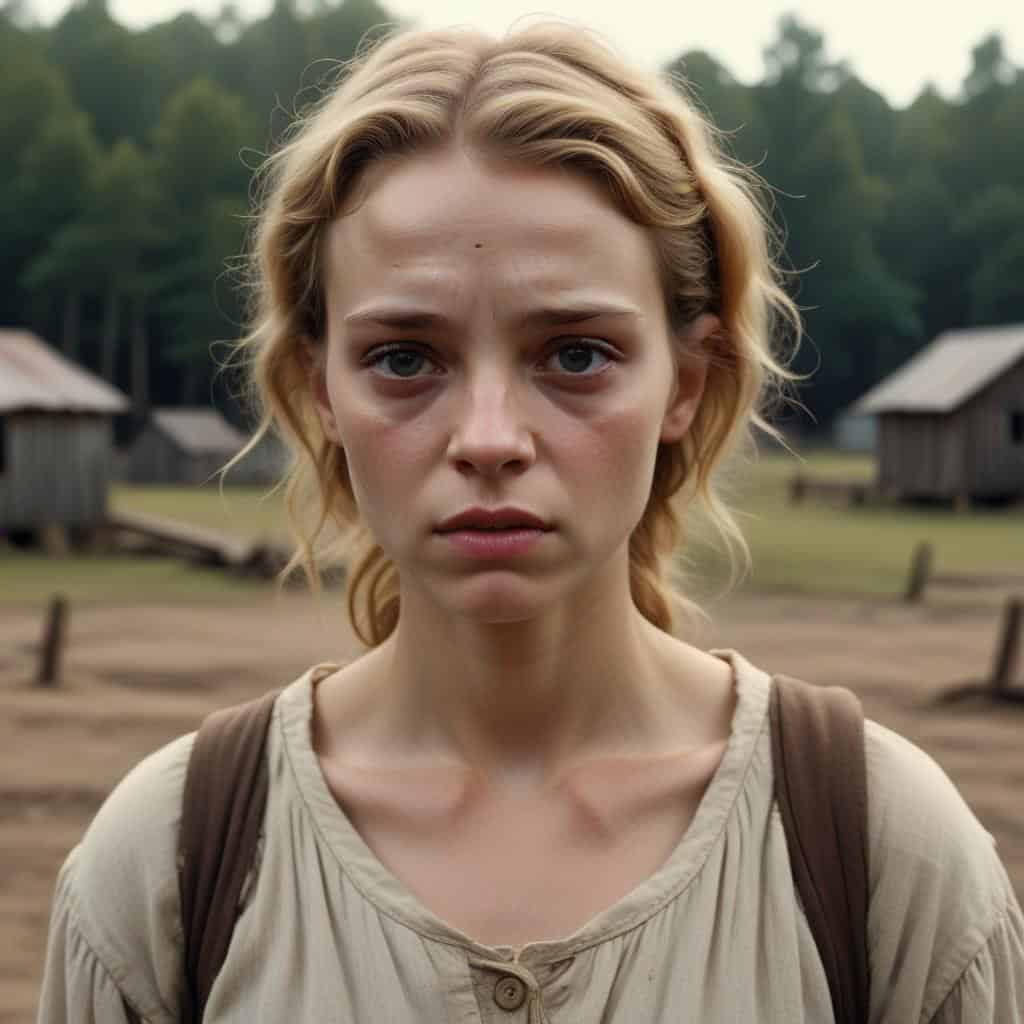
Mayella Ewell
Mayella Ewell is the daughter of Bob Ewell, who accuses Tom Robinson of assaulting her.
-
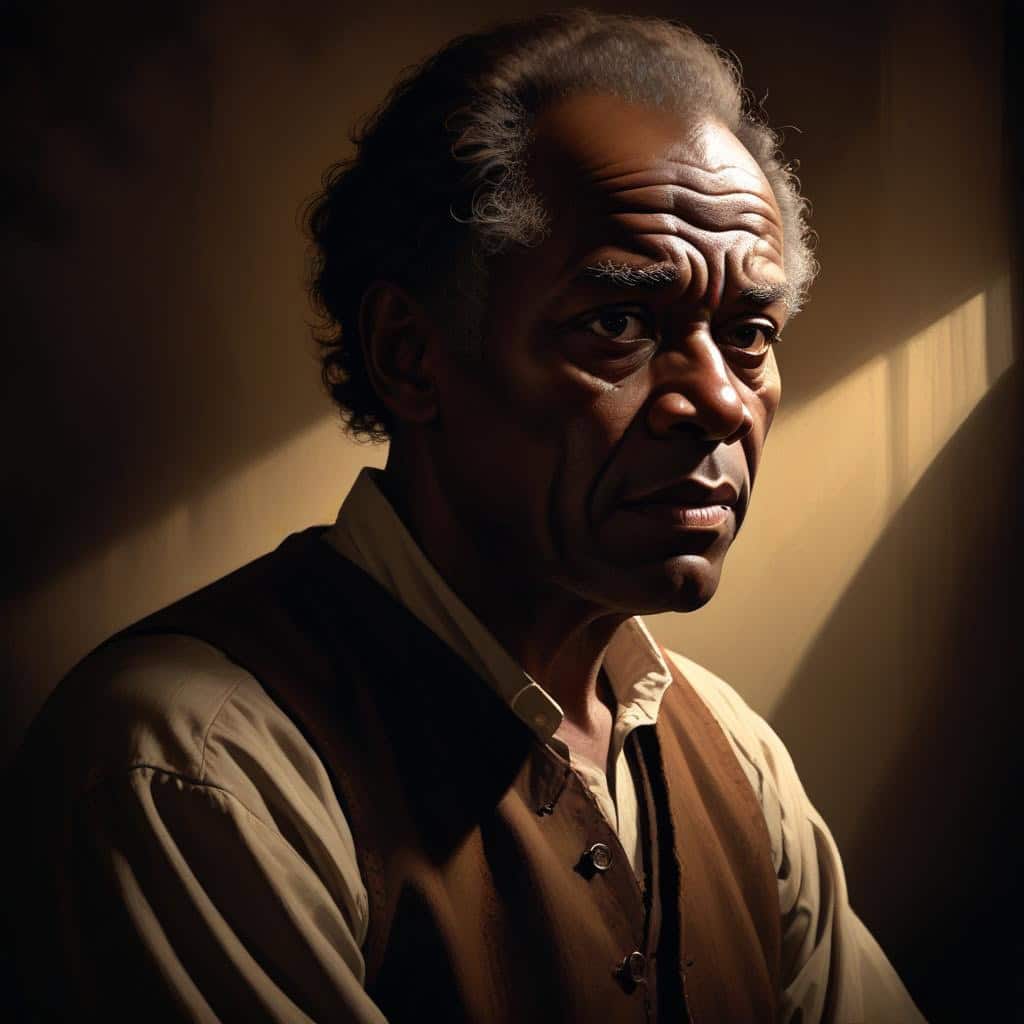
Bob Ewell
Bob Ewell is a racist and abusive man who leads the false accusations against Tom Robinson.
Timeline of To Kill a Mockingbird
Scout, Jem, and Dill become fascinated with their reclusive neighbor, Boo Radley.
Atticus, Scout and Jem's father, defends Tom Robinson, a black man falsely accused of rape.
Scout and Jem befriend a boy named Dill who visits Maycomb for the summer.
Scout starts school and faces discrimination from her teacher, Miss Caroline.
Scout and Jem find gifts left in a tree on the Radley property.
Scout and Jem attend a trial where Tom Robinson is unjustly convicted.
Scout and Jem are attacked by Bob Ewell, the father of the girl who accused Tom Robinson.
Boo Radley saves Scout and Jem from Bob Ewell.
Scout walks Boo Radley home and sees the world from his perspective.
Scout realizes that Boo Radley is not the monster she once believed him to be.
Vocabulary List
- Atticus
- Atticus Finch is a lawyer and the father of Scout and Jem.
- Maycomb
- Maycomb is the fictional town where the story takes place.
- Boo radley
- Boo Radley is a reclusive neighbor who becomes a mysterious figure in the children's lives.
- Calpurnia
- Calpurnia is the Finch family's African American housekeeper.
- Racism
- Racism is a prevalent theme in the novel as the characters grapple with prejudice and discrimination.
- Trial
- The trial of Tom Robinson is a central event in the story, highlighting issues of justice and morality.
- Prejudice
- Prejudice is a major theme in the novel, as the characters confront their own biases and those of the society around them.
- Justice
- The pursuit of justice is a key element of the story, as characters seek to do what is right and fair.
- Childhood
- The novel explores the innocence and growth of Scout and Jem as they navigate the complexities of the adult world.
- Courage
- Atticus demonstrates courage in defending Tom Robinson, despite facing backlash and threats from the community.
Key Facts
This is the information used in the fact matching game
- - The story is set in the fictional town of Maycomb, Alabama, during the Great Depression.
- - The main character is Scout Finch, a young girl who narrates the story.
- - Scout's father, Atticus Finch, is a lawyer who defends a black man, Tom Robinson, accused of raping a white woman.
- - The trial of Tom Robinson becomes a central event in the story.
- - Scout's older brother is Jem Finch, who is also a significant character.
- - Scout and Jem befriend a boy named Dill who visits Maycomb every summer.
- - The children become obsessed with their reclusive neighbor, Boo Radley, and create games and stories about him.
- - Boo Radley is eventually revealed to be a kind and gentle person who saves Scout and Jem from an attack.
- - Scout and Jem are taunted and ridiculed by their classmates due to their father defending a black man.
- - Atticus teaches his children important lessons about empathy, equality, and the importance of standing up for what is right.
- - The children's curiosity and innocence allow them to uncover the truth about Boo Radley and the events surrounding him.
- - The theme of racial injustice and prejudice is a central focus in the novel.
- - The title "To Kill a Mockingbird" refers to a quote by Atticus, who tells his children that it is a sin to kill a mockingbird because they only bring joy and don't harm anyone.
- - The character of Calpurnia, the Finch family's African-American housekeeper, plays a significant role in the children's lives.
- - Scout's Aunt Alexandra comes to live with them during the trial and tries to shape Scout into a proper Southern lady.
- - The story is told through a series of episodic events and flashbacks.
- - Scout and Jem are attacked near the end of the story, but are saved by Boo Radley.
- - The book explores themes of childhood, growing up, and the loss of innocence.
- - To Kill a Mockingbird won the Pulitzer Prize for Fiction in 1961.
- - Harper Lee wrote the novel based on her own experiences growing up in Alabama.
Analysis & Significance
Impact on Literature
‘To Kill a Mockingbird’ has had a profound impact on literature by addressing important social issues such as racism, classism, and morality. The novel’s powerful storytelling and memorable characters have inspired countless authors to tackle similar themes in their own works, making it a timeless classic in the literary world.
Enduring Themes
The themes of racial injustice, empathy, and the loss of innocence in ‘To Kill a Mockingbird’ still resonate with modern audiences today. The novel’s exploration of these universal themes continues to spark important conversations about equality, compassion, and the complexities of human nature.
Cultural Significance Today
‘To Kill a Mockingbird’ remains culturally significant today due to its continued relevance in discussions about race, justice, and morality. The novel has been adapted into an award-winning film and a successful stage play, further solidifying its place in popular culture and ensuring its legacy for generations to come.
To Kill a Mockingbird Games


Take Your Learning Offline
Want a convenient, print-ready study guide for this lesson? Become a Memory Wizards Pro member to unlock the downloadable " Memory Scrolls" for this topic and our entire library!
- ✓ Complete Vocabulary Lists
- ✓ Key Facts & Timelines
- ✓ Beautifully Formatted for Print & Mobile