
How Do You Learn Best?
Learn by Reading
Immerse yourself in the 10-minute visual lesson for a comprehensive understanding of the topic.
Learn by Reviewing
Jump directly to the key facts, timeline, and vocabulary lists to build a solid foundation of details.
Learn by Doing
Challenge yourself! Jump straight into the interactive games to learn by trial, error, and discovery.
The Road to Wigan Pier in 10 Minutes
Introduction

George Orwell

The Working-Class Poor

The Middle-Class Social Investigator
1. Orwells Journey to Wigan
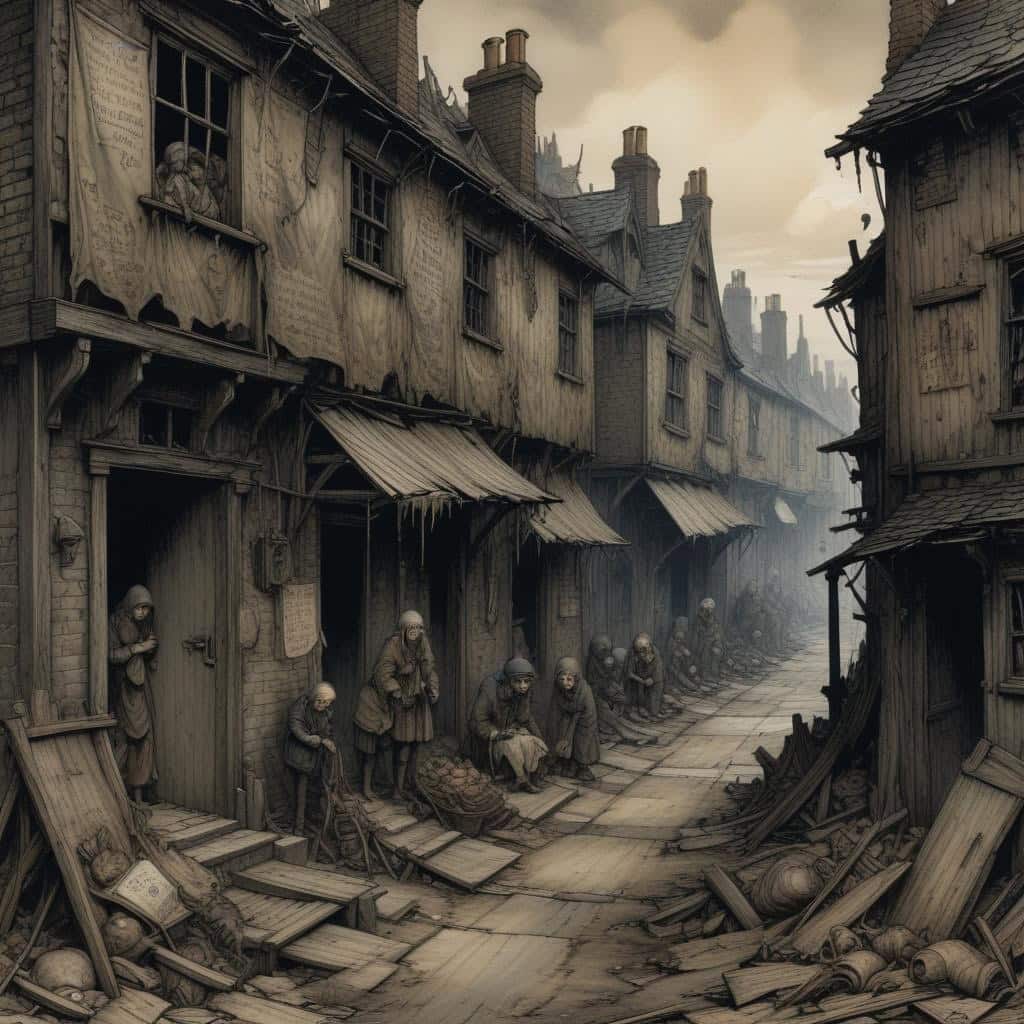
2. Living Conditions in Wigan
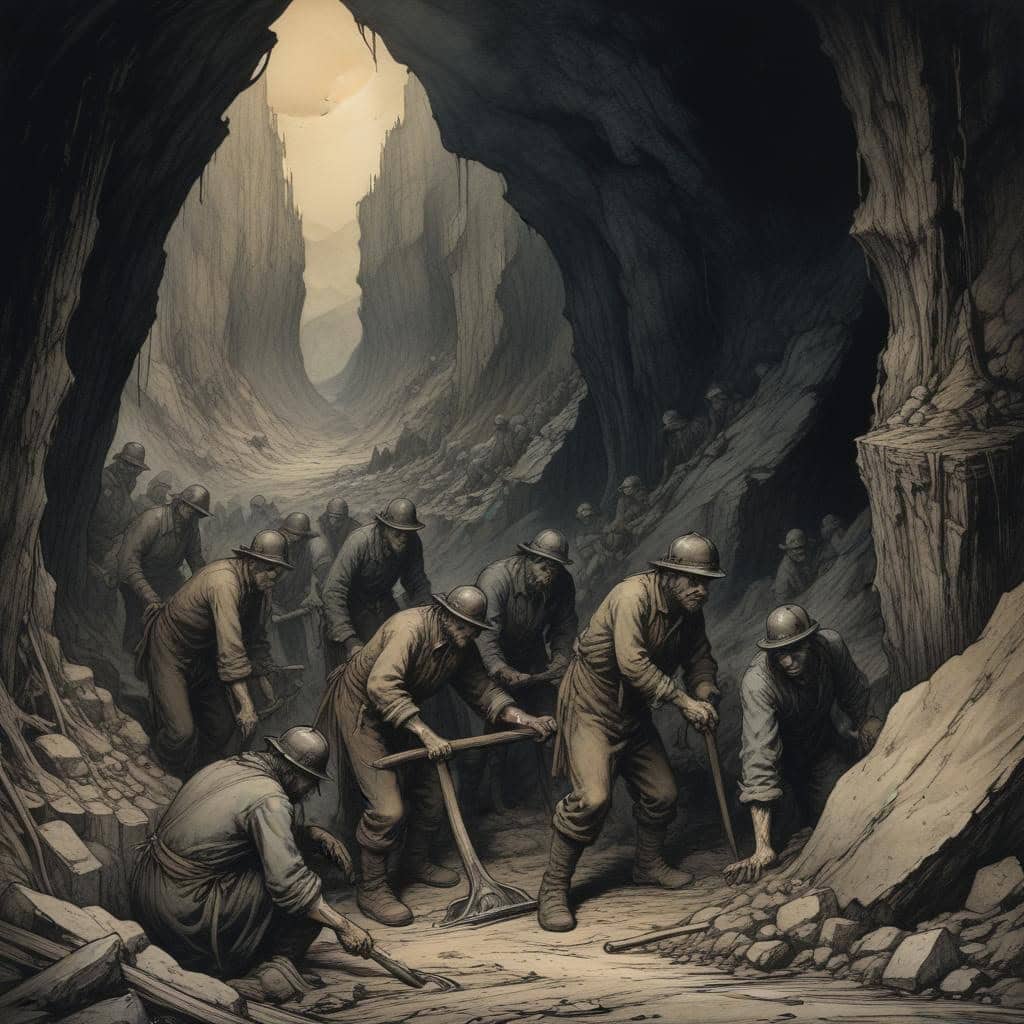
3. The Plight of the Miners
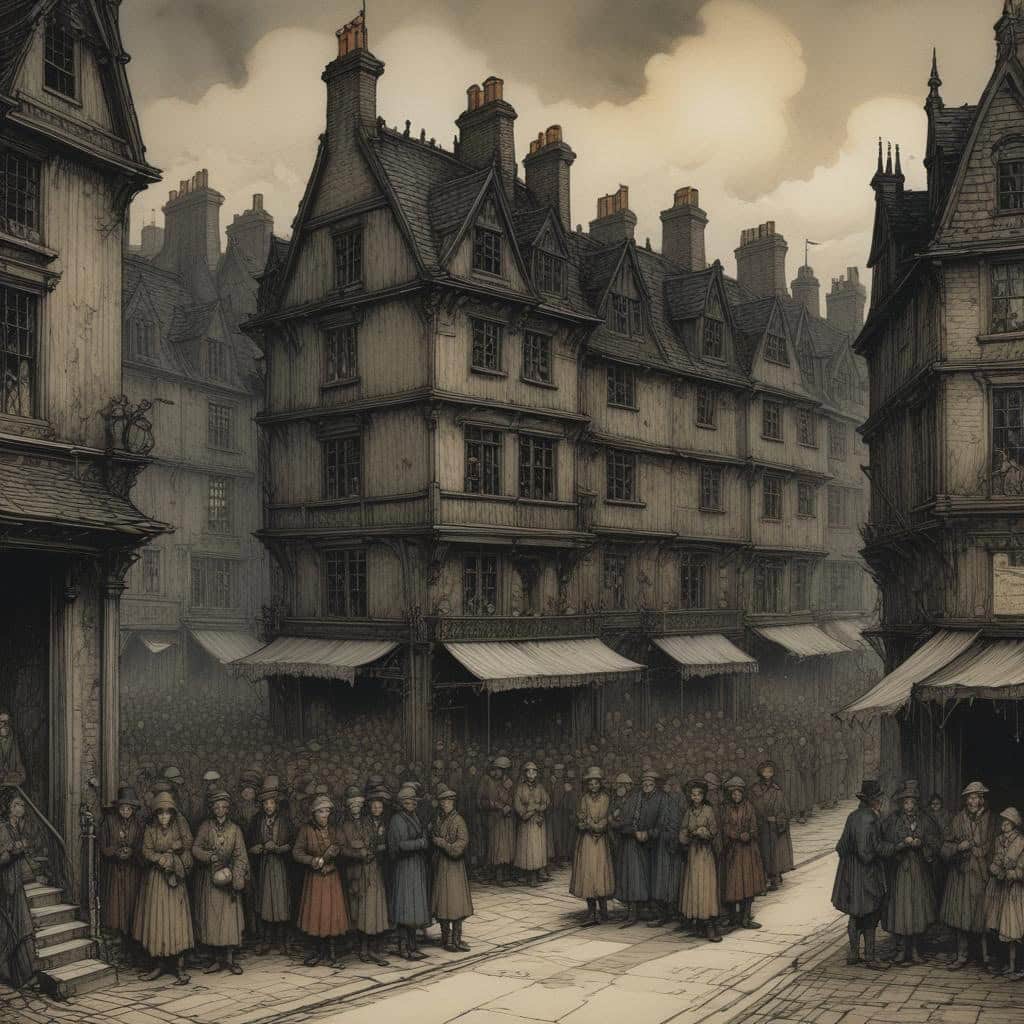
4. Social Injustice and Inequality
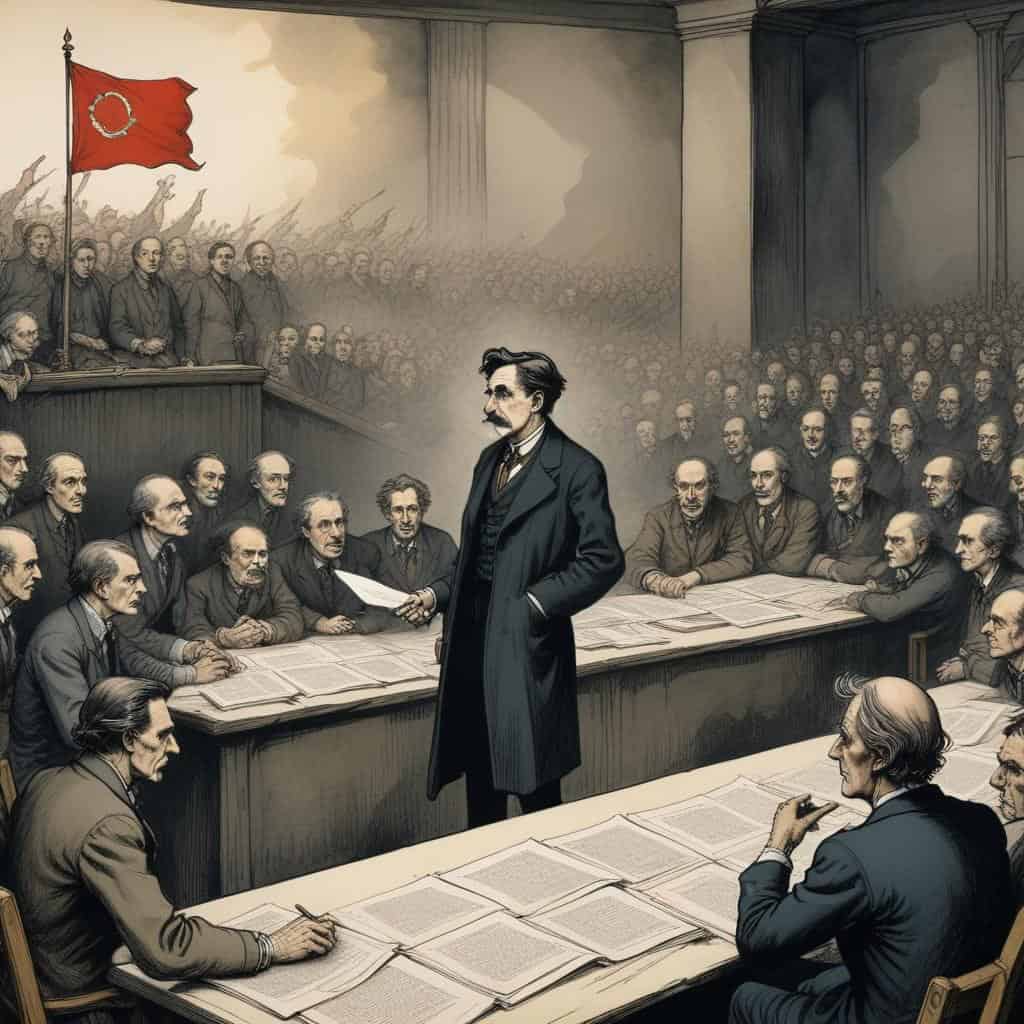
5. The Role of Socialism
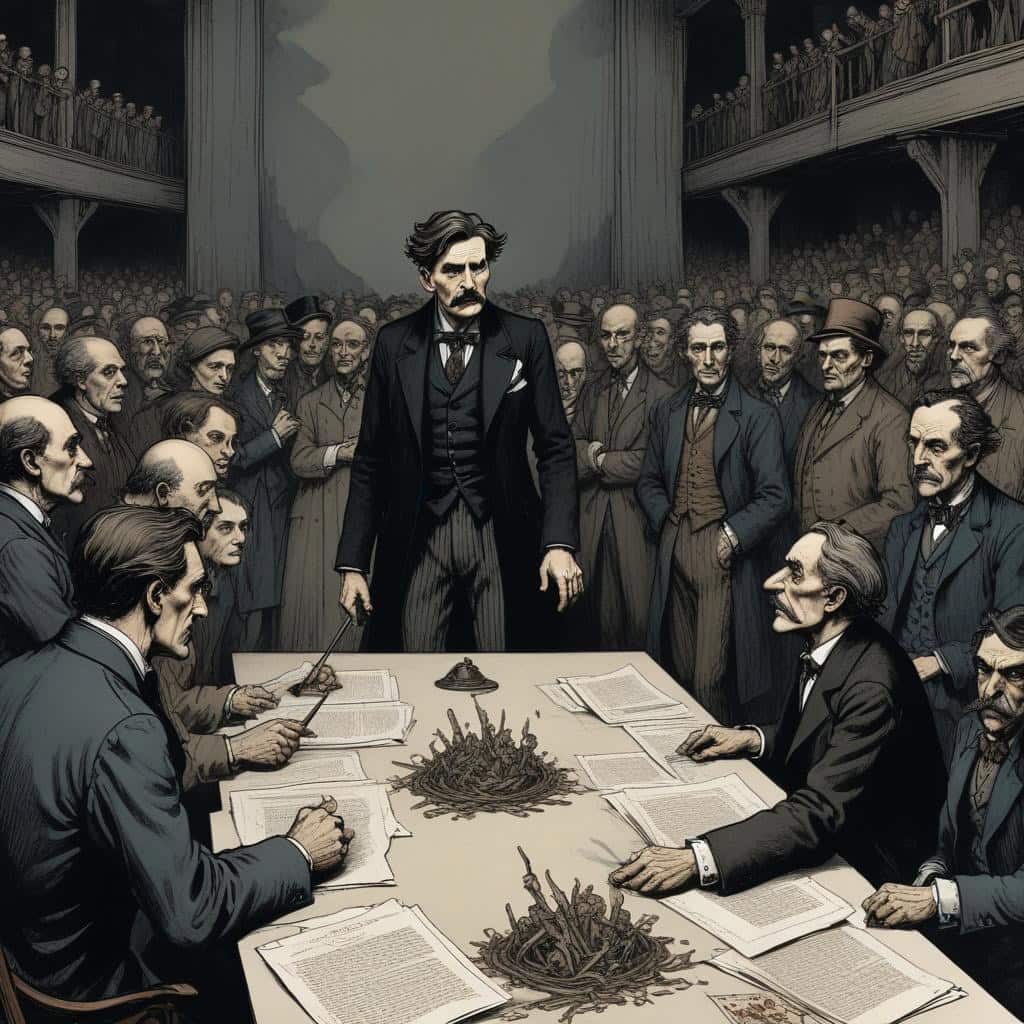
6. Critique of Middle-Class Socialists
7. The Need for Empathy and Understanding
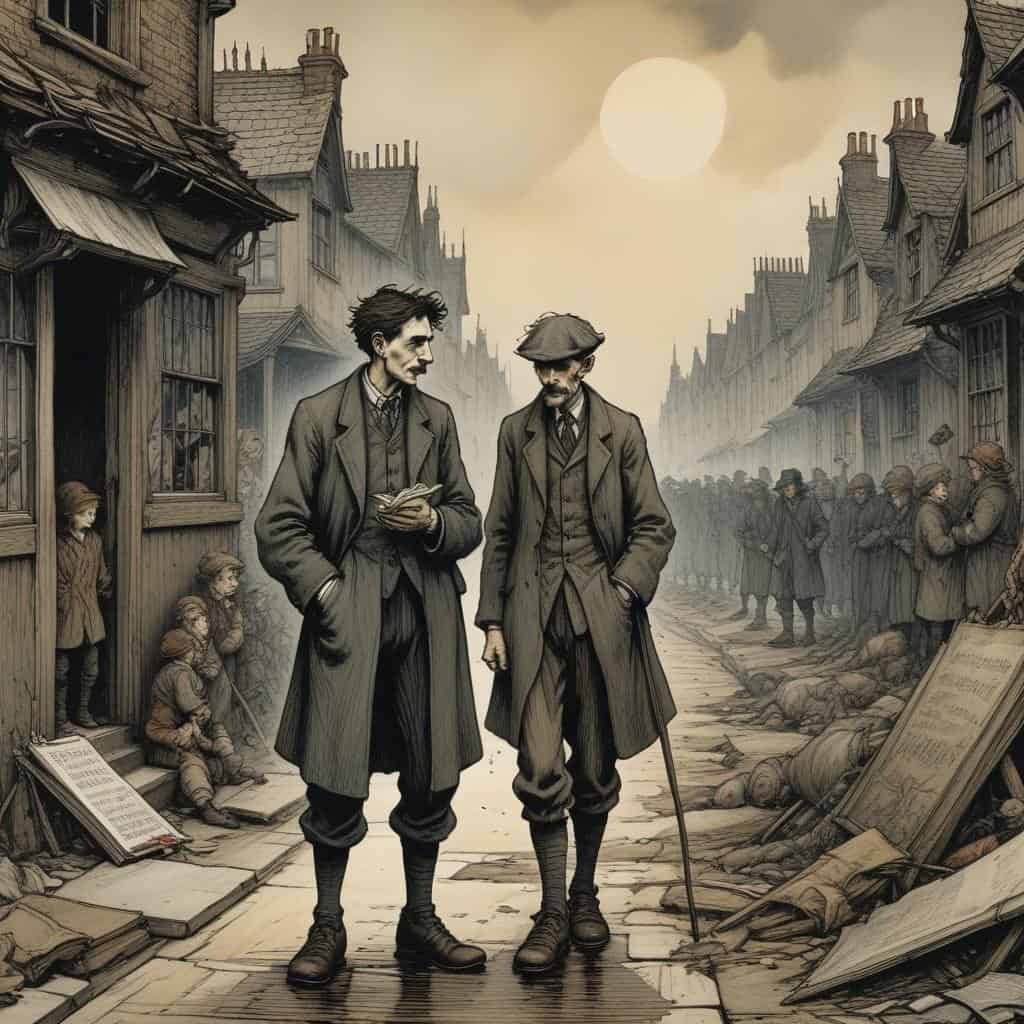
8. The Power of Personal Experience
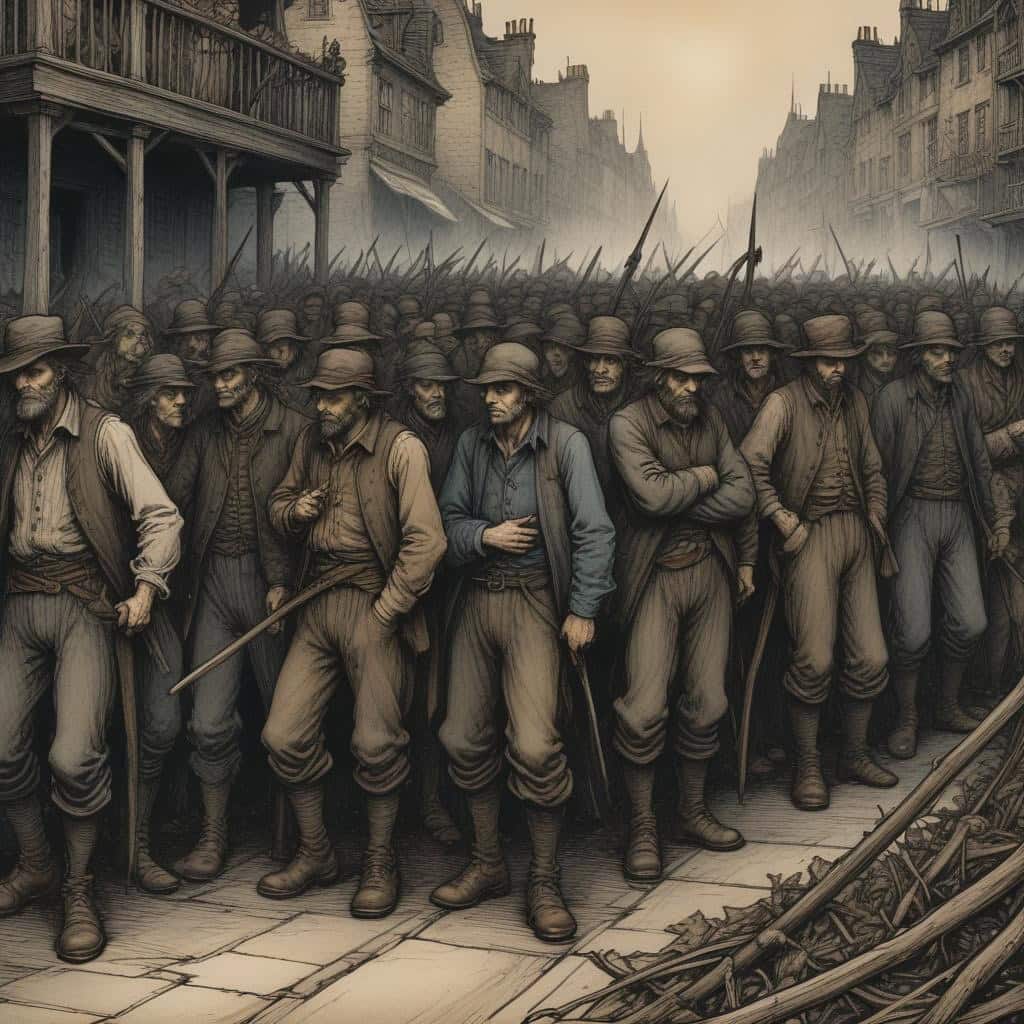
9. Lessons for the Present Day
10. Impact and Legacy of The Road to Wigan Pier
Lesson Details & Resources
In a Nutshell
- What: The Road to Wigan Pier by George Orwell
- When: Written in the 1930s
- Who: George Orwell (author)
- Theme: Social injustice, poverty, class division
List of Characters in The Road to Wigan Pier
-
George Orwell
George Orwell is the author of The Road to Wigan Pier, a book that explores the living conditions of the working class in northern England during the 1930s.
-
Winston Smith
Winston Smith is the protagonist of Orwell's novel 1984, but his experiences are often seen as reflective of the working class struggle portrayed in The Road to Wigan Pier.
-
Julia
Julia is a character in Orwell's 1984, but her defiance and spirit can be seen as representative of the resilience of the working class in The Road to Wigan Pier.
-
O'Brien
O'Brien is a powerful figure in 1984, but his manipulation and control over Winston can be seen as a metaphor for the oppressive forces faced by the working class in The Road to Wigan Pier.
-
Mr. Pilkington
Mr. Pilkington is a character in Orwell's Animal Farm, but his disregard for the well-being of the animals can be seen as a critique of the indifference shown towards the working class in The Road to Wigan Pier.
-
Mr. Jones
Mr. Jones is the owner of the farm in Orwell's Animal Farm, but his exploitative practices can be seen as emblematic of the oppressive conditions faced by the working class in The Road to Wigan Pier.
Timeline of The Road to Wigan Pier
Orwell begins his journey to Wigan Pier in the industrial north of England.
He observes the harsh living conditions and poverty of the working-class.
Orwell visits a coal mine and witnesses the dangerous working conditions and the toll it takes on the miners' health.
He meets and talks to various individuals from different social backgrounds, including miners, unemployed workers, and socialists.
Orwell describes the cramped and squalid housing conditions in the working-class neighborhoods.
He attends a socialist meeting and engages in discussions about class struggle and the possibility of a socialist revolution.
Orwell reflects on his own middle-class background and experiences, and the disconnect between the middle and working classes.
He discusses the flaws and challenges of socialism and the need for a practical approach to address social inequality.
Orwell concludes by emphasizing the importance of understanding and empathy in order to bridge the gap between different social classes.
Vocabulary List
- Coal miner
- The book describes the harsh living conditions of coal miners in Wigan.
- Poverty
- Orwell explores the poverty experienced by working-class families in industrial towns.
- Squalor
- The author vividly describes the squalor of the slums where many families live.
- Socialism
- Orwell discusses his own beliefs in socialism and its potential to address social inequalities.
- Class struggle
- The book delves into the class struggle between the wealthy upper class and the impoverished working class.
- Working conditions
- Orwell highlights the dangerous and deplorable working conditions faced by factory workers.
- Inequality
- The author critiques the inequality present in society and its impact on the working class.
- Capitalism
- Orwell examines the flaws of capitalism and its role in perpetuating social injustices.
- Social reform
- The book discusses the need for social reform to improve the lives of the working class.
- Homelessness
- Orwell addresses the issue of homelessness and the lack of adequate housing for many families.
Key Facts
This is the information used in the fact matching game
- - Published in 1937, The Road to Wigan Pier is a non-fiction book written by George Orwell.
- - The book examines the harsh living and working conditions of the working class in industrial Northern England during the 1930s.
- - Orwell spent several months in 1936 living among the working-class people in the towns of Wigan and Barnsley to conduct his research.
- - The book is divided into two parts: the first part describes Orwell's personal experiences and observations, while the second part delves into his political and social analysis.
- - Orwell highlights the daily struggles and poverty faced by the working class, including inadequate housing, unemployment, and poor health conditions.
- - He criticizes the capitalist system and its impact on the working class, as well as the indifference of the middle and upper classes towards their suffering.
- - Orwell explores the socialist movement and argues for a more equitable society, advocating for the rights and well-being of the working class.
- - The book sparked controversy due to Orwell's critique of the Soviet Union and his critique of some aspects of socialism.
- - Orwell argues that socialism should focus on improving the lives of ordinary people rather than pursuing abstract ideological goals.
- - The Road to Wigan Pier is known for Orwell's vivid and evocative descriptions of poverty and hardship, drawing on his own experiences and encounters.
- - Orwell presents the working class as resilient and dignified despite their difficult circumstances.
- - The book also discusses the impact of unemployment on the psychological well-being of individuals and communities.
- - Orwell highlights the importance of education and culture in improving the lives of the working class and fostering social change.
- - The Road to Wigan Pier addresses issues of class division, inequality, and social injustice that remain relevant today.
- - Orwell's writing style is characterized by clarity, directness, and a commitment to truth-telling.
- - The book was initially met with mixed reviews but gained popularity and critical acclaim over time.
- - The Road to Wigan Pier influenced later works by Orwell, particularly his dystopian novel, Nineteen Eighty-Four.
- - Orwell's firsthand experiences during his research for the book shaped his political beliefs and his commitment to fighting for social justice.
- - The Road to Wigan Pier remains a significant work of social commentary and a testament to Orwell's empathy and concern for the working class.
- - Orwell's work continues to inspire readers to question societal norms and advocate for a fairer and more egalitarian world.
Analysis & Significance
Impact on Literature
George Orwell’s ‘The Road to Wigan Pier’ revolutionized the genre of social commentary and investigative journalism. By vividly depicting the harsh living conditions of working-class communities in industrial England, Orwell set a new standard for honest and impactful storytelling that continues to inspire writers today.
Enduring Themes
The themes of poverty, inequality, and social injustice explored in ‘The Road to Wigan Pier’ remain strikingly relevant in modern society. Orwell’s unflinching examination of class struggle and the human cost of economic disparity continues to resonate with readers, sparking important conversations about power dynamics and societal change.
Cultural Significance Today
‘The Road to Wigan Pier’ remains a seminal work in the literary canon, often cited in discussions about poverty, politics, and the working class. Its influence can be seen in modern adaptations and interpretations across various mediums, solidifying Orwell’s reputation as a master storyteller and social commentator.
The Road to Wigan Pier Games


Take Your Learning Offline
Want a convenient, print-ready study guide for this lesson? Become a Memory Wizards Pro member to unlock the downloadable " Memory Scrolls" for this topic and our entire library!
- ✓ Complete Vocabulary Lists
- ✓ Key Facts & Timelines
- ✓ Beautifully Formatted for Print & Mobile