
How Do You Learn Best?
Learn by Reading
Immerse yourself in the 10-minute visual lesson for a comprehensive understanding of the topic.
Learn by Reviewing
Jump directly to the key facts, timeline, and vocabulary lists to build a solid foundation of details.
Learn by Doing
Challenge yourself! Jump straight into the interactive games to learn by trial, error, and discovery.
Homage to Catalonia in 10 Minutes
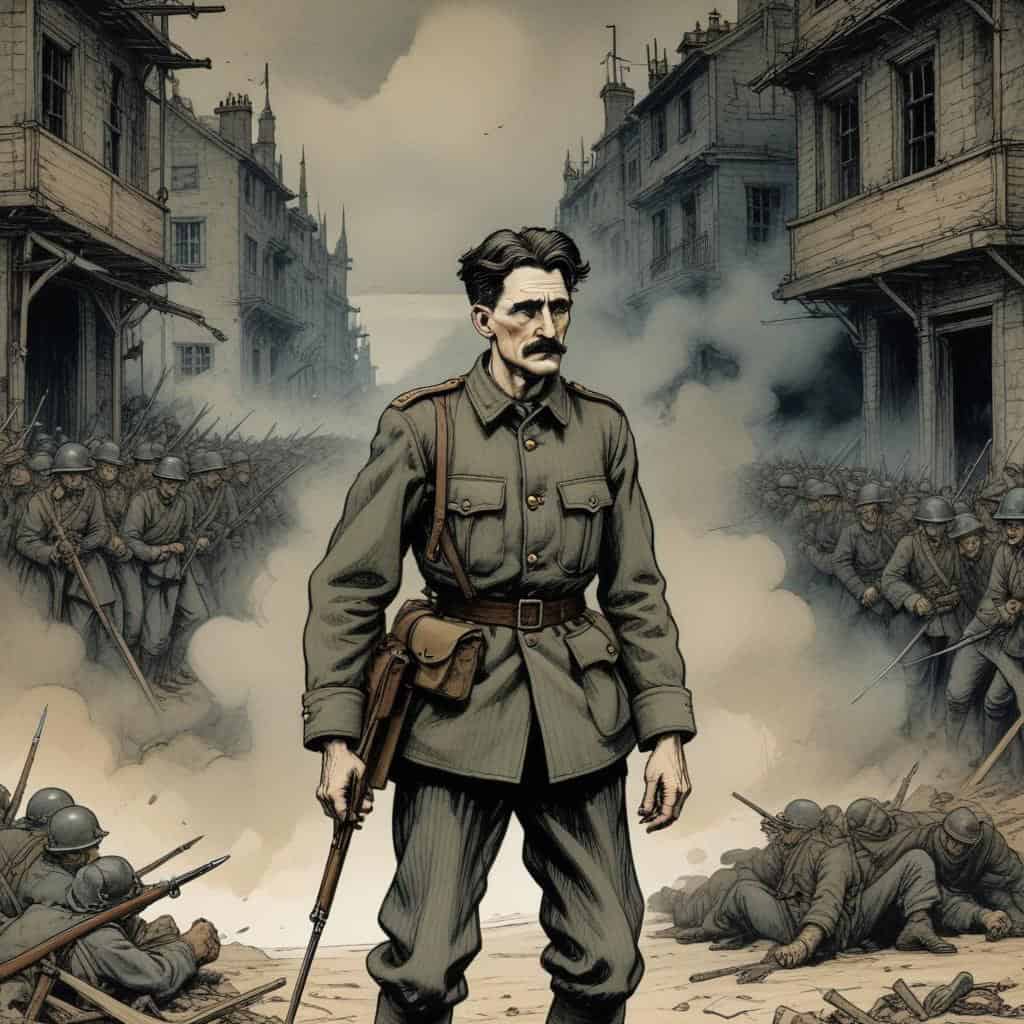
Introduction
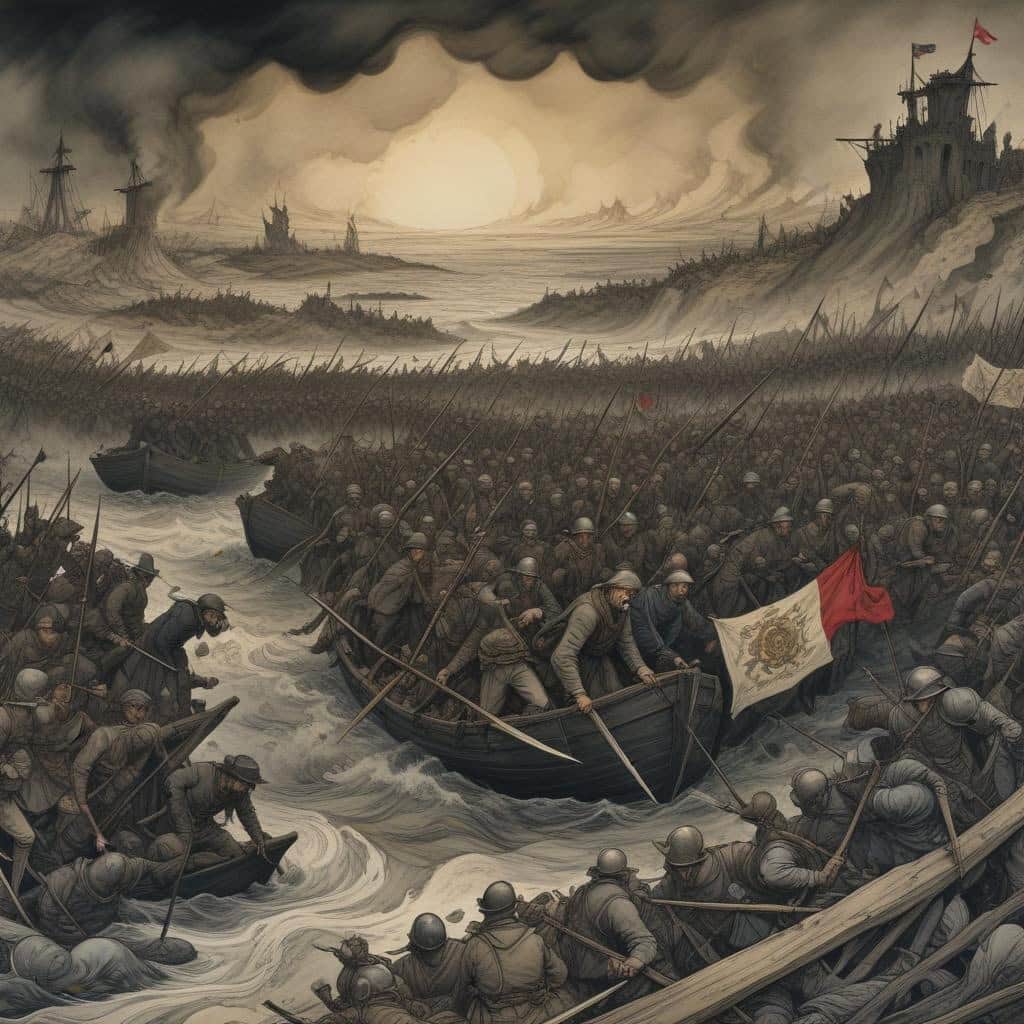
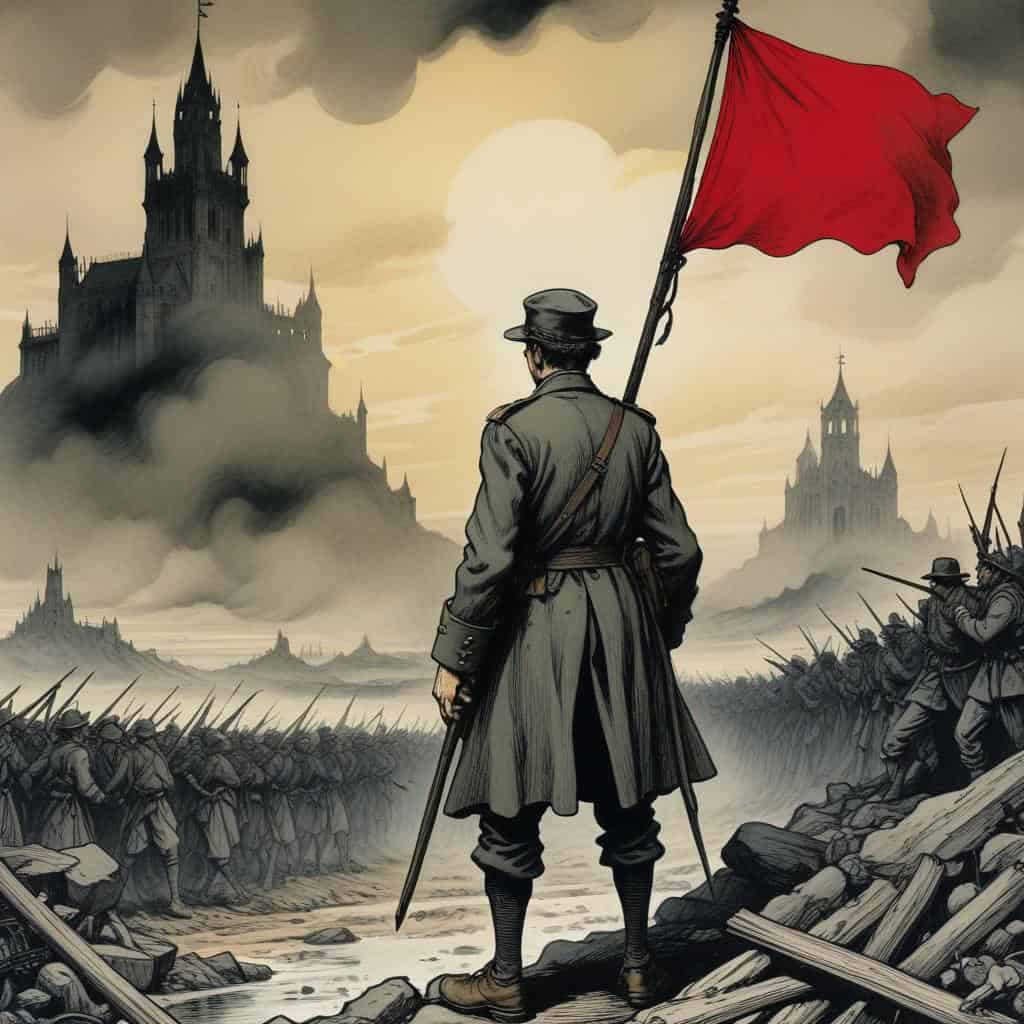

George Orwell

POUM Militia

Communist Party

Anarchists

Nationalists
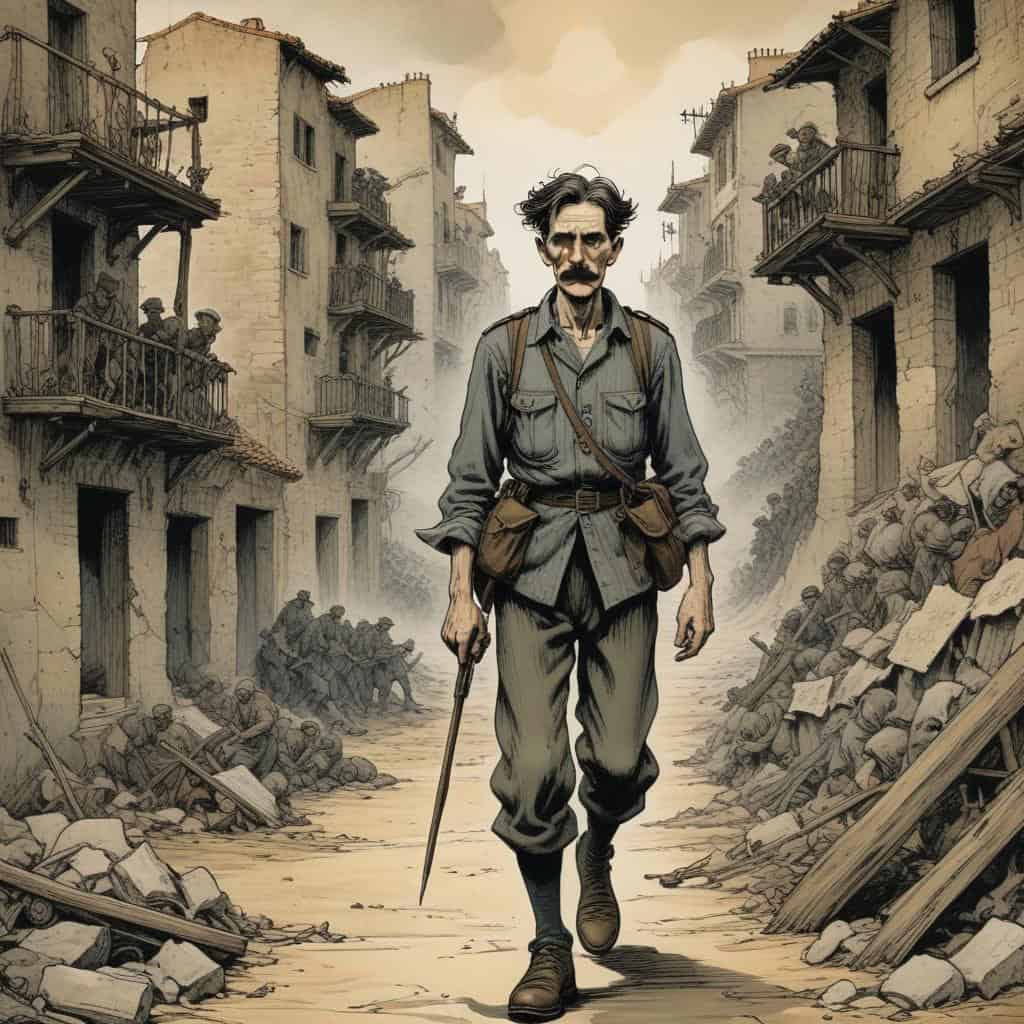
The Journey to Spain
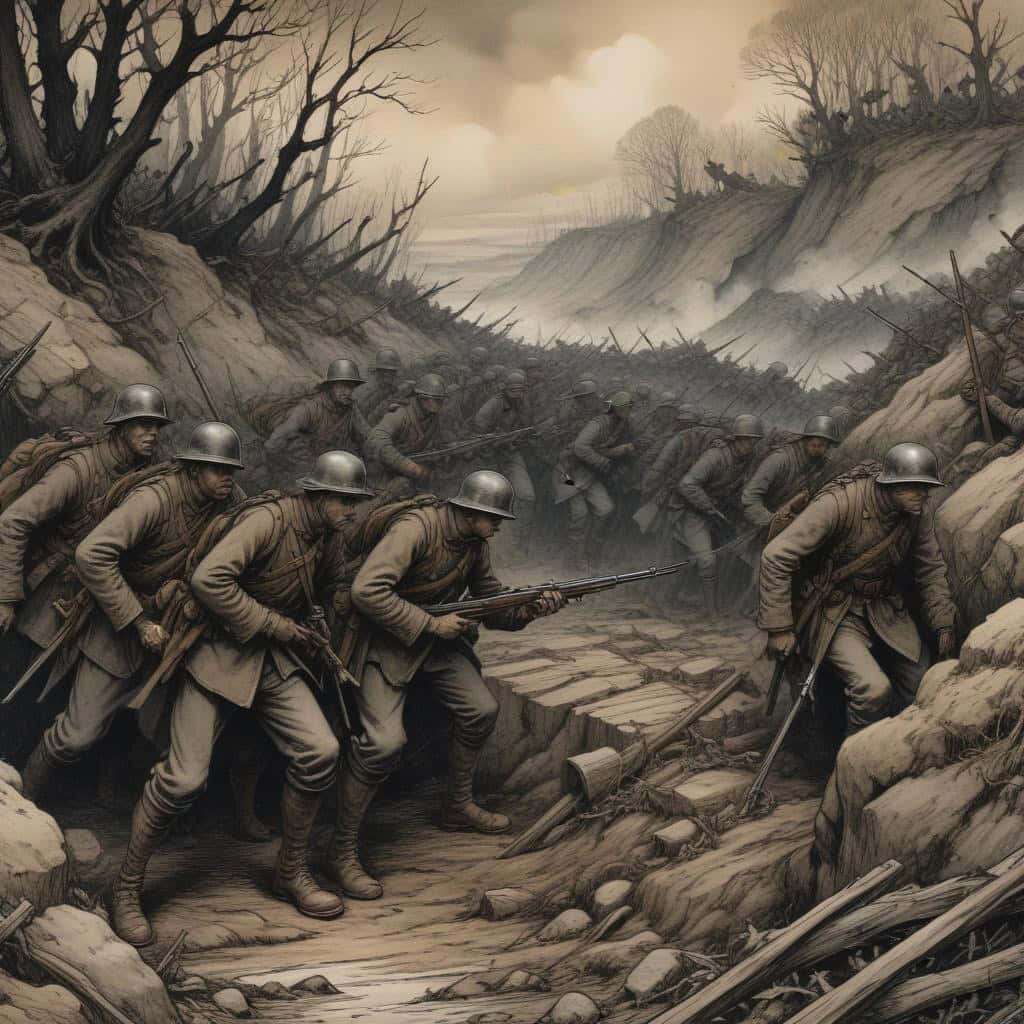
Life on the Front Lines
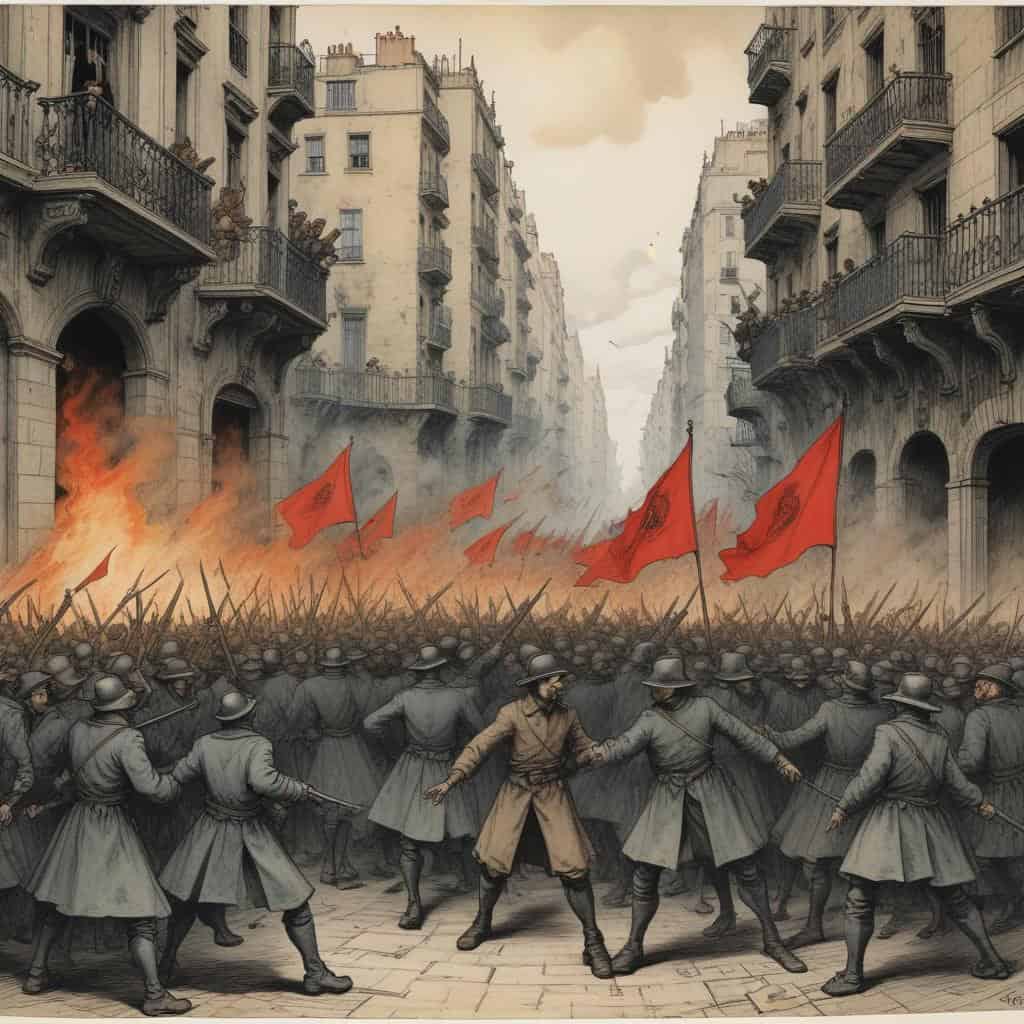
The May Days in Barcelona
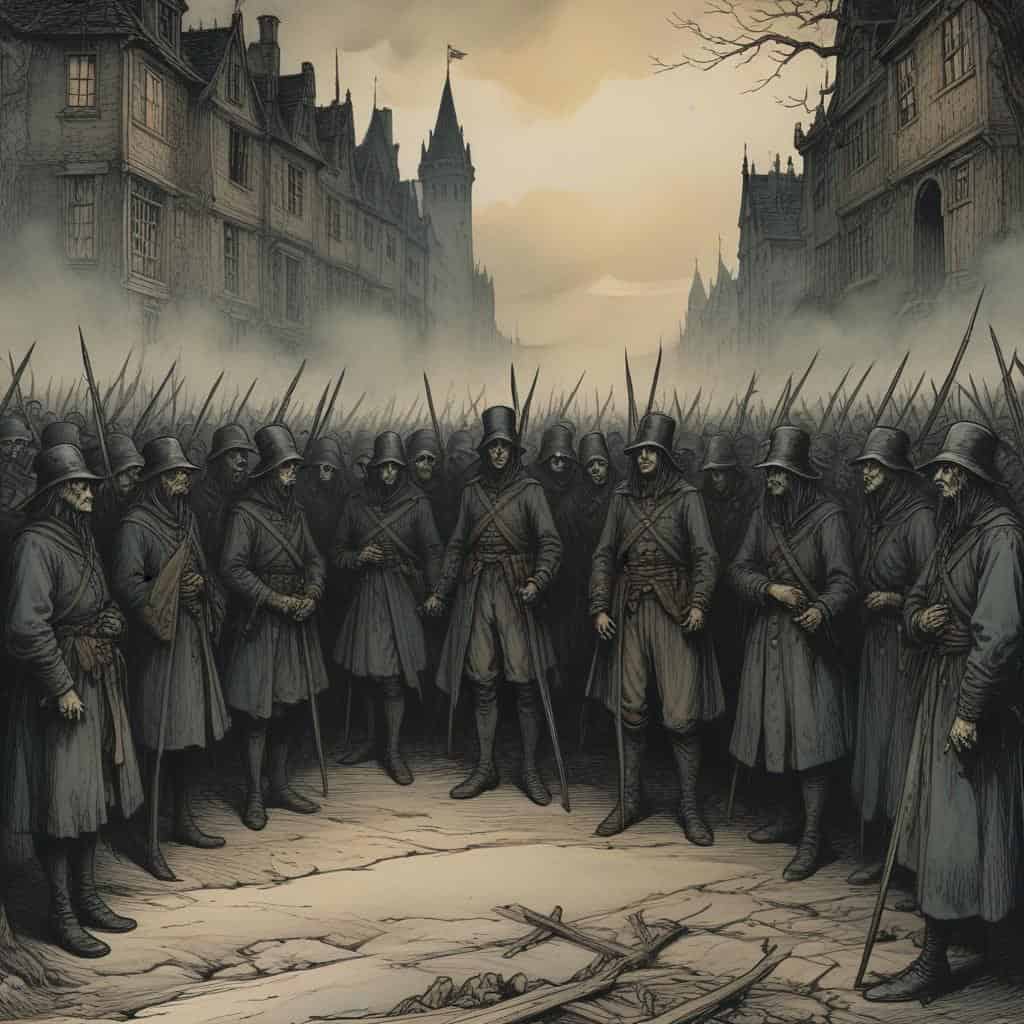
The Betrayal of the POUM
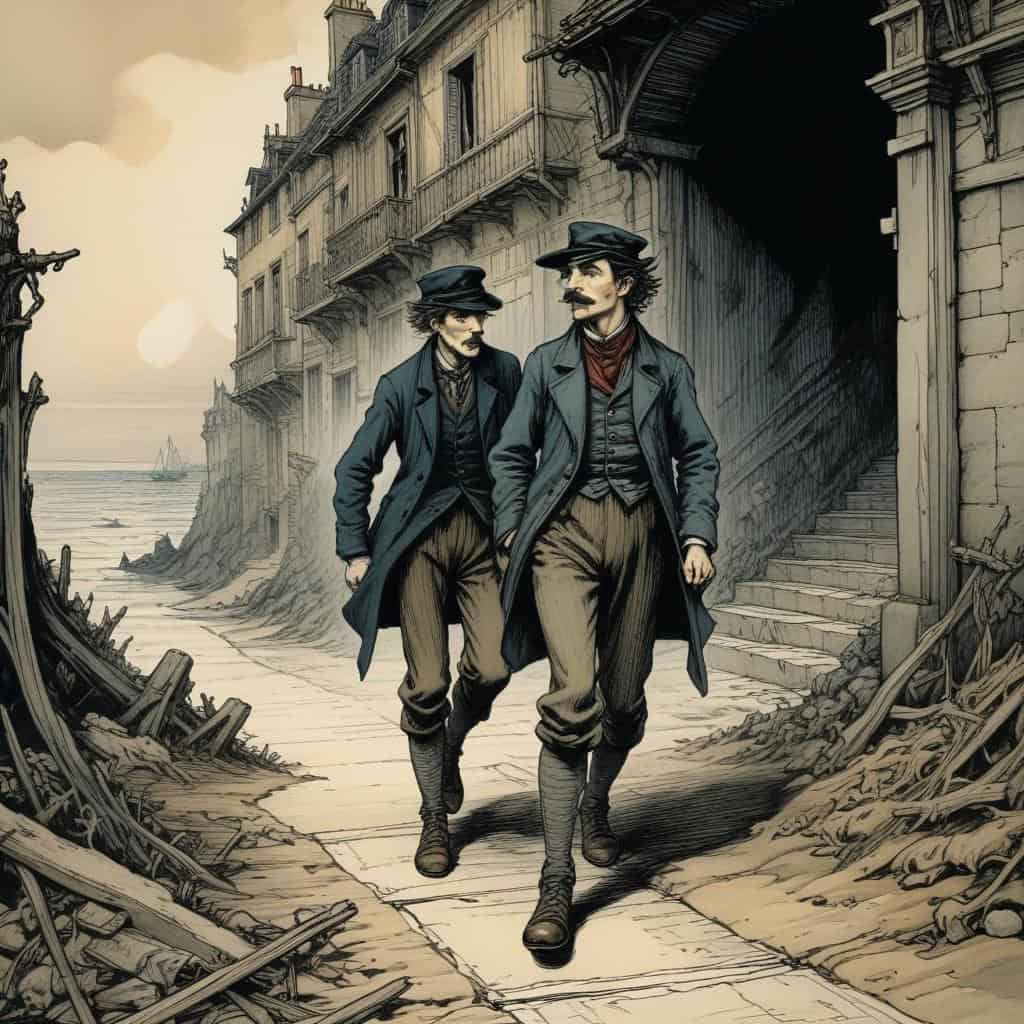
Escape to France
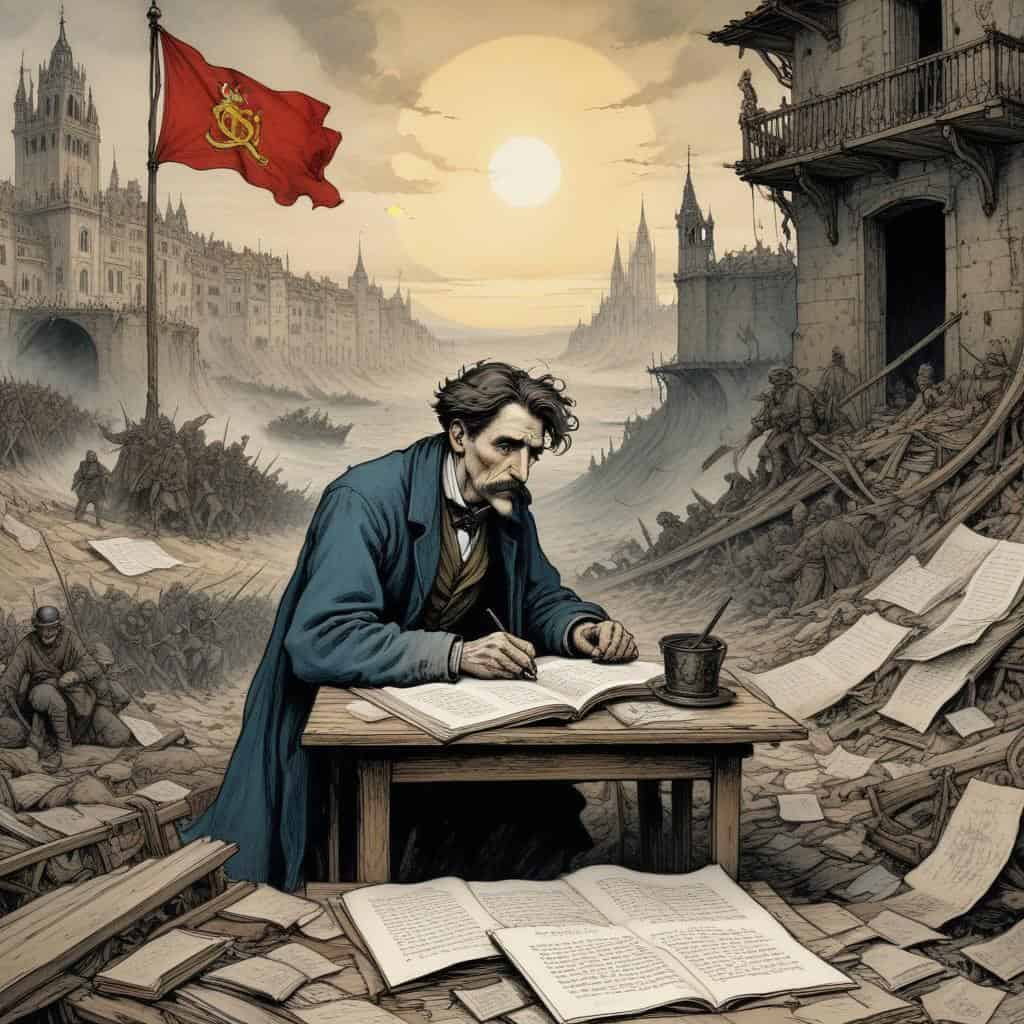
The Writing of Homage to Catalonia
The Legacy of Homage to Catalonia
Lesson Details & Resources
In a Nutshell
- What: A literary work by George Orwell
- When: Written during the Spanish Civil War in 1938
- Who: George Orwell, militia members, political figures
- Theme: Exploration of political ideologies and the disillusionment of war
List of Characters in Homage to Catalonia
-
George Orwell
George Orwell is the author of Homage to Catalonia, a memoir of his experiences fighting in the Spanish Civil War.
-
Kopp
Kopp is a German soldier who fought alongside Orwell in the war.
-
Bob Smillie
Bob Smillie is a Scottish miner who also fought with Orwell.
-
Eileen O'Shaughnessy
Eileen O'Shaughnessy is Orwell's wife who he married shortly before leaving for Spain.
-
Mariana
Mariana is a nurse who cared for Orwell after he was wounded.
-
Andrés Nin
Andrés Nin was a leader of the POUM, the revolutionary Marxist group Orwell fought with.
-
Maurice Thorez
Maurice Thorez was the leader of the French Communist Party, which opposed the POUM.
Timeline of Homage to Catalonia
Orwell arrives in Barcelona in December 1936
Orwell joins the militia of the Workers' Party of Marxist Unification (POUM)
Orwell describes the atmosphere in Barcelona during the early days of the Spanish Civil War
Orwell witnesses the street fighting between different factions in Barcelona
Orwell is posted to the Aragón front
Orwell describes the conditions, training, and daily life of the militia
Orwell participates in the unsuccessful attack on Huesca
Orwell is wounded by a sniper and sent back to Barcelona for recovery
Orwell returns to the front and witnesses the May Days clashes in Barcelona
Orwell's POUM unit is disbanded and he becomes a wanted man
Orwell escapes arrest and flees to the French border
Orwell crosses the border into France and is reunited with his wife Eileen.
Vocabulary List
- Fascism
- Orwell describes the rise of fascism in Spain during the Spanish Civil War.
- Anarchism
- Orwell discusses the different factions within the Republican side, including anarchists.
- Propaganda
- Orwell reflects on the role of propaganda in shaping public opinion during the war.
- Ideology
- Orwell explores the clash of ideologies among the various groups involved in the conflict.
- Totalitarianism
- Orwell contrasts the totalitarian nature of the fascist forces with the more democratic ideals of the Republicans.
- Revolution
- Orwell recounts his experiences fighting in the Spanish Revolution.
- Dystopia
- Orwell's descriptions of the brutalities of war paint a dystopian picture of the conflict.
- Betrayal
- Orwell reflects on the sense of betrayal he feels towards the Communist Party and their actions during the war.
- Class struggle
- Orwell discusses the role of class struggle in shaping the events of the Spanish Civil War.
- Authoritarianism
- Orwell critiques the authoritarian tendencies of the Communist Party in Spain.
Key Facts
This is the information used in the fact matching game
- - George Orwell wrote Homage to Catalonia in 1938.
- - The book is a memoir of Orwell's experiences during the Spanish Civil War.
- - Orwell initially joined the war to fight against fascism.
- - He joined the Workers' Party of Marxist Unification (POUM) militia.
- - Orwell arrived in Barcelona in December 1936.
- - He describes the chaotic and revolutionary atmosphere in Barcelona at the time.
- - Orwell fought on the Aragon front, near Huesca.
- - He witnessed the disorganization and inefficiency of the Republican forces.
- - Orwell was shot in the throat and narrowly escaped death.
- - While recovering, he witnessed the May Days clashes in Barcelona.
- - The May Days were a violent conflict between different factions of the Republican forces.
- - Orwell's militia, POUM, was labeled as Trotskyist and counter-revolutionary during the May Days.
- - The Communist Party of Spain, supported by the Soviet Union, played a significant role in suppressing POUM.
- - Orwell and his wife were forced to go into hiding and eventually flee Spain.
- - In Homage to Catalonia, Orwell criticizes the Soviet-backed Communist Party.
- - The book explores Orwell's disillusionment with the political situation in Spain.
- - Orwell's experiences in Spain shaped his anti-totalitarian views, reflected in later works like Animal Farm and 1984.
- - Homage to Catalonia was initially met with mixed reviews.
- - The book gained more recognition and praise after Orwell's death.
- - It is considered one of Orwell's most important works and a significant contribution to the literature of the Spanish Civil War.
Analysis & Significance
Impact on Literature
‘Homage to Catalonia’ by George Orwell has had a lasting impact on literature by shedding light on the Spanish Civil War and the complexities of political ideologies. Orwell’s firsthand account of his experiences as a soldier in the war influenced future war literature and non-fiction works, inspiring a generation of writers to use their personal experiences to explore larger political and social issues.
Enduring Themes
The themes of political disillusionment, propaganda, and the struggle for truth in ‘Homage to Catalonia’ still resonate with modern audiences. Orwell’s exploration of the manipulation of information and the dangers of blind loyalty to a cause are timeless themes that continue to be relevant in today’s world of fake news and political polarization.
Cultural Significance Today
‘Homage to Catalonia’ remains culturally significant today for its portrayal of the Spanish Civil War and its impact on Orwell’s political beliefs. The book has been adapted into films, plays, and documentaries, keeping its legacy alive in popular culture. Orwell’s experiences in Catalonia continue to inspire discussions on the ethics of war, the nature of truth, and the role of the individual in a larger political context.
Homage to Catalonia Games


Take Your Learning Offline
Want a convenient, print-ready study guide for this lesson? Become a Memory Wizards Pro member to unlock the downloadable " Memory Scrolls" for this topic and our entire library!
- ✓ Complete Vocabulary Lists
- ✓ Key Facts & Timelines
- ✓ Beautifully Formatted for Print & Mobile