
How Do You Learn Best?
Learn by Reading
Immerse yourself in the 10-minute visual lesson for a comprehensive understanding of the topic.
Learn by Reviewing
Jump directly to the key facts, timeline, and vocabulary lists to build a solid foundation of details.
Learn by Doing
Challenge yourself! Jump straight into the interactive games to learn by trial, error, and discovery.
Burmese Days in 10 Minutes
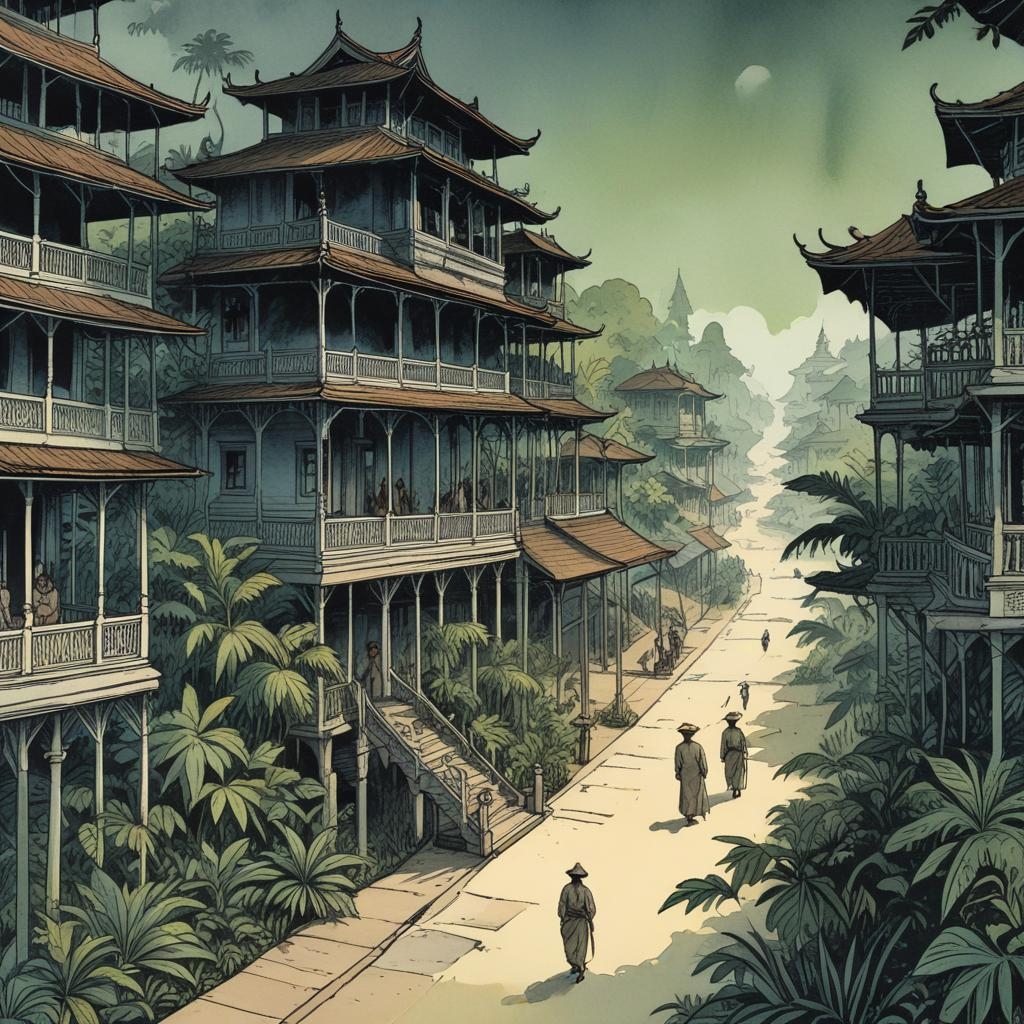
Introduction
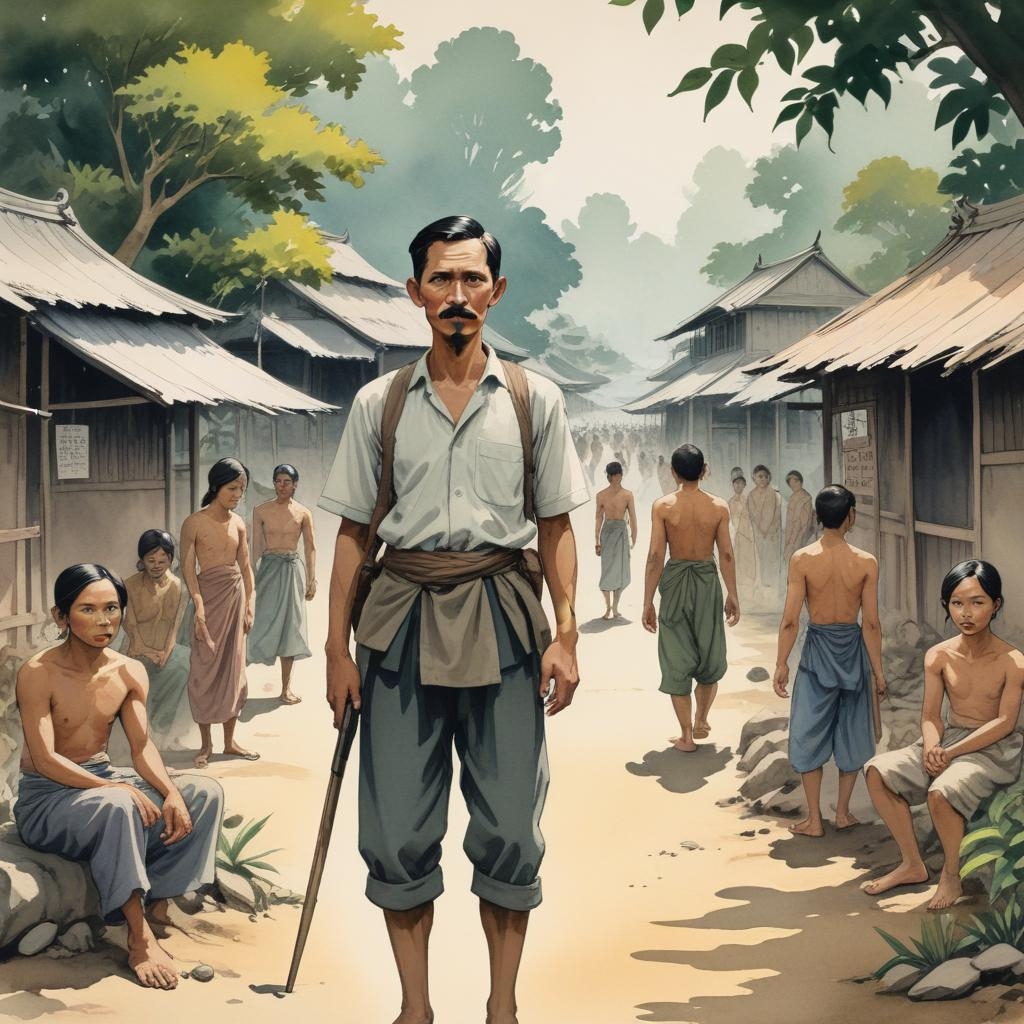
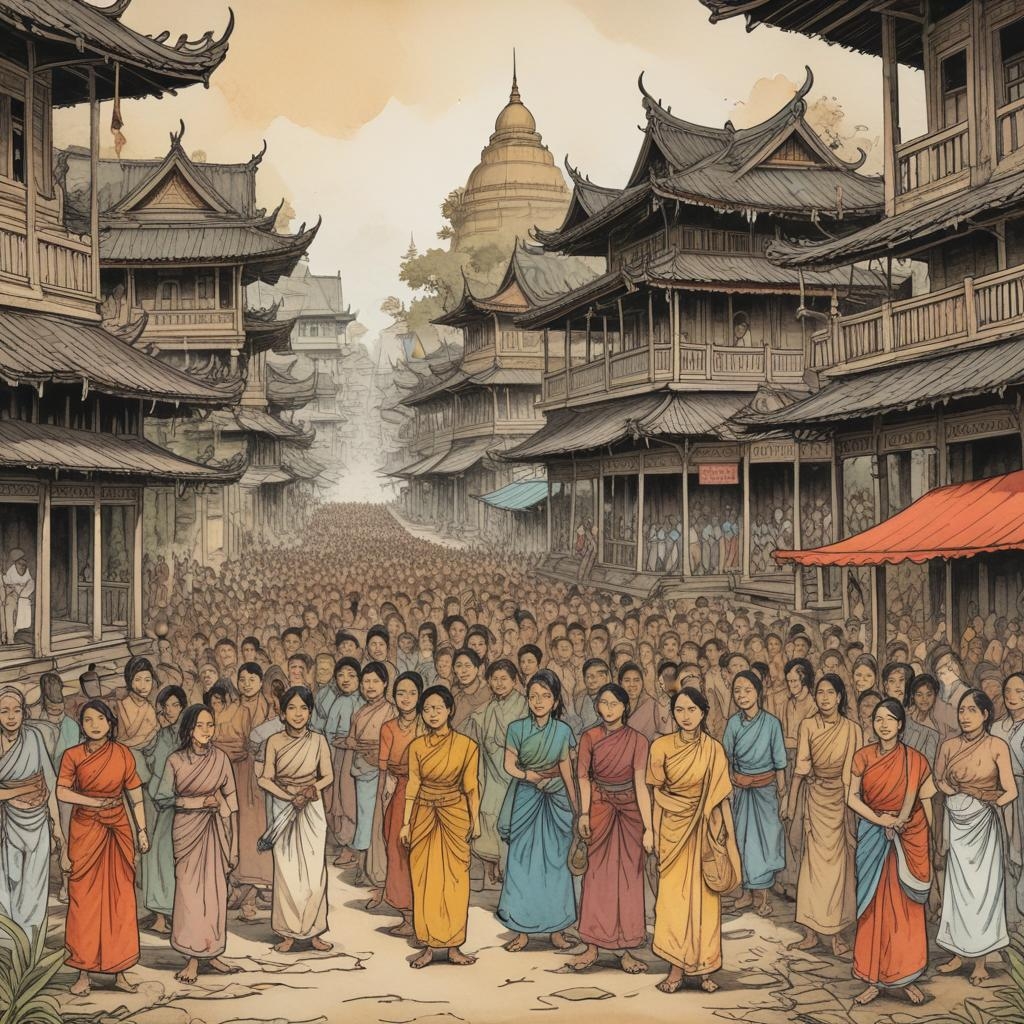

U Po Kyin

John Flory

Elizabeth Lackersteen

Dr. Veraswami

Ma Hla May
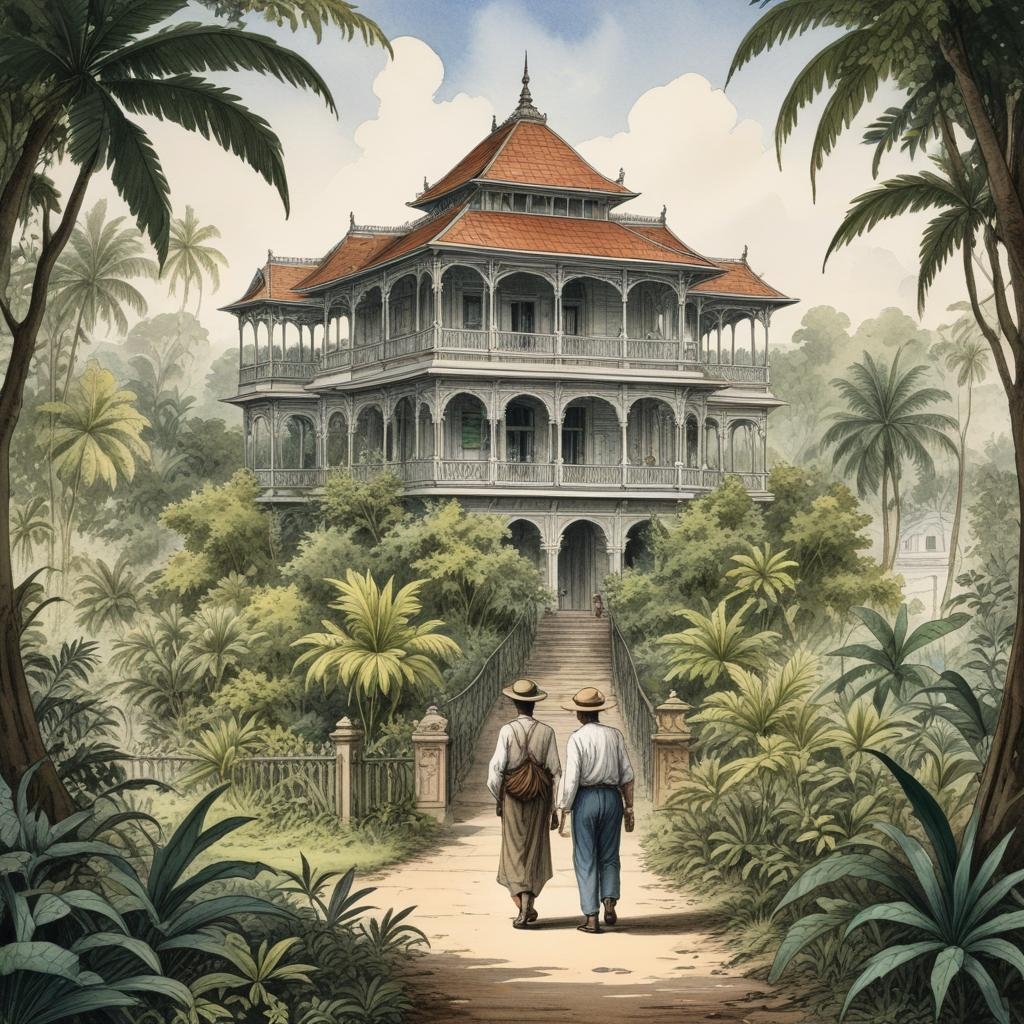
The Arrival of Flory
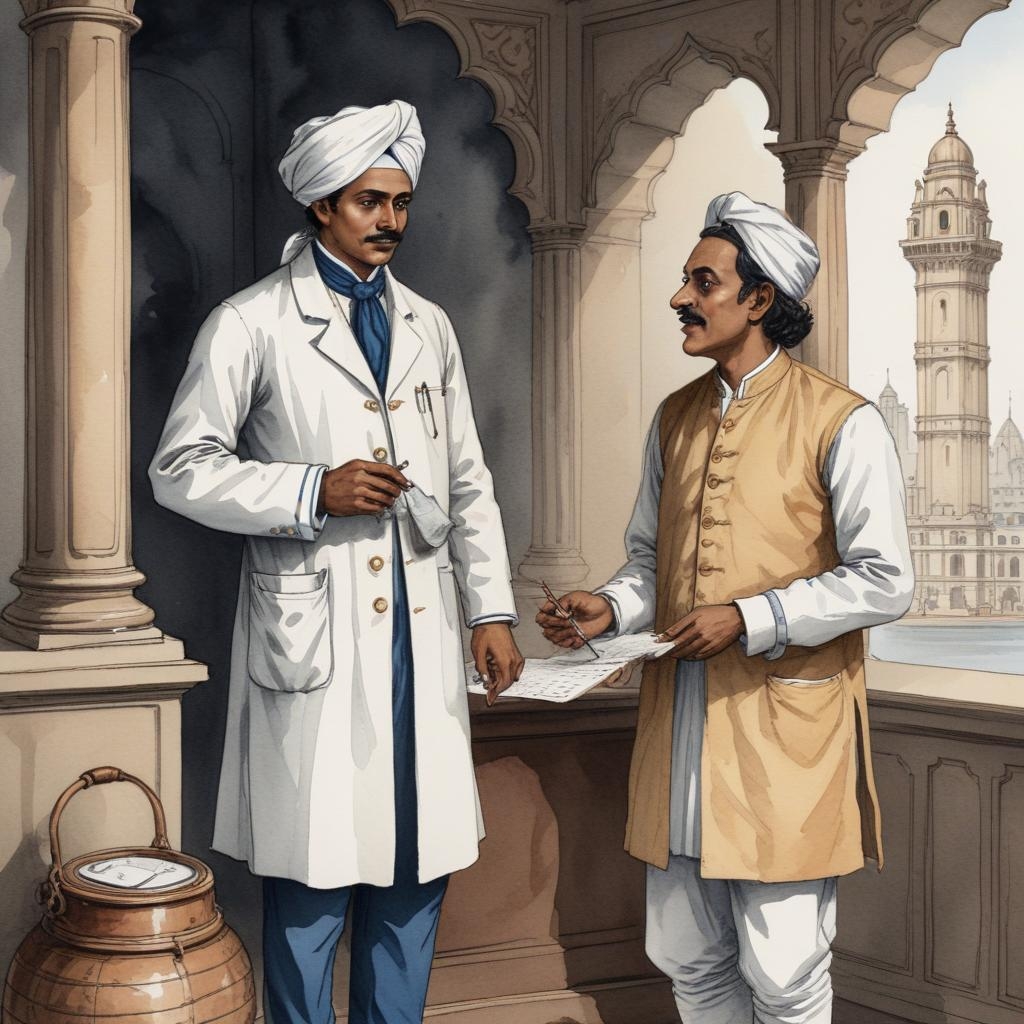
Florys Friendship with Dr. Veraswami
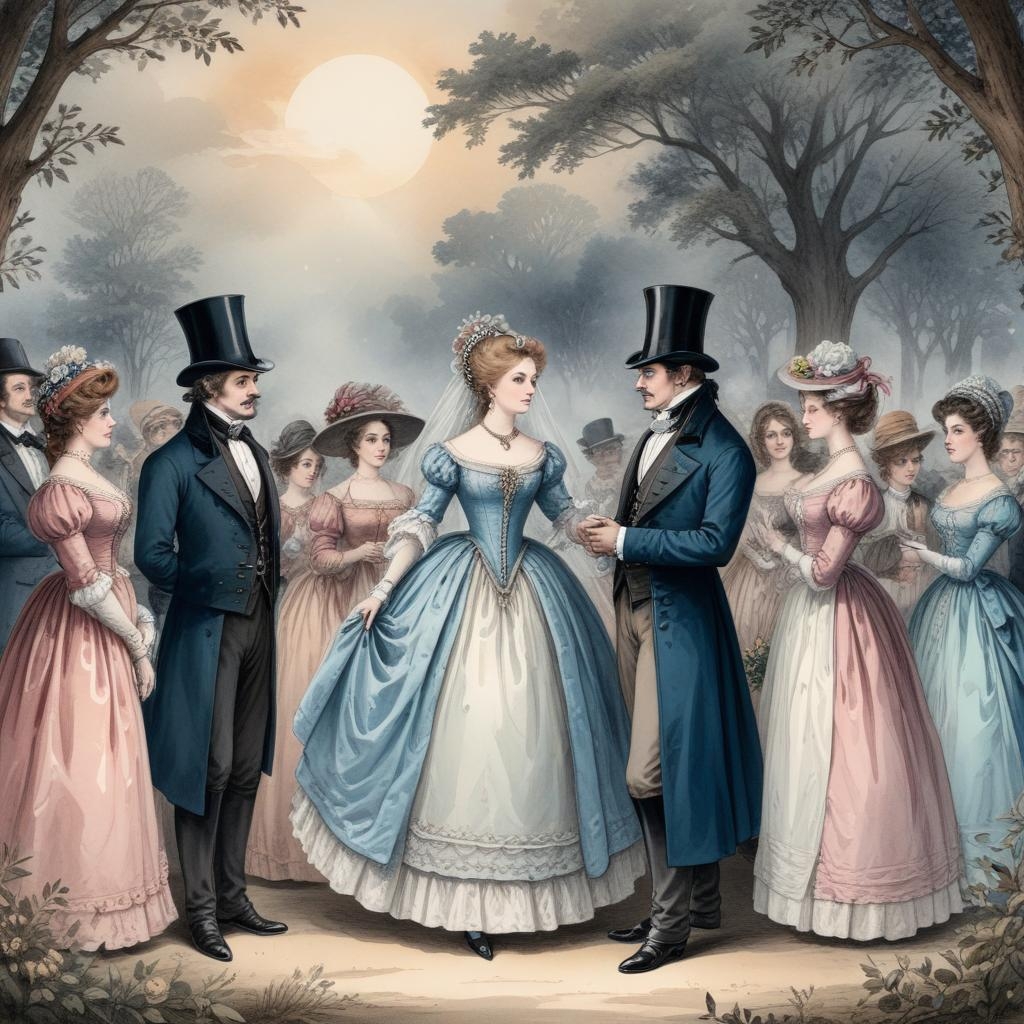
The Arrival of Elizabeth Lackersteen
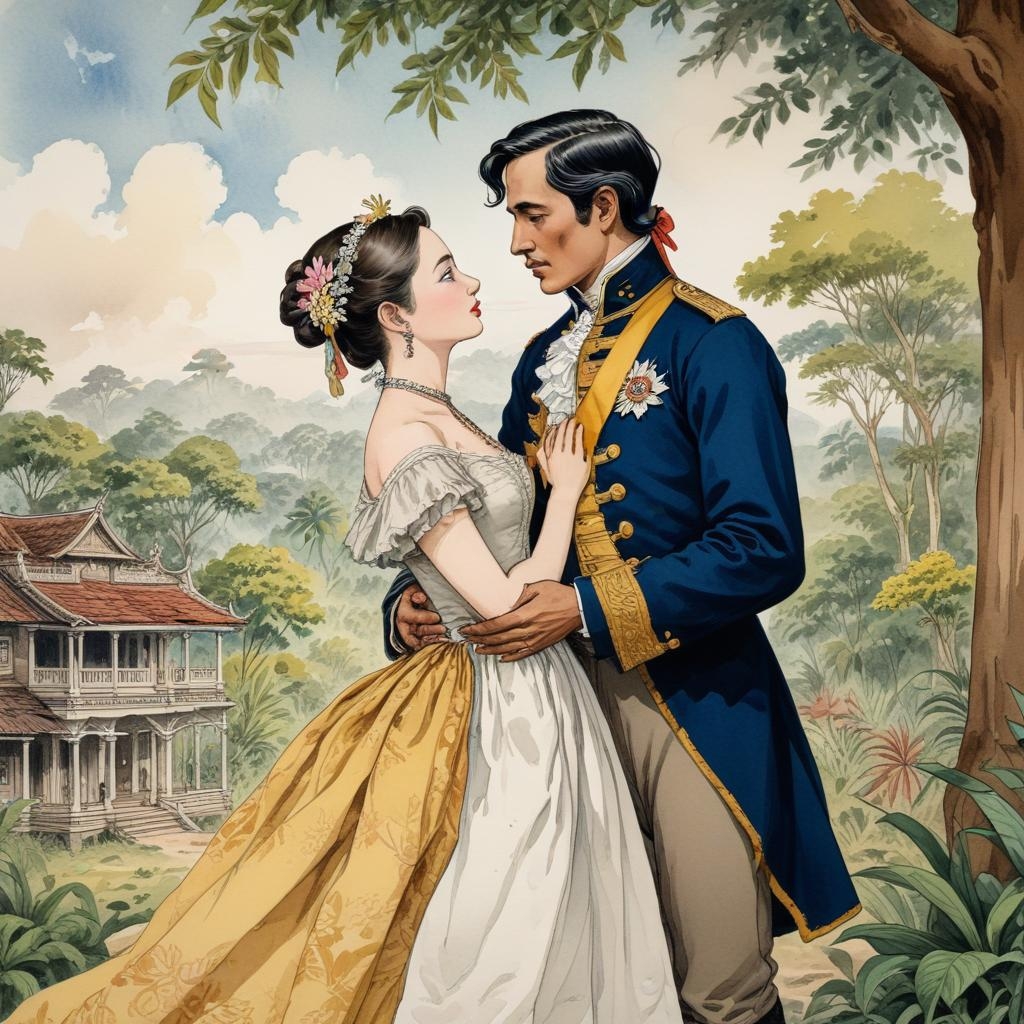
Florys Conflicted Feelings
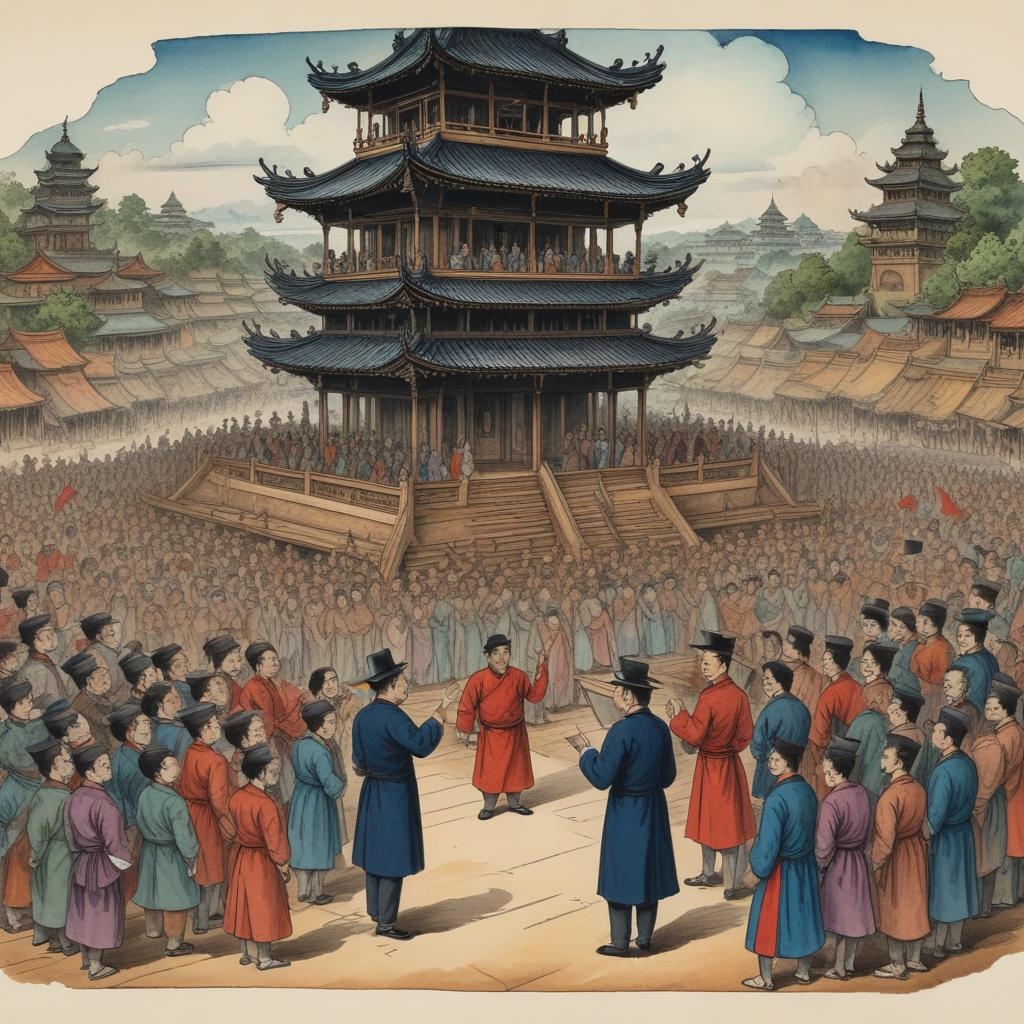
The U Po Kyins Scheme
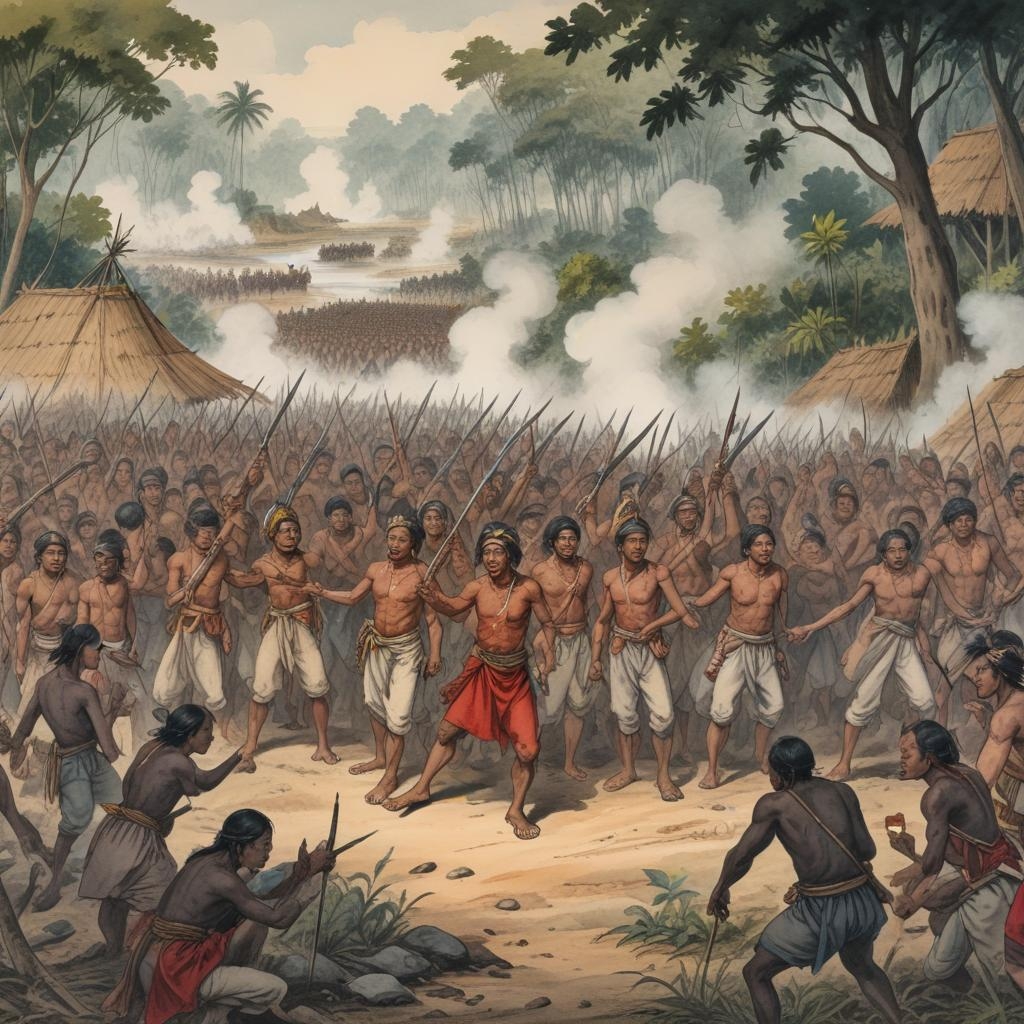
The Rebellion of the Natives
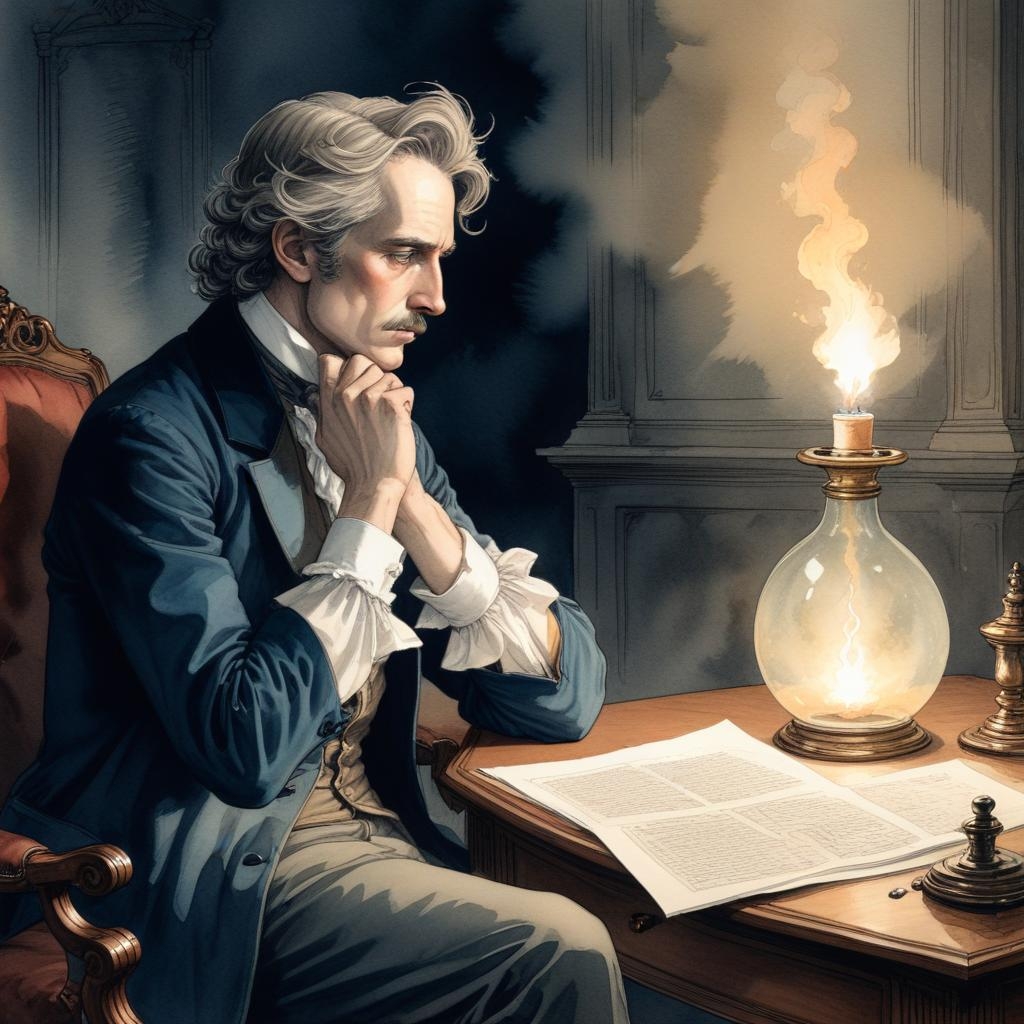
Florys Moment of Truth
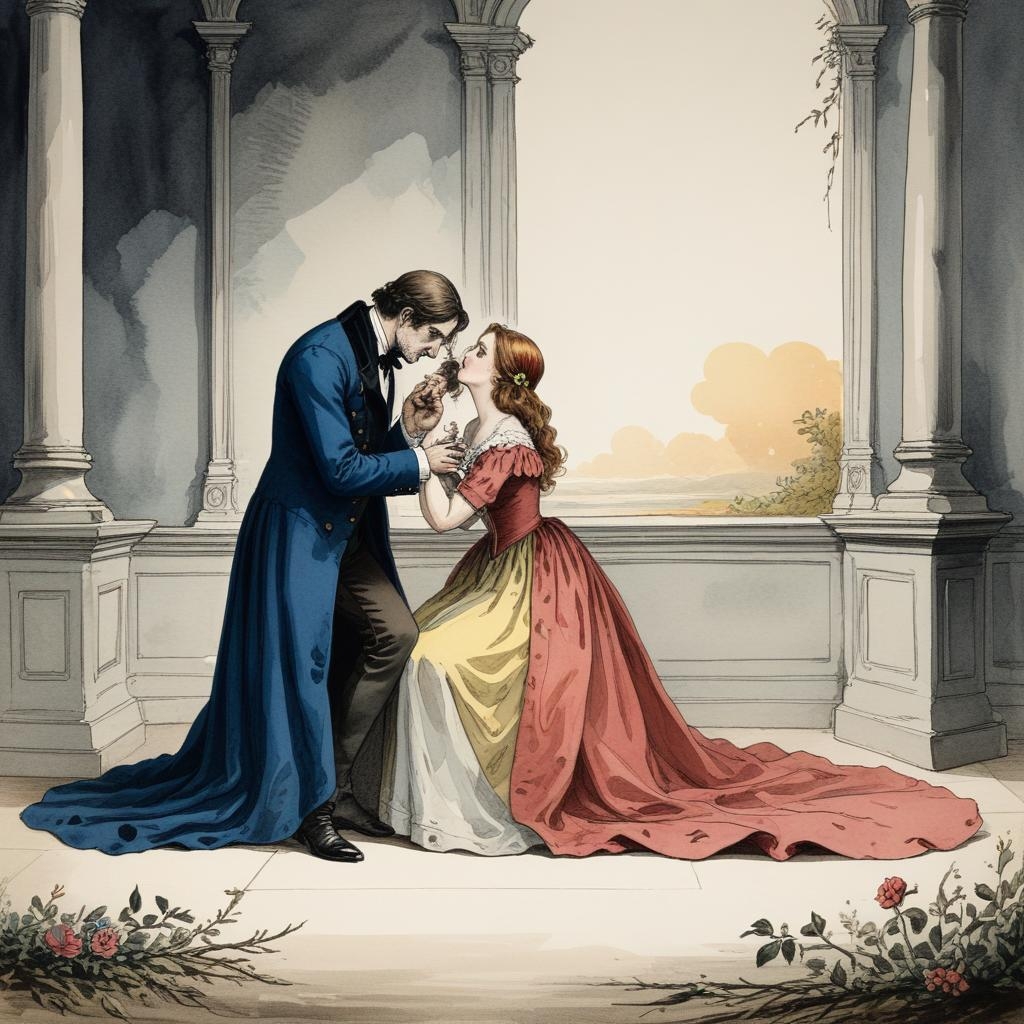
The Tragic End of Flory
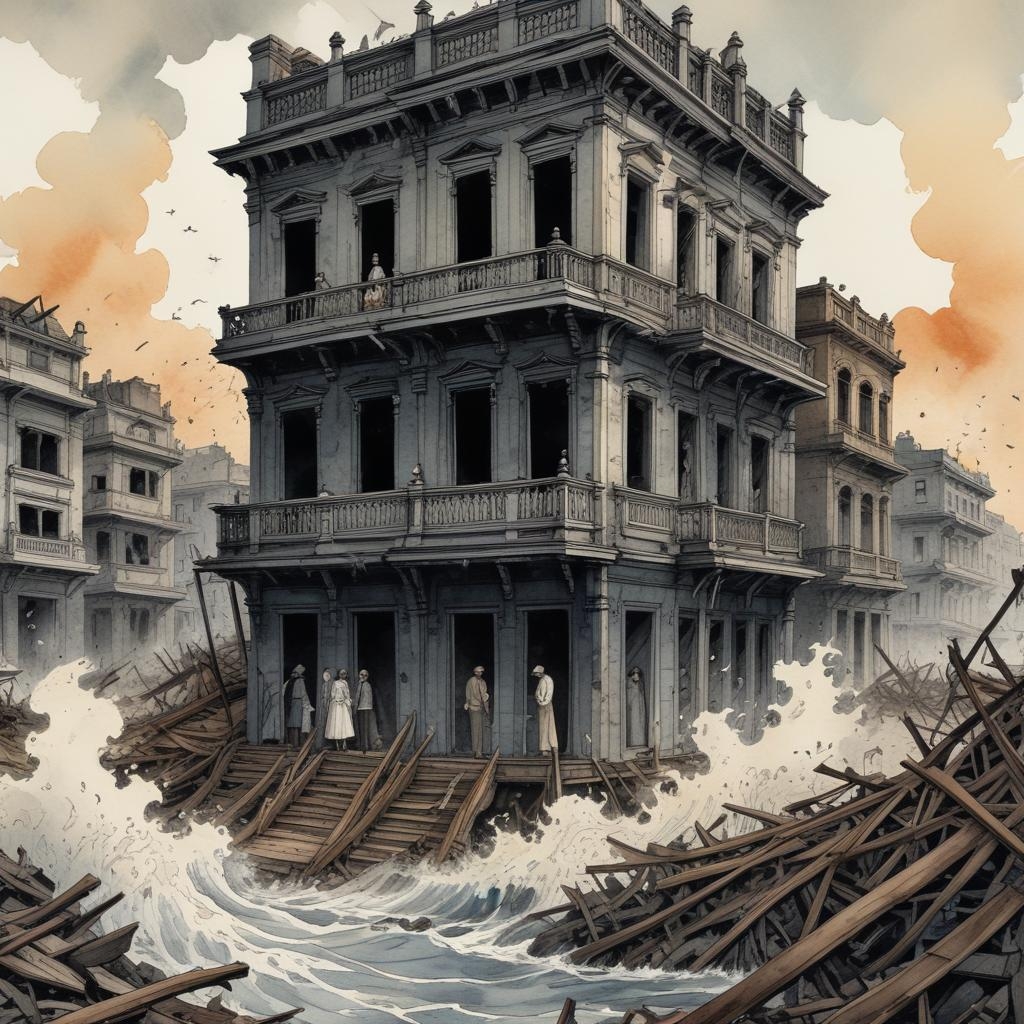
The Aftermath of Florys Death
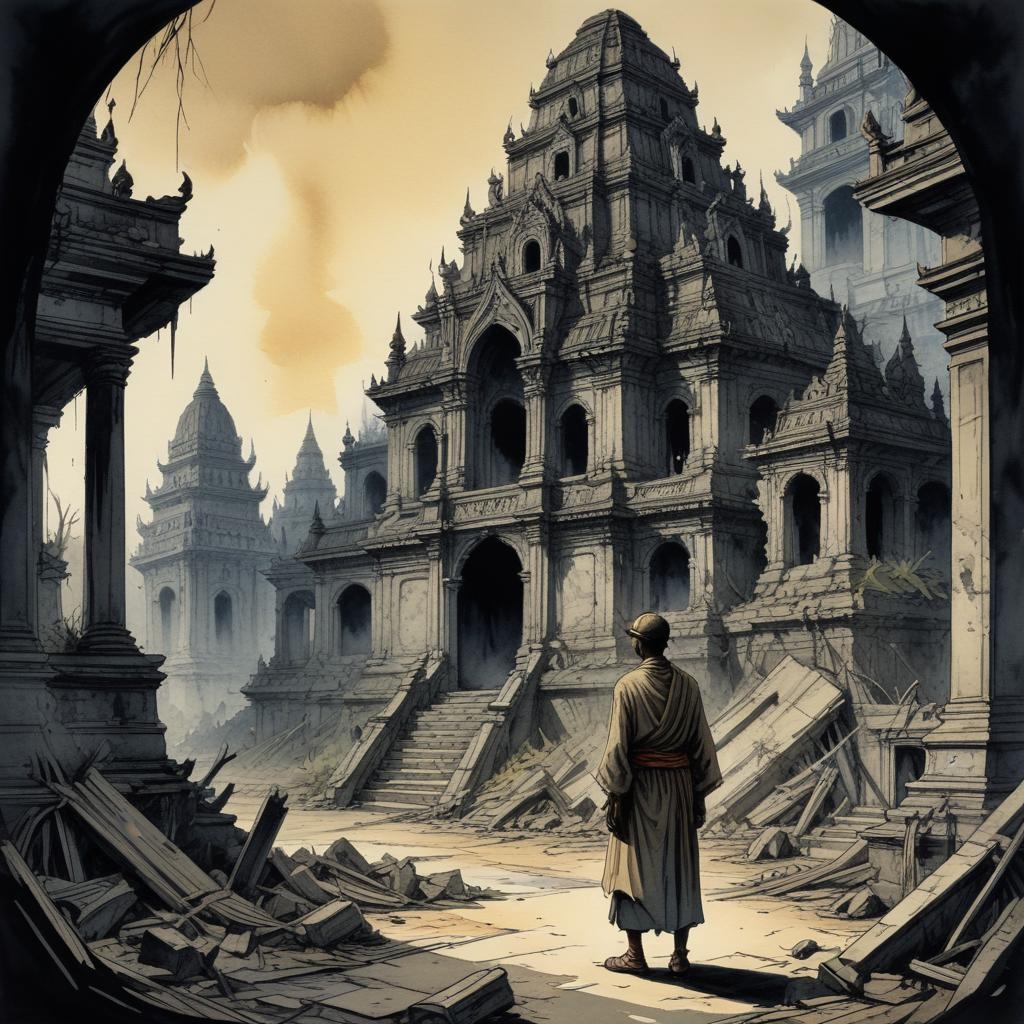
The Legacy of Burmese Days
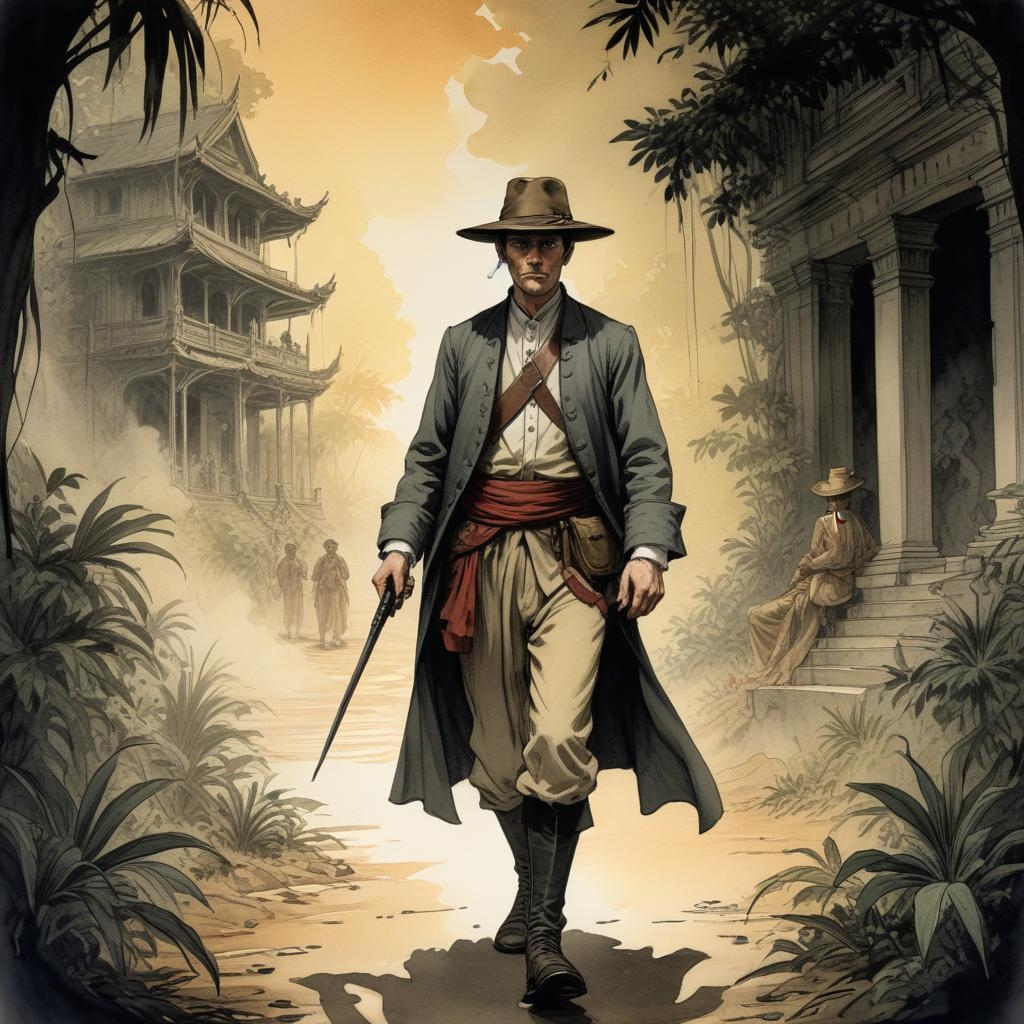
Lesson Details & Resources
In a Nutshell
- What: 'Burmese Days' by George Orwell
- When: Written in the 1930s
- Who: The main characters are John Flory, Elizabeth Lackersteen, and U Po Kyin
- Theme: The core theme is the exploration of colonialism and racism in British Burma
List of Characters in Burmese Days
-
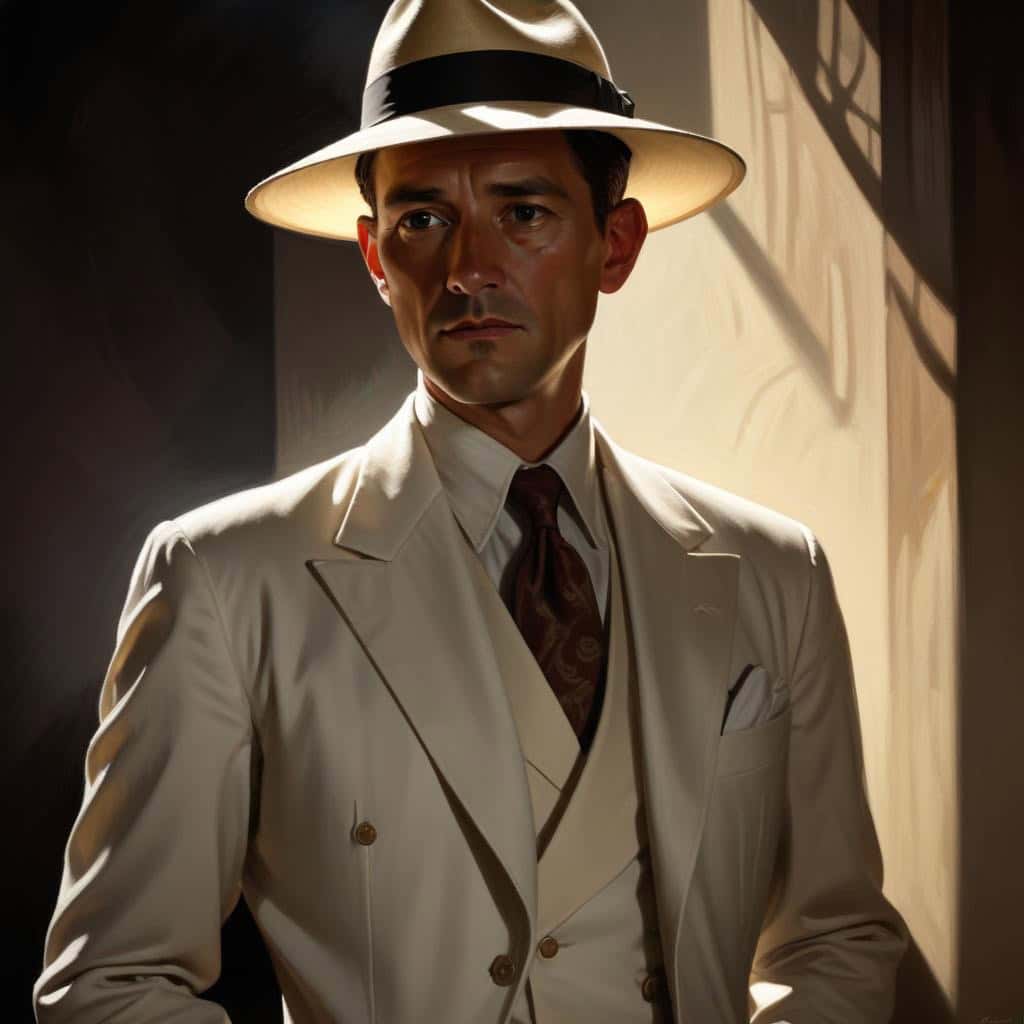
John Flory
John Flory is a timber merchant and the protagonist of the novel, struggling with his loneliness and disillusionment in colonial Burma.
-

Elizabeth Lackersteen
Elizabeth Lackersteen is a young Englishwoman engaged to Flory, but unsure about their relationship.
-
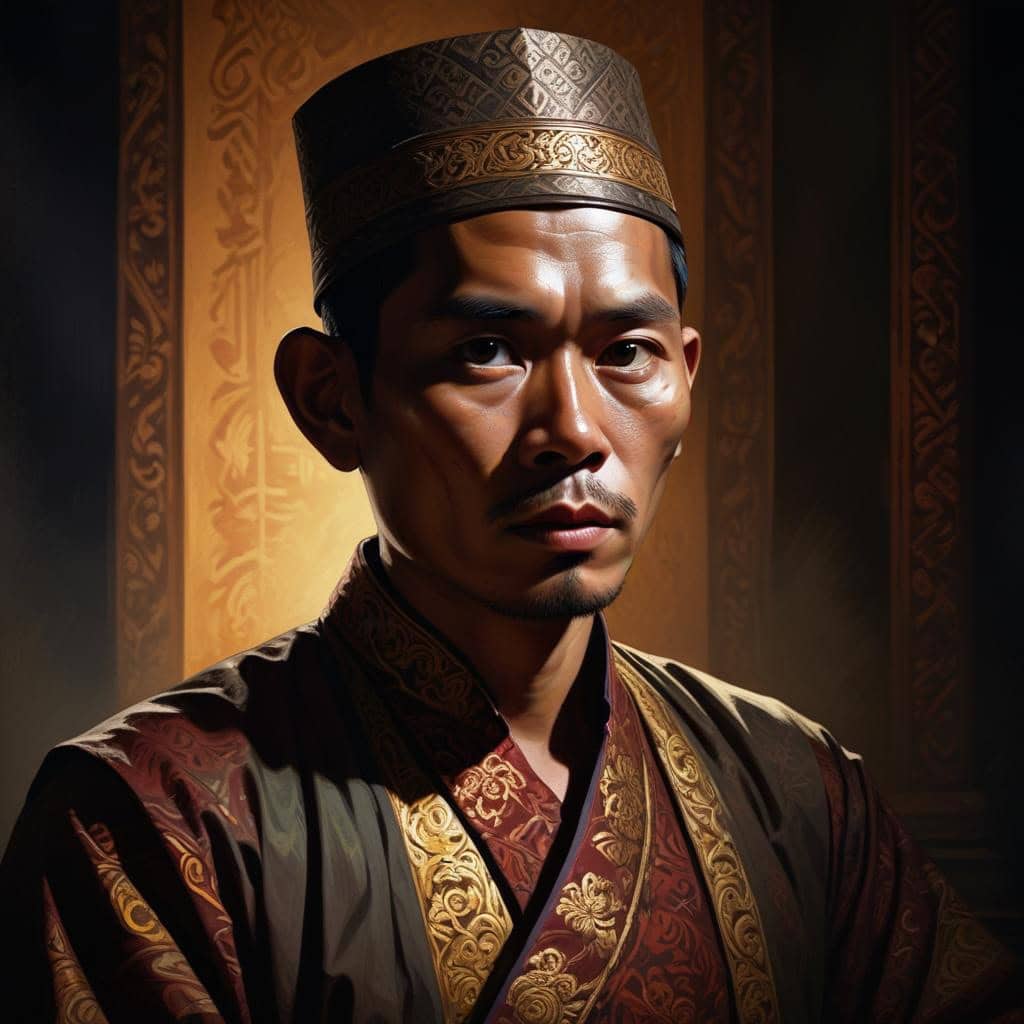
U Po Kyin
U Po Kyin is a corrupt magistrate who plots to ruin Flory and advance his own career.
-

Dr. Veraswami
Dr. Veraswami is a well-respected Indian doctor who faces discrimination from both the British and the Burmese.
-
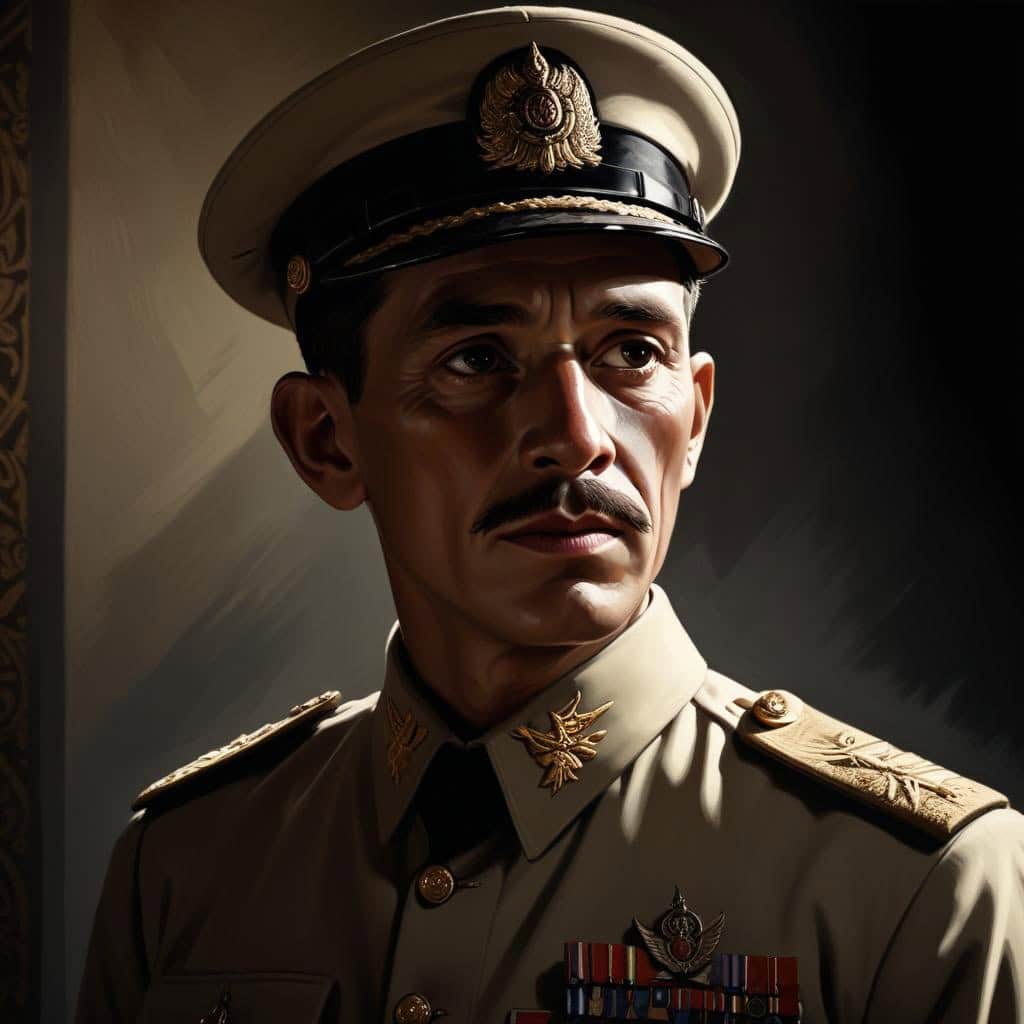
Ellis
Ellis is a naive and racist Englishman who becomes friends with Flory.
-

Macgregor
Macgregor is the Deputy Commissioner of the district, known for his fairness and integrity.
Timeline of Burmese Days
U Po Kyin, a corrupt Burmese magistrate, plots to ruin a British timber merchant named John Flory.
Flory becomes friends with Dr. Veraswami, an Indian doctor, who is despised by other British colonists.
Flory's friend, Ellis, arrives in Burma and introduces Flory to Elizabeth Lackersteen, his niece.
Flory begins a romantic relationship with Elizabeth and feels torn between her and his feelings for Ma Hla May, a Burmese woman.
U Po Kyin starts a campaign against Dr. Veraswami, spreading rumors about him and trying to have him removed from his position.
Flory tries to help Dr. Veraswami by writing an anonymous letter to the local paper defending him.
Flory's friend, Macgregor, the local British official, invites Flory and Elizabeth to a shooting party.
During the shooting party, Flory's dog is killed, and Flory is blamed for the incident.
Flory's relationship with Elizabeth becomes strained, and he starts to feel isolated from the other British colonists.
U Po Kyin's campaign against Dr. Veraswami continues, and he tries to have him arrested for corruption.
Flory confronts U Po Kyin and threatens to expose his corruption if he doesn't stop his campaign against Dr. Veraswami.
Flory's threat works, and U Po Kyin drops his campaign against Dr. Veraswami.
Flory's friend, Ellis, leaves Burma, and Flory becomes even more isolated.
Flory's mental state deteriorates, and he becomes increasingly disillusioned with British colonialism and his own life.
Flory decides to commit suicide by shooting himself in the head.
Flory's body is discovered, and the local Burmese community holds a funeral for him.
The British colonists dismiss Flory's death as a result of a hunting accident and quickly move on.
Vocabulary List
- Pukka
- Flory was a pukka sahib, with a white face and a red nose, with thin legs and a thick moustache.
- Sahib
- The Burmese natives referred to the British as sahibs, a term of respect and deference.
- Coolie
- The coolies were hired to do the manual labor on the plantation.
- Paddy
- The fields were full of paddy, rippling in the wind.
- Pagoda
- The pagoda in the village was a sacred place of worship for the locals.
- Dacoit
- The dacoits were a group of bandits that terrorized the countryside.
- Chit
- Flory handed the chit to the shopkeeper as payment for his purchases.
- Thug
- The thug threatened Flory with violence if he did not comply with his demands.
- Shikar
- The British officers enjoyed going on shikar, or hunting expeditions, in the jungle.
- Pariah
- The pariah dogs roamed the streets, scavenging for scraps of food.
Key Facts
This is the information used in the fact matching game
- - Burmese Days is a novel written by George Orwell.
- - The story is set in the British colony of Burma (now Myanmar) during the 1920s.
- - The protagonist of the story is John Flory, a timber merchant in Burma.
- - The novel explores themes of racism, imperialism, and the corrupting influence of power.
- - Flory is portrayed as a sympathetic character who feels trapped between his British peers and the Burmese people.
- - U Po Kyin, a corrupt Burmese magistrate, is a central antagonist in the story.
- - The character of Elizabeth Lackersteen, Flory's love interest, represents the privileged British colonial class.
- - Orwell drew from his own experiences as a police officer in Burma to write the novel.
- - The book offers a scathing critique of British colonial rule in Burma.
- - Burmese Days was Orwell's first published novel and received mixed reviews upon release in 1934.
- - The novel sheds light on the mistreatment and discrimination faced by the Burmese people under British rule.
- - Orwell's portrayal of the Burmese characters challenges stereotypes and highlights their resilience.
- - The novel exposes the hypocrisy and moral corruption of the British ruling class in Burma.
- - Orwell's vivid descriptions of the Burmese landscape and culture add depth to the story.
- - Burmese Days delves into the complexities of identity and the struggle for self-acceptance.
- - The book addresses the destructive effects of colonialism on both the colonizers and the colonized.
- - Orwell's portrayal of the oppressive and stifling atmosphere in the British Club reflects the hierarchical nature of colonial society.
- - The novel incorporates elements of Orwell's own disillusionment with imperialism.
- - Burmese Days is an important work in Orwell's literary career and foreshadows themes that he would explore in later works, such as Animal Farm and 1984.
- - The book remains a powerful critique of imperialism and continues to be studied for its social and political insights.
Analysis & Significance
Impact on Literature
George Orwell’s ‘Burmese Days’ is a significant work in the literary canon for its exploration of colonialism and its impact on both the colonizers and the colonized. The novel’s critique of imperialism and racism paved the way for future writers to engage with similar themes in their own works, influencing the way in which colonial history is portrayed in literature.
Enduring Themes
‘Burmese Days’ continues to resonate with modern audiences due to its exploration of power dynamics, identity, and the destructive effects of prejudice. The novel’s themes of isolation, betrayal, and the struggle for justice are universal and timeless, making it a relevant and thought-provoking read for readers of all generations.
Cultural Significance Today
Orwell’s ‘Burmese Days’ remains culturally significant today for its portrayal of the complexities of British colonial rule in Burma. The novel has been adapted into stage plays, radio dramas, and even inspired a film adaptation, keeping its legacy alive in popular culture. Its critical examination of imperialism and its impact on individuals continues to spark important conversations about power, privilege, and oppression in today’s world.
Burmese Days Games


Take Your Learning Offline
Want a convenient, print-ready study guide for this lesson? Become a Memory Wizards Pro member to unlock the downloadable " Memory Scrolls" for this topic and our entire library!
- ✓ Complete Vocabulary Lists
- ✓ Key Facts & Timelines
- ✓ Beautifully Formatted for Print & Mobile