
How Do You Learn Best?
Learn by Reading
Immerse yourself in the 10-minute visual lesson for a comprehensive understanding of the topic.
Learn by Reviewing
Jump directly to the key facts, timeline, and vocabulary lists to build a solid foundation of details.
Learn by Doing
Challenge yourself! Jump straight into the interactive games to learn by trial, error, and discovery.
Animal Farm in 10 Minutes
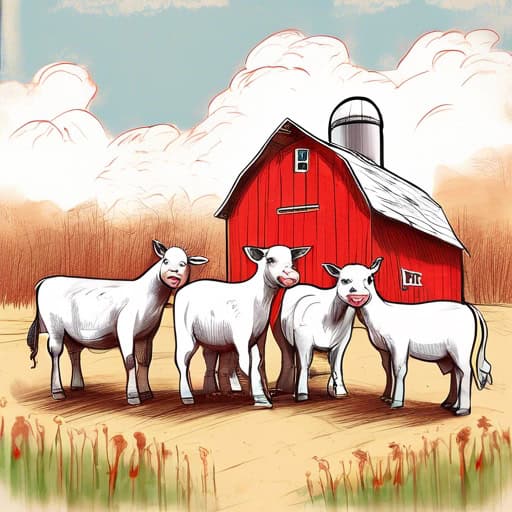
Introduction


Napoleon

Snowball
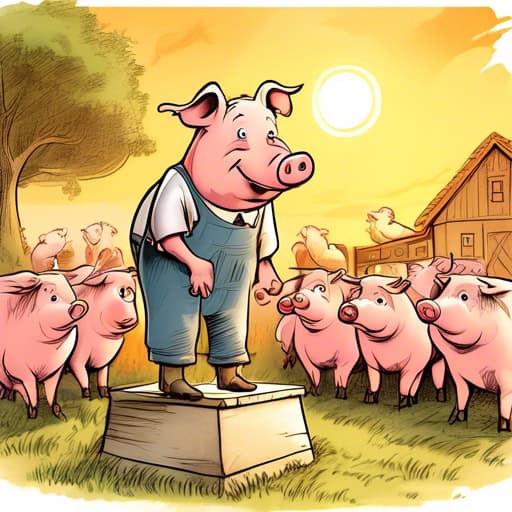
Old Major

Boxer

Squealer

Mr. Jones
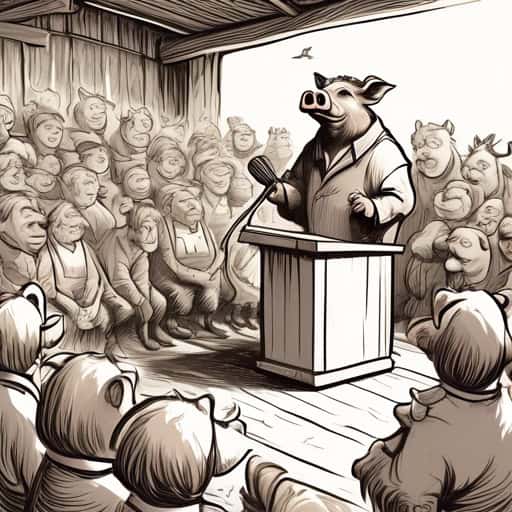
Old Majors Speech

The Rebellion

Napoleons Rise to Power
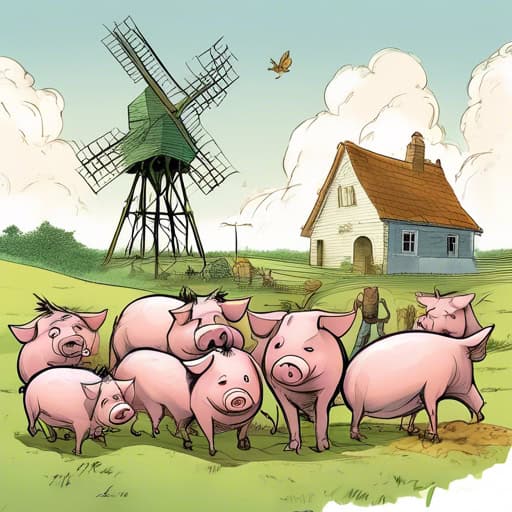
The Windmill
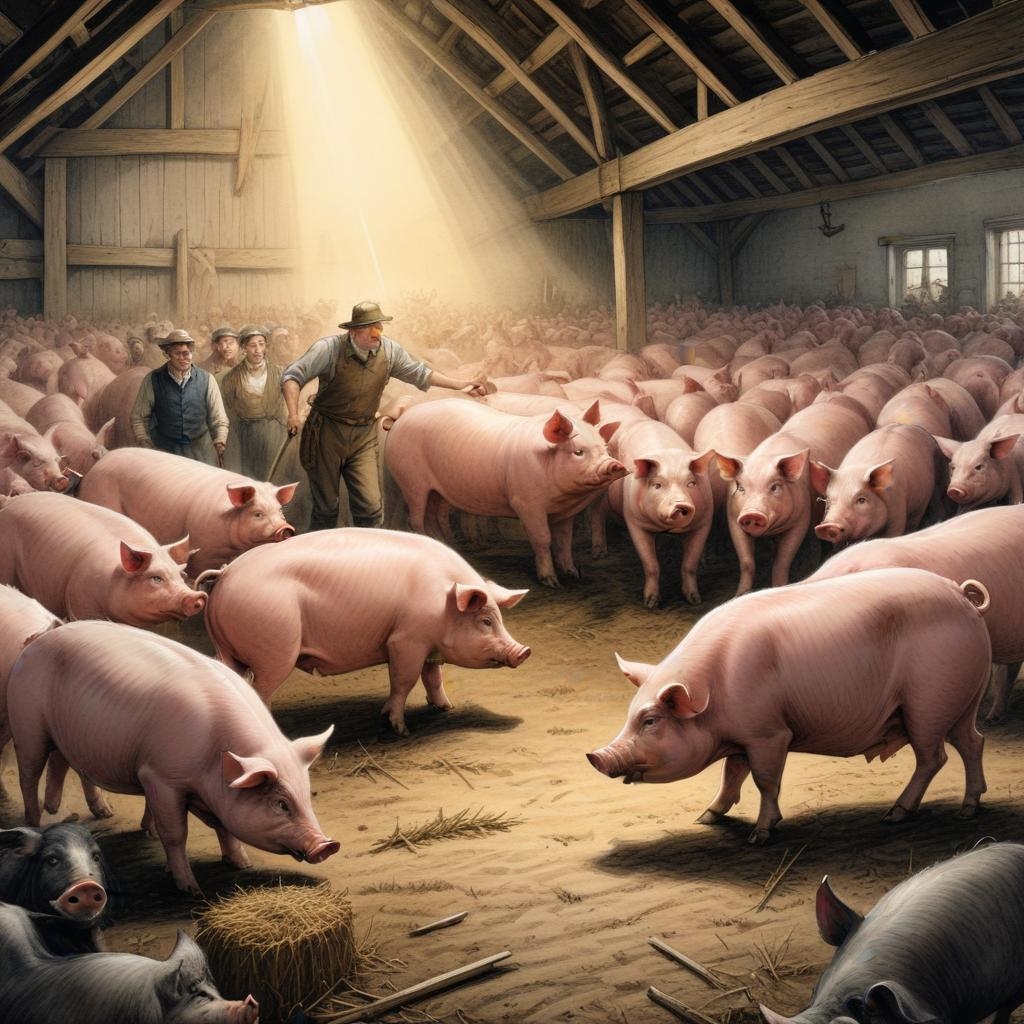
The Betrayal
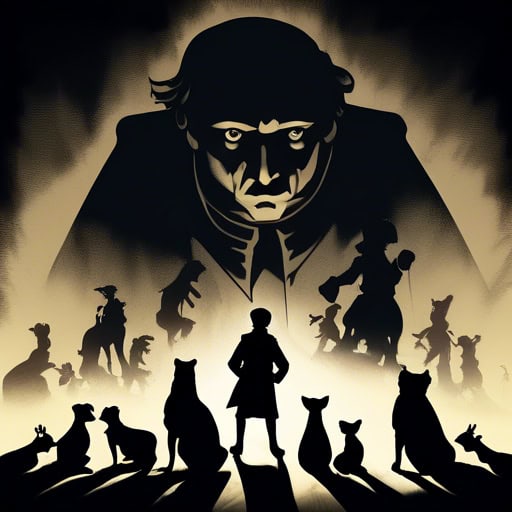
The Purge

The Return of the Humans
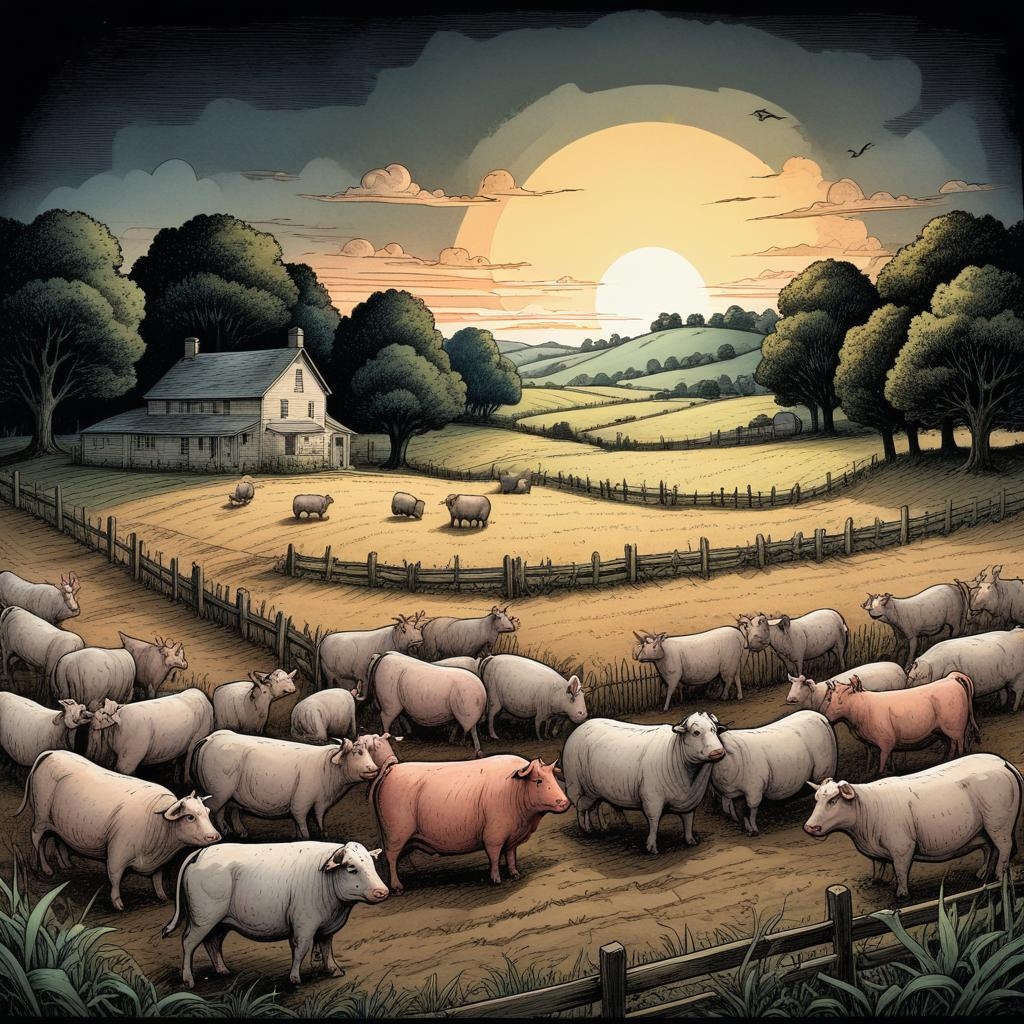
The Final Commandment
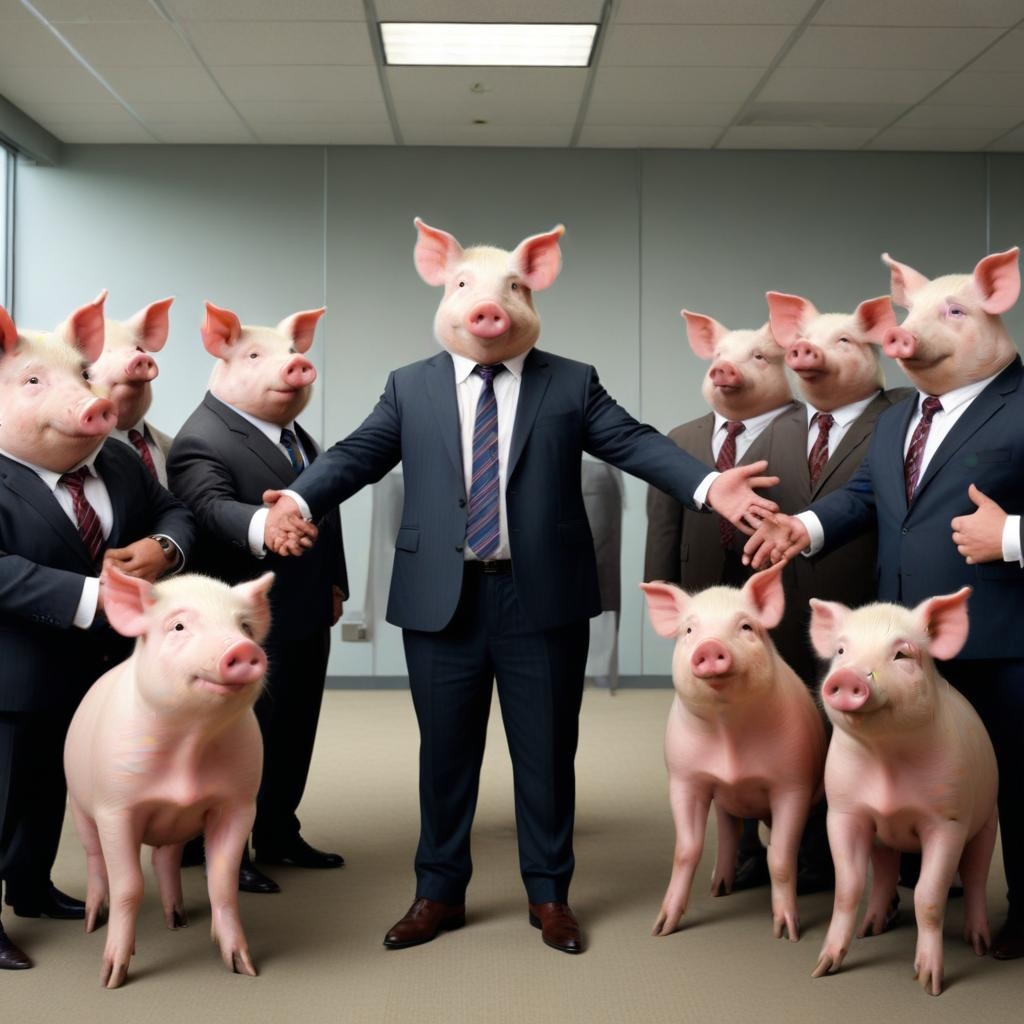
The Humans Return
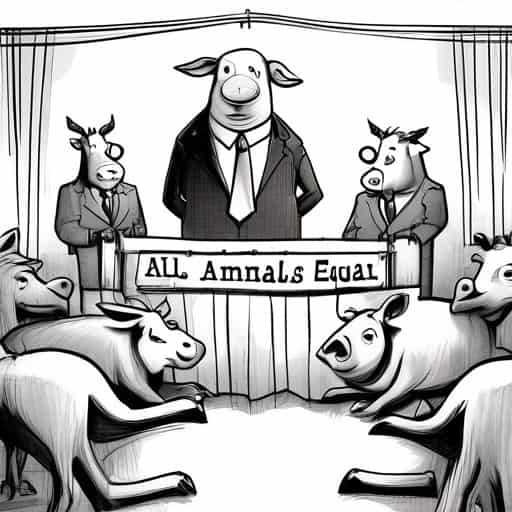
The Legacy of Animal Farm
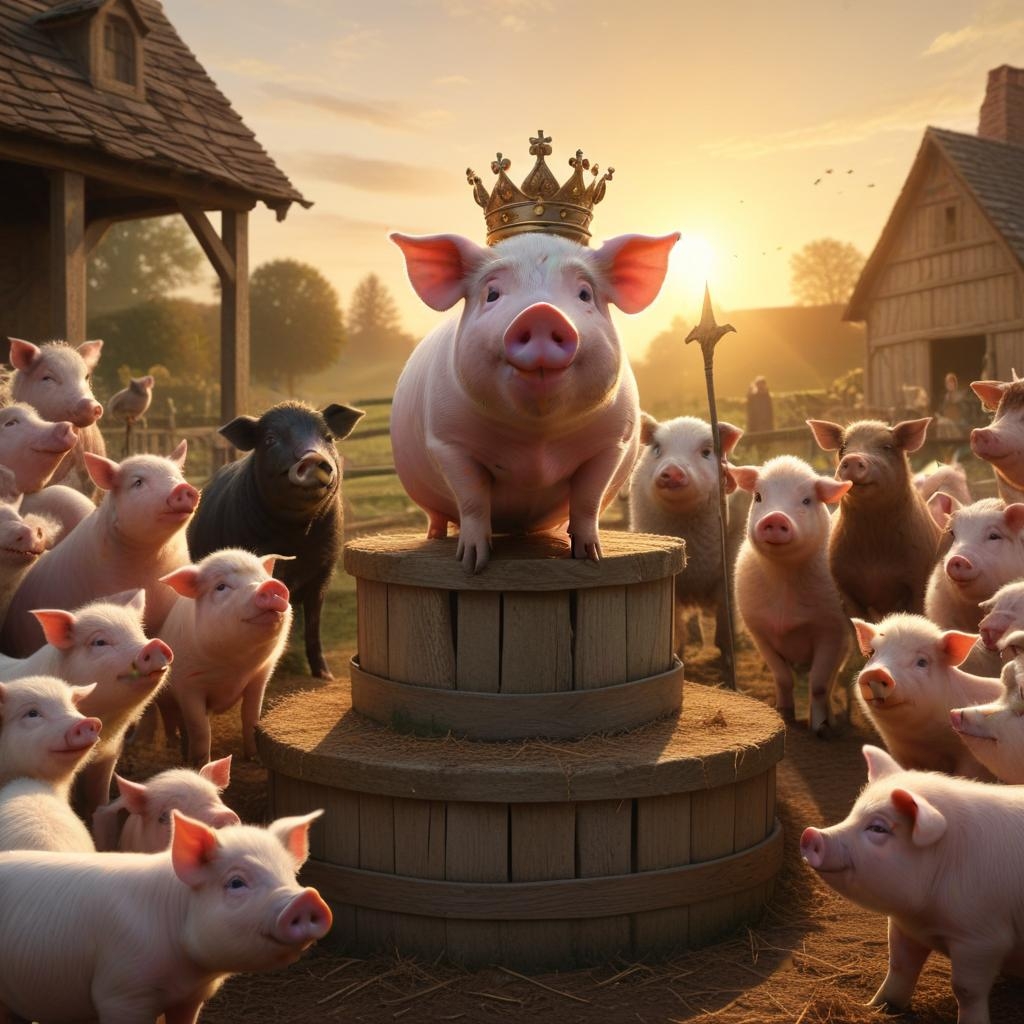
Lesson Details & Resources
In a Nutshell
- What: Animal Farm by George Orwell
- When: Written in 1945
- Who: Napoleon, Snowball, Boxer
- Theme: Allegory of the Russian Revolution and the dangers of totalitarianism
List of Characters in Animal Farm
-
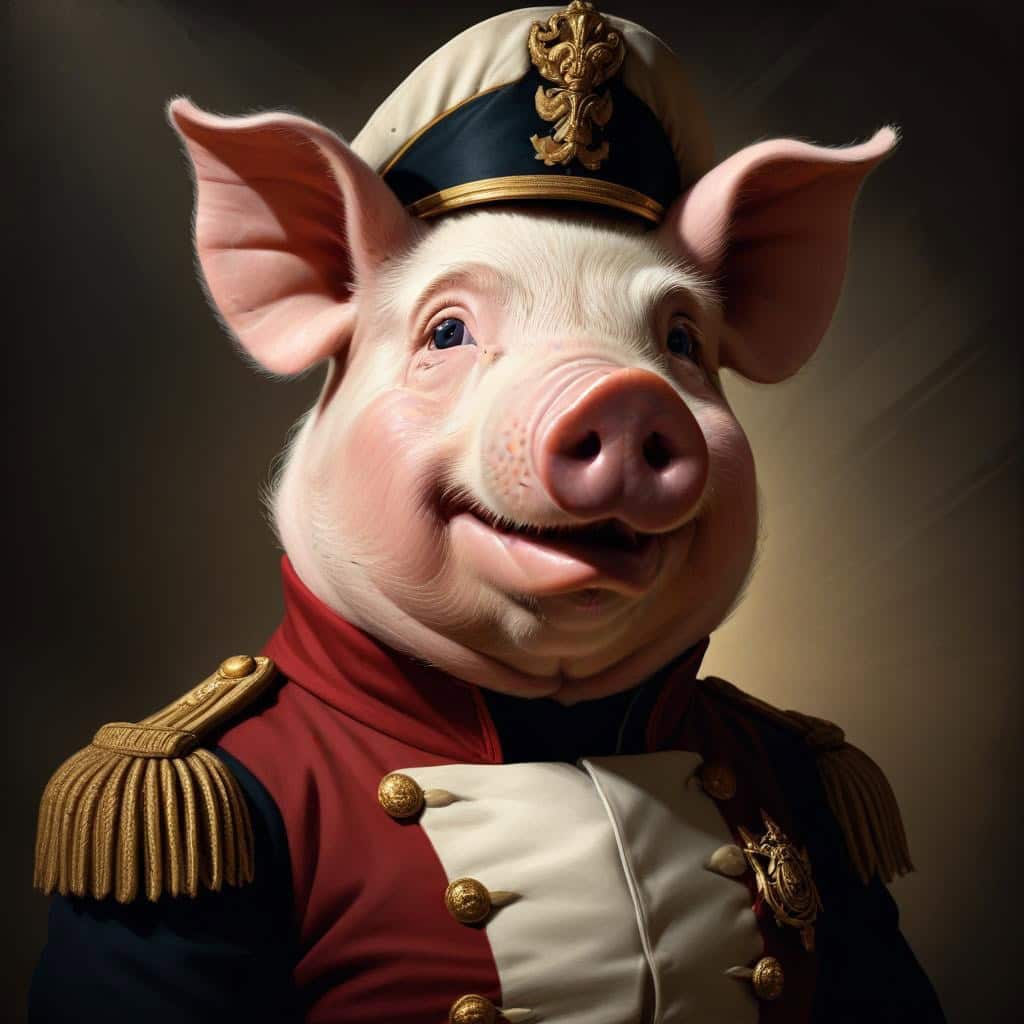
Napoleon
Napoleon is a cunning and power-hungry pig who becomes the leader of the farm after the rebellion.
-
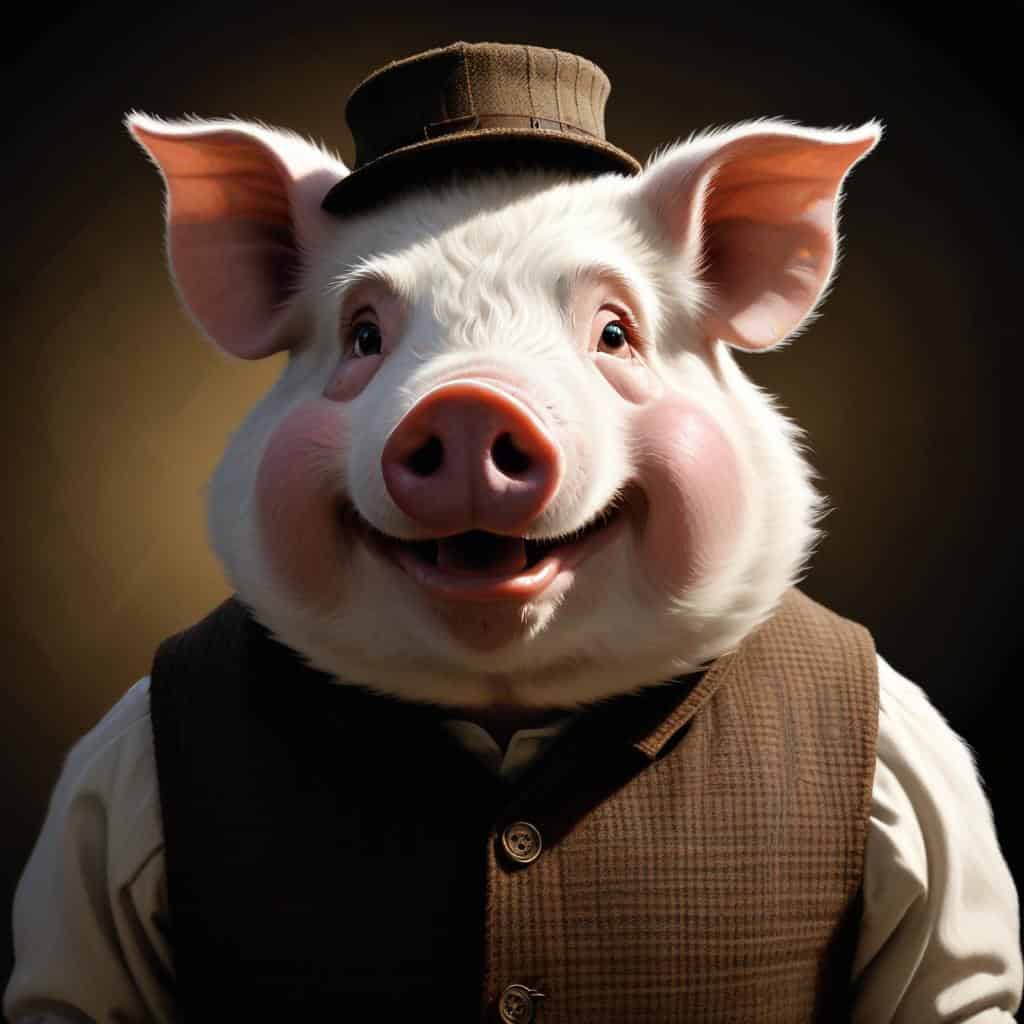
Snowball
Snowball is a pig with revolutionary ideas who is eventually driven out by Napoleon.
-
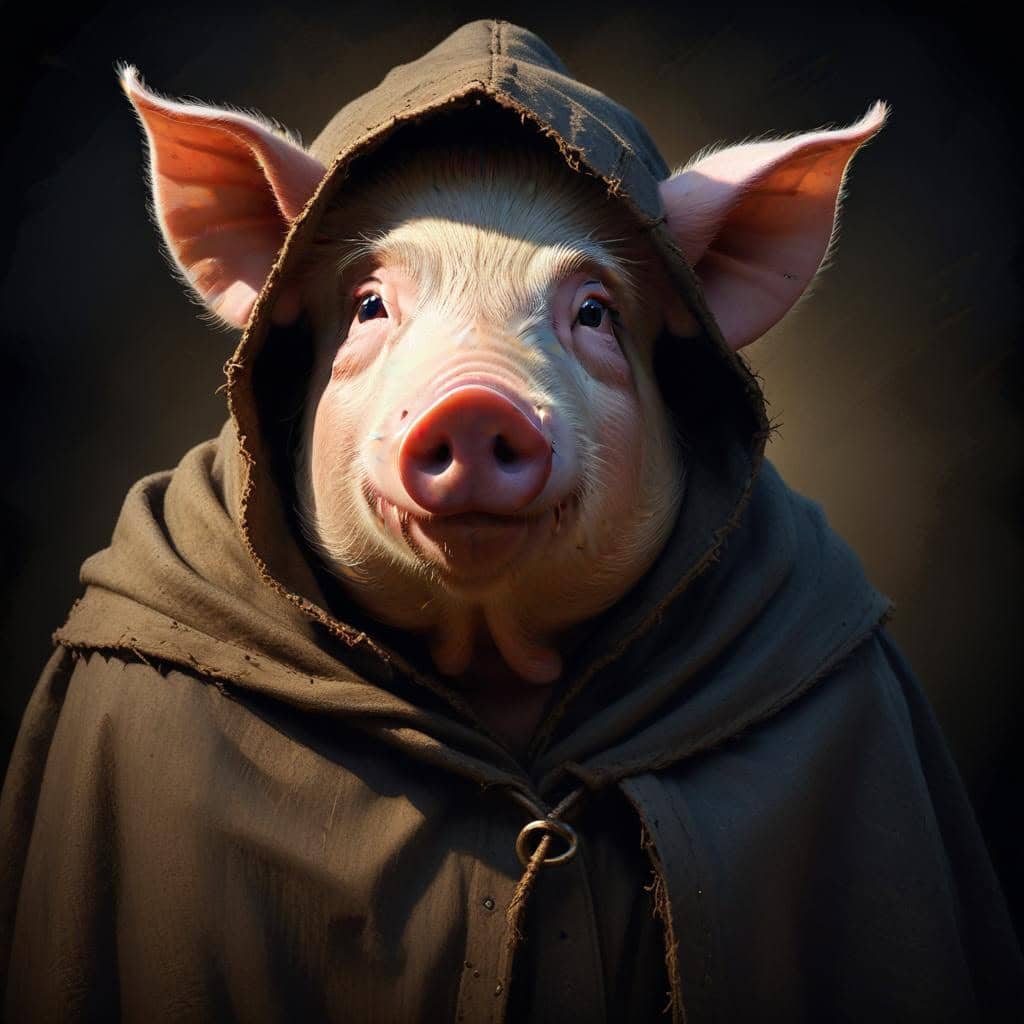
Old Major
Old Major is a wise and respected boar who inspires the animals to rebel against their human oppressors.
-
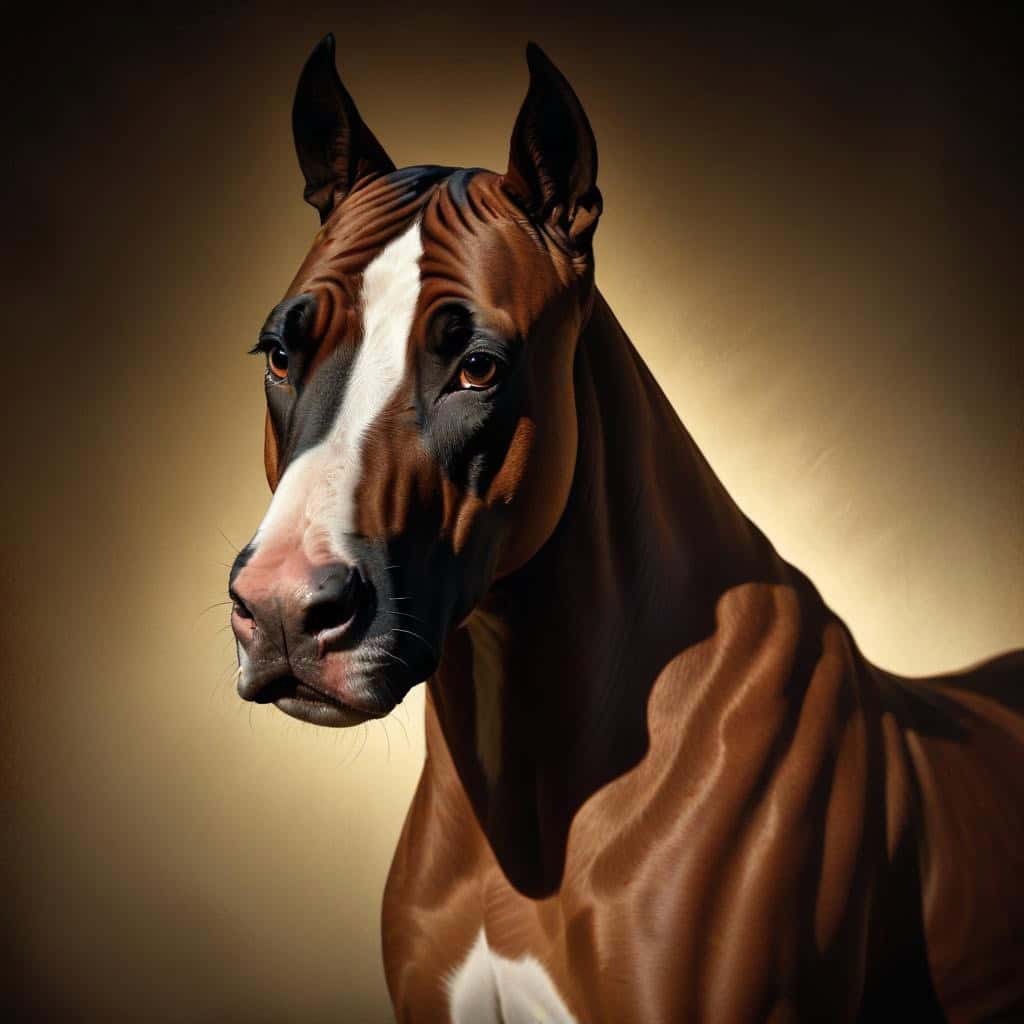
Boxer
Boxer is a hardworking and loyal horse who represents the working class.
-
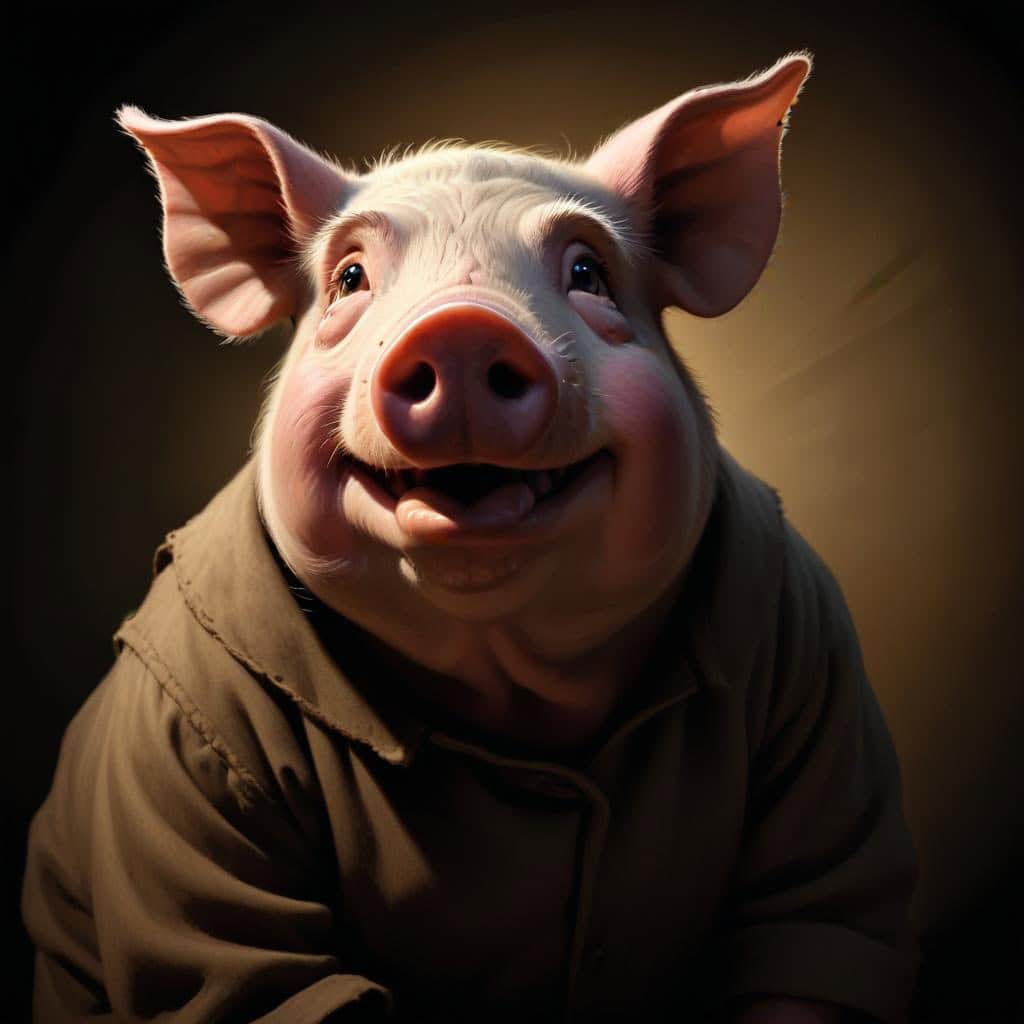
Squealer
Squealer is a persuasive and manipulative pig who serves as Napoleon's mouthpiece.
-
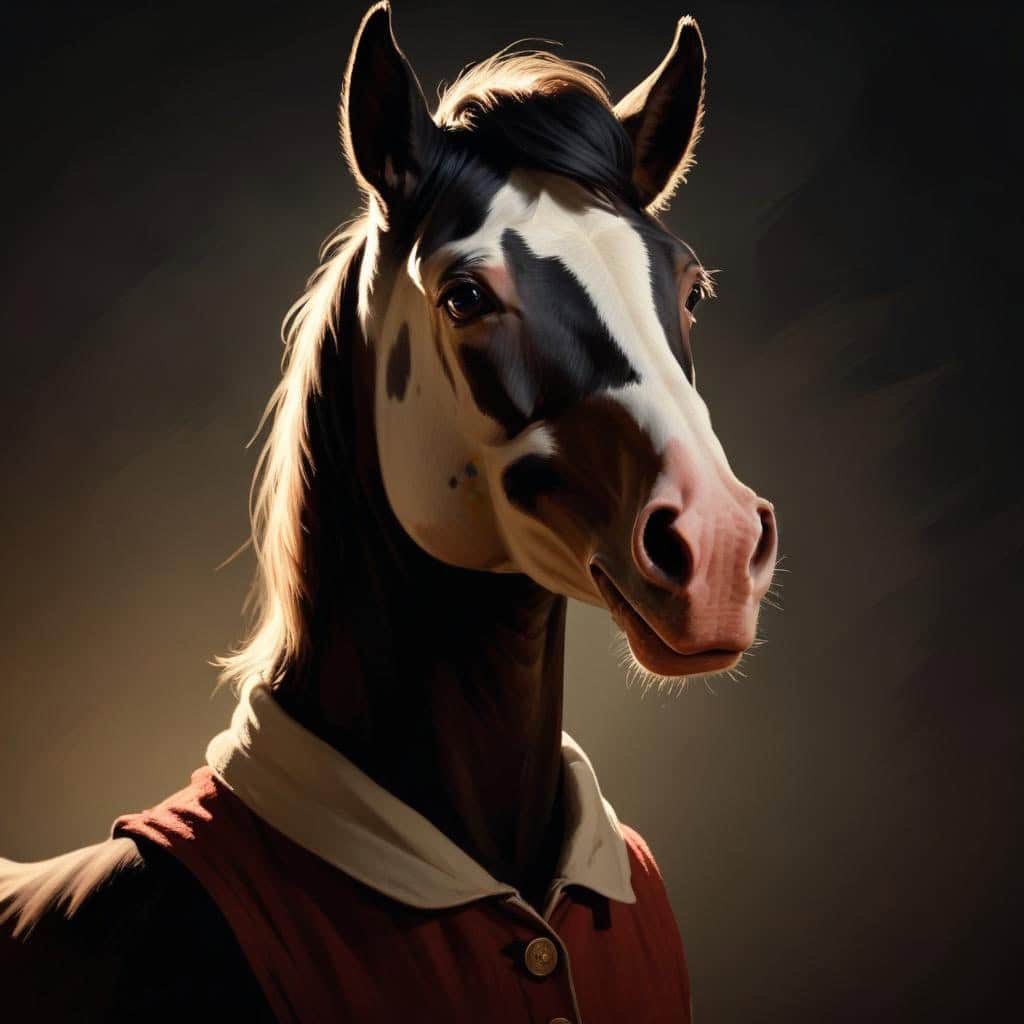
Mollie
Mollie is a vain and materialistic horse who is more concerned with her own comfort than the welfare of the farm.
-
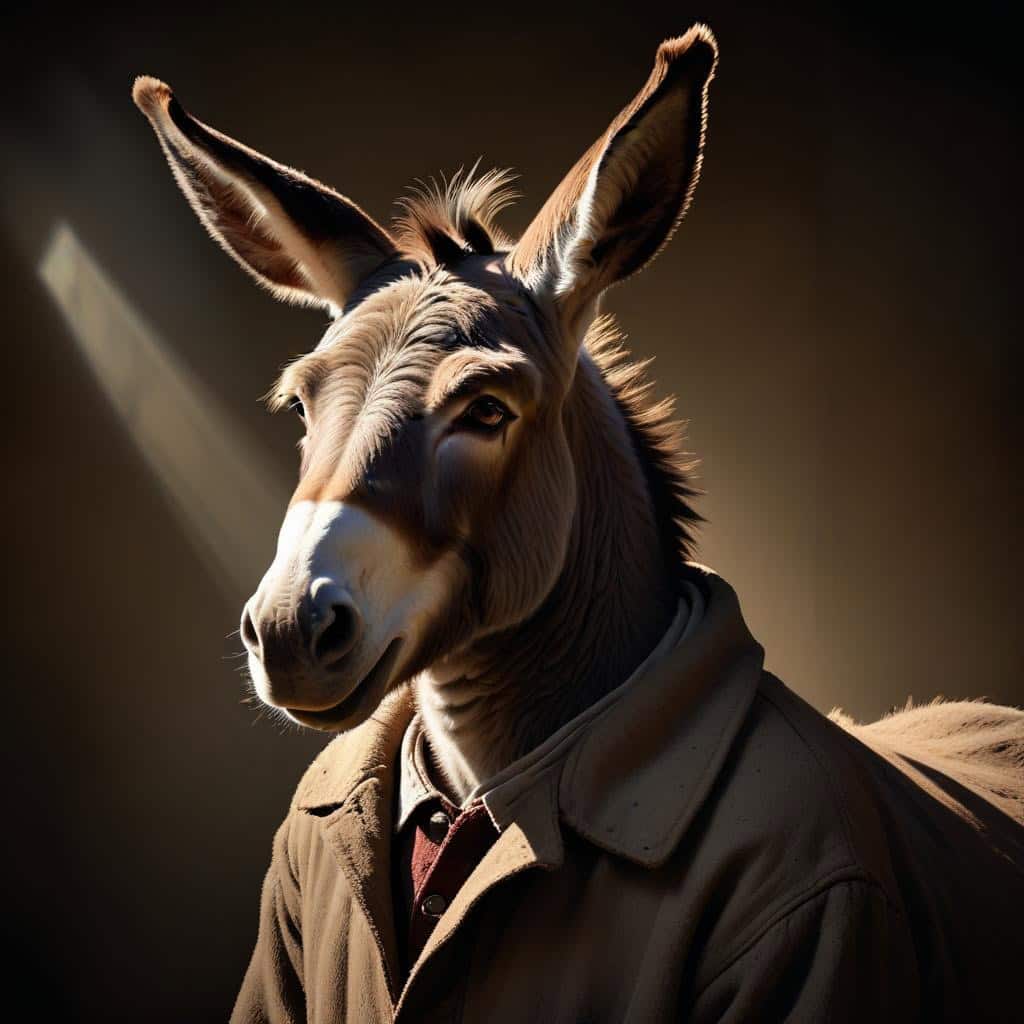
Benjamin
Benjamin is a cynical and skeptical donkey who refuses to get involved in the politics of the farm.
Timeline of Animal Farm
Old Major, a prize-winning boar, calls a meeting in the barn to share his dream of a revolution where animals overthrow their human oppressors.
Old Major dies, but his ideas live on and the animals start planning for the rebellion.
The animals rise up against Mr. Jones, the farmer, and successfully take control of the farm, renaming it Animal Farm.
The pigs, led by Napoleon and Snowball, take the intellectual leadership of the farm and establish the Seven Commandments of Animalism.
Snowball and Napoleon begin to disagree on the direction of the farm, leading to tensions and power struggles.
Snowball proposes building a windmill for the benefit of the animals, but Napoleon opposes the idea and has his dogs chase Snowball off the farm.
Napoleon consolidates his power and becomes the sole leader of Animal Farm, changing the Seven Commandments to suit his own desires.
The animals work tirelessly, but their living conditions deteriorate as Napoleon focuses on expanding his own luxurious lifestyle.
Napoleon forms an alliance with neighboring farmers and starts engaging in trade with humans, breaking one of the original commandments.
The animals are subjected to propaganda and manipulation by Squealer, Napoleon's persuasive and deceptive spokespig.
Boxer, the loyal and hardworking horse, is injured and sent to the knacker's yard instead of receiving medical treatment.
The pigs continue to change the commandments, rewrite history, and oppress the other animals, becoming more and more like their human oppressors.
The windmill, which had initially been opposed by Napoleon, is eventually built with the animals' labor but is destroyed in a storm.
The animals are forced to rebuild the windmill despite their exhaustion and suffering.
The pigs start walking on two legs, wearing clothes, and behaving like humans, completely betraying the original ideals of Animalism.
The pigs openly socialize with humans and change the name of the farm back to Manor Farm, erasing any trace of the animals' rebellion.
The other animals realize that they can no longer distinguish between the pigs and the humans, and the original dreams of freedom and equality have been completely crushed.
Vocabulary List
- Animalism
- The pigs on the farm create a new ideology called Animalism, which becomes the basis for their rebellion against the humans.
- Old Major
- Old Major is the elderly boar who inspires the animals on the farm to rise up against their human oppressors.
- Napoleon
- Napoleon is one of the pigs who takes control of the farm after the rebellion and becomes a tyrannical leader.
- Snowball
- Snowball is another pig who initially helps lead the rebellion but is eventually driven out by Napoleon.
- Boxer
- Boxer is a loyal and hardworking horse on the farm who represents the working class.
- Squealer
- Squealer is a pig who serves as Napoleon's propaganda machine, spreading lies and manipulating the other animals.
- The Seven Commandments
- The Seven Commandments are the rules that the animals establish after the rebellion, but they are gradually altered by the pigs to justify their own actions.
- The Windmill
- The windmill is a symbol of progress and modernization on the farm, but it also represents the manipulation and exploitation of the animals by the pigs.
- Farmhouse
- The farmhouse is where the pigs eventually move in and start living like the humans they once rebelled against.
- Allegory
- Animal Farm is an allegory for the Russian Revolution and the rise of Stalinism in the Soviet Union.
Key Facts
This is the information used in the fact matching game
- - Animal Farm is a satirical novella written by George Orwell.
- - The book was first published in 1945.
- - Orwell wrote Animal Farm as an allegory of the Russian Revolution and the rise of communism.
- - The story is set on Manor Farm, where the animals rebel against their human owner, Mr. Jones.
- - The animals create a set of commandments called the Seven Commandments of Animalism.
- - The pigs, led by Napoleon and Snowball, take control of the farm after the rebellion.
- - Snowball is driven off the farm by Napoleon and his loyal dogs.
- - Napoleon gradually becomes a totalitarian dictator, mirroring Joseph Stalin's rise to power.
- - The pigs manipulate the commandments to suit their own needs and justify their actions.
- - Boxer, a loyal and hardworking horse, represents the exploited working class.
- - The pigs gradually adopt human traits and behaviors, becoming indistinguishable from humans.
- - The farm's name is changed from Manor Farm to Animal Farm.
- - The animals experience various hardships and betrayals under Napoleon's rule.
- - The windmill becomes a symbol of progress and the animals' ideals, but is ultimately destroyed.
- - Squealer, a persuasive pig, serves as Napoleon's propagandist.
- - The animals are indoctrinated with slogans such as "four legs good, two legs bad."
- - The novel explores themes of power, corruption, and the dangers of totalitarianism.
- - The book's final line, "All animals are equal, but some animals are more equal than others," reflects the hypocrisy of the pigs' rule.
- - Animal Farm is often taught in schools to explore political allegory and satire.
- - George Orwell's experiences in the Spanish Civil War heavily influenced his writing of Animal Farm.
Analysis & Significance
Impact on Literature
‘Animal Farm’ by George Orwell has had a significant impact on literature by showcasing the dangers of totalitarianism and the manipulation of language for political gain. Its allegorical nature allows readers to reflect on real-world events and power dynamics, leading to a deeper understanding of the complexities of political systems and human nature.
Enduring Themes
The timeless themes of power, corruption, and inequality explored in ‘Animal Farm’ still resonate with modern audiences. The novel’s portrayal of how power can corrupt individuals and institutions remains relevant in today’s society, sparking discussions on the nature of leadership, propaganda, and the importance of remaining vigilant against abuses of power.
Cultural Significance Today
‘Animal Farm’ continues to hold cultural significance today through its enduring legacy as a cautionary tale of the dangers of authoritarianism and the importance of individual freedoms. The novel has been adapted into various forms, including stage plays, films, and even video games, ensuring that Orwell’s powerful message reaches new generations and remains a staple in discussions of political satire and social commentary.
Animal Farm Games


Take Your Learning Offline
Want a convenient, print-ready study guide for this lesson? Become a Memory Wizards Pro member to unlock the downloadable " Memory Scrolls" for this topic and our entire library!
- ✓ Complete Vocabulary Lists
- ✓ Key Facts & Timelines
- ✓ Beautifully Formatted for Print & Mobile
Dive Deeper

Animal Farm: The Graphic Novel
This graphic novel adaptation of Orwell's classic allegorical novella brilliantly captures the essence of the original story through stunning visuals, making it an engaging and accessible introduction to the themes of power, corruption, and revolution.
View on Amazon
Animal Farm Paperback
A timeless and thought-provoking allegory that explores the dangers of totalitarianism through the lens of a farm run by animals, making it a must-read for anyone interested in political satire.
View on AmazonTo help us keep Memory Wizards running and create more magical learning content, we are a participant in the Amazon Associates Program. If you make a purchase through the links on this page, we may earn a small commission at no extra cost to you. We only recommend resources we believe in.
Recommended Viewing
Animal Farm by George Orwell | Full Audiobook
Mr. Jones of Manor Farm is so lazy and drunken that one day he forgets to feed the farm animals. This leads to a rebellion led by the pigs Napoleon and Snowball, resulting in the animals taking over the estate.
From the channel: Gates of Imagination