
How Do You Learn Best?
Learn by Reading
Immerse yourself in the 10-minute visual lesson for a comprehensive understanding of the topic.
Learn by Reviewing
Jump directly to the key facts, timeline, and vocabulary lists to build a solid foundation of details.
Learn by Doing
Challenge yourself! Jump straight into the interactive games to learn by trial, error, and discovery.
A Clergyman’s Daughter in 10 Minutes
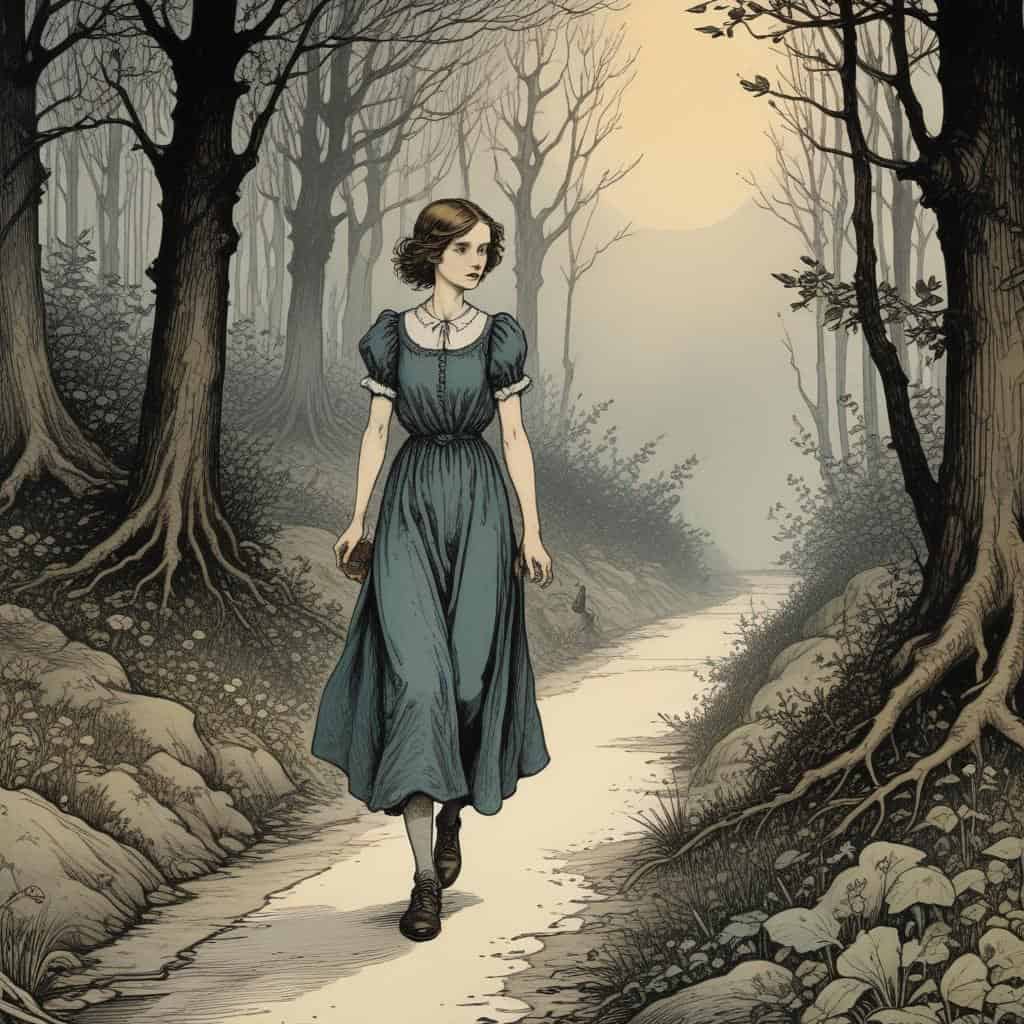
Introduction
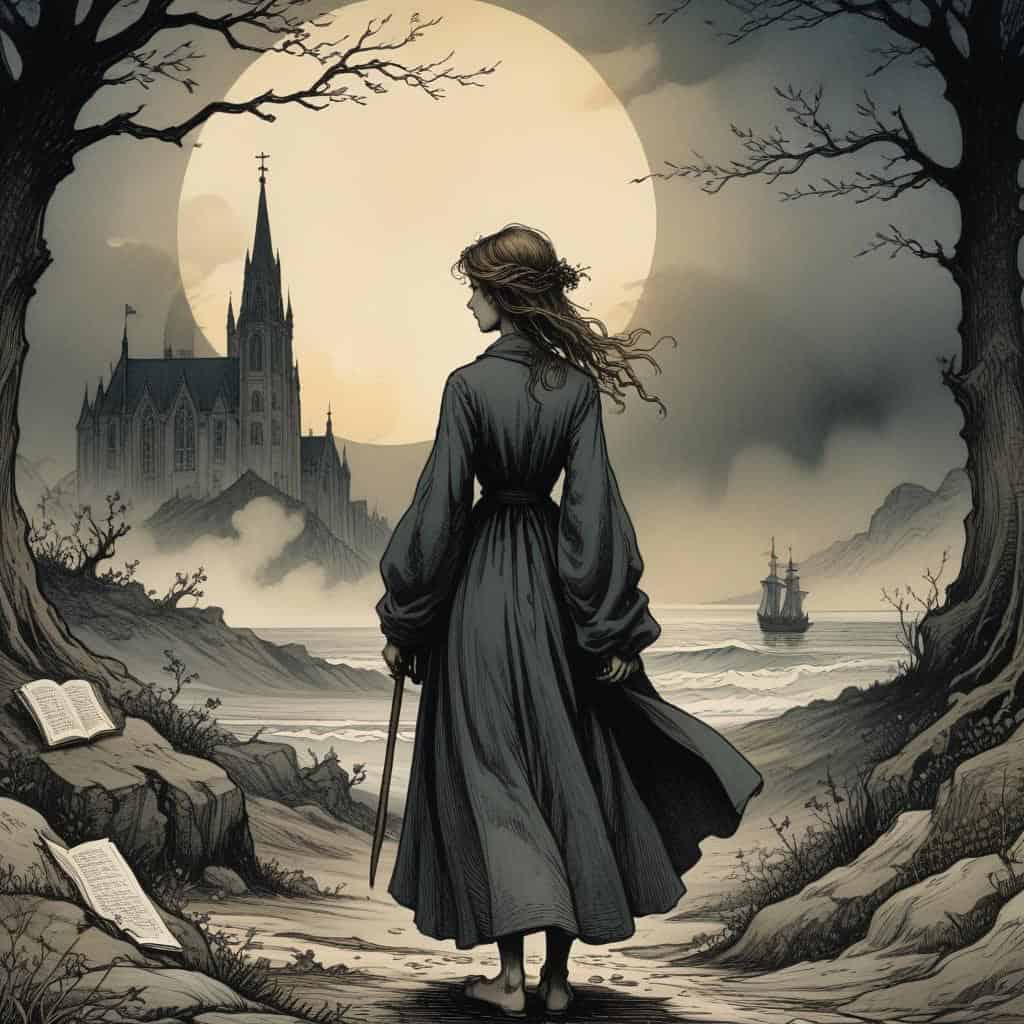
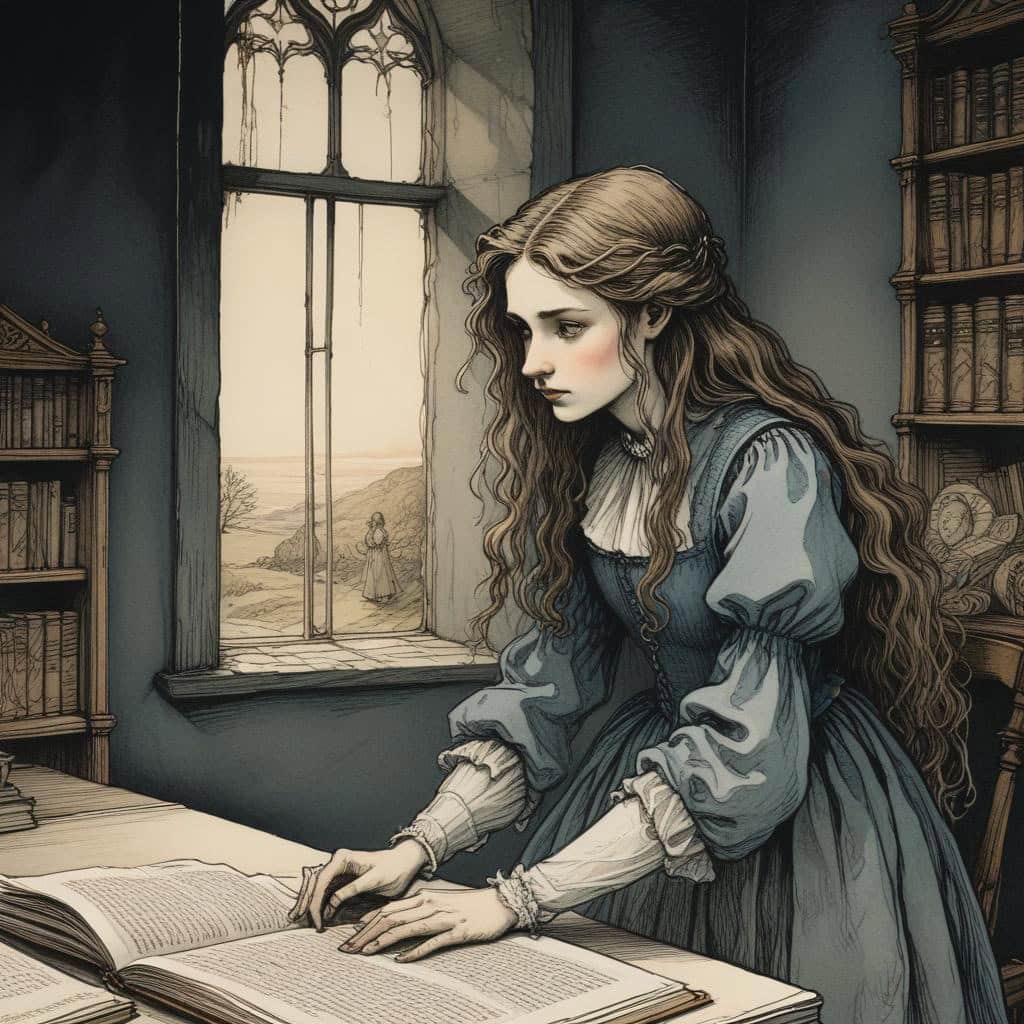

Dorothy Hare

Mr. Warburton

Mr. Warburton

Mr. Warburton
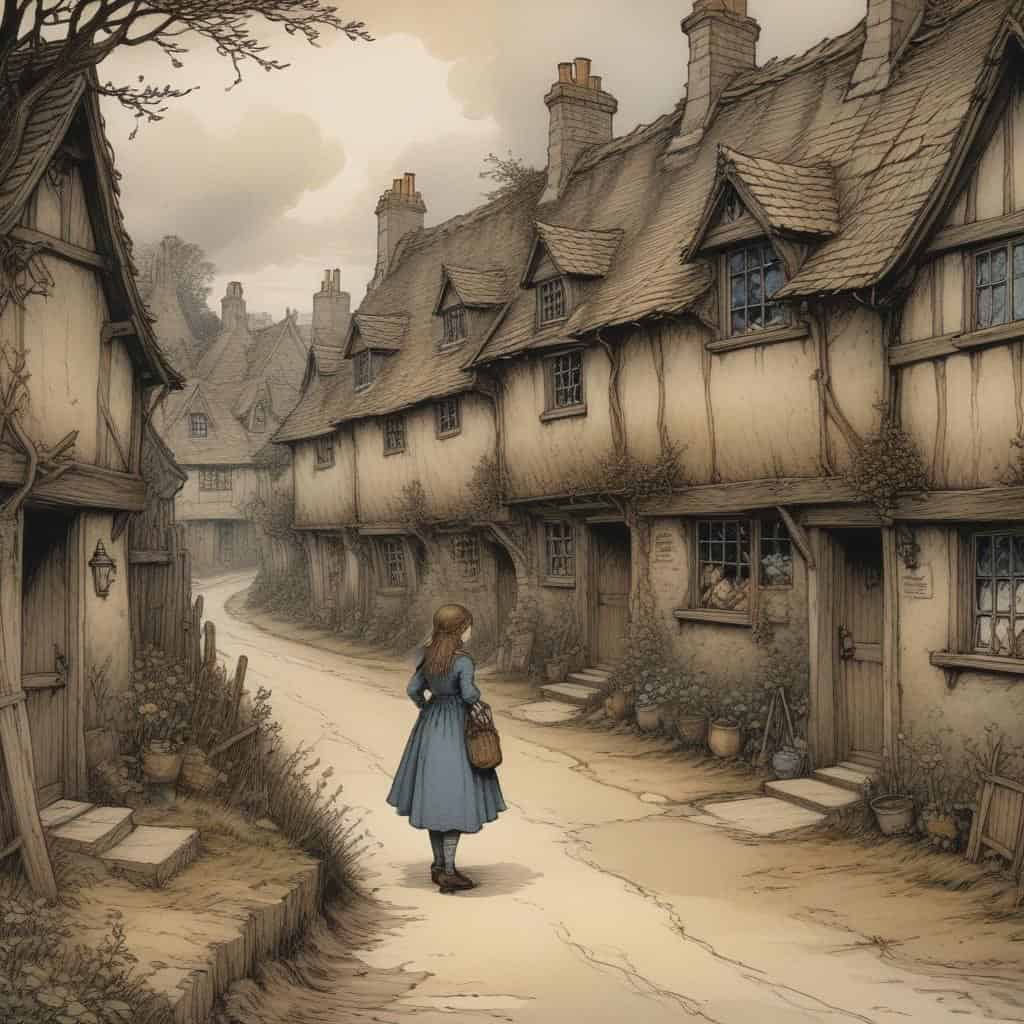
Event 1: Dorothy Hares Monotonous Life
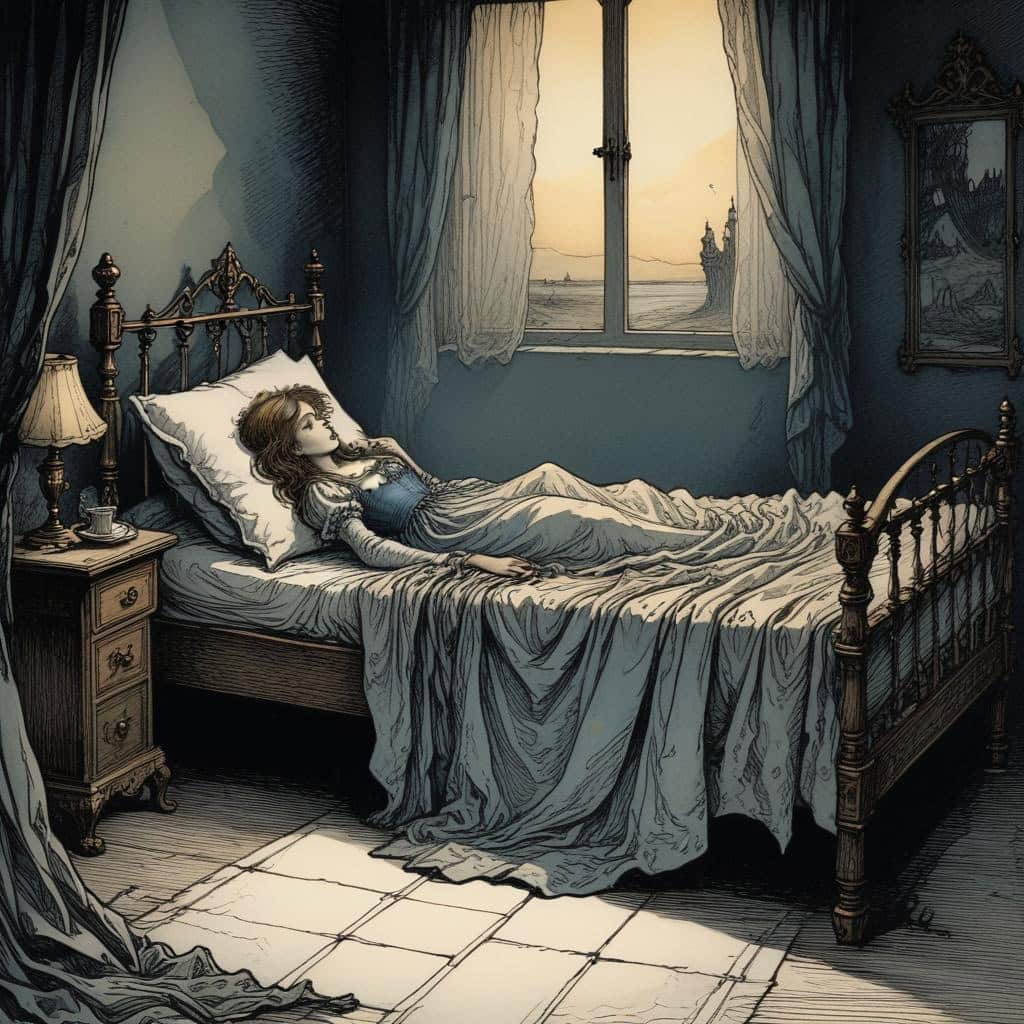
Event 2: The Missing Day
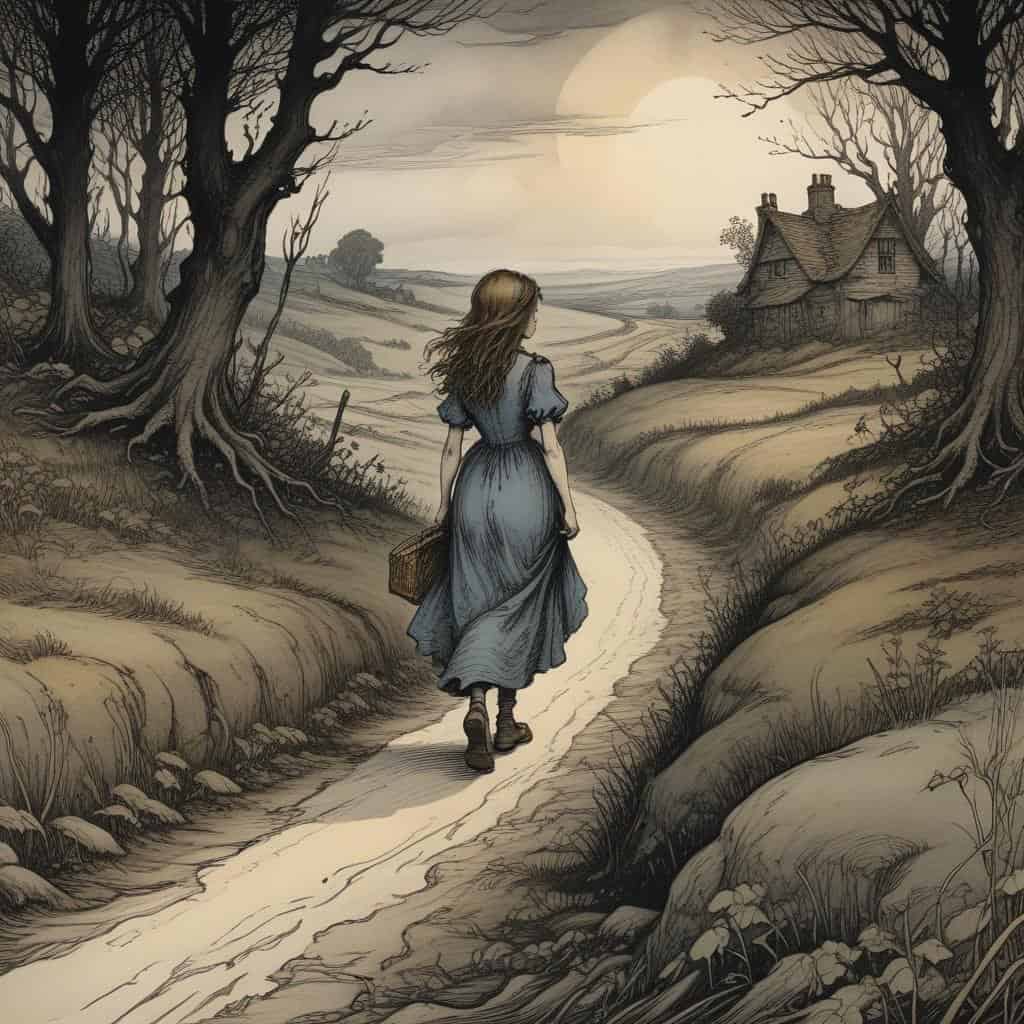
Event 3: Dorothys Journey
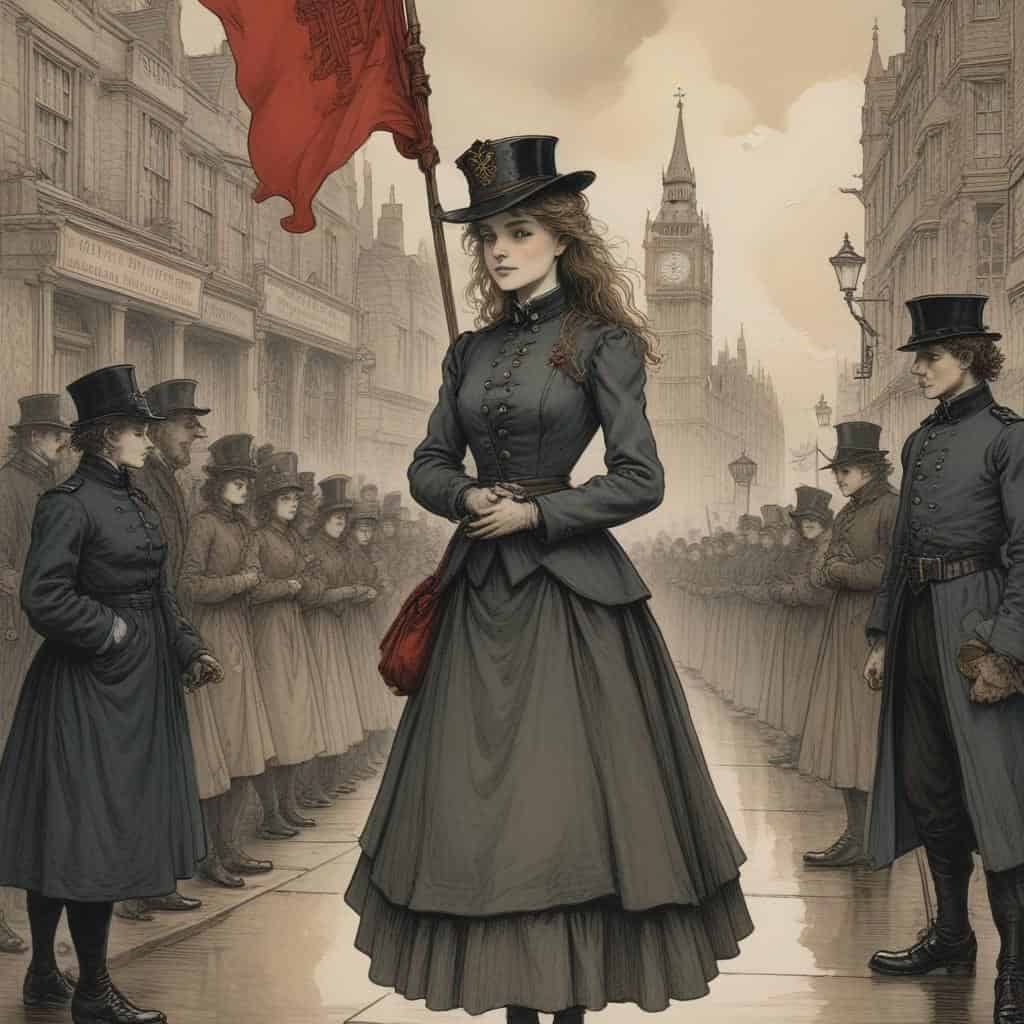
Event 4: The Salvation Army
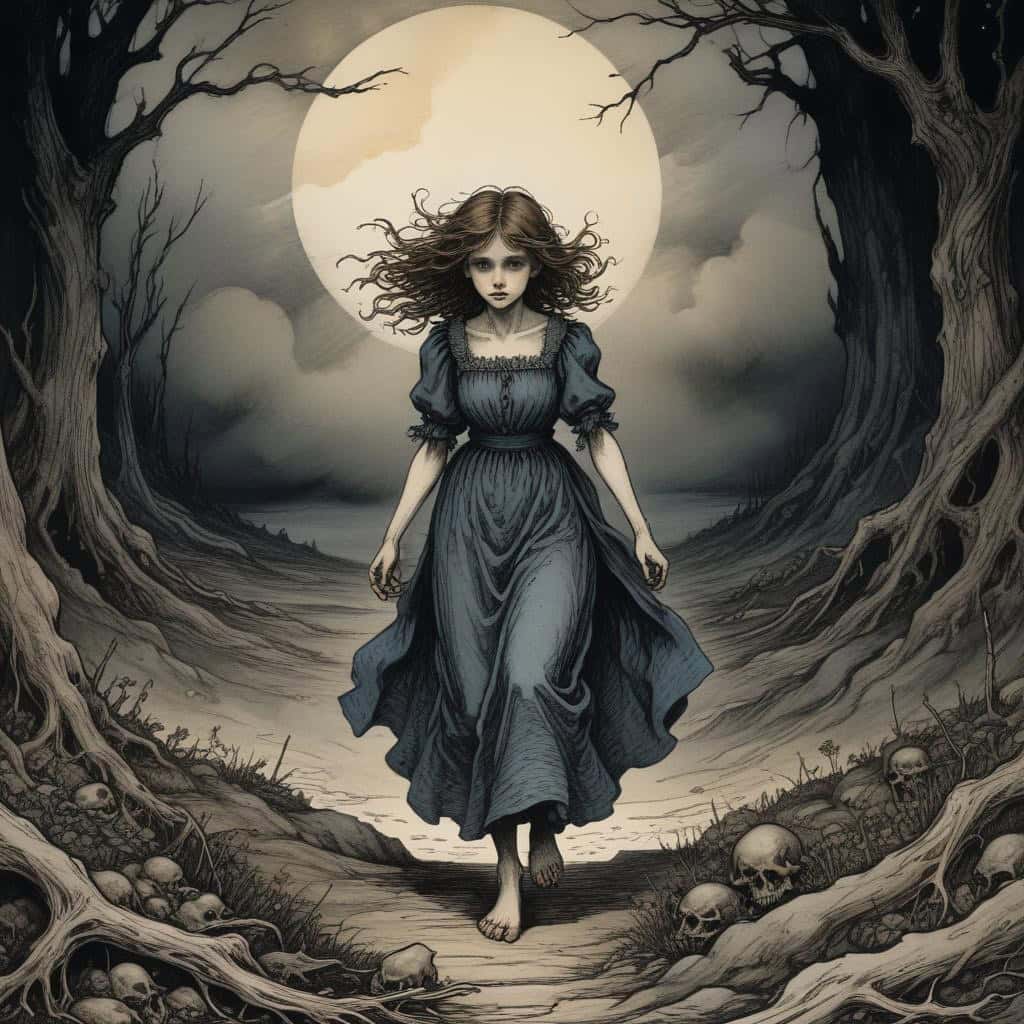
Event 5: Dorothys Descent into Despair
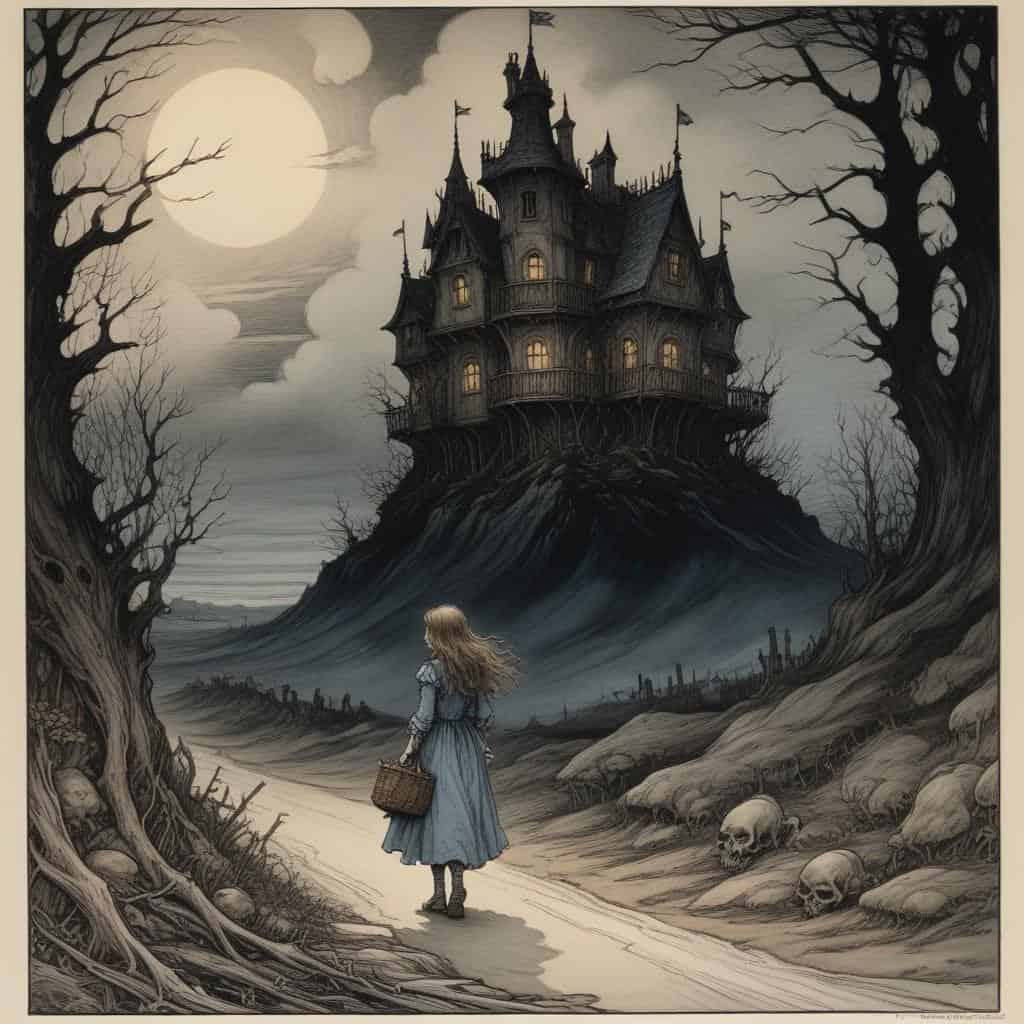
Event 6: The Return Home
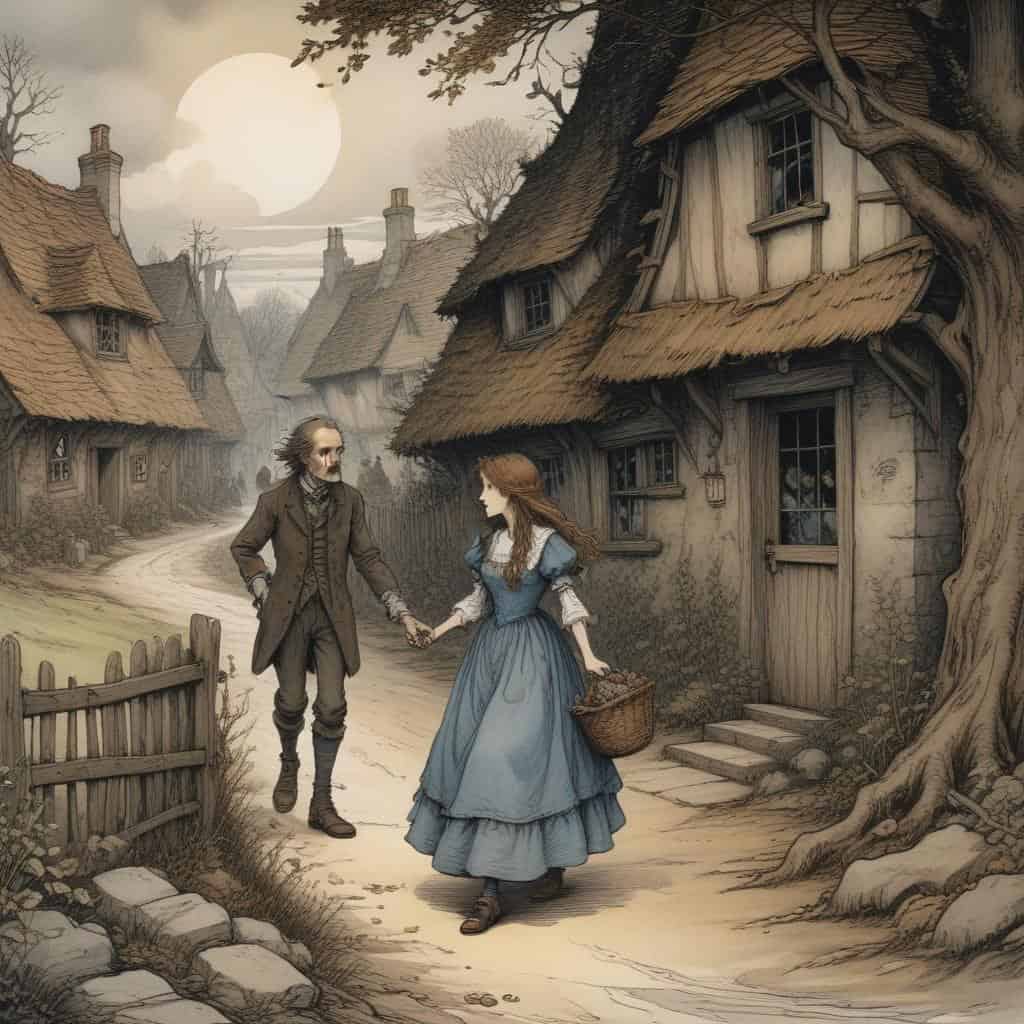
Event 7: The Reunion with Mr. Warburton

Event 8: Dorothys Redemption
Lesson Details & Resources
In a Nutshell
- What: Novel 'A Clergyman's Daughter' by George Orwell
- When: Written in the 1930s
- Who: Dorothy Hare
- Theme: Alienation and existential crisis
List of Characters in A Clergyman’s Daughter
-
Dorothy Hare
Dorothy Hare is the protagonist of the story, a clergyman's daughter who experiences a crisis of faith and identity.
-
Edward Easton
Edward Easton is a schoolteacher who becomes romantically involved with Dorothy.
-
Mr. Warburton
Mr. Warburton is the rector of Dorothy's father's church, who offers Dorothy a job as a teacher.
-
Mrs. Semprill
Mrs. Semprill is a wealthy widow who befriends Dorothy and introduces her to a different way of life.
-
Mr. Ransome
Mr. Ransome is a socialist agitator who challenges Dorothy's beliefs about social justice.
-
Mr. Warburton
Mr. Blythe is Dorothy's father, the rector of St. Athelstan's.
-
Mr. Blythe
Mr. Tallboys is a wealthy landowner who proposes marriage to Dorothy.
Timeline of A Clergyman’s Daughter
Dorothy Hare wakes up in her bedroom in the Rectory
Dorothy prepares breakfast for her father and herself
Dorothy's father, the Rector, complains about his breakfast and leaves for church
Dorothy teaches a Sunday school class at the church
Dorothy attends the church service
Dorothy feels dizzy during the service and faints
Dorothy regains consciousness and finds herself in a strange place, unable to remember who she is
Dorothy is taken in by a couple who mistake her for their niece, Ruth
Dorothy adapts to her new life with the Brewster family, doing household chores and working in a hop field
Dorothy's memory slowly starts to return, but she keeps her true identity a secret
Dorothy witnesses the harsh living conditions of the working-class and becomes sympathetic towards their struggles
Dorothy joins a group of tramps and experiences the hardships of homelessness and poverty
Dorothy is arrested for vagrancy and spends a night in jail
Dorothy is released and returns to her life as Ruth with the Brewster family
Dorothy becomes disillusioned with her false identity and the monotony of her life
Dorothy decides to leave the Brewster family and return to her former life as a clergyman's daughter
Dorothy walks back to the Rectory, facing exhaustion and hunger along the way
Dorothy arrives at the Rectory, reunited with her father but feeling disconnected from him
Dorothy's father passes away, leaving her feeling lost and alone
Dorothy contemplates her future and the meaning of her existence.
Vocabulary List
- Clergyman
- The main character in A Clergyman's Daughter is a clergyman's daughter.
- Parish
- The story is set in a small parish in England.
- Sermon
- The clergyman delivers a powerful sermon to the congregation.
- Faith
- The protagonist struggles with her faith throughout the novel.
- Pulpit
- The clergyman stands behind the pulpit to deliver his sermon.
- Congregation
- The congregation gathers every Sunday to hear the clergyman speak.
- Rectory
- The clergyman and his daughter live in the rectory next to the church.
- Spiritual
- The protagonist goes on a spiritual journey to find meaning in her life.
- Devotion
- The clergyman's daughter shows great devotion to her father and his work.
- Hymn
- The congregation sings hymns during the church service.
Key Facts
This is the information used in the fact matching game
- 1. The novel A Clergyman's Daughter was published in 1935.
- 2. It tells the story of Dorothy Hare, a clergyman's daughter living in the fictional town of Knype Hill.
- 3. Dorothy's life takes a dramatic turn when she loses her memory and wakes up in London.
- 4. The novel explores themes of identity, class struggle, and the role of religion in society.
- 5. Dorothy finds herself working in various menial jobs to survive, including as a schoolteacher and a maid.
- 6. She encounters a wide range of characters, from destitute tramps to wealthy socialites.
- 7. Orwell's vivid descriptions of poverty and hardship in London reflect his own experiences living in the city.
- 8. The novel criticizes the harsh conditions faced by the working class and the lack of social support systems.
- 9. Dorothy's experiences lead her to question her faith and the teachings of her father.
- 10. Orwell employs a nonlinear narrative style, with flashbacks and dream sequences interspersed throughout the story.
- 11. The novel's structure reflects the fragmented nature of Dorothy's memory and her struggle to find meaning in her life.
- 12. A Clergyman's Daughter received mixed reviews upon its publication, with some critics praising its social commentary while others found it disjointed.
- 13. Despite the novel's critical reception, it was a commercial success and became a bestseller.
- 14. Orwell later expressed dissatisfaction with A Clergyman's Daughter, stating that he rushed its completion and considered it a "potboiler."
- 15. The novel highlights the challenges faced by women in society, particularly in terms of limited opportunities and gender inequality.
- 16. Dorothy's search for identity and purpose resonates with the broader theme of individual autonomy and self-discovery.
- 17. Orwell's portrayal of the education system in the novel critiques its rigid and stifling nature.
- 18. The character of Dorothy embodies the struggles faced by many individuals caught between societal expectations and personal desires.
- 19. A Clergyman's Daughter showcases Orwell's talent for social realism and his ability to shed light on societal issues.
- 20. Despite its flaws, the novel remains a significant work in Orwell's literary oeuvre and offers valuable insights into his evolving political and philosophical beliefs.
Analysis & Significance
Impact on Literature
George Orwell’s ‘A Clergyman’s Daughter’ may not be as well-known as his other works, but its experimental narrative structure and exploration of existential themes have had a lasting impact on the literary world. By blending realism with allegory, Orwell pushed the boundaries of traditional storytelling, paving the way for future authors to challenge conventional norms in their own work.
Enduring Themes
Despite being written in the 1930s, ‘A Clergyman’s Daughter’ continues to resonate with modern audiences due to its timeless themes of identity, alienation, and the search for meaning in a chaotic world. The protagonist’s struggle to find her place in society and grapple with questions of morality and purpose are universal themes that transcend time and place.
Cultural Significance Today
While ‘A Clergyman’s Daughter’ may not be as widely celebrated as Orwell’s more famous works, its legacy lives on through various adaptations in film, theater, and literature. The novel’s exploration of social class, gender roles, and the oppressive nature of institutions continues to be relevant in today’s society, making it a valuable piece of cultural commentary that still sparks discussion and debate.
A Clergyman’s Daughter Games


Take Your Learning Offline
Want a convenient, print-ready study guide for this lesson? Become a Memory Wizards Pro member to unlock the downloadable " Memory Scrolls" for this topic and our entire library!
- ✓ Complete Vocabulary Lists
- ✓ Key Facts & Timelines
- ✓ Beautifully Formatted for Print & Mobile