
How Do You Learn Best?
Learn by Reading
Immerse yourself in the 10-minute visual lesson for a comprehensive understanding of the topic.
Learn by Reviewing
Jump directly to the key facts, timeline, and vocabulary lists to build a solid foundation of details.
Learn by Doing
Challenge yourself! Jump straight into the interactive games to learn by trial, error, and discovery.
1984 in 10 Minutes
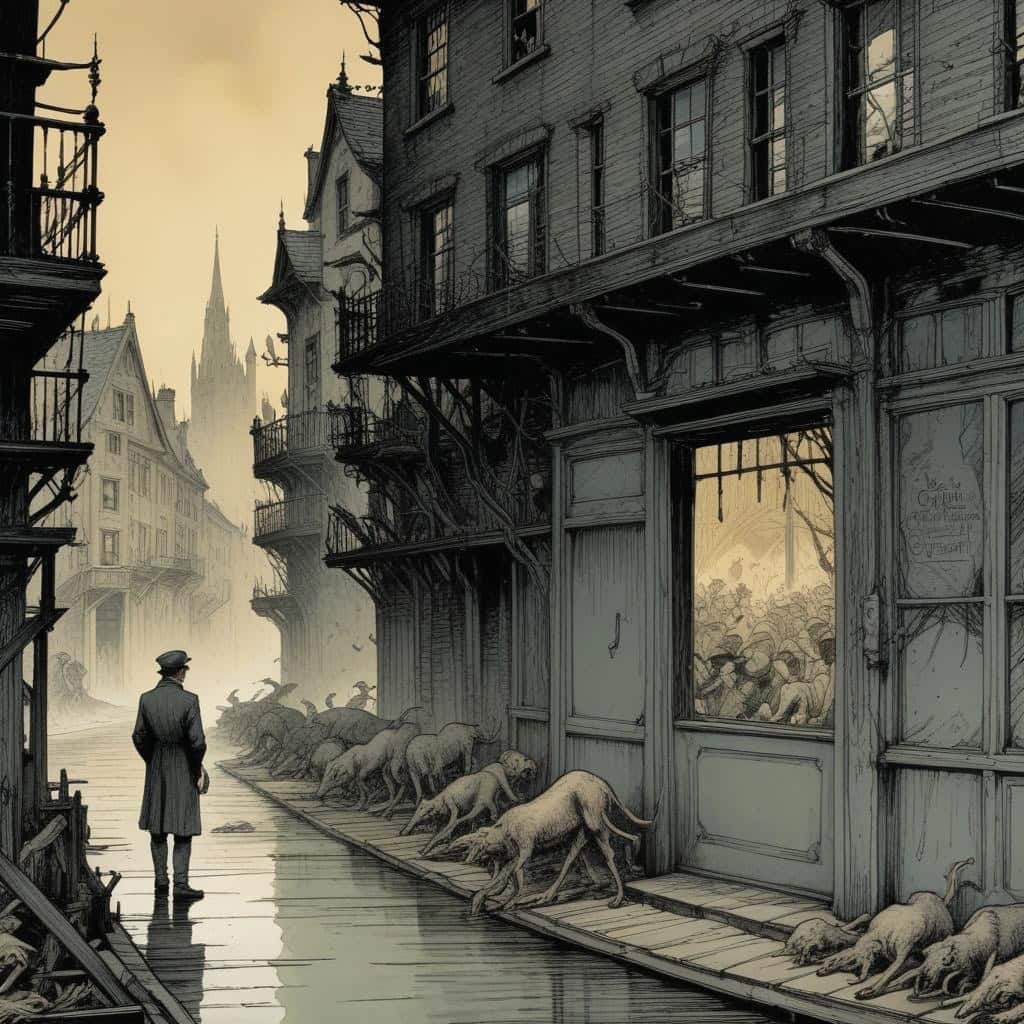
Introduction
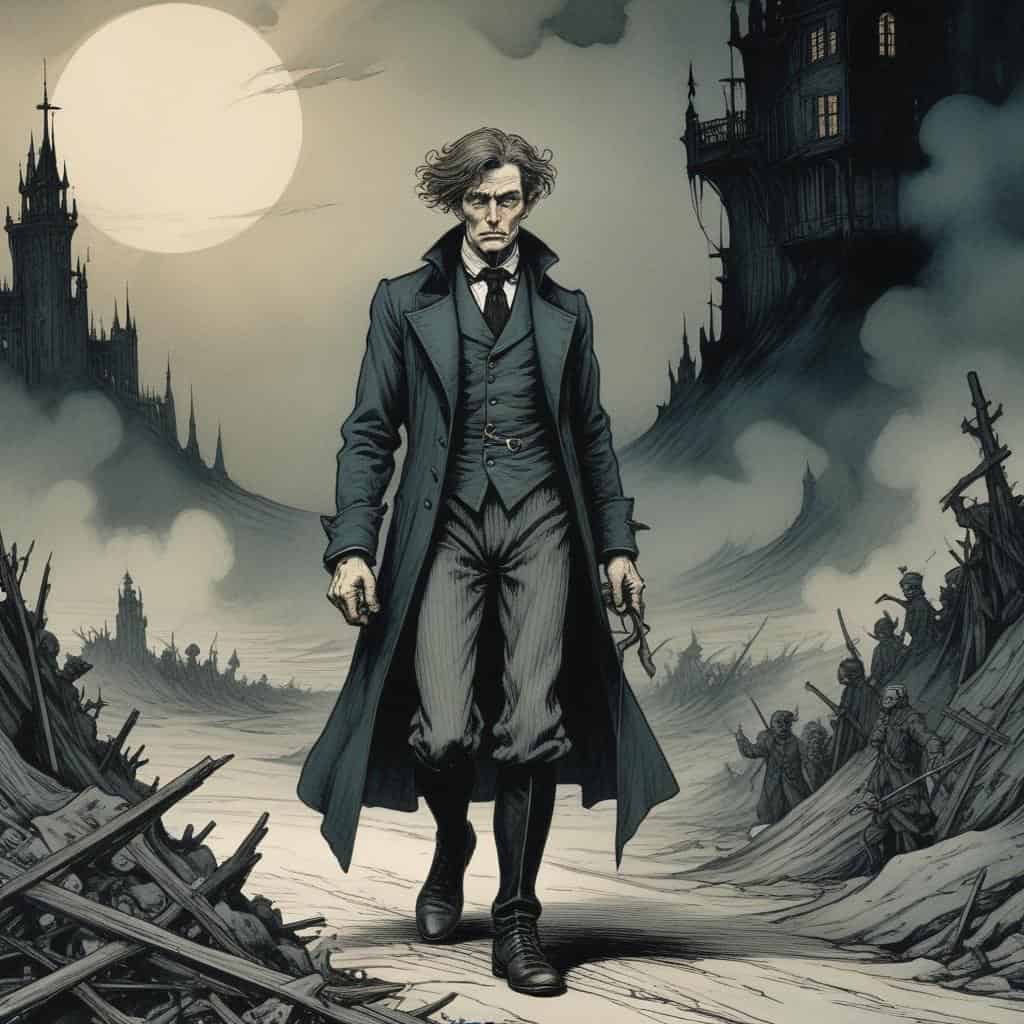
Winston Smith

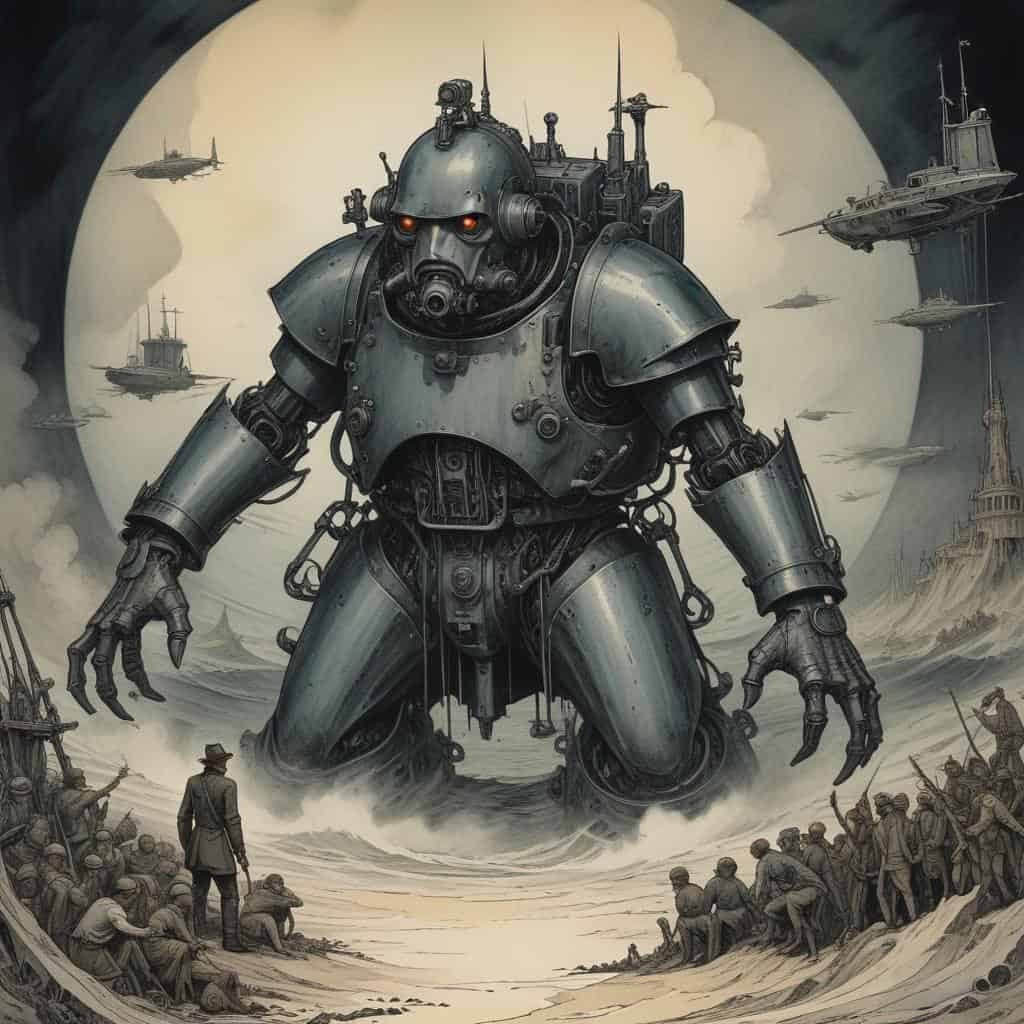
Big Brother

Julia

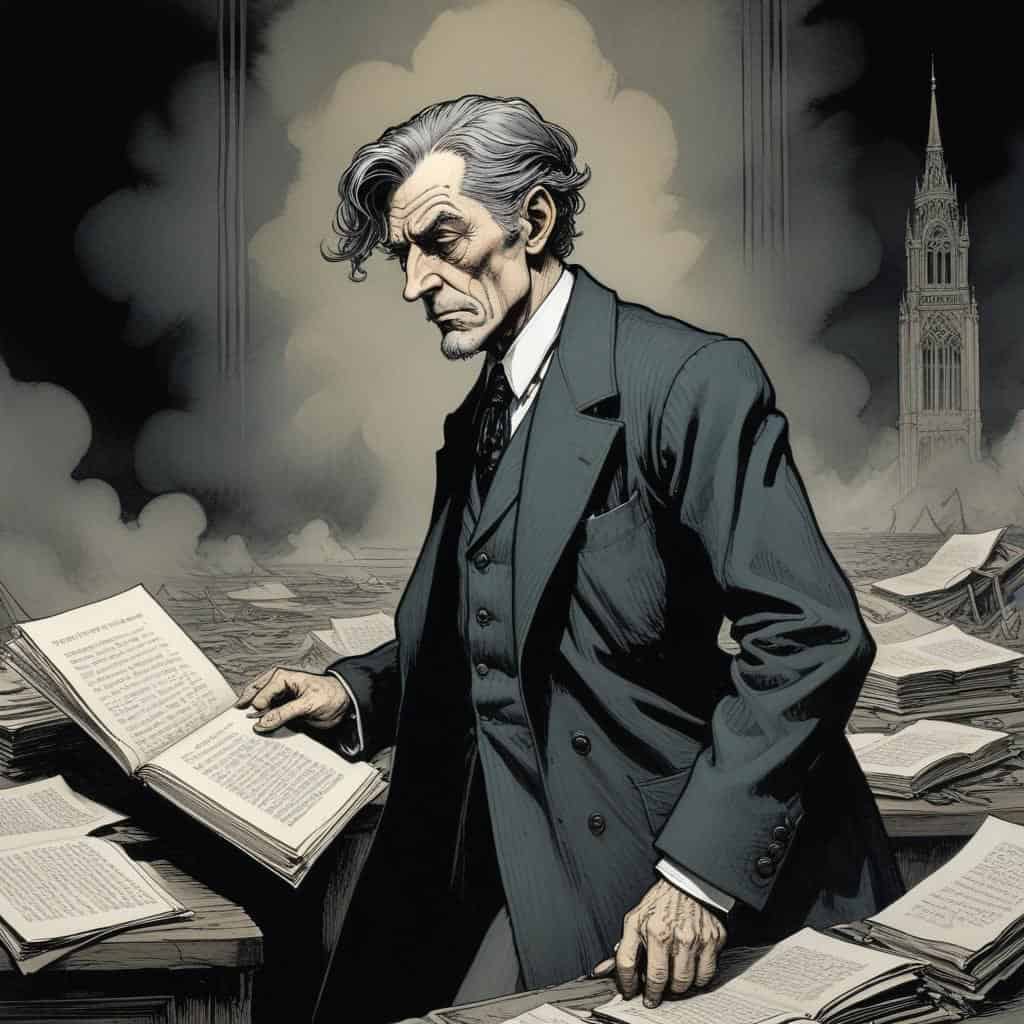
OBrien

Mr. Charrington

Parsons
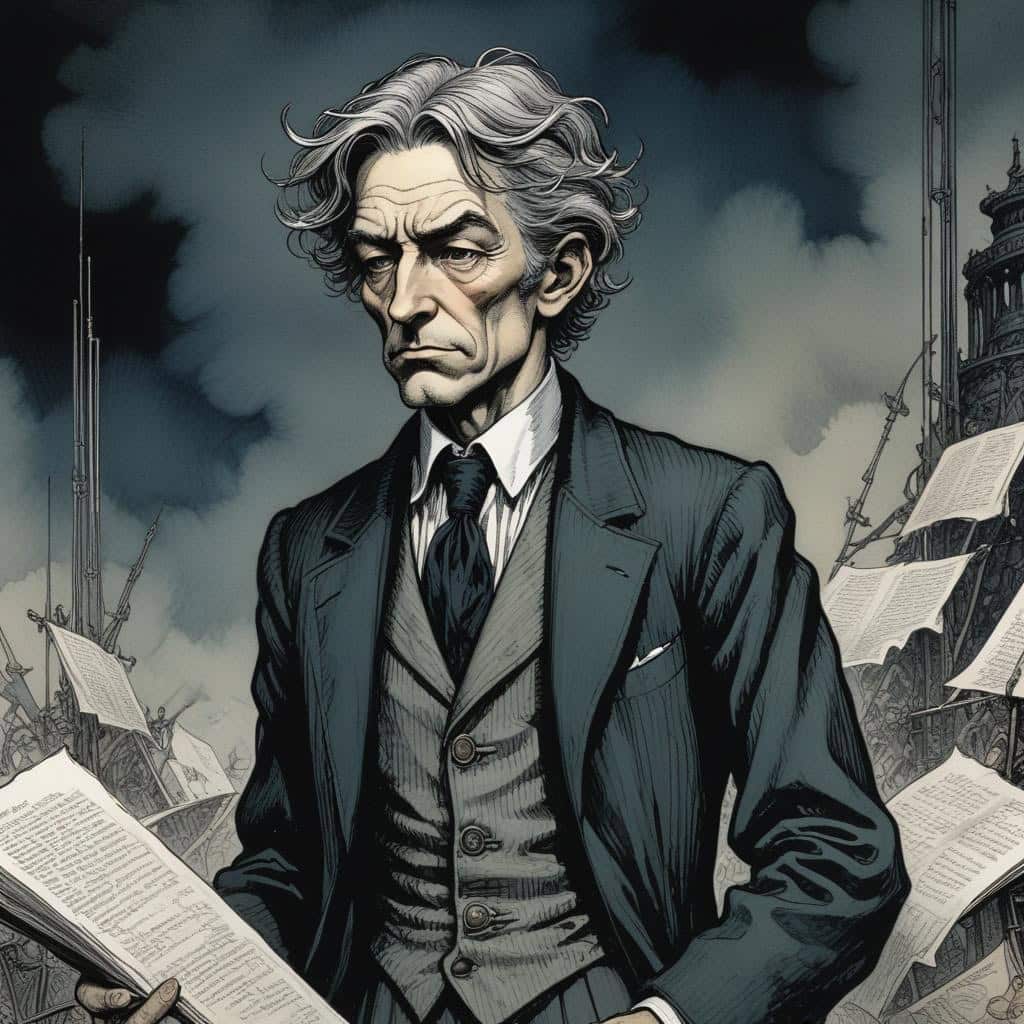
1. Winston Smith, the Protagonist
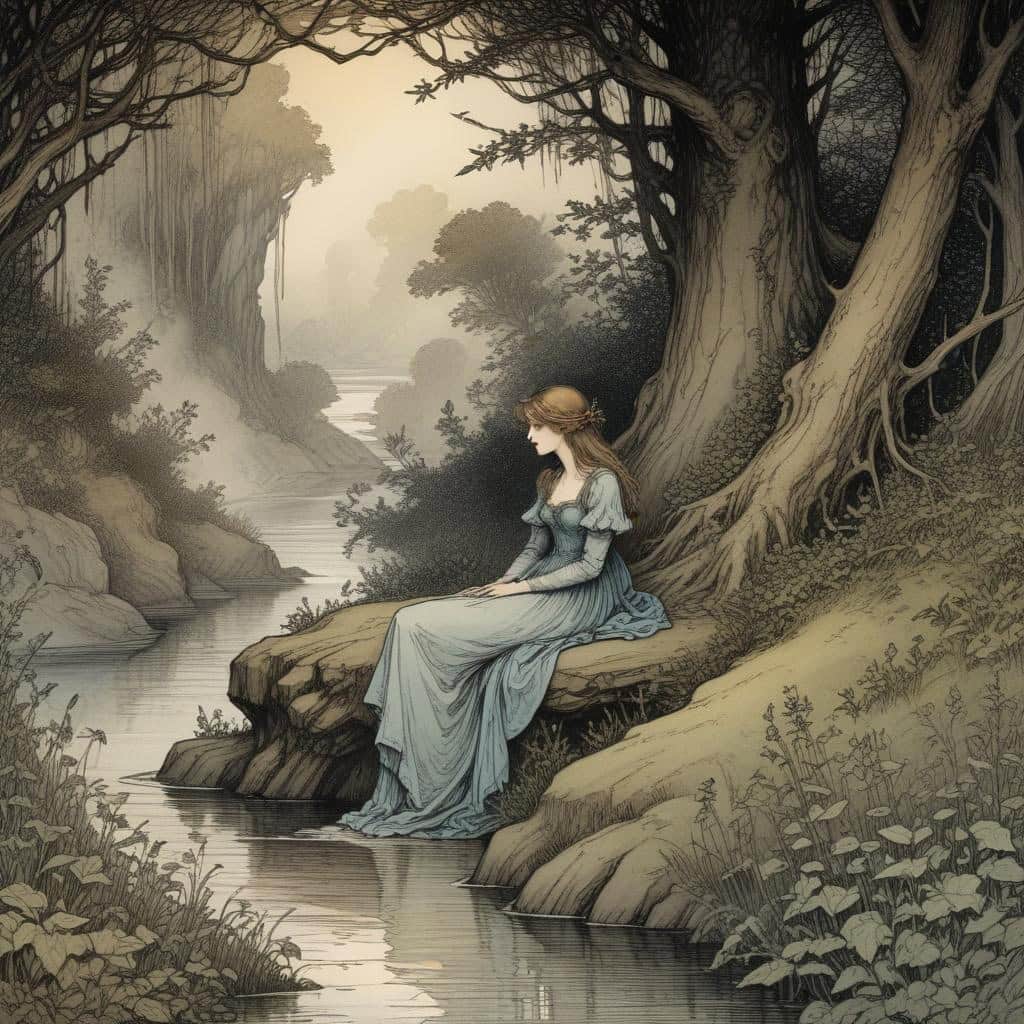
2. Julia, Winstons Lover
3. The Thought Police
4. Room 101
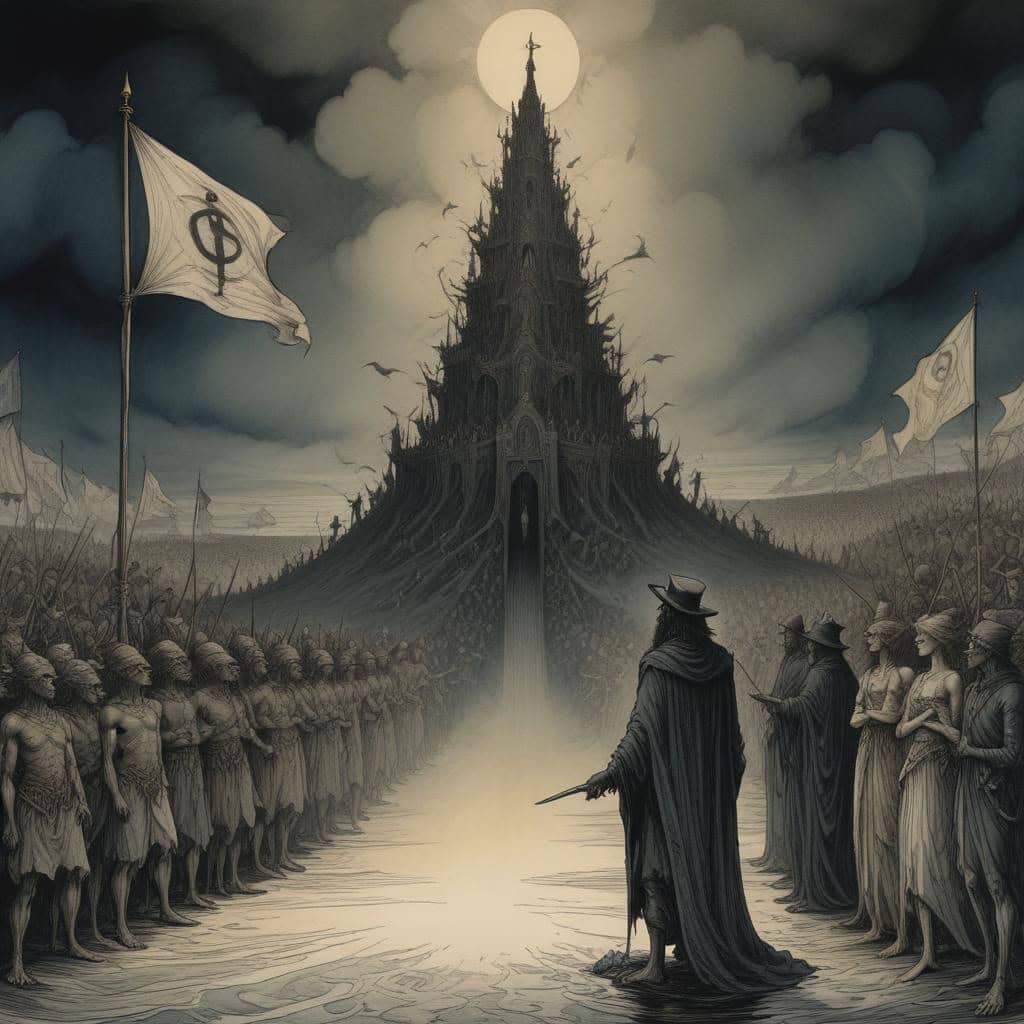
5. The Partys Control
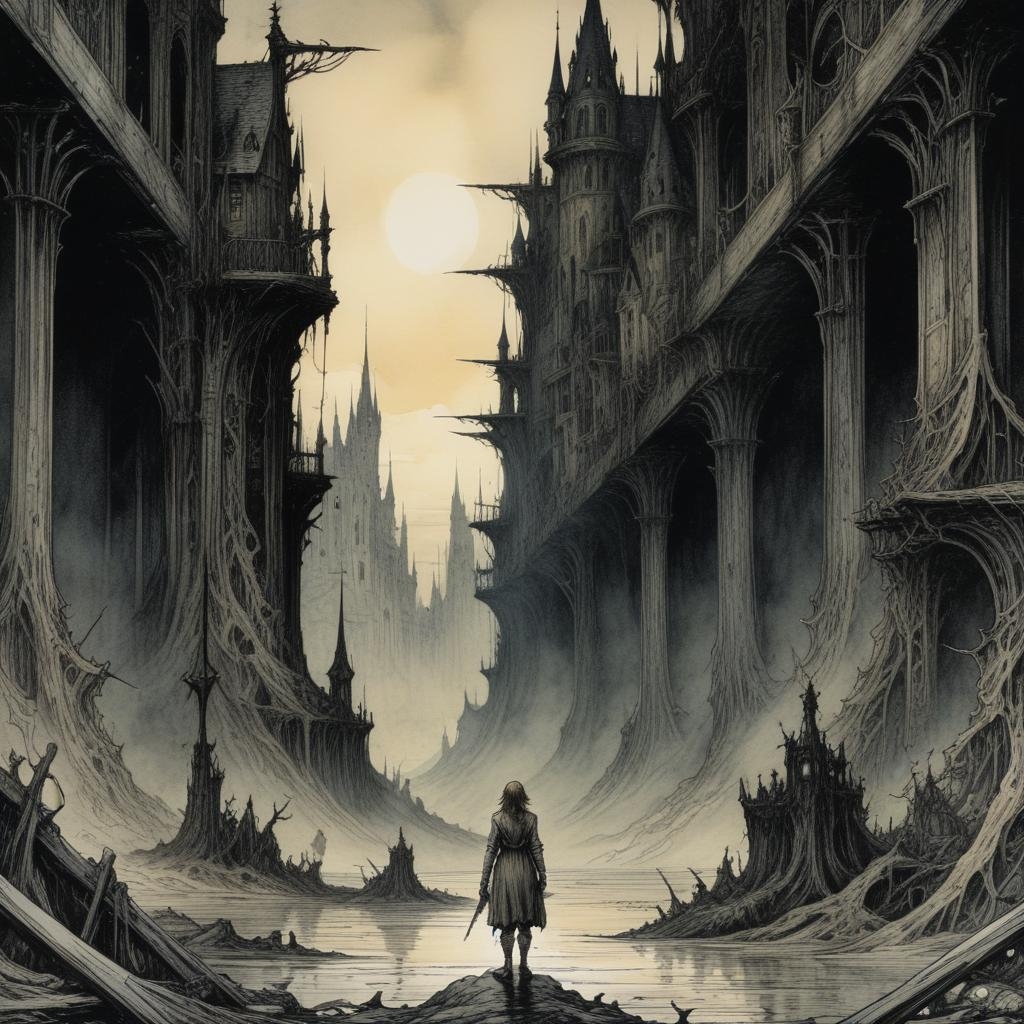
6. Doublethink
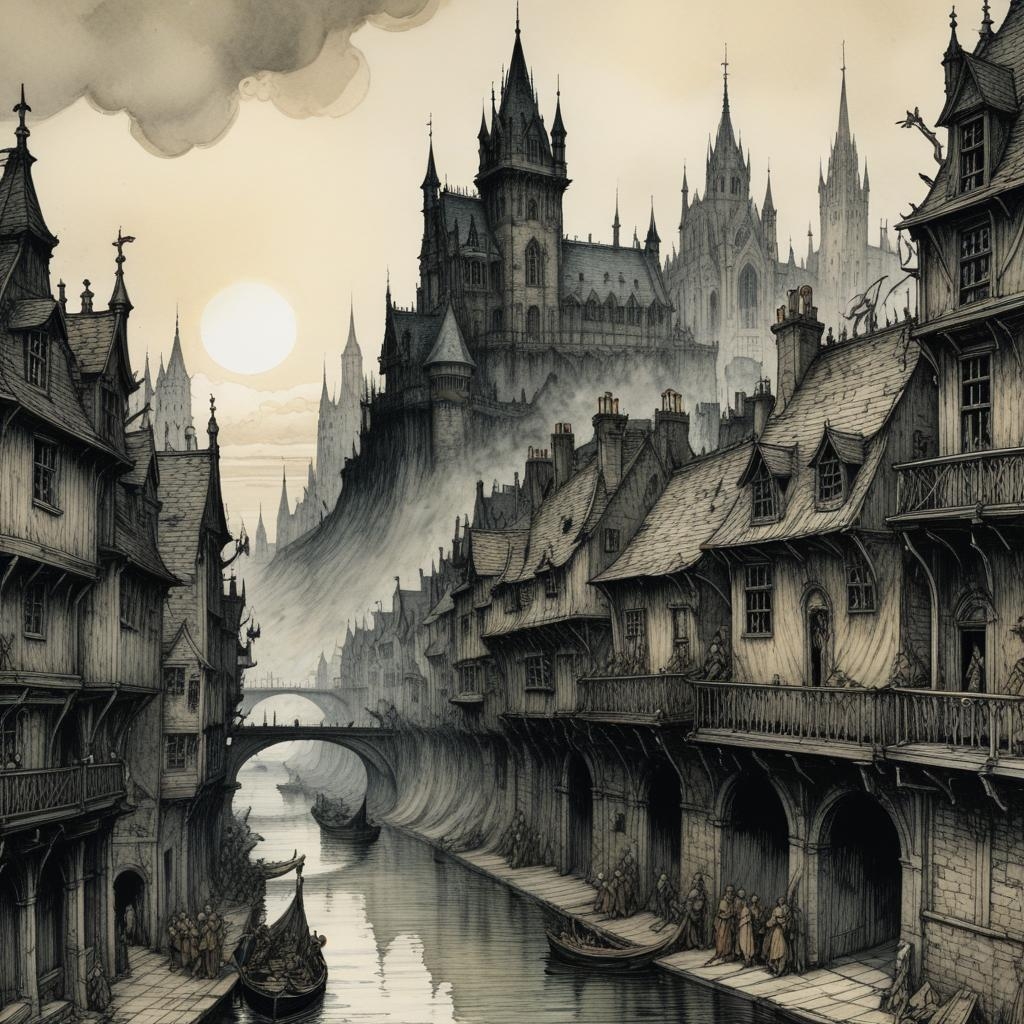
7. Newspeak
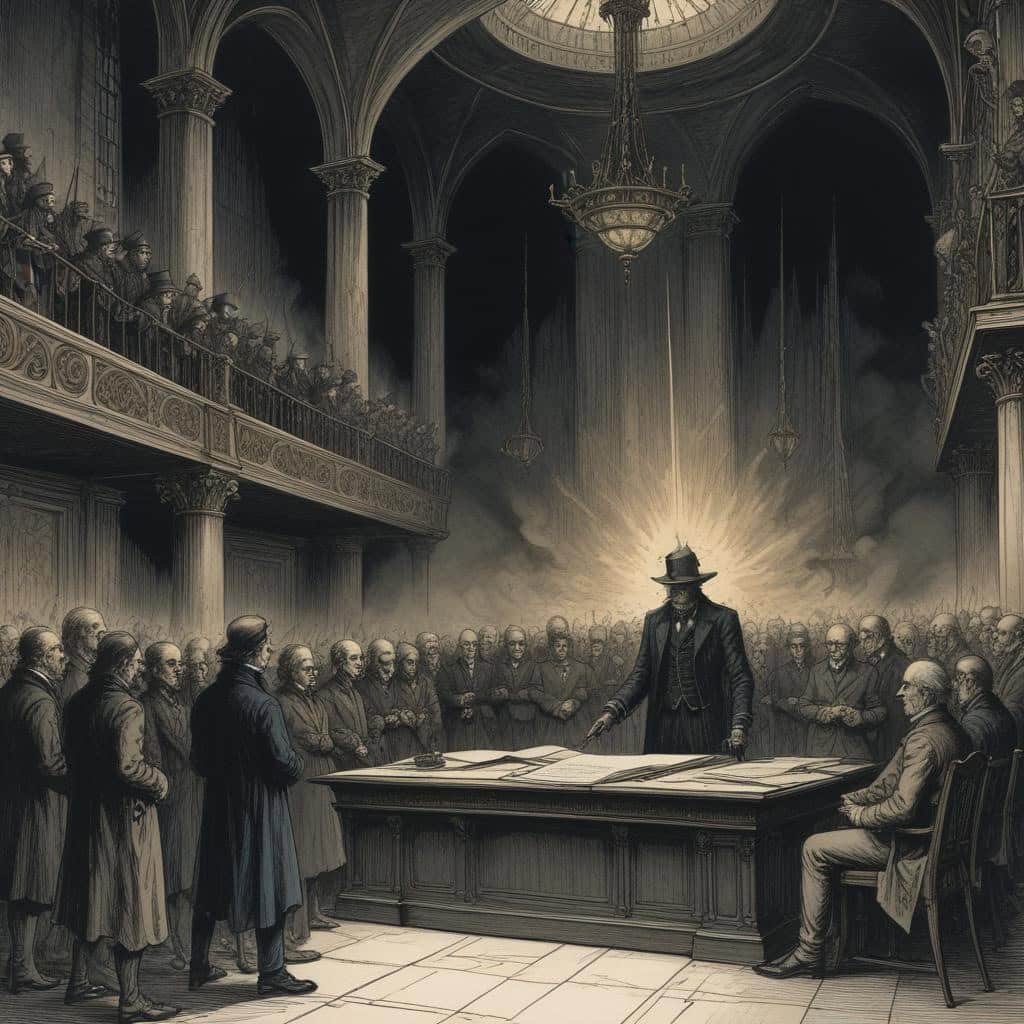
8. The Ministry of Truth
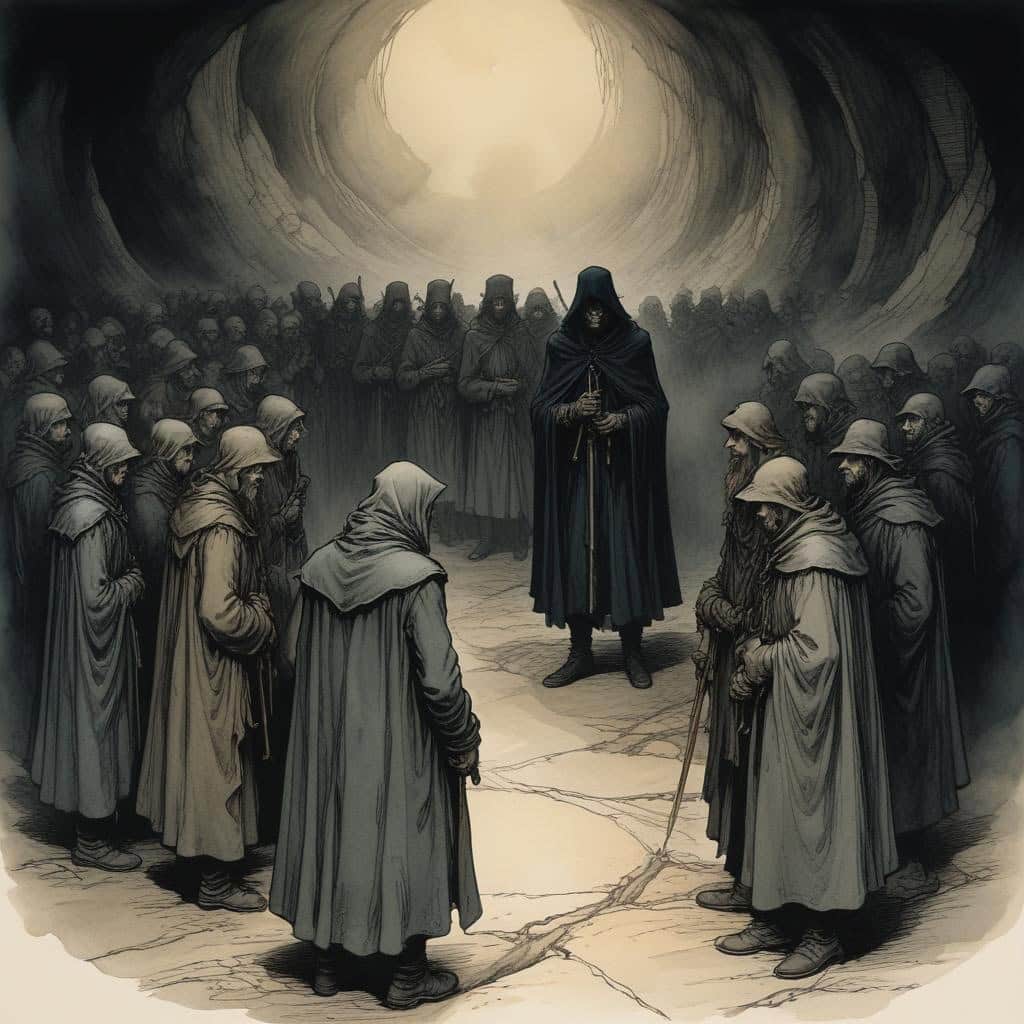
9. The Brotherhood
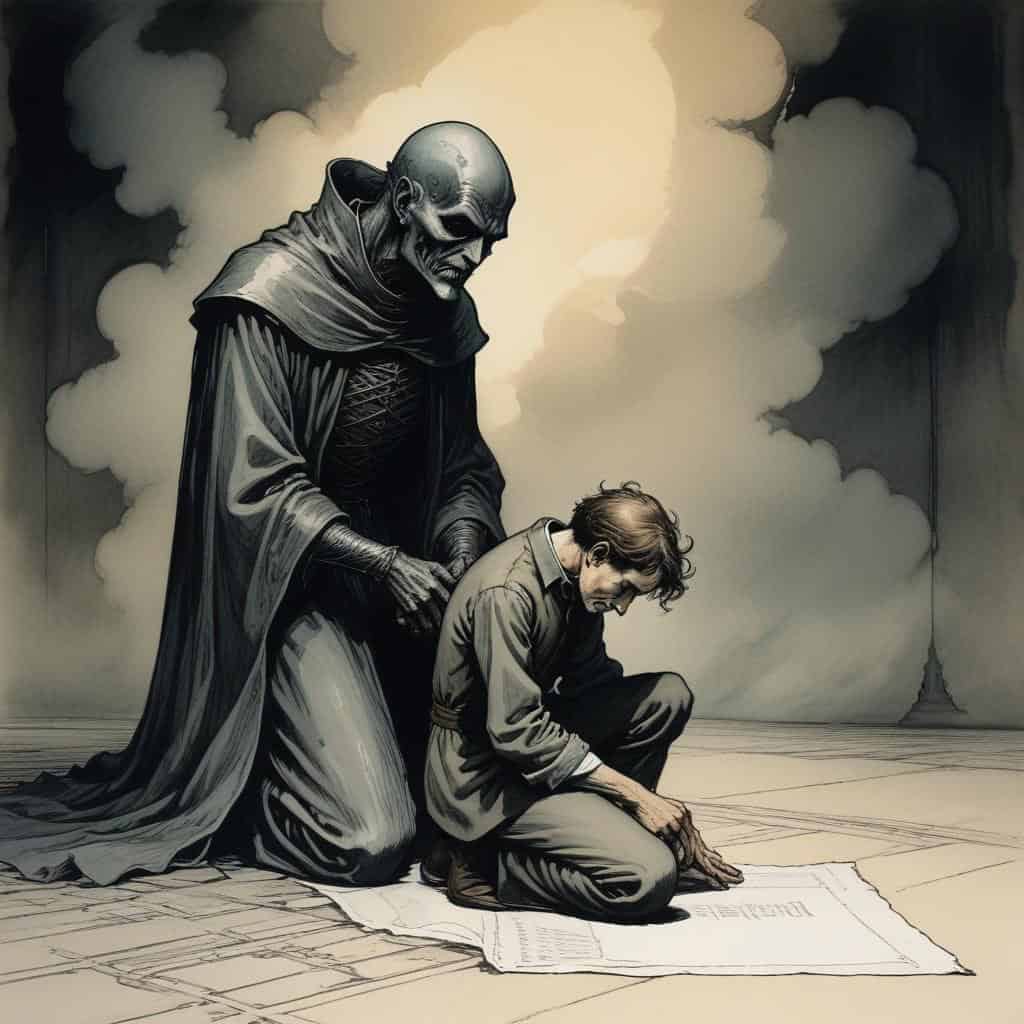
10. The End of Winston Smith
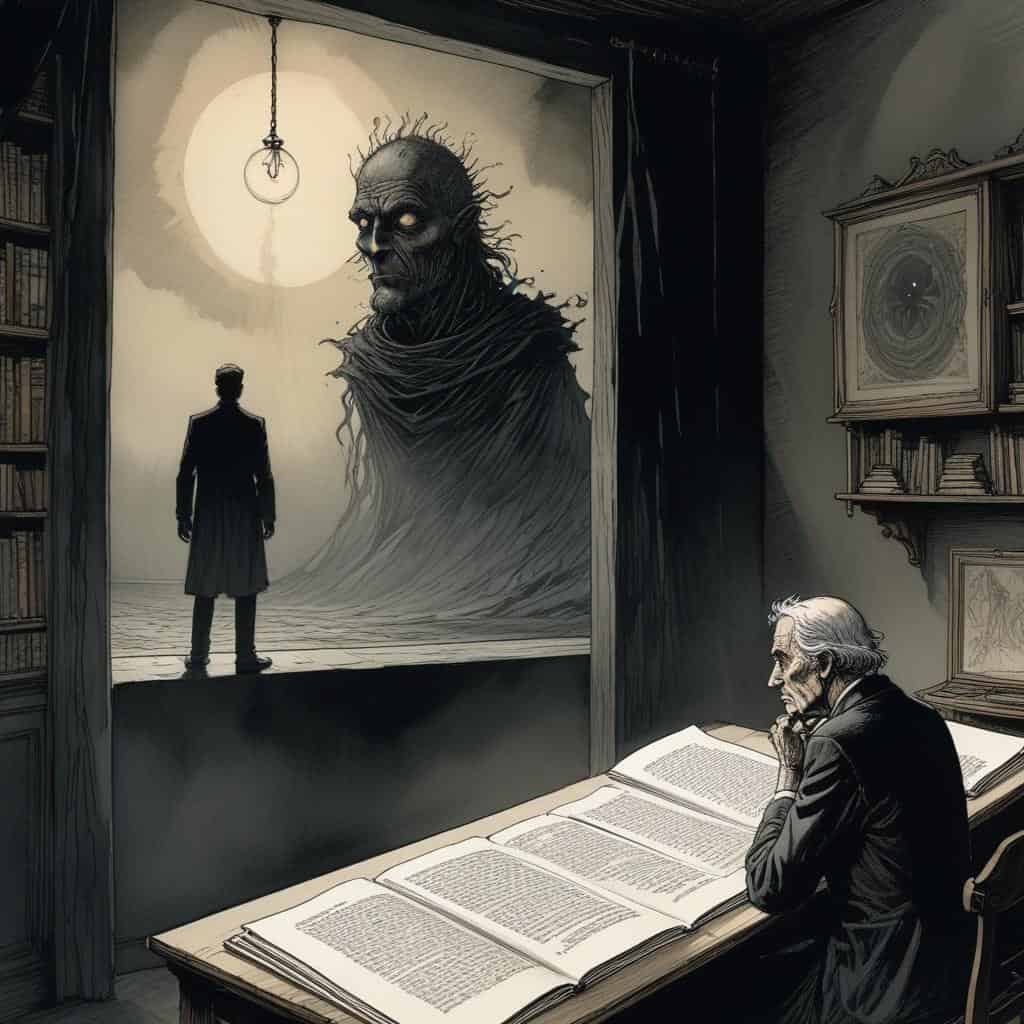
Lesson Details & Resources
In a Nutshell
- What: Novel by George Orwell
- When: Written in 1949
- Who: Winston Smith, Julia, Big Brother
- Theme: Totalitarianism and the loss of individual freedom
List of Characters in 1984
-

Winston Smith
Winston Smith is the main protagonist of the novel, a member of the Outer Party who secretly rebels against the oppressive government.
-

Julia
Julia is Winston's love interest and fellow rebel, who helps him in his fight against the Party.
-
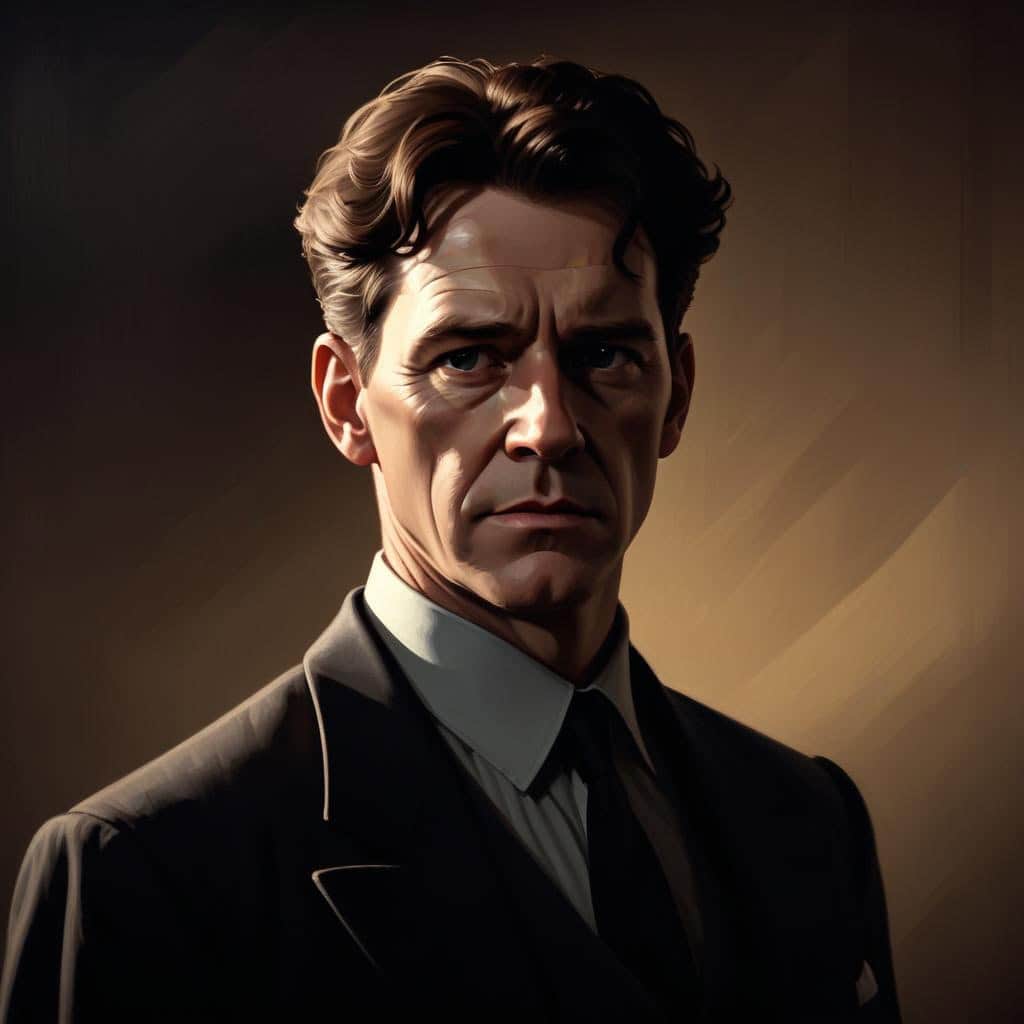
O'Brien
O'Brien is a high-ranking member of the Inner Party who initially appears to be a friend to Winston, but later betrays him.
-
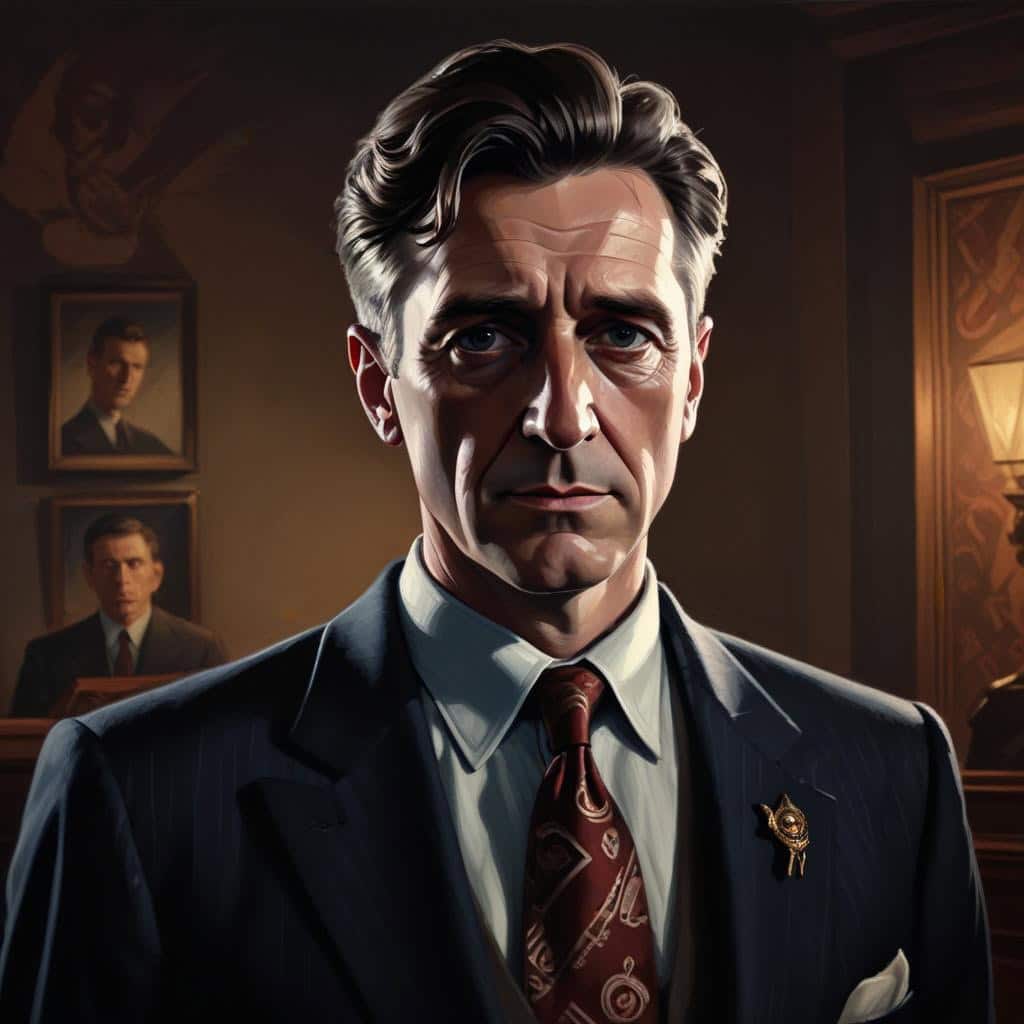
Big Brother
Big Brother is the enigmatic leader of the Party, whose image is omnipresent throughout Oceania.
-
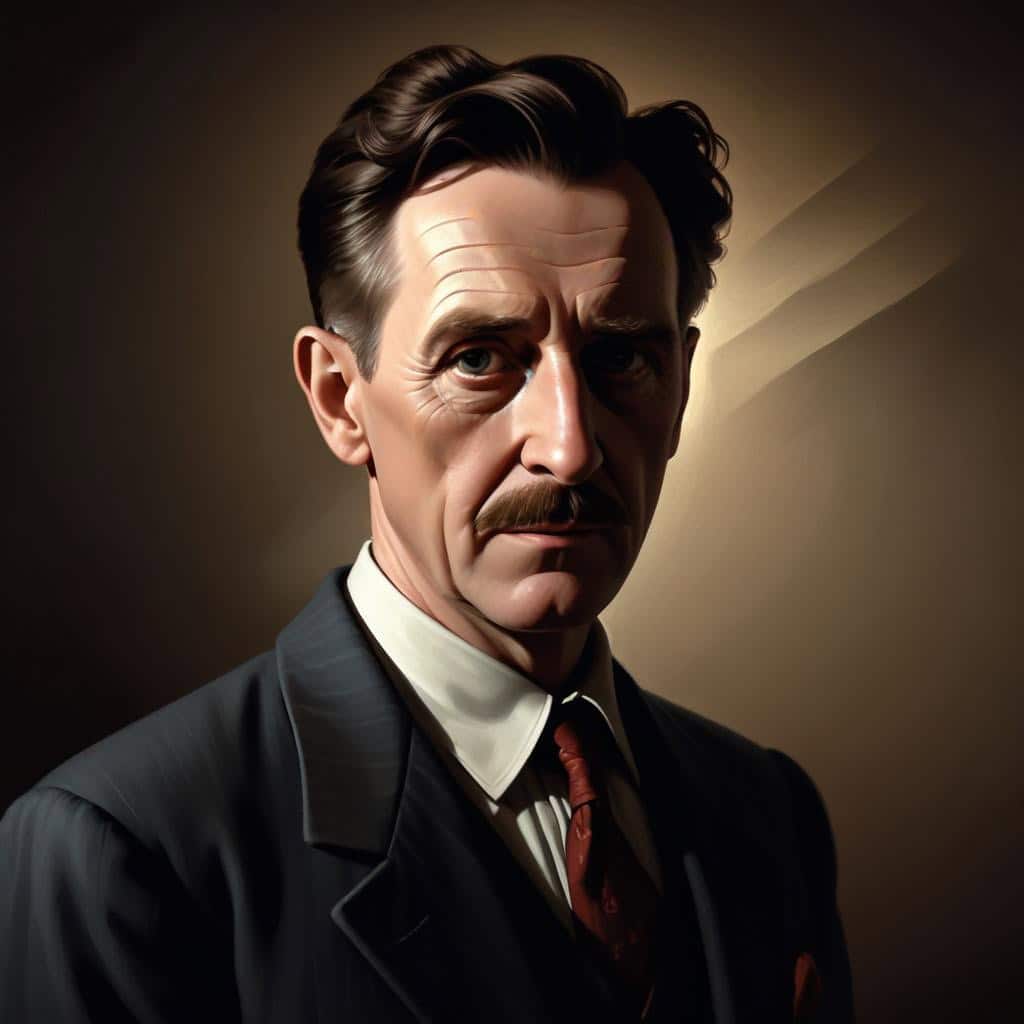
Mr. Charrington
Mr. Charrington is an elderly shopkeeper who rents a room to Winston and Julia, but is later revealed to be a member of the Thought Police.
Timeline of 1984
Winston Smith, the protagonist, begins to keep a secret diary in which he rebels against the oppressive Party.
Winston meets Julia, a fellow Party member, with whom he begins a forbidden love affair.
Winston and Julia rent a room above Mr. Charrington's shop, where they engage in their affair away from the watchful eye of the Party.
Winston and Julia are captured by the Thought Police and taken to the Ministry of Love for interrogation and torture.
Winston is brainwashed and forced to betray Julia, revealing his deepest fears and thoughts to the Party.
Winston is released back into society, but he has been completely broken and now fully embraces the Party's ideology.
Winston meets Julia again, but they both realize that their love affair is over and that they can never truly be free under the Party's rule.
Winston is eventually betrayed by his former colleague O'Brien and is taken to Room 101, where he faces his worst fear and is finally broken completely.
Winston is released back into society, but he is now a shell of his former self, completely loyal to the Party and devoid of any rebellious thoughts.
The novel ends with Winston sitting alone in a cafe, drinking Victory Gin and watching a telescreen, resigned to his fate and the eternal power of the Party.
Vocabulary List
- Thoughtcrime
- The act of having unorthodox thoughts that go against the Party's beliefs.
- Newspeak
- The simplified language used by the Party to control and limit the range of thought.
- Doublethink
- The ability to hold two contradictory beliefs at the same time and accept both as true.
- Proles
- The working class of society, considered to be outside the Party's control.
- Big Brother
- The figurehead of the Party who represents the surveillance and control over the citizens.
- Room 101
- A place where a person's worst fears and phobias are used against them in torture.
- Telescreen
- A device that combines a television and camera to monitor citizens and spread propaganda.
- Ministry of Truth
- The government department responsible for rewriting historical records to align with the Party's current beliefs.
- Memory hole
- A system of destroying all evidence of past events that contradict the Party's version of history.
- Ingsoc
- The ideology of the Party that combines socialism and totalitarian control.
Key Facts
This is the information used in the fact matching game
- 1. The novel was published in 1949 and is set in a dystopian future.
- 2. The story is set in a totalitarian state known as Oceania.
- 3. The protagonist, Winston Smith, works for the Party as a low-ranking member of the Outer Party.
- 4. The Party is led by Big Brother, a figurehead who symbolizes the oppressive regime.
- 5. Oceania is constantly at war with either Eurasia or Eastasia, two other superstates.
- 6. The Party uses Newspeak, a controlled language, to limit freedom of thought and expression.
- 7. Telescreens are ubiquitous in Oceania, serving as surveillance devices and propaganda tools.
- 8. The Party controls and manipulates history through the Ministry of Truth.
- 9. Winston begins to rebel against the Party after falling in love with a woman named Julia.
- 10. Winston and Julia engage in an illicit affair, which goes against the Party's strict rules on relationships.
- 11. They join a secret resistance movement known as the Brotherhood, led by Emmanuel Goldstein.
- 12. Winston befriends a Party member named O'Brien, who Winston believes is also part of the resistance.
- 13. O'Brien, however, turns out to be a loyal Party member and betrays Winston and Julia.
- 14. Winston and Julia are captured by the Thought Police and subjected to severe torture.
- 15. As a result of the torture, Winston ultimately betrays Julia and loses his rebellious spirit.
- 16. The novel ends with Winston's complete indoctrination and acceptance of the Party's ideology.
- 17. Newspeak aims to eliminate any words or concepts that could be used to challenge the Party's authority.
- 18. The phrase "Big Brother is watching you" has become synonymous with government surveillance and invasion of privacy.
- 19. The novel explores themes of totalitarianism, censorship, propaganda, and the power of language.
- 20. 1984 is considered a classic work of dystopian fiction and has had a profound influence on literature and popular culture.
Analysis & Significance
Impact on Literature
George Orwell’s dystopian novel ‘1984’ has had a profound impact on literature, particularly in the science fiction genre. Its exploration of totalitarianism, surveillance, and the manipulation of truth has influenced countless writers and has become a touchstone for discussions about government control and individual freedom in storytelling.
Enduring Themes
The themes of power, control, and resistance in ‘1984’ continue to resonate with modern audiences. The novel’s warnings about the dangers of authoritarianism and the importance of independent thought are still relevant today, making it a timeless and thought-provoking work of literature.
Cultural Significance Today
‘1984’ remains culturally significant today, with its concepts of Big Brother, doublethink, and Newspeak entering the lexicon as shorthand for oppressive government tactics. The novel has been adapted into films, plays, and even inspired the reality TV show ‘Big Brother’, solidifying its place in popular culture and its ongoing relevance in discussions about surveillance and censorship.
1984 Games


Take Your Learning Offline
Want a convenient, print-ready study guide for this lesson? Become a Memory Wizards Pro member to unlock the downloadable " Memory Scrolls" for this topic and our entire library!
- ✓ Complete Vocabulary Lists
- ✓ Key Facts & Timelines
- ✓ Beautifully Formatted for Print & Mobile
Dive Deeper

1984: New Classic Edition
This edition of George Orwell's timeless dystopian novel provides a fresh perspective on the classic story, making it a must-read for anyone interested in exploring the themes of surveillance, government control, and individual freedom.
View on Amazon
Greatest Works of George Orwell 9 Books Set
This comprehensive collection includes all of George Orwell's nine greatest works, providing readers with a complete and immersive introduction to his iconic literature.
View on AmazonTo help us keep Memory Wizards running and create more magical learning content, we are a participant in the Amazon Associates Program. If you make a purchase through the links on this page, we may earn a small commission at no extra cost to you. We only recommend resources we believe in.
Recommended Viewing
1984 Audio Book
A sinister vision of a world where there is no personal freedom, lies replace the truth, and politically incorrect thought is the most severely punished crime.
From the channel: Gates of Imagination