Easter Island

Uncover the mysteries of the iconic Moai statues on mystical Easter Island.

How Do You Learn Best?

Note: You can explore any or all of these paths in any order you prefer!

Easter Island in 10 Minutes

Introduction
Introduction

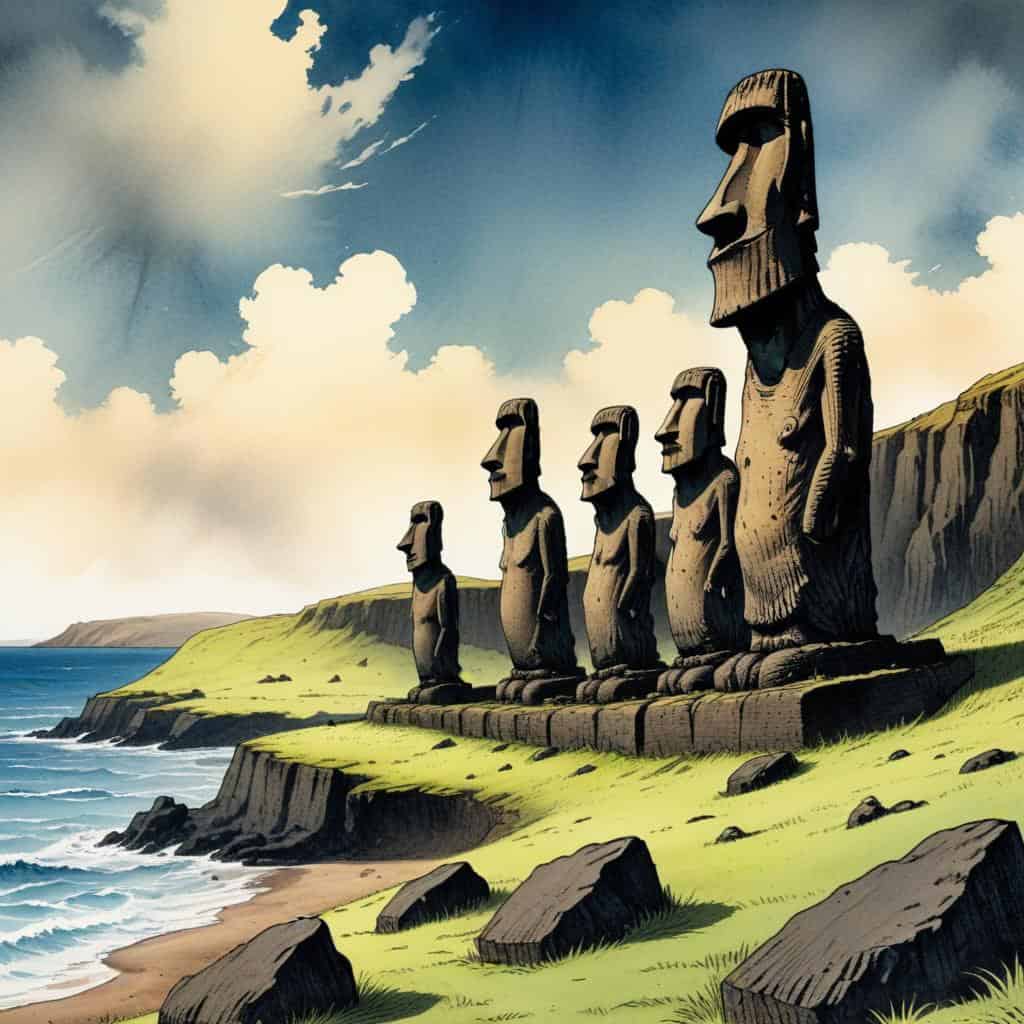
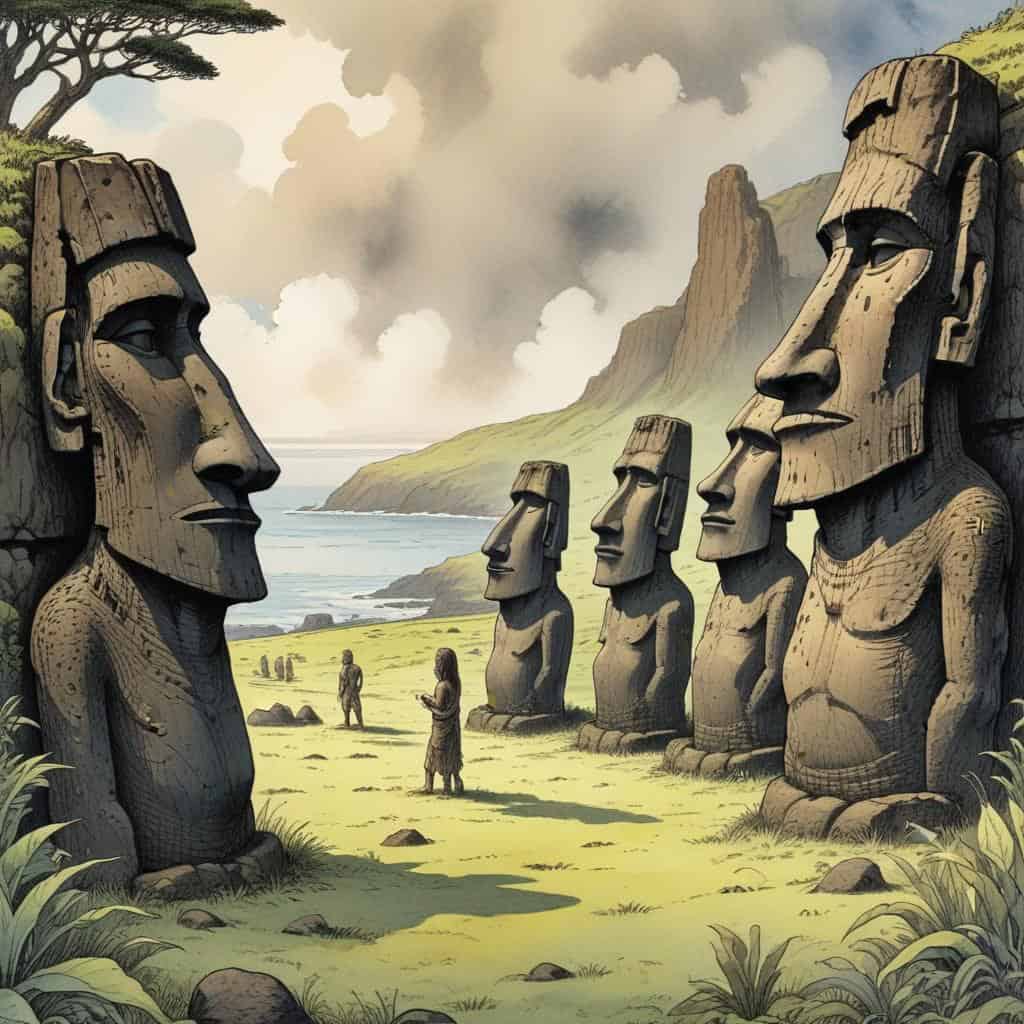
Easter Island, also known as Rapa Nui, is a remote island located in the southeastern Pacific Ocean. This small island is famous for its mysterious giant stone statues called moai, which were created by the Rapa Nui people centuries ago.

Despite its isolated location, Easter Island has attracted visitors from around the world who are intrigued by its unique history and enigmatic landscape. The island's moai statues, archaeological sites, and volcanic terrain make it a fascinating destination for those interested in ancient civilizations and natural wonders.

In this article, we will take a closer look at the history of Easter Island, the significance of the moai statues, and the cultural heritage of the Rapa Nui people. Join us as we explore the captivating landscape and intriguing mysteries of Easter Island.

Rapa Nui Natives

Rapa Nui Natives

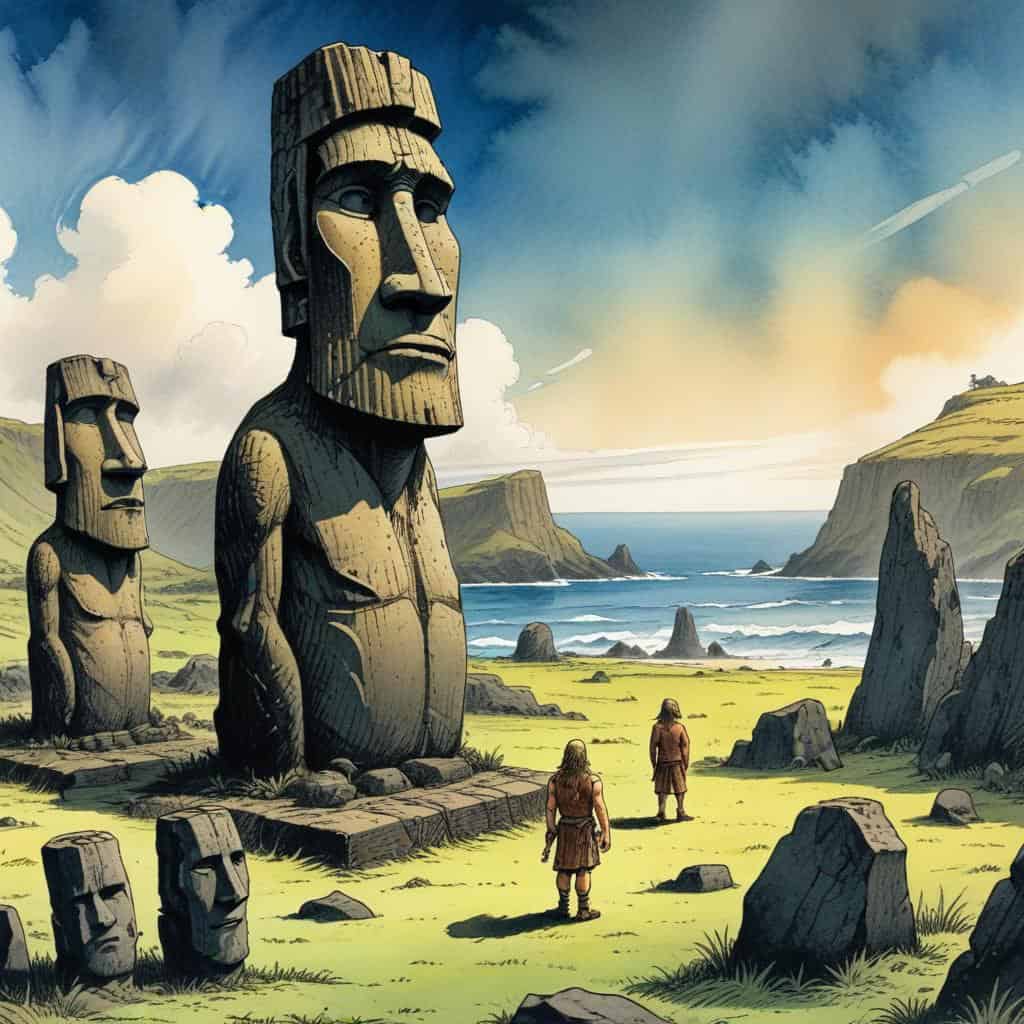
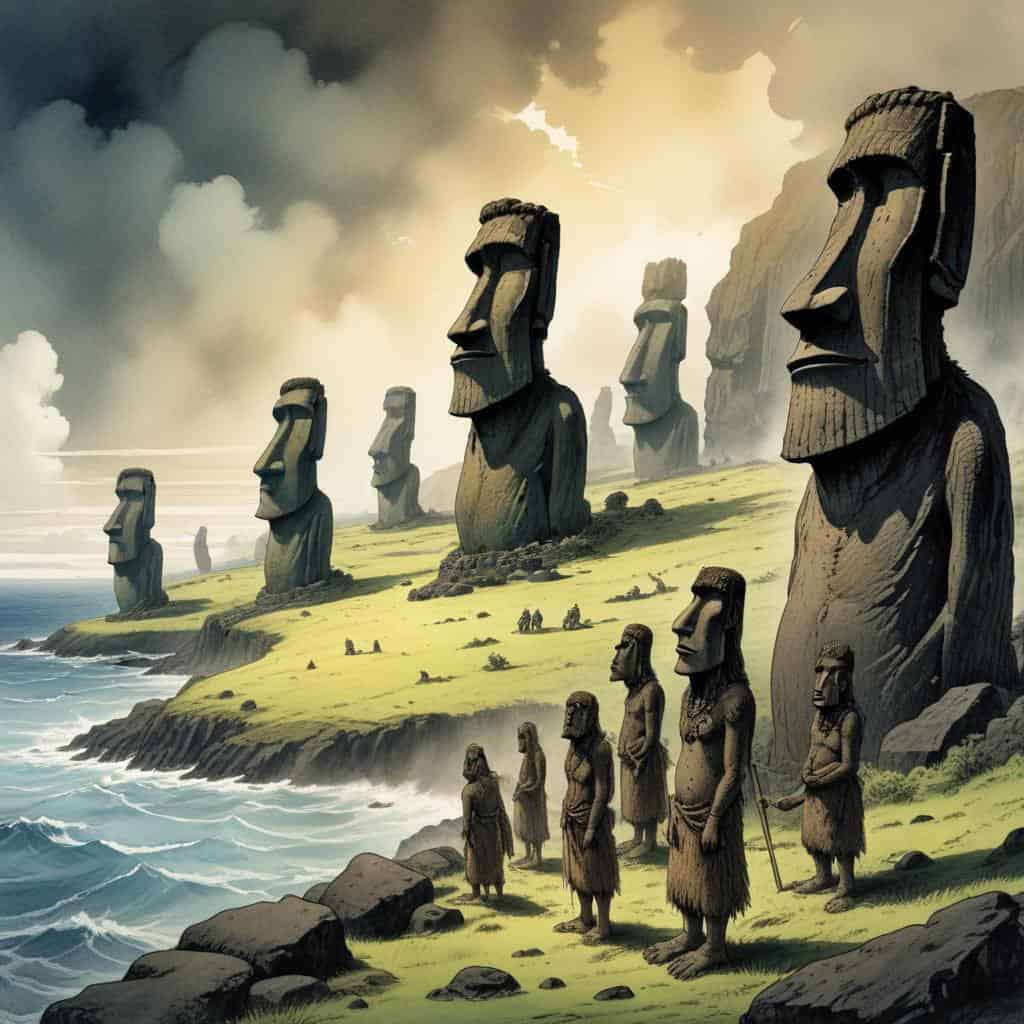
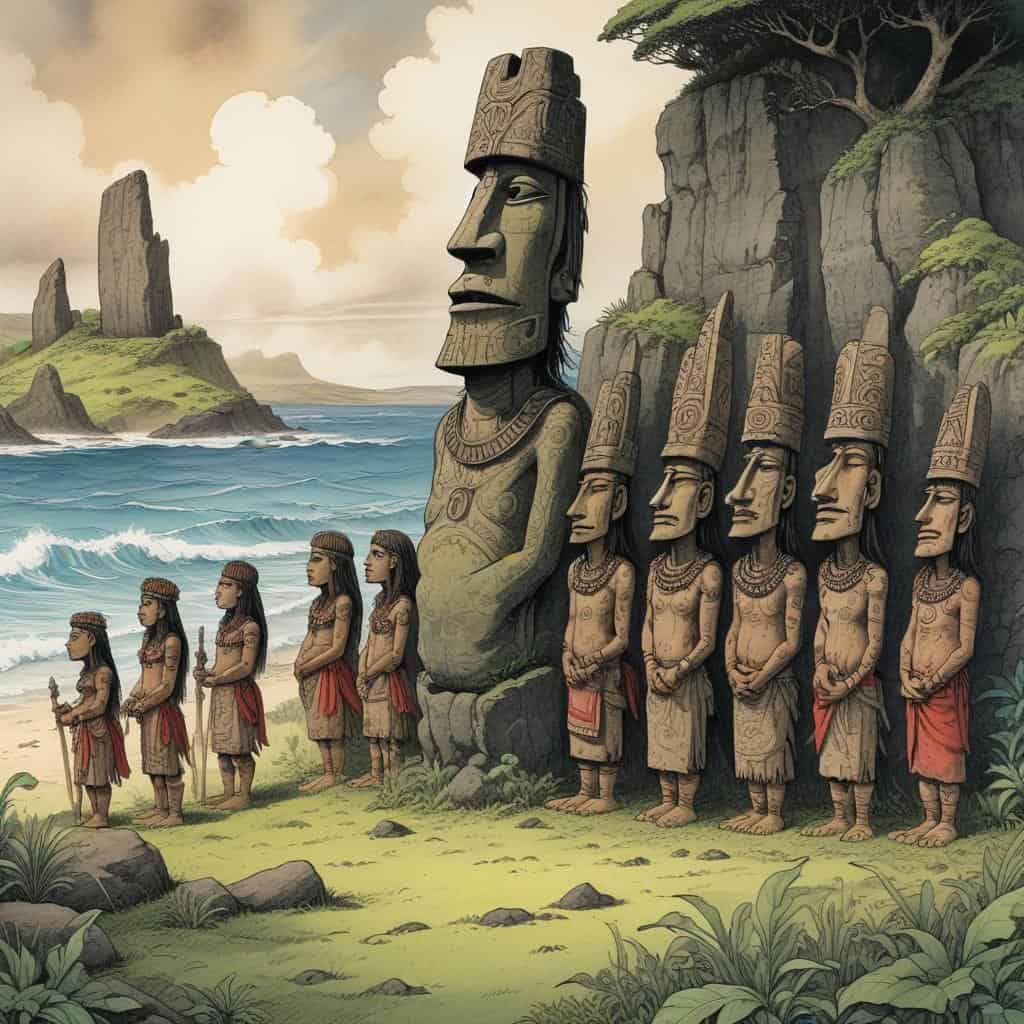
The indigenous people of Easter Island, known as the Rapa Nui, have inhabited the island for centuries. They are known for their unique language, culture, and traditions, as well as their iconic stone statues called moai.

Thor Heyerdahl

Thor Heyerdahl

A Norwegian explorer and archaeologist, Thor Heyerdahl conducted expeditions to Easter Island in the 1950s, studying the island's history and culture. He proposed theories about the origins of the Rapa Nui people and the construction of the moai statues.

Moai Statues

Moai Statues

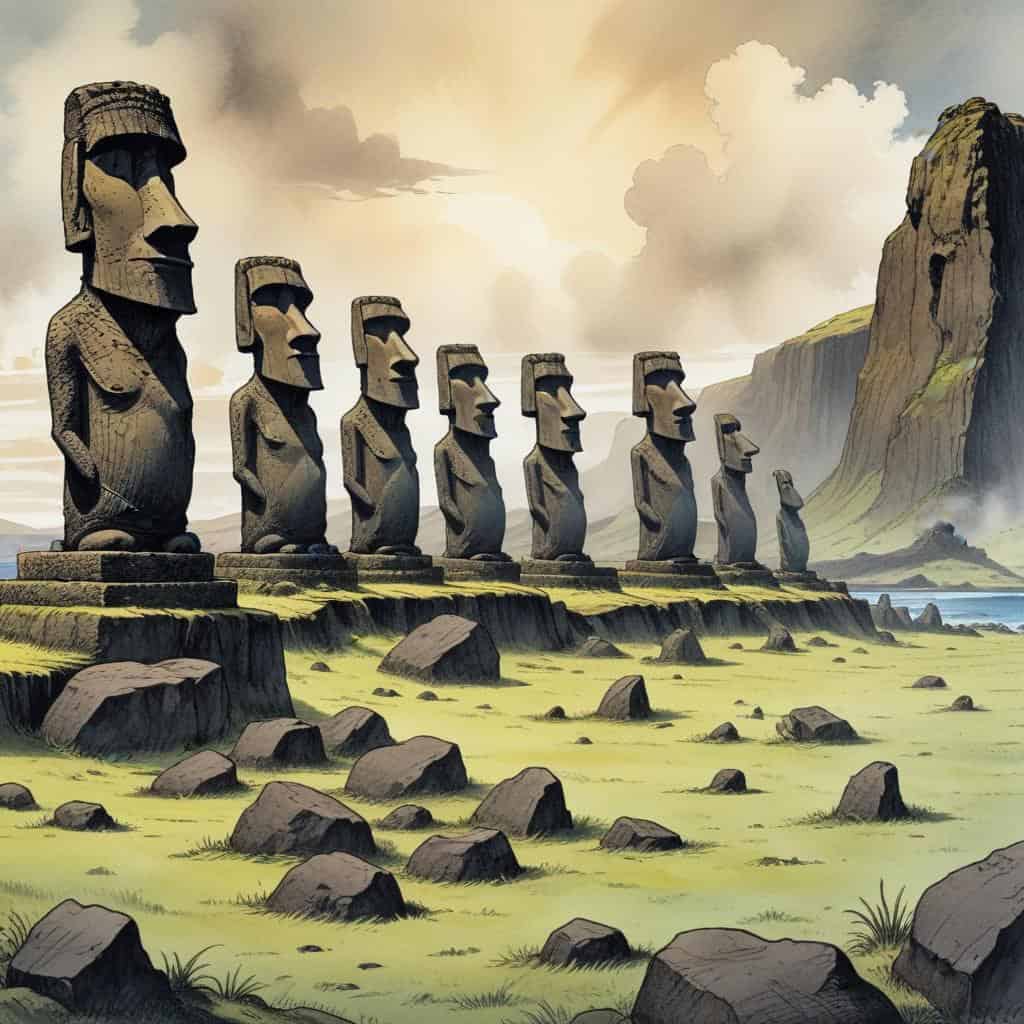
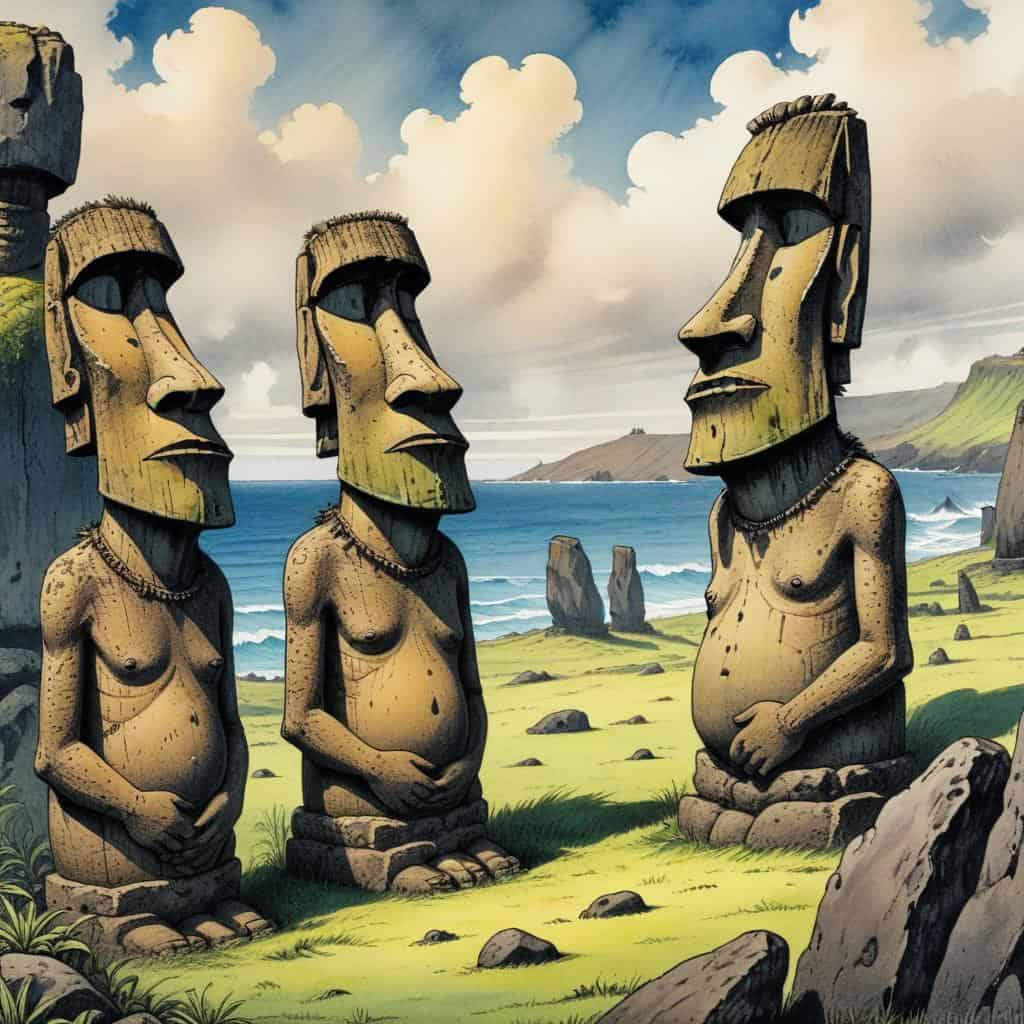
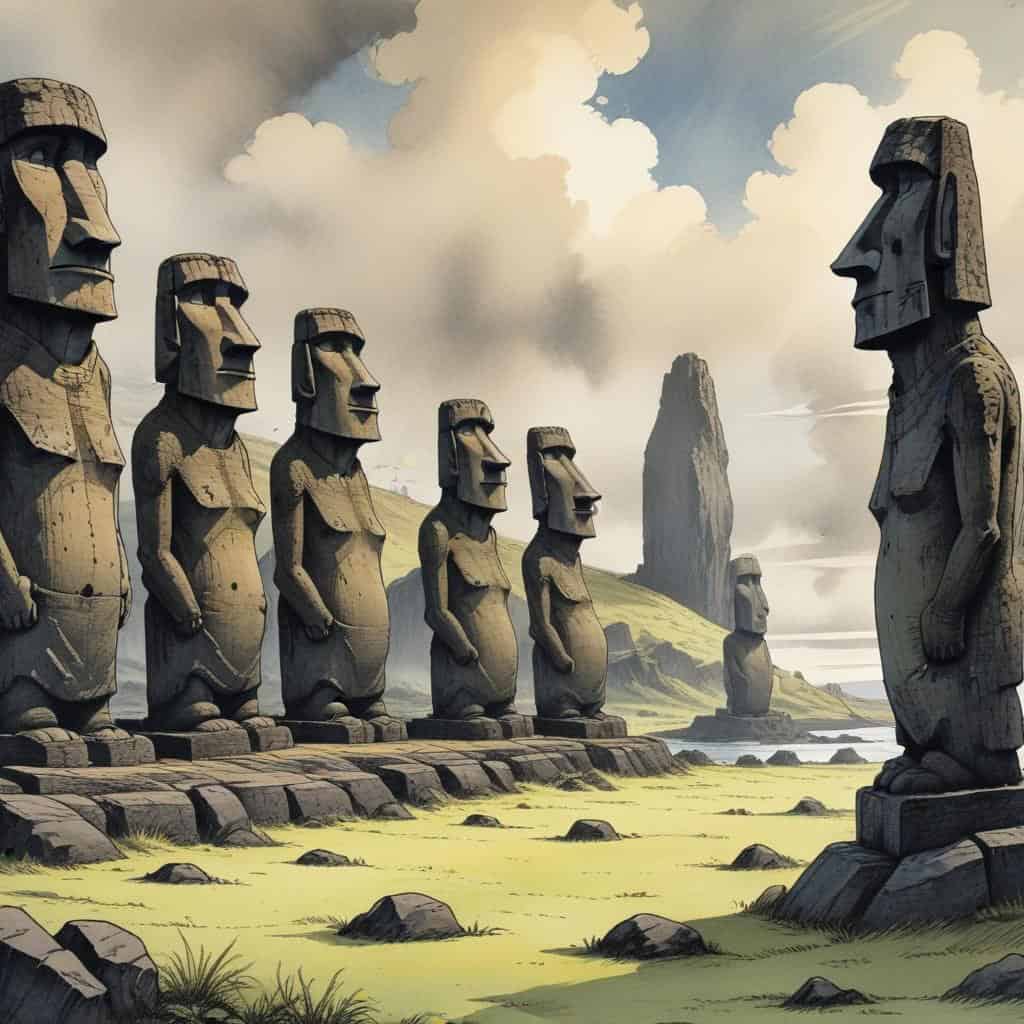
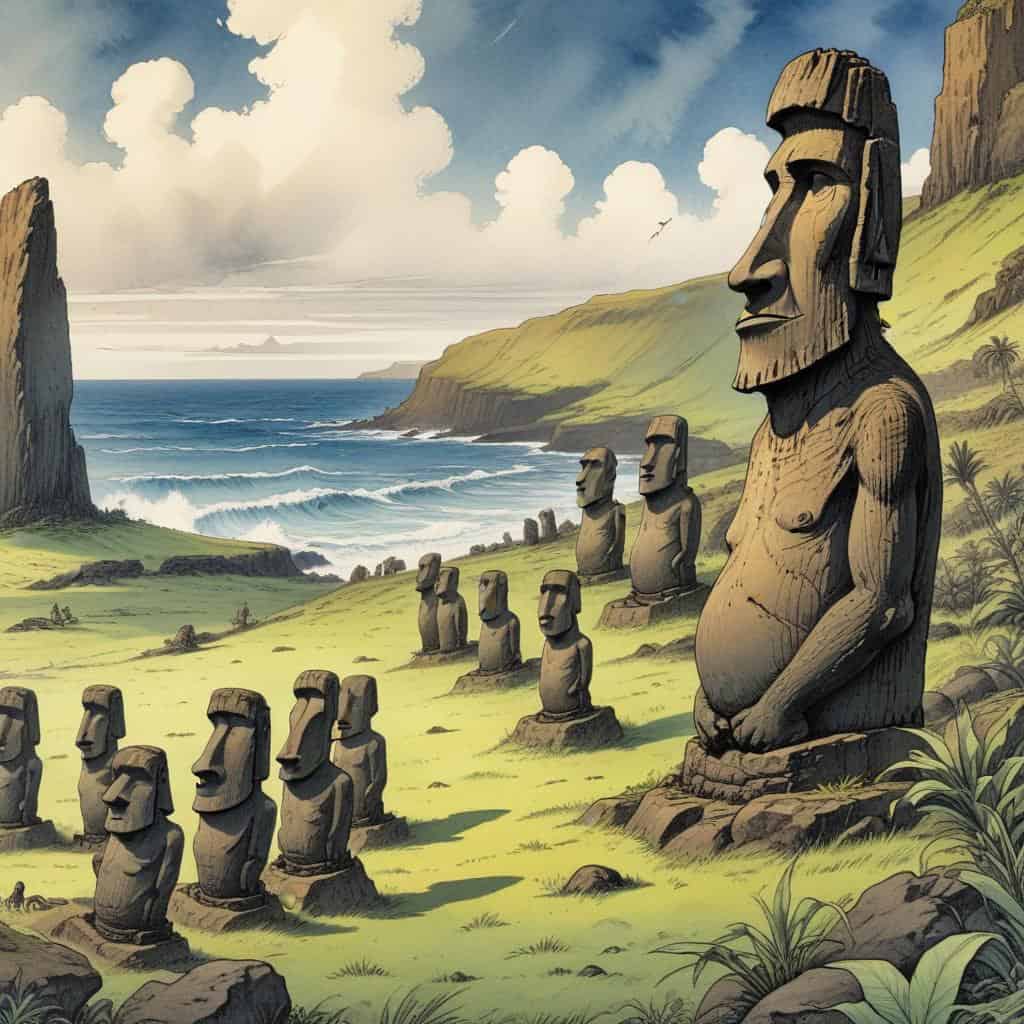
The moai statues are large stone figures that were carved by the Rapa Nui people and placed around the island. These statues are believed to represent ancestral chiefs or important figures in Rapa Nui society, and their construction remains a mystery to this day.

European Explorers

European Explorers

Throughout history, European explorers such as Dutch navigator Jacob Roggeveen and British explorer James Cook visited Easter Island, documenting their encounters with the Rapa Nui people and the moai statues. Their accounts have contributed to our understanding of the island's past.

The Mysterious Moai Statues

The Mysterious Moai Statues

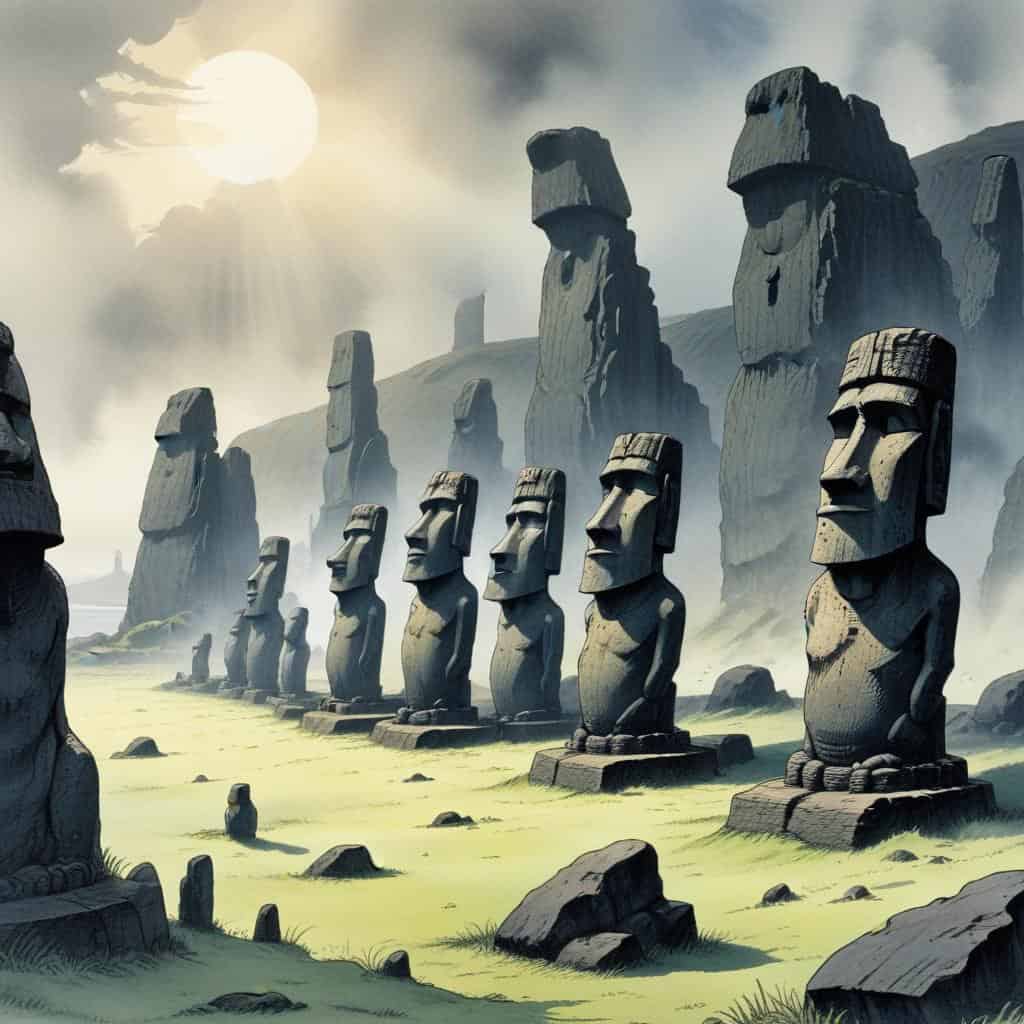
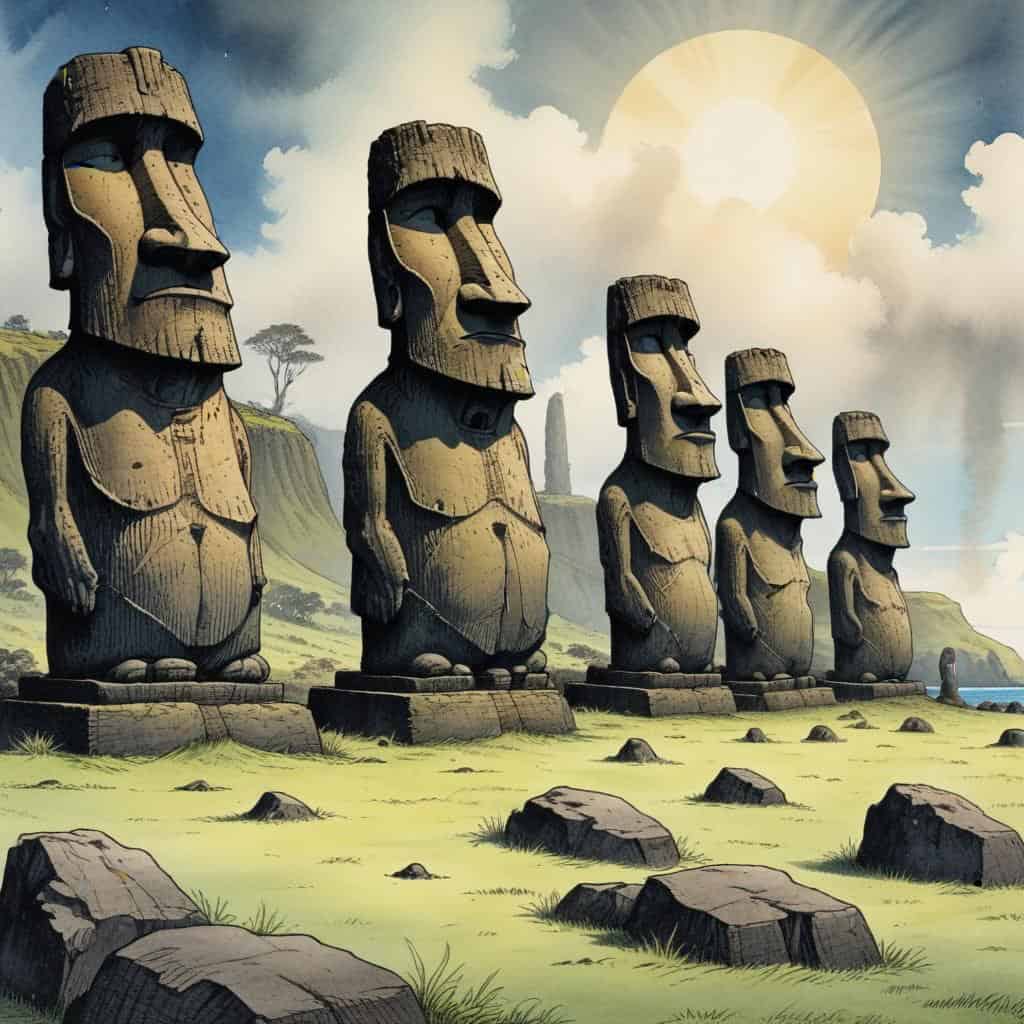
Easter Island is famous for its iconic Moai statues, which were carved by the Rapa Nui people between 1400 and 1650 AD. These massive stone figures can reach up to 33 feet in height and weigh up to 82 tons.

The Decline of the Rapa Nui Civilization
The Decline of the Rapa Nui Civilization

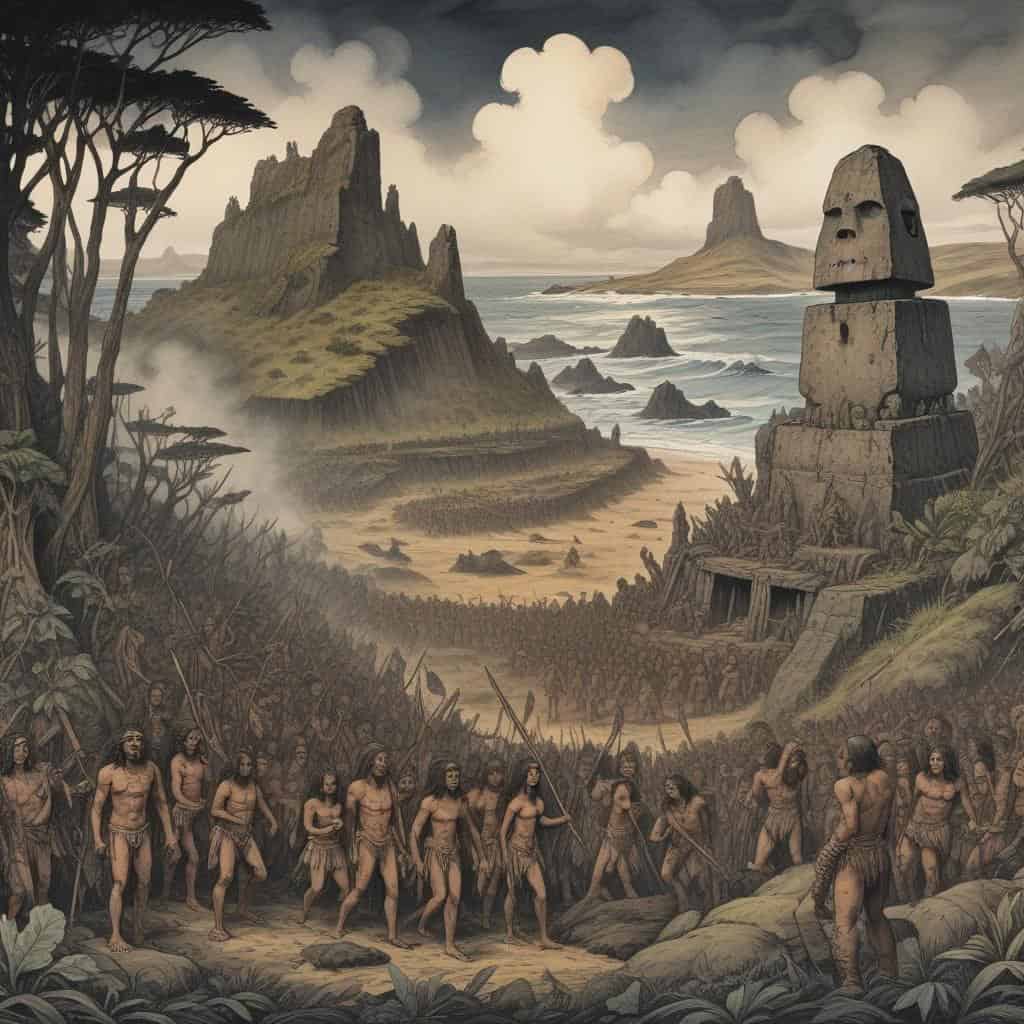
By the time European explorers arrived on Easter Island in the 18th century, the once-thriving Rapa Nui civilization had declined. The population had dwindled, and the Moai statues had been toppled.

Theories of the Moai Statues

Theories of the Moai Statues

There are various theories about the purpose of the Moai statues, ranging from representations of ancestors to markers of tribal territories. Some believe they were used in religious ceremonies.

The Ahu Platforms

The Ahu Platforms

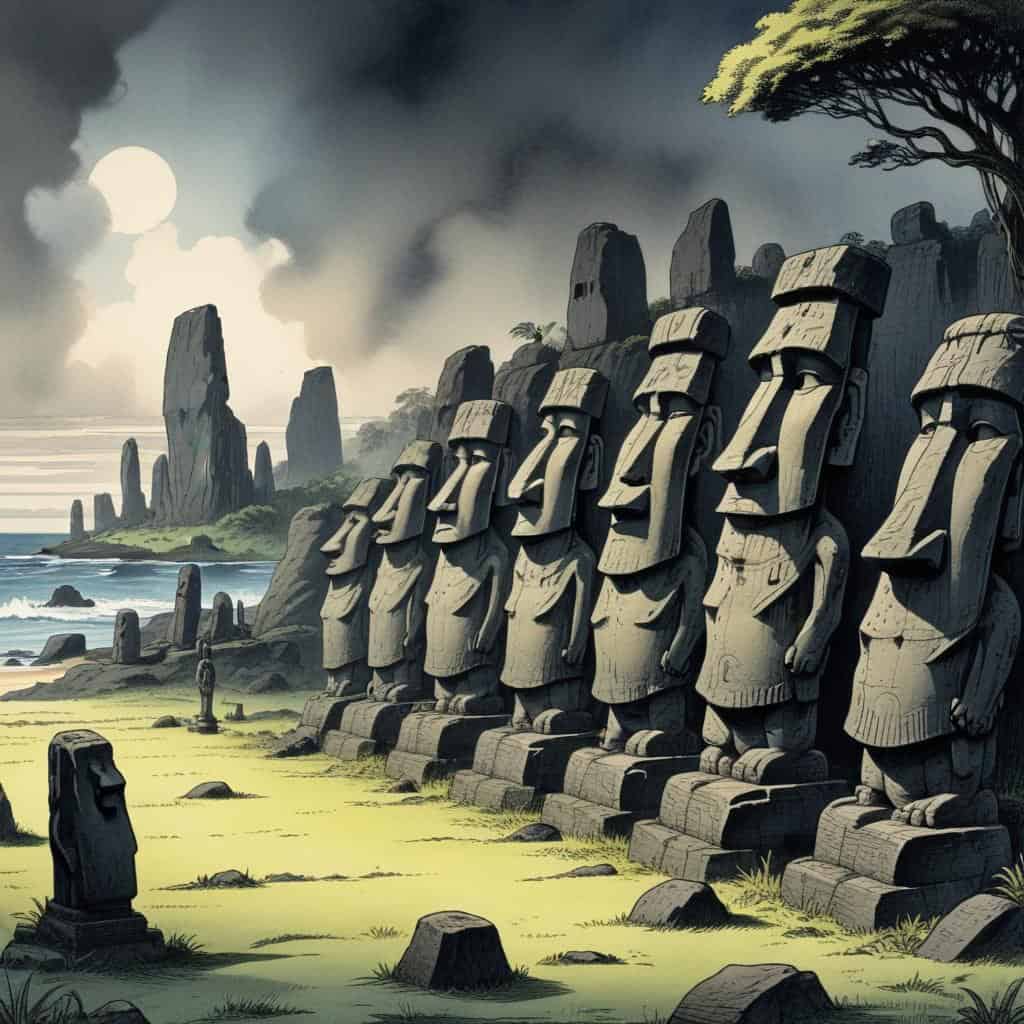
The Moai statues were mounted on stone platforms called Ahu, which served as ceremonial and burial sites. These platforms can be found all over the island, with some containing multiple statues.

The Arrival of Europeans

The Arrival of Europeans

In 1722, Dutch explorer Jacob Roggeveen became the first European to visit Easter Island. He named it after the day of his arrival, Easter Sunday. Subsequent visits by other Europeans had a significant impact on the island.

The Impact of Colonization

The Impact of Colonization

European diseases and slave raids devastated the Rapa Nui population. The introduction of livestock and invasive species further disrupted the island's ecosystem, leading to deforestation and environmental degradation.

The Rapa Nui Cultural Revival

The Rapa Nui Cultural Revival

In recent decades, efforts have been made to revive Rapa Nui culture and language. The island is now a UNESCO World Heritage Site, and the descendants of the Rapa Nui people continue to celebrate their heritage.

The Conservation of Easter Island

The Conservation of Easter Island

Conservation efforts are underway to protect the island's fragile ecosystem and preserve its archaeological sites. Sustainable tourism practices are being implemented to minimize the impact of visitors on the island.

The Mystique of Easter Island

The Mystique of Easter Island
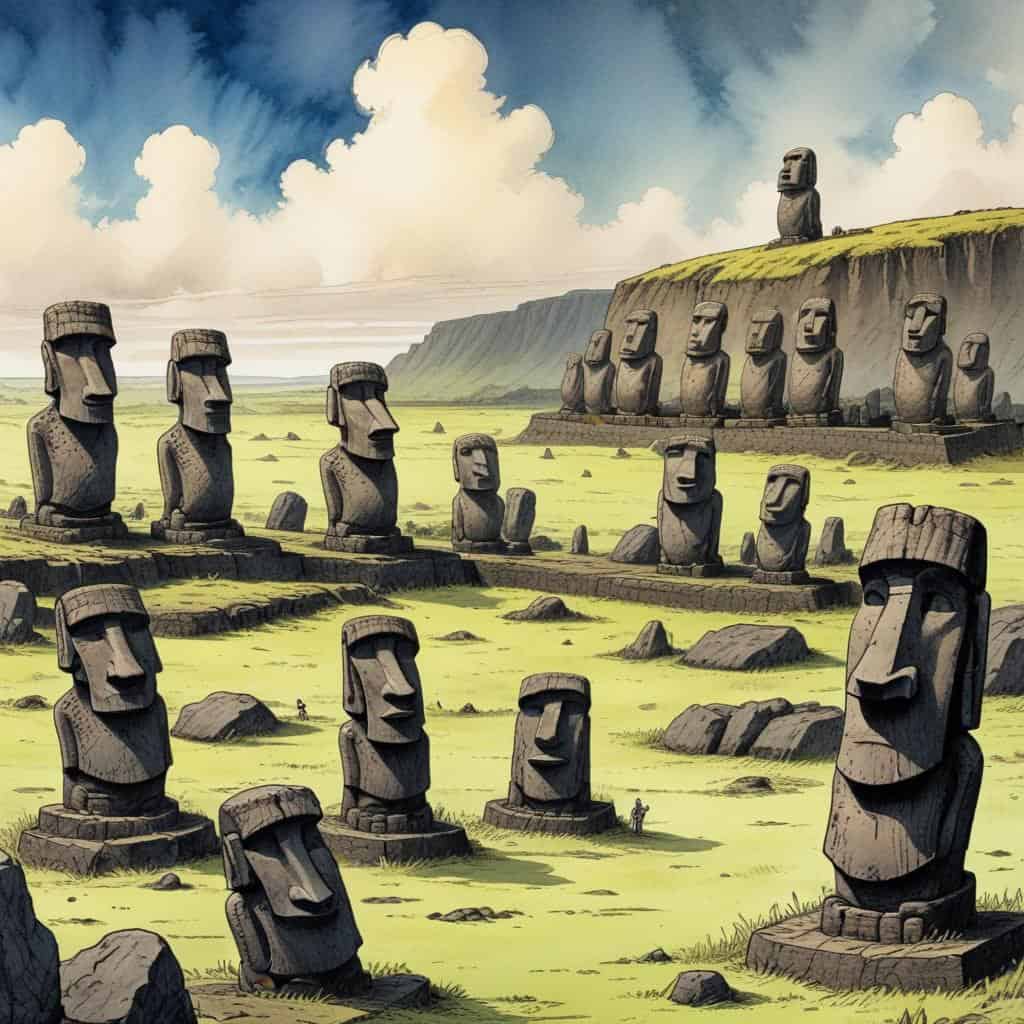
Easter Island continues to captivate travelers with its enigmatic landscape and ancient history. The Moai statues stand as a testament to the ingenuity and creativity of the Rapa Nui people.

Exploring Easter Island Today

Exploring Easter Island Today

Visitors can explore the Moai statues, Ahu platforms, and other archaeological sites on Easter Island. The island's unique culture, stunning landscapes, and warm hospitality make it a must-visit destination for those seeking adventure and discovery.

1 / 19

In a Nutshell

  • Capital: Hanga Roa
  • Population: Approx. 7,750 (2021)
  • Official Language: Spanish
  • Currency: Chilean peso (CLP)

Breaking Down the Country

Mysterious Statues

Easter Island is famous for its giant stone statues called Moai, believed to represent ancestors and built by the indigenous Rapa Nui people.

Isolated Island

Located in the southeastern Pacific Ocean, Easter Island is one of the most remote inhabited islands in the world, known for its unique culture and history.

Environmental Concerns

Due to its fragile ecosystem and limited resources, Easter Island faces challenges related to deforestation, soil erosion, and the preservation of its archaeological sites.

Timeline of Easter Island

No timeline events found.

Vocabulary List

No vocabulary terms found.

Key Facts

This is the information used in the fact matching game

    No key facts found.

Why It Matters

Geopolitical Significance

Easter Island, located in the southeastern Pacific Ocean, holds geopolitical significance due to its remote location and limited resources. Its isolation has shaped its history and interactions with outside powers, making it a unique case study in the impact of geography on geopolitics.

Historical Importance

Easter Island is famous for its iconic moai statues, symbols of a complex and mysterious ancient civilization. The island’s history of environmental degradation and societal collapse serves as a cautionary tale about the importance of sustainable practices and cultural preservation.

Modern-Day Role

Today, Easter Island is a UNESCO World Heritage site and a symbol of cultural heritage conservation. The island’s economy relies heavily on tourism, which presents challenges and opportunities for balancing economic development with the protection of its fragile environment and unique cultural heritage.

Easter Island Games

Was This Lesson Helpful?

Please log in or sign up to rate this lesson. 

Take Your Learning Offline

Want a convenient, print-ready study guide for this lesson? Become a Memory Wizards Pro member to unlock the downloadable " Memory Scrolls" for this topic and our entire library!

  • ✓ Complete Vocabulary Lists
  • ✓ Key Facts & Timelines
  • ✓ Beautifully Formatted for Print & Mobile
Upgrade to Pro

You must be logged in to provide feedback. Please log in or create a free account.

You must be logged in to provide feedback. Please log in or create a free account.

Scroll to Top